Pink-banded Fairy Wrasse
Cirrhilabrus roseafascia
The Rose Banded Fairy Wrasse is a larger, vibrant pinkish-red deep-water species with yellow bands. Reef-safe but easily startled, requiring a spacious, covered tank.
Water Temperature
22 - 27 °C
pH Value
8 - 8.5
Water type
Marine
Tank level
Middle
Adult size
12 cm
Minimum tank volume
>= 250 L
Minimum group
>= 1
KH
8 - 12 dKH

Species description
Geographical Origin and Habitat: Widespread in the tropical Western Pacific Ocean, including Vanuatu, New Caledonia, Fiji, Samoa, and the Cook Islands. It inhabits deep seaward reefs, typically at depths of 70 to 120 meters, swimming among coral rubble and rocky overhangs in cooler, deep-water environments.
Taxonomy and Morphology: Belongs to the family Labridae and the genus Cirrhilabrus. It features an elongated, laterally compressed body with a pointed snout. It is one of the larger members of its genus, reaching a maximum length of about 12 centimeters. Characterized by well-developed, pointed dorsal and caudal fins.
Social Behavior: Generally peaceful toward fish of other families, but males are highly territorial and aggressive toward conspecific males and other members of the Cirrhilabrus genus. It swims actively in the lower to mid-water column, constantly looking for small prey.
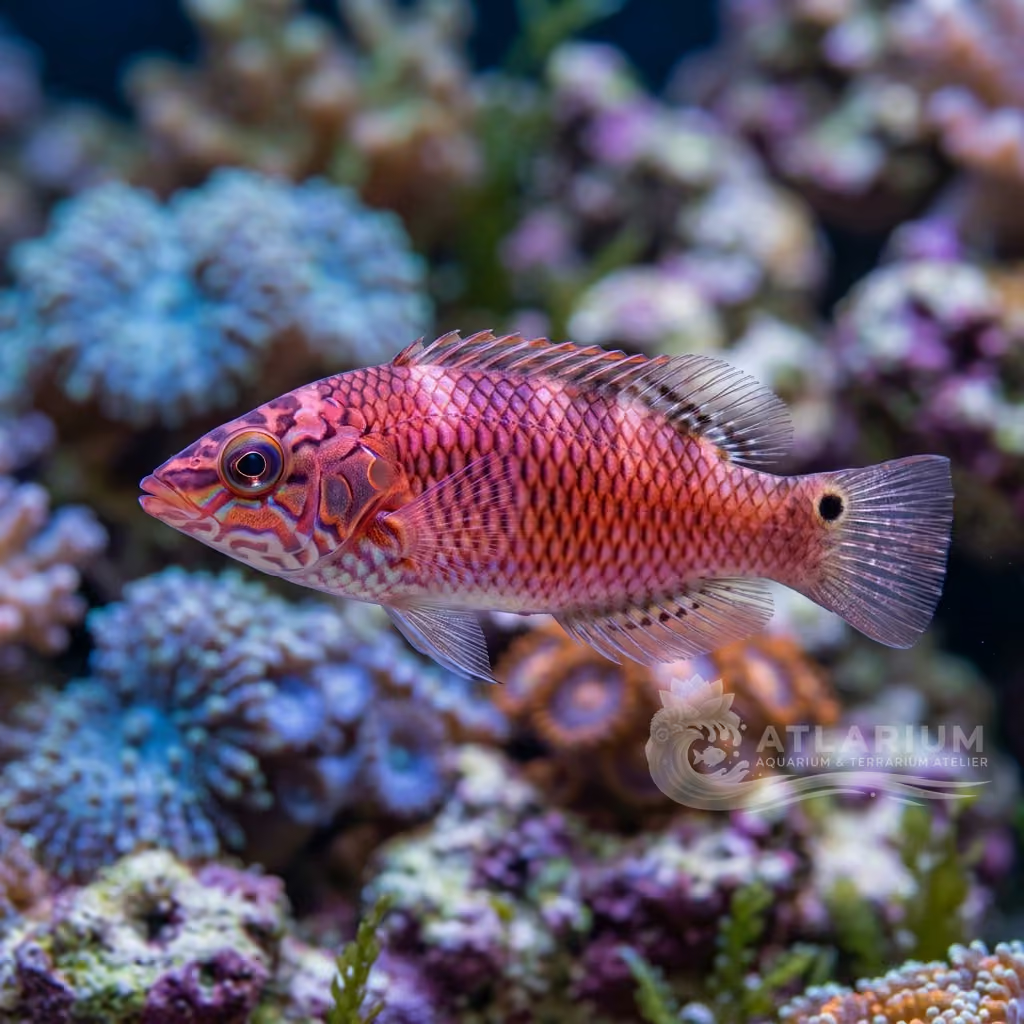
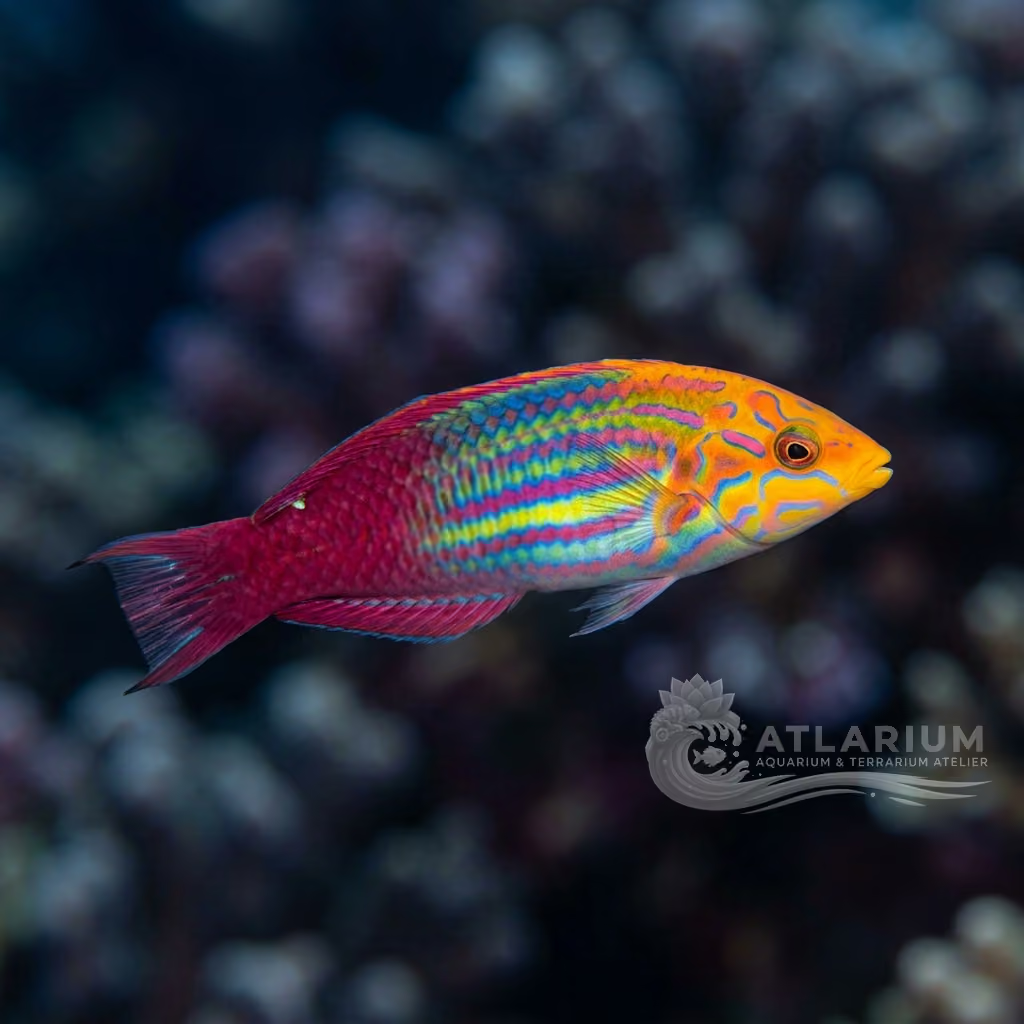
Coloration and Sexual Dimorphism: The coloration of mature males is spectacular, featuring a vibrant pinkish-red base color highlighted by a prominent yellow or orange longitudinal band. The dorsal and anal fins are brightly colored. Females are smaller and display simpler, more uniform pinkish-tan tones.

Care, breeding and tankmates
Aquarium Setup: Requires a spacious aquarium of at least 250 liters, with plenty of live rock arranged to create shaded caves, overhangs, and dim zones. A tight-fitting lid or screen cover is strictly mandatory, as this wrasse is a notorious jumper when startled.
Diet and Feeding: Planktivorous carnivore. Feed multiple times a day with high-quality frozen foods such as mysis, brine shrimp, copepods, and lobster eggs. It will also accept vitamin-enriched dry pellets and flakes, feeding primarily on food items suspended in the water column.
Water Quality: Requires clean, well-oxygenated water with stable parameters: water temperature between 22°C and 27°C, pH between 8.0 and 8.5, and specific gravity (SG) constant between 1.020 and 1.026. Efficient biological filtration and protein skimming are necessary.
Compatibility and Cohabitation: Reef-safe and compatible with all coral types. It coexists peacefully with medium-sized community fish such as cardinals, gobies, anthias, and dwarf angelfish. Avoid housing with aggressive tankmates or closely related fairy wrasses of similar color and shape.
Aquarium Breeding: A protogynous hermaphrodite. The dominant female in a harem will transition into a male if the male is lost. Spawning in home aquariums is undocumented due to the pelagic nature of their eggs and the complex nutritional needs of the larval stage.
Risks and Diseases: Jumping out of the tank is the primary risk. This species is sensitive to shipping stress, bright aquarium lighting during initial introduction, and skin parasites such as Cryptocaryon irritans and Oodinium if water quality is poor. Quarantine is advised.

Geographic origin and distribution
Widespread in the tropical Western Pacific Ocean, including Vanuatu, New Caledonia, Fiji, Samoa, and the Cook Islands. It inhabits deep seaward reefs, typically at depths of 70 to 120 meters, swimming among coral rubble and rocky overhangs in cooler, deep-water environments.
Origin
Tropical oceans and reefsAustralia, New Guinea, and Oceania

Fish profile
- Temperament
- Semi-aggressive
- Cirrhilabrus roseafascia is an active, diurnal fish that spends most of its time swimming in the lower to middle water column. They display a haremic social structure, where a single dominant male coexists with several females. When first introduced, they may be shy and seek refuge in rockwork, but they will become bold swimmers once settled. They are generally peaceful toward unrelated tankmates but will defend their territory against other wrasses.
- Diet
- Carnivore
- This species is a carnivorous planktivore that requires a high-protein diet to maintain its health and vibrant coloration. In the aquarium, it should be fed a varied diet consisting of high-quality frozen mysis shrimp, brine shrimp, copepods, and lobster eggs. They will also accept commercial dry pellets and flake foods once acclimated to the tank. Feeding a diverse selection of foods ensures they receive all necessary vitamins and minerals.
- Life expectancy
- 5-8 years
- Adult size
- 12 cm
- Sex ratio
- Harem
- Single or harem (1 male and multiple females).
- Feeding frequency
- 2-3 times daily
- Due to their active nature and high metabolic rate, Cirrhilabrus roseafascia should be fed two to three times daily. Providing multiple small feedings throughout the day helps replicate their natural foraging behavior and prevents weight loss. It also helps reduce food-related aggression and territory disputes among other tank inhabitants. Automated feeding systems can be highly beneficial for maintaining this consistent schedule.
- Bioload
- Low to Medium
- Deepwater species like the Rose Banded Fairy Wrasse retain a very high metabolism and require generous, frequent offerings of zooplankton substitutes. Their robust appetites and multi-meal daily schedules increase the overall dissolved organics in the aquarium. They create a moderate bioload that necessitates high-end filtration to keep water parameters properly balanced.
- Flow
- Moderate
- This deep-water wrasse prefers moderate to strong water flow that mimics the offshore reef currents of its natural habitat. The current should be strong enough to keep food suspended in the water column but not so intense that the fish struggles to swim. Providing areas of lower flow and rocky crevices is essential, allowing the fish to rest comfortably when needed. Proper water flow also ensures high oxygenation levels, which supports their active lifestyle.
- Jump risk
- Yes
- Because they are naturally found in deeper, dimmer waters, bright lights or sudden shadows can heavily startle the Rose Banded Fairy Wrasse, causing it to bolt upwards. They are incredibly prone to jumping and will inevitably exit an uncovered aquarium. A heavy-duty, tight-fitting mesh lid is required to prevent tragic accidents with this rare species.
- Reproduction
- Oviparous
- Cirrhilabrus roseafascia is a protogynous hermaphrodite, meaning all individuals are born female and the dominant female can transition into a male. They are pelagic spawners, releasing their eggs and sperm into the water column during rapid vertical courtship runs. There is no parental care, and the fertilized eggs drift with ocean currents. Breeding this species in captivity is extremely difficult and undocumented due to the complex requirements of rearing the pelagic larvae.
- Compatibility & tankmates
- Aggressive
- This species is reef-safe and compatible with most corals and peaceful community fish. However, because they grow larger than many other fairy wrasses, they can be more assertive and territorial. They should not be housed with other males of the same species or similar-looking wrasses to avoid aggressive conflicts. A tight mesh cover is mandatory, as this fish will jump when startled or during territory disputes.
- Tank level
- Middle
- This species favors swimming actively in the open water, typically occupying the middle and lower-middle levels of the water column in an aquarium setting. They will gracefully dart around the reef structure during the day looking for small invertebrates. When the lights go out, they quickly secure themselves in rock crevices near the substrate.

Scientific Parameters & Models
FishBase
Window to the official scientific data of the species
FishBase v25.04Data synced on: 06/15/2026
- Trophic level
- 3.4 ± 0.4 se
- Resilience
- High (less than 15 months)
- Phylogenetic uniqueness (PD50)
- 0.5
- Bayesian Length-Weight
- a = 0.01072, b = 3.03
- VulnerabilityLow vulnerability (10 / 100)

Related species
Recommendations grouped by close relatives, companion choices, and similar care.