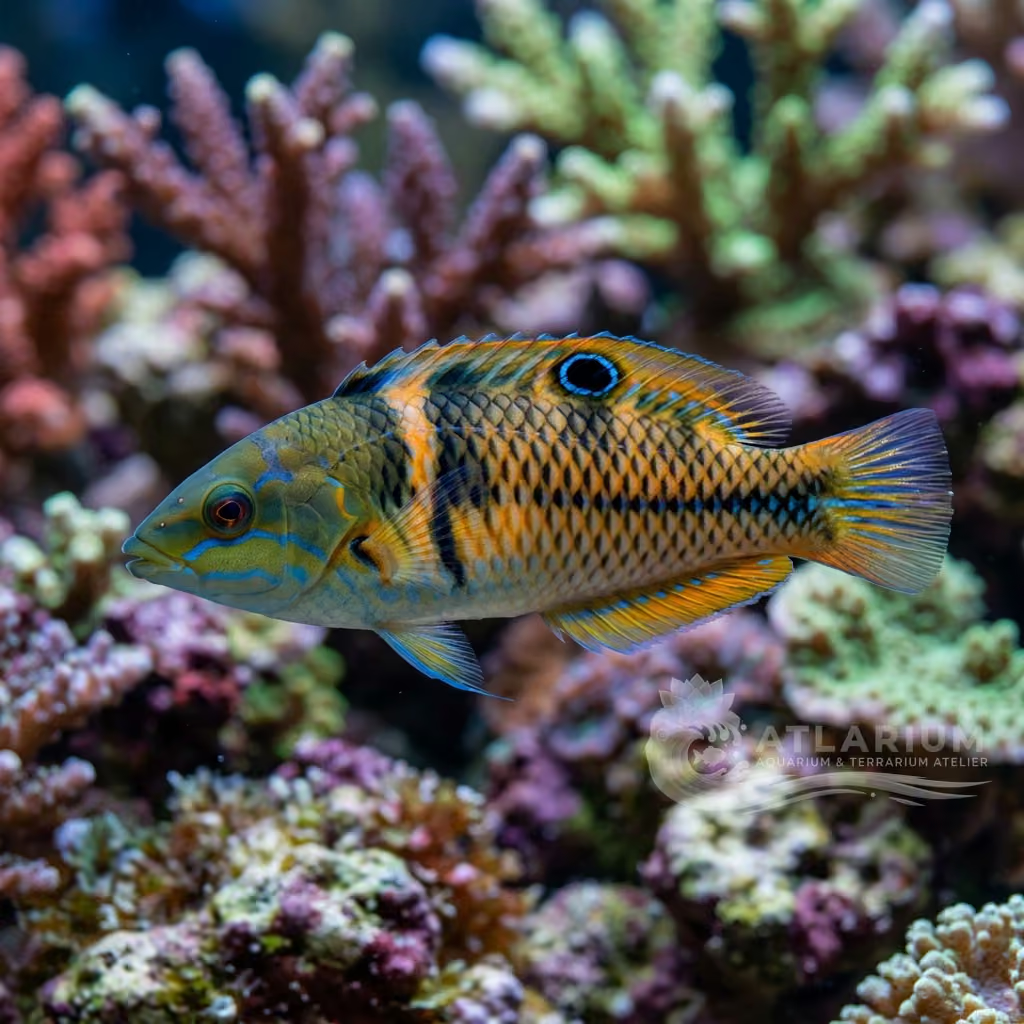
Bluehead wrasse
Thalassoma bifasciatum
The Bluehead Wrasse is an active Caribbean native famed for its dramatic color transformations across life stages. A tireless, energetic swimmer that adds brilliant motion to large marine enclosures.
Water Temperature
22 - 26 °C
pH Value
8.1 - 8.4
Water type
Marine
Tank level
Middle
Adult size
25 cm
Minimum tank volume
>= 300 L
Minimum group
>= 1
KH
8 - 12 dKH

Species description
Geographical Origin and Habitat: Thalassoma bifasciatum is widely distributed throughout the tropical waters of the Western Atlantic Ocean. It is particularly common in the Caribbean Sea, the Gulf of Mexico, around the Bahamas, Florida, and Bermuda. It inhabits shallow coral reefs, seagrass beds, and sandy or rubble zones at depths ranging from 1 to 30 meters. It is frequently found in areas exposed to moderate currents, where it constantly patrols the reef for food.
Taxonomy and Morphology: Belonging to the family Labridae, genus Thalassoma. It has a slender, elongated, and slightly laterally compressed body, typical of active free-swimming wrasses. Adults reach a maximum length of about 15 centimeters. The mouth is equipped with small, sharp teeth used to capture small crustaceans. The caudal fin in terminal phase males becomes lyre-shaped with elongated lobes.
Social Behavior: It is an extremely active, tireless, and lively swimmer. In the wild, juveniles exhibit gregarious habits, often acting as cleaner fish that remove parasites from larger fish. Adults form loose groups. Dominant males are territorial and control a harem of females. At night, it retreats into the rockwork or partially buries itself in the sand to sleep.
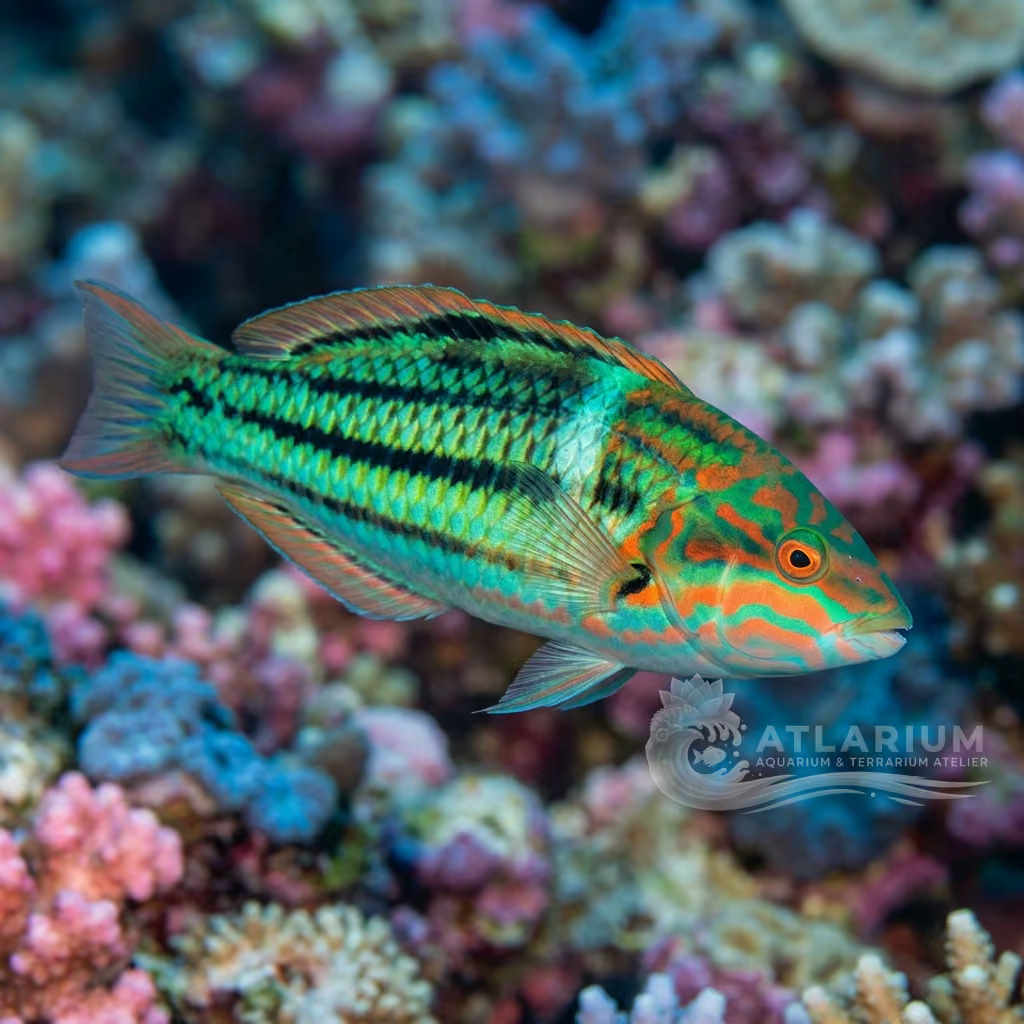
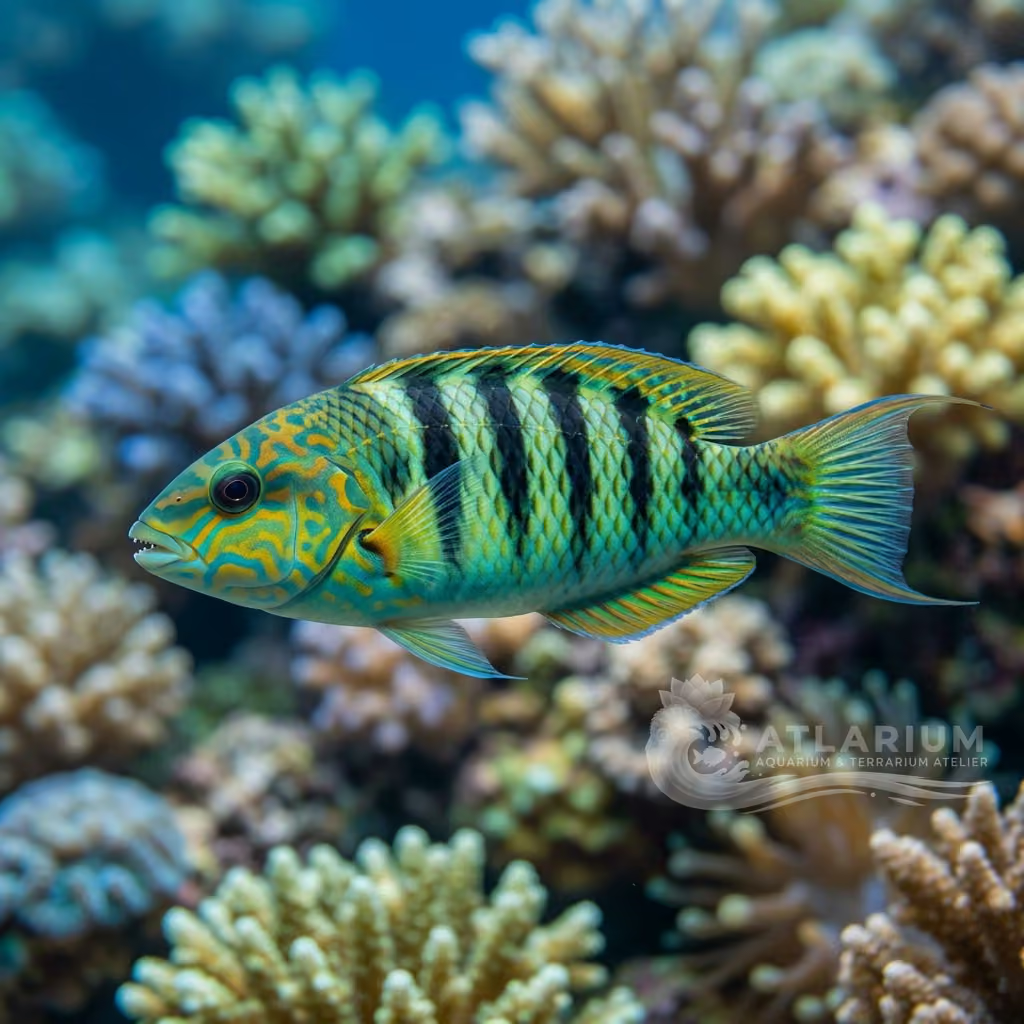
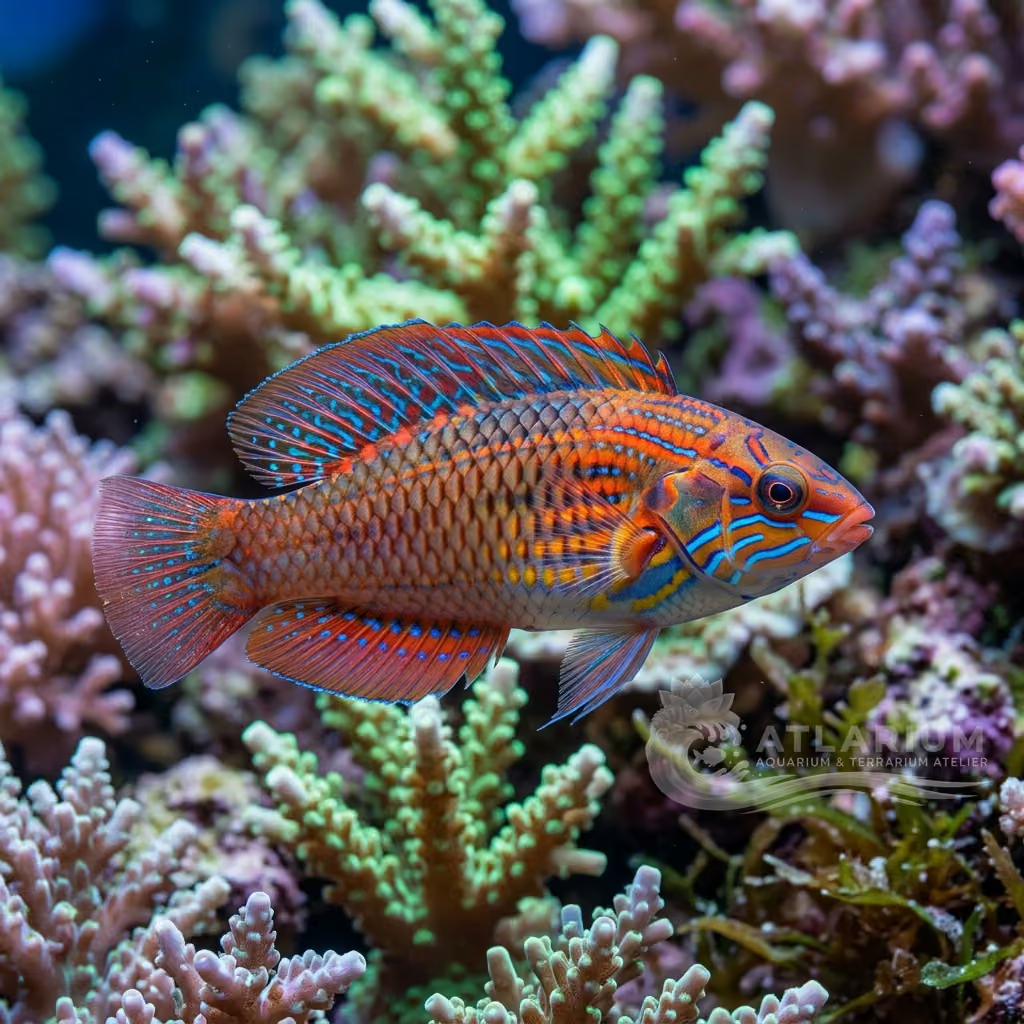
Coloration and Sexual Dimorphism: This species exhibits three distinct coloration phases. Juveniles are bright yellow with a dark lateral stripe. The initial phase (composed of females and non-dominant males) retains a yellowish or brownish status. Terminal phase males (dominant) are spectacular: a bright blue head, a green body, and two black vertical bands separated by a white collar behind the head.

Care, breeding and tankmates
Aquarium Setup: Requires a spacious aquarium of at least 300 liters (approx. 80 gallons), characterized by large open areas for fast swimming, as it is a tireless swimmer. The setup must include live rock arranged to form passages and hiding spots for the night. A secure, tight-fitting lid is mandatory, as this fish is a notorious and skilled jumper.
Diet and Feeding: An opportunistic omnivore. In the aquarium, it greedily accepts all types of commercial food, including flakes and pellets. The diet must be supplemented with high-quality frozen foods such as mysis, brine shrimp, chopped krill, and clam meat. Feed two or three times a day to support its highly active metabolism.
Water Quality: Requires stable parameters: temperature 24-27°C (75-81°F), pH 8.1-8.4, specific gravity 1.021-1.025, and nitrates below 20 mg/l. Efficient filtration and good water movement are necessary to maintain high oxygenation. Regular 10% water changes every two weeks help maintain biological balance.
Compatibility and Cohabitation: It is a robust fish and compatible with hard and soft corals. However, it is not entirely safe with invertebrates: it will prey on small shrimp, crabs, and tubeworms. It can be aggressive toward smaller or shyer fish. It coexists well with surgeonfish, large clownfish, and wrasses of similar size.
Aquarium Breeding: Breeding in the aquarium is extremely difficult. It is a protogynous hermaphrodite: females can transform into dominant terminal phase males. They practice pelagic spawning at dusk, releasing eggs and sperm into the water column. The larvae require specific microscopic live food in specialized laboratory settings.
Risks and Diseases: It is a very disease-resistant species. The main risk is jumping out of the tank if a cover is not present. Acclimation stress can cause temporary parasitic infections. It is important to ensure it eats enough and does not harass shyer tankmates during feeding times.

Geographic origin and distribution
Thalassoma bifasciatum is widely distributed throughout the tropical waters of the Western Atlantic Ocean. It is particularly common in the Caribbean Sea, the Gulf of Mexico, around the Bahamas, Florida, and Bermuda. It inhabits shallow coral reefs, seagrass beds, and sandy or rubble zones at depths ranging from 1 to 30 meters. It is frequently found in areas exposed to moderate currents, where it constantly patrols the reef for food.
Origin
Tropical oceans and reefsCentral America and CaribbeanNorth America

Fish profile
- Temperament
- Active
- They are bold, boisterous, and constantly on the move, providing a lot of activity to a marine tank. They are incredibly hardy and resilient, making them a good choice for active, fish-only setups. They are confident fish that will not shy away from the aquarist.
- Diet
- Carnivore
- In the wild, they are opportunistic carnivores that feed on zooplankton and small crustaceans. In captivity, they eagerly accept a wide variety of meaty foods, including frozen mysis shrimp and chopped seafood. A varied diet is essential to maintain their vibrant coloration.
- Life expectancy
- 3-5 years
- Adult size
- 25 cm
- Sex ratio
- Group
- In the wild, they live in harems consisting of one dominant male and several females. In a home aquarium, keeping a single male or a single female is usually the best approach due to space constraints. Attempting to keep multiple males will result in severe, often fatal, fighting.
- Feeding frequency
- Twice daily
- Because of their high energy output, they need to be fed multiple times a day. Two to three small feedings daily are recommended to maintain their weight and reduce aggression. They are aggressive eaters that will quickly snatch food from the water column.
- Bioload
- Medium to High
- The Bluehead wrasse has a moderate to high bioload due to its active nature and hearty appetite. In a marine aquarium, a strong protein skimmer and efficient biological filtration are required to process their waste. Regular water changes are necessary to keep nitrate levels in check.
- Flow
- Strong
- They require strong water movement to mimic the turbulent reef environments they naturally inhabit. High flow rates ensure excellent oxygen exchange, which is vital for such active swimmers. Wavemakers should be utilized to create a dynamic, highly oxygenated environment.
- Jump risk
- Yes
- Wrasses are notorious for being prolific and powerful jumpers. A tight-fitting, completely secure lid or a fine mesh screen is absolutely mandatory for keeping this species. A significant percentage of wrasse fatalities in captivity are due to jumping out of uncovered aquariums.
- Reproduction
- Rare / not documented
- They are pelagic spawners that release their eggs during rapid upward dashes. Breeding them in a home aquarium is incredibly difficult due to the large vertical space required. They are protogynous hermaphrodites, meaning females can transition into males as they mature.
- Compatibility & tankmates
- Territorial
- They are semi-aggressive and can be highly territorial, especially towards other wrasses. They are best kept with other robust, moderately aggressive tank mates like tangs or large angelfish. They are not considered reef-safe, as they will readily consume ornamental shrimp and crabs.
- Tank level
- Middle
- They are highly active fish that constantly patrol the mid to upper levels of the water column. They require vast amounts of open swimming space to accommodate their energetic lifestyle. At night, they will dive into the deep sand bed to sleep or hide.

Scientific Parameters & Models
FishBase
Window to the official scientific data of the species
FishBase v25.04Data synced on: 06/15/2026
- Trophic level
- 3.3 ± 0.1 se
- Resilience
- High (less than 15 months)
- Generation time
- 1.5 years
- Phylogenetic uniqueness (PD50)
- 0.5
- Bayesian Length-Weight
- a = 0.00891, b = 3.02
- VulnerabilityLow vulnerability (20 / 100)

Related species
Recommendations grouped by close relatives, companion choices, and similar care.