Encyclopaedia

FishMarineIntermediate
©AI Generated·Proprietary

Yellowband Wrasse

Cirrhilabrus luteovittatus

This active, reef-safe fairy wrasse sports a prominent yellow stripe along its flanks. Forms harems and needs a 200L tank with live rock, a tight-fitting lid, and a varied zooplankton diet fed multiple times daily.

Taxonomy
Class:Actinopteri
Order:Perciformes
Family:Labridae
Subfamily:Cirrhilabrinae
Genus:Cirrhilabrus
Species:Cirrhilabrus luteovittatus

Share

Check out Yellowband Wrasse on Atlarium

PracticeRecognition quizzesPhotos, names, origins, and puzzles to review Atlas species.Open quizzes
Water Temperature

22 - 27 °C

pH Value

8.1 - 8.4

Water type

Marine

Tank level

Surface and middle

Adult size

12 cm

Minimum tank volume

>= 200 L

Minimum group

>= 1

Species description

Geographical Origin and Habitat: Cirrhilabrus luteovittatus is native to the Western Indo-Pacific, with populations highly concentrated in the waters of the Marshall Islands, Micronesia, and adjacent coral reef complexes. It inhabits sunlit outer reef slopes, protected lagoons rich in branching hard corals, and rubble zones at depths ranging from 10 to 30 meters, where it moves in loose schools searching for food.
Taxonomy and Morphology: Belongs to the family Labridae, subfamily Cheilininae, and the genus Cirrhilabrus (fairy wrasses). It exhibits a slender, elongated body structure typical of active swimmers, with large eyes and a protractile terminal mouth equipped with small teeth adapted for capturing micro-crustaceans. Adults reach a maximum length of about 10-12 cm.
Social Behavior: It is a social species that forms harems in the wild, consisting of a single dominant male and several females. In an aquarium setting, it is peaceful and highly active, occupying the mid-to-upper water column. It is entirely reef-safe, ignoring corals and sessile invertebrates, though it may exhibit initial shyness or intraspecific territoriality toward other male Cirrhilabrus.
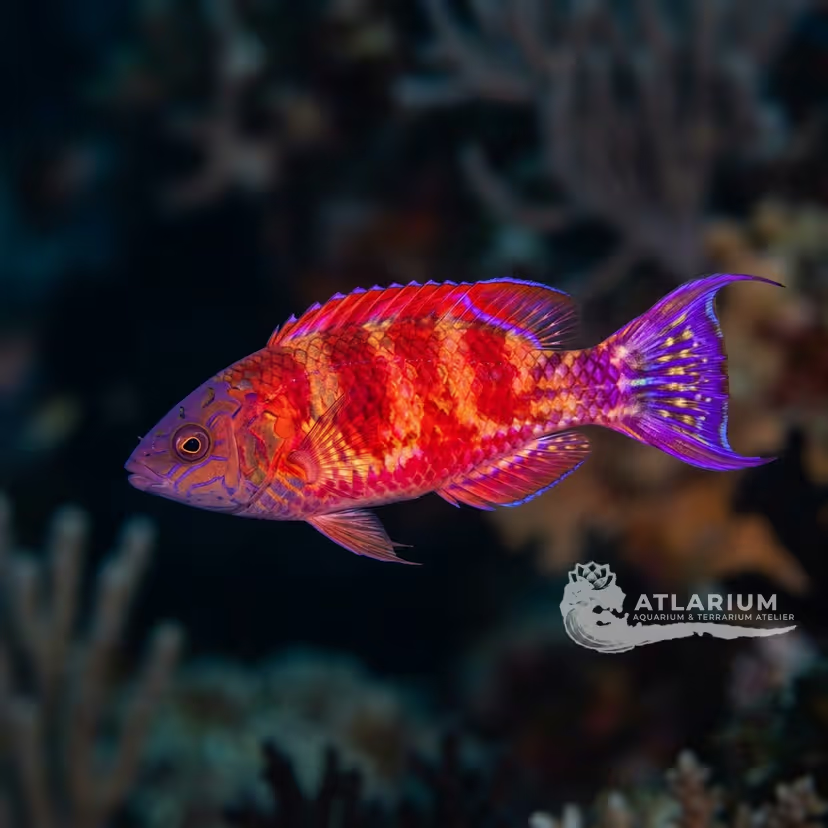
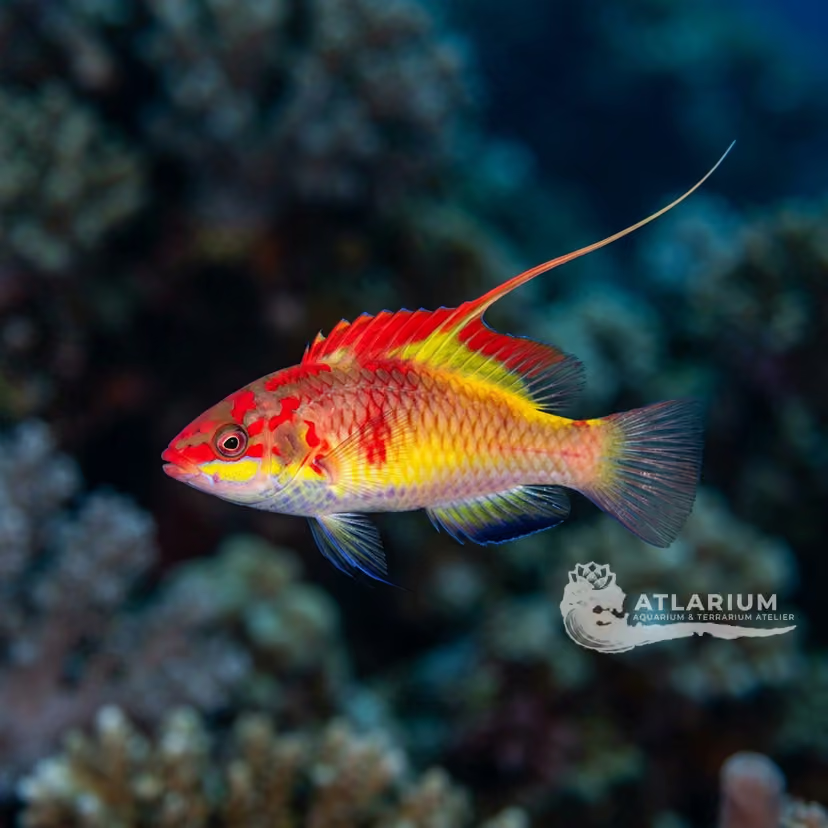
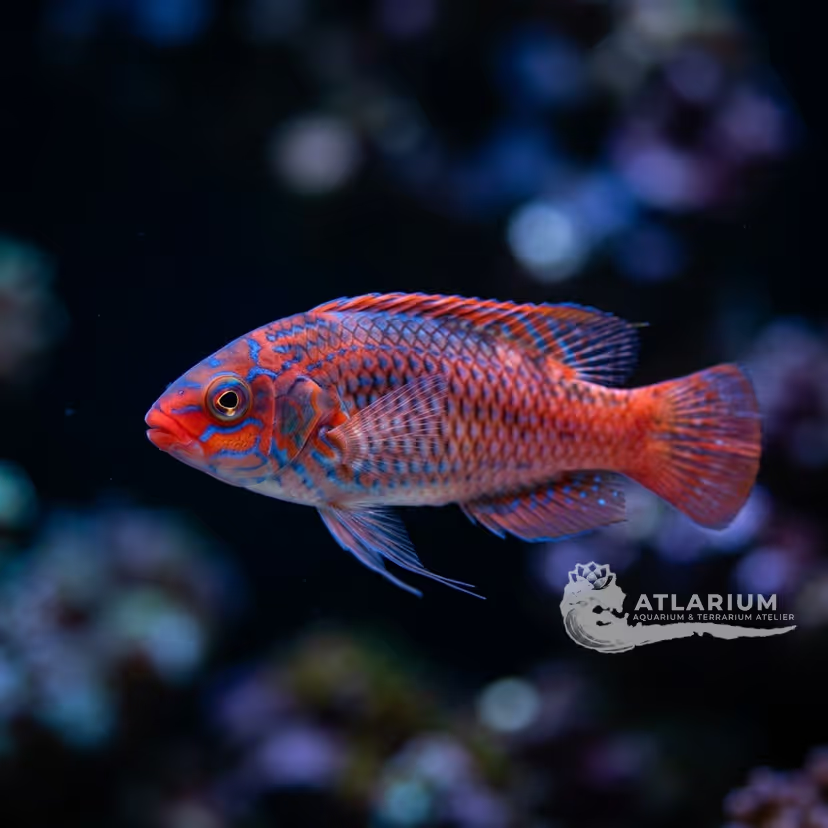
Coloration and Sexual Dimorphism: The male displays a spectacular reddish-purple or reddish-brown coloration on the dorsal area, fading to lighter tones on the belly, highlighted by a prominent horizontal yellow stripe running along the flanks. Females are less colorful, showing uniform pinkish-red tones. During courtship, the male flashes intense fluorescent colors.

Care, breeding and tankmates

Aquarium Setup: Requires an established marine aquarium of at least 200 liters (approx. 50 gallons) with plenty of live rock arranged to create tunnels, arches, and hiding spaces, while leaving ample open space for swimming. A tight-fitting lid or screen cover is strictly mandatory, as this species is notorious for jumping out when startled.
Diet and Feeding: Feeds primarily on zooplankton and tiny crustaceans. In captivity, they should be fed two to three times daily with a varied diet of frozen foods such as mysis shrimp, brine shrimp, copepods, and finely chopped krill, slowly acclimating to high-quality marine pellets and vitamin-enriched flakes.
Water Quality: Demands stable marine parameters: specific gravity of 1.020 - 1.025, pH of 8.1 - 8.4, water temperature between 22 - 26 °C (71 - 79 °F), and nitrate levels below 20 ppm. High water movement, strong protein skimming, and efficient filtration are crucial to keep oxygen levels high and organic waste low.
Compatibility and Cohabitation: Excellent candidate for reef aquariums. It coexists peacefully with non-aggressive tankmates such as tangs, anthias, gobies, and clownfish. Avoid housing with large predators or overly aggressive fish that might bully it. Do not keep multiple males of the same species together unless the aquarium is exceptionally large.
Aquarium Breeding: Breeding in home aquariums is extremely difficult and rarely documented. In the wild, they are pelagic spawners, releasing eggs and sperm into the open water column. Dominant males perform elaborate courtship displays, flashing their colors and erect fins to attract receptive females for spawning.
Risks and Diseases: Aside from the high risk of jumping, this wrasse is susceptible to common marine parasites such as marine ich (Cryptocaryon irritans) and Oodinium, particularly during the initial acclimation phase. A quarantine period is highly recommended. Feeding a vitamin-fortified diet helps strengthen its immune system against infections.

Geographic Origin and Distribution

Cirrhilabrus luteovittatus is native to the Western Indo-Pacific, with populations highly concentrated in the waters of the Marshall Islands, Micronesia, and adjacent coral reef complexes. It inhabits sunlit outer reef slopes, protected lagoons rich in branching hard corals, and rubble zones at depths ranging from 10 to 30 meters, where it moves in loose schools searching for food.

Origin

Tropical oceans and reefs

Fish profile

Temperament
Active
They generally exhibit a peaceful, somewhat shy temperament when initially added to a new aquarium. Once fully acclimated and comfortable, they become bold, outgoing, and inquisitive community members. They rarely bother corals or invertebrates, solidifying their reputation as model reef tank inhabitants.
Diet
Carnivore
In their natural habitat, Cirrhilabrus luteovittatus are primarily zooplanktivores that feed continuously in the water column. In captivity, they enthusiastically accept a varied diet of frozen mysis shrimp, enriched brine shrimp, and high-quality marine pellets. Providing a diverse nutritional profile helps maintain their spectacular coloration.
Sex ratio
Harem
It is widely recommended to keep Cirrhilabrus luteovittatus either singly or as a single male with multiple females to form a harem. Housing more than one male in the same aquarium typically results in severe, sometimes fatal aggression. Females should ideally be introduced to the tank before or simultaneously with the male.
Feeding frequency
Twice daily
Because they are incredibly active swimmers with high energy demands, they should be fed small portions multiple times a day. Two to three feedings per day are generally recommended for optimal health. Underfeeding can quickly lead to weight loss, lethargy, and a faded appearance.
Bioload
The Cirrhilabrus luteovittatus has a moderate bioload impact on the aquarium. Due to their high activity levels and fast metabolism, they require frequent feedings. However, their small size means a standard, well-maintained filtration system can easily handle their waste output.
Flow
Strong
Fairy wrasses naturally inhabit areas with dynamic water movement along reef slopes and drop-offs. In the aquarium, they appreciate moderate to strong, varied water flow. This strong current not only replicates their natural environment but also keeps their food properly suspended for easy hunting.
Jump risk
Yes
Like all fairy wrasses, Cirrhilabrus luteovittatus is highly prone to jumping when startled or threatened by tank mates. A tightly fitting lid, glass canopy, or a fine-mesh screen top is absolutely mandatory for their enclosure. Even tiny gaps around equipment or overflows can be an escape route.
Reproduction
Oviparous
They are protogynous hermaphrodites, meaning every individual begins life as a female and can transition into a male. In a captive environment, breeding is extremely rare due to the requirement for pelagic larval rearing. During courtship, dominant males will flash brilliant colors to attract females in their harem.
Compatibility & tankmates
Verify
This species is considered highly peaceful and is generally an excellent candidate for reef aquariums. They do very well with other docile community fish and peaceful invertebrates. However, males of the same or similar species may exhibit territorial aggression towards one another.
Tank level
Top/Middle
These vibrant fish are extremely active and will frequently utilize the middle and upper levels of the water column while foraging. They tend to hover above the rockwork, swimming dynamically throughout the day. At night or when frightened, they will quickly retreat into small crevices within the live rock to hide and sleep.

Window to the official scientific data of the species

Data synced on: 06/15/2026

Scientific Parameters & Models

Trophic level
3.4 ± 0.45 se
Resilience
High (less than 15 months)
Phylogenetic uniqueness (PD50)
0.5
Bayesian Length-Weight
a = 0.01072, b = 3.03
VulnerabilityLow vulnerability (10 / 100)

Image gallery

Licensed images linked to the species or, when marked, to the closest representative taxon.

Related species

Recommendations grouped by close relatives, companion choices, and similar care.

Variants and close relatives

Same atlas type, nearby scientific identity, genus, or family.
Girdled Wrasse

Girdled Wrasse

Cirrhilabrus balteatus
View details->
Labout's Fairy Wrasse

Labout's Fairy Wrasse

Cirrhilabrus laboutei
View details->
Lined fairy wrasse

Lined fairy wrasse

Cirrhilabrus lineatus
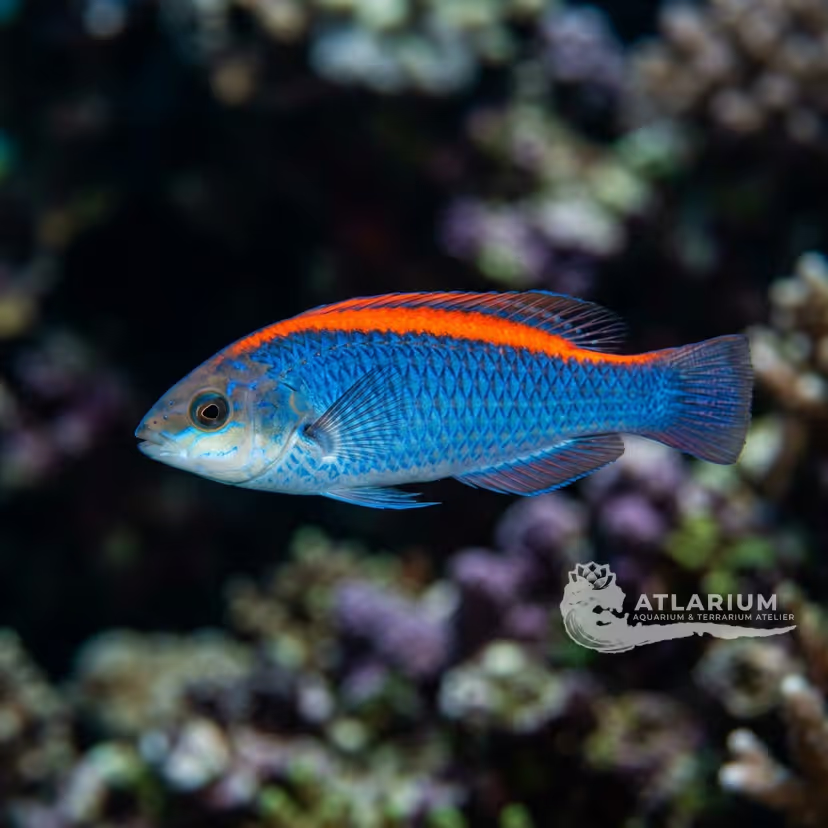
View details->
Orange-back Fairy Wrasse

Orange-back Fairy Wrasse

Cirrhilabrus aurantidorsalis
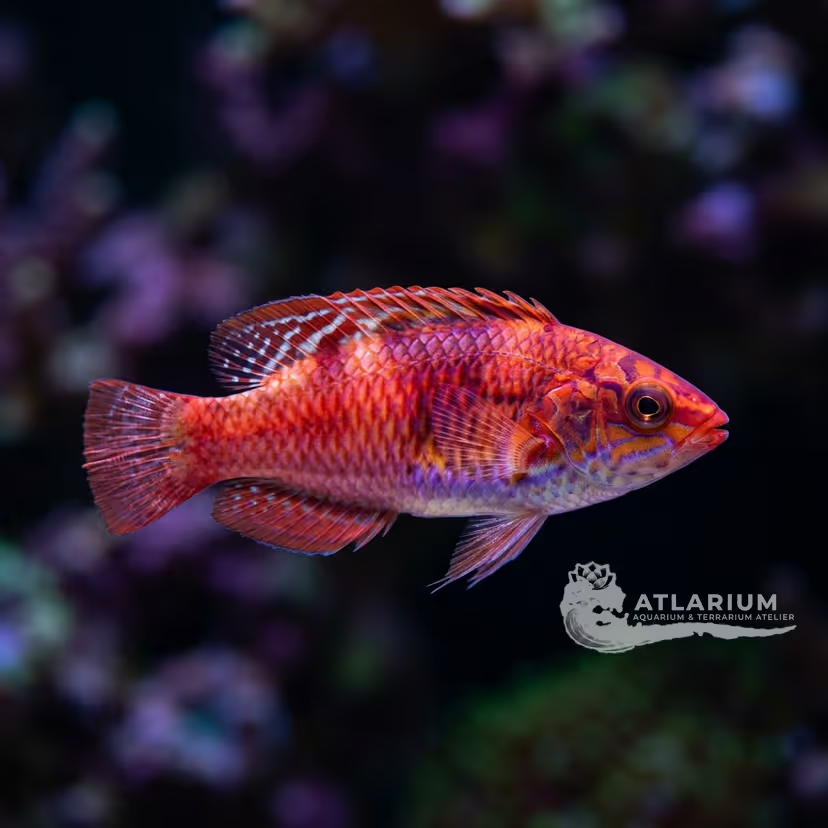
View details->
Ruby fairy wrasse

Ruby fairy wrasse

Cirrhilabrus rubeus
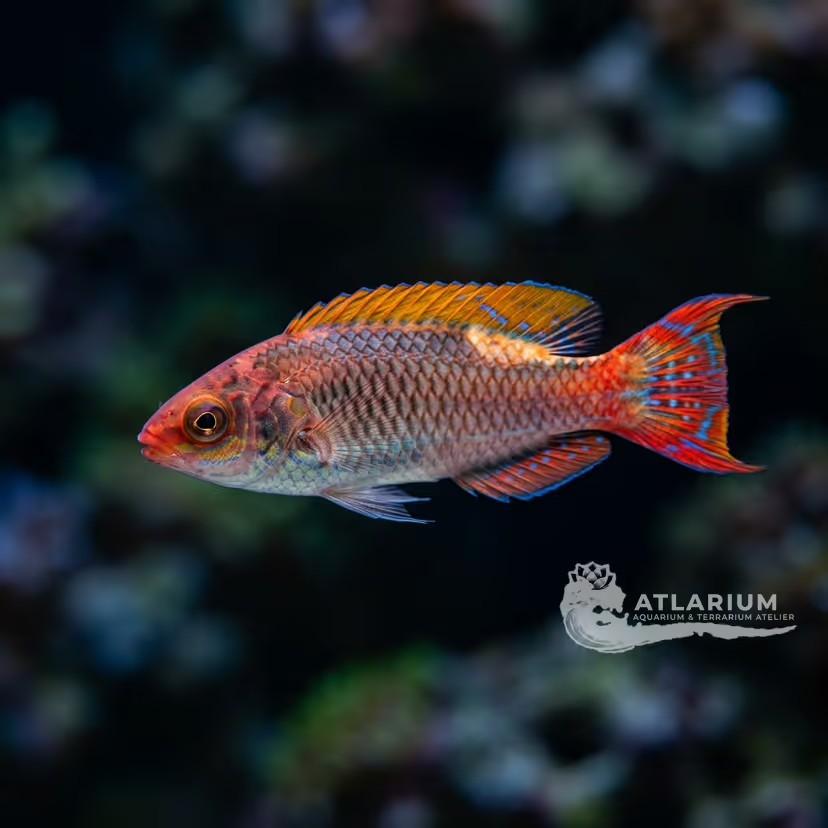
View details->
Temminck's Fairy Wrasse

Temminck's Fairy Wrasse

Cirrhilabrus temminckii

View details->
African Lined Wrasse

African Lined Wrasse

Cirrhilabrus africanus

View details->
Aquamarine Wrasse

Aquamarine Wrasse

Cirrhilabrus aquamarinus
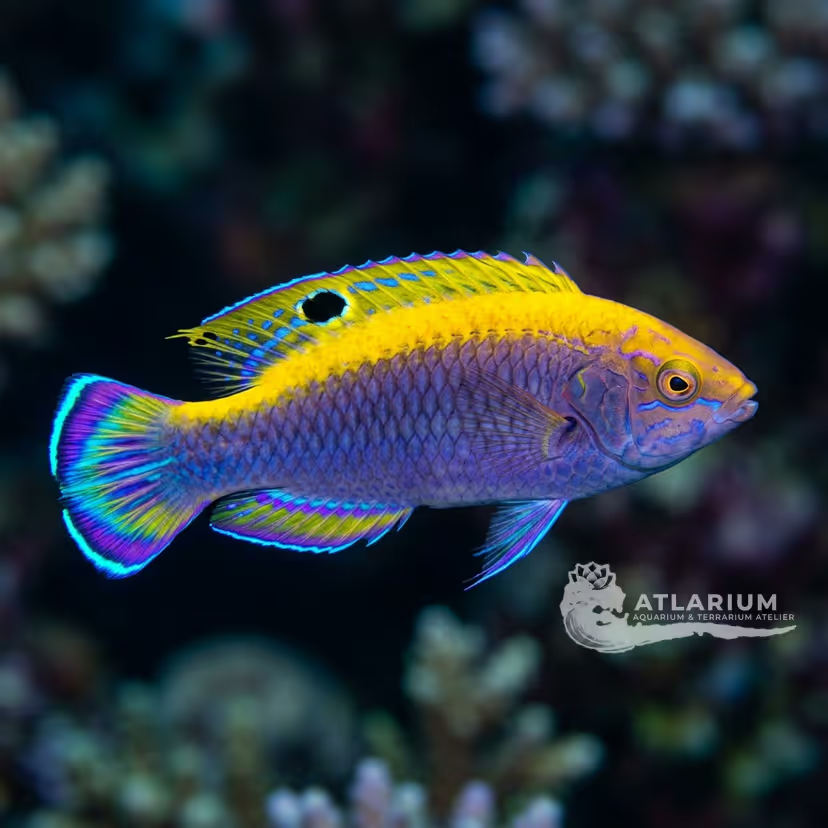
View details->
Beau's Fairy Wrasse

Beau's Fairy Wrasse

Cirrhilabrus beauperryi

View details->
Brian Greene's Fairy Wrasse

Brian Greene's Fairy Wrasse

Cirrhilabrus briangreenei

View details->
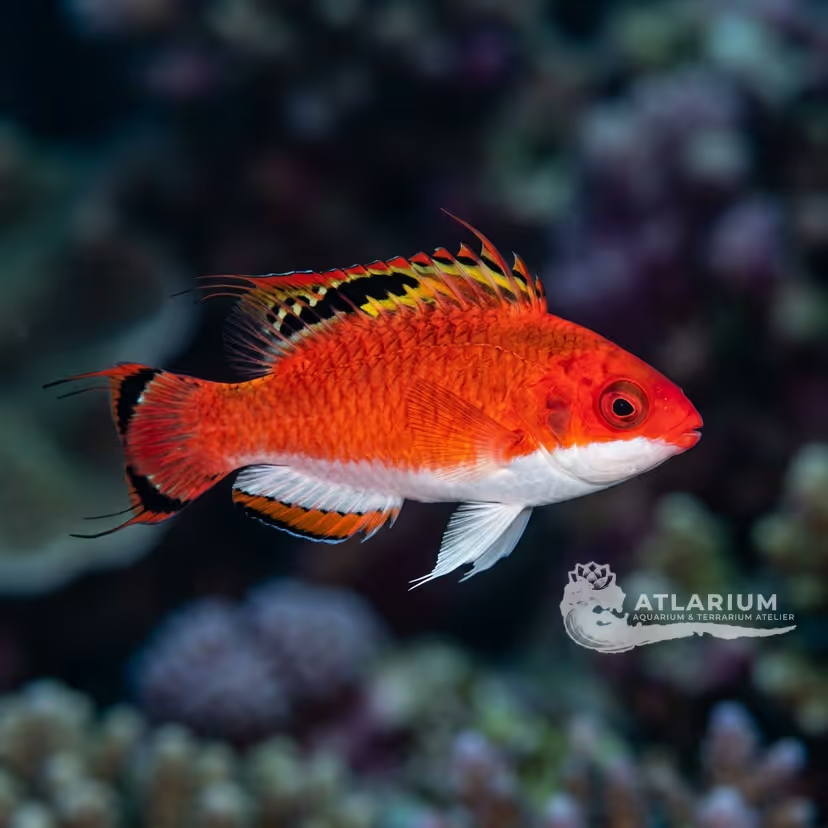
Bronze Fairy Wrasse

Bronze Fairy Wrasse

Cirrhilabrus brunneus
View details->
Conde's wrasse

Conde's wrasse

Cirrhilabrus condei

View details->
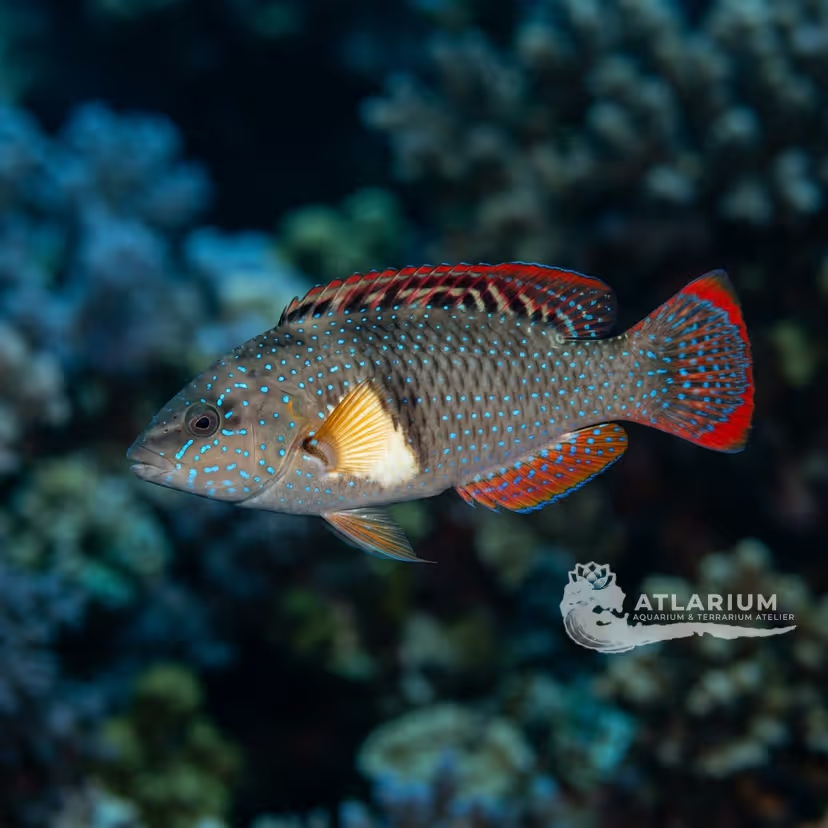
Deep-water Wrasse

Deep-water Wrasse

Cirrhilabrus bathyphilus
View details->
Dotted wrasse

Dotted wrasse

Cirrhilabrus punctatus

View details->
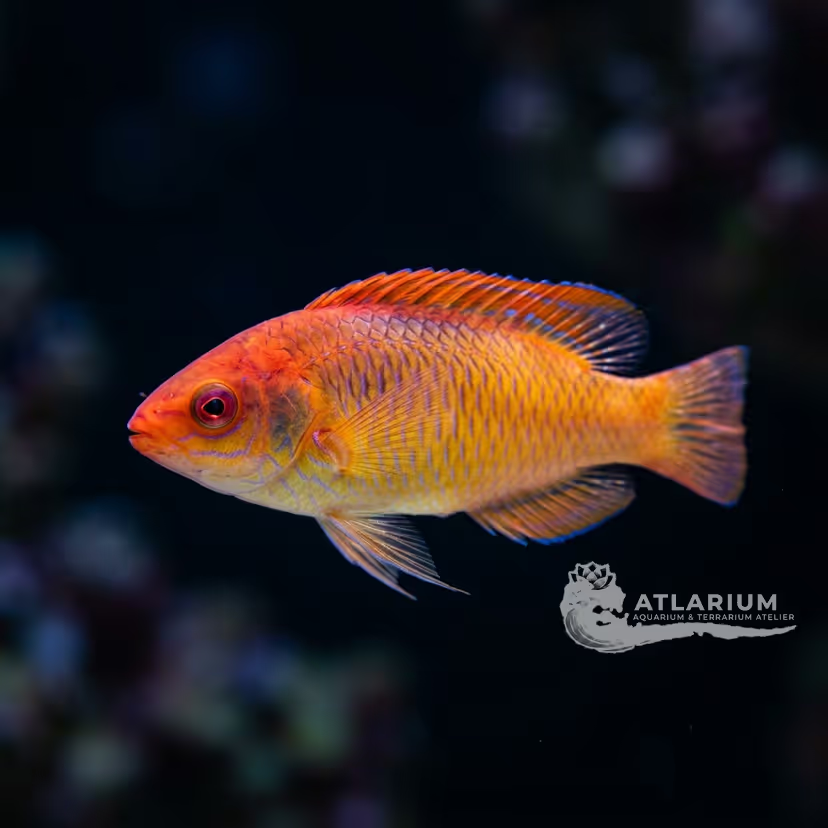
Filament-finned wrasse

Filament-finned wrasse

Cirrhilabrus filamentosus
View details->
Flame wrasse

Flame wrasse

Cirrhilabrus jordani

View details->

Recommended companions

Compatible cards from coherent ecosystems with matching parameters.
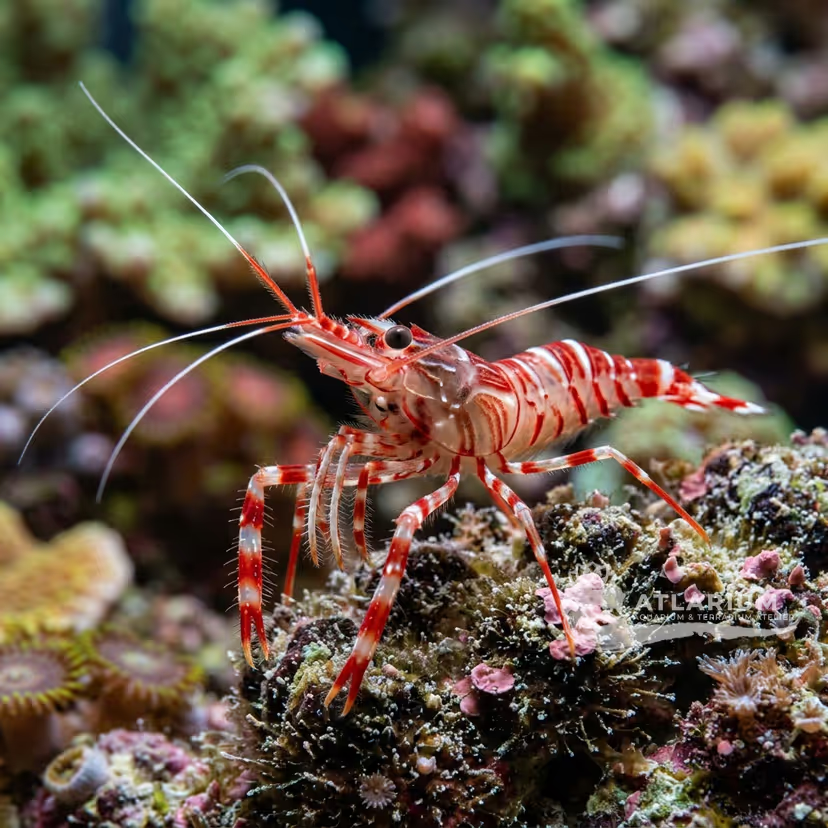
Anker's Cleaner Shrimp
Invertebrate

Anker's Cleaner Shrimp

Lysmata ankeri

View details->
Armed Snapping Shrimp
Invertebrate

Armed Snapping Shrimp

Alpheus armatus

View details->
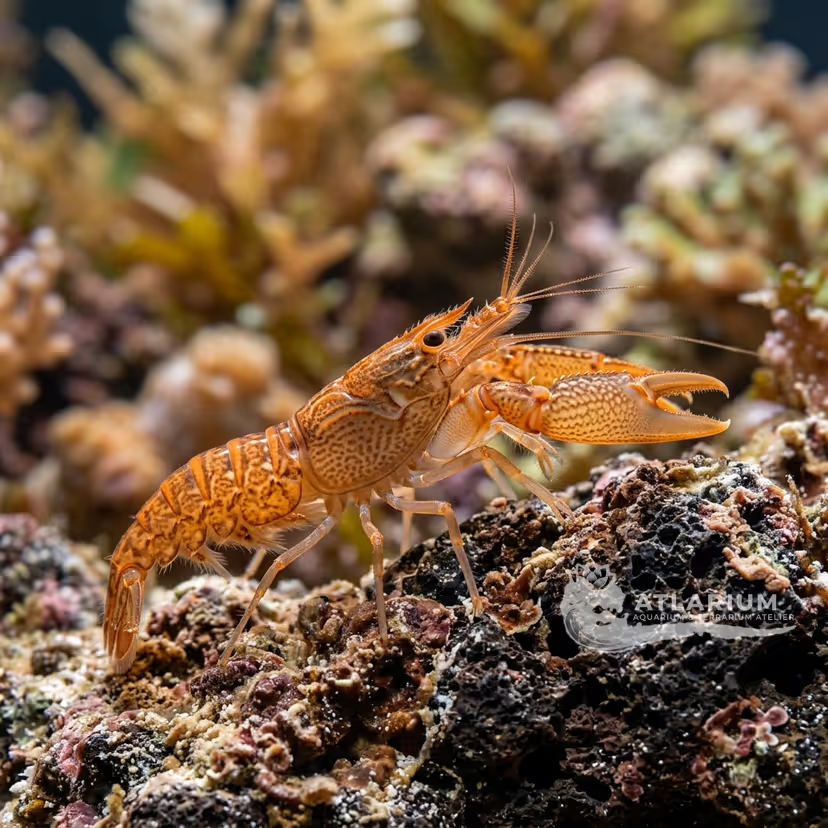
Blood-spotted Hermit Crab
Invertebrate

Blood-spotted Hermit Crab

Clibanarius cruentatus
View details->
Bouvier's snapping shrimp
Invertebrate

Bouvier's snapping shrimp

Alpheus bouvieri

View details->
Camel shrimp
Invertebrate

Camel shrimp

Rhynchocinetes durbanensis

View details->
Chapin's Hermit Crab
Invertebrate

Chapin's Hermit Crab

Clibanarius chapini

View details->
Chocolate Chip Starfish
Invertebrate

Chocolate Chip Starfish

Protoreaster nodosus
View details->
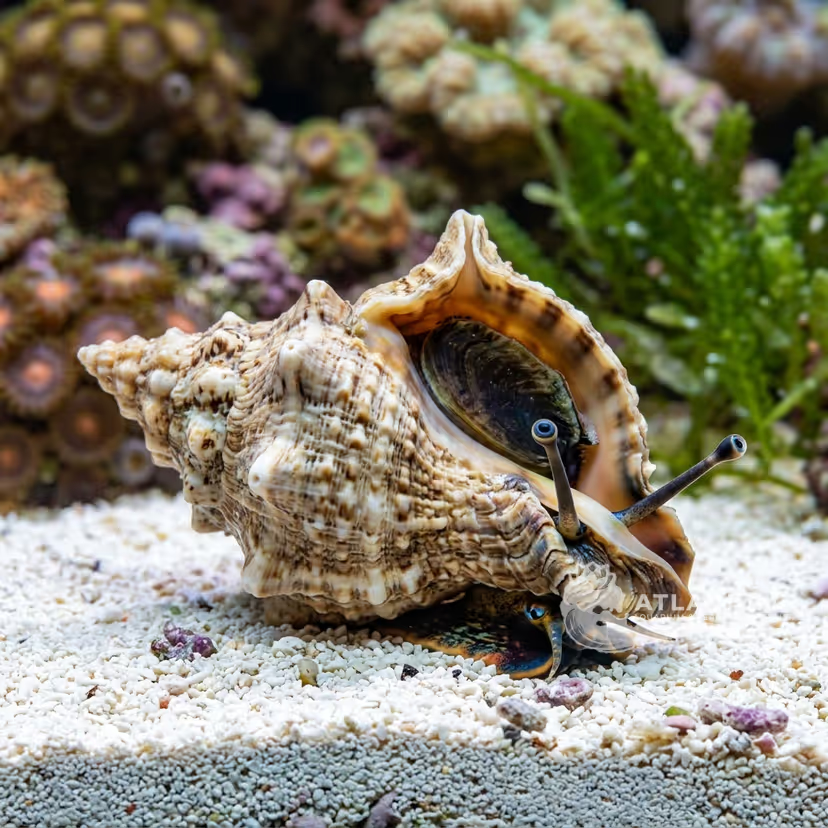
Florida Fighting Conch
Invertebrate

Florida Fighting Conch

Strombus alatus
View details->
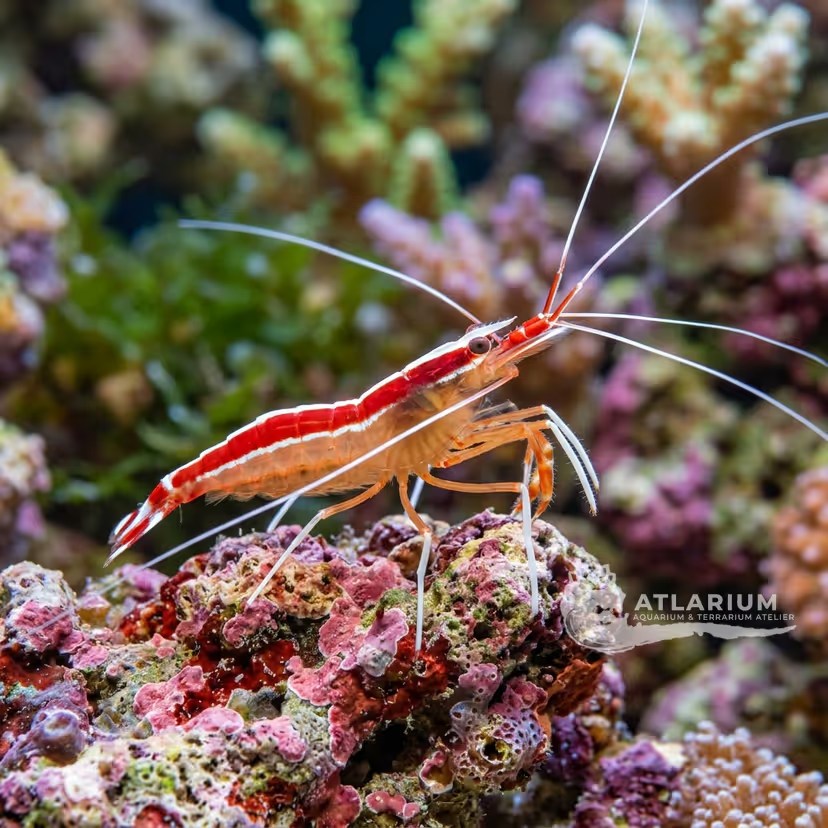
Grabham's cleaner shrimp
Invertebrate

Grabham's cleaner shrimp

Lysmata grabhami

View details->
Green Sea Urchin
Invertebrate

Green Sea Urchin

Lytechinus variegatus

View details->
Lipke's Cleaner Shrimp
Invertebrate

Lipke's Cleaner Shrimp

Lysmata lipkei

View details->
Acorn dog whelk
Invertebrate

Acorn dog whelk

Nassarius glans

View details->
Ambon Hermit Crab
Invertebrate

Ambon Hermit Crab

Clibanarius ambonensis

View details->
Anchisteus Cleaner Shrimp
Invertebrate

Anchisteus Cleaner Shrimp

Lysmata anchisteus

View details->
Areola babylon snail
Invertebrate

Areola babylon snail

Babylonia areolata

View details->
Blue-eyed Hermit Crab
Invertebrate

Blue-eyed Hermit Crab

Clibanarius corallinus

View details->

Similar care

Cards with similar requirements, difficulty, habitat, and husbandry profile.
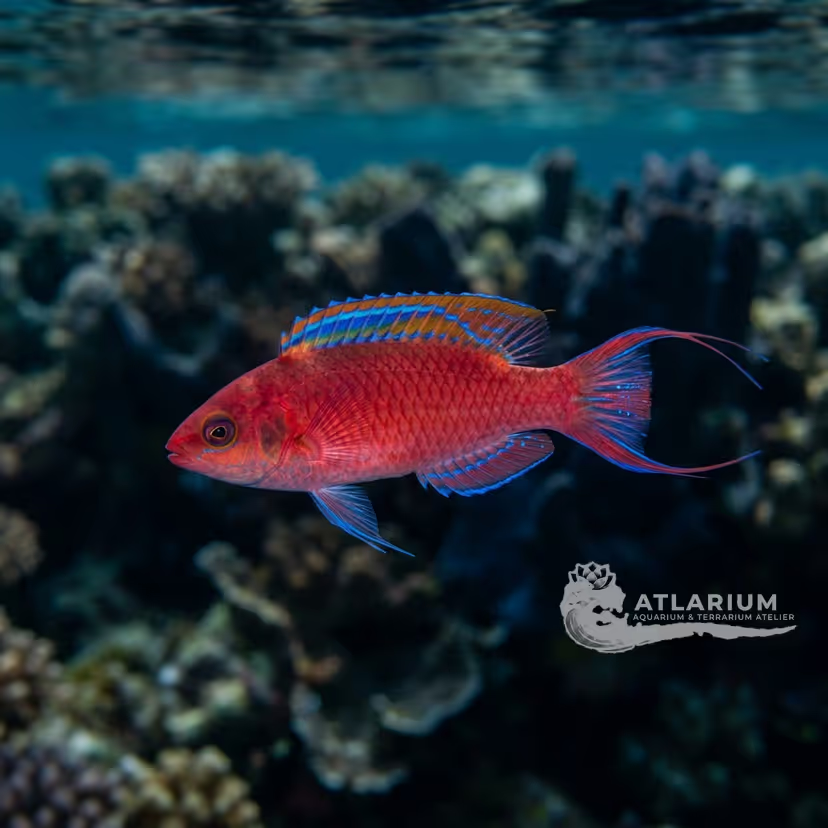
Kato's Fairy Wrasse

Kato's Fairy Wrasse

Cirrhilabrus katoi
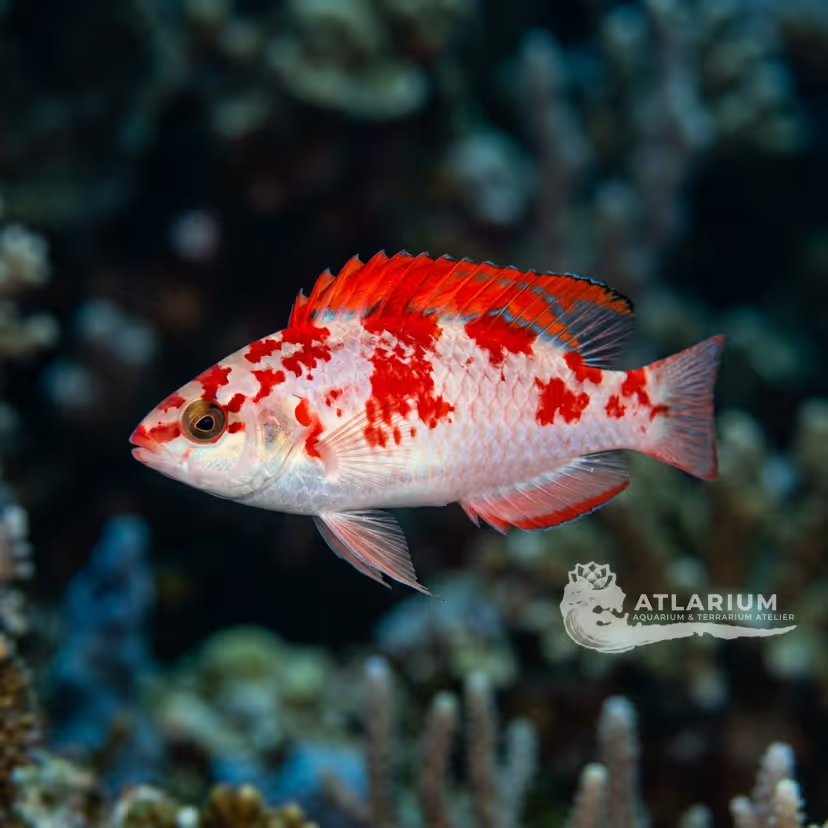
View details->
Red-fin Fairy Wrasse

Red-fin Fairy Wrasse

Cirrhilabrus adornatus
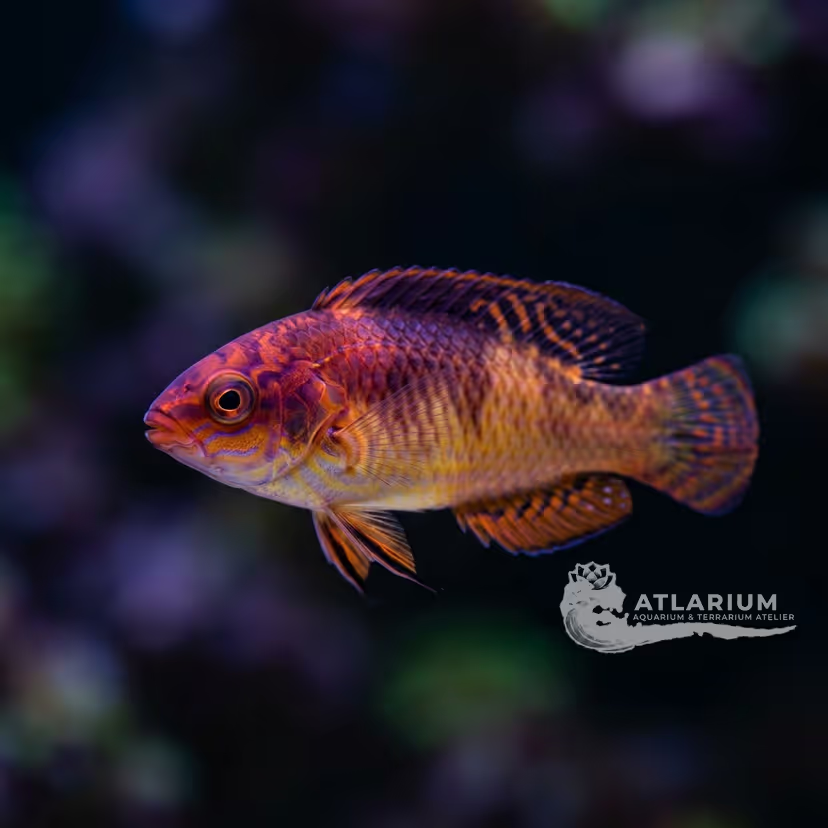
View details->
Pyle's fairy wrasse

Pyle's fairy wrasse

Cirrhilabrus pylei

View details->
Blueside wrasse

Blueside wrasse

Cirrhilabrus cyanopleura
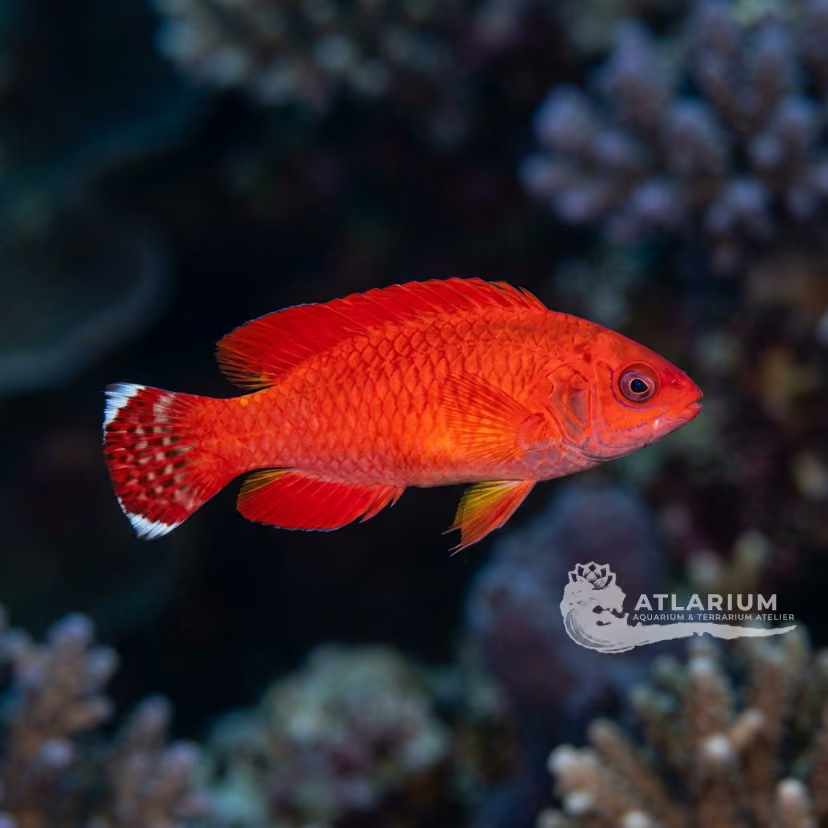
View details->
Magma Wrasse

Magma Wrasse

Cirrhilabrus shutmani

View details->
Rhomboid Fairy Wrasse

Rhomboid Fairy Wrasse

Cirrhilabrus rhomboidalis

View details->
Gold-lined wrasse

Gold-lined wrasse

Coris aurilineata

View details->
Mutant Wrasse

Mutant Wrasse

Cirrhilabrus apterygia

View details->
Scott's wrasse

Scott's wrasse

Cirrhilabrus scottorum
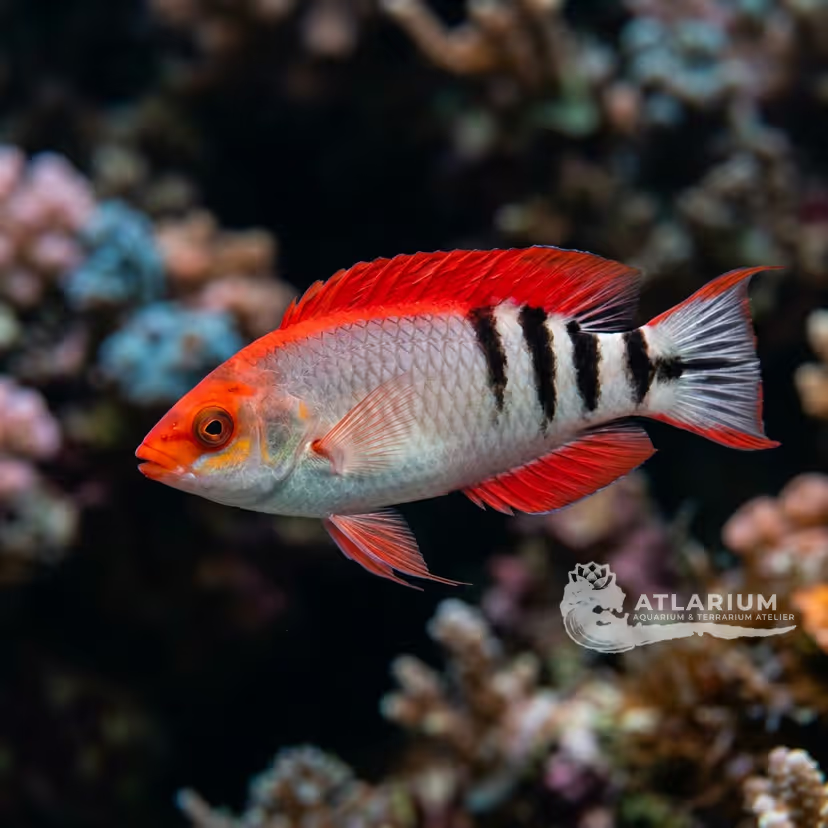
View details->
Marjorie's Wrasse

Marjorie's Wrasse

Cirrhilabrus marjorie
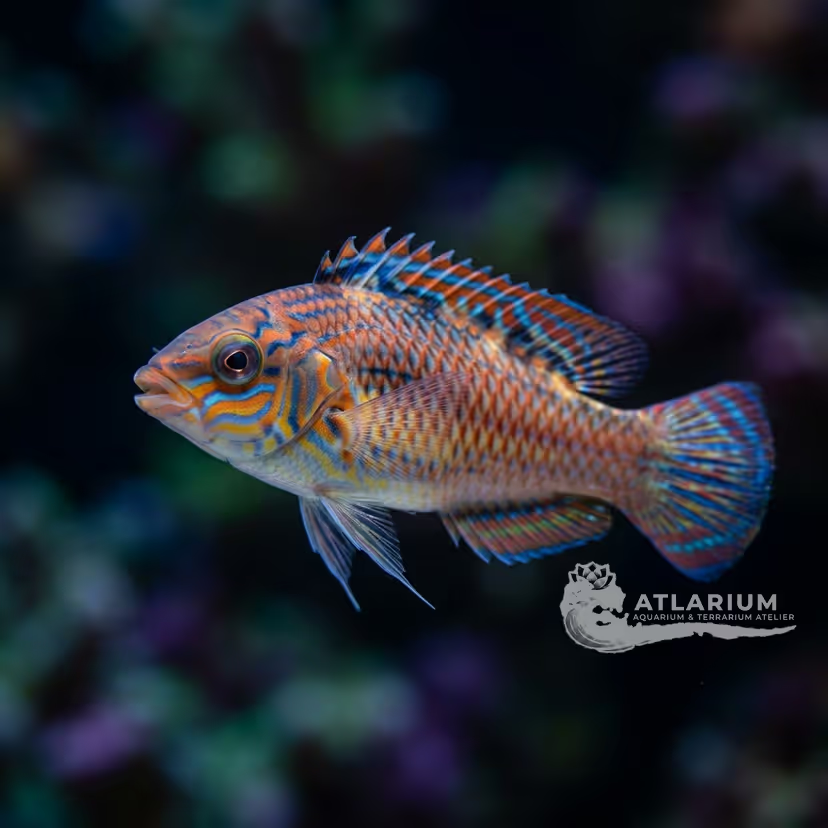
View details->
Exquisite Wrasse

Exquisite Wrasse

Cirrhilabrus exquisitus
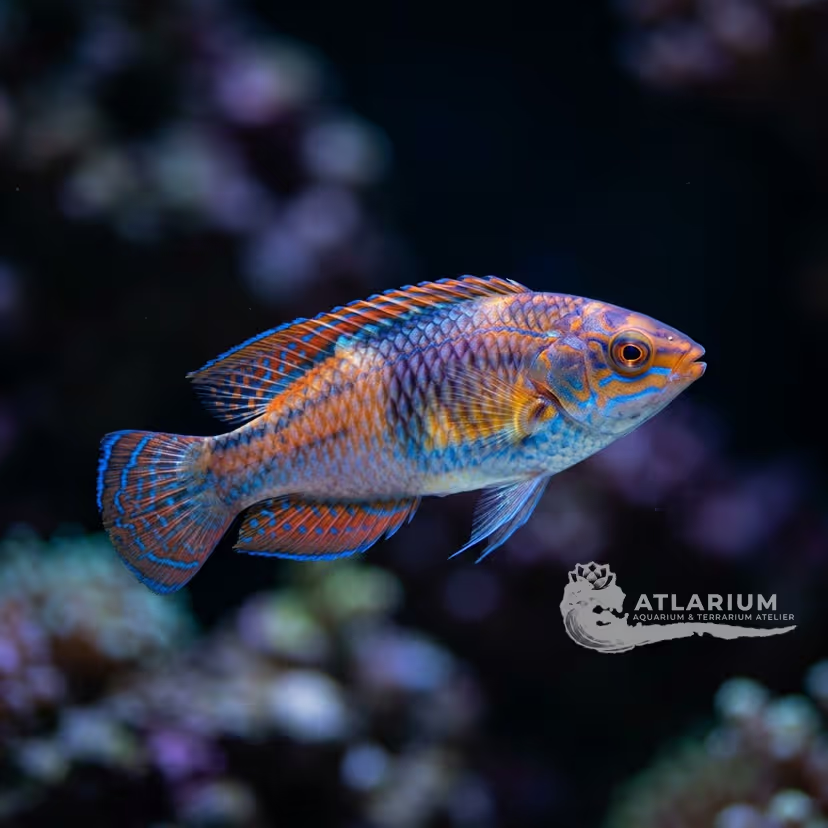
View details->
Red-headed fairy wrasse

Red-headed fairy wrasse

Cirrhilabrus solorensis
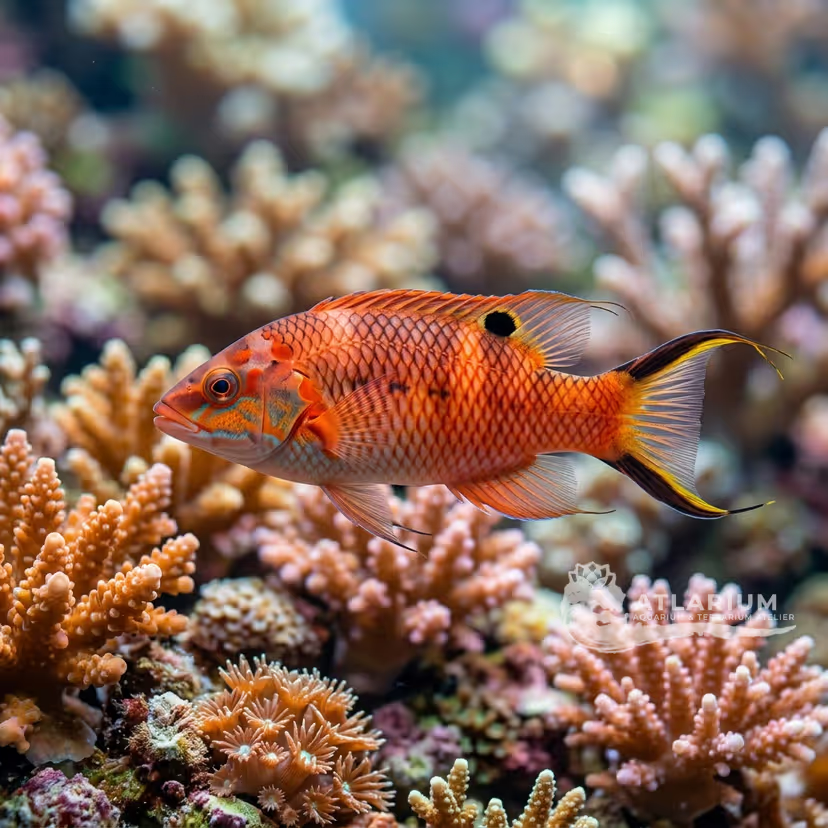
View details->
Crescent-tail Hogfish

Crescent-tail Hogfish

Bodianus sepiacaudus
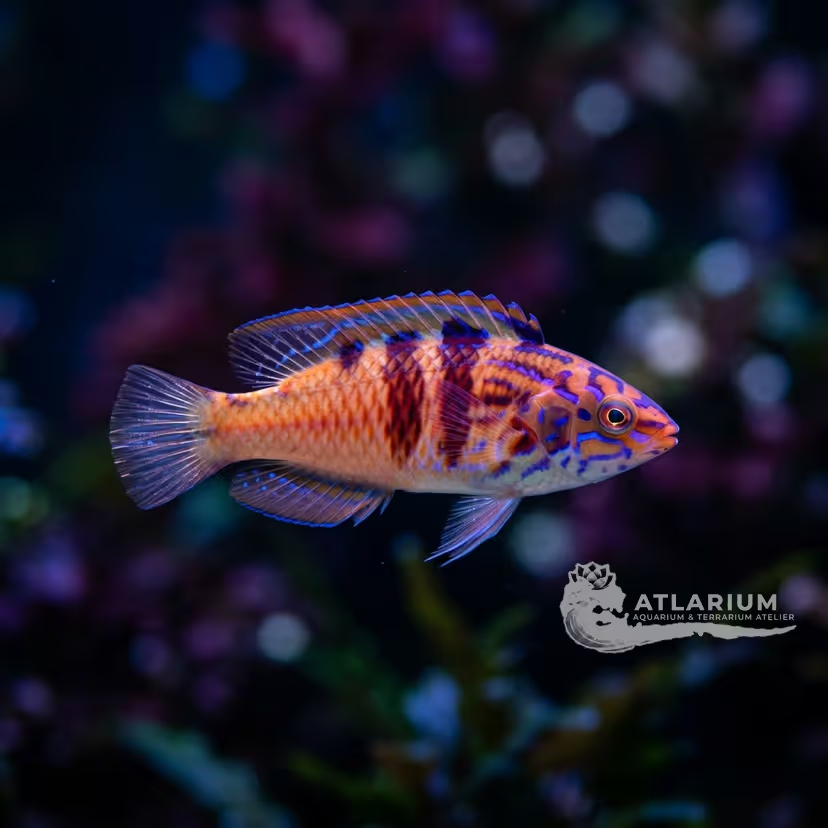
View details->
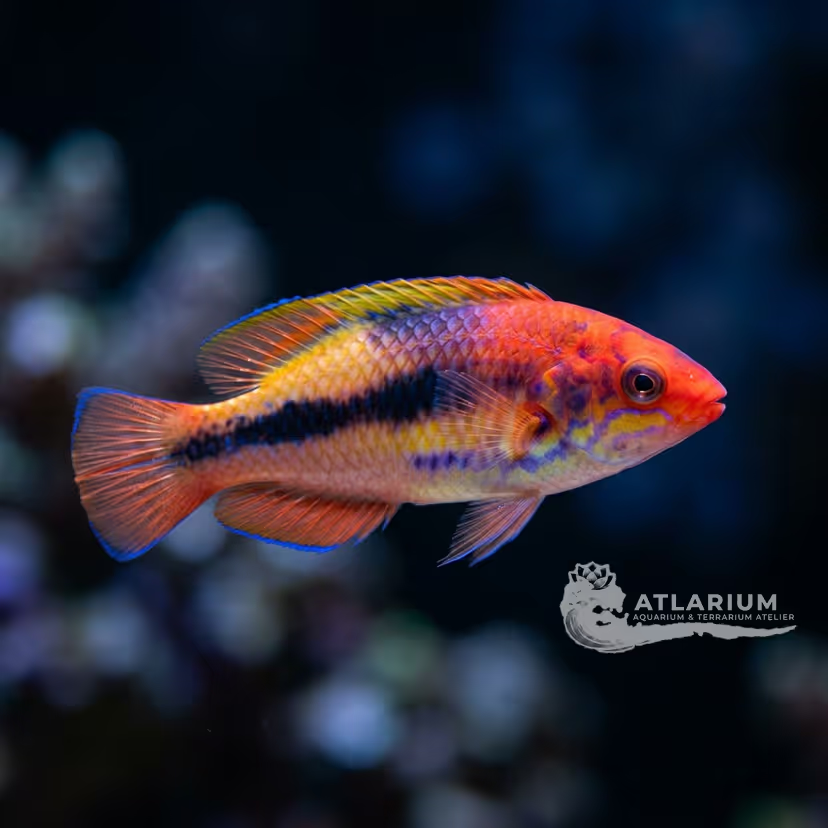
Tono's Fairy Wrasse

Tono's Fairy Wrasse

Cirrhilabrus tonozukai
View details->
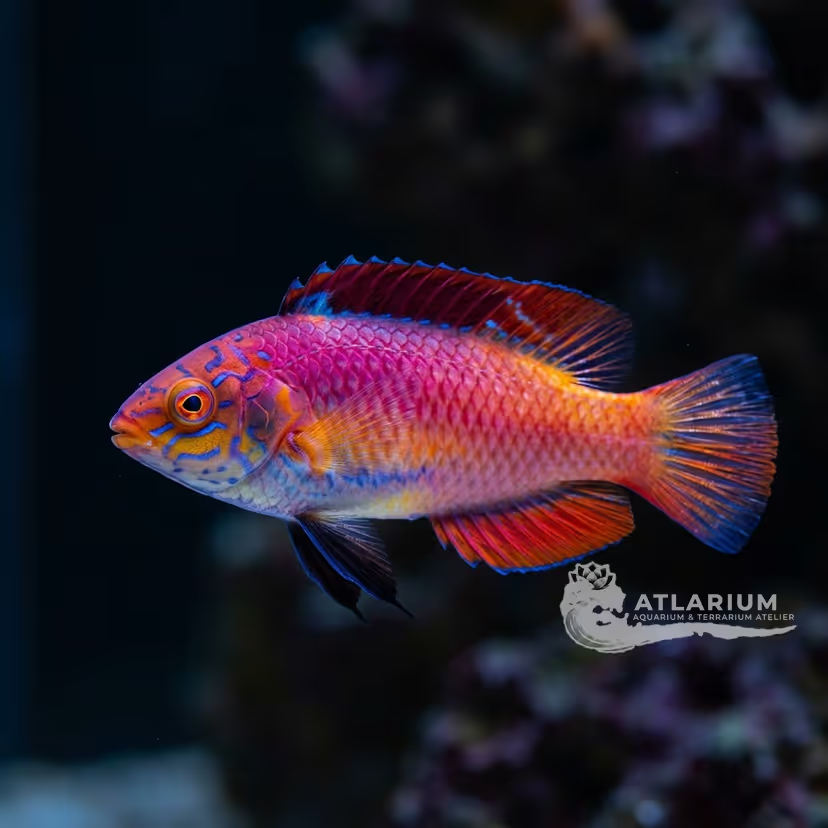
Lubbock's fairy wrasse

Lubbock's fairy wrasse

Cirrhilabrus lubbocki
View details->
Redfin Fairy Wrasse

Redfin Fairy Wrasse

Cirrhilabrus rubripinnis

View details->
Last updated: 06/30/2026
Yellowband Wrasse (Cirrhilabrus luteovittatus) Care Guide & Tank Setup | Atlarium