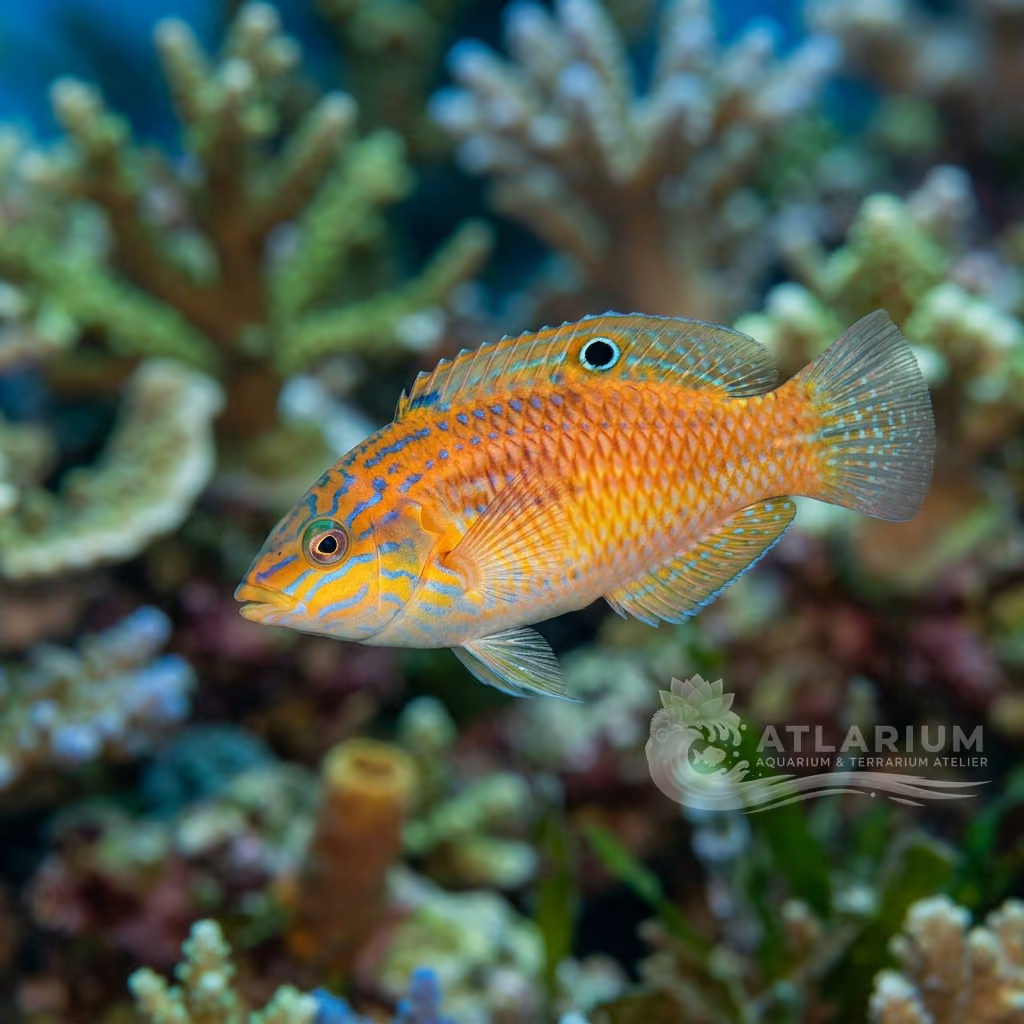
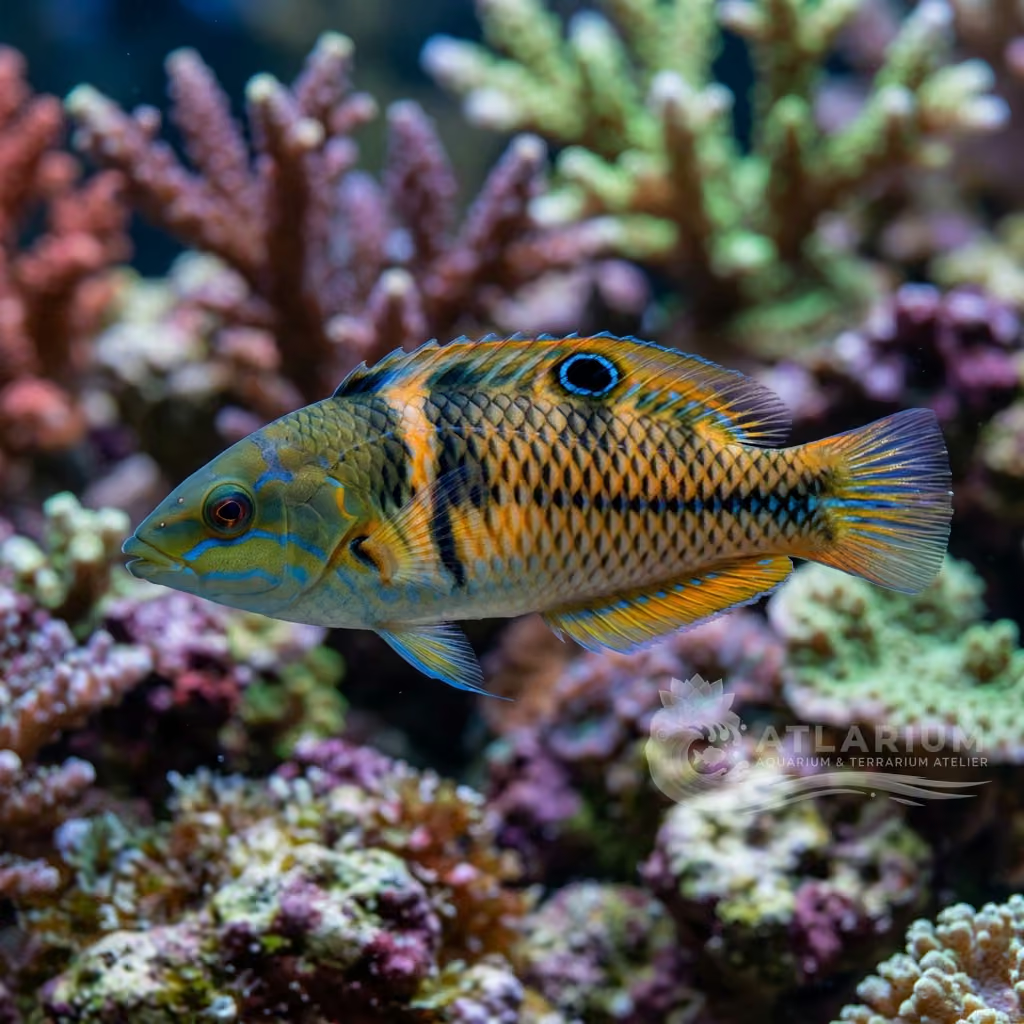
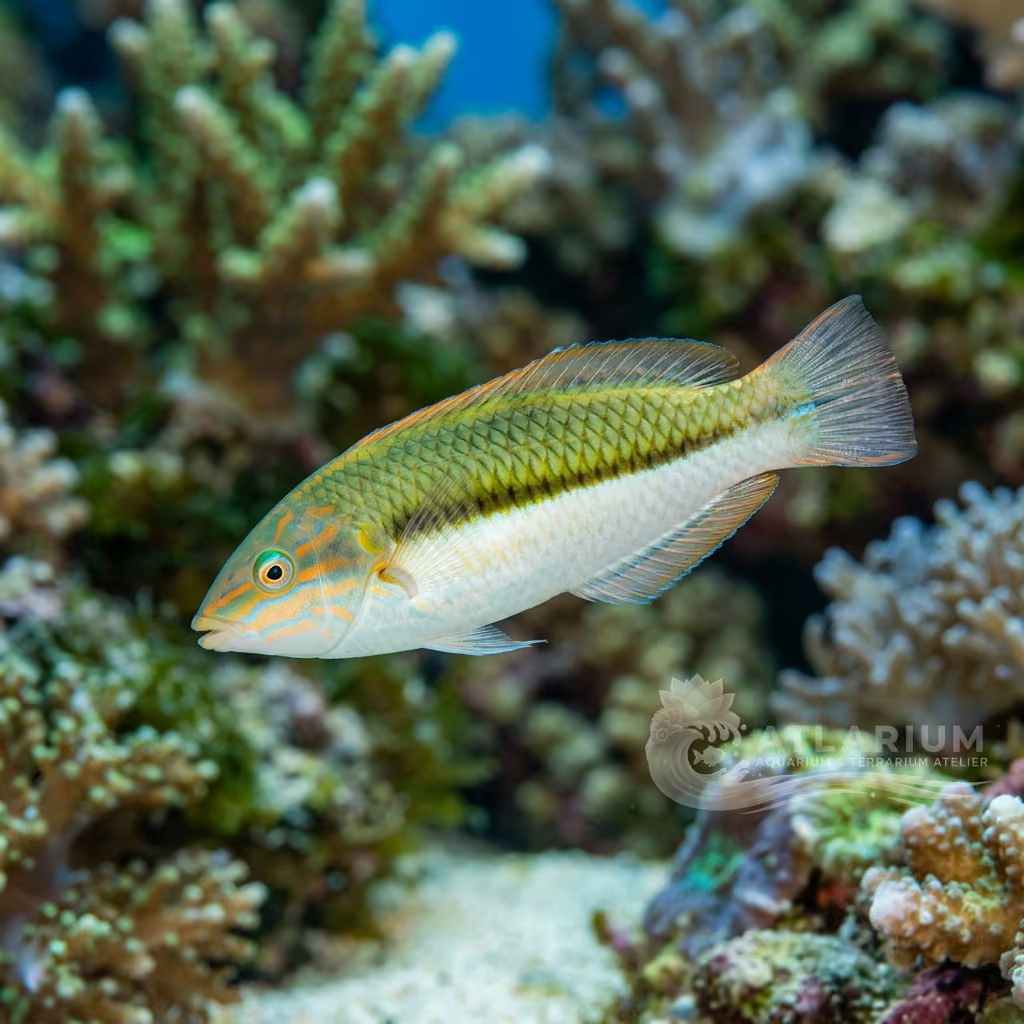
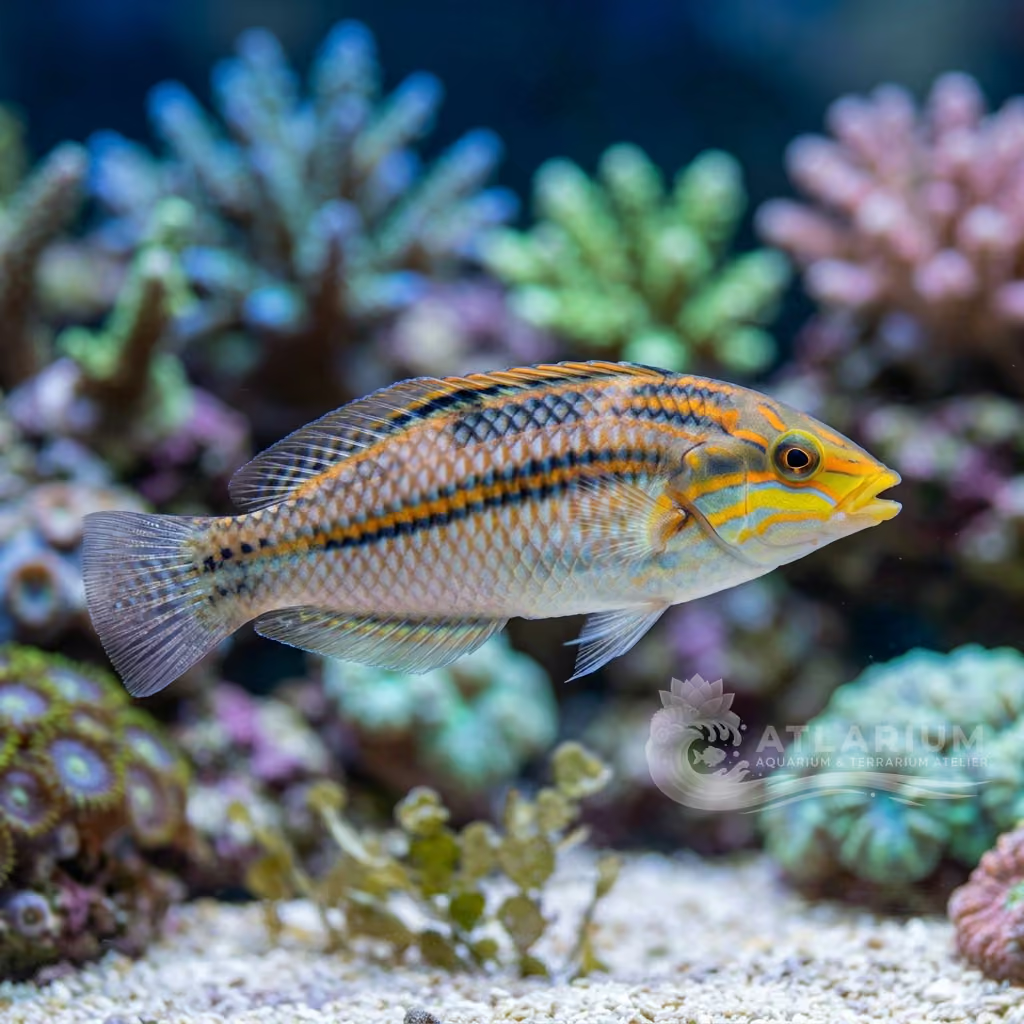
Purple-boned Fairy Wrasse
Cirrhilabrus blatteus
This rare deep-water Red Sea wrasse features unique purple bones and magenta colors. It requires a 250L tank with cooler temperatures, dimly lit caves, and a secure lid due to extreme jumping risks.
Water Temperature
21 - 25 °C
pH Value
8.1 - 8.4
Water type
Marine
Tank level
Middle
Adult size
9 cm
Minimum tank volume
>= 150 L
Minimum group
>= 1

Species description
Geographical Origin and Habitat: Endemic to the southern Red Sea. It inhabits deep reef slopes, outer drop-offs, and rubble-strewn reefs, typically at depths between 40 and 80 meters, where sunlight is highly attenuated and water temperatures are cooler than in shallow zones.
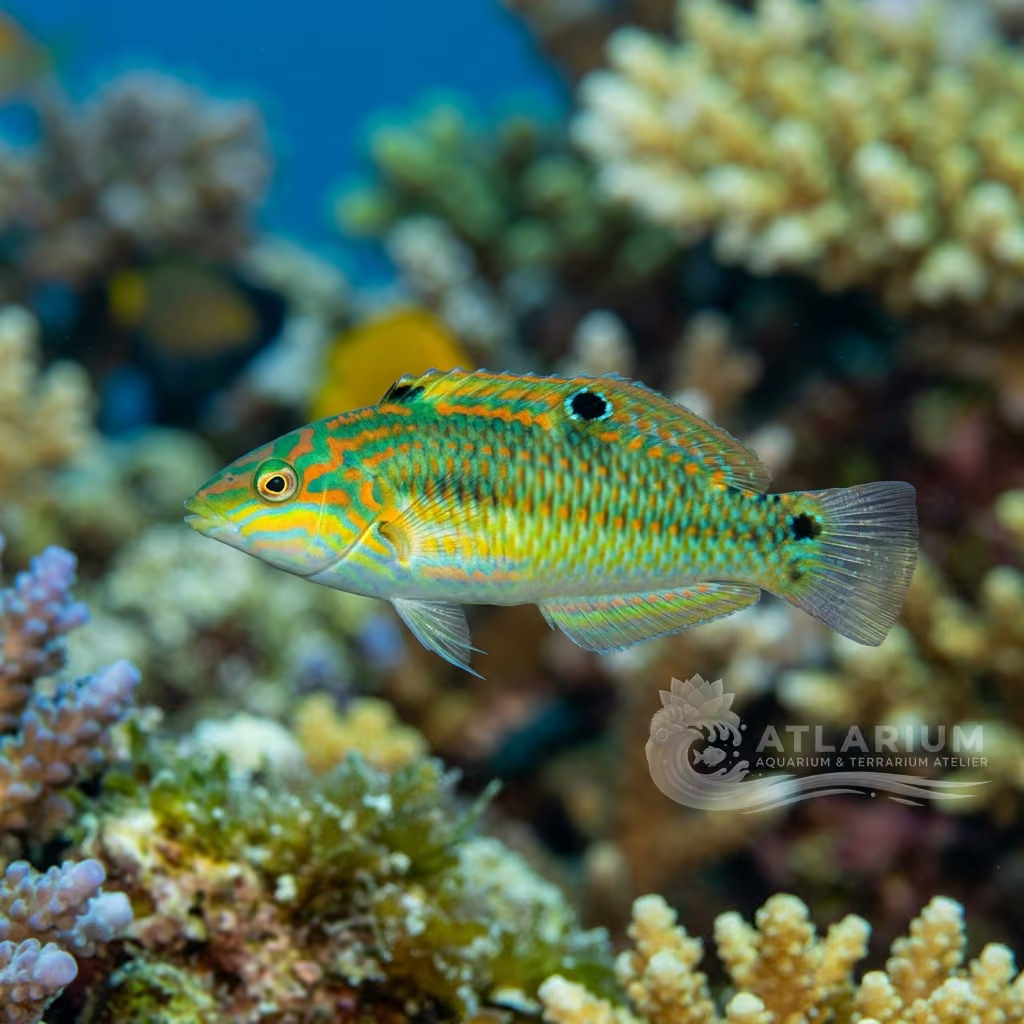
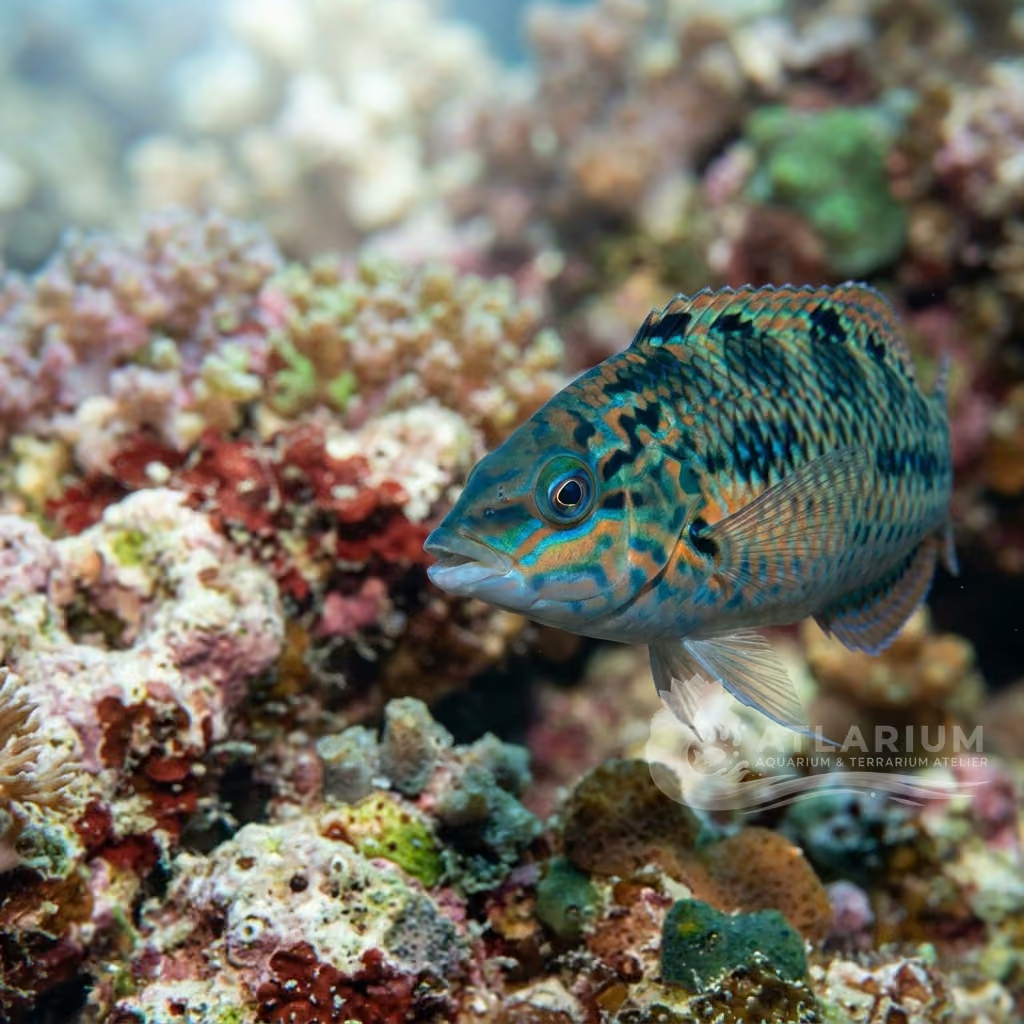
Taxonomy and Morphology: Belongs to the family Labridae, genus Cirrhilabrus. Features a slender, elegant, spindle-shaped body. Its most unique biological feature is the purple-magenta coloration of its bones (including the spine and jaw), which is partially visible through its translucent soft tissues, giving rise to the species name blatteus (meaning purple). Reaches about 10-12 centimeters in length.
Social Behavior: Peaceful, open-water swimming species that lives in small harems consisting of a single dominant male and several females. Wrasses of this genus are active swimmers. Males are territorial towards other males of the same genus and display with rapid darting movements and fin-flaring to court females or defend their territory.
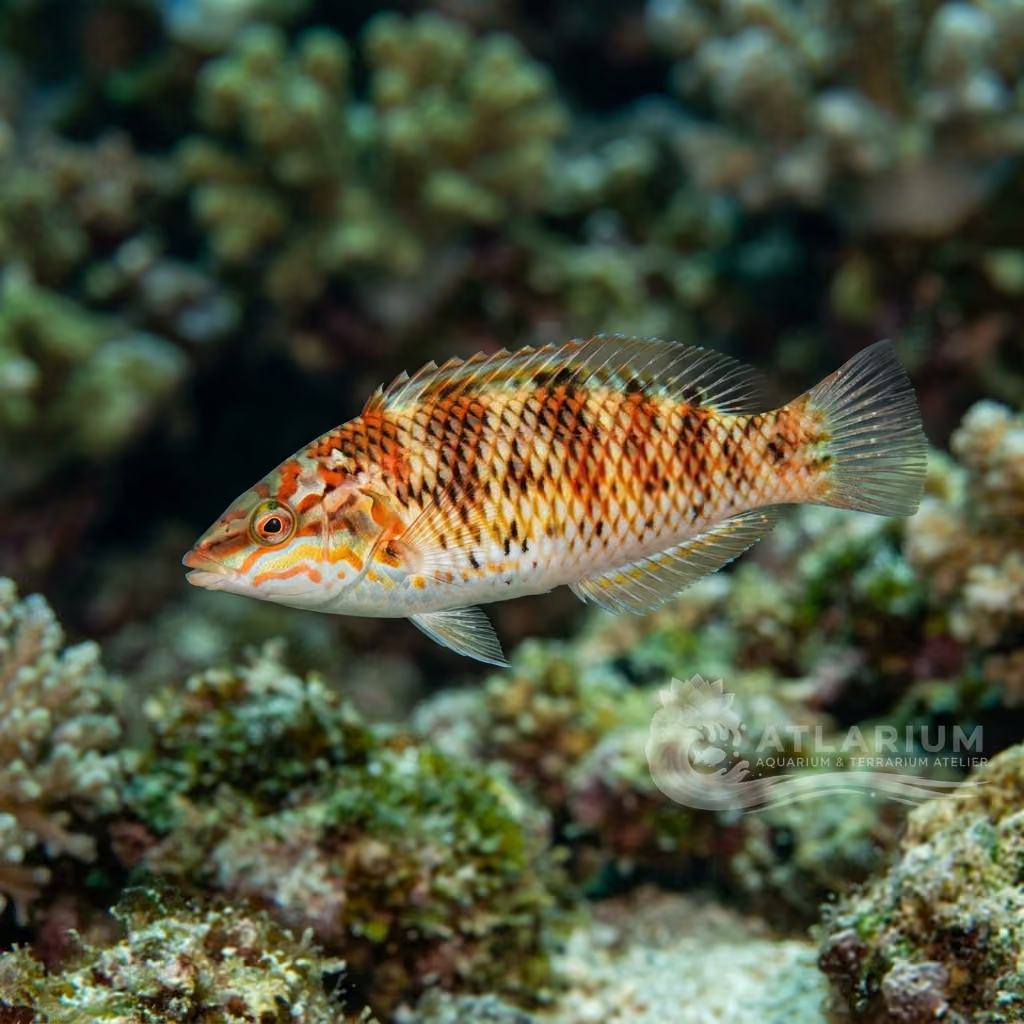
Coloration and Sexual Dimorphism: Sexual dimorphism is highly pronounced. The male displays a spectacular color pattern with purple, magenta, and fuchsia tones on the back, sides marked by a yellow-orange longitudinal stripe, and a rounded tail with glowing blue borders. Females are simpler, predominantly reddish-pink with clear fins and less striking coloration.

Care, breeding and tankmates
Aquarium Setup: Requires a mature marine aquarium of at least 250 liters. The rockwork should be arranged to leave ample open swimming space while creating caves, overhangs, and shaded areas to simulate its deep-water habitat. A tight-fitting lid is absolutely mandatory, as it is a formidable jumper.
Diet and Feeding: Omnivore with a preference for small crustaceans. In the aquarium, it must be fed a varied diet of high-quality frozen foods (mysis, brine shrimp, copepods, fish eggs) and will eventually accept dry pellets or flakes enriched with vitamins to preserve its natural colors.
Water Quality: Prefers slightly cooler temperatures than typical tropical reefs (22-26 °C or 72-79 °F). Stable parameters include pH 8.1-8.4, specific gravity at 1.020-1.025, efficient chemical filtration, and strong protein skimming. Highly sensitive to ammonia and nitrite accumulation.
Compatibility and Cohabitation: Excellent candidate for reef aquariums. Coexists peacefully with fish of similar size and calm temperament (gobies, tangs, anthias). It may display aggression towards other wrasses of the genus Cirrhilabrus introduced after it.
Aquarium Breeding: No breeding cases in captivity have been recorded for this deep-water species. In the wild, it spawns in pairs with external fertilization, releasing pelagic eggs that float in the water column.
Risks and Diseases: The jumping risk is extremely high; almost all specimens lost in the hobby die by jumping out of uncovered tanks. Sensitive to shipping stress and bacterial fin infections. Requires a quiet acclimation period with dimmed lighting at first.

Geographic origin and distribution
Endemic to the southern Red Sea. It inhabits deep reef slopes, outer drop-offs, and rubble-strewn reefs, typically at depths between 40 and 80 meters, where sunlight is highly attenuated and water temperatures are cooler than in shallow zones.
Origin
Tropical oceans and reefs

Fish profile
- Temperament
- Peaceful
- Renowned for their wonderfully peaceful and gregarious temperament, they rarely ever bother other species within the aquarium setting. They can sometimes be slightly shy when initially introduced, demanding a peaceful acclimation period away from aggressive bullies. Once fully settled and comfortable, their bold, constantly active, and visually striking swimming patterns bring incredible life to the display tank. Although males may actively flash and chase each other to establish dominance, this behavior is rarely harmful if the tank is sufficiently spacious.
- Diet
- Planktivore
- They are quintessential zooplanktivores in the wild, spending their days actively plucking tiny crustaceans and plankton directly from the water currents. In the home aquarium, they eagerly accept a remarkably wide variety of meaty foods, including mysis shrimp, brine shrimp, and high-quality marine flakes. Providing a diversified diet enhanced with vitamins and color-enhancing additives is crucial for maintaining their brilliantly intense coloration. They are generally aggressive eaters and will readily learn to feed from the aquarist's hand or an automated feeder.
- Life expectancy
- 5-8 years
- Adult size
- 9 cm
- Sex ratio
- Harem
- They are fascinating protogynous hermaphrodites, meaning every single individual is born female and dominant females will naturally transition into males if the social hierarchy dictates. They are exceptionally well-suited to being kept in beautiful harems consisting of one spectacular male and several subordinate females. Keeping multiple males of the precise same species is generally unadvised as it can trigger severe, potentially lethal territorial disputes. Interestingly, the mere presence of multiple females often encourages the lone male to continuously display his most vibrant, terminal-phase colors.
- Feeding frequency
- Twice daily
- To optimally sustain their high energy levels and rapid metabolism, they require frequent feedings of small portions throughout the day. It is highly recommended to feed them at least two to three times daily with a mix of high-quality frozen and prepared foods. Insufficient feeding frequency can quickly lead to noticeable weight loss and a distressing fading of their normally vibrant colors. Using an automatic feeder to dispense small amounts of pellets during the day can greatly assist in meeting their immense dietary needs.
- Bioload
- Medium
- Fairy wrasses contribute a moderate bioload to the aquarium system, primarily due to their highly active swimming nature and correspondingly high metabolic requirements. They consume significant amounts of food daily, which naturally translates into regular waste production. A capable biological filtration setup combined with a highly efficient protein skimmer is highly recommended to process their organic output. Maintaining a strict schedule of regular water changes is essential to keep nitrate and phosphate levels well within acceptable reef parameters.
- Flow
- Strong
- Coming from highly dynamic and energetic reef environments, they strongly prefer moderate to high water flow within the aquarium. Vigorous currents mimic their natural zooplankton-rich habitats and stimulate their natural, elegant swimming behaviors in the open water. Good circulation also ensures the water is highly oxygenated, which is absolutely vital for such active and fast-paced fish. Wavemakers should be utilized to create varied, turbulent flow patterns that prevent stagnant detritus buildup.
- Jump risk
- Yes
- They possess a profound and well-documented tendency to jump out of the aquarium, especially when frightened, newly introduced, or chased by tank mates. Their incredible swimming speed easily translates into airborne leaps, making them one of the highest jump-risk species available in the hobby. A completely tight-fitting lid, completely enclosed canopy, or perfectly customized mesh screen is a non-negotiable, absolute requirement for keeping them. Even tiny gaps around return pipes or overflow boxes must be secured to prevent a tragic, fatal escape.
- Reproduction
- Oviparous
- They are pelagic spawners that engage in a stunning, complex, and highly coordinated upward mating dance toward the water's surface at dusk. The male dramatically flashes his most brilliant, iridescent colors to court females before simultaneously releasing gametes into the swift water column. While these breathtaking spawning behaviors are frequently observed in spacious home aquariums, successfully raising the fry is nearly impossible. The microscopic pelagic larvae require incredibly specialized rotifer diets and immense, highly specialized rearing vessels to survive past the first week.
- Compatibility & tankmates
- Peaceful
- Known for their wonderfully peaceful and completely reef-safe demeanor, they are a phenomenal addition to most community marine aquariums. They generally ignore corals, sessile invertebrates, and ornamental shrimp, focusing their attention entirely on the water column. While highly compatible with a vast array of peaceful tank mates, males of the same or closely related species may exhibit flashy, harmless aggression. Mixing different species of fairy wrasses is often successful if they are introduced simultaneously or into a sufficiently large aquarium.
- Tank level
- Middle
- They are intensely active fish that predominantly inhabit the middle and upper levels of the aquarium's open water column. They are almost constantly in motion, gracefully weaving through the water as they scan for floating morsels of zooplankton. When night falls or when severely frightened, they will rapidly retreat downward to spin a protective, transparent mucus cocoon in the rockwork crevices. Providing ample, unobstructed swimming space above the aquascape is absolutely critical for their physical health and behavioral wellbeing.

Scientific Parameters & Models
FishBase
Window to the official scientific data of the species
FishBase v25.04Data synced on: 06/15/2026
- Trophic level
- 3.4 ± 0.45 se
- Resilience
- High (less than 15 months)
- Phylogenetic uniqueness (PD50)
- 0.5
- Bayesian Length-Weight
- a = 0.01072, b = 3.03
- VulnerabilityLow vulnerability (10 / 100)

Related species
Recommendations grouped by close relatives, companion choices, and similar care.