Social Wrasse
Halichoeres socialis
An intriguing Labridae species from Belize, valued for its uniquely social schooling behavior, bright neon colors, and suitability for peaceful reef environments.
Water Temperature
24 - 28 °C
pH Value
8.1 - 8.4
Water type
Marine
Tank level
Middle
Adult size
5 cm
Minimum tank volume
>= 80 L
Minimum group
>= 3

Species description
Geographical Origin and Habitat: West-central Atlantic Ocean, endemic to Belize, inhabiting shallow waters rich in vegetation. Typically found in shallow waters and reef areas rich in hiding places. Endemic to the shallow patch reefs, seagrass beds, and mangrove channels of Belize, this species occupies a highly restricted range.
Taxonomy and Morphology: Belongs to the family Labridae. Characterized by a body structure adapted to its active lifestyle, showing bright coloration. Size up to 5.0 cm. Classified under the family Labridae, it is listed as critically endangered due to coastal development and habitat fragmentation.
Social Behavior: Active species with a peaceful temperament. Shows moderate to high territorial habits depending on sex and population density. Uniquely social compared to its congeners, it forms dense schools that feed on small planktonic organisms in the water column.
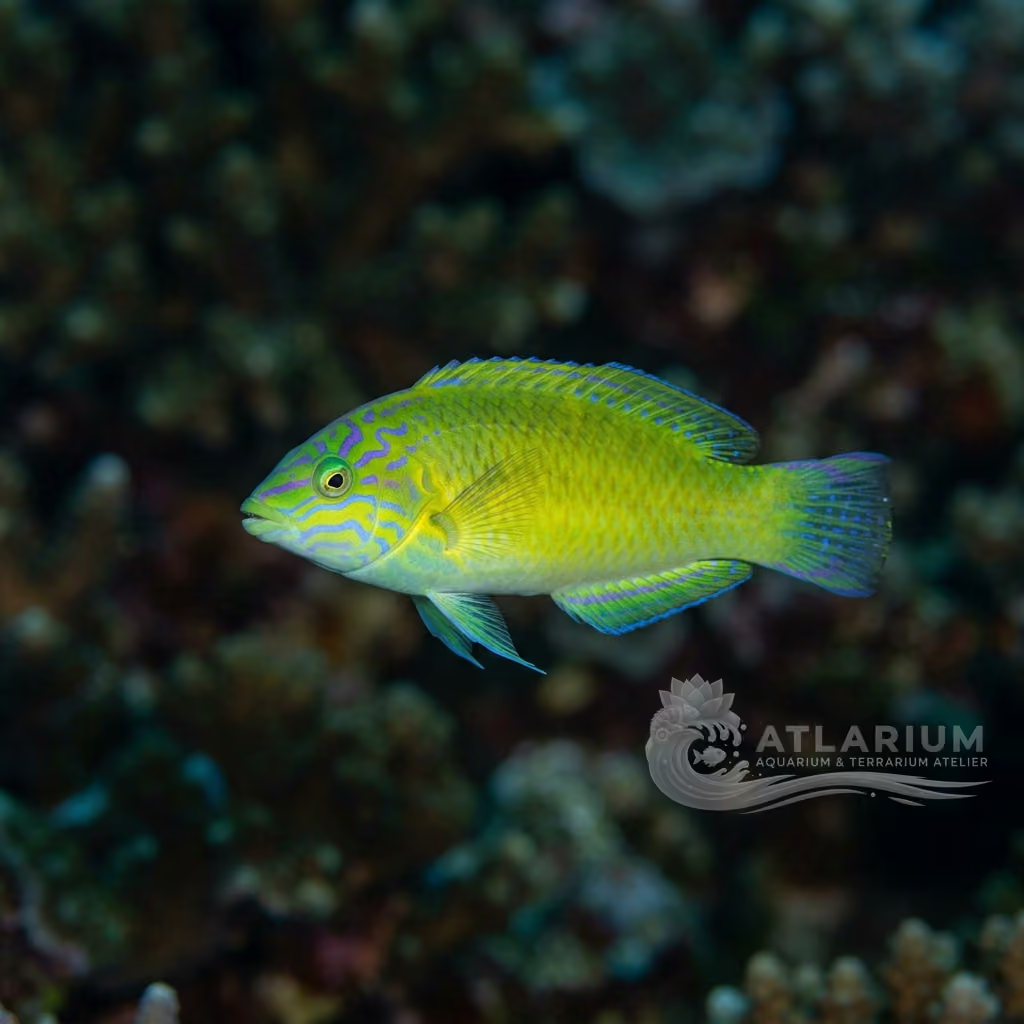
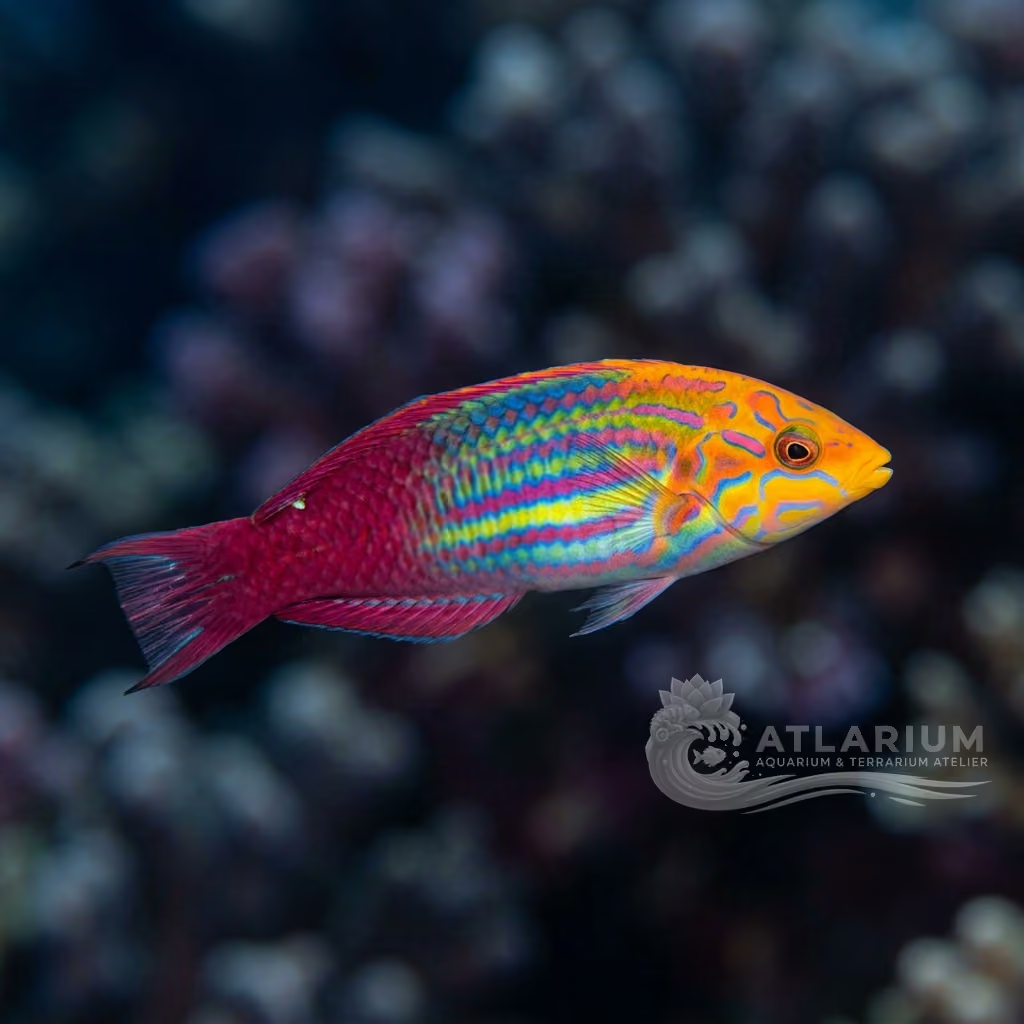
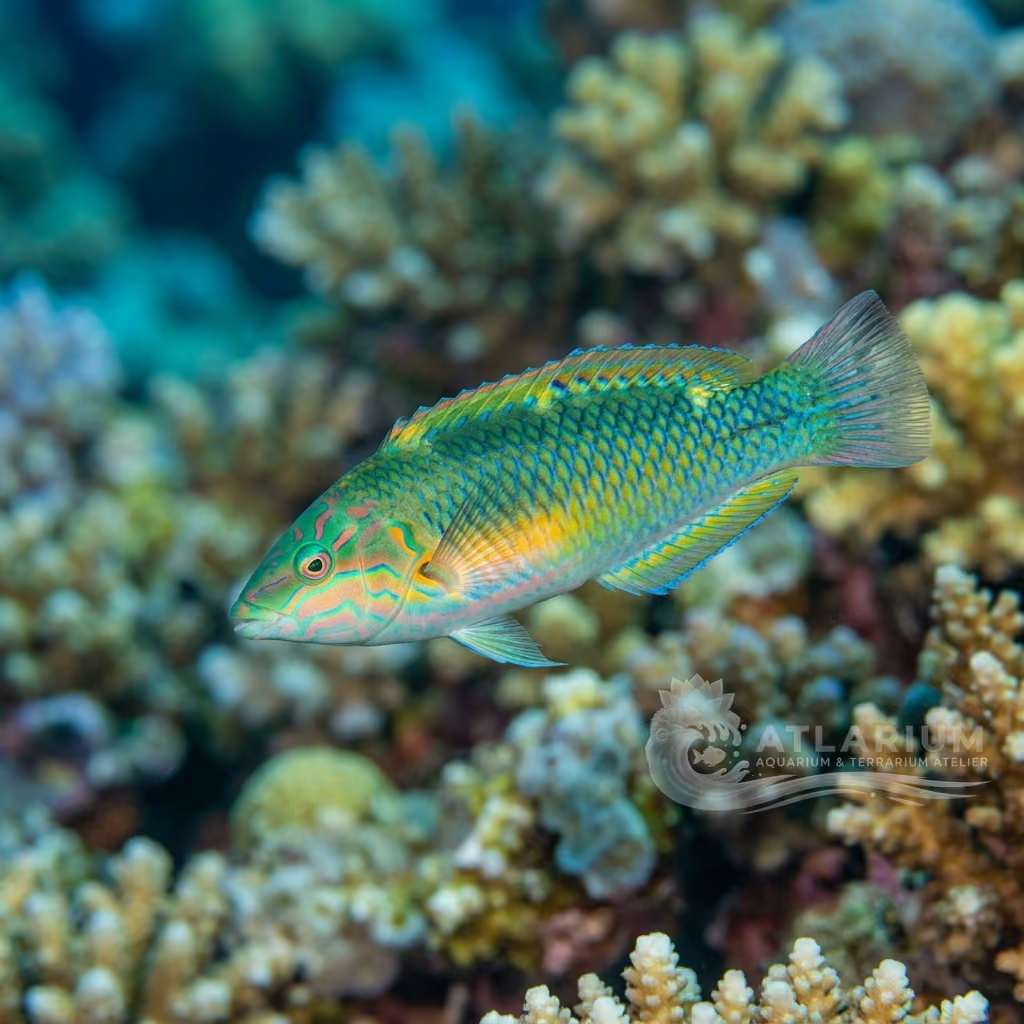
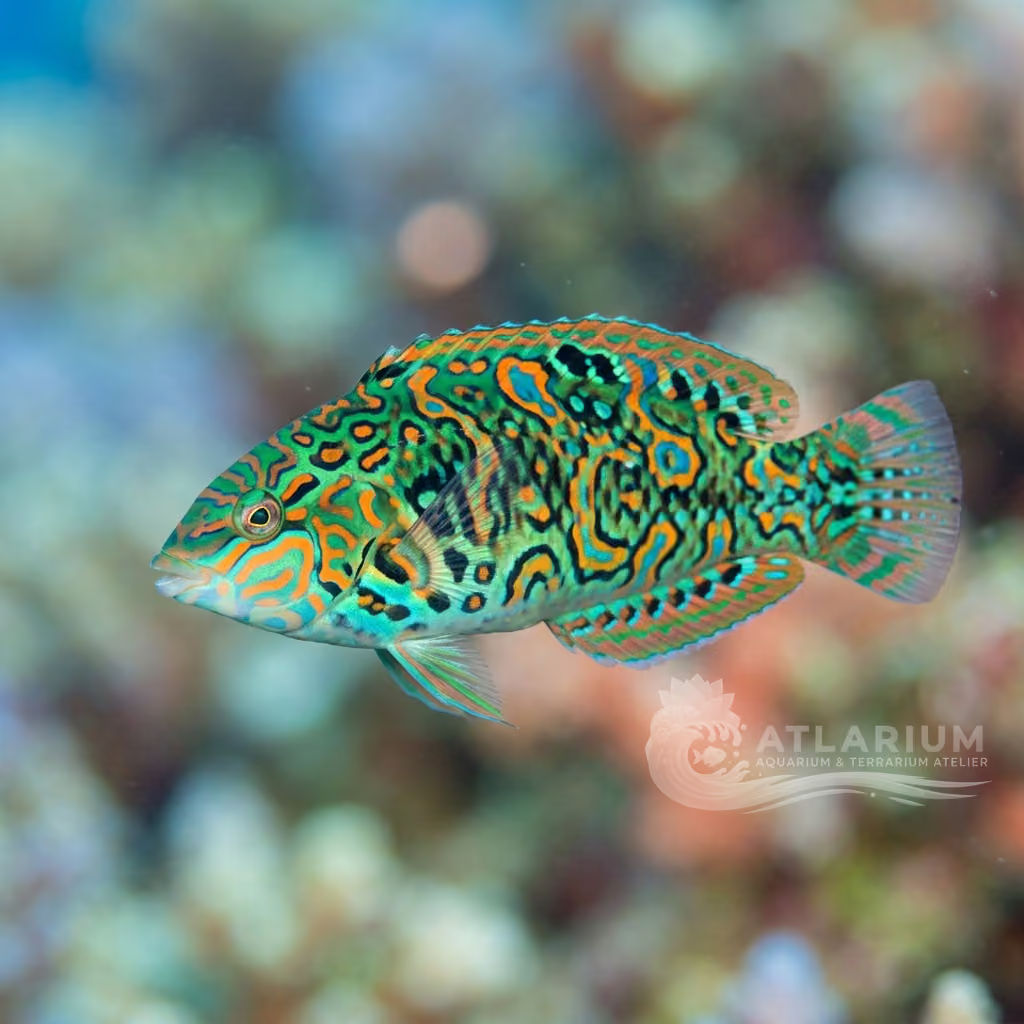
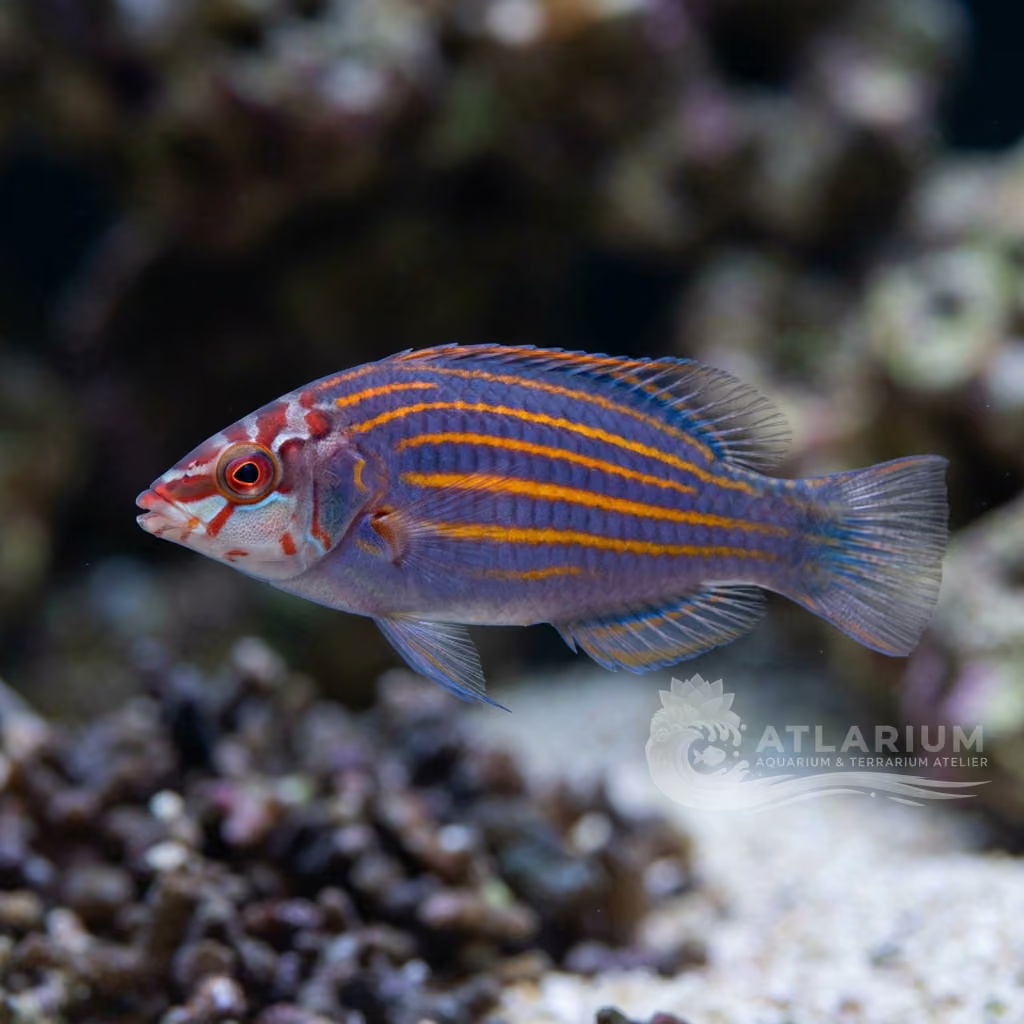
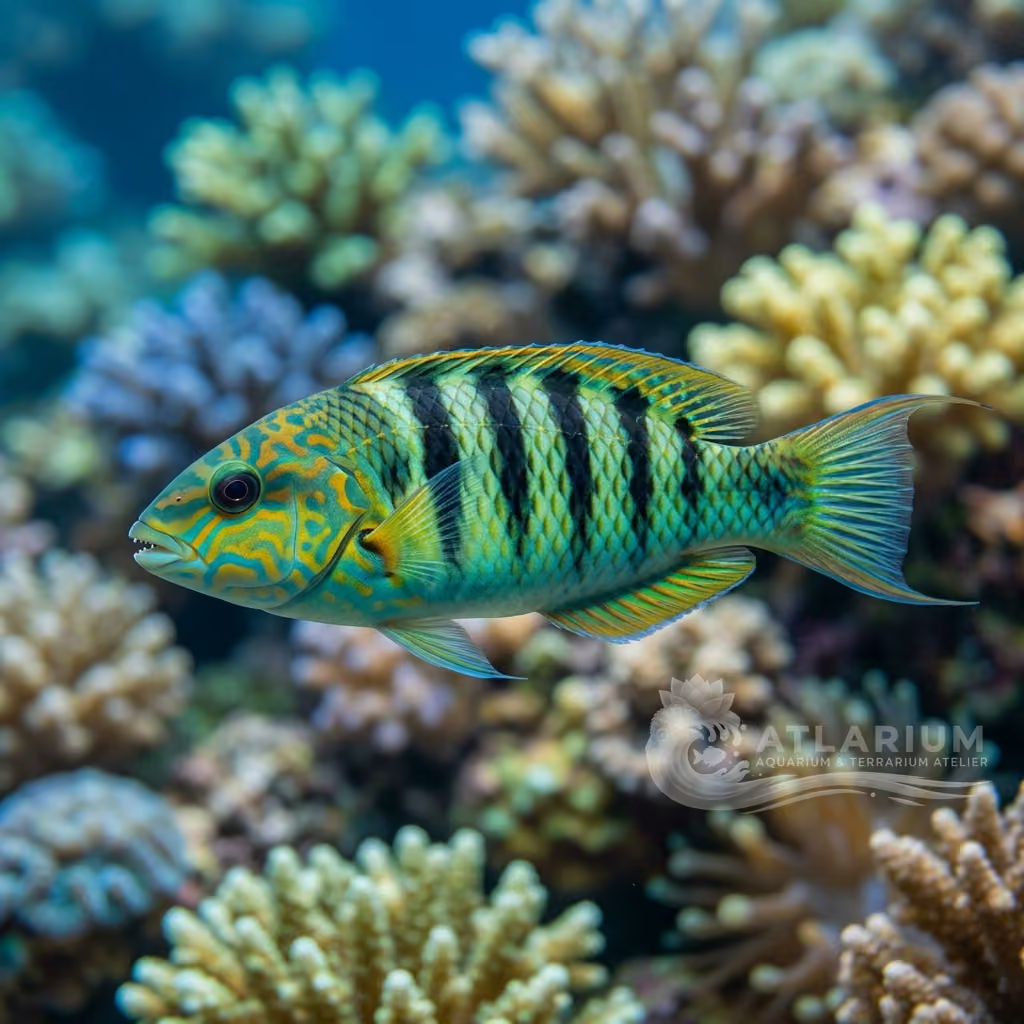
Coloration and Sexual Dimorphism: Males and females display visible differences in color pattern and vibrancy, especially during the courtship phase. The body is slender, featuring a neon green to yellow coloration with reflective blue stripes and a distinct spot on the tail base.

Care, breeding and tankmates
Aquarium Setup: Requires a marine tank of at least 21 gallons (approx. 80.0 liters), decorated with live rocks to provide natural shelter. For sand-dwelling wrasses, a fine sand bed of at least 2-3 inches (5-8 cm) is essential. A soft, deep sand bed of at least 5 cm is mandatory, as this wrasse burrows into the sand to sleep and seek refuge when threatened.
Diet and Feeding: Zooplanktivorous. Feeds mainly on copepods and small suspended crustaceans. It is recommended to feed the fish two or three times daily in small portions. Provide a varied planktivorous diet, feeding small items like cyclops, rotifers, copepods, and finely chopped mysis shrimp.
Water Quality: Stable parameters: temperature 24.0-28.0°C, pH 8.1-8.4, SG stable between 1.020 and 1.025. Monitored nitrates and phosphates. Maintain tropical marine parameters: temperature 24-28 °C, pH 8.1-8.4, with active mechanical filtration to keep the sand bed clean.
Compatibility and Cohabitation: Compatible with reef fish. Avoid housing with larger predators or highly aggressive tankmates. Perfect for peaceful community aquariums. Keeping them in groups of 3 to 5 individuals helps reduce stress and encourages natural schooling.
Aquarium Breeding: Protogynous hermaphrodite. It is one of the smallest wrasse species in the world. No recorded aquarium breeding cases. Breeding in home aquariums has not been recorded, and wild populations are strictly protected to ensure conservation of the species.
Risks and Diseases: Sensitive to transport stress and high jump risk; requires a tightly fitted aquarium lid. Risk of skin infections if the sand bed contains coarse gravel or sharp debris, which can damage the delicate mucous layer of the wrasse.

Geographic origin and distribution
West-central Atlantic Ocean, endemic to Belize, inhabiting shallow waters rich in vegetation. Typically found in shallow waters and reef areas rich in hiding places. Endemic to the shallow patch reefs, seagrass beds, and mangrove channels of Belize, this species occupies a highly restricted range.
Origin
Tropical oceans and reefsCentral America and Caribbean

Fish profile
- Temperament
- Peaceful
- They are very peaceful, active, and gregarious fish that add constant motion to the display. They are not shy and will often swim confidently in the open once acclimated. Their sociable nature makes them a highly desirable addition to a community reef aquarium.
- Diet
- Planktivore
- Their diet should be predominantly carnivorous, reflecting their natural foraging of small benthic crustaceans. They enthusiastically accept frozen mysis, brine shrimp, finely chopped seafood, and high-quality pellets. Incorporating a varied diet ensures they maintain their vibrant coloration and strong immune system.
- Life expectancy
- 3-5 years
- Adult size
- 5 cm
- Sex ratio
- Harem
- Unlike many wrasses, the Social wrasse can often be kept in small groups or harems if the tank is large enough. A group of several females with a single dominant male works exceptionally well and displays their natural social dynamics. Keeping multiple males should still be avoided to prevent fighting.
- Feeding frequency
- Twice daily
- They possess an active metabolism and should be fed at least two or three times a day. Providing several smaller feedings is vastly superior to one large feeding. Ensuring they receive enough food helps sustain their constant, graceful swimming throughout the day.
- Bioload
- Low
- The Social wrasse has a moderate bioload that is easily managed in a well-filtered reef tank. Diligent maintenance practices, including scheduled water changes and effective protein skimming, are necessary. A healthy biological filter will easily process the waste generated by their daily feedings.
- Flow
- Strong
- They enjoy moderate to high flow environments that simulate the open reef conditions they favor. Strong currents encourage natural schooling or social behaviors and help keep their environment clean. Adequate surface agitation is also important for oxygen exchange.
- Jump risk
- Yes
- There is a substantial risk of jumping, especially when they are startled by sudden movements or aggressive tank mates. A secure, tight-fitting mesh lid is an absolute requirement for keeping this species. Gaps near overflows and returns should be carefully covered.
- Reproduction
- Oviparous
- Captive breeding is nearly impossible for the average aquarist due to their pelagic spawning cycle. They release gametes high in the water column, and the larvae develop in the open ocean. Culturing the appropriate microscopic foods for the larval stages is incredibly challenging.
- Compatibility & tankmates
- Peaceful
- True to its name, this is a very peaceful and social species that coexists beautifully with most peaceful reef inhabitants. It will rarely bother corals, though extremely tiny invertebrates might be consumed. They do well when housed with other peaceful wrasses, blennies, and gobies.
- Tank level
- Middle
- They are highly active in the middle of the water column, often swimming out in the open. A fine, soft sand bed of adequate depth is mandatory for them to bury themselves when sleeping or stressed. They also utilize the rockwork to hunt for small prey during the day.

Scientific Parameters & Models
FishBase
Window to the official scientific data of the species
FishBase v25.04Data synced on: 06/15/2026
- Trophic level
- 3.4 ± 0.45 se
- Resilience
- High (less than 15 months)
- Phylogenetic uniqueness (PD50)
- 0.5
- Bayesian Length-Weight
- a = 0.01, b = 3.09
- VulnerabilityLow vulnerability (10 / 100)

Related species
Recommendations grouped by close relatives, companion choices, and similar care.