Smalltail Pencil Wrasse
Pseudojuloides cerasinus
An elegant and remarkably elongated pencil wrasse featuring striking sexual dimorphism, requiring a deep sand bed and careful handling.
Water Temperature
23 - 28 °C
pH Value
8 - 8.5
Water type
Marine
Tank level
All levels
Adult size
10 cm
Minimum tank volume
>= 280 L
Minimum group
>= 1
KH
8 - 12 dKH

Species description
Geographical Origin and Habitat: Endemic to the Hawaiian Islands in the central Pacific Ocean. Inhabits deep seaward reefs, surge channels, and sandy areas adjacent to coral rubble at depths ranging from 15 to over 60 meters.
Taxonomy and Morphology: Member of the family Labridae, genus Pseudojuloides (pencil wrasses). Features an extremely elongated, almost cylindrical body. Possesses a small terminal mouth with protruding teeth for catching micro-crustaceans. Grows to about 10 cm.
Social Behavior: Peaceful, highly timid, and elusive. Lives in small groups consisting of a single male and a small harem of females. They swim rapidly close to the substrate and panic easily.
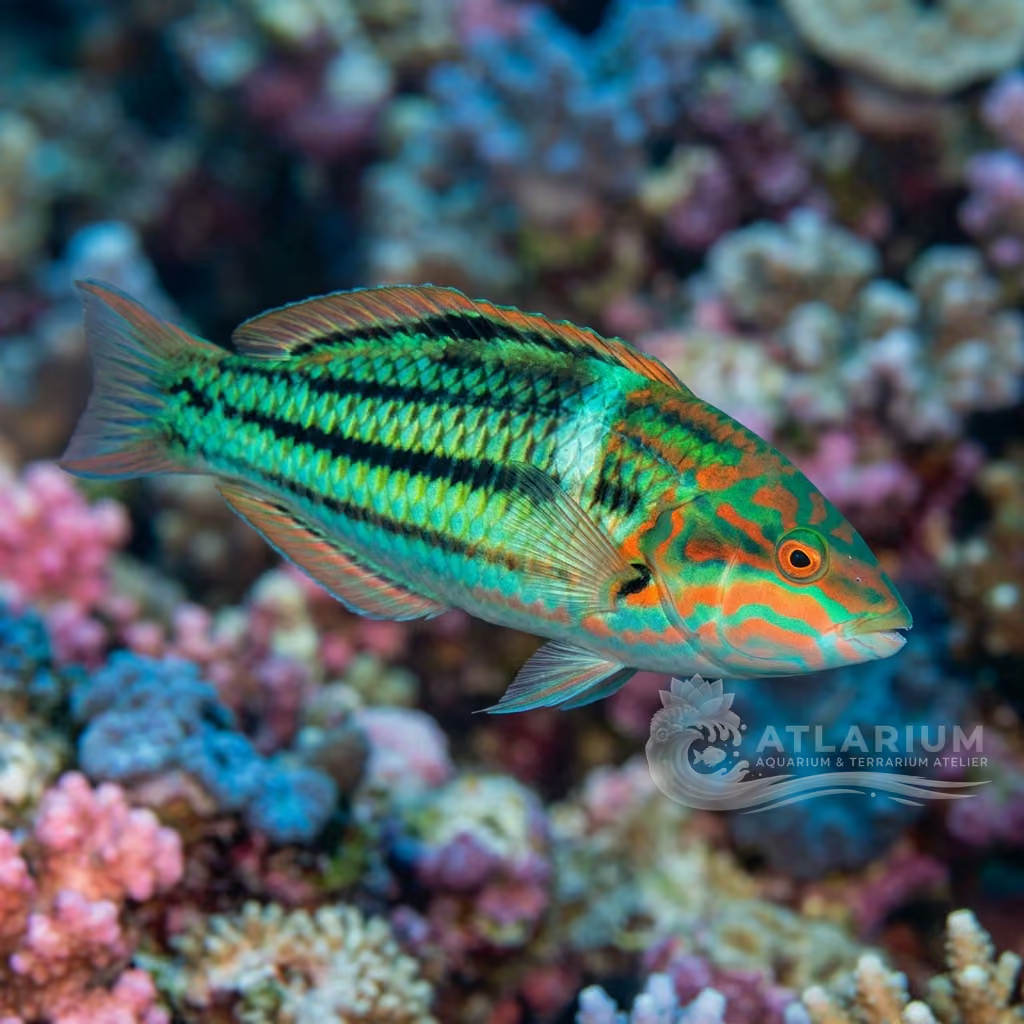
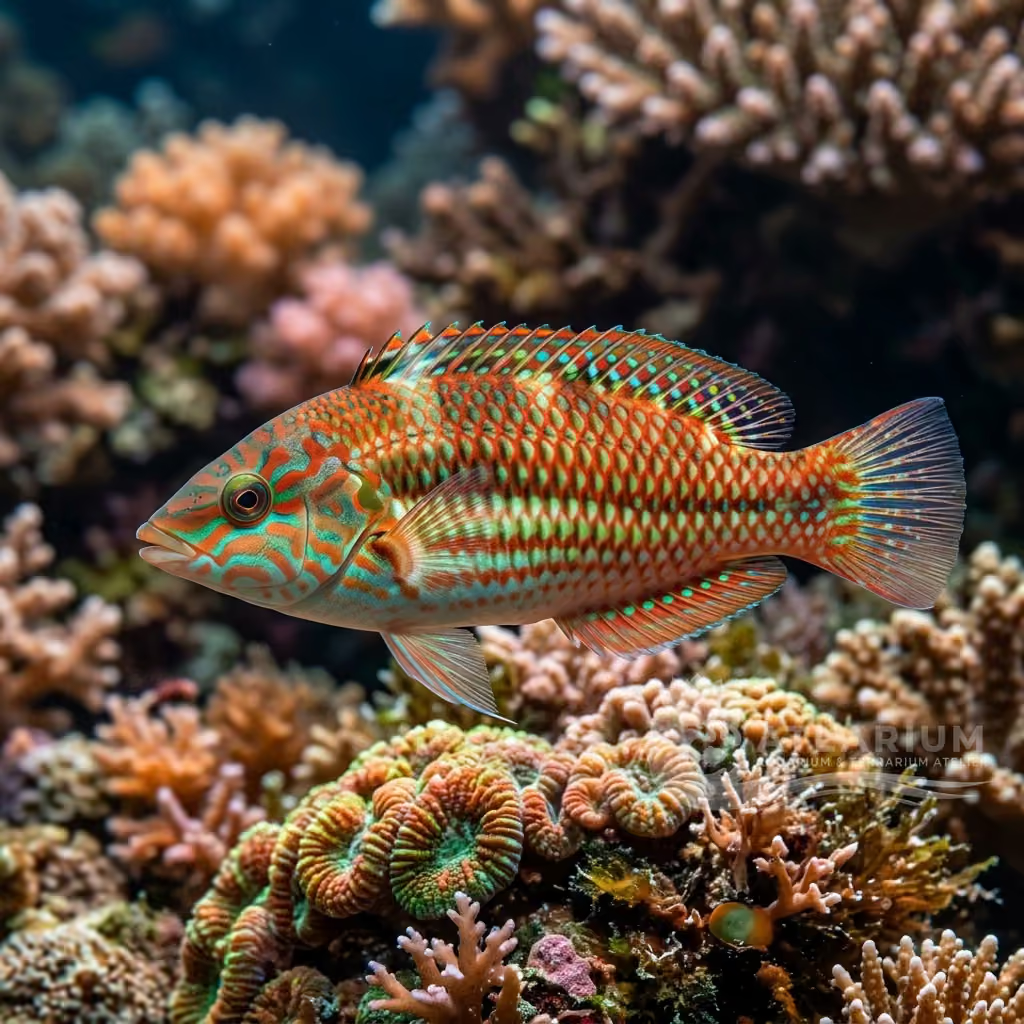
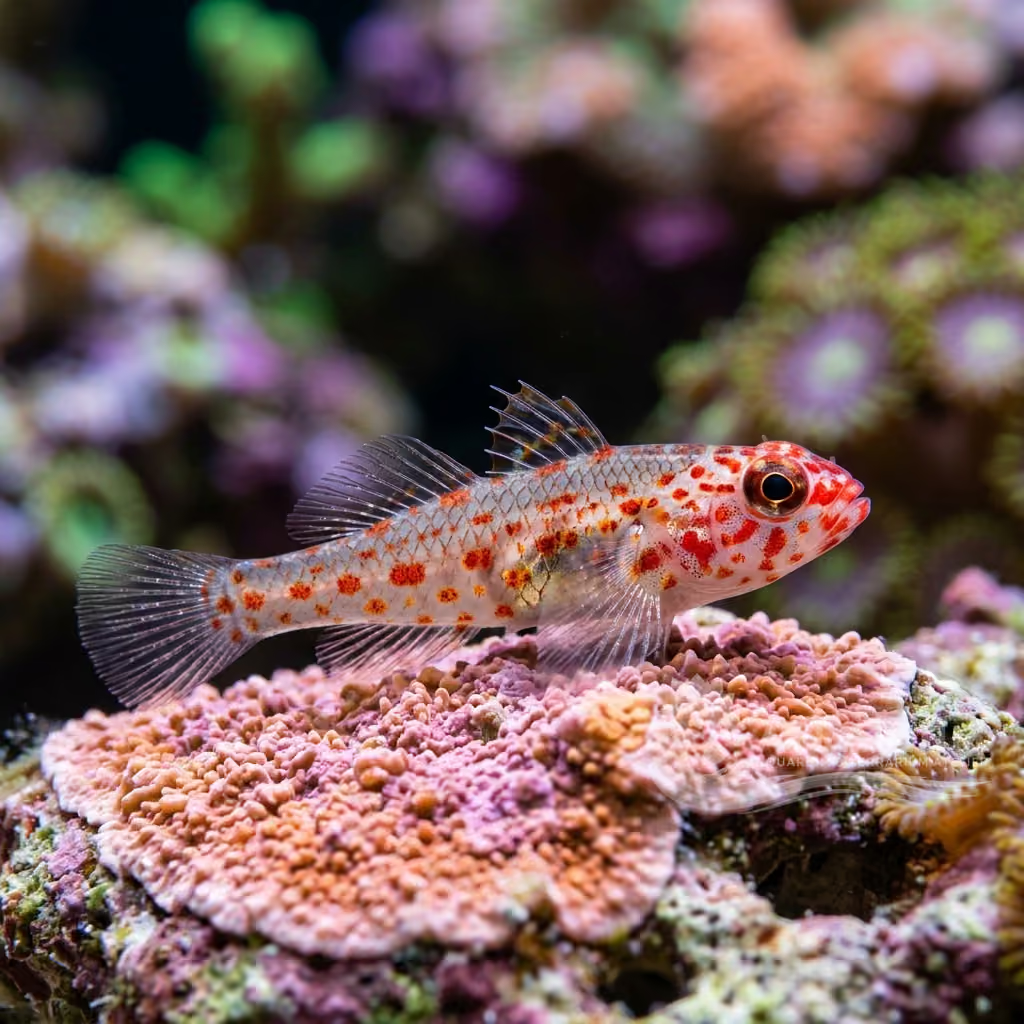
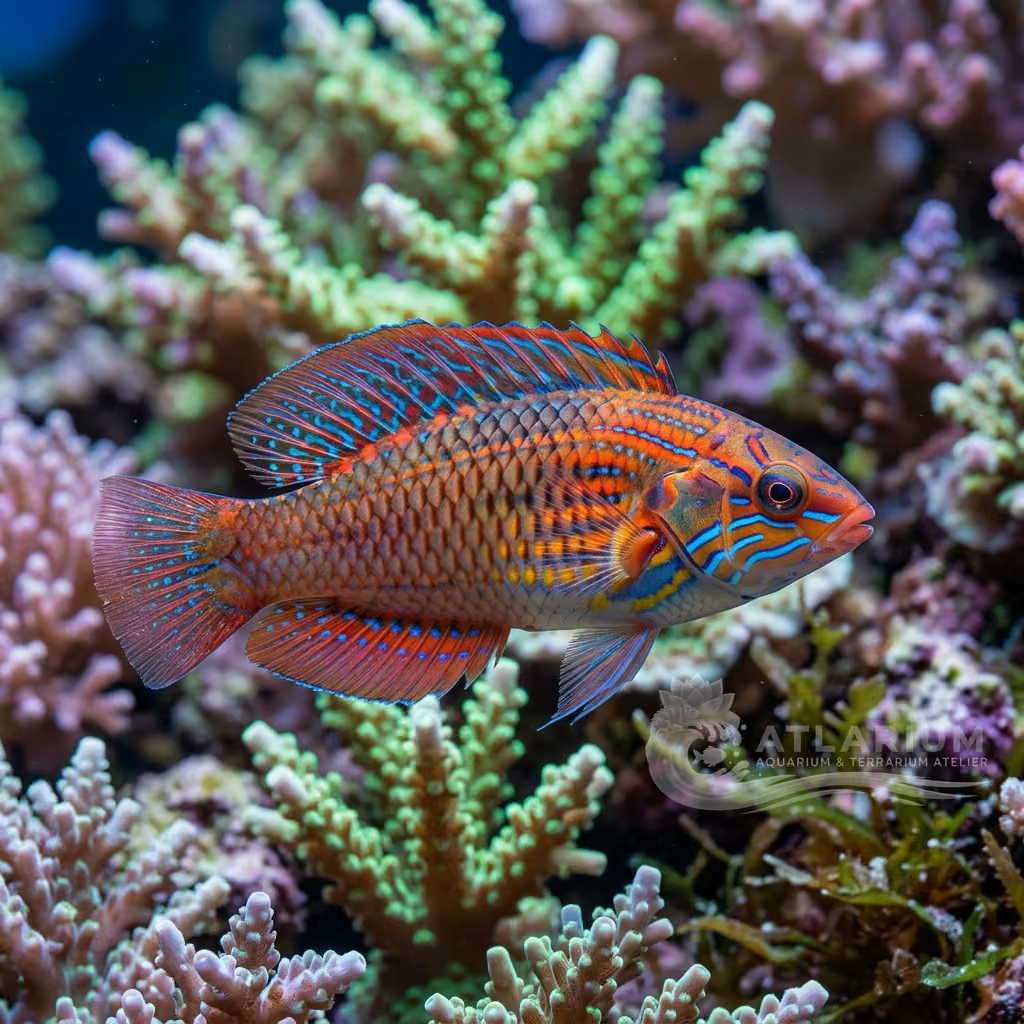
Coloration and Sexual Dimorphism: Sexual dimorphism is highly pronounced. Males showcase an olive-green to blue body with a bright yellow and blue horizontal stripe running along the side, and a dark tail. Females are uniform bright pink-orange or cherry-red, lacking stripes.

Care, breeding and tankmates
Aquarium Setup: Requires a spacious tank of at least 280 liters with a fine sand bed at least 5-8 cm deep for burrowing, which is vital for sleep and stress relief. A secure, tight-fitting lid is mandatory as they are notorious jumpers.
Diet and Feeding: Carnivorous. Demands frequent feeding, at least 3 times daily. Offer small frozen foods like mysis, copepods, and vitamin-enriched brine shrimp. May be hesitant to accept dry foods initially, preferring live prey.
Water Quality: Pristine and stable marine parameters: temperature 23-28°C, pH 8.0-8.5, specific gravity (SG) 1.020-1.025, GH 15-25, KH 8-12. Highly intolerant to ammonia and nitrite, and sensitive to elevated nitrates.
Compatibility and Cohabitation: 100% reef safe. Entirely peaceful. Best housed with docile tankmates such as gobies and anthias. Avoid territorial or hyperactive swimmers like large surgeonfishes, which can frighten it and cause starvation.
Aquarium Breeding: Protogynous hermaphrodite. No records of captive reproduction due to the high difficulty of keeping breeding groups healthy in the long term.
Risks and Diseases: High shipping mortality rate due to transport stress. Can easily damage its snout by colliding with glass or rocks when startled. Requires a long acclimation period and a threat-free tank to overcome its shyness.

Geographic origin and distribution
Endemic to the Hawaiian Islands in the central Pacific Ocean. Inhabits deep seaward reefs, surge channels, and sandy areas adjacent to coral rubble at depths ranging from 15 to over 60 meters.
Origin
Selective breeding and cultivarsTropical oceans and reefs

Fish profile
- Temperament
- Peaceful
- They have a peaceful but sometimes nervous temperament. They need plenty of hiding spots to feel secure. They thrive best in calm reef setups.
- Diet
- Carnivore
- It requires a carnivorous diet rich in marine proteins. Offer frequent meals of mysis and brine shrimp. High-quality marine pellets can supplement their daily nutrition.
- Life expectancy
- 5 years
- Adult size
- 10 cm
- Sex ratio
- Harem
- Keeping one male with several females is the ideal ratio. Males can be territorial towards each other. Single specimens can also be kept successfully.
- Feeding frequency
- Twice daily
- They possess a high metabolism and need frequent feeding. Two to three small meals daily are highly recommended. Underfeeding can lead to rapid weight loss.
- Bioload
- Low
- This wrasse produces a moderate bioload typical of active marine fish. A quality protein skimmer is recommended. Regular water changes help maintain optimal reef parameters.
- Flow
- Moderate
- Pseudojuloides cerasinus needs steady, moderate circulation distributed across the aquarium rather than a narrow, forceful jet. Requires a spacious tank of at least 280 liters with a fine sand bed at least 5-8 cm deep for burrowing, which is vital for sleep and stress relief. A secure, tight-fitting lid is mandatory as they are notorious jumpers. This preserves useful water exchange while retaining calmer shelter for rest and feeding.
- Jump risk
- Yes
- Like most wrasses, they are notorious jumpers. A secure and tight-fitting mesh lid is absolutely mandatory. They easily slip through small gaps if startled.
- Reproduction
- Oviparous
- Breeding in captivity is exceptionally rare and difficult. They are pelagic spawners that scatter eggs into the current. Raising fry requires specialized microscopic live foods.
- Compatibility & tankmates
- Peaceful
- They are reef safe and generally peaceful. They might occasionally pick at very small ornamental shrimp. Avoid housing them with overly aggressive or large predatory fish.
- Tank level
- All levels
- They are highly active fish in the middle to lower levels. They constantly swim around live rock. A deep sand bed is needed for sleeping.

Scientific Parameters & Models
FishBase
Window to the official scientific data of the species
FishBase v25.04Data synced on: 06/15/2026
- Trophic level
- 3.4 ± 0.4 se
- Resilience
- High (less than 15 months)
- Phylogenetic uniqueness (PD50)
- 0.5
- Bayesian Length-Weight
- a = 0.00977, b = 3.07
- VulnerabilityLow vulnerability (10 / 100)

Related species
Recommendations grouped by close relatives, companion choices, and similar care.