Red-headed fairy wrasse
Cirrhilabrus solorensis
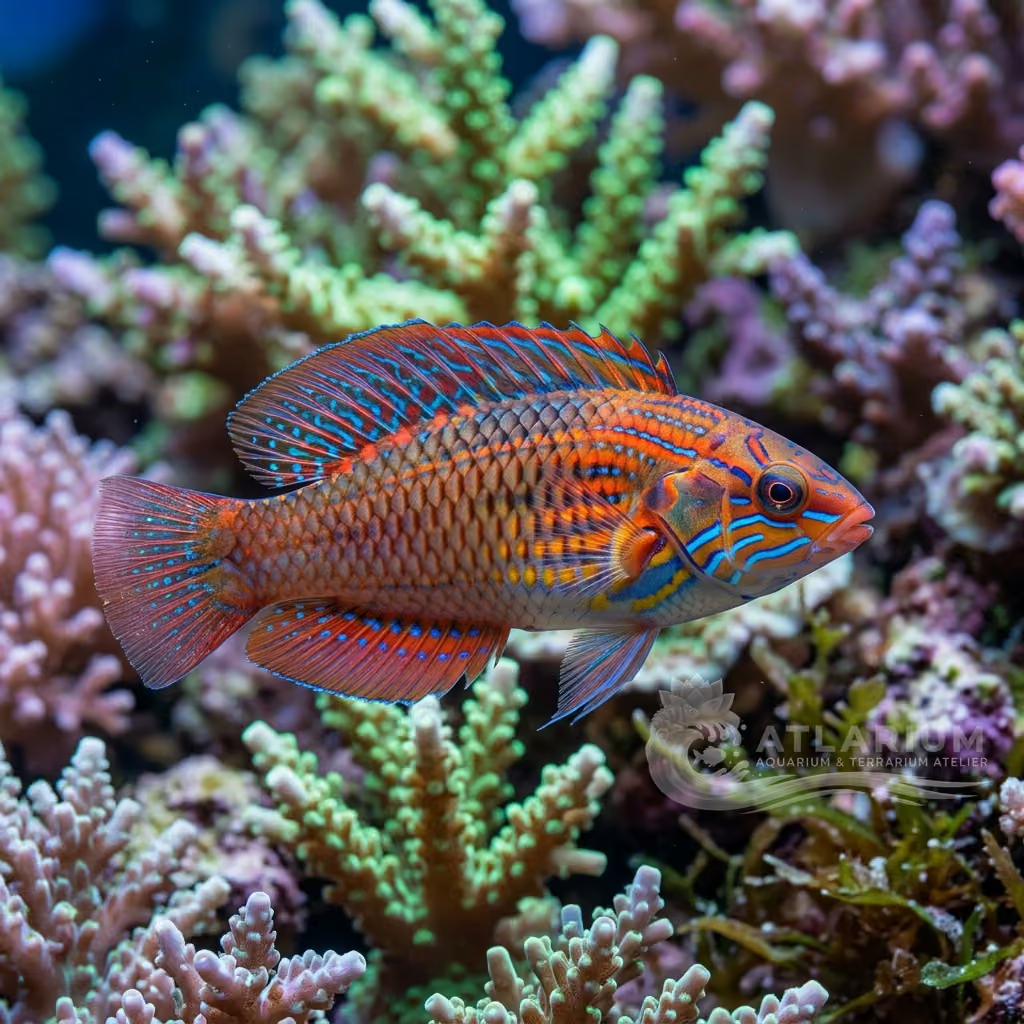
The Solar Fairy Wrasse boasts a spectacular multicolored body with metallic blue-violet and red hues. A highly active, reef-safe Indonesian wrasse that requires a covered tank.
Water Temperature
24 - 27 °C
pH Value
8.1 - 8.4
Water type
Marine
Tank level
Surface and middle
Adult size
12 cm
Minimum tank volume
>= 200 L
Minimum group
>= 1
KH
8 - 12 dKH

Species description
Geographical Origin and Habitat: This species is native to the Indo-Malayan region, specifically concentrated around Flores, Bali, and the Solor Strait in Indonesia. It inhabits coastal and outer coral reefs, patch reefs, and protected lagoons at depths of 5 to 35 meters, swimming in loose groups just above the substrate and coral heads.
Taxonomy and Morphology: Member of the family Labridae and the genus Cirrhilabrus, commonly known as fairy wrasses. It features a slender, elongated, and laterally compressed body shape. The dorsal and anal fins are large and prominent, which males extend during courtship displays. Adults grow to a maximum length of about 11 to 13 cm.
Social Behavior: Active, peaceful, and diurnal. It spends the day swimming in the middle water column. It is a protogynous hermaphrodite, where all individuals start as females, and the dominant specimen transitions into a male. A single male should be kept with a small group of females. Males are territorial toward similar wrasses.
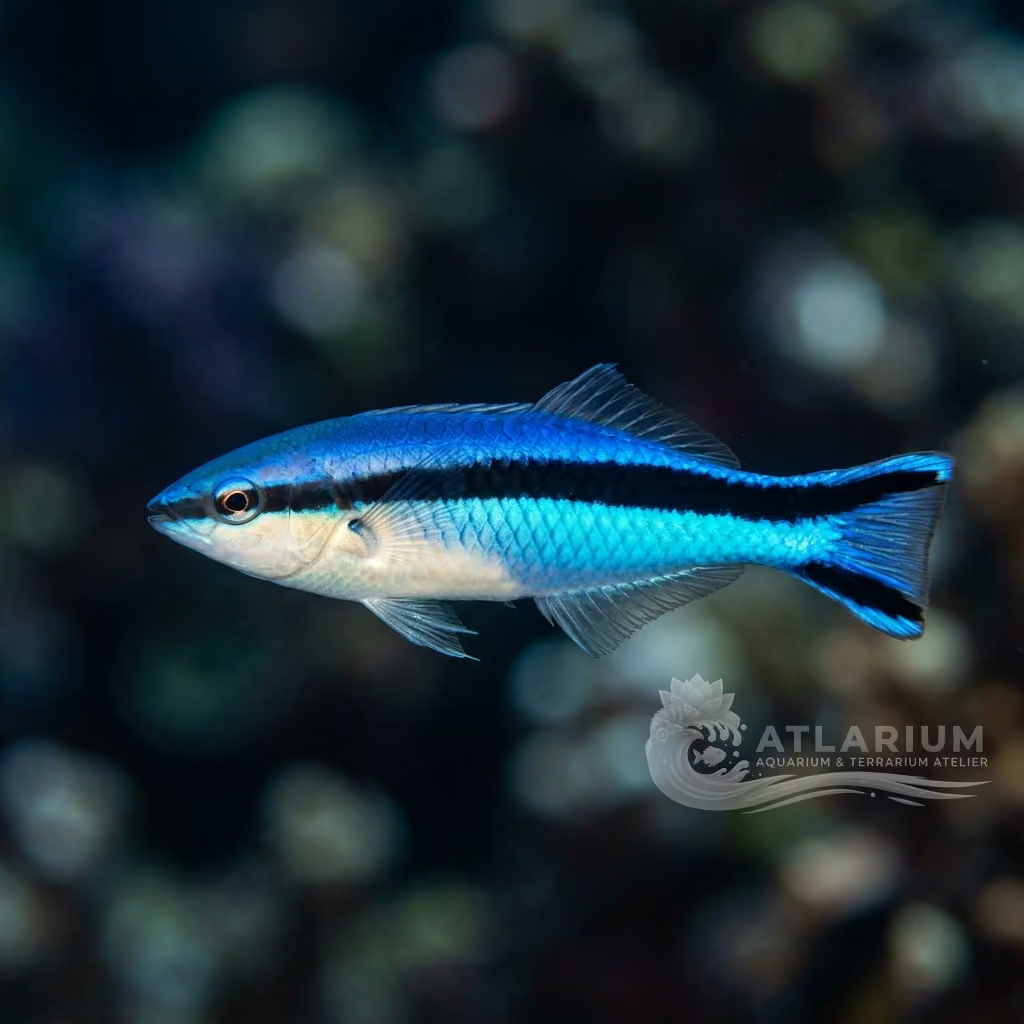
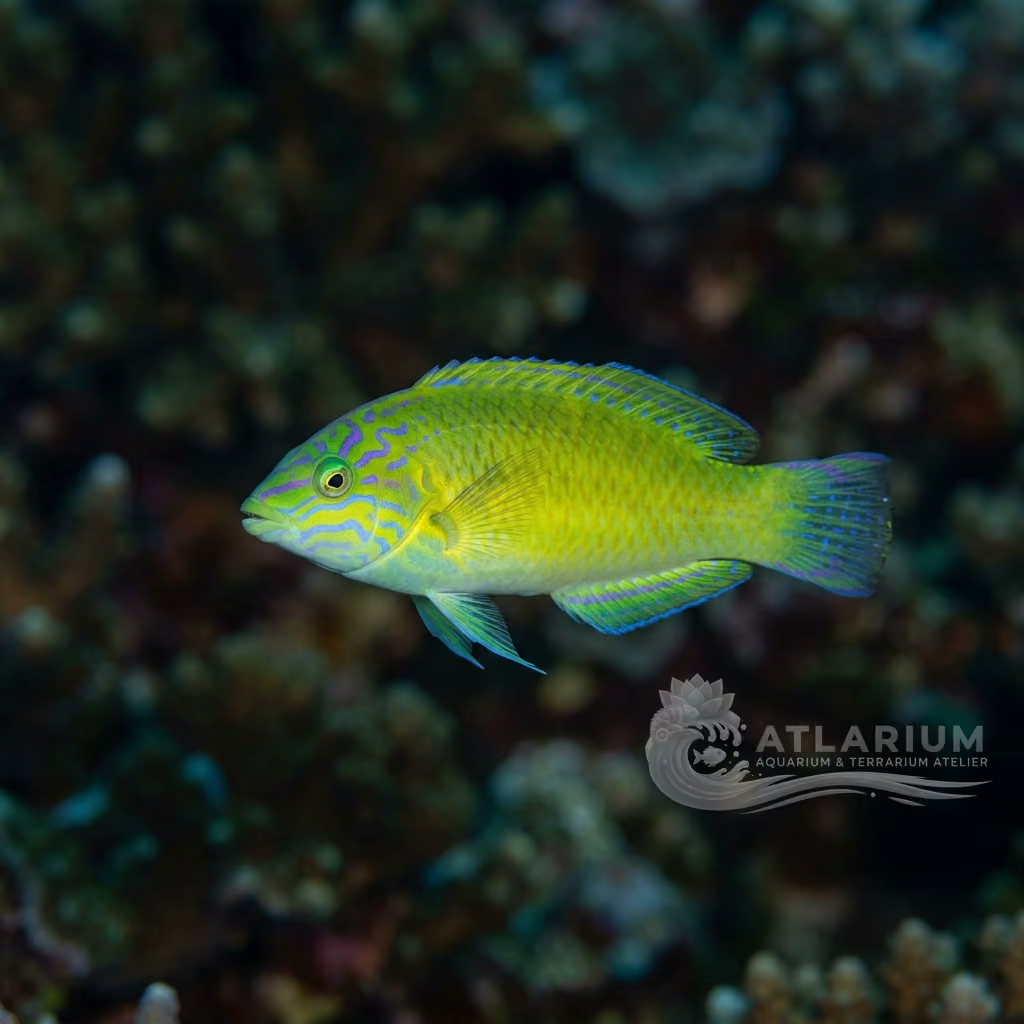
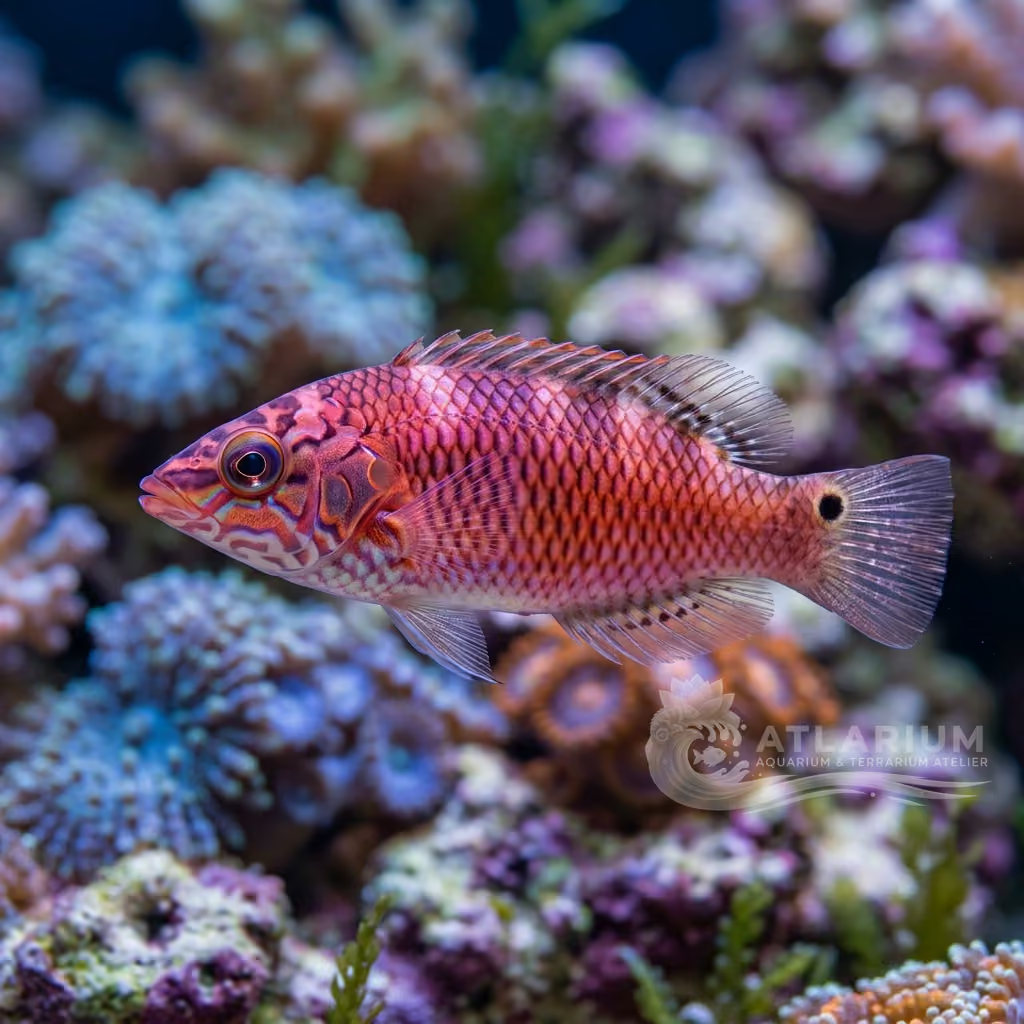
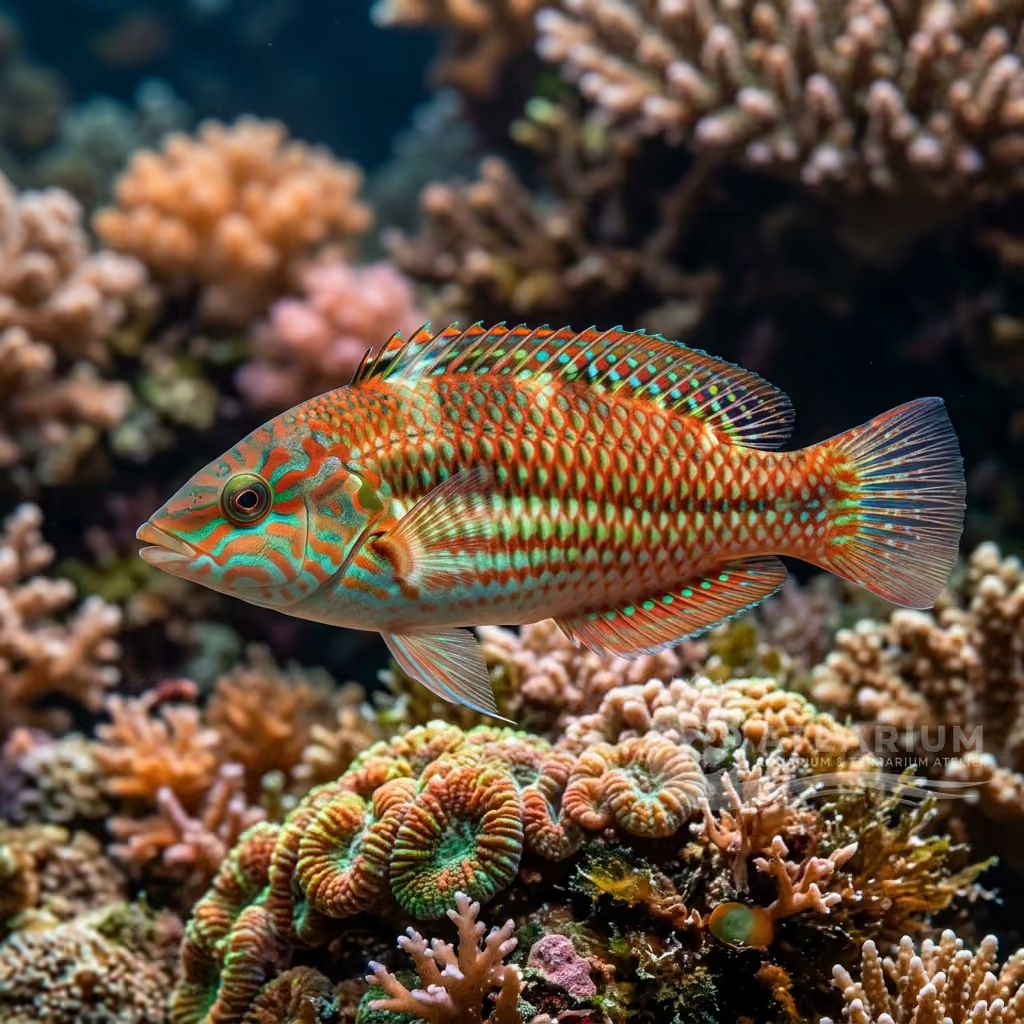
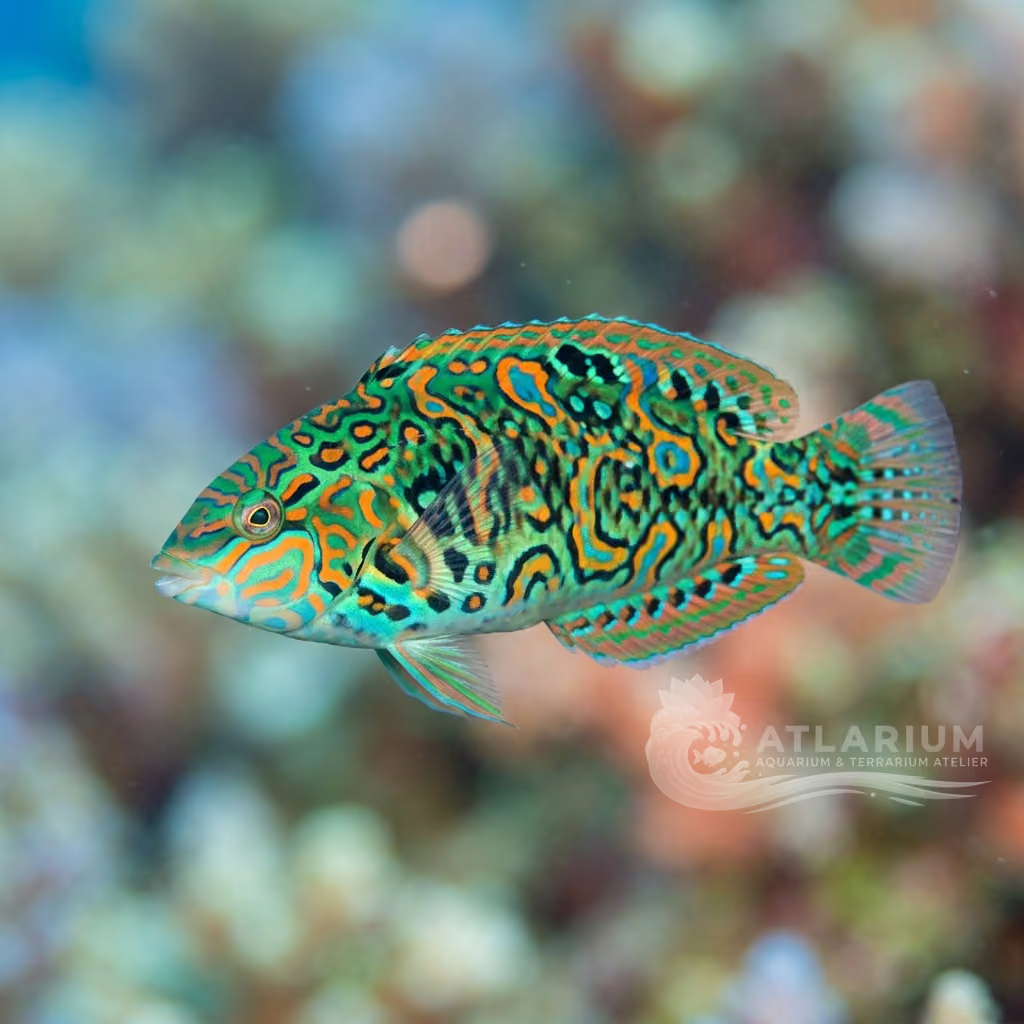
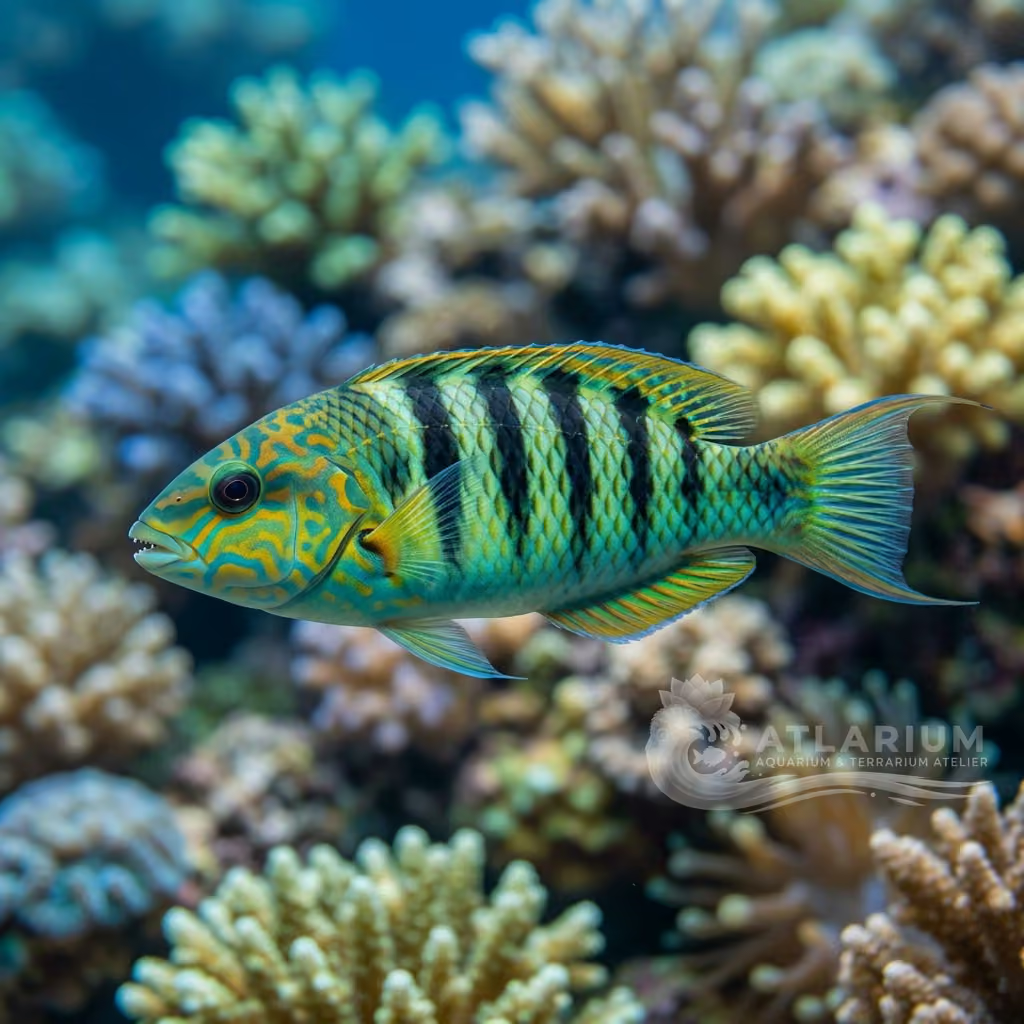
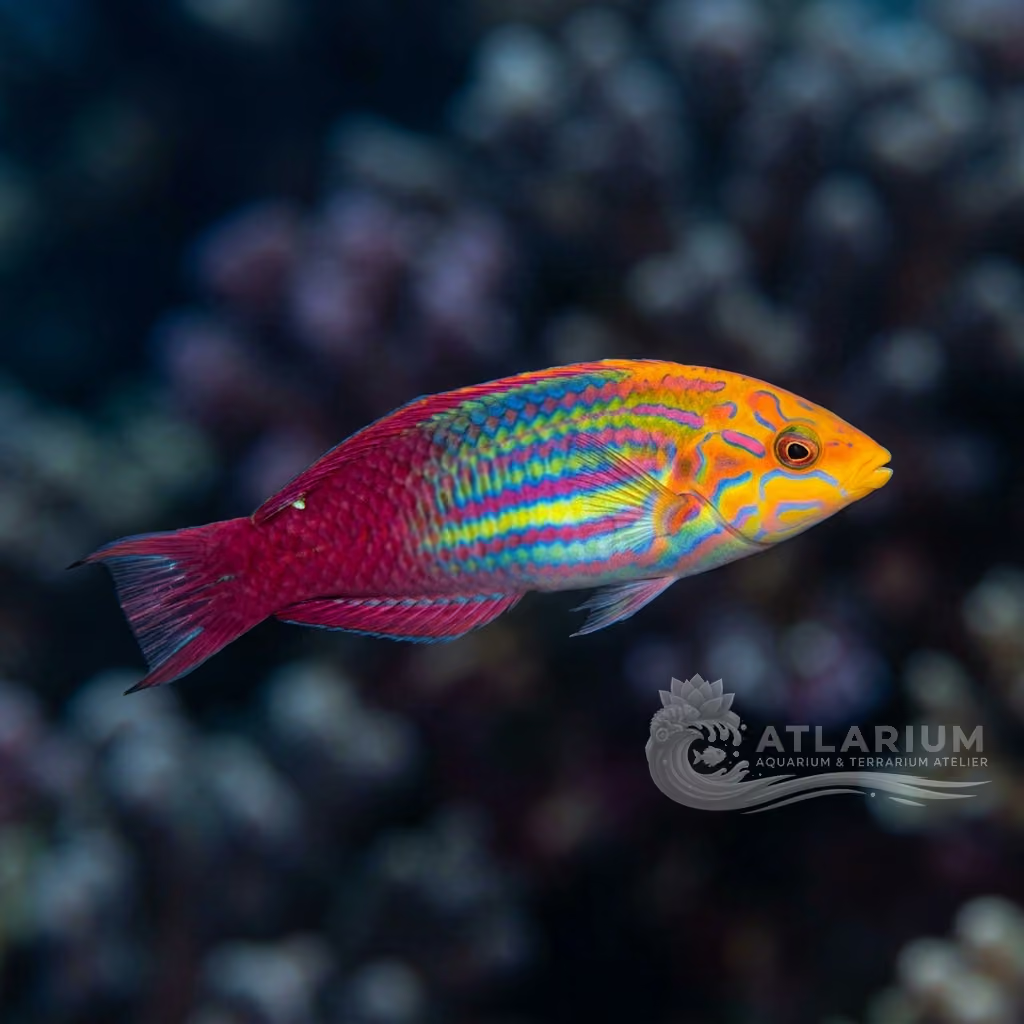
Coloration and Sexual Dimorphism: Extremely colorful with marked sexual dimorphism. Males feature a bright red or orange head, a metallic blue-violet or green body, and a dark band behind the gills, with multicolored fins that glow under reef lighting. Females are smaller and exhibit a simpler, primarily reddish-orange body color with yellow eyes.

Care, breeding and tankmates
Aquarium Setup: Requires a reef aquarium of at least 200 to 250 liters (approx. 50-65 gallons) with plenty of open swimming space and numerous live rock structures forming caves and tunnels. A tightly fitting lid or a mesh screen is absolutely mandatory, as these wrasses are notorious jumpers and will leap out of open tanks when startled or stressed.
Diet and Feeding: Carnivorous planctivore. In the aquarium, they must be fed a varied diet consisting of high-quality frozen foods like mysis, brine shrimp, copepods, and fish eggs, supplemented with high-quality dry pellets and flakes. Feed small amounts 2 to 3 times daily to support their high metabolic rate and maintain their activity.
Water Quality: Demands clean, stable water conditions: temperature 23-26°C (73-79°F), pH 8.1-8.4, specific gravity 1.020-1.025, and KH 8-12. Strong water movement and high oxygen levels are essential. Run a good protein skimmer and perform regular partial water changes to keep nitrate and phosphate levels low.
Compatibility and Cohabitation: Completely reef-safe, as it will not harm corals, clams, or ornamental shrimp. It coexists peacefully with other non-aggressive reef species such as tangs, anthias, clownfish, and gobies. Avoid housing with highly aggressive species that may bully it, and keep only one male per tank to prevent fighting.
Aquarium Breeding: Spawning in captivity is extremely rare. During courtship, the male displays intense, flashing colors to attract the female before both rush upward into the water column to release eggs and sperm. The resulting pelagic larvae are highly delicate and require specialized live food cultures to survive.
Risks and Diseases: The primary risk is jumping from the aquarium. They are also susceptible to common marine parasites like Ich (Cryptocaryon) if stressed by aggressive tankmates or poor acclimation. At night, they spin a protective mucus cocoon around themselves to mask their scent from nocturnal predators, which is a normal behavior.

Geographic origin and distribution
This species is native to the Indo-Malayan region, specifically concentrated around Flores, Bali, and the Solor Strait in Indonesia. It inhabits coastal and outer coral reefs, patch reefs, and protected lagoons at depths of 5 to 35 meters, swimming in loose groups just above the substrate and coral heads.
Origin
Tropical oceans and reefsSouth and Southeast Asia

Fish profile
- Temperament
- Peaceful
- Cirrhilabrus solorensis exhibits a peaceful and active temperament, though they can be quite shy when first introduced to a new environment. Once comfortable, they spend the day swimming gracefully in the mid-to-upper water column. While males will defend their territory against other males of the same genus, they are peaceful toward unrelated species and display fascinating social interactions in a harem.
- Diet
- Planktivore
- This species is a specialized carnivore that feeds predominantly on zooplankton along deep reef slopes. In the aquarium, they should be fed a varied diet of high-quality frozen foods, including mysis shrimp, vitamin-enriched brine shrimp, copepods, and lobster eggs. They will also readily accept premium marine pellets and flake foods once acclimated. A varied diet is crucial for maintaining their magnificent coloration and red eyes.
- Life expectancy
- 5-8 years
- Adult size
- 12 cm
- Sex ratio
- Harem
- Harem (1 male, multiple females).
- Feeding frequency
- 2-3 times daily
- Because of their highly active swimming behavior and fast metabolism, Cirrhilabrus solorensis should be fed two to three times daily. Offering smaller portions throughout the day ensures they receive adequate nutrition without polluting the water. Regular feeding also helps lower food-related stress and minimizes territorial behavior toward other tankmates. Automated feeders can help maintain this frequent schedule.
- Bioload
- Medium
- The Solar Fairy Wrasse is a constantly active swimmer that metabolizes its food rapidly, requiring multiple feedings per day. This frequent dietary schedule produces a steady stream of organic waste, leading to a moderate overall bioload on the system. Aquarists should rely on a high-efficiency protein skimmer and regular water changes to counterbalance this fish's hearty appetite.
- Flow
- Strong
- Cirrhilabrus solorensis thrives in moderate to strong water flow, which mimics the currents of their deep-water habitats in Indonesia. Active water movement helps keep their food suspended, encouraging natural feeding behaviors in the water column. However, the aquascape must include caves and overhangs where the fish can find shelter and sleep peacefully at night.
- Jump risk
- Yes
- Startle easily, the Solar Fairy Wrasse is incredibly prone to jumping straight out of the water when intimidated by sudden lighting changes or aggressive fish. They can locate even the smallest opening in a canopy when panicked. Keeping the aquarium completely covered with a tight-fitting mesh is an unavoidable necessity to protect them.
- Reproduction
- Oviparous
- Like other members of the genus, Cirrhilabrus solorensis is a protogynous hermaphrodite, with the dominant female transitioning into a male when necessary. They are pelagic spawners that perform dynamic vertical rushes to release eggs and sperm into the open water. Breeding in home aquariums is undocumented and extremely challenging due to the difficulty of raising their tiny pelagic larvae, which require specialized live feeds.
- Compatibility & tankmates
- Reef safe with caution
- This wrasse is an ideal candidate for reef aquariums as it is entirely reef-safe and does not bother corals, clams, or small invertebrates. It is highly compatible with other peaceful community fish, such as firefish, small gobies, and anthias. Because they are easily startled and are expert jumpers, a tightly fitting cover or mesh lid is absolutely mandatory for their aquarium.
- Tank level
- Top/Middle
- Typically patrolling the middle and upper levels of the tank, the Solar Fairy Wrasse thrives in open water columns where currents carry food. They are very showy fish that spend their daylight hours visible to the observer above the reef. At twilight, they predictably descend to the bottom of the rockwork to build their mucus sleep cocoon.

Scientific Parameters & Models
FishBase
Window to the official scientific data of the species
FishBase v25.04Data synced on: 06/15/2026
- Trophic level
- 3.4 ± 0.4 se
- Resilience
- High (less than 15 months)
- Phylogenetic uniqueness (PD50)
- 0.5
- Bayesian Length-Weight
- a = 0.01072, b = 3.03
- VulnerabilityLow vulnerability (10 / 100)

Related species
Recommendations grouped by close relatives, companion choices, and similar care.