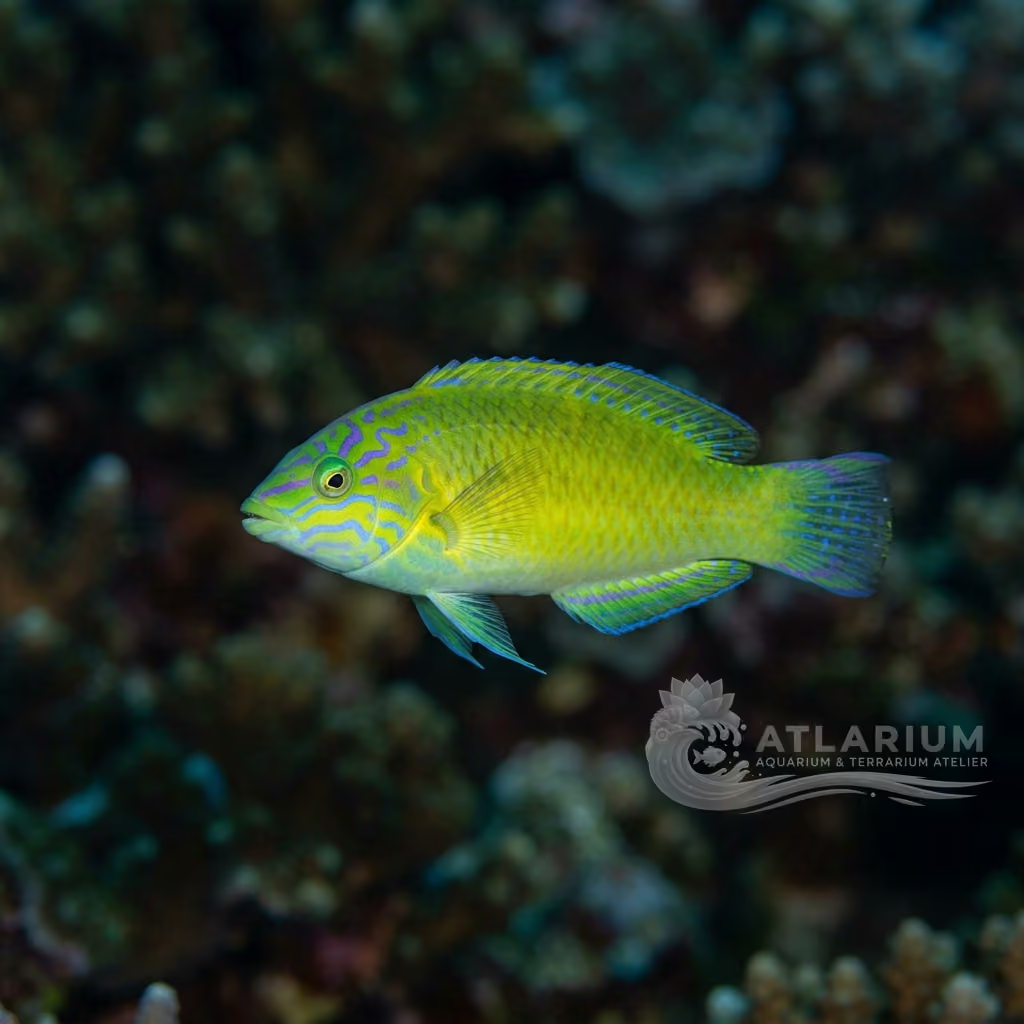
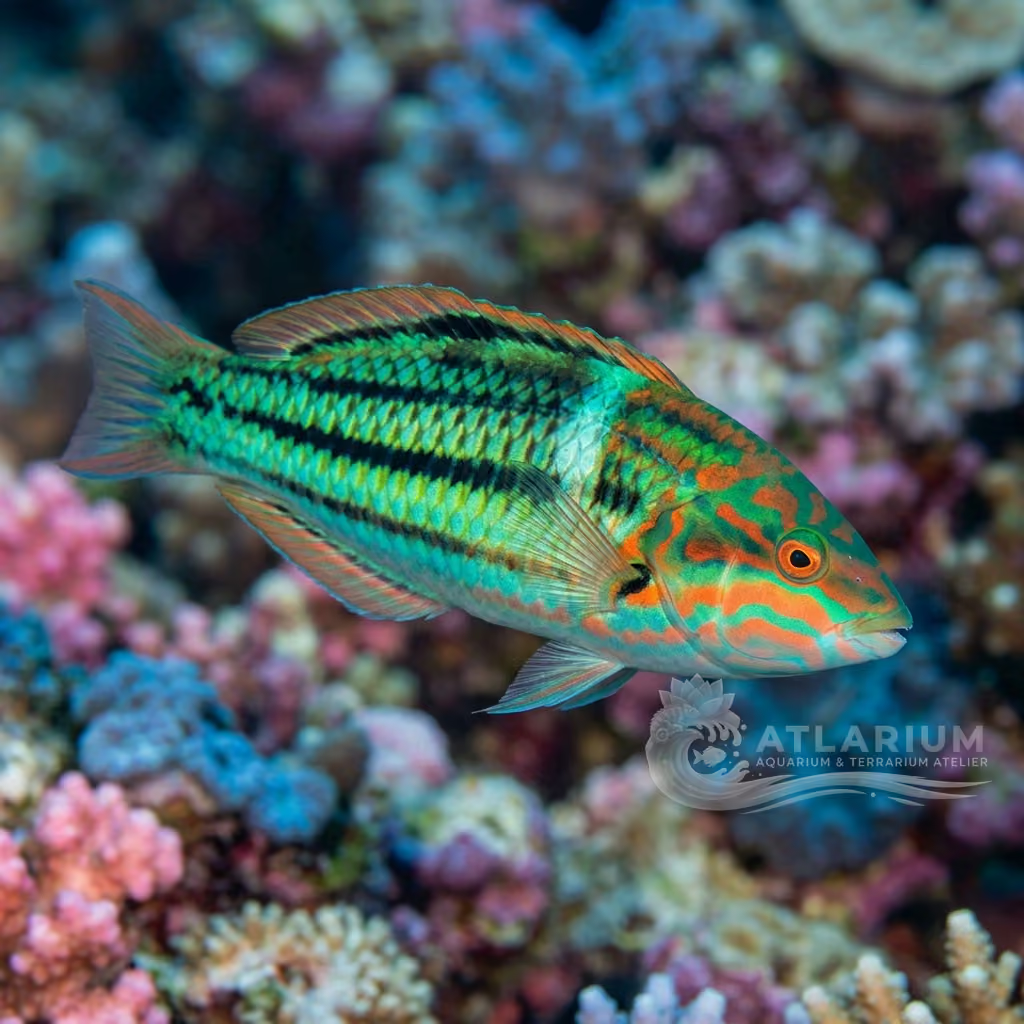
Exquisite Wrasse
Cirrhilabrus exquisitus
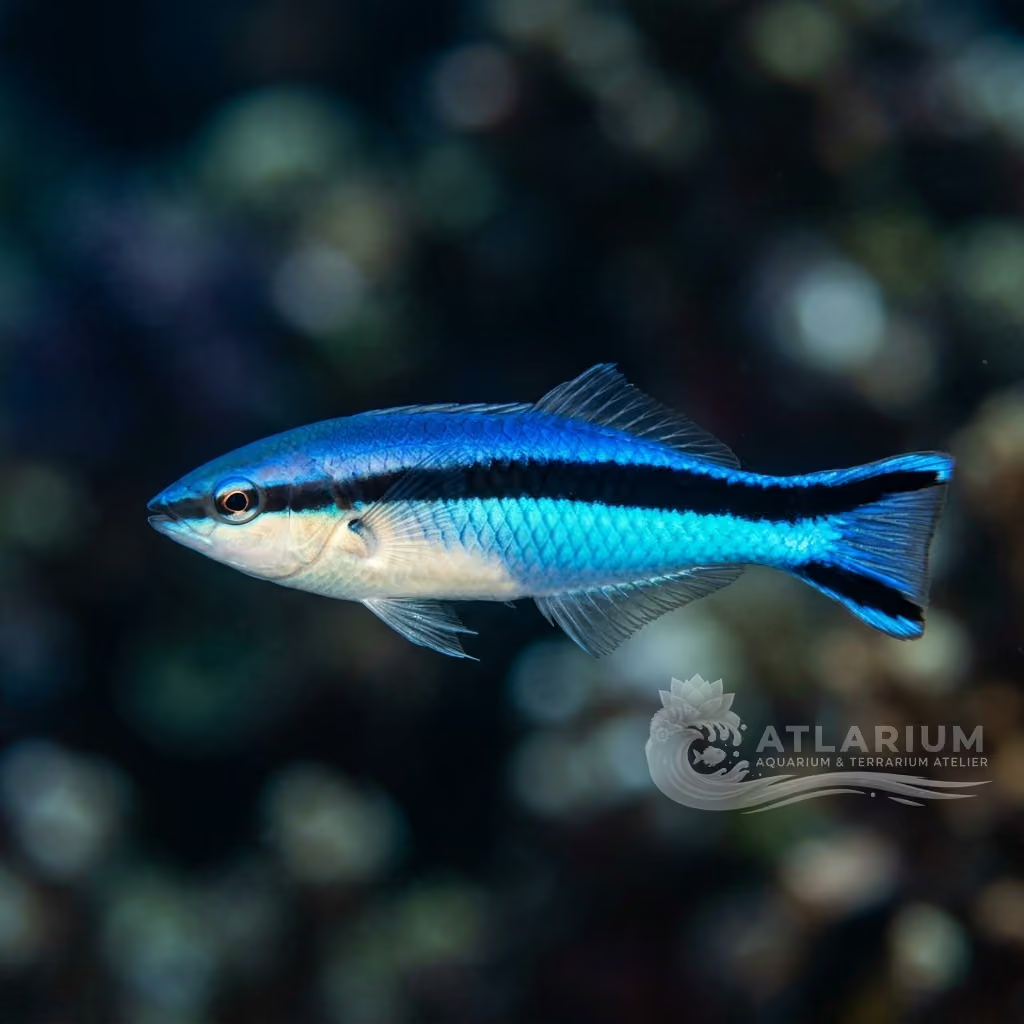
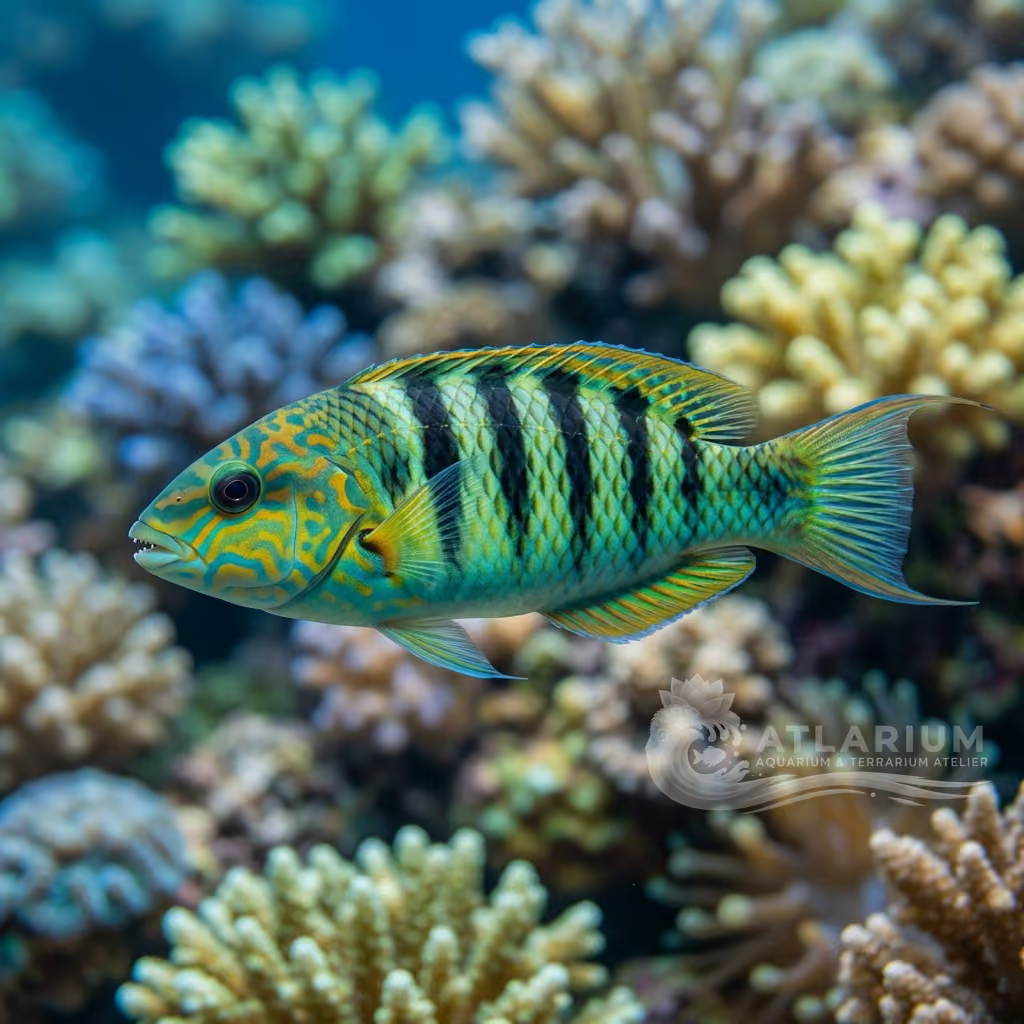
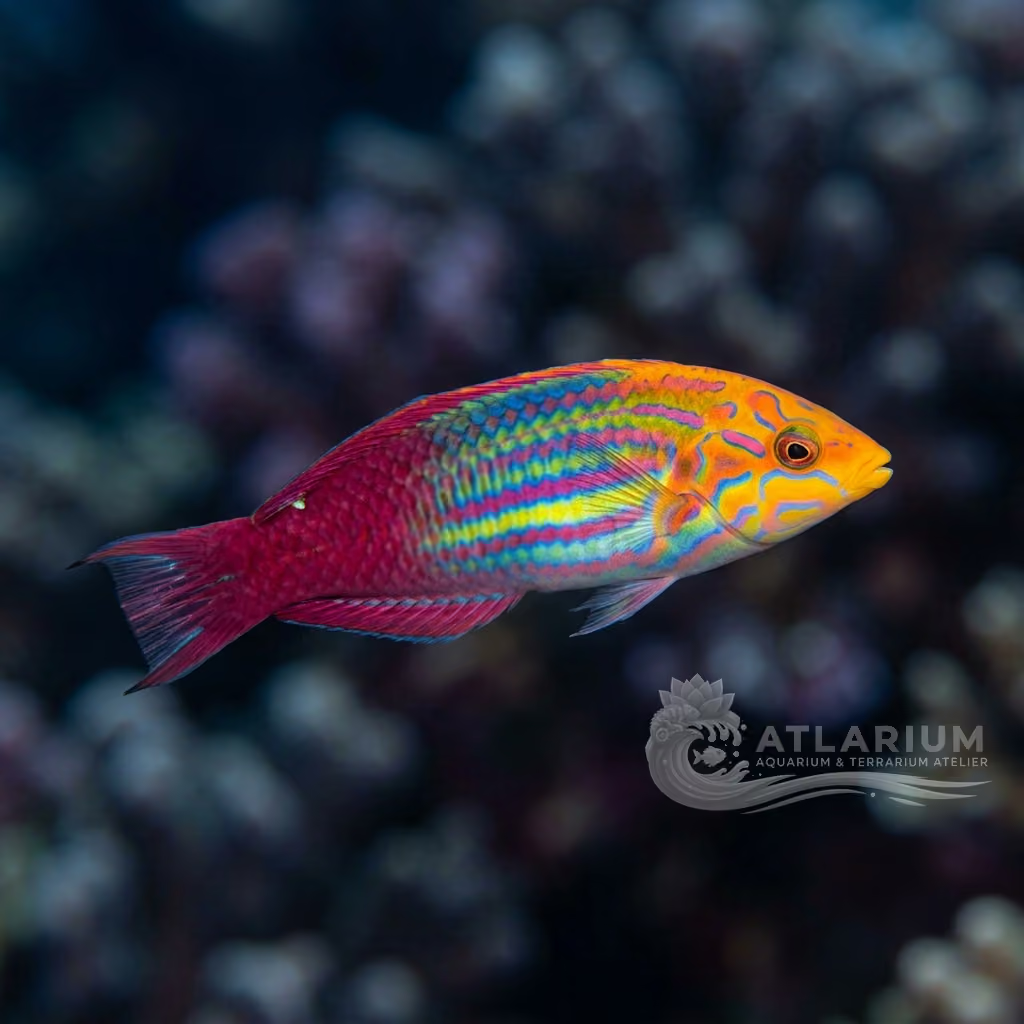
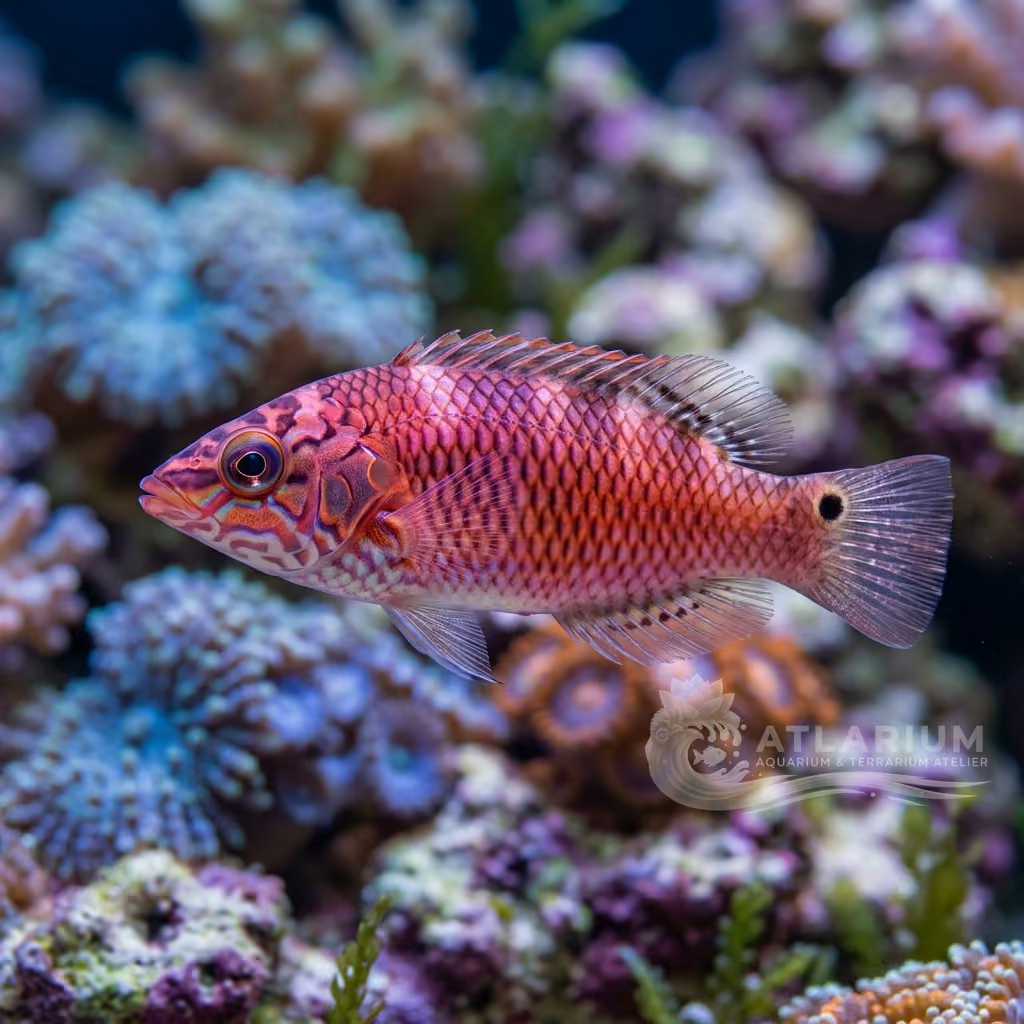
The exquisite wrasse is an active and colorful marine fish from the Indo-Pacific, celebrated for its variable chromatic patterns and dynamic swimming style.
Water Temperature
24 - 27 °C
pH Value
8.1 - 8.4
Water type
Marine
Tank level
Surface and middle
Adult size
12 cm
Minimum tank volume
>= 200 L
Minimum group
>= 1
KH
8 - 12 dKH

Species description
Geographical Origin and Habitat: Cirrhilabrus exquisitus is widely distributed across the tropical waters of the Indo-Pacific, extending from the Red Sea and East Africa to the Tuamotu Islands, north to southern Japan, and south to the Great Barrier Reef in Australia. It populates outer reef slopes and coral-rich lagoons with moderate to strong currents at depths of 5 to 30 meters, where it feeds on passing zooplankton above branching coral structures.
Taxonomy and Morphology: Belonging to the family Labridae and the genus Cirrhilabrus (fairy wrasses), it features an elongated, streamlined body with a terminal mouth containing specialized teeth for grasping small prey. The caudal fin is rounded or slightly double-emarginate in mature terminal phase males. Adults reach a maximum length of about 10-12 centimeters, making them an ideal size for home reef systems.
Social Behavior: It is a social, schooling species that lives in harems composed of a single dominant male and several females. They are generally peaceful toward other fish families but males will display intense intraspecific aggression. In the aquarium, it is best kept as a single specimen or as a harem of one male and multiple females introduced simultaneously.
Coloration and Sexual Dimorphism: Coloration is highly variable depending on geographic origin and social status, showing combinations of green, red, blue, and purple. A diagnostic feature is a dark oval spot on the caudal peduncle, usually highlighted by iridescent blue margins. Sexual dimorphism is strong: terminal males are larger and display significantly brighter colors and longer fins than the initial phase females.

Care, breeding and tankmates
Aquarium Setup: Requires an aquarium of at least 150 to 200 liters with plenty of open swimming space. Rockwork should be designed with many caves and crevices for shelter, where the wrasse will sleep at night in a mucus cocoon. A tight-fitting cover is absolutely mandatory, as this species is an exceptional jumper capable of escaping through very small openings.
Diet and Feeding: A carnivorous planktivore that requires multiple small feedings throughout the day. Offer a varied diet of frozen foods such as mysis shrimp, brine shrimp, and finely chopped krill, alongside high-quality dry pellets and flakes. Supplementing food with vitamins and color-enhancers is recommended to preserve their intense coloration.
Water Quality: Requires stable and clean marine water parameters: temperature between 24°C and 27°C, pH between 8.1 and 8.4, and specific gravity (salinity) between 1.021 and 1.025. Efficient filtration, protein skimming, and weekly partial water changes are essential to keep ammonia and nitrite at zero and nitrates low.
Compatibility and Cohabitation: Excellent candidate for reef tanks as they do not harm corals or ornamental invertebrates. Coexists peacefully with other non-aggressive reef fish such as clownfish, gobies, blennies, and tangs. Avoid keeping them with aggressive dottybacks, highly territorial damselfish, or predatory tankmates.
Aquarium Breeding: Breeding in a home aquarium is extremely difficult and rarely documented. During courtship, the male performs flashing displays, dramatically brightening its colors to attract a female to rise into the water column, where pelagic eggs and sperm are released simultaneously.
Risks and Diseases: Susceptible to common marine external parasites such as Cryptocaryon irritans (marine ich). Acclimation and transport stress can lead to bacterial infections. A quarantine period is highly recommended to ensure the wrasse is healthy and eating prepared foods before introduction into the display tank.

Geographic origin and distribution
Cirrhilabrus exquisitus is widely distributed across the tropical waters of the Indo-Pacific, extending from the Red Sea and East Africa to the Tuamotu Islands, north to southern Japan, and south to the Great Barrier Reef in Australia. It populates outer reef slopes and coral-rich lagoons with moderate to strong currents at depths of 5 to 30 meters, where it feeds on passing zooplankton above branching coral structures.
Origin
Tropical oceans and reefsAfrica and MadagascarEast Asia

Fish profile
- Temperament
- Territorial
- It displays an active, curious, and bold temperament, swimming freely in the middle and upper levels of the water column. It may show territorial aggression toward other male wrasses of the same genus in limited space. At night, it retreats into rockwork crevices and spins a protective mucus cocoon to sleep.
- Diet
- Planktivore
- It is a planktivorous carnivore that feeds on a wide variety of small crustacean prey in the wild. In an aquarium, its diet should include high-quality frozen foods like mysis shrimp, brine shrimp, copepods, and lobster eggs. It readily accepts nutrient-rich dry marine pellets and flakes once it becomes fully acclimated.
- Life expectancy
- 5-8 years
- Adult size
- 12 cm
- Sex ratio
- Harem
- Harem (1 male, multiple females)
- Feeding frequency
- 2-3 times daily
- It is recommended to feed this species two to three times daily in small portions. Due to its intense swimming activity and fast metabolism, it requires regular feeding to prevent weight loss. Controlled feeding sessions prevent organic waste accumulation, ensuring stable water quality.
- Bioload
- Medium
- The Exquisite Fairy Wrasse demands a rich, plankton-based diet offered several times a day to maintain its vibrant colors and energy. This frequent feeding schedule naturally increases the amount of organic waste entering the system, classifying them as moderate bioload producers. A high-quality protein skimmer and diligent maintenance routine are highly recommended to prevent water quality degradation.
- Flow
- Strong
- It prefers moderate to strong water movement to mimic the currents of the outer reef slopes in its natural habitat. Dynamic flow supports its active swimming behavior and promotes high dissolved oxygen levels in the tank. Rockwork should be arranged to offer low-flow zones for resting.
- Jump risk
- Yes
- This wrasse possesses an incredibly strong instinct to leap from the water when frightened by tankmates, sudden shadows, or even just the lights turning off. They are agile and fast swimmers that can easily launch themselves through surprisingly small gaps. Securing the tank with a completely sealed, tightly fitting cover is a mandatory requirement for their long-term survival.
- Reproduction
- Oviparous
- Aquarium breeding is extremely complex and has not been successfully documented in private setups. They are pelagic broadcast spawners that release eggs and sperm into open water during rapid upward rushes at dusk. Raising the microscopic larvae requires specialized live micro-foods and stable water parameters.
- Compatibility & tankmates
- Reef safe with caution
- It is a peaceful, reef-safe species that will not harm corals or sessile invertebrates. It can be kept in a small group consisting of a single male and multiple females, provided the females are introduced first. A tightly fitting lid is essential, as this fish is an excellent jumper when startled.
- Tank level
- Top/Middle
- Exquisite Fairy Wrasses are highly visible fish that predominantly inhabit the middle and top sections of the aquarium. They are open-water swimmers that patrol the reef crest looking for food particles drifting in the current. During the evening, they will descend to the bottom to spin a protective mucus web within the live rock crevices for sleeping.

Scientific Parameters & Models
FishBase
Window to the official scientific data of the species
FishBase v25.04Data synced on: 06/15/2026
- Trophic level
- 3.4 ± 0.45 se
- Resilience
- High (less than 15 months)
- Phylogenetic uniqueness (PD50)
- 0.5
- Bayesian Length-Weight
- a = 0.01072, b = 3.03
- VulnerabilityLow vulnerability (10 / 100)

Related species
Recommendations grouped by close relatives, companion choices, and similar care.