Girdled Wrasse
Cirrhilabrus balteatus
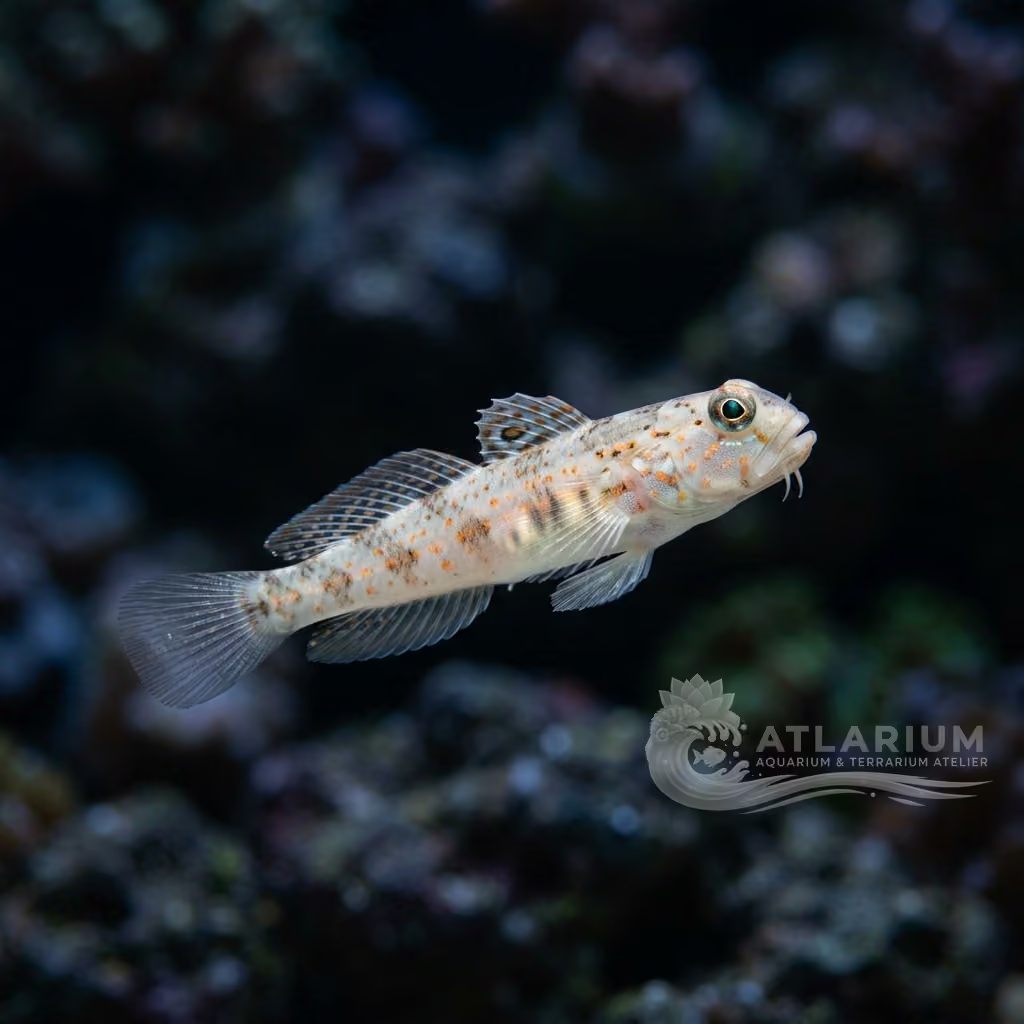
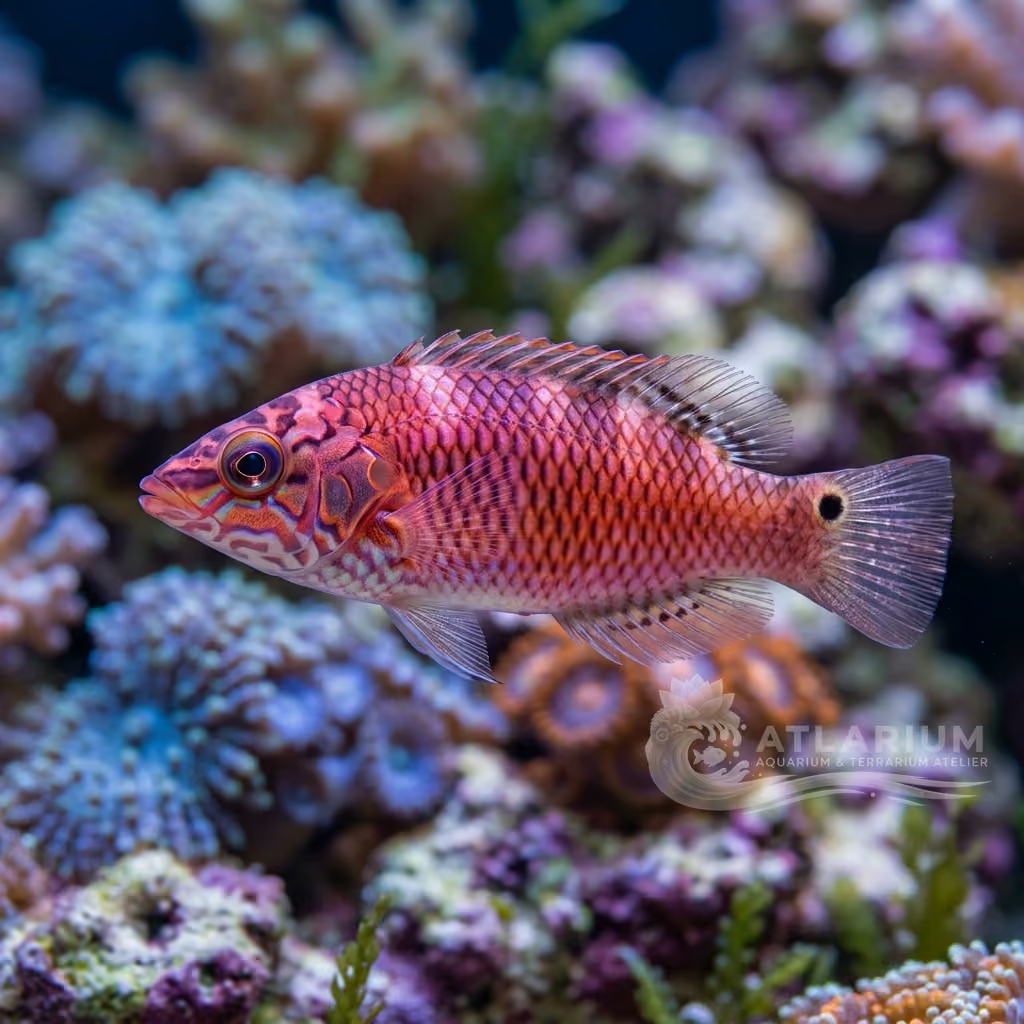
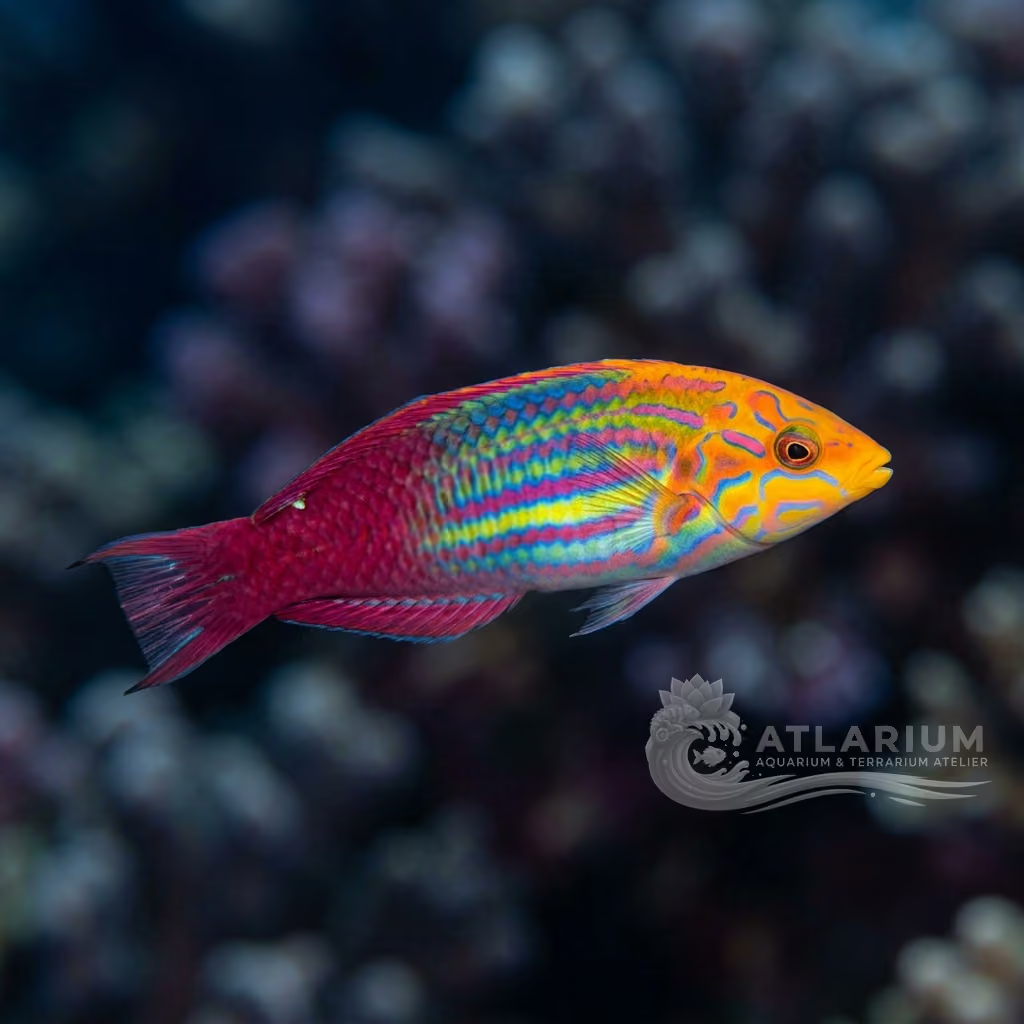
The Girdled Fairy Wrasse is a hyper-active reef species from the Marshall Islands. Males display a prominent orange girdle. Requires a tightly covered aquarium.
Water Temperature
22 - 27 °C
pH Value
8.1 - 8.4
Water type
Marine
Tank level
Middle
Adult size
10 cm
Minimum tank volume
>= 250 L
Minimum group
>= 1
KH
8 - 12 dKH

Species description
Geographical Origin and Habitat: Cirrhilabrus balteatus is a tropical marine fish with a highly restricted geographical distribution, being endemic to the Marshall Islands in the Western Central Pacific. It inhabits seaward reef slopes and deep lagoons at depths ranging from 10 to 30 meters. It is commonly found over areas of mixed coral rubble, sand, and soft corals, where it hovers in small mixed schools in midwater to feed on zooplankton carried by tidal currents.
Taxonomy and Morphology: Belonging to the class Actinopterygii, order Perciformes, family Labridae, and genus Cirrhilabrus. It features a slender, elongated body, large eyes with a specialized double pupil for precise close-range vision of tiny prey, and well-developed dorsal and anal fins. Adults reach a maximum length of approximately 10 centimeters, making it a moderate-sized species within its genus.
Social Behavior: It is a peaceful, active, and relentless swimmer. It lives in haremic social groups consisting of a single dominant male and several females. Males establish temporary territories in the water column and court females by performing dramatic spawning displays (flashing) during which their body colors become temporarily iridescent and bright to attract mates.
Coloration and Sexual Dimorphism: Exhibits strong sexual dimorphism. Adult males have an olive-grey or brownish body characterized by a prominent vertical orange or salmon-pink band (the 'girdle') located just behind the pectoral fin, and colorful fins edged in neon blue. Females are smaller and mostly reddish-pink, with a uniform body color and a small black spot on the upper caudal peduncle.

Care, breeding and tankmates
Aquarium Setup: Requires a marine tank of at least 250 liters to accommodate its active swimming needs. The setup should provide a structured live rock reef with plenty of swim-throughs and crevices for shelter when startled, while leaving the upper and middle areas open for swimming. A tightly fitting screen top or mesh lid is mandatory, as this wrasse is an exceptional jumper when spooked.
Diet and Feeding: Carnivorous and planktivorous. In captivity, it should be fed 2-3 times daily with high-quality frozen foods like mysis, brine shrimp, copepods, and finely chopped krill. It also readily accepts dry pellets or flakes enriched with vitamins and amino acids. A varied diet is essential to preserve the male's vibrant colors.
Water Quality: Keep standard marine parameters stable: temperature between 22 °C and 26 °C, pH 8.1 to 8.4, specific gravity (SG) 1.020 to 1.025, and carbonate hardness (KH) of 8 to 12 dKH. Efficient filtration, moderate to strong water flow, and a protein skimmer are required to maintain high oxygen levels and keep nitrates and phosphates low.
Compatibility and Cohabitation: Very peaceful and 100% reef-safe; it does not harm corals or ornamental invertebrates. Compatible with most peaceful reef fish. Avoid housing multiple males of this or closely related Cirrhilabrus species in the same tank, as intense territorial fighting will occur. Keeping a single male with a group of females is ideal.
Aquarium Breeding: Breeding in home aquariums is extremely difficult. They are pelagic spawners that release eggs and sperm into the water column at dusk. While spawning may occur in large setups, rearing the pelagic larvae requires complex plankton cultures and precise environmental control, making it impractical for home hobbyists.
Risks and Diseases: The primary and most common risk is jumping out of uncovered tanks. At night, it secretes a protective mucus cocoon to sleep in, which is a natural behavior and should not be mistaken for disease. It can contract common external parasites if stressed by aggressive tankmates.

Geographic origin and distribution
Cirrhilabrus balteatus is a tropical marine fish with a highly restricted geographical distribution, being endemic to the Marshall Islands in the Western Central Pacific. It inhabits seaward reef slopes and deep lagoons at depths ranging from 10 to 30 meters. It is commonly found over areas of mixed coral rubble, sand, and soft corals, where it hovers in small mixed schools in midwater to feed on zooplankton carried by tidal currents.
Origin
Tropical oceans and reefs

Fish profile
- Temperament
- Peaceful
- It exhibits a peaceful and active temperament, swimming energetically in the middle and upper zones of the aquarium. It may be shy during the first few days after transfer, requiring hiding spots in the rockwork. It quickly gains confidence, becoming a highly visible and lively tank inhabitant.
- Diet
- Carnivore
- As a zooplanktivorous carnivore, it requires small and frequent protein-rich meals to thrive in captivity. Mysis shrimp, enriched brine shrimp, copepods, and lobster eggs are ideal foods for this species. Over time, it will also accept small marine pellets and high-quality flake foods.
- Life expectancy
- 5-8 years
- Adult size
- 10 cm
- Sex ratio
- Harem
- One male with a group of females (harem)
- Feeding frequency
- Twice daily
- Feeding two to three times daily is recommended to support its active swimming behavior and fast metabolism. Offering limited quantities that can be consumed in a few minutes minimizes water pollution. Regular feedings also help maintain the brightness of its nuptial coloration.
- Bioload
- Low to Medium
- The girdled fairy wrasse contributes a surprisingly low biological load compared to its high energy levels. They are highly active fish that require multiple small feedings throughout the day to sustain their fast metabolism, yet they digest food efficiently. In a well-established reef aquarium with standard protein skimming and biological filtration, their waste output is easily managed. They are considered very reef-safe and do not heavily pollute the system if fed appropriate, high-quality portions.
- Flow
- Moderate
- It prefers a moderate water flow that mimics the steady currents of coral reef environments. A balanced current stimulates the fish's natural swimming behavior without causing excessive fatigue. It is recommended to use wavemakers with diffused and alternating flows in the aquarium.
- Jump risk
- Yes
- Like all fairy wrasses, the girdled fairy wrasse poses an exceptionally high jump risk. They are incredibly agile and easily startled, and their instinctual defense mechanism is to bolt upward toward the surface at blinding speeds. A tight-fitting mesh screen or completely sealed canopy is an absolute requirement; keeping them in an open-top tank guarantees a fatal jump. Even small gaps around filter returns or overflow boxes must be secured to ensure their safety.
- Reproduction
- Oviparous
- A sequential protogynous hermaphrodite; males develop from dominant females. Reproduction in the wild is pelagic, taking place in the water column during twilight hours. Breeding in captivity is currently undocumented in the aquarium hobby.
- Compatibility & tankmates
- Peaceful
- It is peaceful and 100% reef-safe, posing no threat to corals or small invertebrates. Males may display aggression toward conspecifics or other wrasses of similar shape. It is preferable to keep it as a single male or in a harem, introducing females first.
- Tank level
- Middle
- This vibrant species is an active open-water swimmer that heavily utilizes the middle and upper levels of the aquarium. They constantly patrol the water column searching for zooplankton, displaying their colors brightly for the rest of the tank to see. While they sleep hidden deep within the rockwork in a mucous cocoon, their waking hours are spent boldly in the open. They thrive in aquariums that offer extensive, unobstructed horizontal swimming space combined with high flow rates.

Scientific Parameters & Models
FishBase
Window to the official scientific data of the species
FishBase v25.04Data synced on: 06/15/2026
- Trophic level
- 3.4 ± 0.45 se
- Resilience
- High (less than 15 months)
- Phylogenetic uniqueness (PD50)
- 0.5
- Bayesian Length-Weight
- a = 0.01072, b = 3.03
- VulnerabilityLow vulnerability (10 / 100)

Related species
Recommendations grouped by close relatives, companion choices, and similar care.