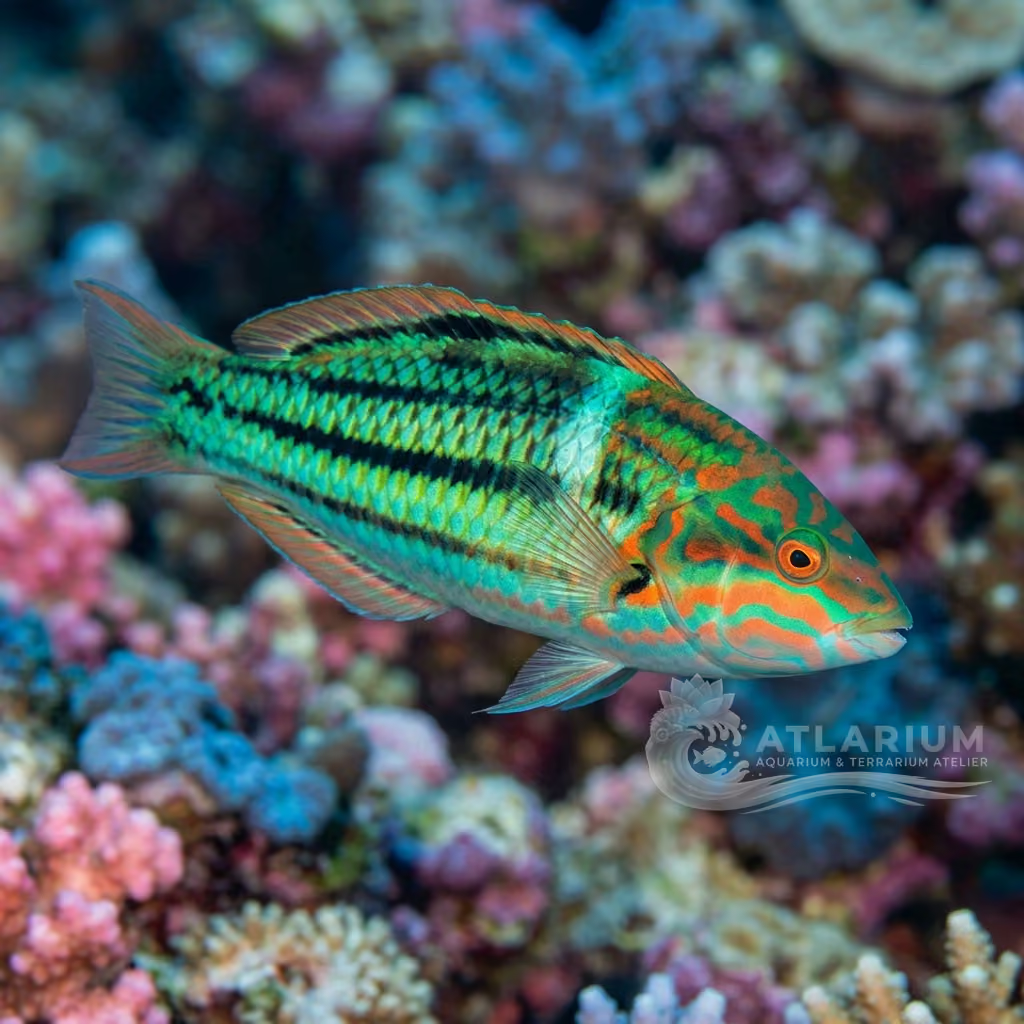
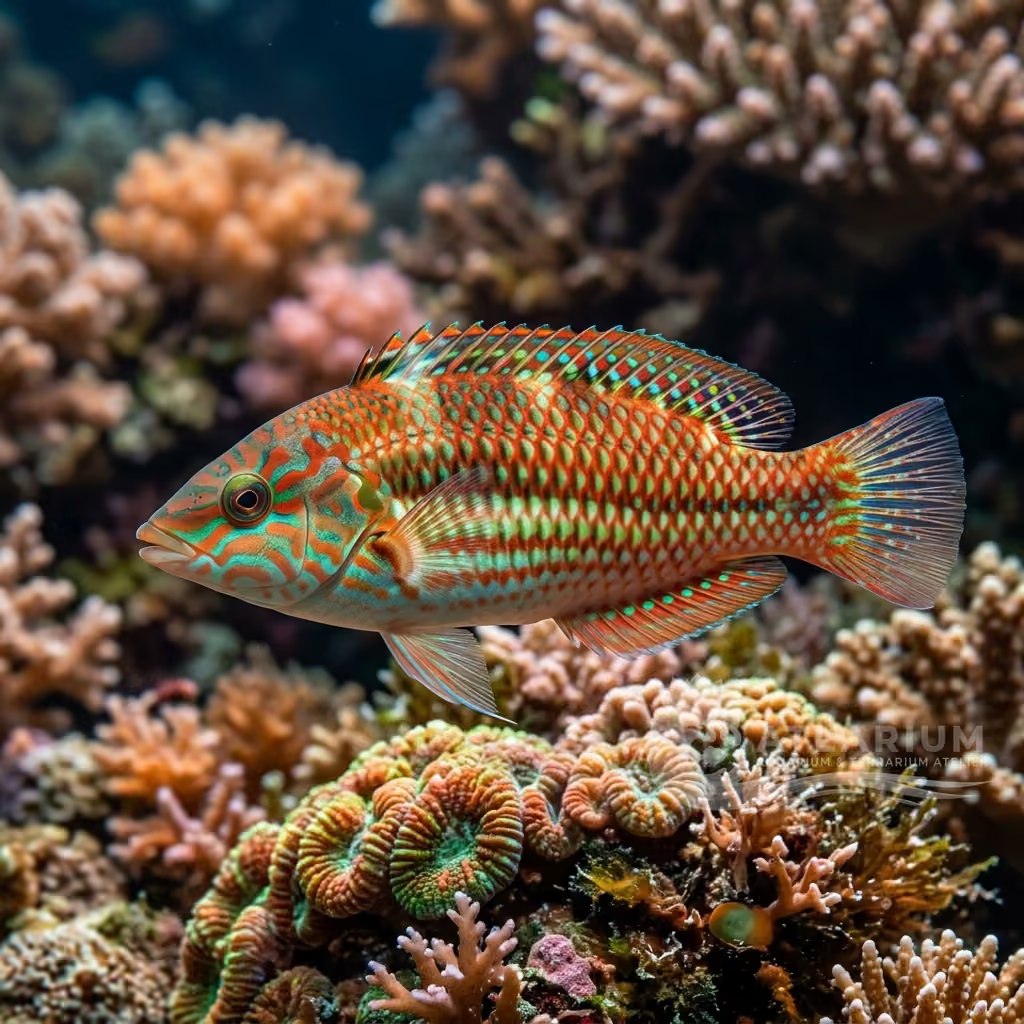
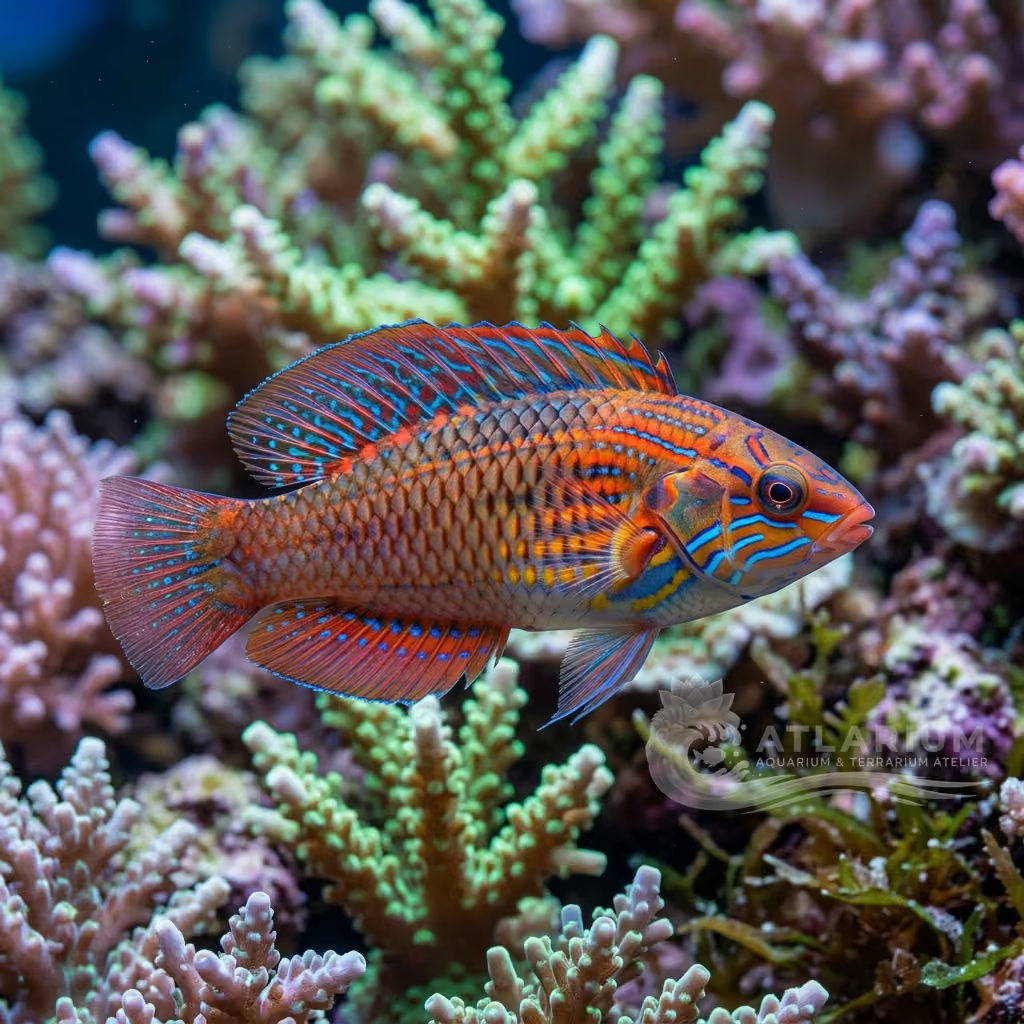
Severns' Pencil Wrasse
Pseudojuloides severnsi
A rare and highly colorful deep-water wrasse characterized by an extremely slender body and a high sensitivity to transport stress and mouth injuries.
Water Temperature
23 - 27 °C
pH Value
8 - 8.5
Water type
Marine
Tank level
Bottom
Adult size
11 cm
Minimum tank volume
>= 300 L
Minimum group
>= 1
KH
8 - 12 dKH

Species description
Geographical Origin and Habitat: Native to the tropical reefs of the Indo-Pacific, with populations recorded primarily in Indonesia, the Ryukyu Islands of Japan, and along the Great Barrier Reef of Australia. It inhabits the outer slopes of deep reefs and rubble zones rich in coral debris, typically at depths between 20 and 50 meters, where currents are moderate and constant.
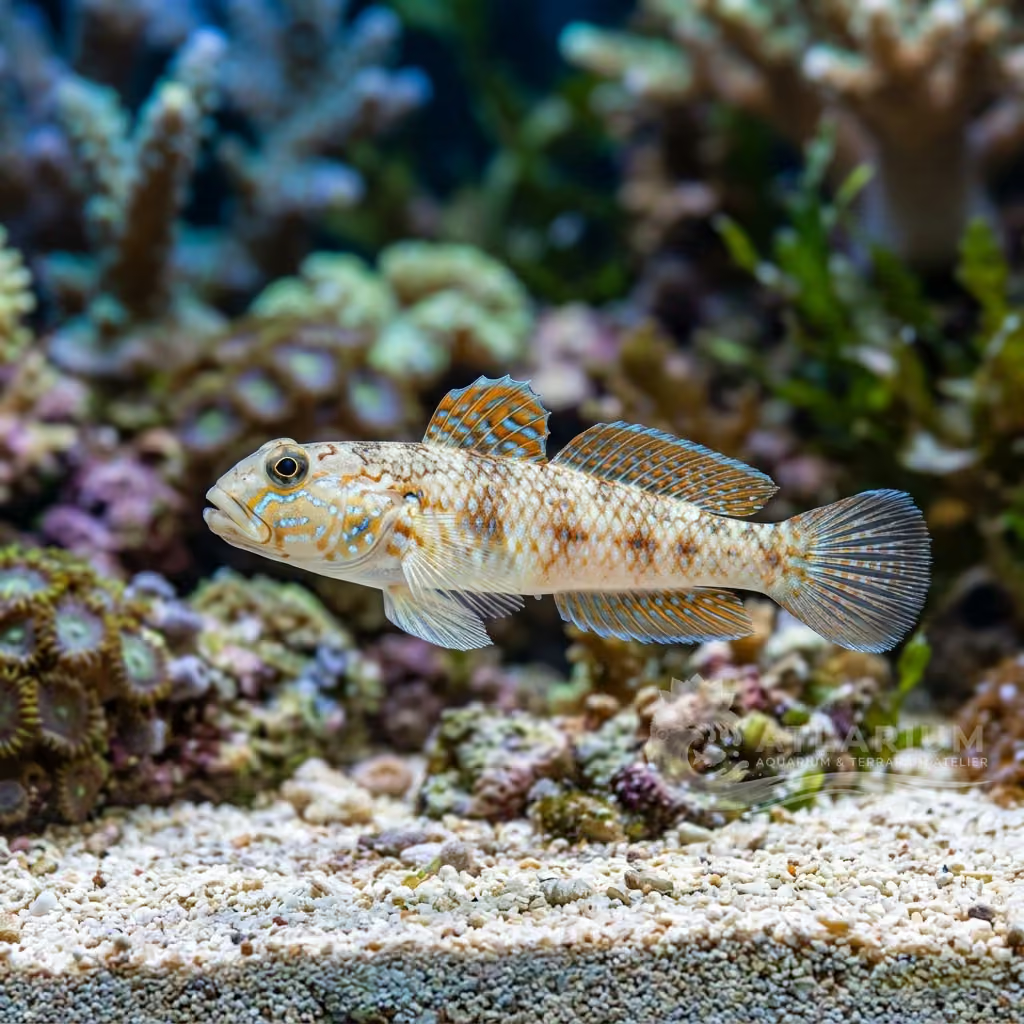
Taxonomy and Morphology: Belongs to the family Labridae, genus Pseudojuloides, commonly referred to as 'pencil wrasses' due to their exceptionally elongated, slender, and cylindrical bodies. It reaches a maximum standard length of about 10 centimeters in adult males. It possesses small, protruding canine teeth specialized for capturing micro-prey.
Social Behavior: A peaceful, active, and gregarious species that often lives in small harems consisting of a single dominant male and several females. It spends the day swimming actively above the rocky and sandy substrate. At nightfall or when threatened, it quickly buries itself in the fine sand to hide.
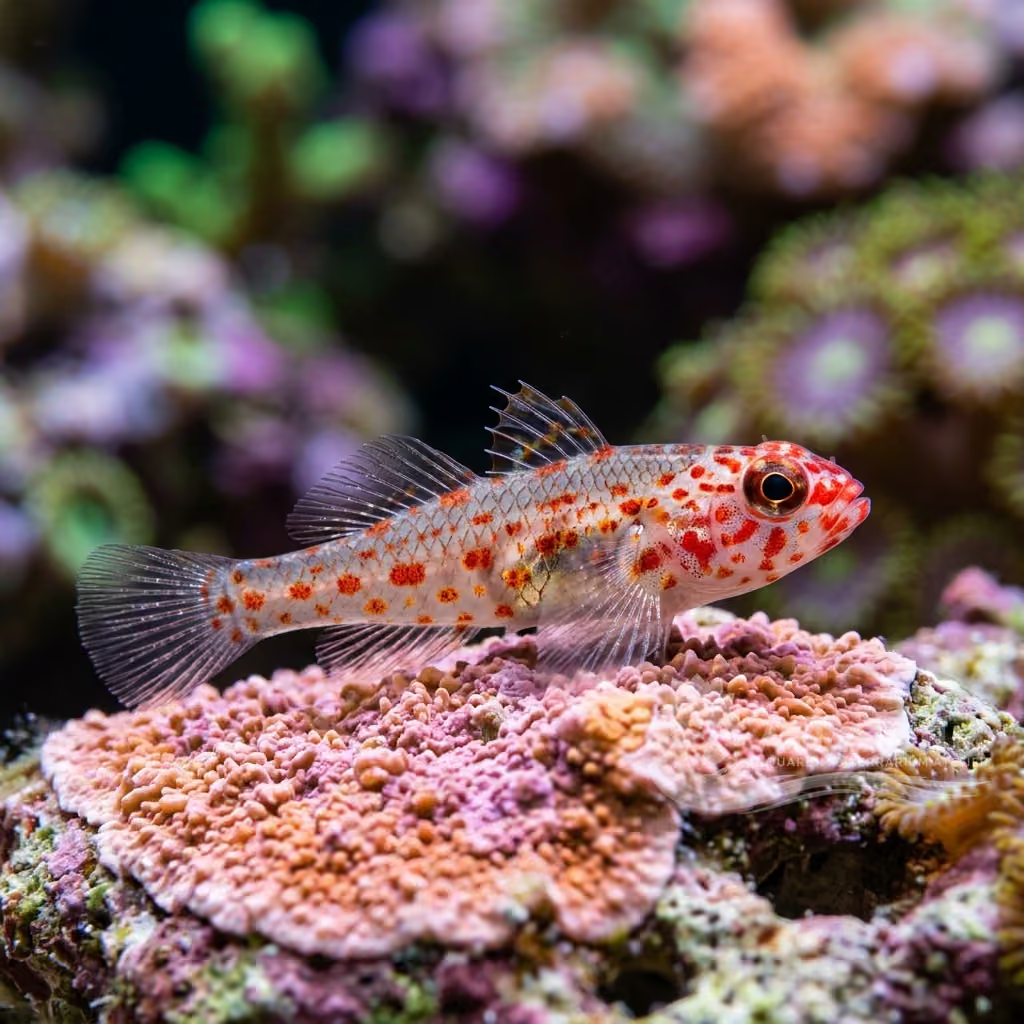
Coloration and Sexual Dimorphism: Displays an extraordinarily distinct sexual dimorphism. The adult male features a spectacular color pattern, with a bright blue-green back, sides marked by a yellow stripe and a reddish-orange band, a light blue belly, and a dark caudal fin. Females are much simpler, with a predominantly salmon-pink or light orange coloration and a white belly.

Care, breeding and tankmates
Aquarium Setup: Requires a mature marine aquarium of at least 200 liters. It is absolutely essential to provide a bed of fine, non-sharp sand (aragonite, 1-2 mm grain size) at least 5-8 centimeters deep to allow the fish to bury itself for sleeping. The aquarium must be equipped with a tight-fitting lid, as this species is an exceptional jumper when startled.
Diet and Feeding: A carnivorous species with a very fast metabolism. In the wild, it feeds on small benthic invertebrates and zooplankton. In the aquarium, it must be fed multiple times a day (at least 3-4 times) with high-quality, small-sized frozen foods such as copepods, cyclops, finely chopped mysis, brine shrimp, and lobster eggs. Acceptance of dry foods is initially difficult.
Water Quality: Requires excellent water quality with stable marine parameters: temperature between 23 and 26 °C, pH between 8.1 and 8.4, and specific gravity at 1.020-1.025. Strong filtration with an efficient protein skimmer and regular water changes are required to minimize nitrogenous compounds.
Compatibility and Cohabitation: Fully reef-safe as it does not harm corals. It can coexist with other peaceful and non-aggressive fish. Avoid boisterous or aggressive tankmates (such as aggressive tangs or large dominant wrasses) that could scare it, causing it to remain buried until starvation.
Aquarium Breeding: There are no documented cases of successful breeding in home aquariums. In nature, breeding occurs in pairs through pelagic spawning of floating eggs that are dispersed by ocean currents.
Risks and Diseases: A very delicate species with a high initial mortality rate. The primary risk is shipping stress and mouth injuries caused by colliding with glass walls during panic. It is prone to starvation if not fed constantly or if kept with aggressive fish, and requires a slow, dark acclimation process to reduce stress.

Geographic origin and distribution
Native to the tropical reefs of the Indo-Pacific, with populations recorded primarily in Indonesia, the Ryukyu Islands of Japan, and along the Great Barrier Reef of Australia. It inhabits the outer slopes of deep reefs and rubble zones rich in coral debris, typically at depths between 20 and 50 meters, where currents are moderate and constant.
Origin
Tropical oceans and reefsSouth and Southeast AsiaEast AsiaAustralia, New Guinea, and Oceania

Fish profile
- Temperament
- Peaceful
- This wrasse is notably peaceful but prone to skittishness. Aggressive tank mates will cause them to hide constantly. A tranquil community setting brings out their best behavior.
- Diet
- Carnivore
- They are micro-predators that require frequent meaty meals. Their diet must include finely chopped seafood and frozen preparations. High-quality dry foods may be accepted over time.
- Life expectancy
- 5 years
- Adult size
- 11 cm
- Sex ratio
- Group
- Maintain them either singly or as one male with several females. Multiple males will fight relentlessly in confined spaces. Providing a harem encourages natural displaying behaviors.
- Feeding frequency
- Twice daily
- Offer food at least two to three times daily. Their constant activity requires steady energy replenishment. Frequent feeding also distracts them from pestering micro-fauna.
- Bioload
- Low to Medium
- Severns' Wrasse has a moderate bioload typical of its genus. Effective protein skimming is vital for long-term success. Routine water changes are mandatory to preserve pristine water conditions.
- Flow
- Moderate
- They favor a strong and varied current in the aquarium. This replicates the turbulent reef crests they inhabit. Adequate flow prevents detritus buildup and maintains oxygenation.
- Jump risk
- Yes
- They are notorious jumpers with a very high jump risk. The aquarium must be completely covered with a tight lid. Even small gaps around equipment should be sealed.
- Reproduction
- Rare / not documented
- Successful captive breeding has not been recorded in home aquaria. As pelagic spawners, their larvae require complex microscopic diets. Breeding efforts are currently left to specialized institutions.
- Compatibility & tankmates
- Territorial
- They are wonderful, peaceful additions to a reef tank. They are safe with corals and larger ornamental invertebrates. They should only be kept with similarly peaceful fish.
- Tank level
- Bottom
- They spend most of their time in the lower and middle zones. They sleep buried completely beneath the sand bed. Adequate swimming space and rockwork are necessary.

Scientific Parameters & Models
FishBase
Window to the official scientific data of the species
FishBase v25.04Data synced on: 06/15/2026
- Trophic level
- 3.4 ± 0.4 se
- Resilience
- High (less than 15 months)
- Phylogenetic uniqueness (PD50)
- 0.5
- Bayesian Length-Weight
- a = 0.00977, b = 3.07
- VulnerabilityLow vulnerability (10 / 100)

Related species
Recommendations grouped by close relatives, companion choices, and similar care.