Red-scaled Fairy Wrasse
Cirrhilabrus rubrisquamis
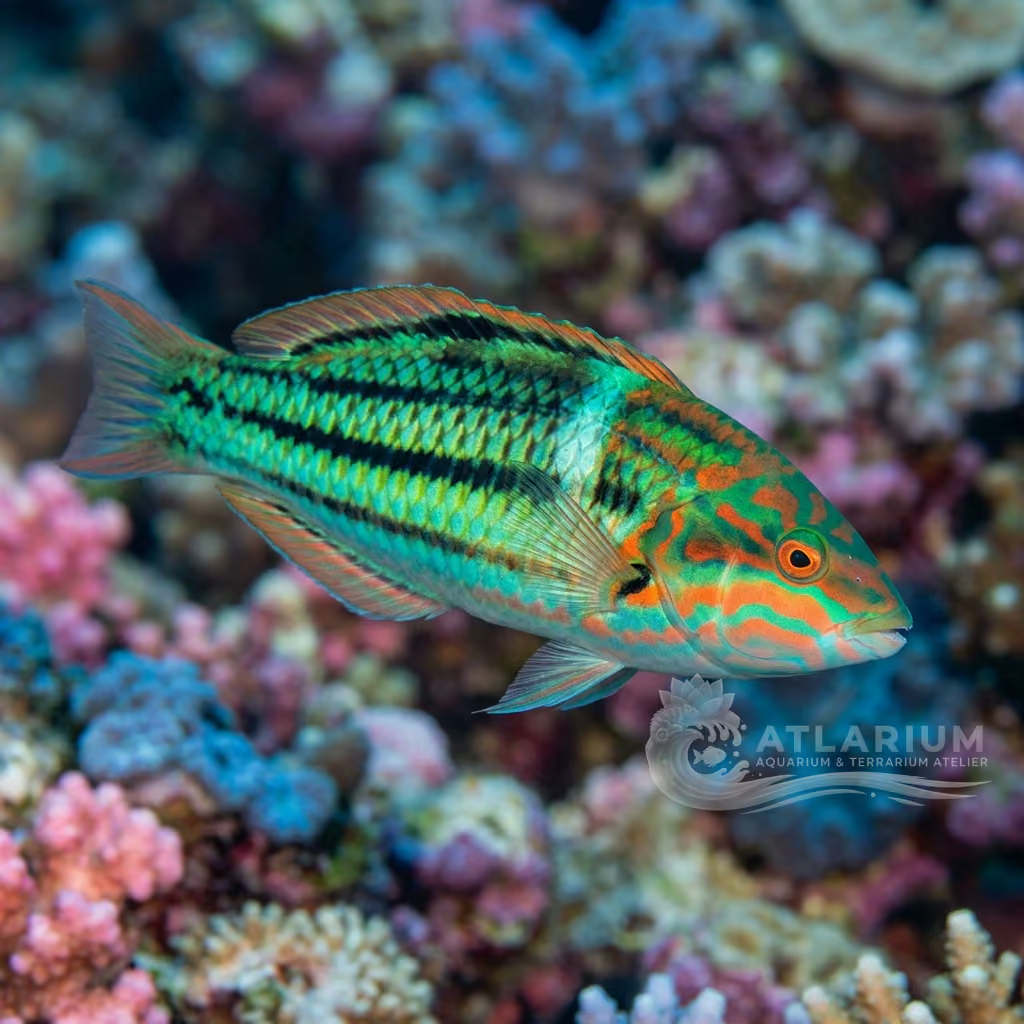
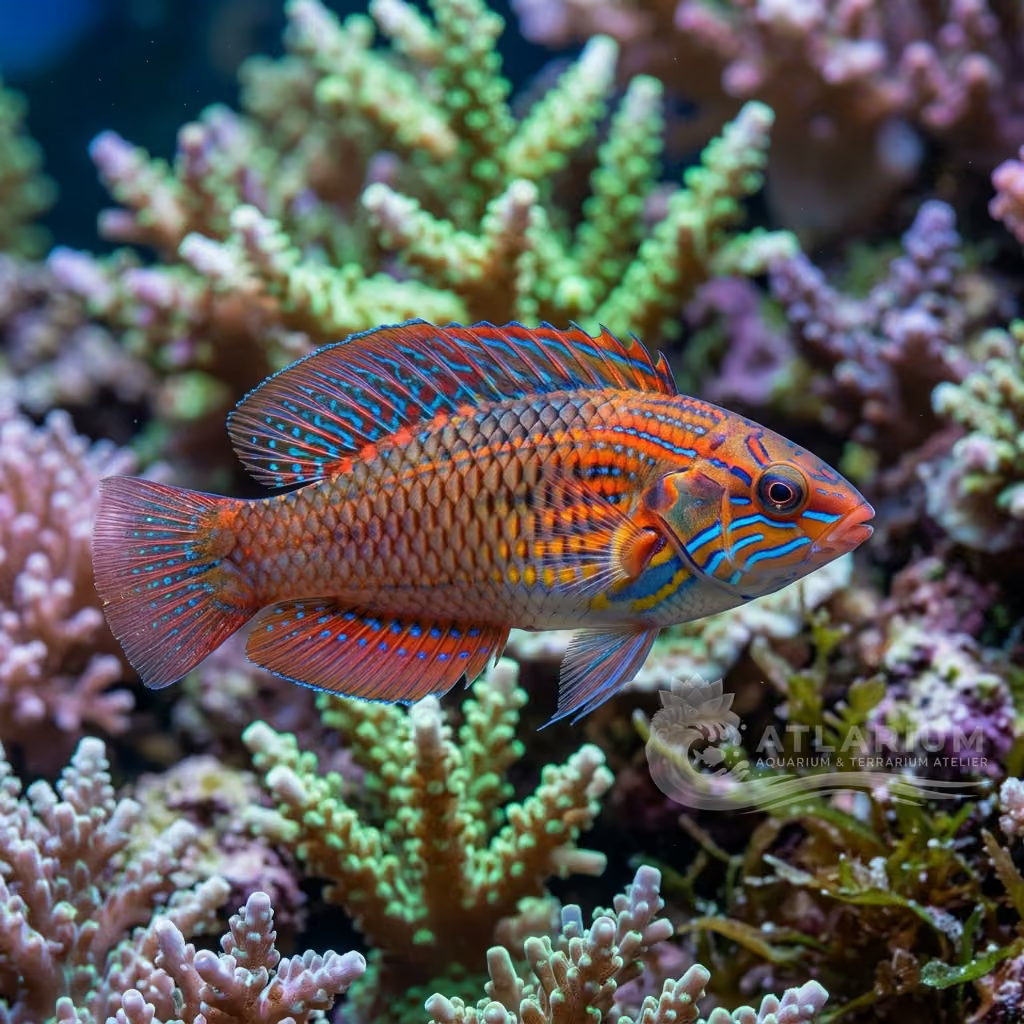
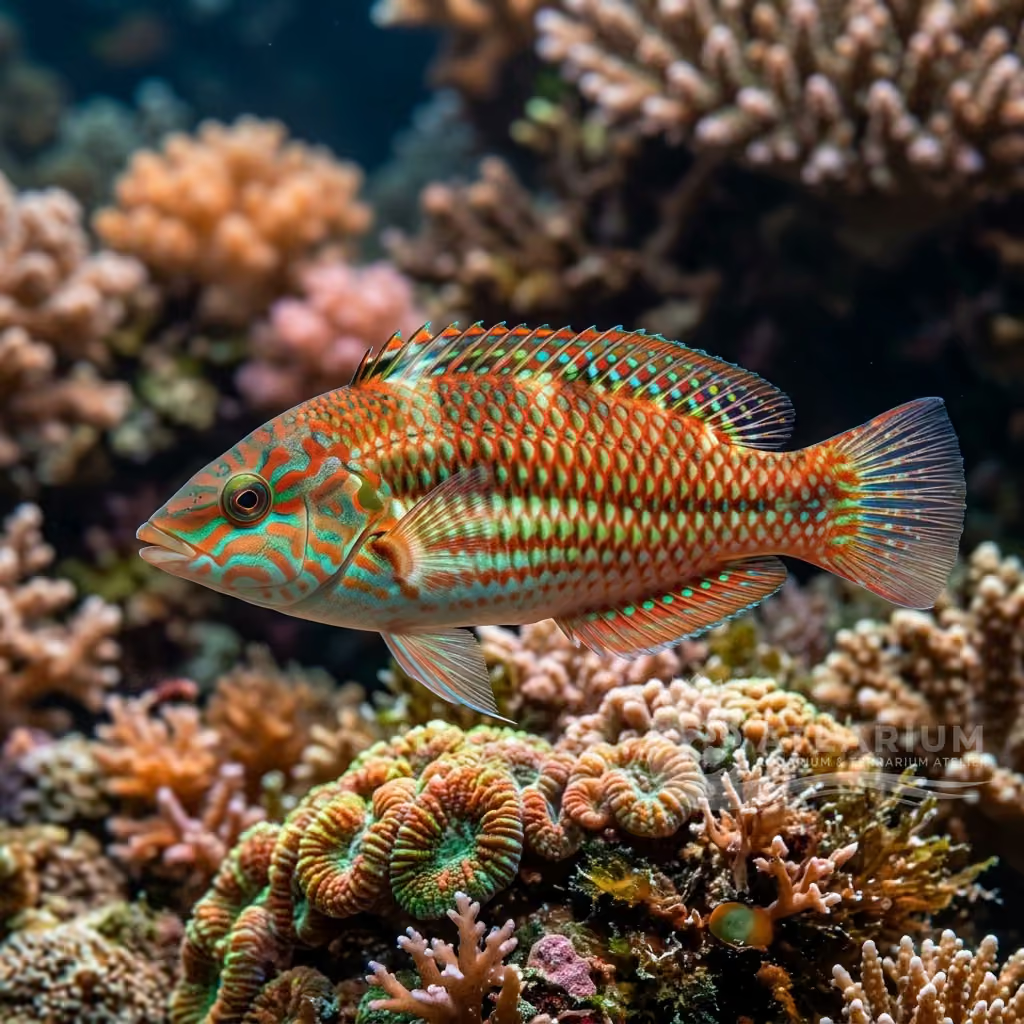
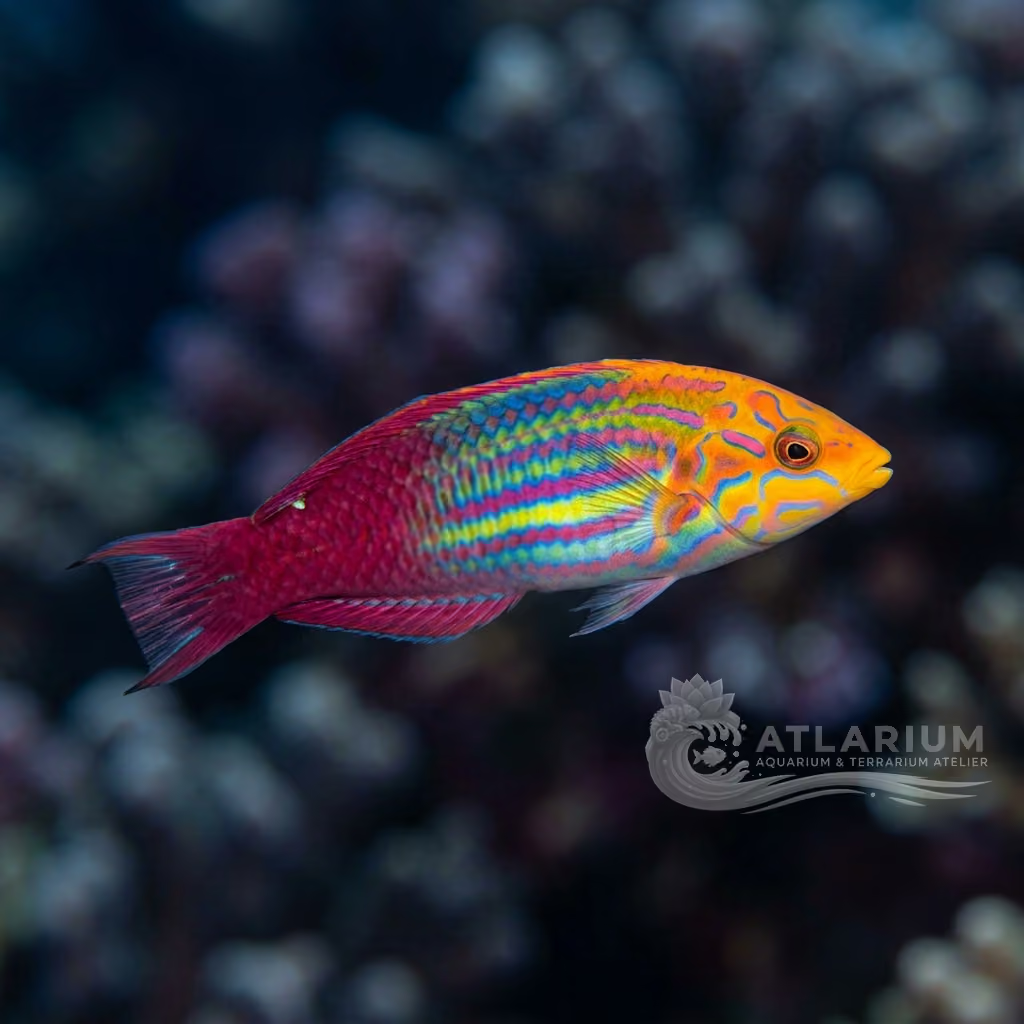
The Red-Scaled Fairy Wrasse from the Maldives displays a bright red-orange front fading into golden-yellow. A deep-water, reef-safe species notorious for jumping when startled.
Water Temperature
22 - 28 °C
pH Value
8 - 8.5
Water type
Marine
Tank level
Middle
Adult size
11 cm
Minimum tank volume
>= 400 L
Minimum group
>= 1
KH
8 - 12 dKH

Species description
Geographical Origin and Habitat: This tropical marine species is native to the western Indian Ocean, with populations recorded primarily around the Maldives and the Chagos Archipelago. It is a deep-water reef dweller, inhabiting steep outer slopes, rocky walls, and rubble-strewn zones at depths between 40 and 70 meters, where light levels are naturally lower.
Taxonomy and Morphology: Cirrhilabrus rubrisquamis belongs to the Labridae family, genus Cirrhilabrus (fairy wrasses). It features an elongated, moderately compressed body shape with large red eyes and a rounded caudal fin. The scales on the anterior half of the body are prominent and dark-edged. Adult specimens reach a maximum standard length of about 7.5 to 8.0 cm.
Social Behavior: It is an active, peaceful swimmer that spends its day in the middle and upper water column. In the wild, they live in haremic groups composed of a single dominant male and multiple females. Dominant males perform spectacular courtship displays at dusk, flashing iridescent colors and flaring their fins to attract females.
Coloration and Sexual Dimorphism: Sexual dimorphism is highly pronounced. Males exhibit a bright red-orange anterior body (head and front back) with dark-rimmed scales, transitioning to a golden-yellow or white posterior body. The fins are highlighted with electric blue and purple. Females are smaller and display a uniform pinkish-orange coloration.

Care, breeding and tankmates
Aquarium Setup: Requires an established reef aquarium of at least 200 liters (50 gallons). The aquascape should feature a large open swimming area in the center and plenty of live rock arranged to create caves, overhangs, and shady zones that simulate its deep-reef habitat. A tight-fitting lid or screen mesh cover is mandatory, as this wrasse is a powerful jumper.
Diet and Feeding: Carnivorous zooplankton feeder. It has a fast metabolism and should be fed two or three times daily. Offer a varied diet of frozen foods such as mysis shrimp, brine shrimp, copepods, and finely chopped seafood. High-quality marine flakes and micro-pellets are easily accepted once the fish is settled.
Water Quality: Requires stable marine parameters: water temperature between 22°C and 26°C, pH between 8.1 and 8.4, specific gravity of 1.020 to 1.025, and KH between 8 and 12. An efficient protein skimmer and quality filtration are necessary to keep nitrates low. Gentle to moderate water flow is preferred.
Compatibility and Cohabitation: 100% reef-safe and compatible with all corals and sessile invertebrates. Suitable tankmates include other peaceful reef species such as clownfish, anthias, small gobies, and blennies. Do not house multiple males of the same or similar Cirrhilabrus species in the same tank to prevent severe fighting. Avoid large, predatory fish.
Aquarium Breeding: Protogynous hermaphrodite. Spawns in the open water column. At dusk, the male and a receptive female perform a rapid vertical ascent to release their eggs and sperm. The eggs are pelagic. Captive breeding in home aquariums is extremely difficult due to the challenges of feeding and rearing the microscopic larvae.
Risks and Diseases: The primary risk is jumping out of open-topped tanks. It may appear shy during the first few days, hiding in the rockwork. Susceptible to common marine ectoparasites like marine ich (Cryptocaryon irritans) under stressful conditions, but responds well to standard medications. Quarantine new specimens before introduction.

Geographic origin and distribution
This tropical marine species is native to the western Indian Ocean, with populations recorded primarily around the Maldives and the Chagos Archipelago. It is a deep-water reef dweller, inhabiting steep outer slopes, rocky walls, and rubble-strewn zones at depths between 40 and 70 meters, where light levels are naturally lower.
Origin
Tropical oceans and reefsSouth and Southeast Asia

Fish profile
- Temperament
- Peaceful
- Cirrhilabrus rubrisquamis exhibits a peaceful and active temperament, though they can be quite shy when first introduced to a new aquarium. Once comfortable, they spend the day swimming actively in the mid-water column. Keeping them in a harem setup (one male with several females) encourages the male to display his intense courtship colors and fascinating behaviors.
- Diet
- Carnivore
- Cirrhilabrus rubrisquamis is a carnivorous planktivore that requires a protein-rich diet to preserve its health and the intensity of its rosy-red coloration. In captivity, they should be fed high-quality frozen mysis shrimp, brine shrimp, copepods, and lobster eggs. They will also readily accept well-balanced commercial dry pellets and flake foods. Offering foods enriched with vitamins supports their metallic colors.
- Life expectancy
- 5-8 years
- Adult size
- 11 cm
- Sex ratio
- Harem
- One male with a group of females (harem).
- Feeding frequency
- Twice daily
- Fairy wrasses like Cirrhilabrus rubrisquamis are highly active swimmers with a fast metabolism, requiring a consistent feeding schedule of two to three times daily. Feeding small portions multiple times throughout the day helps prevent weight loss and supports their energy needs. It also helps reduce food-related aggression among tankmates. Automated feeding systems can be a valuable tool to maintain consistency.
- Bioload
- Low to Medium
- The Red Velvet Fairy Wrasse constantly forages for zooplankton, demanding a feeding regimen of two to three meals per day. This frequent feeding strategy introduces a continuous stream of nutrients into the water, elevating their bioload to a moderate level. Regular water changes and a properly sized protein skimmer are essential to manage their metabolic waste.
- Flow
- Strong
- This wrasse prefers moderate to strong water flow within the aquarium to simulate the currents of their native Indian Ocean reef channels. Active water movement helps keep their food suspended, encouraging natural foraging behaviors in the water column. However, the aquascape must include shaded caves and overhangs where the fish can rest comfortably and sleep at night.
- Jump risk
- Yes
- This species has a renowned reputation as an extreme jump risk, specifically when introduced to a new tank or harassed by dominant fish. They possess an explosive burst of speed that easily carries them over the rim of an open aquarium. Aquarists must install a perfectly fitted mesh lid without any exposed gaps to keep them safely submerged.
- Reproduction
- Oviparous
- Like other members of its genus, Cirrhilabrus rubrisquamis is a protogynous hermaphrodite, where all individuals are born female and the dominant one transitions into a male. They are pelagic spawners that perform quick vertical runs to release eggs and sperm into the water column. Breeding this species in home aquariums is undocumented and extremely difficult due to the specialized needs of rearing the pelagic larvae.
- Compatibility & tankmates
- Peaceful
- This wrasse is 100% reef-safe and highly compatible with corals, clams, and ornamental invertebrates. It coexists peacefully with other non-aggressive community fish such as firefish, small gobies, and anthias. However, males can be territorial toward other male fairy wrasses of similar size or shape. A tight-fitting cover or mesh lid is strictly mandatory to prevent the fish from jumping out.
- Tank level
- Middle
- Red Velvet Fairy Wrasses are prominent mid-water to upper-water column swimmers that bring lively movement to the top sections of the tank. They boldly cruise in the open currents all day long, displaying their vibrant colors to passing females or rivals. When the lights turn off, they will dive quickly into the bottom rockwork to spin their protective mucus cocoons.

Scientific Parameters & Models
FishBase
Window to the official scientific data of the species
FishBase v25.04Data synced on: 06/15/2026
- Trophic level
- 3.3 ± 0.4 se
- Resilience
- High (less than 15 months)
- Phylogenetic uniqueness (PD50)
- 0.5
- Bayesian Length-Weight
- a = 0.01072, b = 3.03
- VulnerabilityLow vulnerability (10 / 100)

Related species
Recommendations grouped by close relatives, companion choices, and similar care.