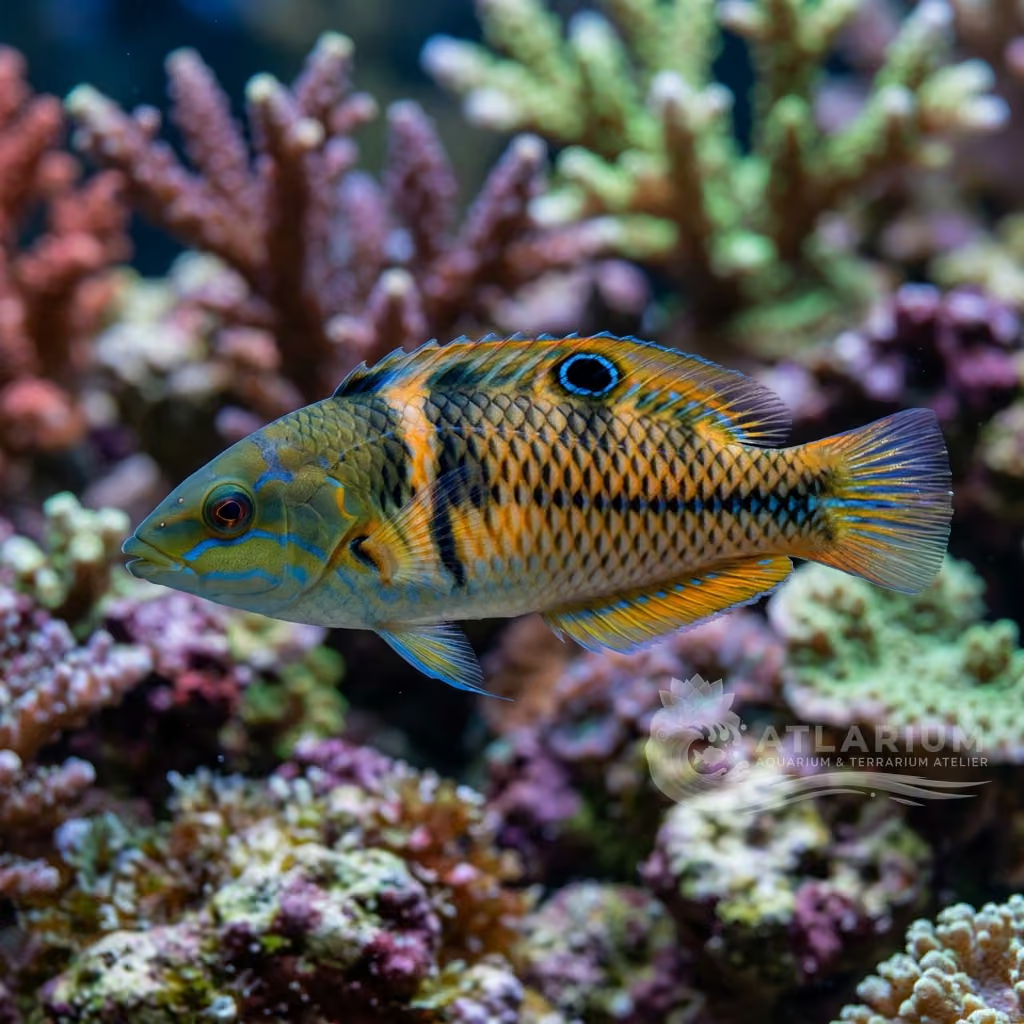
Tanaka's Pygmy Wrasse
Wetmorella tanakai
Tanaka's pygmy wrasse is a tiny, cryptic marine fish from the family Labridae, highly valued for its peaceful nature and beautiful red and yellow banding.
Water Temperature
23 - 27 °C
pH Value
8.1 - 8.4
Water type
Marine
Tank level
Bottom
Adult size
6 cm
Minimum tank volume
>= 60 L
Minimum group
>= 1
KH
8 - 12 dKH

Species description
Geographical Origin and Habitat: Wetmorella tanakai is a marine fish species native to the tropical waters of the Western Indo-Pacific, with recorded populations in Indonesia, the Philippines, and as far north as southern Japan. Its natural habitat is restricted to sheltered coral reefs, steep drop-offs, and rocky walls containing numerous caves, cracks, and deep crevices at depths of 10 to 35 meters. It lives in close association with these dark cavities, rarely venturing far into open water.
Taxonomy and Morphology: It belongs to the family Labridae and the genus Wetmorella, which contains the pygmy or possum wrasses. Morphologically, it features a moderately compressed body, an arched profile, and a highly pointed, elongated snout that is adapted for extracting tiny benthic organisms from deep within rocky crevices. This is one of the smallest wrasses in the marine aquarium hobby, reaching a maximum adult length of just 5 to 6 centimeters.
Social Behavior: The social behavior of this species is characterized by extreme shyness, peace, and crypticism. It avoids bright lighting and open areas of the tank, preferring to swim from shadow to shadow within the rockwork. While they are solitary by nature, they will tolerate the presence of conspecifics in larger setups. They show no aggression toward other fish species, making them perfect candidates for quiet community aquariums.
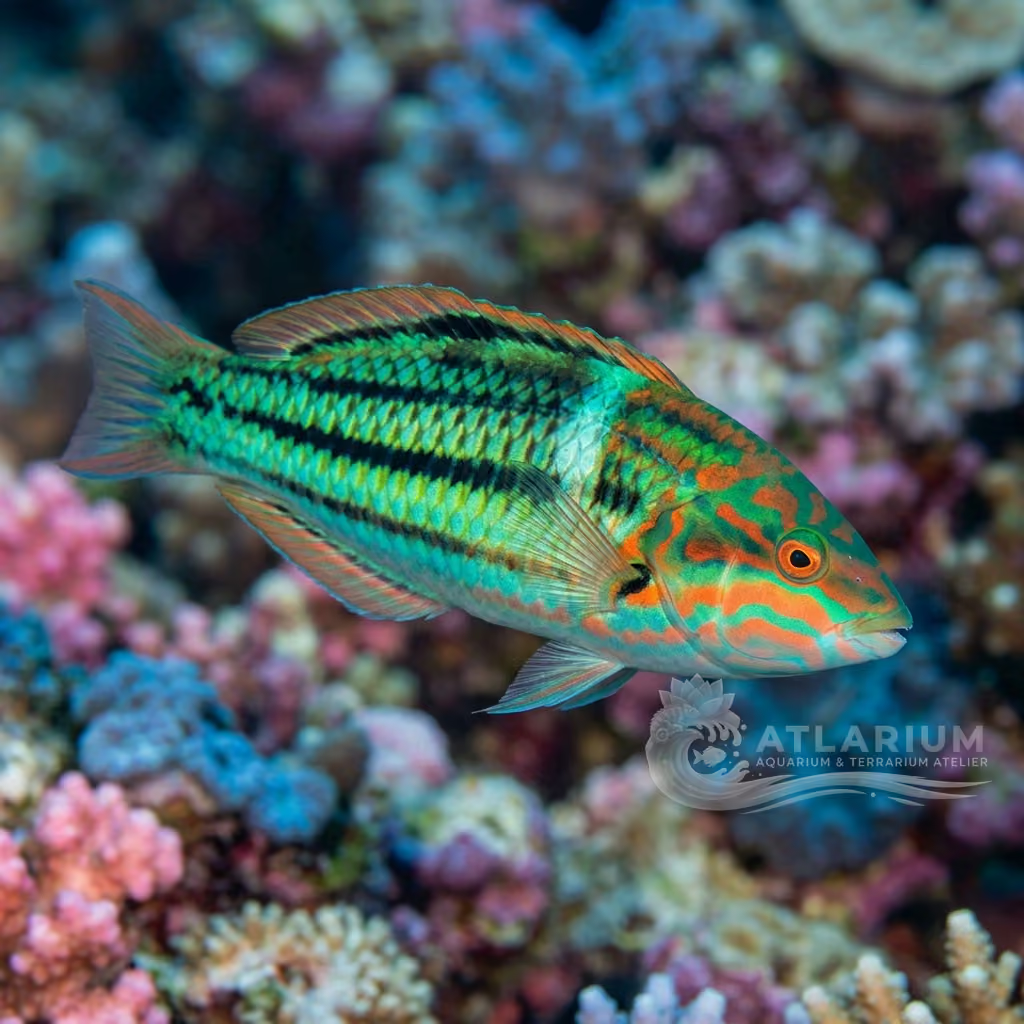
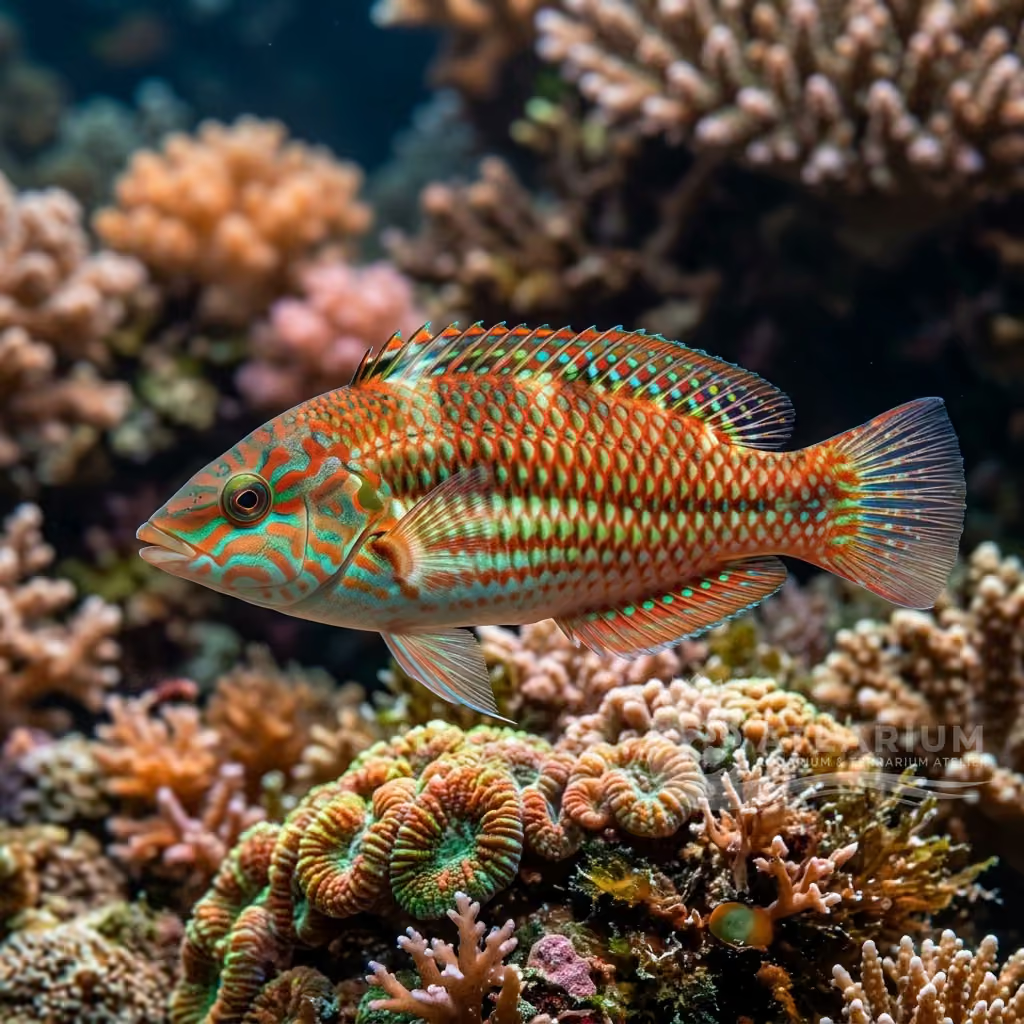
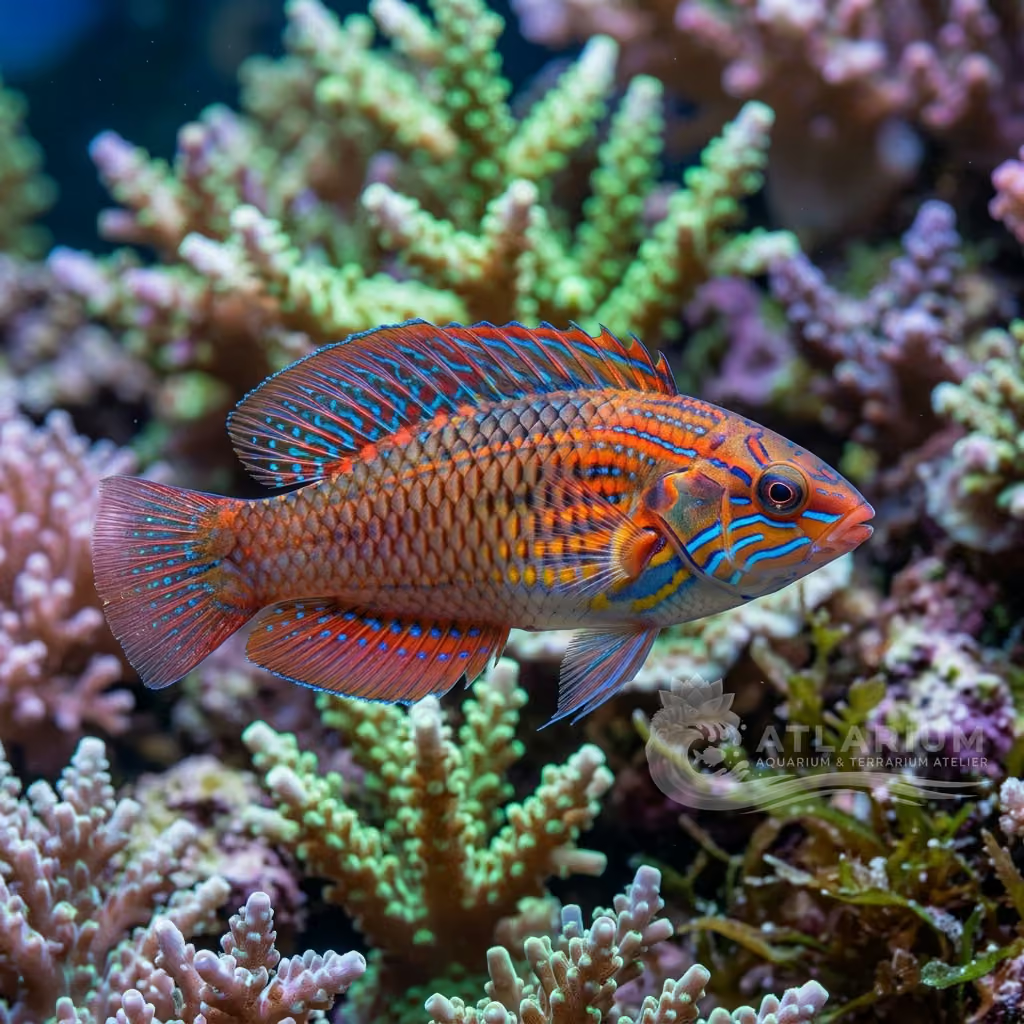
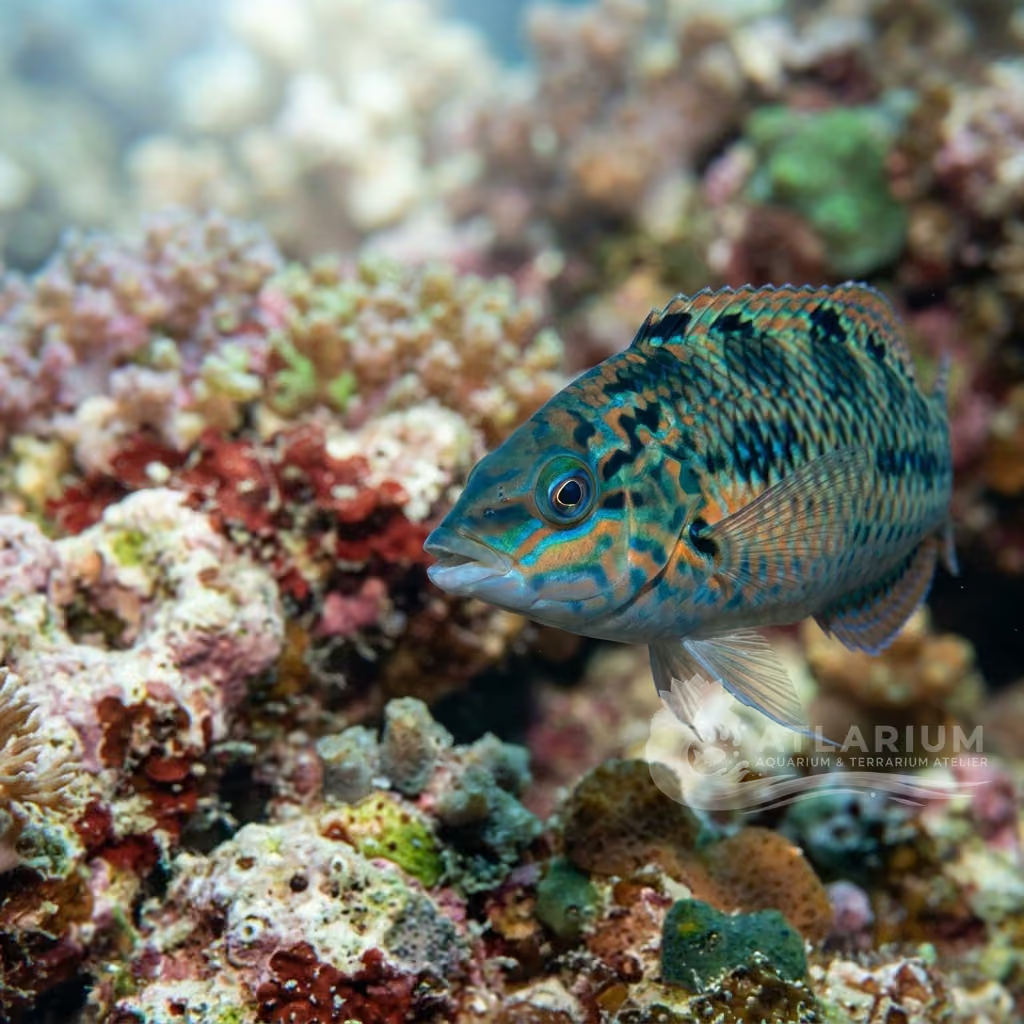
Coloration and Sexual Dimorphism: The coloration of Tanaka's pygmy wrasse consists of a vivid red to orange-brown base color, accented by two or three thin, vertical yellow or whitish bars. Distinctive black ocelli (eyespots) ringed in white are located on the rear of the dorsal and anal fins, serving as false eyes to confuse potential predators. There is no obvious sexual dimorphism, and both males and females look identical in color and shape.

Care, breeding and tankmates
Aquarium Setup: Requires an aquarium of at least 80-100 liters with an layout containing a large amount of live rock. The rockwork should be stacked to create a network of caves, dark tunnels, and shaded overhangs. The lighting in the aquarium should not be too intense, or ample shaded areas must be provided using rocks or large corals so the fish feels safe to explore the tank.
Diet and Feeding: It is a carnivore that feeds on tiny invertebrates living on the rocks. In captivity, it must be fed high-quality frozen foods such as mysis shrimp, brine shrimp, copepods, and lobster eggs. Seeding the tank with live copepods and amphipods is highly beneficial as it encourages their natural foraging behavior. They rarely accept dry foods, and if they do, it requires a long transition period.
Water Quality: Water parameters should remain stable and typical of a reef environment: temperature between 24°C and 27°C, pH between 8.1 and 8.4, and salinity between 1.020 and 1.025. Nitrites and ammonia must be kept at zero. Water flow should be moderate to low, as strong currents will frighten this delicate fish and cause it to remain hidden in the rockwork indefinitely.
Compatibility and Cohabitation: Compatibility is outstanding with corals, clams, and most ornamental invertebrates, making it 100% reef safe. It should only be housed with very peaceful, passive tankmates such as small gobies, pipefish, firefish, and mandarins. Avoid keeping them with large, fast, or aggressive fish (like dominant tangs or dottybacks) that will outcompete them for food and cause fatal stress.
Aquarium Breeding: Aquarium breeding has not been successfully documented in home aquariums. In their natural habitat, they are pelagic spawners, with pairs rising rapidly toward the surface at dusk to release eggs and sperm into the water column. The fertilized eggs float with the ocean currents, hatching into planktonic larvae that eventually settle onto the reef.
Risks and Diseases: The primary health risks are stress during acclimation and starvation due to food competition. If stressed, they can easily contract marine parasites like Cryptocaryon or Amyloodinium. It is important to feed the fish small amounts multiple times a day, directing the food toward their preferred cave to ensure they eat before faster tankmates consume it.

Geographic origin and distribution
Wetmorella tanakai is a marine fish species native to the tropical waters of the Western Indo-Pacific, with recorded populations in Indonesia, the Philippines, and as far north as southern Japan. Its natural habitat is restricted to sheltered coral reefs, steep drop-offs, and rocky walls containing numerous caves, cracks, and deep crevices at depths of 10 to 35 meters. It lives in close association with these dark cavities, rarely venturing far into open water.
Origin
Tropical oceans and reefsSouth and Southeast AsiaEast Asia

Fish profile
- Temperament
- Peaceful
- They are exceedingly shy, timid, and reclusive by nature. It is common for a newly introduced possum wrasse to hide for several days before venturing out. Once comfortable, they exhibit a calm, calculating demeanor as they hunt along the rockwork. They rely on stealth rather than speed, floating at odd angles to remain inconspicuous to predators and prey alike.
- Diet
- Carnivore
- Possum wrasses are micro-predators that spend their days hunting for tiny crustaceans among the live rock. A mature tank with a thriving population of copepods and amphipods is highly recommended for their long-term success. They will readily accept small meaty foods like frozen cyclops, baby brine shrimp, and crushed flakes. Target feeding may be necessary if they are too shy to compete during broadcast feeding.
- Life expectancy
- 3-5 years
- Adult size
- 6 cm
- Sex ratio
- Group
- They can be kept singly without any issues, which is how they are most commonly maintained. If the tank is large enough with plenty of rockwork, a small harem of one male and multiple females can be attempted. Keeping multiple males together will result in territorial skirmishes. They are protogynous hermaphrodites, meaning females can transition into males if a dominant male is absent.
- Feeding frequency
- Twice daily
- Because of their small stomachs and constant foraging behavior, they require multiple small feedings throughout the day. Offering food two to three times daily ensures they receive adequate nutrition. If the aquarium has a very mature microfauna population, feeding frequency can be slightly reduced as they will hunt continuously. Starvation is a common issue if they are not fed frequently enough.
- Bioload
- Low
- This extremely small and cryptic wrasse has an exceptionally low bioload. It contributes barely any waste to the system, making it an ideal candidate for nano reefs and smaller setups. Due to its secretive nature and tiny portions of food, biological filtration is rarely taxed. They are highly sensitive to poor water quality, so maintaining pristine conditions is more important than managing their waste.
- Flow
- Strong
- They strongly prefer areas of low to moderate flow where they can easily maneuver without being blown around. Possum wrasses often hover in caves or swim methodically through crevices, which is difficult in high-flow SPS-dominated tanks. Providing sheltered zones with gentle currents is essential for their comfort. Strong direct flow should be avoided.
- Jump risk
- Yes
- While not as notorious as fairy or flasher wrasses, they still possess the ability to jump if startled or chased. Their small size means they can escape through very tiny gaps in netting or lids. A tightly fitted mesh screen top is a wise precaution to protect your investment. Keep the tank calm to minimize the startle response that triggers jumping.
- Reproduction
- Rare / not documented
- They are pelagic spawners, releasing eggs and sperm into the water column during brief courtship dances. Breeding them in captivity is exceptionally rare and raising the microscopic larvae is beyond the reach of most hobbyists. Males may display intensified colors and fin flashing during spawning attempts. Captive breeding protocols have yet to be commercialized for this genus.
- Compatibility & tankmates
- Territorial
- They are incredibly peaceful and easily intimidated, making them excellent community fish for passive tanks. They will not bother corals, invertebrates, or even the smallest of tank mates. However, they must not be housed with aggressive, fast-moving, or boisterous fish that will outcompete them for food or bully them into hiding permanently. Perfect companions include small gobies, pipefish, and dartfish.
- Tank level
- Bottom
- Possum wrasses are highly cryptic and spend the vast majority of their time in the lower and middle sections of the rockwork. They rarely swim out in the open water column, preferring to weave through caves, overhangs, and coral branches. Their unique hovering swimming style allows them to inspect crevices meticulously. Ample live rock with intricate hiding spaces is absolutely mandatory.

Scientific Parameters & Models
FishBase
Window to the official scientific data of the species
FishBase v25.04Data synced on: 06/15/2026
- Trophic level
- 3.2 ± 0.4 se
- Resilience
- High (less than 15 months)
- Phylogenetic uniqueness (PD50)
- 0.625
- Bayesian Length-Weight
- a = 0.02188, b = 2.97
- VulnerabilityLow vulnerability (10 / 100)

Related species
Recommendations grouped by close relatives, companion choices, and similar care.