Blueside wrasse
Cirrhilabrus cyanopleura
A peaceful and colorful marine wrasse, known for its iridescent color pattern and its habit of swimming in groups within the water column close to the reef.
Water Temperature
24 - 27 °C
pH Value
8.1 - 8.4
Water type
Marine
Tank level
Surface and middle
Adult size
12 cm
Minimum tank volume
>= 200 L
Minimum group
>= 1
KH
8 - 12 dKH

Species description
Geographical Origin and Habitat: Cirrhilabrus cyanopleura is widely distributed in the Indo-West Pacific. Its range includes the Ryukyu Islands (Japan), the Philippines, Palau, Indonesia, Taiwan, and the northern part of the Great Barrier Reef. It inhabits outer coral reefs, steep reef slopes, and wide sandy or rubble zones rich in corals at depths ranging from 5 to 30 meters. It is often found hovering in mid-water in groups numbering dozens of individuals, grazing above the coral reef in areas swept by currents rich in zooplankton.
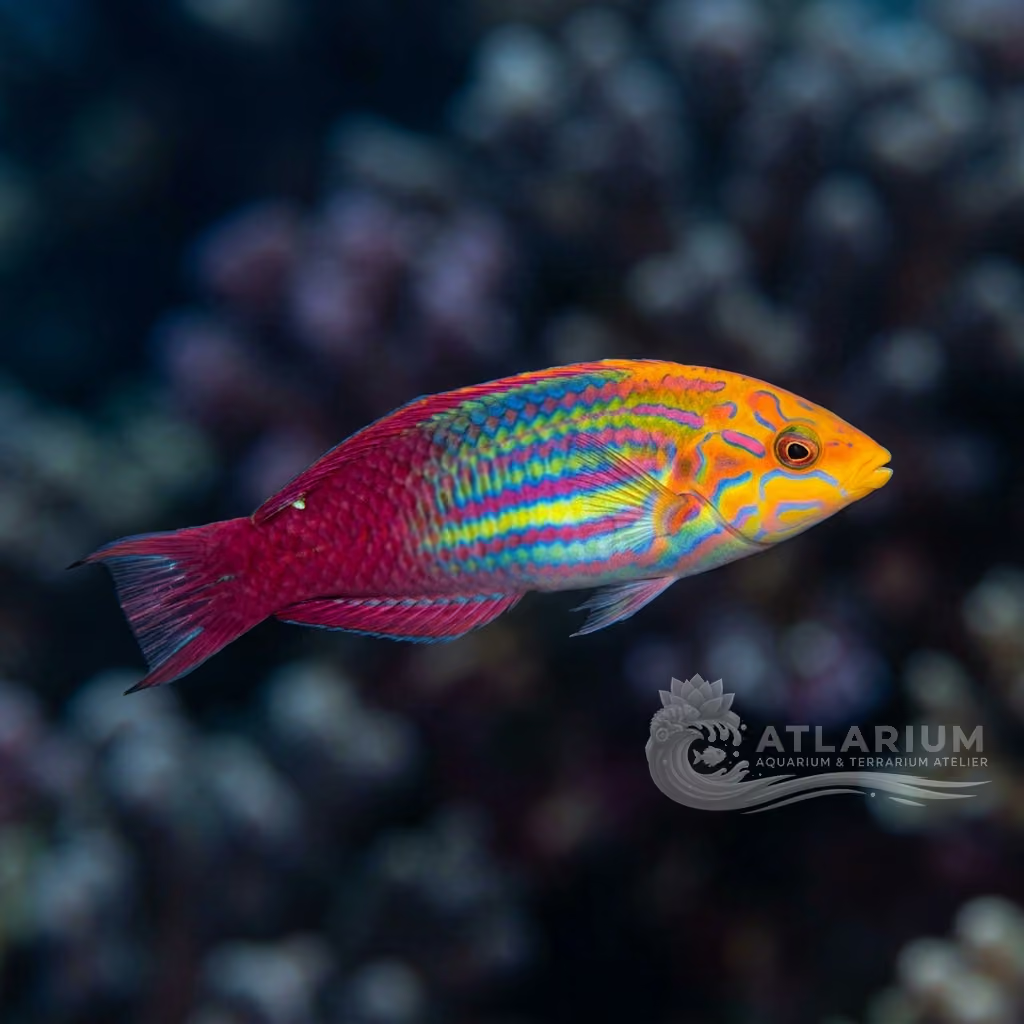
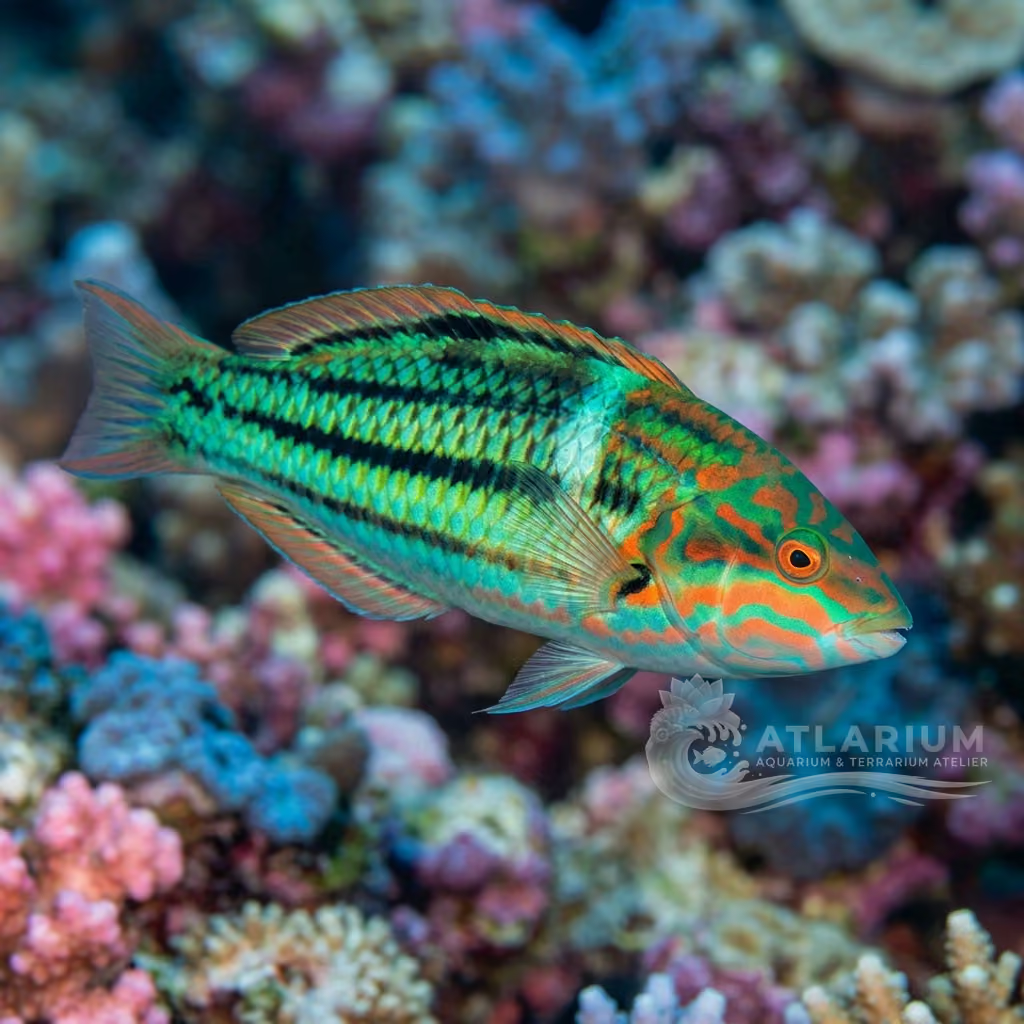
Taxonomy and Morphology: Belonging to the family Labridae, genus Cirrhilabrus (commonly known as fairy wrasses). It has a slender, elongated, and slightly laterally compressed body, with a rounded or slightly lanceolate caudal fin in adult males. The eyes feature a specialized 'bi-focal' cornea that facilitates the detection of tiny planktonic organisms. It reaches a maximum length of about 12 centimeters. Like other wrasses of this genus, it has the ability to change sex during its lifetime.
Social Behavior: It is an active, gregarious, and peaceful species. It spends daytime hours constantly swimming in the water column above the reef. Dominant males control large territories where a harem of females resides. During courtship, the male performs spectacular nuptial displays, intensifying his colors within seconds. At night, or if threatened, they retreat into the rockwork, wrapping themselves in a light cocoon of protective mucus to hide their scent from predators.
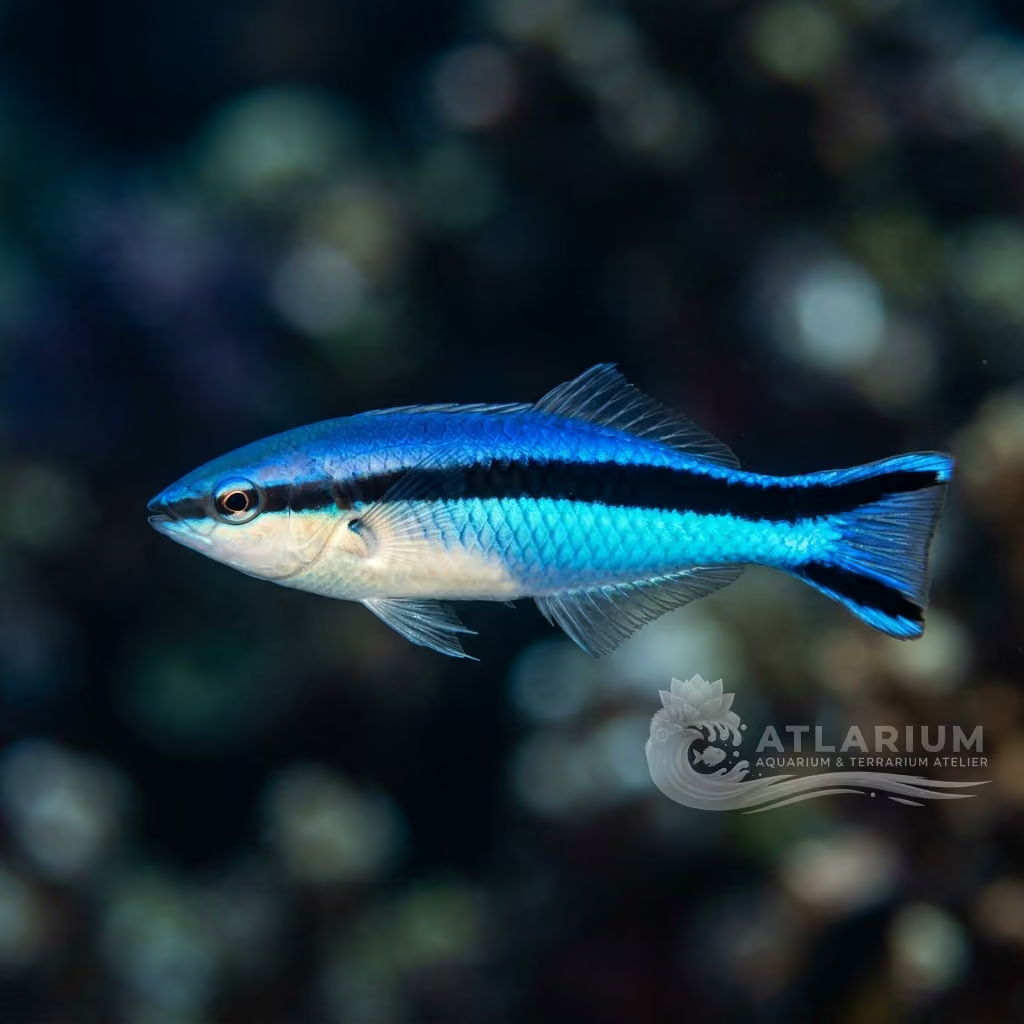
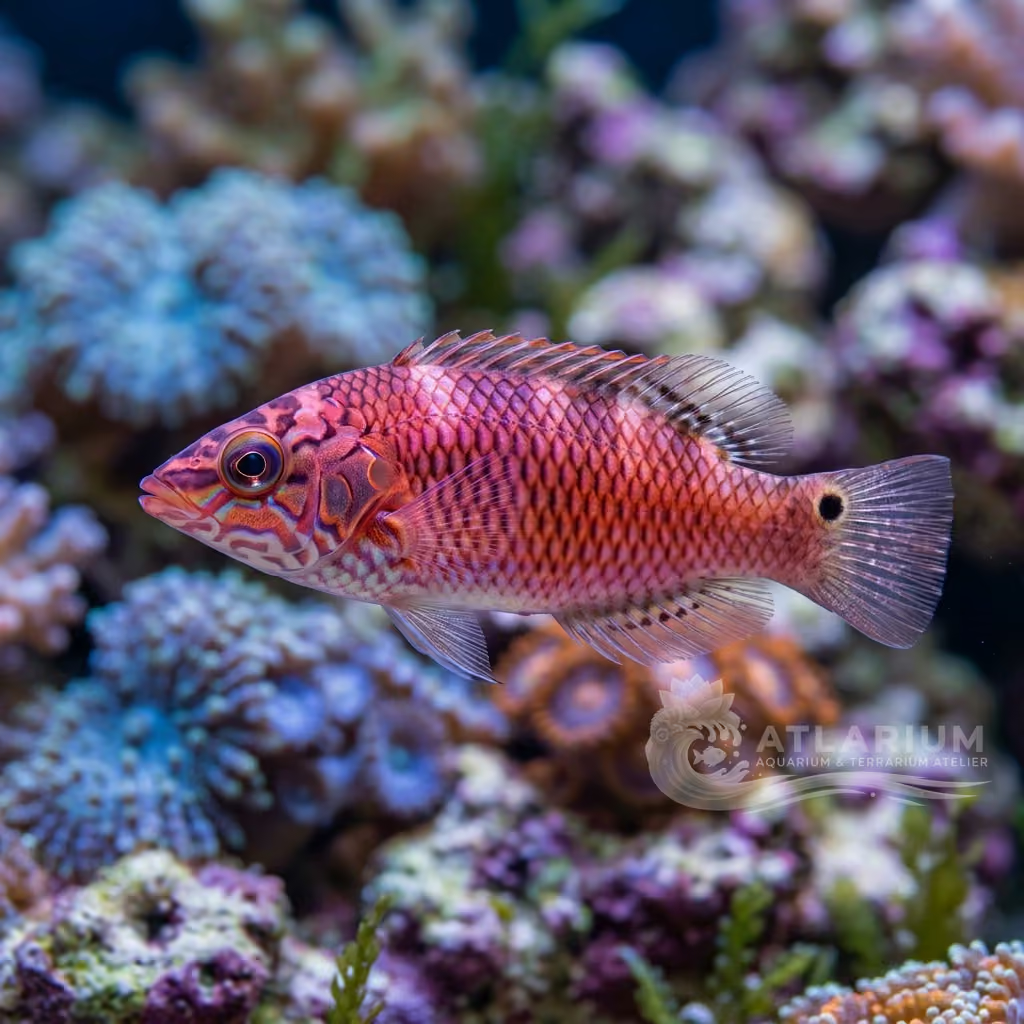
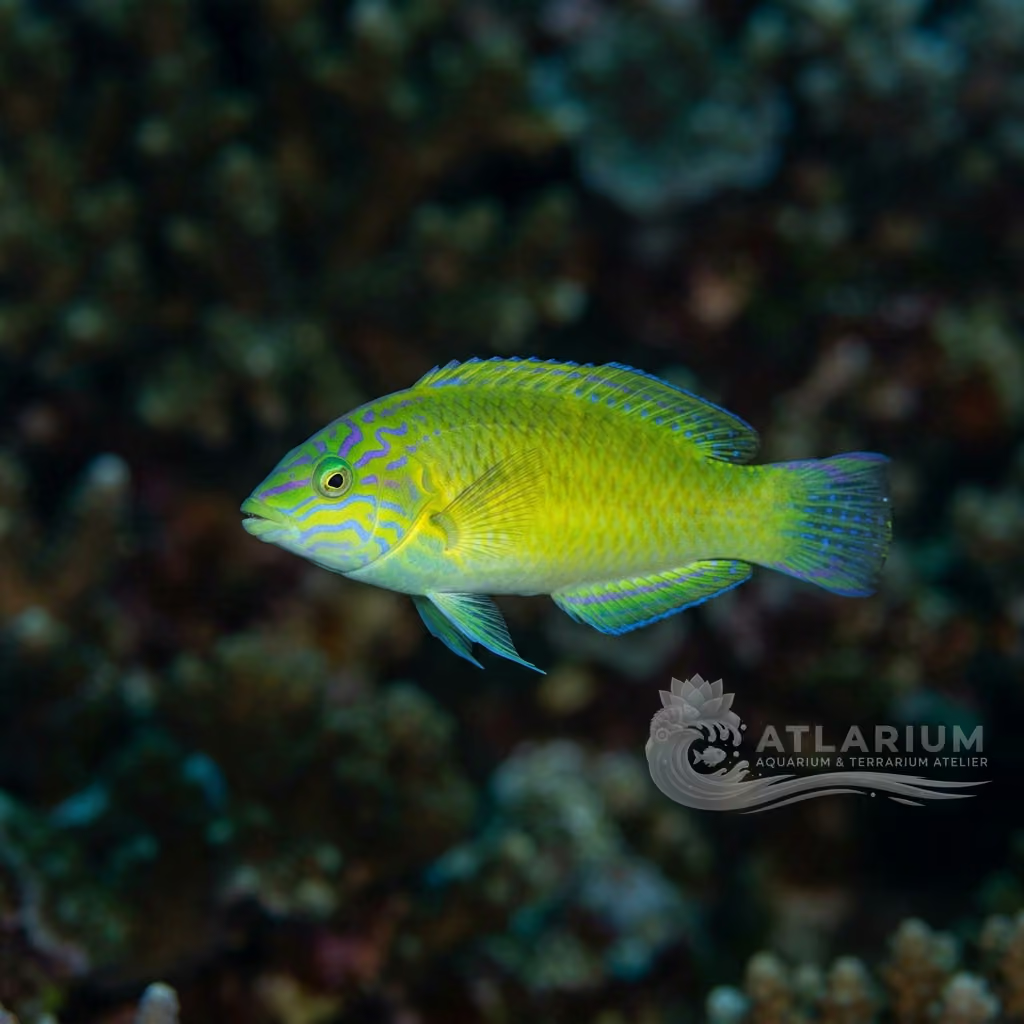
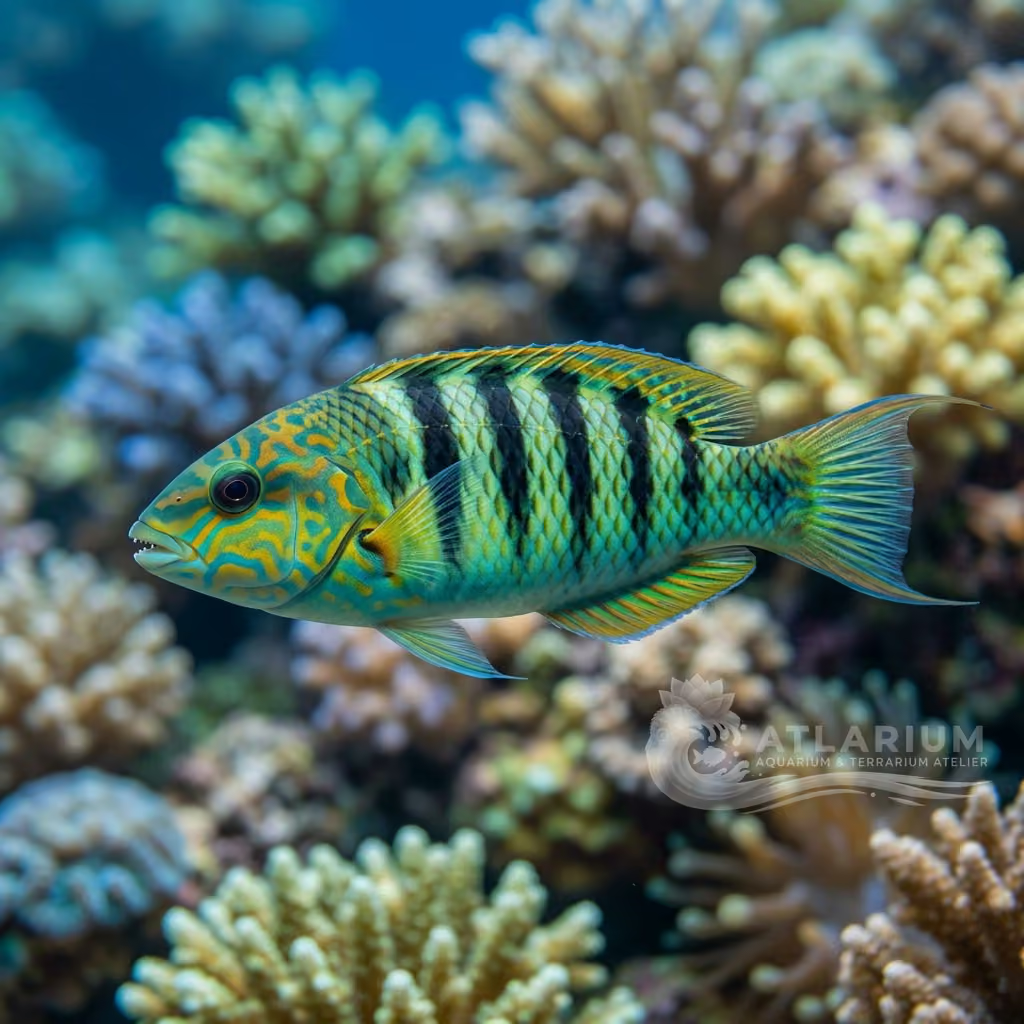
Coloration and Sexual Dimorphism: This species exhibits highly pronounced sexual dimorphism and a very variable color pattern. Females and juveniles are a uniform orange-red or pinkish color with a small black spot on the caudal peduncle. Adult males feature an iridescent blue-greenish body with a characteristic purple or dark blue patch on the side, just behind the pectoral fin, and a head that can shade from yellow to bright orange.

Care, breeding and tankmates
Aquarium Setup: Requires a spacious aquarium of at least 250 liters (approx. 65 gallons) with ample open swimming space. The setup must include live rock arranged to form caves and passages where the fish can hide. An ABSOLUTE requirement for this species is a tight-fitting lid or a fine mesh screen on the tank: as fast and easily spooked swimmers, they are notorious jumpers, and any open gap could be fatal.
Diet and Feeding: An active zooplanktivore. The diet must consist mainly of high-quality small frozen protein foods, such as mysis, brine shrimp, copepods, and finely chopped krill. It also readily accepts dry foods in pellets and flakes. Due to their fast metabolism and constant motion, it is advisable to feed them two or three times a day to prevent rapid loss of body mass.
Water Quality: Requires stable parameters: temperature 24-27°C (75-81°F), pH 8.1-8.4, specific gravity 1.021-1.025, and low nitrates and phosphates. High oxygenation of the water, achieved through wavemakers and an efficient protein skimmer, is crucial. Regular water changes maintain the stable trace element levels necessary for the fish's health.
Compatibility and Cohabitation: It is a peaceful and completely reef-safe fish, in no way bothering corals or invertebrates. It coexists very well with other peaceful reef species such as clownfish, gobies, anthias, and surgeonfish. It is possible to keep a group by introducing a single male and multiple females of the same species. Avoid cohabitation with aggressive or territorial fish such as large marine groupers or lionfish.
Aquarium Breeding: Breeding in the aquarium is extremely rare and complex. In the wild, they practice pelagic group or pair spawning. The male lures the female toward the surface with fast, undulating movements before releasing gametes. Larval development is hindered by the need for appropriate microscopic live prey in the earliest stages of life, making breeding confined to scientific research.
Risks and Diseases: The main risk is jumping out of the water, which makes a protective cover mandatory. They are hardy fish but can contract external parasites under severe introduction stress. A quarantine period is recommended to monitor behavior. Providing adequate hiding places reduces acclimation anxiety and promotes rapid coloration of the males.

Geographic origin and distribution
Cirrhilabrus cyanopleura is widely distributed in the Indo-West Pacific. Its range includes the Ryukyu Islands (Japan), the Philippines, Palau, Indonesia, Taiwan, and the northern part of the Great Barrier Reef. It inhabits outer coral reefs, steep reef slopes, and wide sandy or rubble zones rich in corals at depths ranging from 5 to 30 meters. It is often found hovering in mid-water in groups numbering dozens of individuals, grazing above the coral reef in areas swept by currents rich in zooplankton.
Origin
Tropical oceans and reefsSouth and Southeast AsiaEast Asia

Fish profile
- Temperament
- Active
- It displays an active and curious temperament, swimming primarily in the middle and upper levels of the water column. It acclimates quickly to its owner's presence and becomes highly social. At night, it retreats into rockwork cavities and spins a thin mucus cocoon before falling asleep.
- Diet
- Planktivore
- It is a zooplanktivorous carnivore that feeds on a wide variety of planktonic organisms in the wild. In captivity, its diet should include varied frozen foods like mysis, brine shrimp, and lobster eggs. It will also eagerly accept high-quality marine pellets and dry foods enriched with carotenoids to highlight its colors.
- Life expectancy
- 5-8 years
- Adult size
- 12 cm
- Sex ratio
- Harem
- Harem (1 male, multiple females)
- Feeding frequency
- 2-3 times daily
- Feeding this active wrasse two to three times daily in small portions is recommended to match its high metabolic rate. Staggered feedings support proper digestion and mimic its continuous foraging habits on natural reefs. This also prevents the buildup of harmful organic waste from uneaten food.
- Bioload
- Medium
- The Blueside Fairy Wrasse is a highly active species with a fast metabolism that necessitates frequent, small daily feedings. Because they consume meaty foods multiple times a day, their presence contributes a moderate to high bioload to the aquarium system. Aquarists must ensure excellent filtration and regular water changes to manage the resulting nutrient buildup effectively.
- Flow
- Strong
- It prefers moderate to strong water movement to replicate the dynamic currents of outer reef slopes. Adequate flow encourages its natural swimming vigor and supports overall aquarium oxygenation. The presence of rocky tunnels and caves allows the fish to find quiet zones to rest when needed.
- Jump risk
- Yes
- Like most of its relatives, the Blueside Fairy Wrasse is notoriously prone to jumping out of the aquarium, especially when startled. Sudden changes in lighting or aggressive encounters with other fish will instantly trigger their flight response toward the surface. A tight-fitting mesh lid or glass canopy is absolutely essential to prevent this species from leaping to its death.
- Reproduction
- Oviparous
- Breeding this species in home aquariums is extremely rare and difficult due to their pelagic broadcast spawning style. Dominant males display spectacular flashing colors to court females before releasing gametes into the open water. Raising the larvae requires microscopic live foods and meticulous tank hygiene.
- Compatibility & tankmates
- Reef safe with caution
- It is a peaceful, reef-safe fish that will not bother corals, clams, or other sessile invertebrates. It is best housed in a harem, with females introduced simultaneously or before the dominant male. Avoid aggressive tankmates and ensure the tank is tightly covered to prevent jumping accidents.
- Tank level
- Top/Middle
- This species spends the vast majority of its active daylight hours constantly swimming and displaying in the middle and upper levels of the water column. They prefer open swimming spaces above the rockwork where they can forage for passing zooplankton. However, they require ample rockwork and crevices in the lower levels to retreat into at night or when they feel threatened.

Scientific Parameters & Models
FishBase
Window to the official scientific data of the species
FishBase v25.04Data synced on: 06/15/2026
- Trophic level
- 3.4 ± 0.45 se
- Resilience
- High (less than 15 months)
- Phylogenetic uniqueness (PD50)
- 0.5
- Bayesian Length-Weight
- a = 0.01072, b = 3.03
- VulnerabilityLow vulnerability (10 / 100)

Related species
Recommendations grouped by close relatives, companion choices, and similar care.