Adorned Wrasse
Halichoeres cosmetus
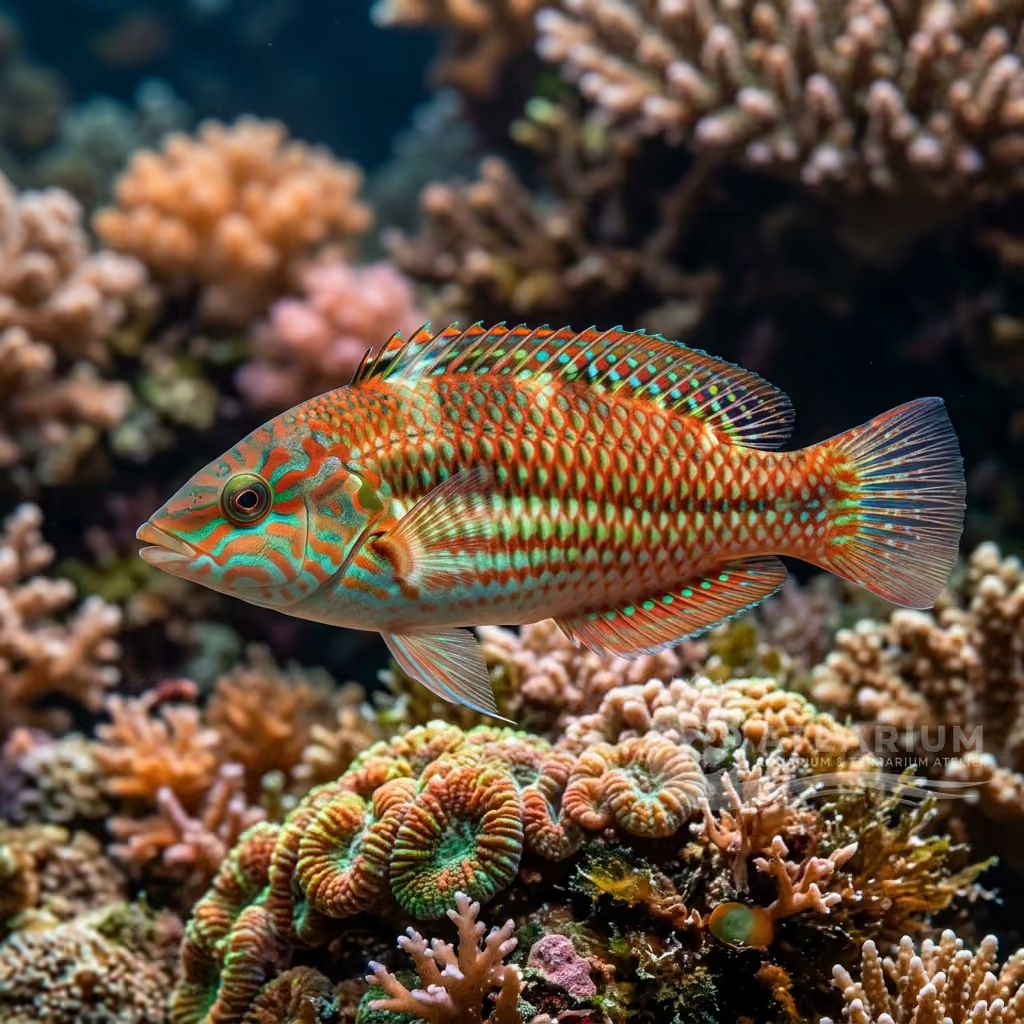
A colorful, active and peaceful marine wrasse known for its striped body and its ability to feed on small pests such as flatworms and pyramidellid snails.
Water Temperature
23 - 28 °C
pH Value
8 - 8.5
Water type
Marine
Tank level
All levels
Adult size
13 cm
Minimum tank volume
>= 200 L
Minimum group
>= 1
KH
8 - 12 dKH

Species description
Geographical Origin and Habitat: Widespread in the Western Indian Ocean, along the coasts of East and South Africa, from the Red Sea to the Mascarene Islands, Maldives, and Sri Lanka. Inhabits shallow coral reefs and adjacent sandy areas down to 30 meters.
Taxonomy and Morphology: Member of the Labridae family. Possesses an elongated, laterally compressed body with a terminal mouth equipped with small teeth designed to capture micro-prey. Reaches a maximum length of 13 cm.
Social Behavior: Active diurnal species. Spends daylight hours swimming constantly close to rocks and sand foraging for food. Solitary or lives in small harems led by a dominant male.
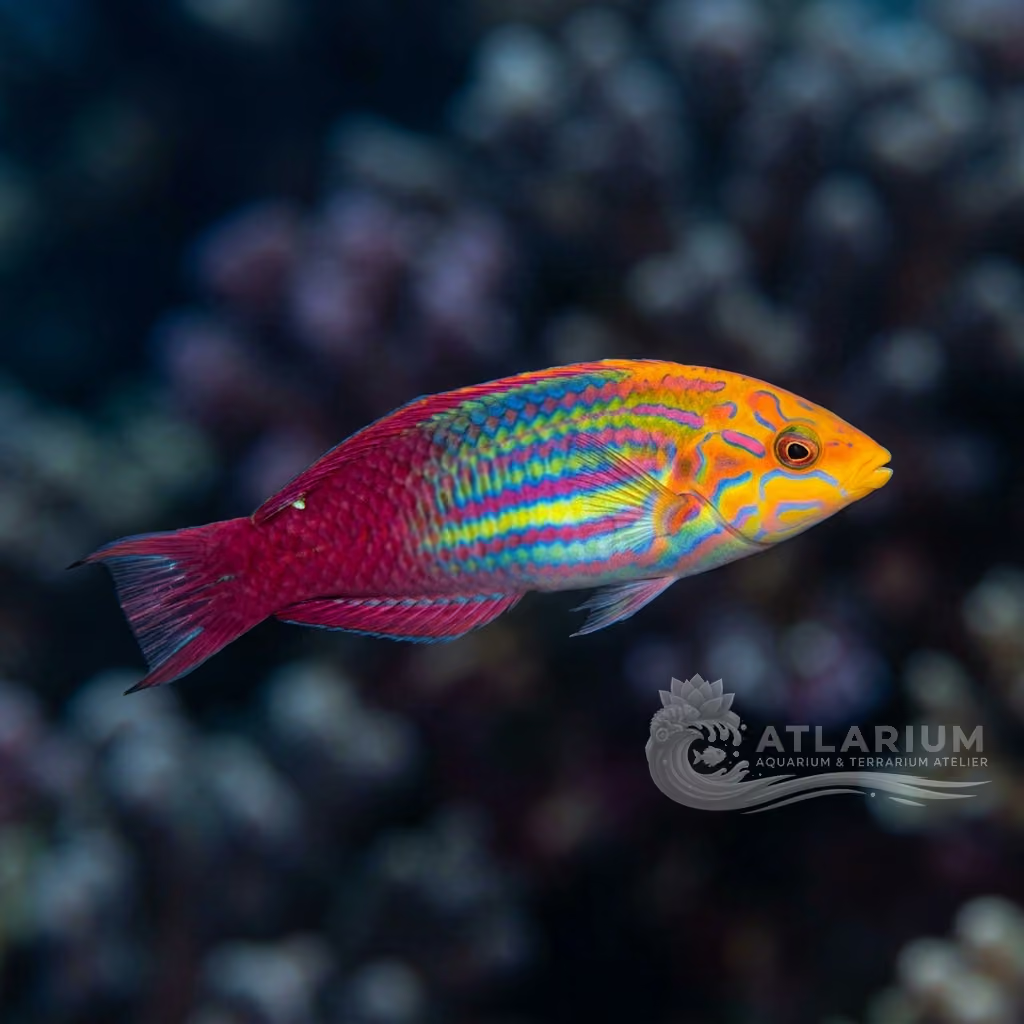
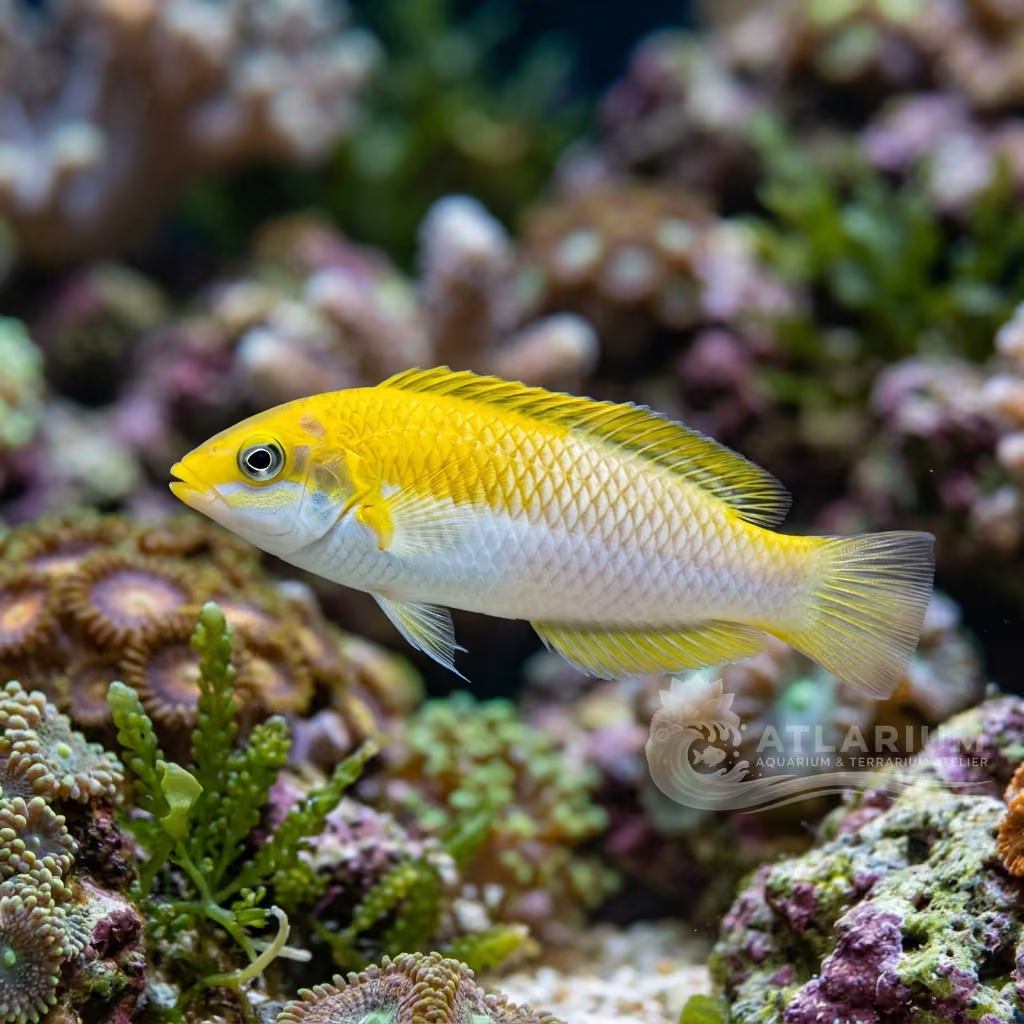
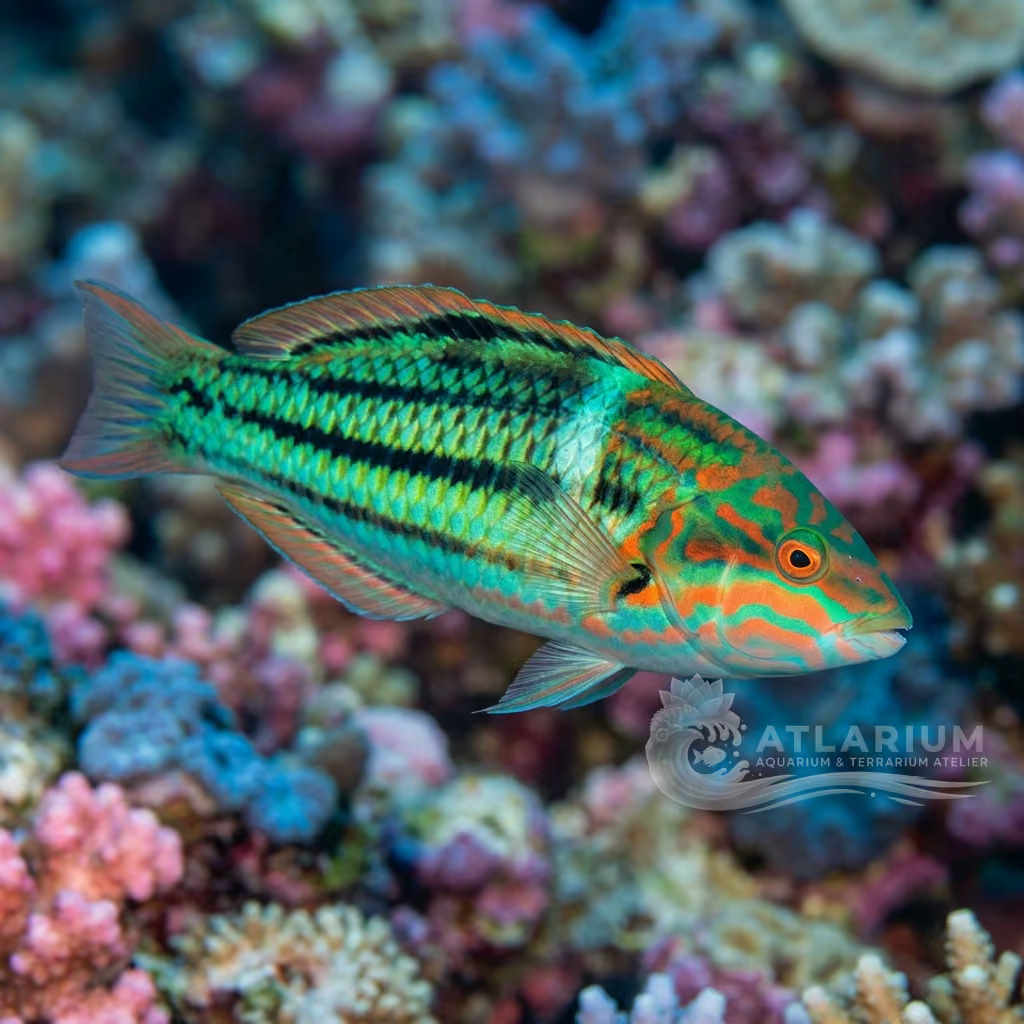
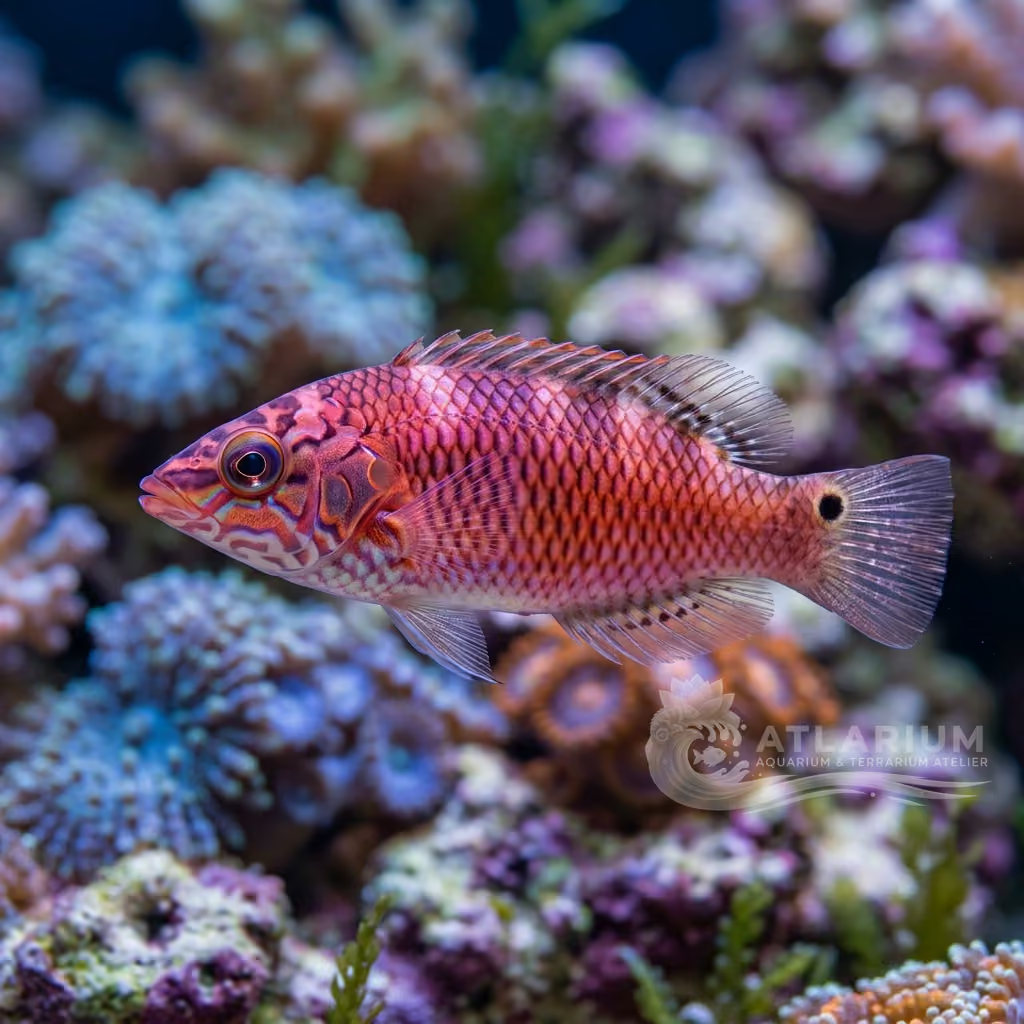
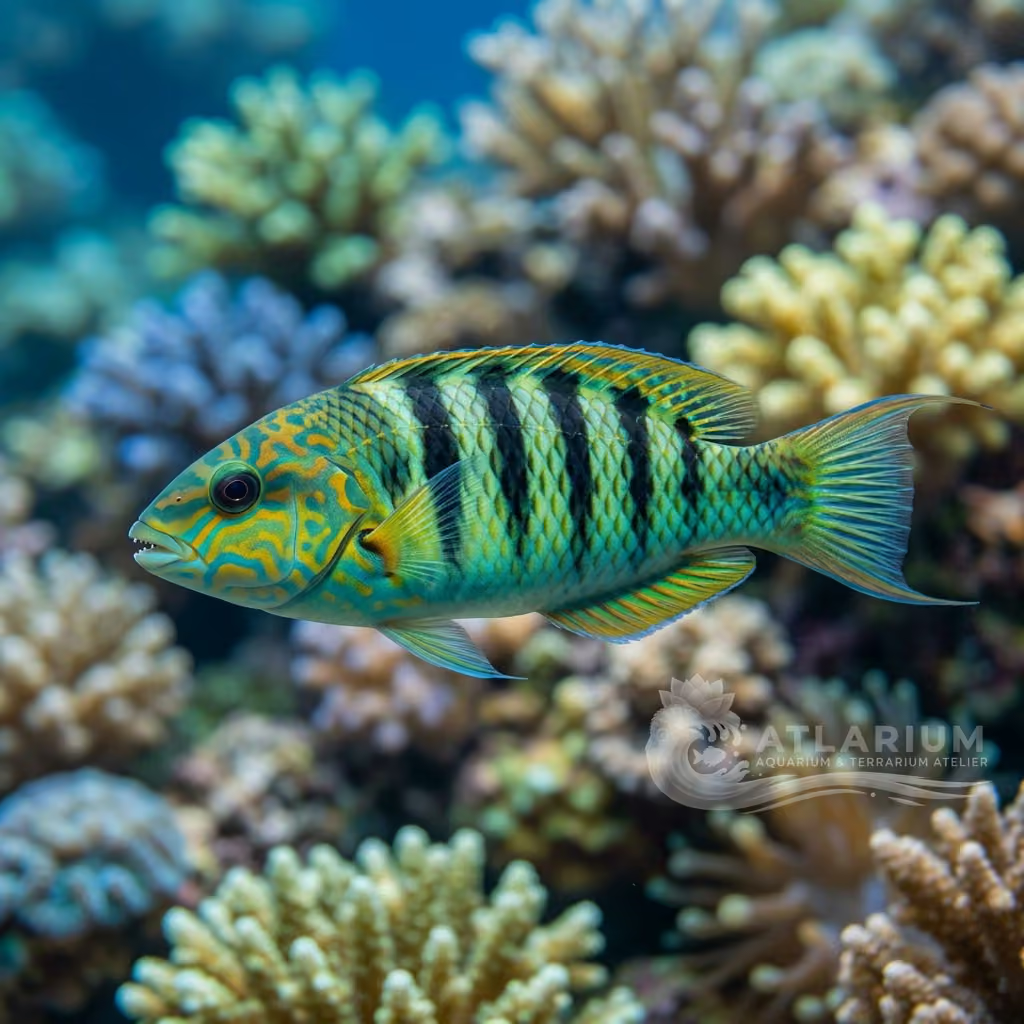
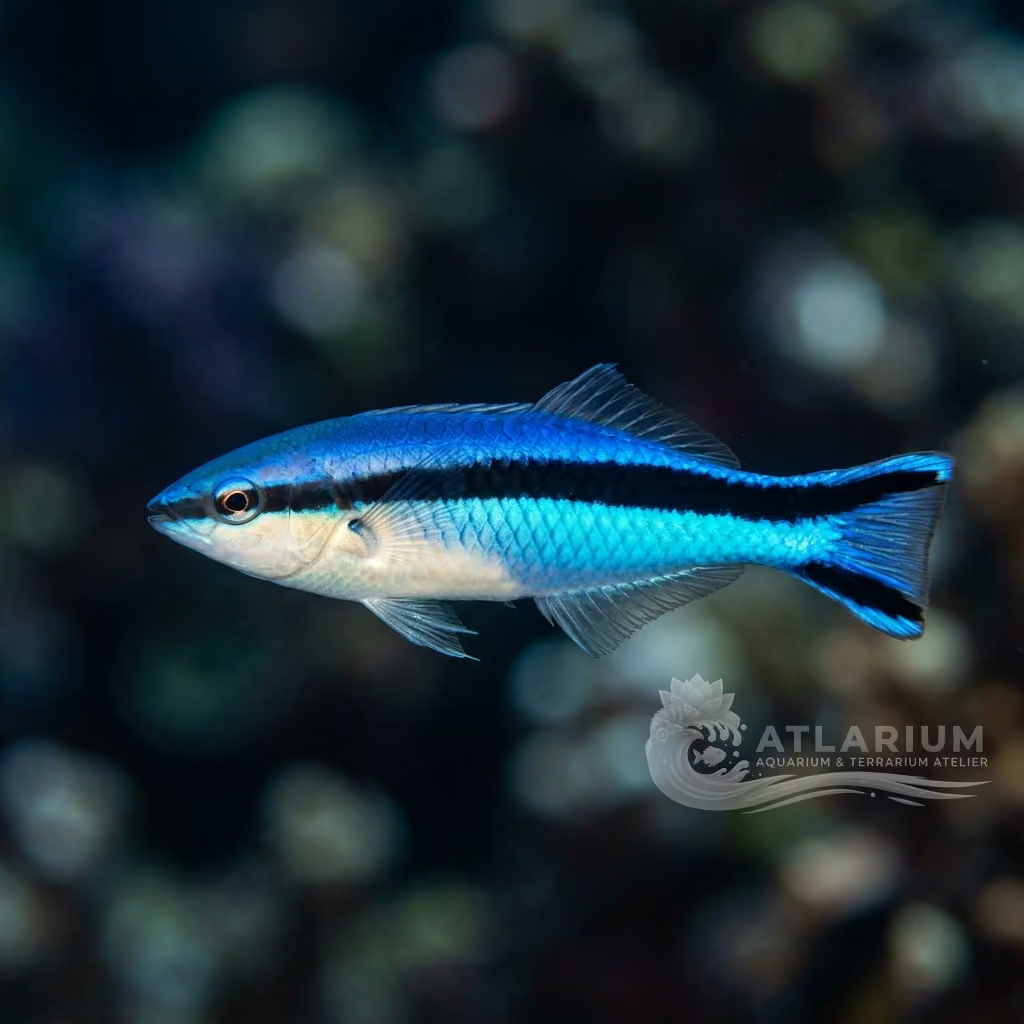
Coloration and Sexual Dimorphism: Stunning coloration with alternating green, pink, and yellow horizontal stripes, featuring black ocelli ringed in yellow on the dorsal fin. Adult males exhibit more intense colors and complex facial markings than females and juveniles.

Care, breeding and tankmates
Aquarium Setup: Demands a tank of at least 200 liters with large sandy open areas. The sand bed must be fine and at least 5-8 cm deep to allow the fish to bury itself for sleeping or shelter. A secure lid is mandatory to prevent jumping.
Diet and Feeding: Voracious carnivore. Accepts mysis, brine shrimp, chopped krill, and high-quality pellet food. Constantly grazes on live rocks, aiding in controlling flatworms, pyramidellid snails, and bristleworms.
Water Quality: Stable marine water chemistry is required. Temperature 23-28°C, pH 8.0-8.5, salinity SG 1.020-1.026. GH 15-25. Efficient filtration and a strong protein skimmer are necessary to maintain water cleanliness.
Compatibility and Cohabitation: Generally peaceful towards other reef fish. Avoid mixing with highly aggressive wrasses or overly timid species that might be stressed by its fast swimming. Reef safe with caution regarding tiny shrimps and snails.
Aquarium Breeding: Extremely difficult and undocumented in home aquariums. They are protogynous hermaphrodites and pelagic spawners that broadcast gametes into the water column at dusk.
Risks and Diseases: Keeping them in tanks without a proper sand substrate causes severe stress, leading to a compromised immune system. Vulnerable to external parasites like Cryptocaryon and Oodinium if water quality declines.

Geographic origin and distribution
Widespread in the Western Indian Ocean, along the coasts of East and South Africa, from the Red Sea to the Mascarene Islands, Maldives, and Sri Lanka. Inhabits shallow coral reefs and adjacent sandy areas down to 30 meters.
Origin
Tropical oceans and reefsAfrica and MadagascarSouth and Southeast Asia

Fish profile
- Temperament
- Territorial
- The Adorned Wrasse is a constantly active, bold, and generally peaceful fish that adds vibrant color and endless motion to the aquarium. They are incredibly inquisitive and spend their days meticulously inspecting every crevice for potential food, making them excellent pest controllers. Once they are fully acclimated, they are not shy and will confidently swim in the open, often interacting with the aquarist during feeding times. While peaceful toward dissimilar fish, their predatory nature makes them a threat to small ornamental invertebrates. They are hardy and adaptable, making them a highly desirable addition to appropriate setups.
- Diet
- Carnivore
- As active micro-predators, their wild diet consists of small crustaceans, worms, and mollusks gleaned from the reef structure. In the aquarium, they require a varied, protein-rich diet to maintain their spectacular coloration and high energy levels. Offerings should include high-quality frozen mysis shrimp, vitamin-enriched brine shrimp, chopped krill, and high-quality marine flakes or sinking pellets. They are highly valued by reef keepers for their voracious appetite for nuisance pests, including flatworms, pyramidellid snails, and bristle worms. Providing a diverse diet ensures they receive the necessary nutrients for long-term health and vitality.
- Life expectancy
- 5-8 years
- Adult size
- 13 cm
- Sex ratio
- Harem
- This species is a protogynous hermaphrodite, meaning all individuals are born female and the most dominant fish can transition into a male as it matures. Males are generally larger and display more intense, vibrant coloration and intricate facial patterns compared to females. In a home aquarium, it is strongly recommended to keep only a single specimen, as housing multiple males will inevitably lead to severe territorial aggression and death. Even attempting to keep a male-female pair requires a very large aquarium to diffuse potential tension. A single Adorned Wrasse will thrive and make a stunning display.
- Feeding frequency
- 2-3 times daily
- Due to their fast metabolism and constant, energetic swimming, the Adorned Wrasse requires feeding two to three times a day. Offering smaller, more frequent meals is much better for their digestive system and closely mimics their natural continuous foraging behavior. They are bold, aggressive eaters that will quickly snatch food from the water column, often beating slower fish to the meal. It is crucial to monitor feedings to ensure all inhabitants receive their fair share. Avoid overfeeding, as uneaten food will quickly degrade water quality, so only offer what can be consumed in a few minutes.
- Bioload
- Medium
- The Adorned Wrasse generates a moderate bioload that is easily managed in a properly established reef or FOWLR aquarium. Their highly active nature and rapid metabolism mean they require multiple feedings per day, which contributes to a steady stream of nitrogenous waste. To maintain the high water quality this species requires, a robust biological filter and a high-efficiency protein skimmer are essential. Regular water changes and routine substrate vacuuming help prevent the accumulation of nitrates and phosphates, which can cause stress and color fading. With standard, diligent maintenance, their bioload will not overwhelm a mature system.
- Flow
- Moderate
- They originate from active reef environments and therefore thrive in aquariums with moderate to strong, turbulent water flow. Excellent water circulation ensures high dissolved oxygen levels, which are critical for supporting this highly active, fast-swimming species. Strong flow also helps suspend detritus, allowing the filtration system to effectively process waste and maintain crystal-clear water. While they enjoy swimming against the current, it is also important to provide calm resting areas within the rockwork where they can take a break. Generous surface agitation is key to promoting the necessary gas exchange.
- Jump risk
- Yes
- Like all wrasses, the Adorned Wrasse poses an extreme jump risk and is a notorious escape artist. Their natural reaction to being startled by sudden movements, lighting changes, or aggressive tank mates is to dart rapidly upward toward the surface. A completely secure, tight-fitting mesh lid or enclosed canopy is an absolute necessity to prevent a tragic escape. They are incredibly agile and can find their way out through the smallest unsealed gaps around plumbing, cords, or overflow boxes. Keeping this species in an open-top aquarium is highly discouraged and will likely result in its death.
- Reproduction
- Oviparous
- Captive breeding of the Adorned Wrasse in a standard home aquarium is virtually impossible and has not been reliably documented. They are pelagic spawners that require a massive vertical water column to perform their courtship rituals and release their gametes into the open ocean. The fertilized eggs become buoyant and drift as part of the planktonic layer, hatching into microscopic larvae with highly specific dietary and environmental needs. Replicating the precise planktonic food sources and environmental cues required for larval survival is currently beyond the reach of average hobbyists. Thus, all available specimens are wild-caught.
- Compatibility & tankmates
- With caution
- They are generally peaceful and compatible with a wide variety of tank mates in a community reef setting. While they are completely 'reef safe' regarding corals, they are opportunistic predators of small benthic invertebrates; small shrimp, tiny hermit crabs, and feather dusters are at risk of being eaten. They should not be kept with highly aggressive predators that might bully them, nor should they be housed with timid, slow-eating fish that they might outcompete for food. They can be highly aggressive toward other wrasses, especially those of similar appearance, and are best kept as the sole Halichoeres in the tank.
- Tank level
- All levels
- They are highly active fish that utilize all levels of the aquarium, though they spend most of their time actively hunting around the rockwork and substrate. A deep, soft sand bed (at least 2-3 inches deep) is an absolute, non-negotiable requirement for their psychological and physical health. They dive headfirst into the sand to sleep every night and use it as an immediate refuge if they are startled or stressed. Keeping them in a bare-bottom tank or one with crushed coral will cause severe injury and extreme stress. They need ample swimming space alongside a complex aquascape.

Scientific Parameters & Models
FishBase
Window to the official scientific data of the species
FishBase v25.04Data synced on: 06/15/2026
- Trophic level
- 3.4 ± 0.5 se
- Resilience
- High (less than 15 months)
- Phylogenetic uniqueness (PD50)
- 0.5
- Bayesian Length-Weight
- a = 0.01, b = 3.09
- VulnerabilityLow vulnerability (10 / 100)

Related species
Recommendations grouped by close relatives, companion choices, and similar care.