Black Wrasse
Halichoeres adustus
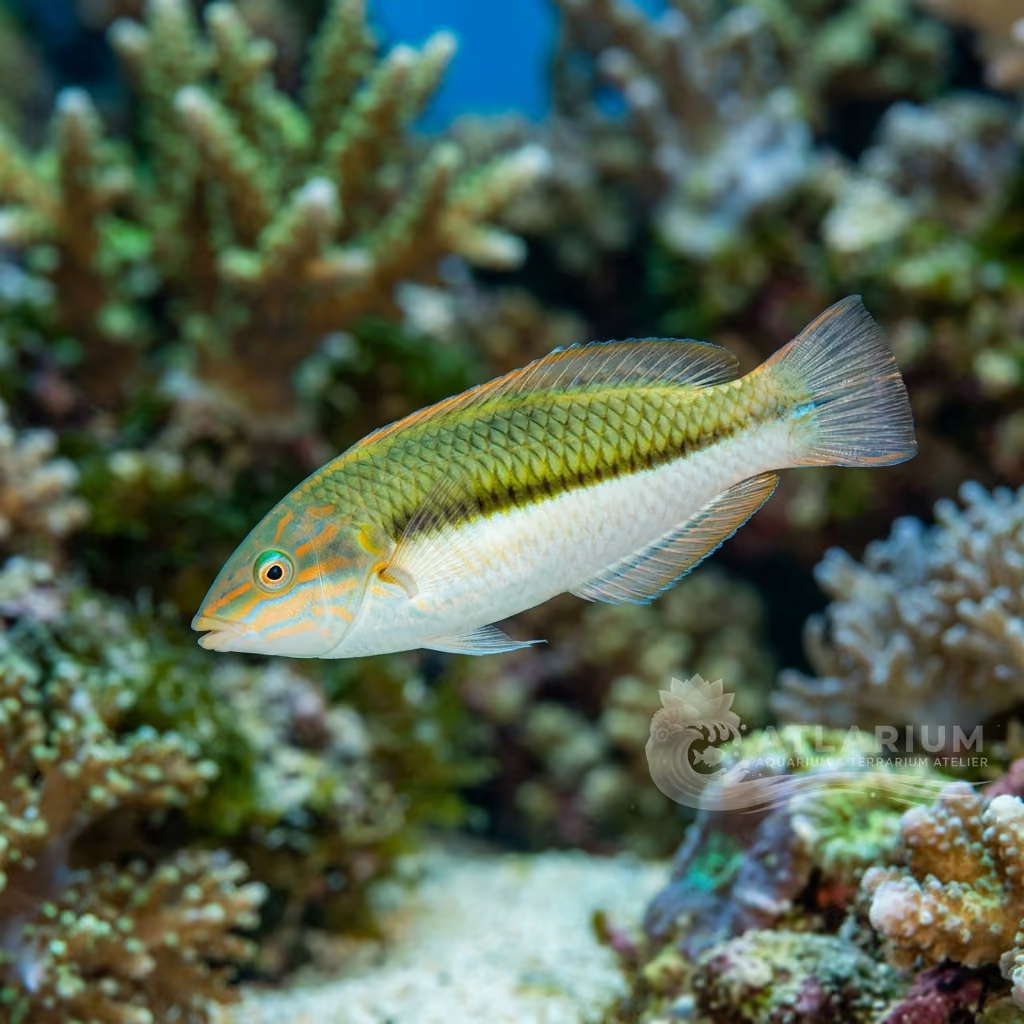
Endemic to Cocos Island, the Halichoeres adustus is a rare, dark-colored wrasse that actively hunts flatworms. It requires pristine water conditions and a deep sand bed to sleep and de-stress.
Water Temperature
23 - 28 °C
pH Value
8.1 - 8.4
Water type
Marine
Tank level
Bottom and middle
Adult size
12 cm
Minimum tank volume
>= 200 L
Minimum group
>= 1

Species description
Geographical Origin and Habitat: This species is endemic to the Eastern Pacific, specifically restricted to the waters around Cocos Island (Costa Rica). It prefers rocky volcanic reefs and wave-swept surge zones with high current.
Taxonomy and Morphology: Classified within the family Labridae under the genus Halichoeres. Possesses a moderately deep, elongated body with strong pharyngeal teeth. Adults grow to a maximum length of about 12 centimeters.
Social Behavior: Bold and active during the day. It demonstrates territorial tendencies toward similar wrasses and conspecifics. It sleeps buried in fine sandy substrates during the night.
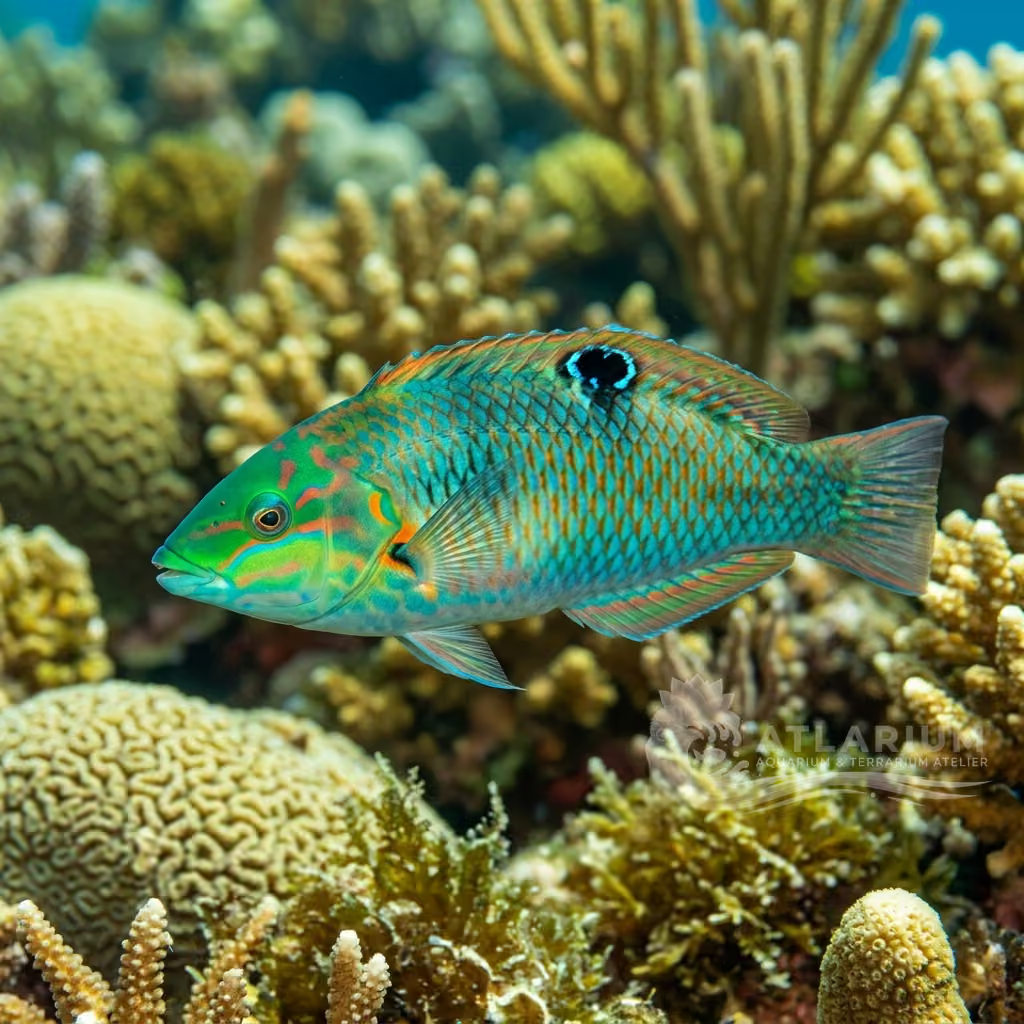
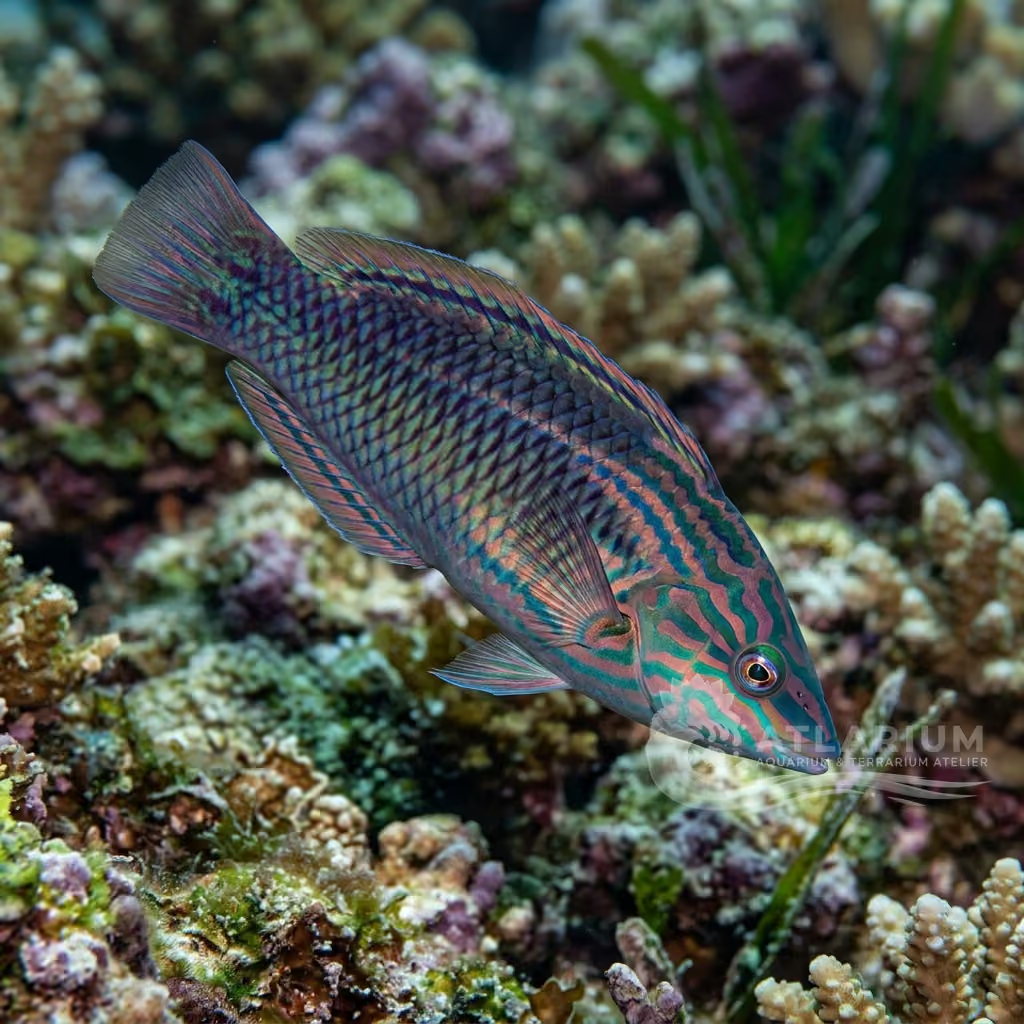
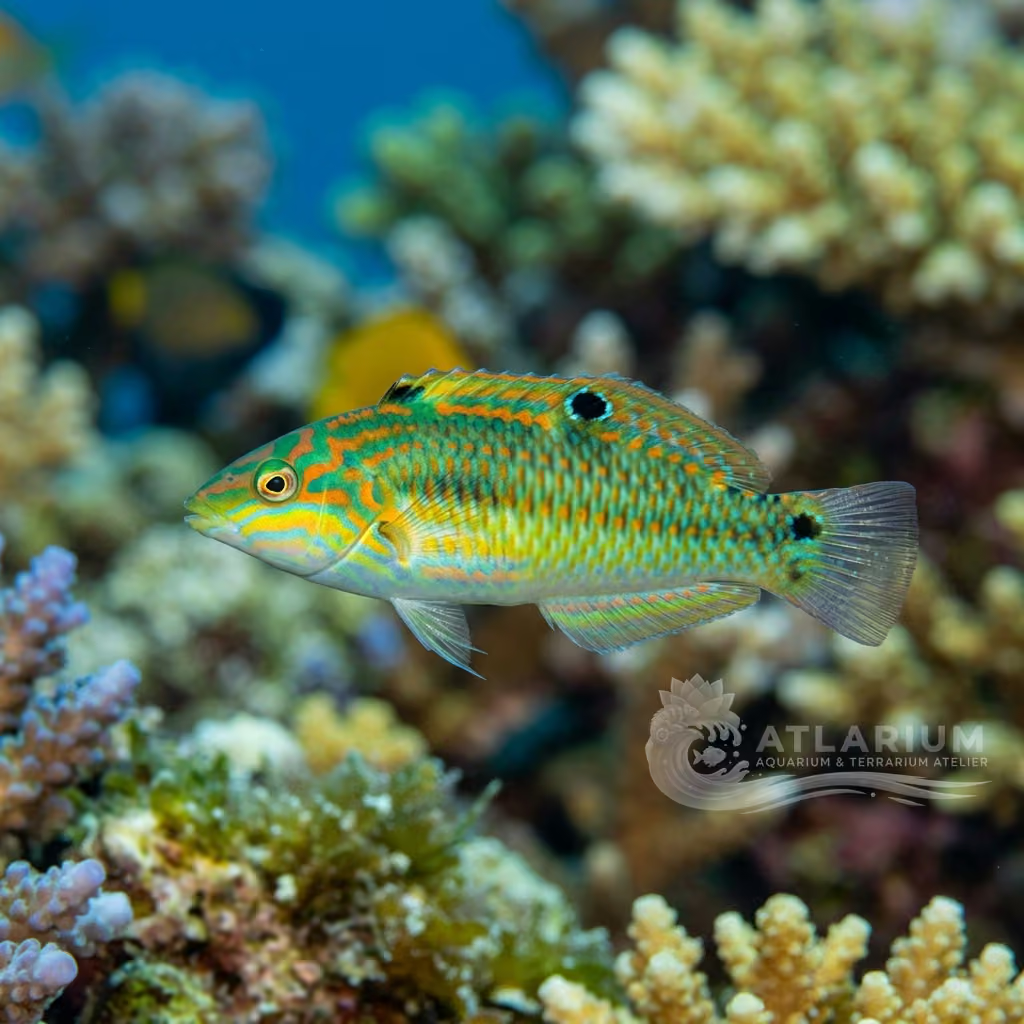
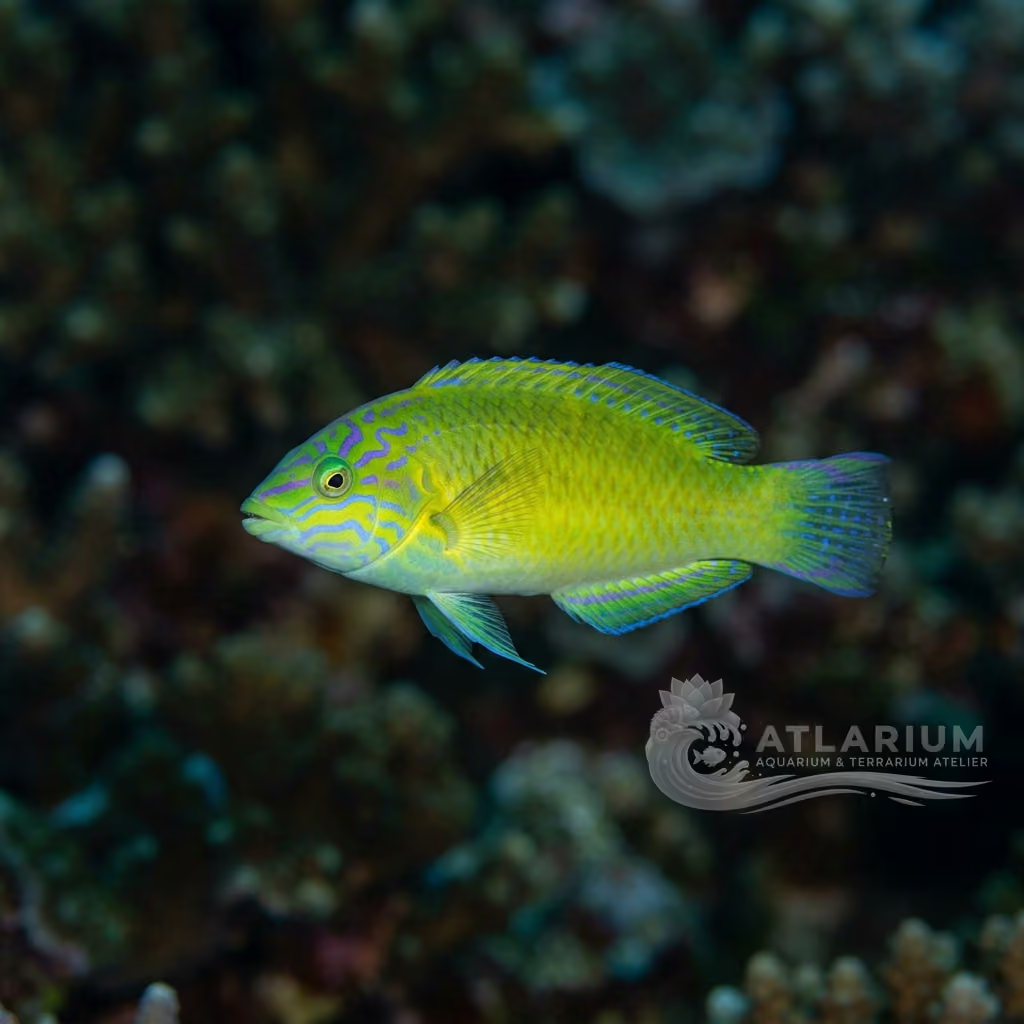
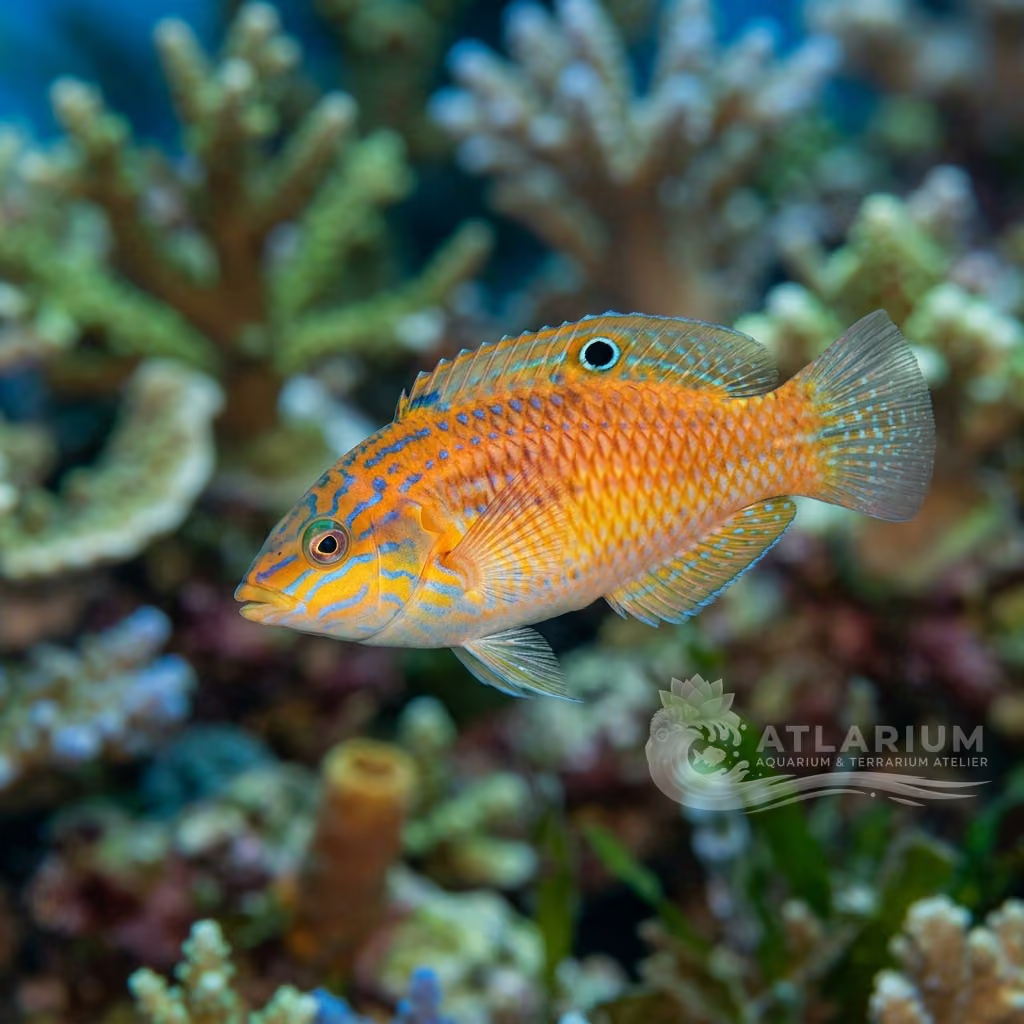
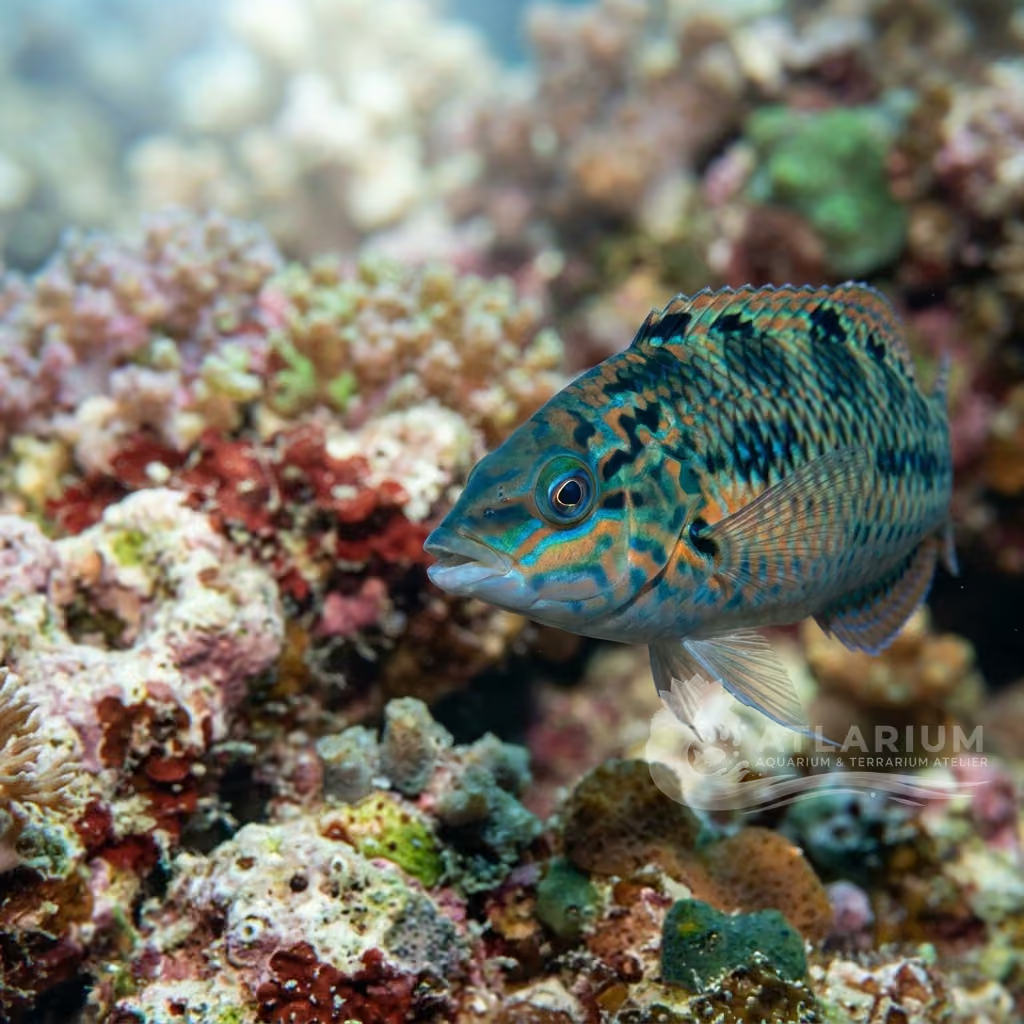
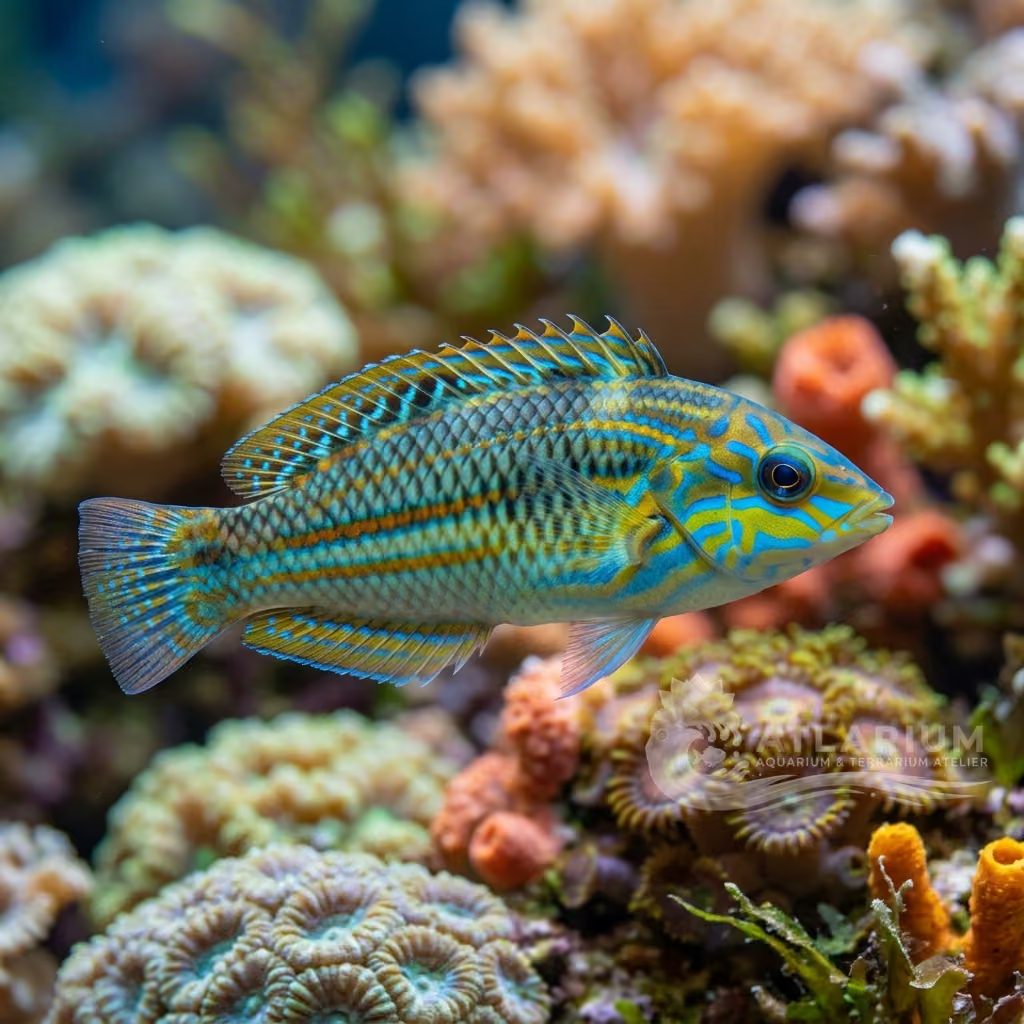
Coloration and Sexual Dimorphism: Adults display a dark brown to solid black coloration across the entire body and fins. Juveniles are lighter with faint longitudinal stripes. Sexual dimorphism is not highly distinct in adults.

Care, breeding and tankmates
Aquarium Setup: Requires a mature marine system of at least 300 liters. Recreate its rocky habitat with stable rocks and ensure a dedicated zone of fine, non-sharp sand at least 6-8 cm deep for burrowing.
Diet and Feeding: Strictly carnivorous. Provide a high-protein diet consisting of frozen mysis shrimp, brine shrimp, chopped clams, krill, and fish eggs. Feed multiple times daily to support its active metabolism.
Water Quality: Demands pristine water quality. Maintain temperature between 22.0 and 26.0 °C, pH from 8.1 to 8.4, and salinity at 1.020 to 1.025. Strong water currents simulated by wavemakers are beneficial.
Compatibility and Cohabitation: Keep with robust fish like larger wrasses, tangs, and damsels. It is not reef-safe with small crustaceans, crabs, or ornamental tube worms, which it will actively hunt.
Aquarium Breeding: Not recorded in home aquaria. Being a localized endemic species, its natural pelagic spawning cycle is extremely difficult to replicate in closed captive systems.
Risks and Diseases: The main risk is acclimation stress and refusal to feed initially. A tight-fitting lid is mandatory due to its jumping instincts. Lack of a sand bed will lead to stress-induced death.

Geographic origin and distribution
This species is endemic to the Eastern Pacific, specifically restricted to the waters around Cocos Island (Costa Rica). It prefers rocky volcanic reefs and wave-swept surge zones with high current.
Origin
Tropical oceans and reefsCentral America and CaribbeanSouth and Southeast Asia

Fish profile
- Temperament
- Territorial
- These wrasses are inquisitive, active, and generally peaceful community fish, although they can sometimes exhibit a semi-aggressive streak. They are constantly on the move, investigating crevices in the live rock for tiny morsels of food. While they do not usually bother corals directly, their constant picking behavior might accidentally irritate some sensitive polyps. Overall, they make a lively and entertaining addition to a moderately aggressive marine community tank.
- Diet
- Carnivore
- This species is strictly carnivorous in its dietary habits. Their diet should consist of a variety of meaty foods including frozen mysis shrimp, vitamin-enriched brine shrimp, and high-quality marine flakes or pellets. In the wild, they naturally prey on small benthic invertebrates found among the rocks. Offering multiple small meals a day helps mimic their natural foraging behavior.
- Life expectancy
- 5-7 years
- Adult size
- 12 cm
- Sex ratio
- Solitary
- Many species within this genus are protogynous hermaphrodites, meaning dominant females can transition into males if needed. It is usually best to keep them singly or as a single male with multiple females if the tank is exceptionally large. Keeping two males in the same tank will almost certainly result in constant territorial disputes and fighting. Observing their intricate social structure and potential color changes during transition is fascinating.
- Feeding frequency
- Twice daily
- Due to their highly active nature and high metabolisms, they require frequent feedings throughout the day. It is highly recommended to feed them at least two to three times daily. Providing smaller, more frequent meals is much better than offering one large meal. This feeding schedule ensures they maintain a healthy body weight and vibrant coloration.
- Bioload
- Medium
- The bioload produced by this fish is considered moderate. They are very active swimmers and consume a significant amount of food, producing a fair amount of waste in return. Regular water changes and strong biological filtration are necessary to maintain pristine water quality. Protein skimmers are highly recommended for marine setups housing these energetic wrasses.
- Flow
- Strong
- These fish thrive in aquariums with moderate to strong water flow throughout the tank. Good circulation closely mimics their natural reef environments and keeps them active and healthy. Powerheads should be strategically placed to create varied flow patterns mimicking ocean currents. However, ensure there are still some lower flow resting areas within the rockwork for them to retreat to.
- Jump risk
- Yes
- Wrasses in this genus are notorious jumpers, especially when startled, chased, or newly introduced to an aquarium. A tight-fitting lid or a fine mesh screen is absolutely mandatory to keep them safe. Many aquarists have unfortunately lost these beautiful fish due to open-top tanks or small gaps in the canopy. The jump risk remains exceptionally high throughout their entire lifespan in captivity.
- Reproduction
- Oviparous
- Breeding these wrasses in a home aquarium is extremely rare and very difficult to achieve. They are pelagic spawners, naturally releasing their eggs and sperm directly into the water column. The resulting larvae require specialized microscopic foods and undergo a long, vulnerable planktonic stage. Therefore, almost all specimens available in the aquarium trade are wild-caught rather than captive-bred.
- Compatibility & tankmates
- Community
- The Halichoeres adustus wrasses are generally peaceful but can be aggressive towards smaller invertebrates like ornamental shrimp and feather dusters. They are considered reef safe with caution, as they will hunt for small prey. They usually coexist well with other similarly sized, semi-aggressive fish but might bully much smaller, more docile species. It is crucial not to keep them with large, aggressive predators that might see them as a snack.
- Tank level
- Middle/Bottom
- They are highly active fish that will enthusiastically utilize all levels of the aquarium. However, they spend a significant amount of time hovering near the rockwork and sandy substrate actively looking for food. They require a deep sand bed of at least two to three inches to bury themselves in at night or when frightened. During the daytime, they will constantly patrol the middle and bottom sections of the tank.

Scientific Parameters & Models
FishBase
Window to the official scientific data of the species
FishBase v25.04Data synced on: 06/15/2026
- Trophic level
- 3.4 ± 0.5 se
- Resilience
- High (less than 15 months)
- Phylogenetic uniqueness (PD50)
- 0.5
- Bayesian Length-Weight
- a = 0.01, b = 3.09
- VulnerabilityLow vulnerability (10 / 100)

Related species
Recommendations grouped by close relatives, companion choices, and similar care.