Purple-spotted wrasse
Halichoeres leucurus
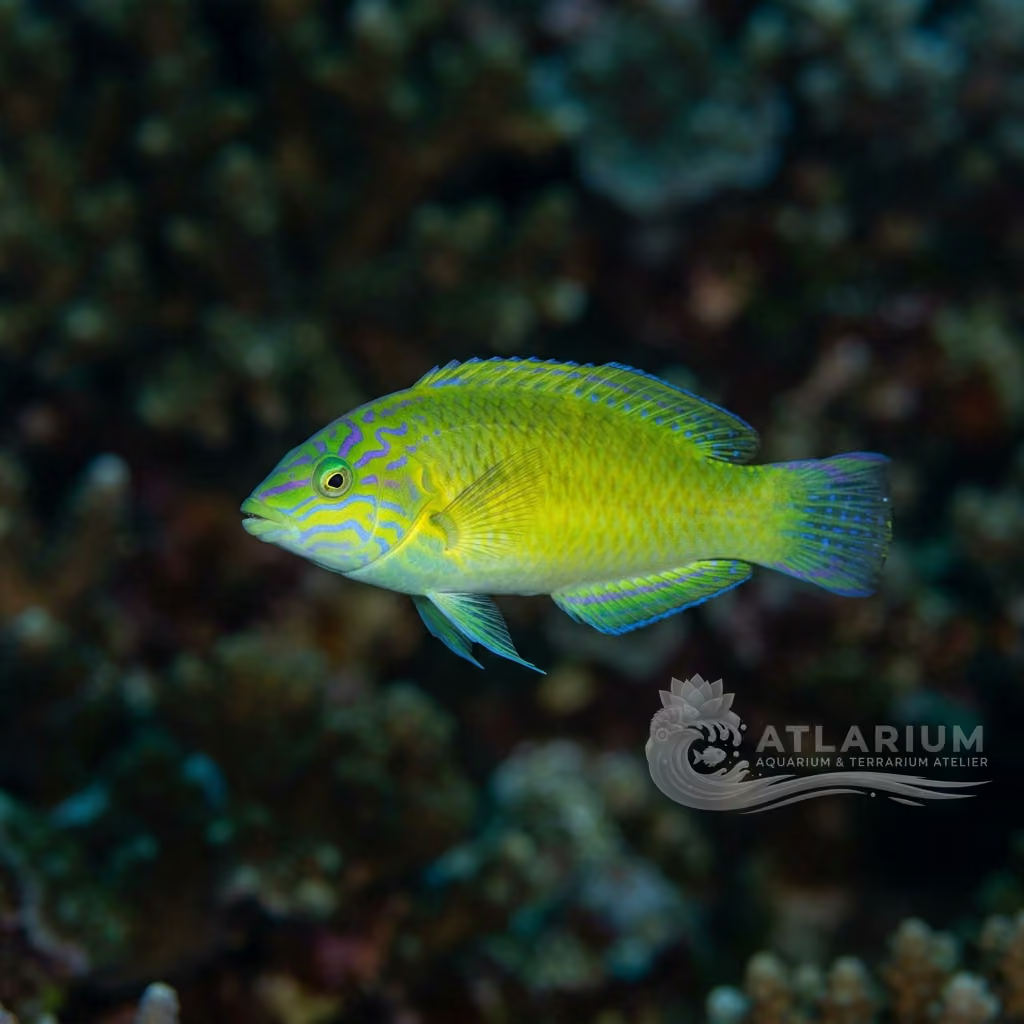
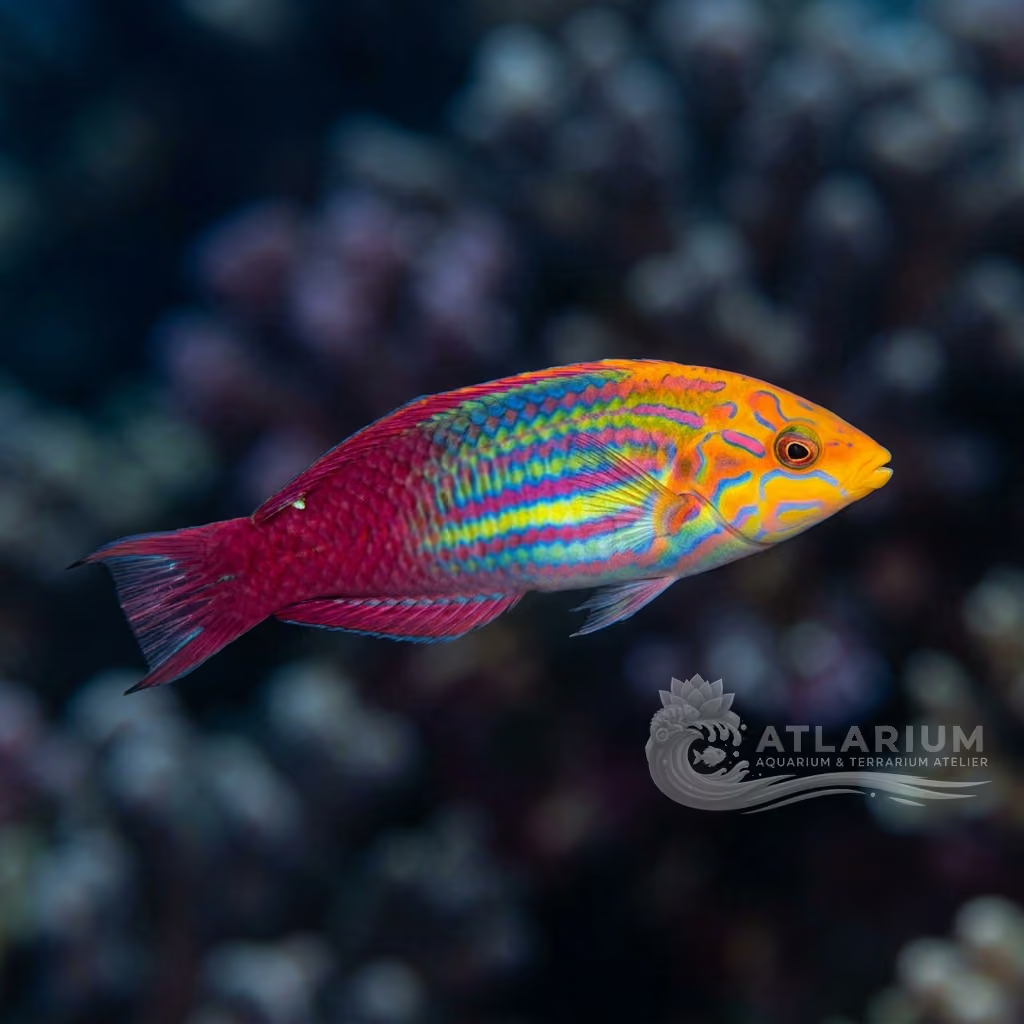
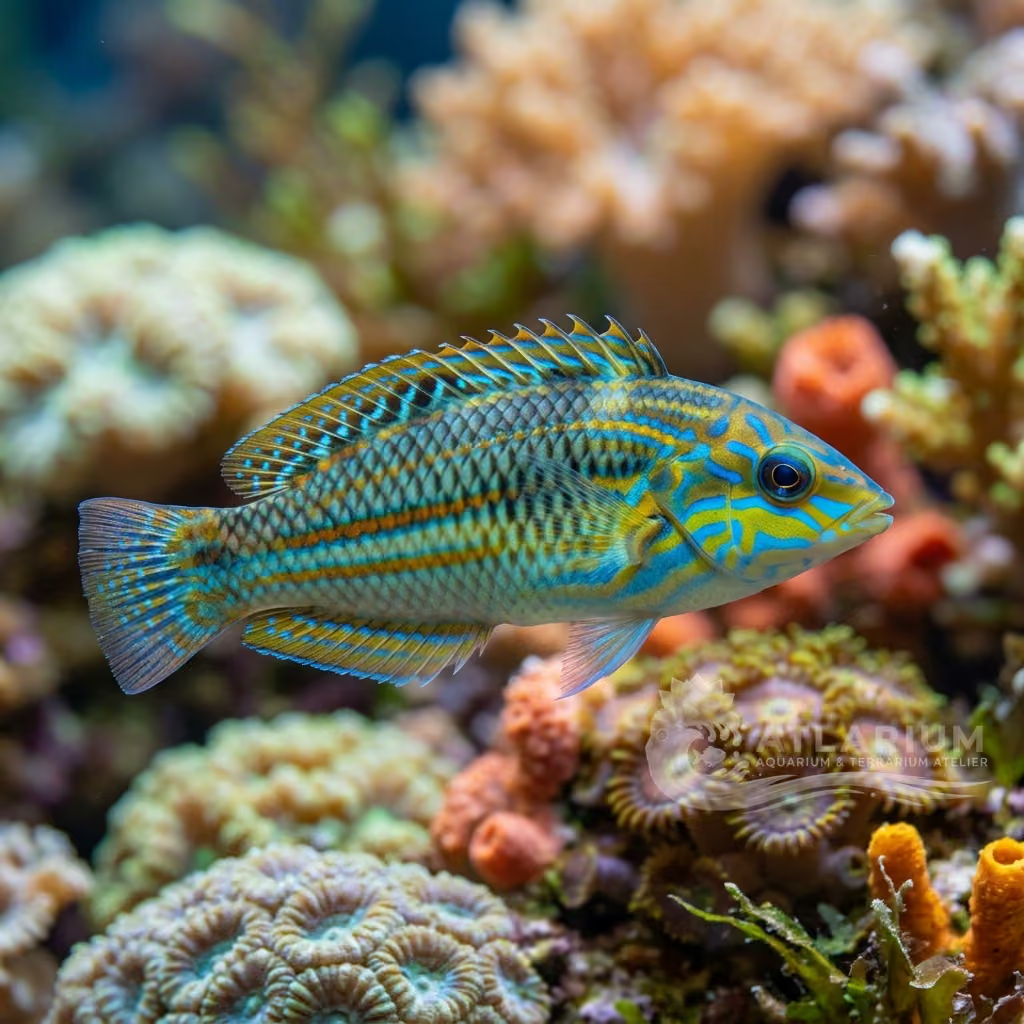
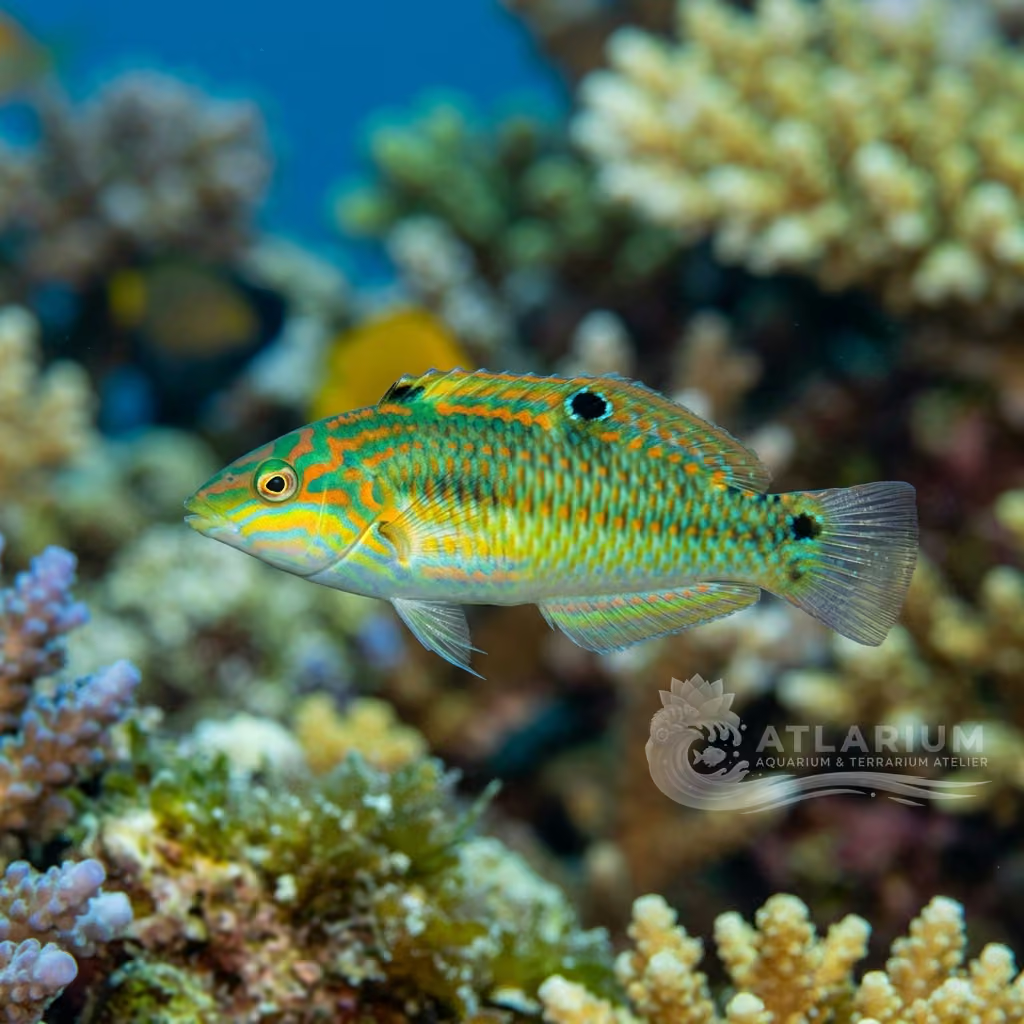
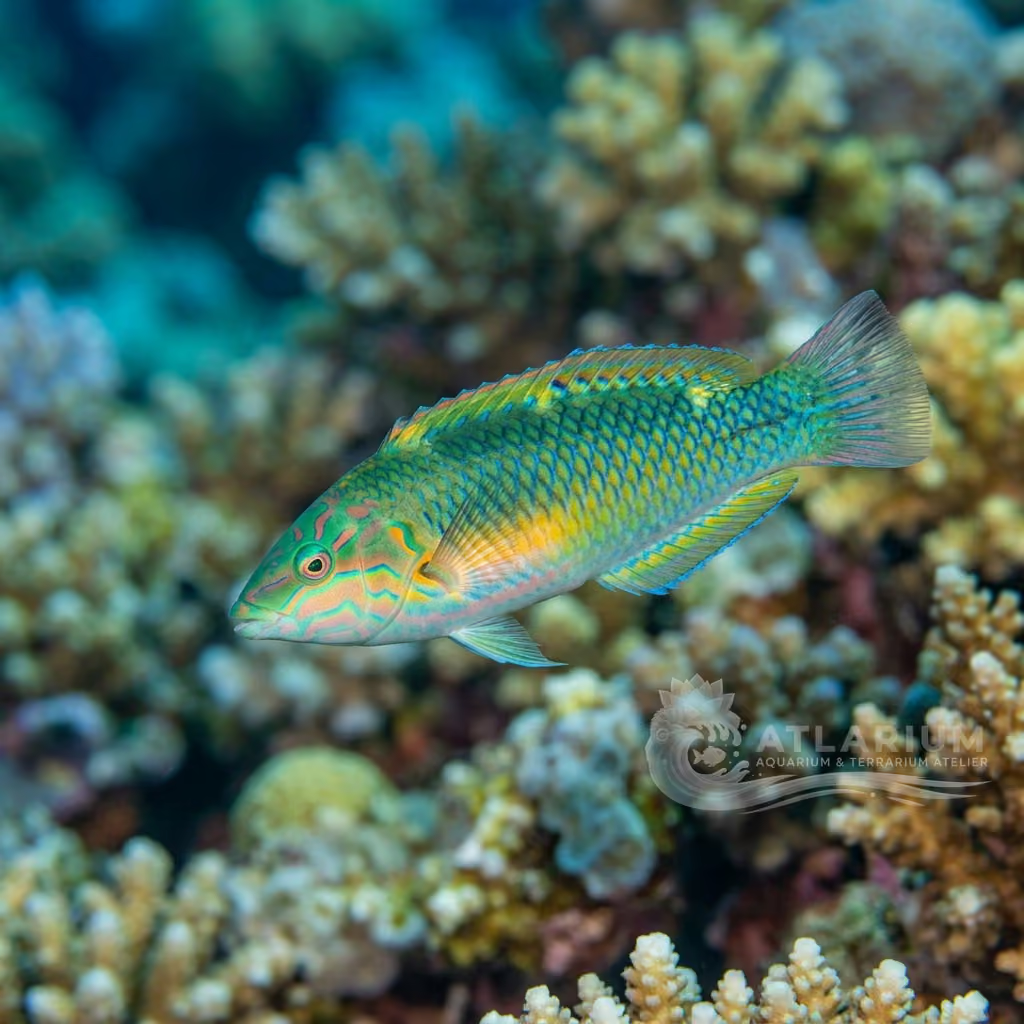
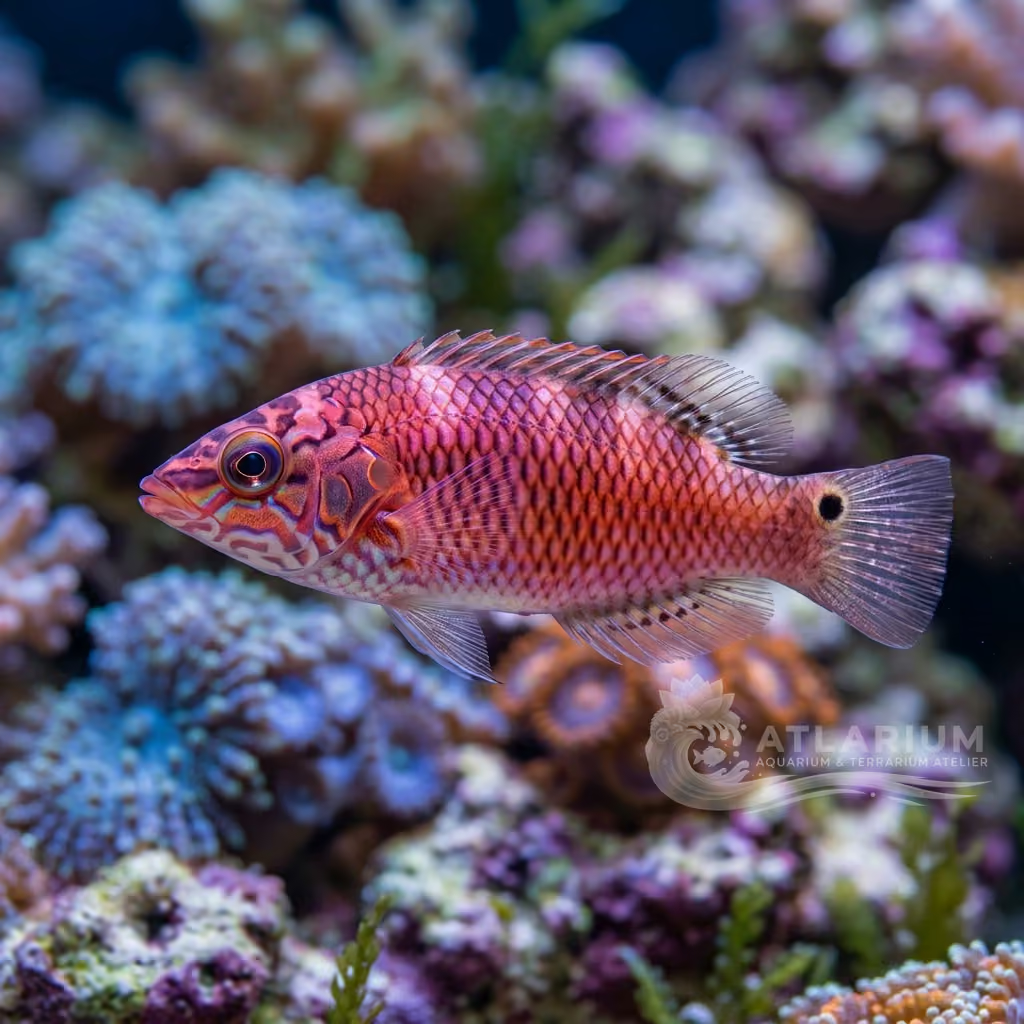
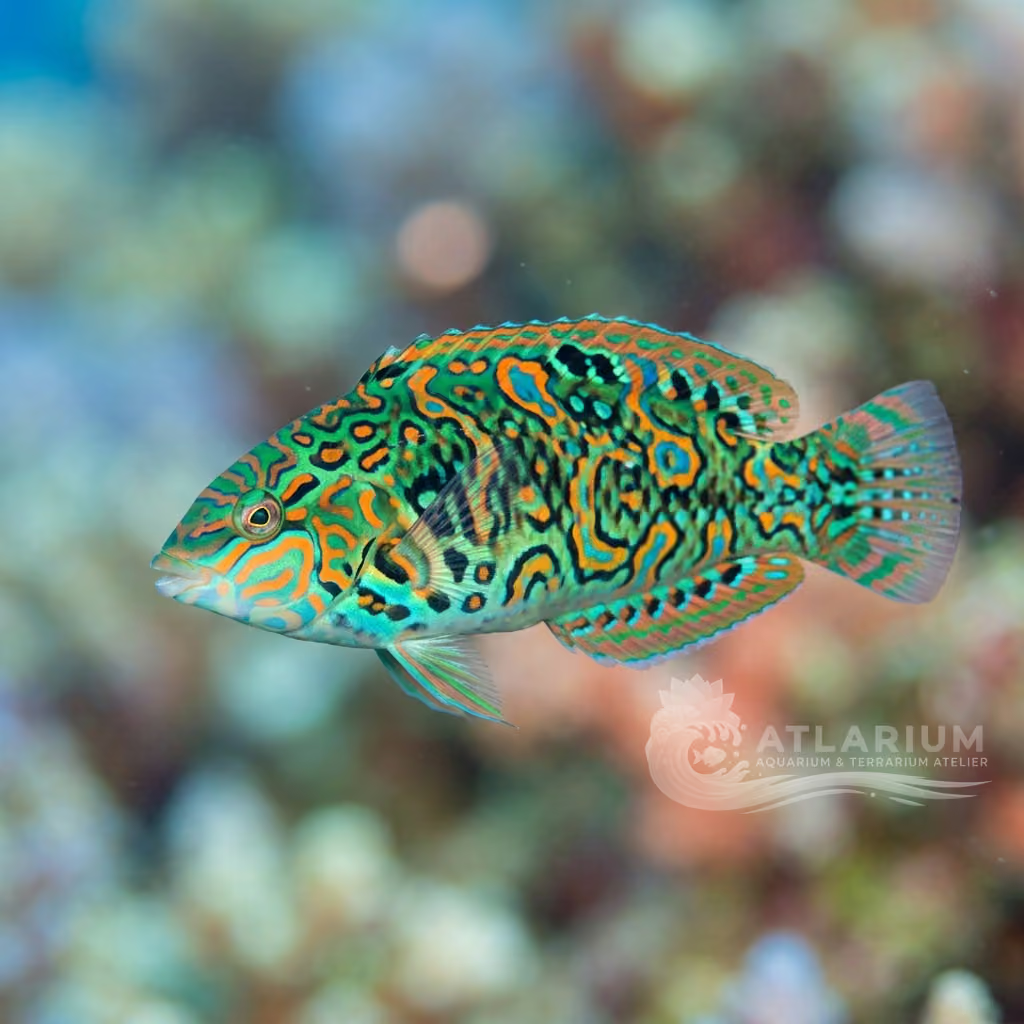
An energetic Indo-Pacific wrasse characterized by stunning purplish-green body hues and intricate facial markings, offering both beauty and peaceful activity to reefs.
Water Temperature
23 - 27 °C
pH Value
8.1 - 8.4
Water type
Marine
Tank level
Bottom
Adult size
13 cm
Minimum tank volume
>= 150 L
Minimum group
>= 1
KH
8 - 12 dKH

Species description
Geographical Origin and Habitat: Halichoeres purpurescens is native to the warm tropical waters of the Western Indo-Pacific, with populations commonly recorded along the coral reefs of Indonesia, the Philippines, and Papua New Guinea. It inhabits sheltered coastal lagoons, tidal flats, and outer reefs at depths between 2 and 20 meters, mainly frequenting sandy areas mixed with coral rubble and seagrass.
Taxonomy and Morphology: It belongs to the family Labridae, genus Halichoeres. It has a fusiform, slender body slightly compressed laterally, with a conical head equipped with small eyes and a terminal mouth armed with small sharp canines to capture benthic prey. The caudal fin is rounded or truncate in adults. The species reaches a maximum length of about 12-14 centimeters.
Social Behavior: It is an active and tireless species that constantly patrols the bottom and rocks searching for food during the day. It has a peaceful temperament and coexists well with most other species. It shows intraspecific territoriality, especially among adult males. As a protective behavior typical of the genus, it buries itself completely in the sand every evening to sleep or in case of danger.
Coloration and Sexual Dimorphism: The coloration of adults is complex: the body has greenish-olive or brown hues, embellished with purplish or pinkish reflections on the edges of the scales. Intricate pink-orange lines or bands bordered by blue shading are present on the head and fins. Adult males have much more saturated colors than females and juveniles, which show a lighter coloration.

Care, breeding and tankmates
Aquarium Setup: Requires an aquarium of at least 150-200 liters. It is of fundamental importance that the bottom of the aquarium is covered with a layer of at least 5-8 centimeters of fine and non-sharp sand (fine aragonite), indispensable to allow the fish to bury itself for the night. The decor must include live rock arranged to create open passages and shaded areas, leaving plenty of room for swimming.
Diet and Feeding: It is a carnivorous species with an active metabolism. In the wild, it feeds on small crustaceans, mollusks, polychaete worms, and other benthic invertebrates. In the aquarium, it must be fed two or three times a day with a varied diet based on frozen food such as mysis, brine shrimp, chopped krill, and shellfish meat. It also quickly accepts high-quality dry food in granules or flakes.
Water Quality: Water parameters must be maintained within the ideal range for marine aquariums: temperature between 24 and 27 °C, pH between 8.1 and 8.4, specific gravity between 1.020 and 1.025, and KH between 8 and 12. Filtration must be efficient to keep nitrogenous compounds as low as possible. Regular water changes and good movement promote the health of the fish.
Compatibility and Cohabitation: It is an excellent community aquarium fish, compatible with tangs, clownfish, gobies, and anthias. It is safe for corals, but is not completely reef safe towards small ornamental invertebrates: adult specimens may prey on small shrimps (such as cleaner shrimps), small hermit crabs, and small benthic snails, as well as tubeworms.
Aquarium Breeding: Breeding in captivity has not been documented to date in private aquariums. They are pelagic spawners: in the wild, they reproduce by releasing eggs and sperm into the open sea. The eggs float and follow ocean currents, giving rise to planktonic larvae that undergo a complex metamorphosis before settling on the bottom. Rearing the larvae requires specific infrastructures.
Risks and Diseases: The main risk in the aquarium is jumping out of the tank: the use of a lid or a protective net is mandatory. The absence of adequate sand causes severe stress and physical injuries to the snout when attempting to bury itself, exposing it to opportunistic bacterial infections. Otherwise, it is a robust fish that responds well to antiparasitic treatments if necessary.

Geographic origin and distribution
Halichoeres purpurescens is native to the warm tropical waters of the Western Indo-Pacific, with populations commonly recorded along the coral reefs of Indonesia, the Philippines, and Papua New Guinea. It inhabits sheltered coastal lagoons, tidal flats, and outer reefs at depths between 2 and 20 meters, mainly frequenting sandy areas mixed with coral rubble and seagrass.
Origin
Tropical oceans and reefsAfrica and MadagascarSouth and Southeast AsiaAustralia, New Guinea, and Oceania

Fish profile
- Temperament
- Semi-aggressive
- This fish boasts a curious and active temperament, constantly exploring its environment. While mostly peaceful toward dissimilar species, it can occasionally harass smaller benthic invertebrates. Its constant movement adds a dynamic and engaging element to the reef display.
- Diet
- Carnivore
- As an active carnivore, it spends much of its day foraging for small invertebrates in the substrate. Its diet in captivity should include a variety of meaty foods such as mysis shrimp, vitamin-enriched brine shrimp, and high-quality marine pellets. Feeding multiple times a day is crucial to support its high metabolic rate.
- Life expectancy
- 5-8 years
- Adult size
- 13 cm
- Sex ratio
- Solitary
- It is generally best to keep a single specimen unless the tank is exceptionally large. Keeping multiple males will almost certainly lead to severe aggression and stress. If attempting a harem, one male should be kept with several females introduced simultaneously.
- Feeding frequency
- Twice daily
- Due to their active nature, they require feeding at least two to three times daily. Providing frequent, smaller meals helps mimic their natural grazing habits on the reef. Consistent feeding also curtails aggressive tendencies towards tank mates by keeping them satiated.
- Bioload
- Medium
- This wrasse produces a moderate amount of waste relative to its size. A well-established filtration system is recommended to keep nutrient levels in check. Regular protein skimming and routine water changes will help maintain the pristine water conditions this species requires.
- Flow
- Strong
- This wrasse thrives in aquariums with moderate to strong water flow. Good circulation not only mimics the dynamic reef environments they originate from, but also helps keep detritus suspended for filtration. They utilize the current to actively swim and forage along the rockwork.
- Jump risk
- Yes
- Like most wrasses, this species is highly prone to jumping when startled or during aggressive encounters. A tightly fitted lid or a fine mesh cover is absolutely necessary to prevent them from escaping the aquarium. Open-top tanks are strongly discouraged for housing this fish.
- Reproduction
- Oviparous
- Breeding this species in a home aquarium is exceptionally difficult due to their pelagic spawning habits. In the wild, they release their gametes into the water column during elaborate courtship displays. The resulting larvae require specialized planktonic diets that are hard to replicate in captivity.
- Compatibility & tankmates
- Reef safe with caution
- It is generally peaceful but can exhibit territorial behavior towards smaller or similarly shaped wrasses. This species is mostly reef safe, though larger individuals may prey on small ornamental crustaceans and snails. It is best housed with moderately assertive tank mates that will not easily be bullied.
- Tank level
- Bottom
- They are predominantly found in the middle to lower regions of the aquarium. They constantly patrol the substrate and lower rockwork in search of food. At night or when frightened, they require a deep sand bed to bury themselves for protection and sleep.

Scientific Parameters & Models
FishBase
Window to the official scientific data of the species
FishBase v25.04Data synced on: 06/15/2026
- Trophic level
- 3.5 ± 0.37 se
- Resilience
- High (less than 15 months)
- Phylogenetic uniqueness (PD50)
- 0.5
- Bayesian Length-Weight
- a = 0.01, b = 3.09
- VulnerabilityLow vulnerability (10 / 100)

Related species
Recommendations grouped by close relatives, companion choices, and similar care.