Green Wrasse
Halichoeres chloropterus
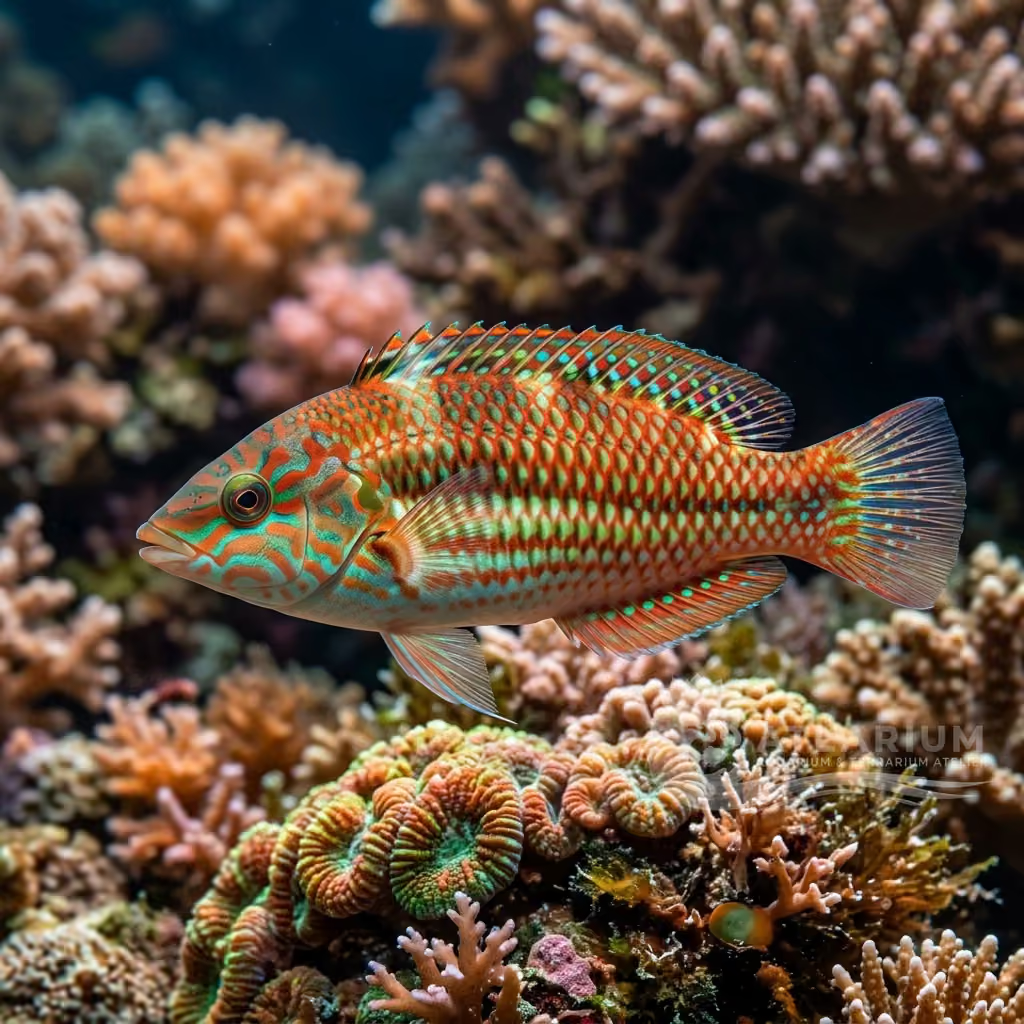
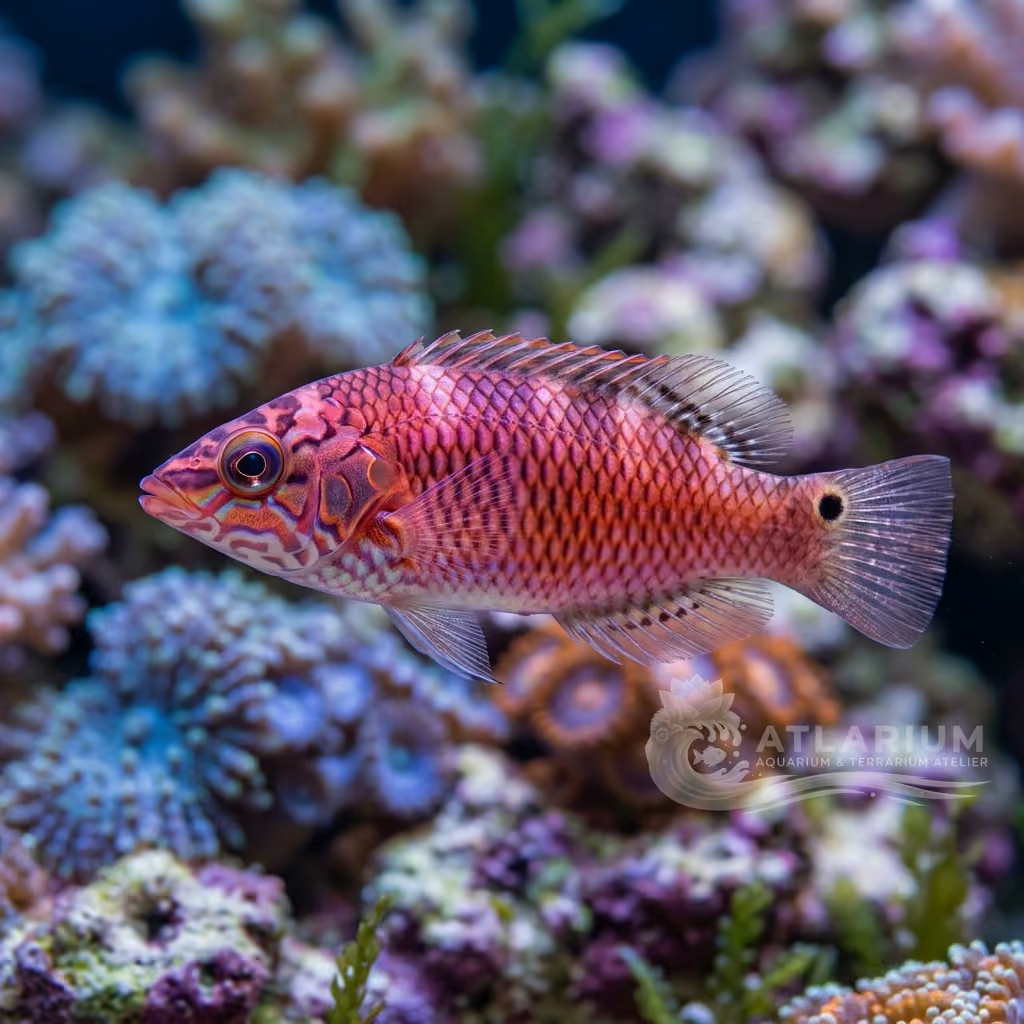
The Pastel Green Wrasse is a robust, highly active fish that assumes a solid pastel-green hue as an adult male. It demands a large covered tank with a deep fine sand bed and preys on benthic pests.
Water Temperature
24 - 27 °C
pH Value
8.1 - 8.4
Water type
Marine
Tank level
Bottom and middle
Adult size
19 cm
Minimum tank volume
>= 300 L
Minimum group
>= 1
KH
8 - 12 dKH

Species description
Geographical Origin and Habitat: Distributed in the central Indo-Pacific, including reefs of Thailand, the Philippines, Indonesia, and northern Australia. Inhabits coral-rich lagoons and mixed sand and rubble zones.
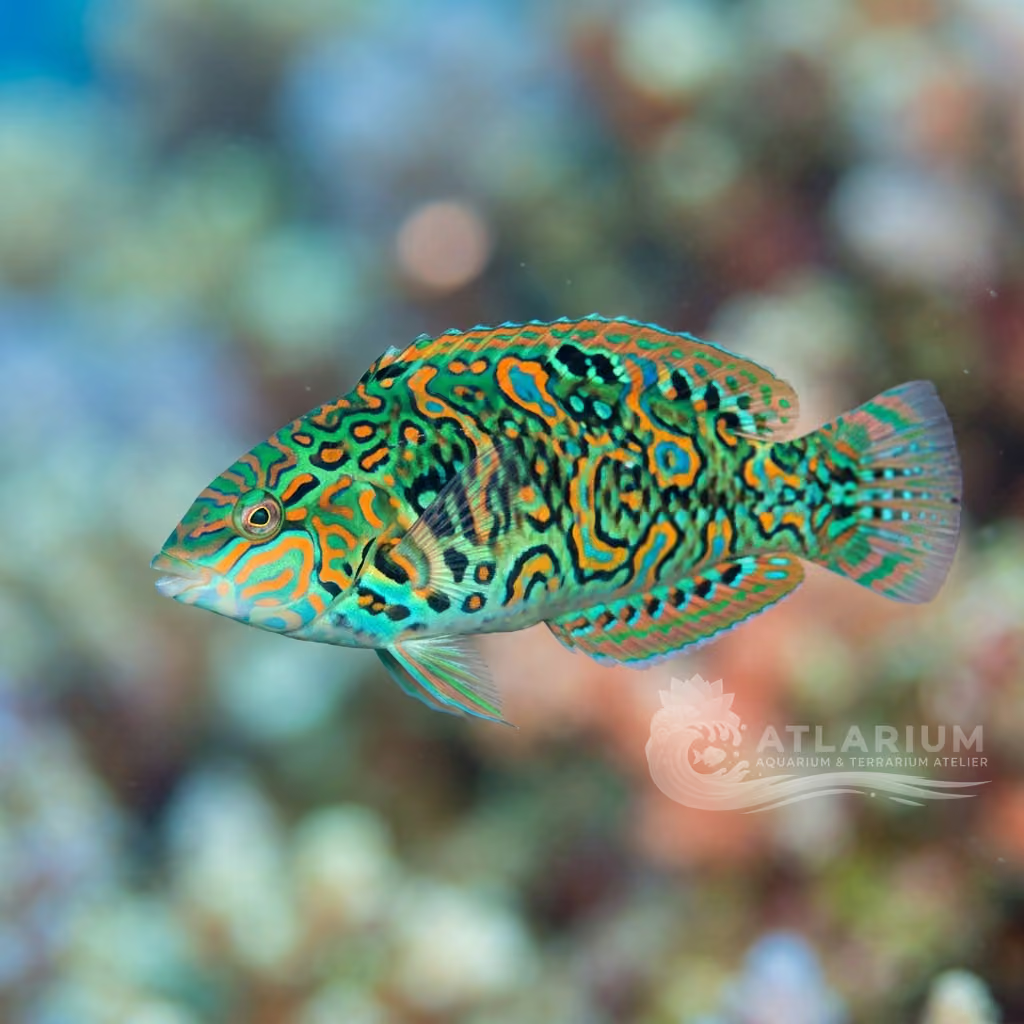
Taxonomy and Morphology: Belongs to the family Labridae. The body is robust and compressed, growing up to 19 cm (7.5 inches). Juveniles look significantly different in both body shape and color patterns compared to adults.
Social Behavior: Highly active swimmer. Adult specimens develop a more assertive and territorial temperament. Like other Halichoeres, they bury themselves in the sand bed to sleep.
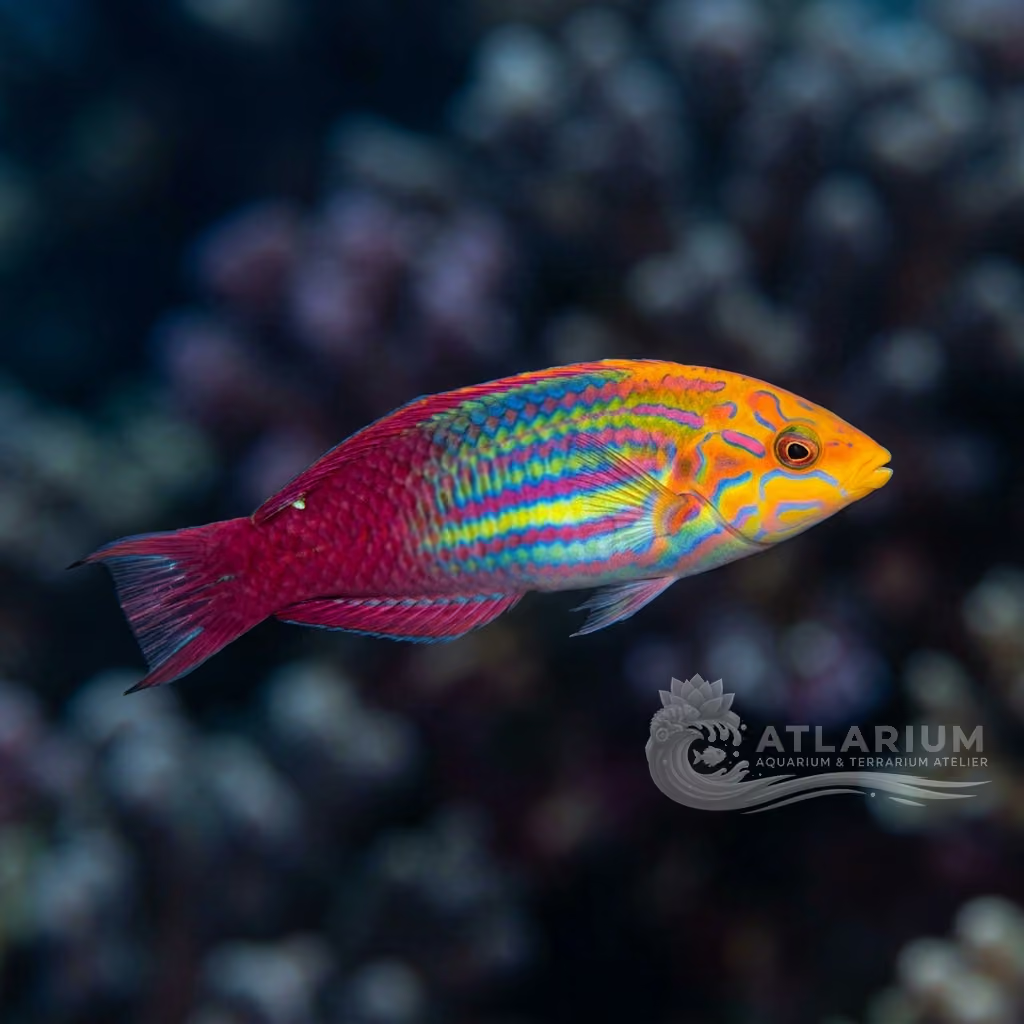
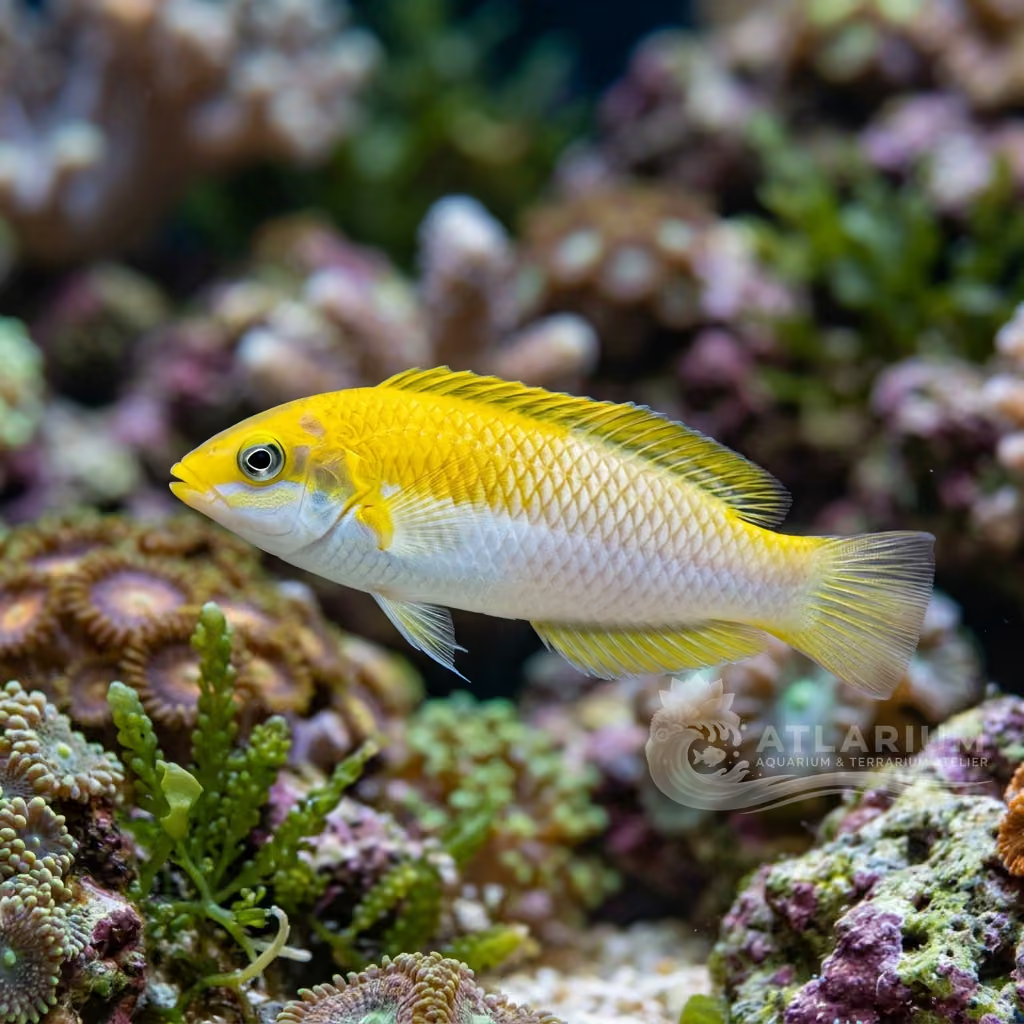
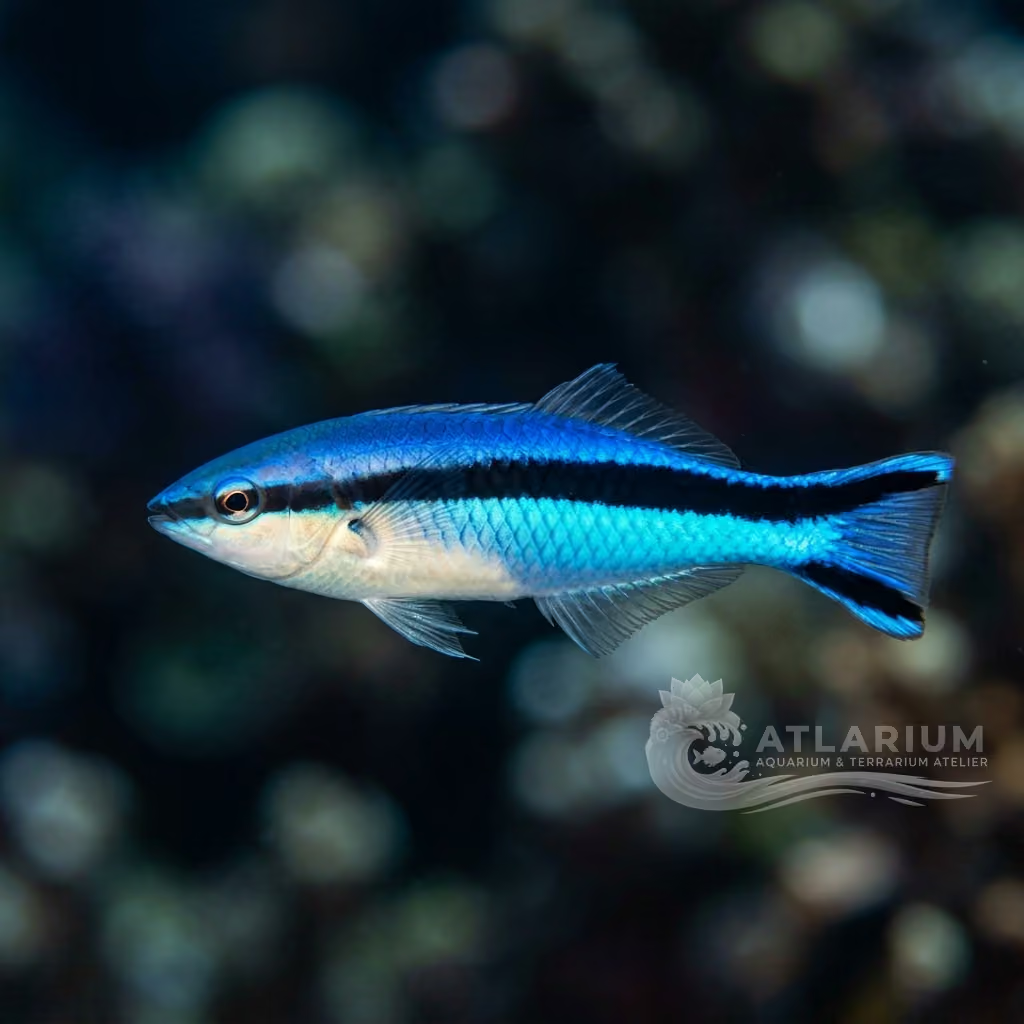
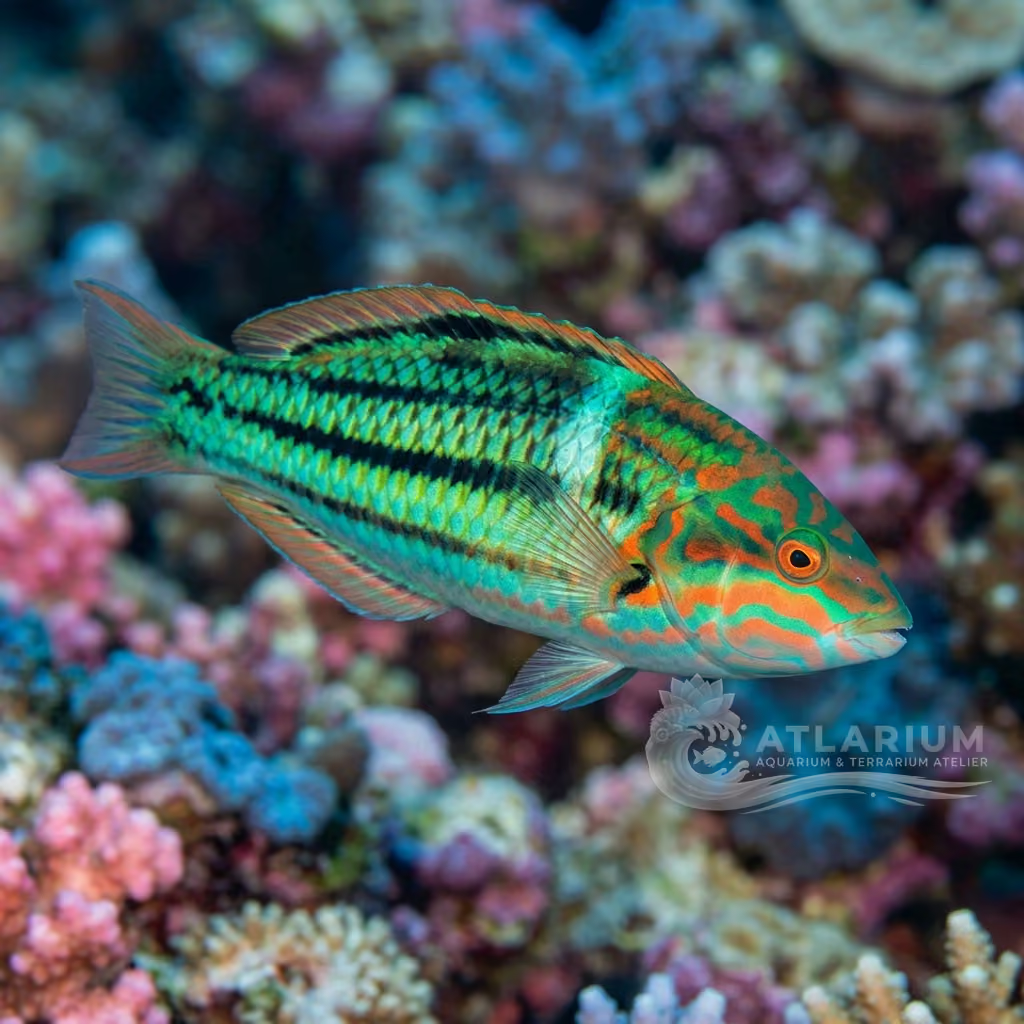
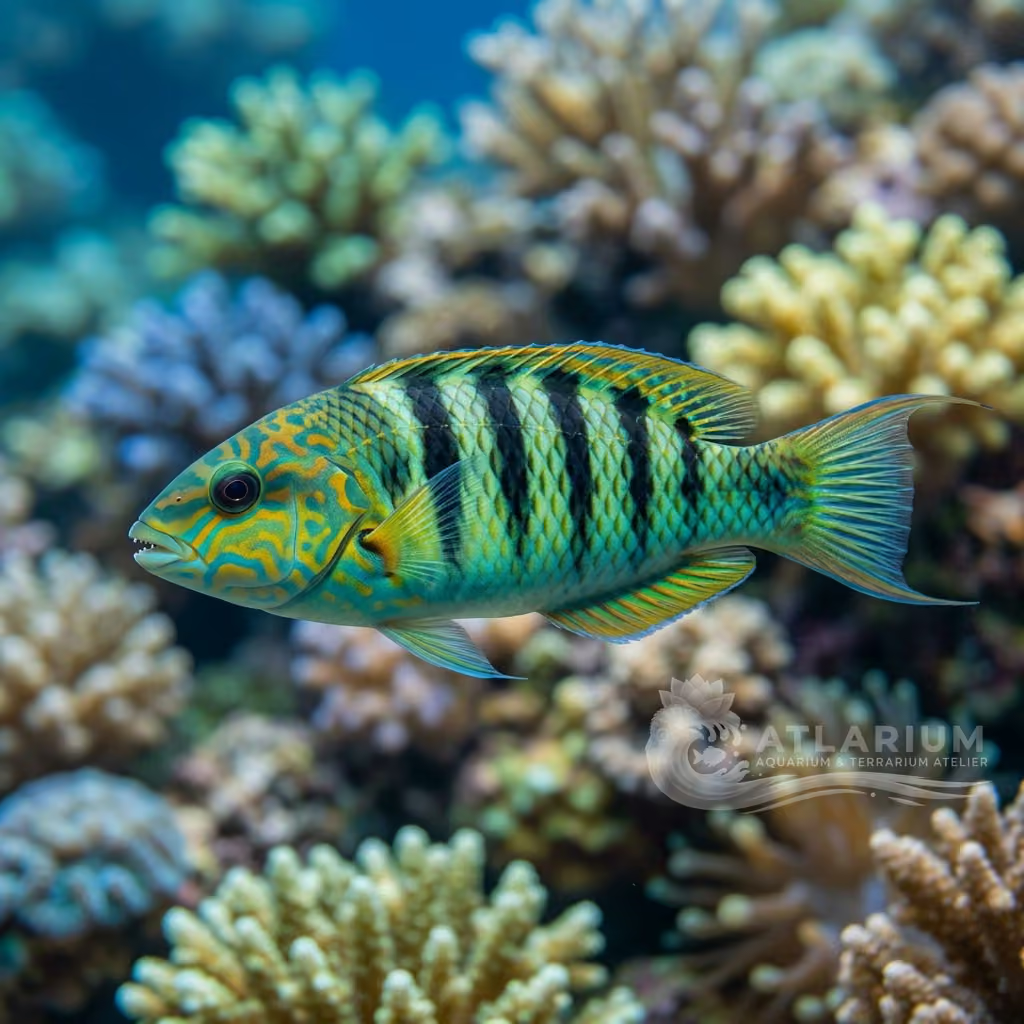
Coloration and Sexual Dimorphism: Juveniles display dark horizontal stripes on a light green background. Adult males assume a beautiful, solid pastel-green color with pinkish marks on the face and dark speckles near the dorsal area.

Care, breeding and tankmates
Aquarium Setup: Requires a large aquarium of at least 300 liters. A sand bed of fine sand (7-10 cm / 3-4 inches deep) is mandatory for sleeping. The tank must be fully covered to avoid jumping accidents.
Diet and Feeding: Carnivorous. Naturally preys on shrimp, crabs, snails, and benthic worms. Provide a variety of frozen foods (mysis, krill, chopped table shrimp) and protein-rich pellets.
Water Quality: Maintain stable reef parameters: temperature 24-27°C (75-81°F), pH 8.1-8.4, specific gravity 1.022-1.025, GH 15-25, and KH 8-12.
Compatibility and Cohabitation: Safe with corals, but NOT reef-safe with small invertebrates. It will eat ornamental shrimp, hermit crabs, small crabs, and snails as it matures.
Aquarium Breeding: Unsuccessful in home aquaria due to their pelagic spawning nature and the difficult larval rearing process.
Risks and Diseases: May develop skin infections if kept in systems with coarse substrate. Highly robust but prone to common marine parasites if stressed.

Geographic origin and distribution
Distributed in the central Indo-Pacific, including reefs of Thailand, the Philippines, Indonesia, and northern Australia. Inhabits coral-rich lagoons and mixed sand and rubble zones.
Origin
Tropical oceans and reefsSouth and Southeast AsiaAustralia, New Guinea, and Oceania

Fish profile
- Temperament
- Semi-aggressive
- The Pastel Green Wrasse is a constantly active, inquisitive, and generally bold fish that provides a blur of motion in the aquarium. They are always on the hunt, meticulously examining every crevice and turning over small rubble in search of prey. While they are peaceful toward larger fish, they can be a terror to small invertebrates and other wrasses. They are not shy and will often learn to recognize the aquarist, eagerly begging for food at the front of the glass. Their hardiness, utility as pest controllers, and vibrant color make them a highly desirable, albeit energetic, pet.
- Diet
- Carnivore
- In their natural habitat, they are tireless hunters that feed on a variety of small crustaceans, mollusks, and worms hidden in the sand and rockwork. In the home aquarium, they should be offered a varied diet of meaty frozen foods, including mysis shrimp, brine shrimp, chopped krill, and clam meat. Once fully acclimated, they are generally not picky and will readily accept high-quality marine flakes and sinking pellets. To ensure their pastel green coloration remains vibrant, their diet should occasionally be supplemented with vitamin-enriched foods. Their constant foraging helps keep the rockwork free of nuisance pests.
- Life expectancy
- 5-7 years
- Adult size
- 19 cm
- Sex ratio
- Solitary
- Like many wrasses, they are protogynous hermaphrodites, meaning all individuals begin life as females and the most dominant fish can transition into a male. Males are often larger and display more intense, intricate facial markings compared to the uniformly green females. In the confines of a home aquarium, it is highly recommended to keep only a single specimen. Keeping two males will result in fierce, often fatal fighting, and even keeping a male-female pair requires a massive aquarium to diffuse aggression. A single Pastel Green Wrasse will live happily and make a beautiful centerpiece.
- Feeding frequency
- 2-3 times daily
- Because of their rapid metabolism and constant swimming, they should be fed two to three times a day to maintain optimal health and body mass. Offering smaller, more frequent meals is far better than a single large feeding, as it closely mimics their natural continuous foraging behavior. They are very aggressive eaters and will quickly dart to the surface to consume food, potentially outcompeting slower tank mates. It is important to broadcast the food to ensure all fish get a chance to eat. Any uneaten food should be carefully monitored to prevent water quality issues.
- Bioload
- Medium
- The Pastel Green Wrasse produces a moderate bioload that is proportional to its highly active, fast-swimming lifestyle and voracious appetite. They require frequent, protein-rich feedings, which naturally leads to a higher output of dissolved and solid waste compared to more sedentary fish. An efficient protein skimmer and a well-established biological filtration system are necessary to maintain pristine water conditions. Regular water changes are critical, as they do not tolerate high levels of nitrates or deteriorating water quality well. Proper filtration ensures the health of both the wrasse and the sensitive invertebrates in the system.
- Flow
- Strong
- The Pastel Green Wrasse naturally inhabits shallow reef areas and lagoons where water movement is dynamic and constantly changing. They prefer an aquarium with moderate to strong water flow, which helps oxygenate the water and keeps them highly active. Strong currents also help suspend detritus, allowing the filtration system to remove it efficiently, which benefits the entire tank. While they enjoy strong flow, they also appreciate areas of calmer water behind the aquascape where they can navigate without excessive effort. Proper surface agitation is essential to maintain high dissolved oxygen levels.
- Jump risk
- Yes
- This species poses an exceptionally high jump risk, as do almost all members of the wrasse family. When startled by aggressive tank mates, sudden changes in lighting, or movement outside the tank, their immediate instinct is to launch themselves upward. A perfectly fitted, fully secured mesh lid or canopy is an absolute necessity; an open-top tank will inevitably result in the fish jumping onto the floor. They are incredibly agile and can find surprisingly small gaps around equipment and plumbing. Securing the tank completely is the most important step in keeping this species.
- Reproduction
- Oviparous
- Breeding the Pastel Green Wrasse in captivity is exceedingly rare and generally impossible for the average home aquarist. They are pelagic spawners that require large vertical water columns to perform their mating rituals and release gametes. The fertilized eggs become part of the oceanic plankton, hatching into microscopic larvae that drift for weeks before settling on the reef. The specific planktonic foods, spatial requirements, and environmental cues necessary for larval survival are beyond the scope of current home aquarium capabilities. Consequently, all specimens in the hobby are sourced from wild populations.
- Compatibility & tankmates
- Reef safe with caution
- This wrasse is generally peaceful toward dissimilar fish and can be an excellent addition to a large community reef tank. However, they are highly predatory toward small benthic invertebrates; ornamental shrimp, small crabs, and feather dusters will likely be consumed. They are notoriously aggressive toward other wrasses, particularly those in the same genus or fish with similar body shapes and colors. They can be safely kept with tangs, angelfish, and larger clownfish that occupy different ecological niches. They are considered highly effective at controlling flatworm and bristle worm populations, making them excellent utility fish.
- Tank level
- Middle/Bottom
- They are highly active fish that utilize the entire water column, spending their days constantly darting between the rocks and the open water. A deep, soft sand bed of at least two to three inches is an absolute, non-negotiable requirement for this species. They dive into the sand to sleep every night and use it as an immediate refuge if they feel threatened or startled. Attempting to keep them in a bare-bottom tank or a tank with crushed coral will result in severe stress, physical injury, and likely death. They need plenty of open swimming space alongside a complex rock structure.

Scientific Parameters & Models
FishBase
Window to the official scientific data of the species
FishBase v25.04Data synced on: 06/15/2026
- Trophic level
- 3.4 ± 0.4 se
- Resilience
- Medium (1.4 - 4.4 years)
- Phylogenetic uniqueness (PD50)
- 0.5
- Bayesian Length-Weight
- a = 0.00741, b = 3.02
- VulnerabilityLow vulnerability (13 / 100)

Related species
Recommendations grouped by close relatives, companion choices, and similar care.