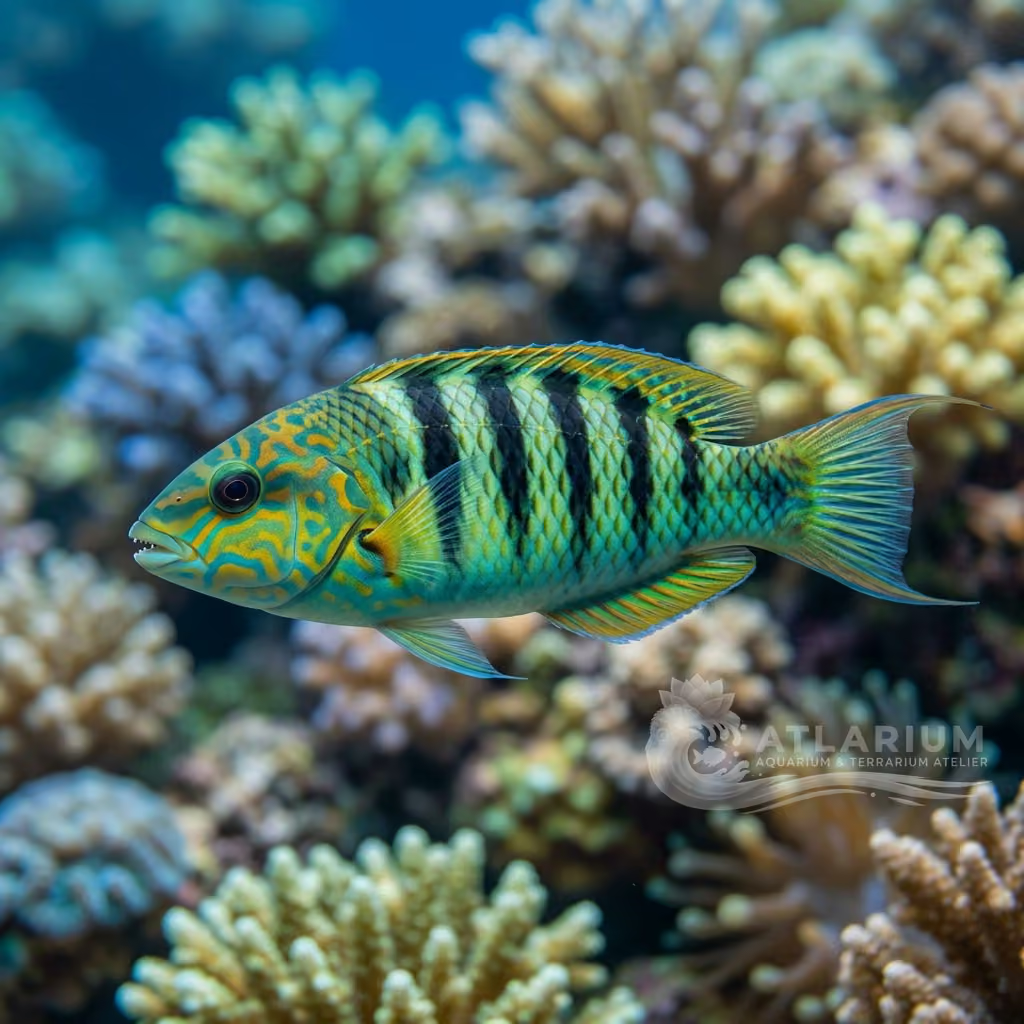
Checkerboard Wrasse
Halichoeres hortulanus
The Checkerboard Wrasse is a large, active Indo-Pacific predator. Best suited for massive tanks, it strictly requires a deep bed of fine sand to bury itself and robust tankmates to prevent aggression.
Water Temperature
24 - 27 °C
pH Value
8.1 - 8.4
Water type
Marine
Tank level
Bottom and middle
Adult size
27 cm
Minimum tank volume
>= 500 L
Minimum group
>= 1
KH
8 - 12 dKH

Species description
Geographical Origin and Habitat: Widespread throughout the Indo-Pacific, from the Red Sea and East Africa to the Tuamotu Islands, north to southern Japan. Found on outer reef slopes and sandy lagoons down to 30 meters.
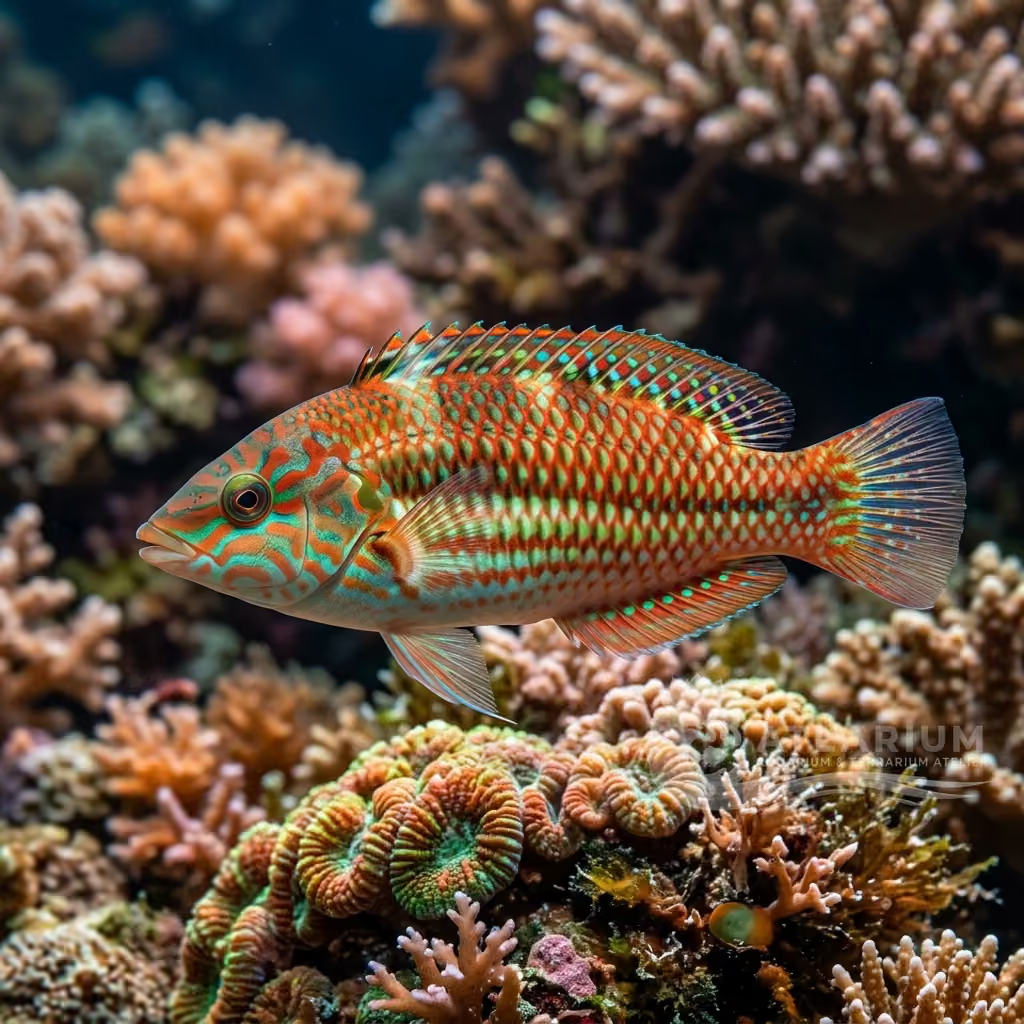
Taxonomy and Morphology: Belongs to the genus Halichoeres. Grows to a large size for a wrasse, reaching up to 27 cm (10.6 inches). Features an elongated, powerful body with protruding canine-like teeth used for crushing shells.
Social Behavior: Bold and constantly active. Adults are territorial towards other wrasses and will frequently flip rubble or loose corals in search of prey.
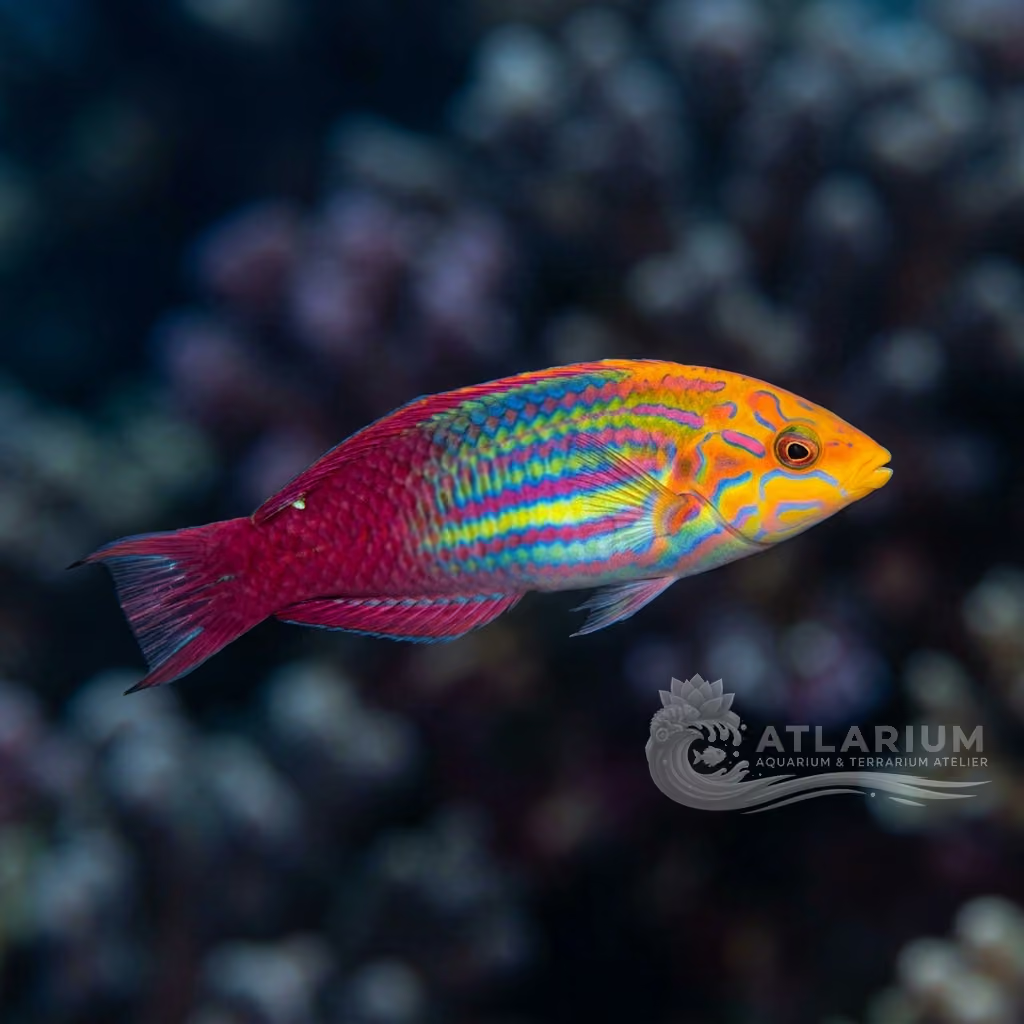
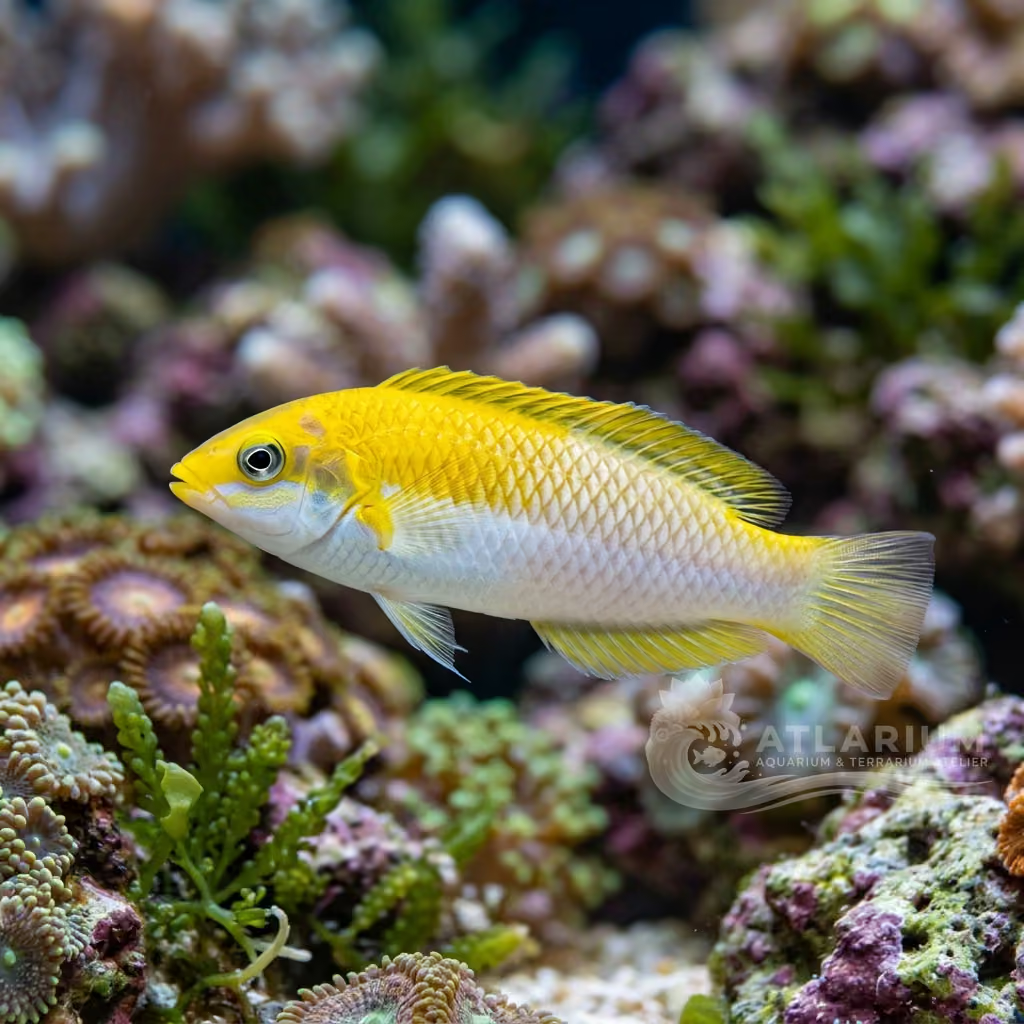
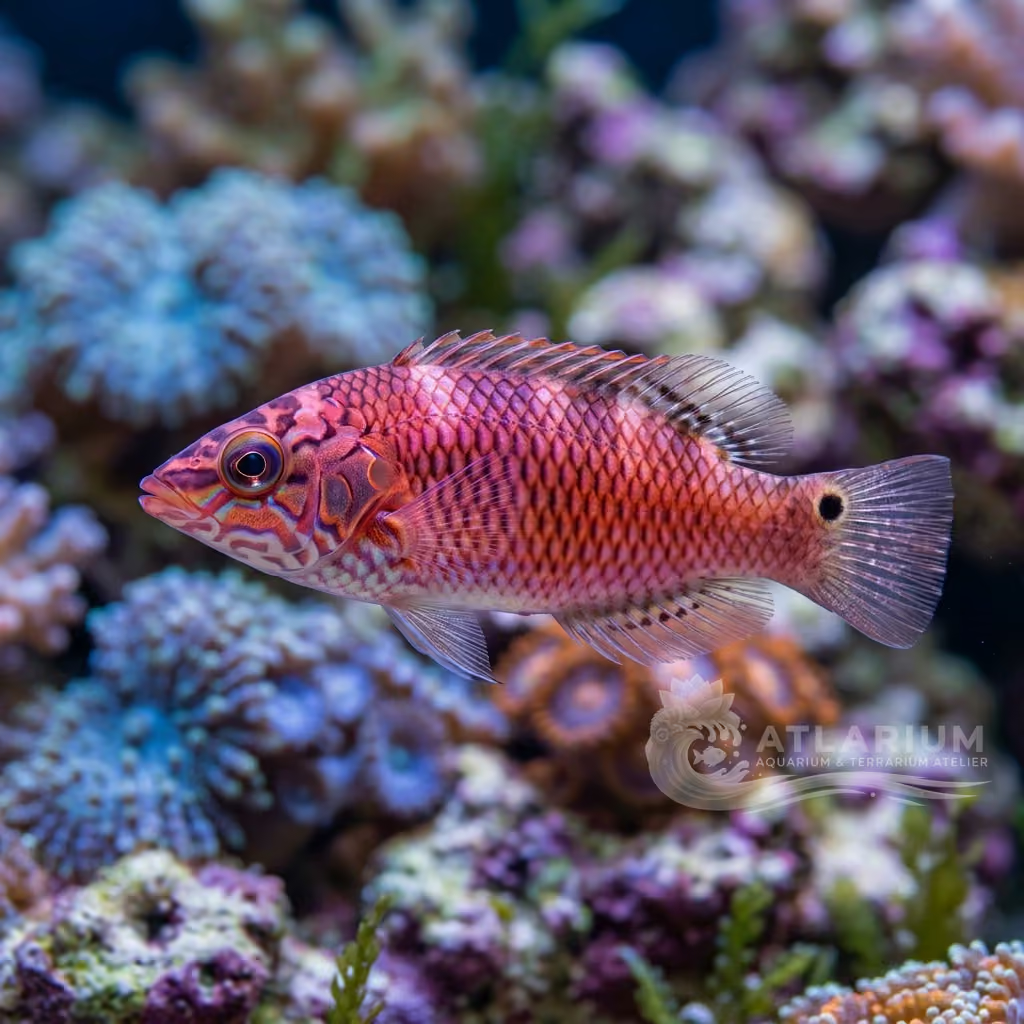
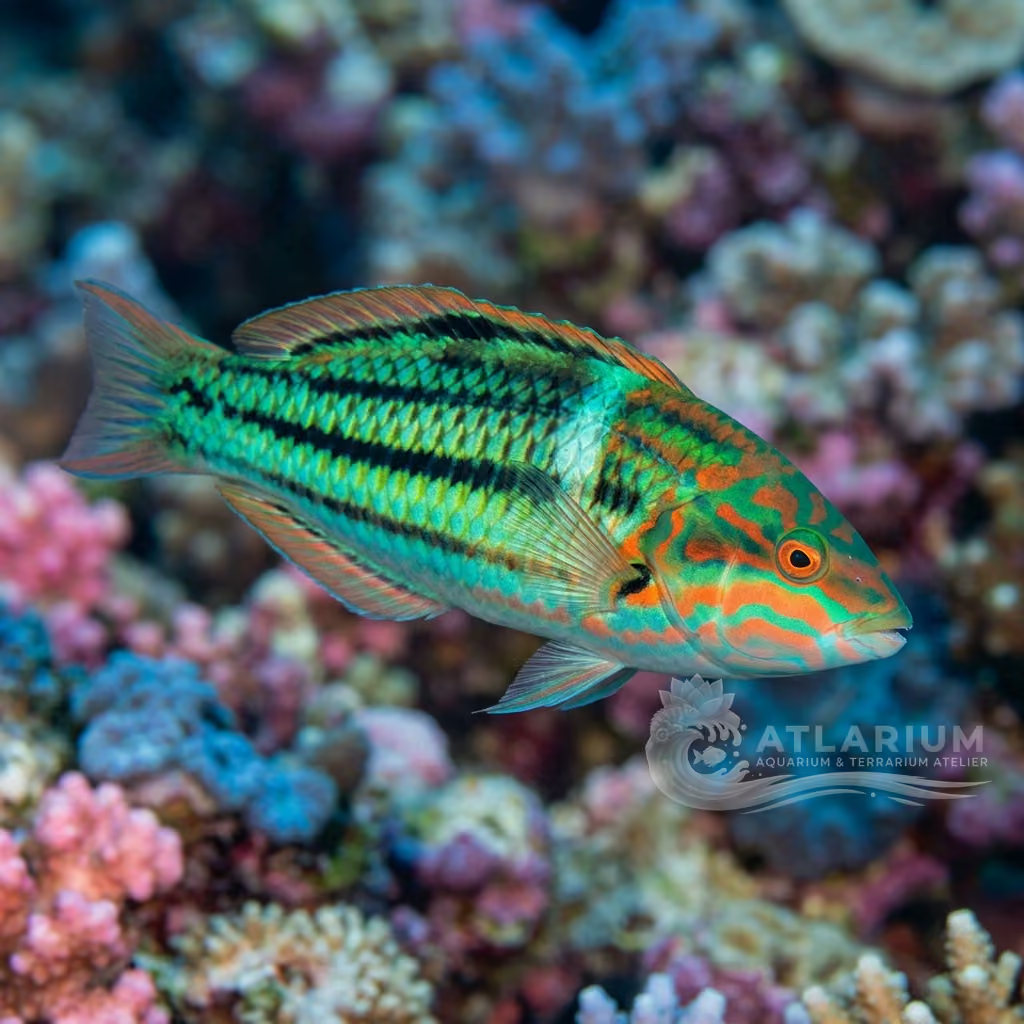
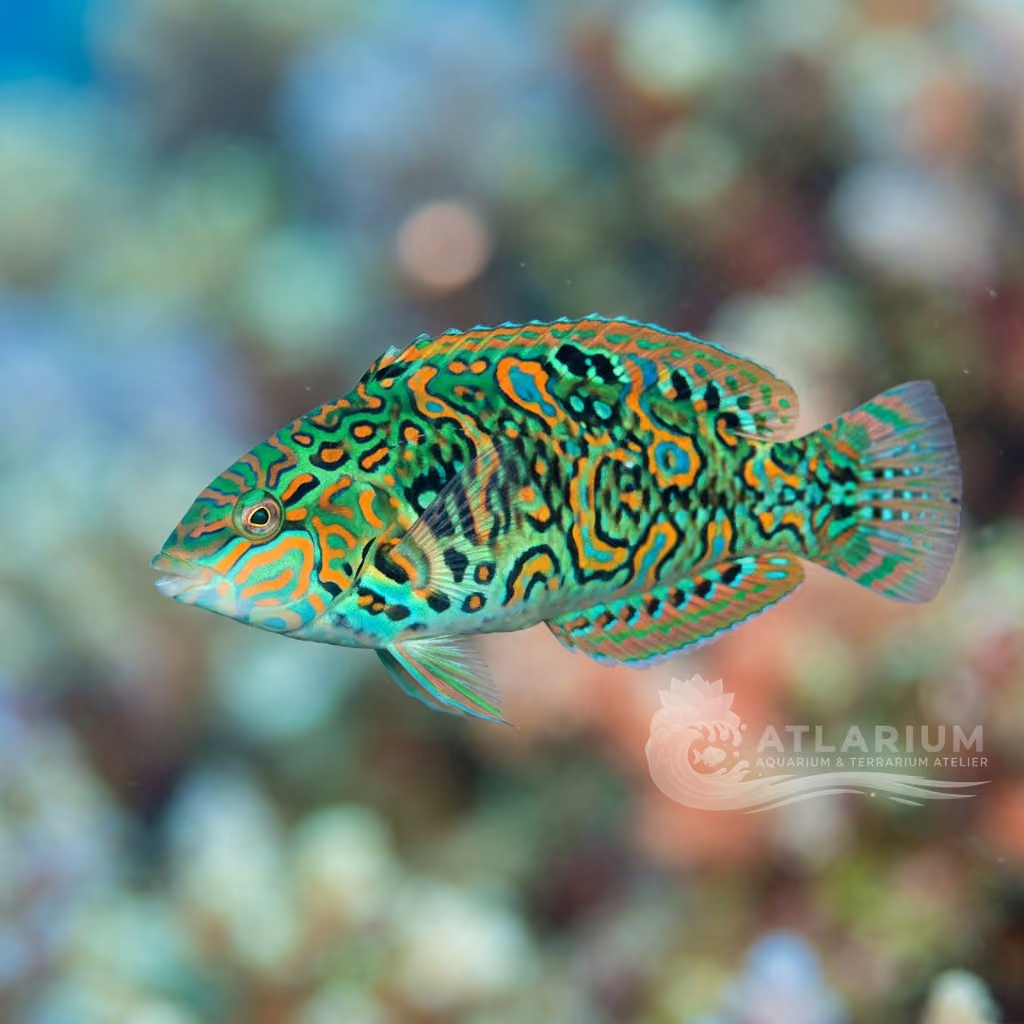
Coloration and Sexual Dimorphism: Livery features a white or silvery background covered with a dense network of black spots, creating a checkerboard pattern. Adult males display bright yellow patches on the back and green-pink facial stripes.

Care, breeding and tankmates
Aquarium Setup: Requires a very large aquarium of at least 500 liters to accommodate its size and active swimming. A thick bed of fine sand (at least 10 cm / 4 inches deep) is mandatory. Cover the tank securely.
Diet and Feeding: Carnivorous. Naturally feeds on hard-shelled prey: snails, hermit crabs, crabs, shrimp, and urchins. Feed chopped clams, whole shrimp with shells, krill, and large high-quality pellets.
Water Quality: Demands stable parameters: temperature 24-27°C (75-81°F), pH 8.1-8.4, specific gravity 1.022-1.025, GH 15-25, and KH 8-12. Strong biological filtration is necessary.
Compatibility and Cohabitation: Not suitable for reef aquariums with prized ornamental shrimp, snails, or crabs. Compatible with fish of similar size and robust temperament.
Aquarium Breeding: Unreported in home aquaria due to the large vertical swimming room required for pelagic spawning.
Risks and Diseases: Can physical damage loose corals when searching for food. Subject to stress-related ailments if kept without an appropriate deep sand bed.

Geographic origin and distribution
Widespread throughout the Indo-Pacific, from the Red Sea and East Africa to the Tuamotu Islands, north to southern Japan. Found on outer reef slopes and sandy lagoons down to 30 meters.
Origin
Tropical oceans and reefsAfrica and MadagascarEast Asia

Fish profile
- Temperament
- Semi-aggressive
- The Checkerboard Wrasse is a bold, energetic, and inquisitive fish that provides constant, dramatic movement in a large aquarium. They are industrious hunters, constantly turning over small rubble and inspecting crevices for potential prey, making them excellent, albeit destructive, pest controllers. As they mature, their peaceful juvenile nature can shift to a more boisterous and slightly aggressive demeanor, especially toward smaller tank mates. They are completely unafraid of the aquarist and will actively beg for food at the glass. They are a hardy, resilient species, provided their demanding spatial and dietary requirements are fully met.
- Diet
- Carnivore
- In the wild, they are industrious predators that feed on a wide variety of hard-shelled crustaceans, mollusks, and worms hidden in the sand and reef. In captivity, they must be provided with a varied, meaty diet to maintain their health, size, and stunning coloration. Offerings should include large, high-quality frozen foods like mysis shrimp, chopped krill, squid, clam meat, and silversides. Once acclimated, they will also aggressively consume high-quality marine pellets and flakes. They are highly valued by some aquarists for their ability to eradicate heavy infestations of nuisance pests like bristle worms and flatworms.
- Life expectancy
- 5-8 years
- Adult size
- 27 cm
- Sex ratio
- Solitary
- This species exhibits protogynous hermaphroditism; all individuals start life as females, and the most dominant fish can eventually transition into a male. Males are notably larger and display significantly different, more vibrant coloration and intricate facial markings compared to females and juveniles. In a home aquarium, it is strongly advised to keep only a single specimen, as housing multiple males will result in severe, fatal territorial battles. Even keeping a male and female pair requires an exceptionally large tank to prevent harassment. A single Checkerboard Wrasse will thrive and become a spectacular centerpiece fish.
- Feeding frequency
- 2-3 times daily
- Due to their rapid metabolism and immense energy output, they should be fed two to three times a day to maintain optimal health. Offering smaller, multiple meals mimics their natural continuous foraging behavior and prevents aggressive competition during a single large feeding. They are extremely bold and fast eaters that will eagerly dart to the surface to snatch food, often outcompeting slower or shyer tank mates. It is crucial to monitor feedings to ensure all fish receive their appropriate share. Care must be taken not to overfeed, as excess food will quickly foul the large volume of water they require.
- Bioload
- High
- The Checkerboard Wrasse is a larger, highly active species that produces a significantly heavy bioload, particularly as it reaches adult size. Because of their energetic swimming and constant foraging, they have a voracious appetite and require substantial, frequent feedings. This results in a continuous output of solid and dissolved waste, which can quickly degrade water quality if not properly managed. An oversized protein skimmer and a highly efficient, mature biological filtration system are absolutely essential for their care. Frequent, large-scale water changes and diligent substrate vacuuming are critical to keeping nitrate and phosphate levels low.
- Flow
- Strong
- They originate from dynamic, shallow reef flats and lagoons, meaning they thrive in aquariums with strong, turbulent water flow. High water circulation ensures excellent oxygenation, which is absolutely critical for supporting the high energy demands of this fast-swimming species. Strong currents also help keep detritus suspended, allowing the mechanical filtration to remove it effectively before it decays. While they revel in the strong flow, the aquascape must provide calmer, sheltered areas where they can navigate without expending excessive energy. Vigorous surface agitation is necessary to promote optimal gas exchange in their large setups.
- Jump risk
- Yes
- The Checkerboard Wrasse is an extreme jump risk and a notorious escape artist, easily startled by sudden movements or lighting changes. Their first instinct when threatened or spooked is to launch themselves rapidly toward the surface and out of the water. A heavy-duty, tightly fitting, and completely secure mesh lid or canopy is a non-negotiable requirement for keeping this species safely confined. They are large and muscular enough to push open unsecured glass lids or squeeze through surprisingly small gaps around equipment. Attempting to keep this wrasse in an open-top aquarium is guaranteed to result in a fatal escape.
- Reproduction
- Oviparous
- Captive breeding of the Checkerboard Wrasse is virtually impossible in a standard home aquarium and has not been successfully achieved by hobbyists. They are pelagic spawners that perform a rapid, upward mating sprint, releasing their eggs and sperm into the massive oceanic water column. The fertilized eggs become buoyant, drifting with the plankton layer and hatching into microscopic larvae with highly specific, complex dietary requirements. Replicating the immense water volume, environmental triggers, and microscopic planktonic food sources required for larval survival is currently impossible. Thus, all specimens available in the trade are responsibly wild-caught.
- Compatibility & tankmates
- Reef safe with caution
- While they are generally peaceful as juveniles, adult Checkerboard Wrasses can become boisterous and somewhat aggressive, especially toward smaller or timid fish. They are 'reef safe with caution'; they will not eat corals, but they are highly efficient predators of benthic invertebrates. Ornamental shrimp, crabs, snails, and feather dusters will almost certainly become an expensive snack for an adult. They should be housed in a large tank with robust companions such as tangs, large angelfish, triggers, and puffers. They are fiercely territorial toward other wrasses and should generally be the only wrasse in the aquarium.
- Tank level
- Middle/Bottom
- They are highly active fish that utilize the entire water column, though they spend a vast amount of time hunting aggressively along the rockwork and substrate. A very deep, soft sand bed (at least 3 to 4 inches deep) is an absolute necessity for their physical and psychological well-being. They sleep completely buried in the sand every night and will instantly dive into it to escape perceived threats. Tanks with bare bottoms or coarse crushed coral will cause severe physical injury to their mouths and bodies. They require a massive amount of open swimming space alongside a sturdy aquascape.

Scientific Parameters & Models
FishBase
Window to the official scientific data of the species
FishBase v25.04Data synced on: 06/15/2026
- Trophic level
- 3.4 ± 0.42 se
- Resilience
- High (less than 15 months)
- Generation time
- 1.5 years
- Phylogenetic uniqueness (PD50)
- 0.5
- Bayesian Length-Weight
- a = 0.00955, b = 3.08
- VulnerabilityLow vulnerability (21 / 100)

Related species
Recommendations grouped by close relatives, companion choices, and similar care.