Leopard-head Wrasse
Halichoeres pardaleocephalus
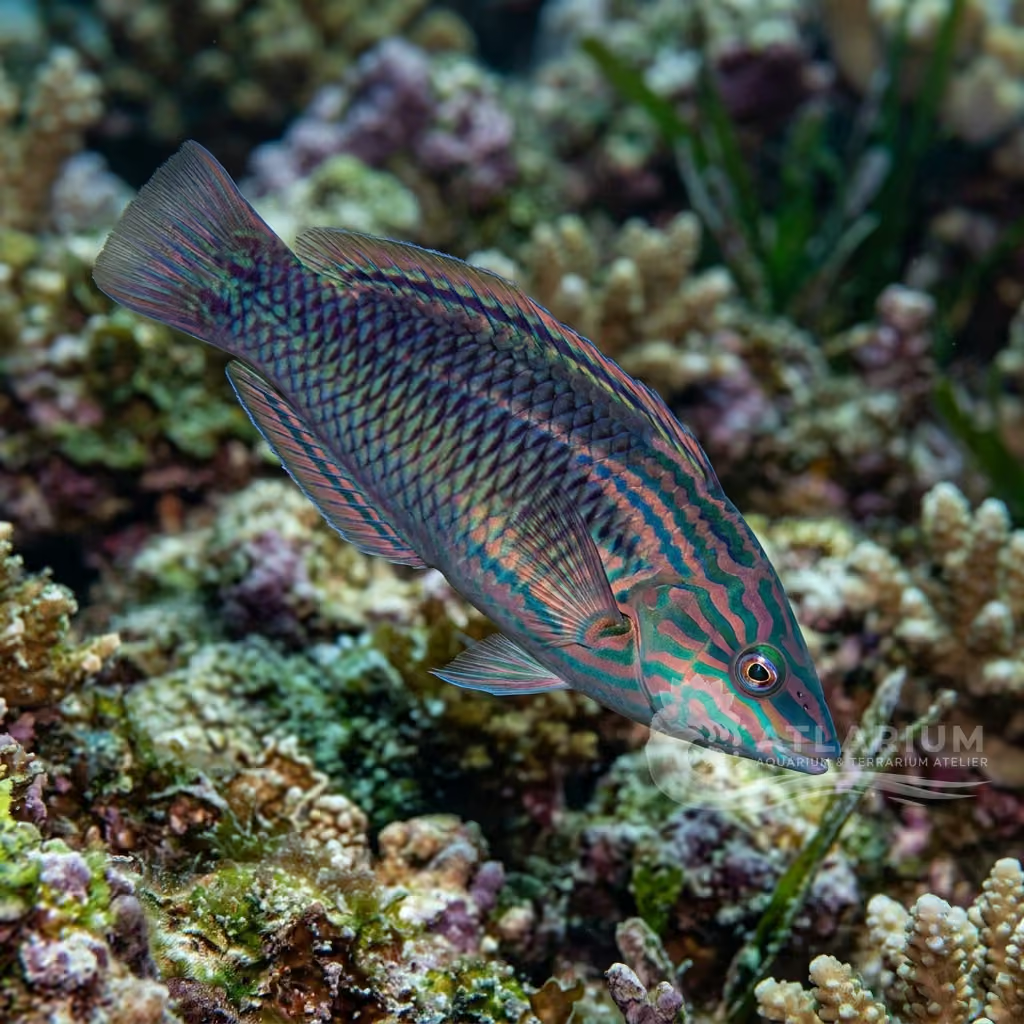
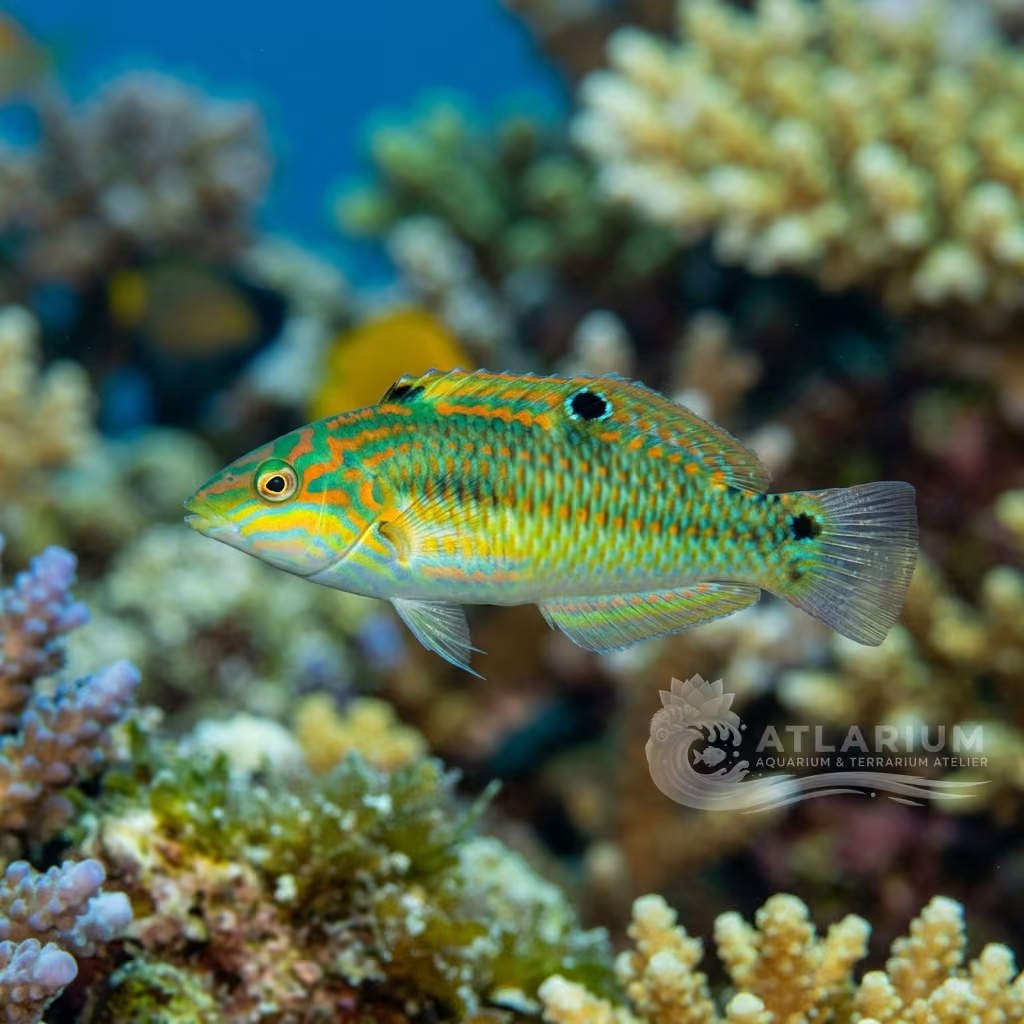
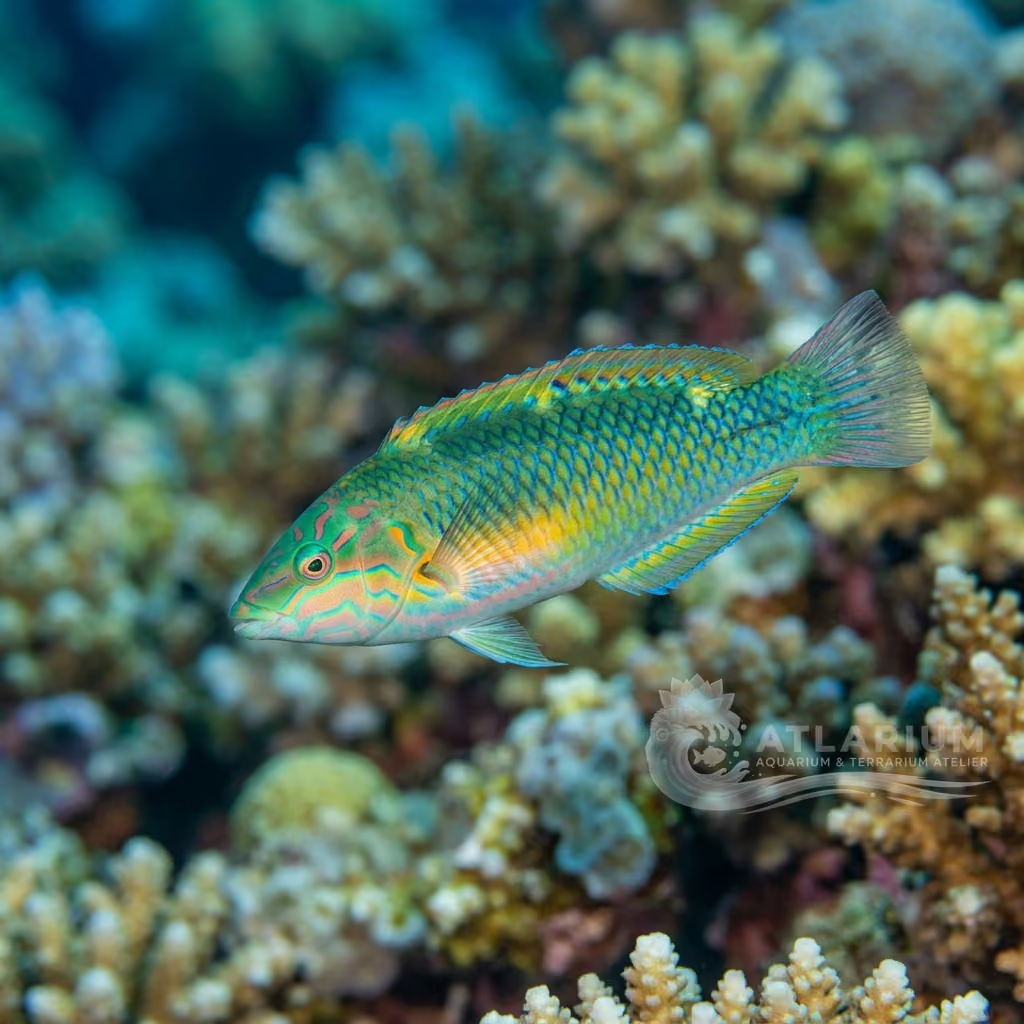
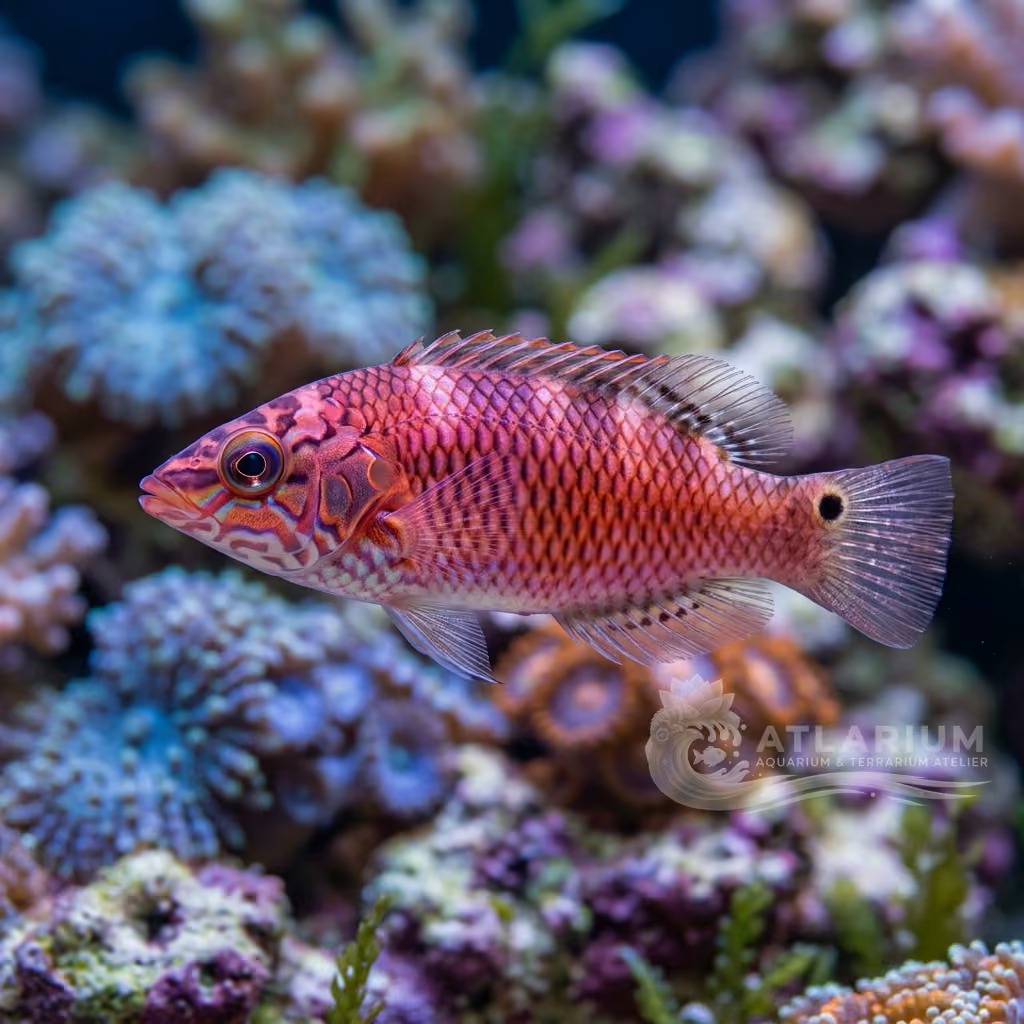
This active Indian Ocean wrasse boasts a unique checkerboard head pattern. It serves as an excellent biological control agent against aquarium pests in large reef tanks.
Water Temperature
22 - 26 °C
pH Value
8.1 - 8.4
Water type
Marine
Tank level
Bottom and middle
Adult size
11 cm
Minimum tank volume
>= 200 L
Minimum group
>= 1
KH
8 - 11 dKH

Species description
Geographical Origin and Habitat: Halichoeres pardaleocephalus is native to the tropical waters of the eastern Indian Ocean. It is commonly found around the coastal reefs of Sumatra, Java, Bali, India, Sri Lanka, and the Andaman Islands. It inhabits shallow coastal coral reefs, seagrass beds, and sandy reef margins, usually at depths ranging from 2 to 15 meters where tidal currents bring abundant organic particles.
Taxonomy and Morphology: Belonging to the family Labridae, it exhibits a moderately compressed and slender body profile with a robust head. Its mouth is equipped with small, sharp teeth adapted to seize microinvertebrates from rocks. The eyes are highly mobile, assisting in precise hunting. Adults reach a maximum length of approximately 10 to 12 centimeters.
Social Behavior: A peaceful, diurnal fish that spends its day constantly searching the reef structures for food. At dusk or when threatened, it dives quickly into the sand bed to hide. They are peaceful toward other fish species but can show strong territorial behavior toward similar wrasses or members of their own species.
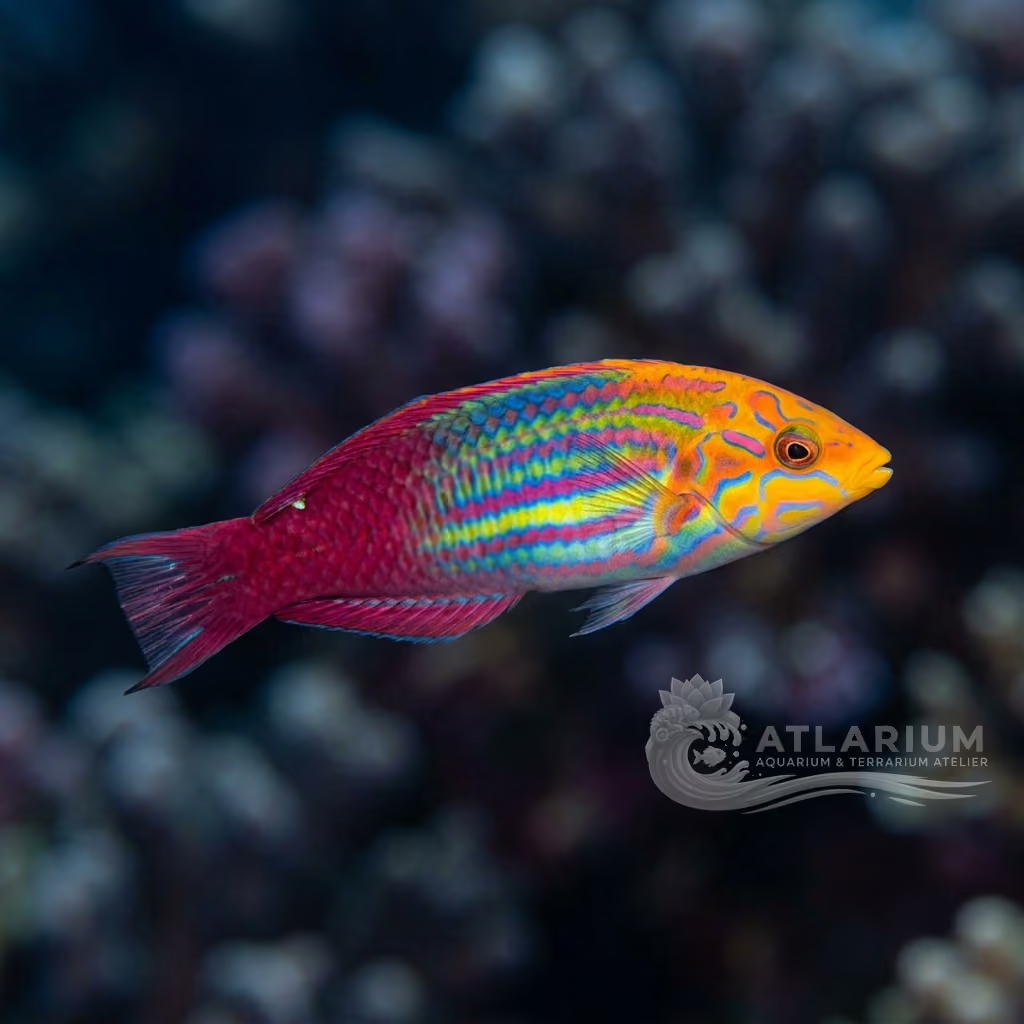
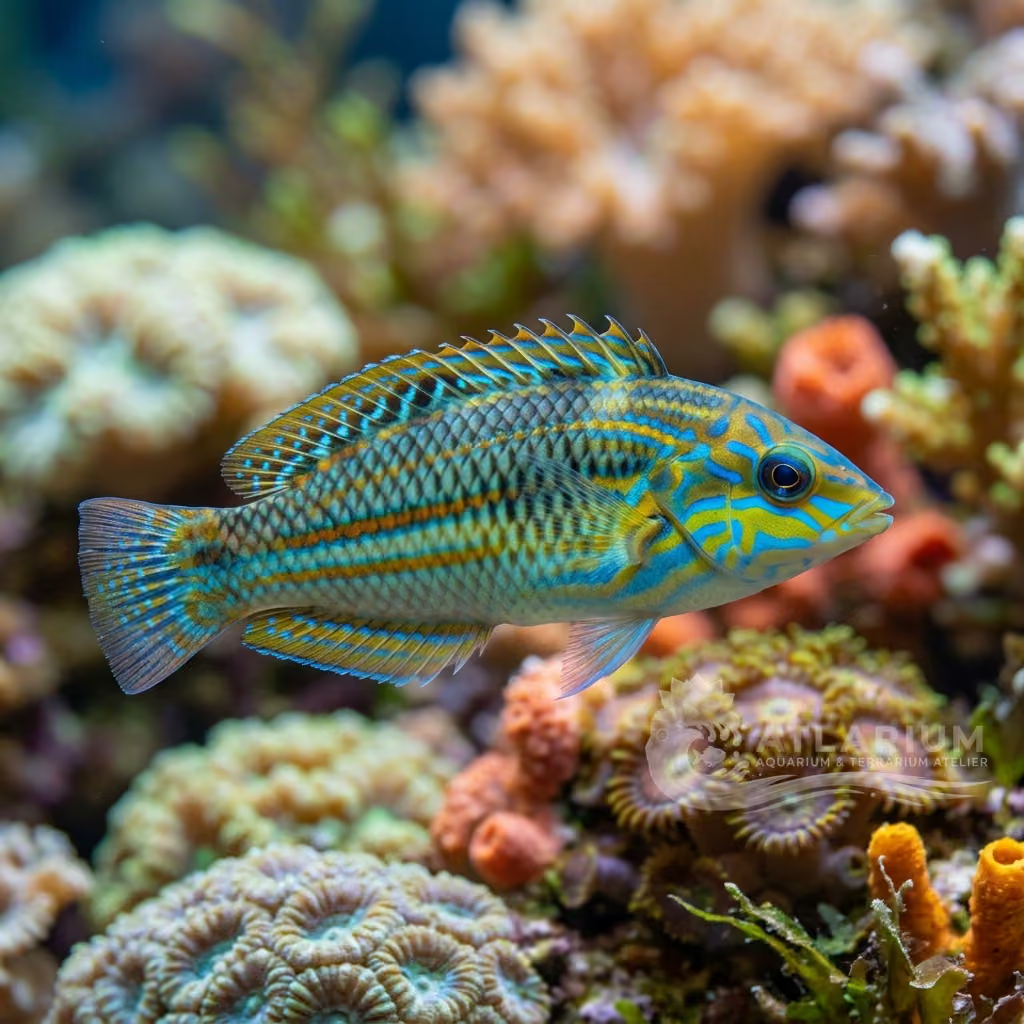
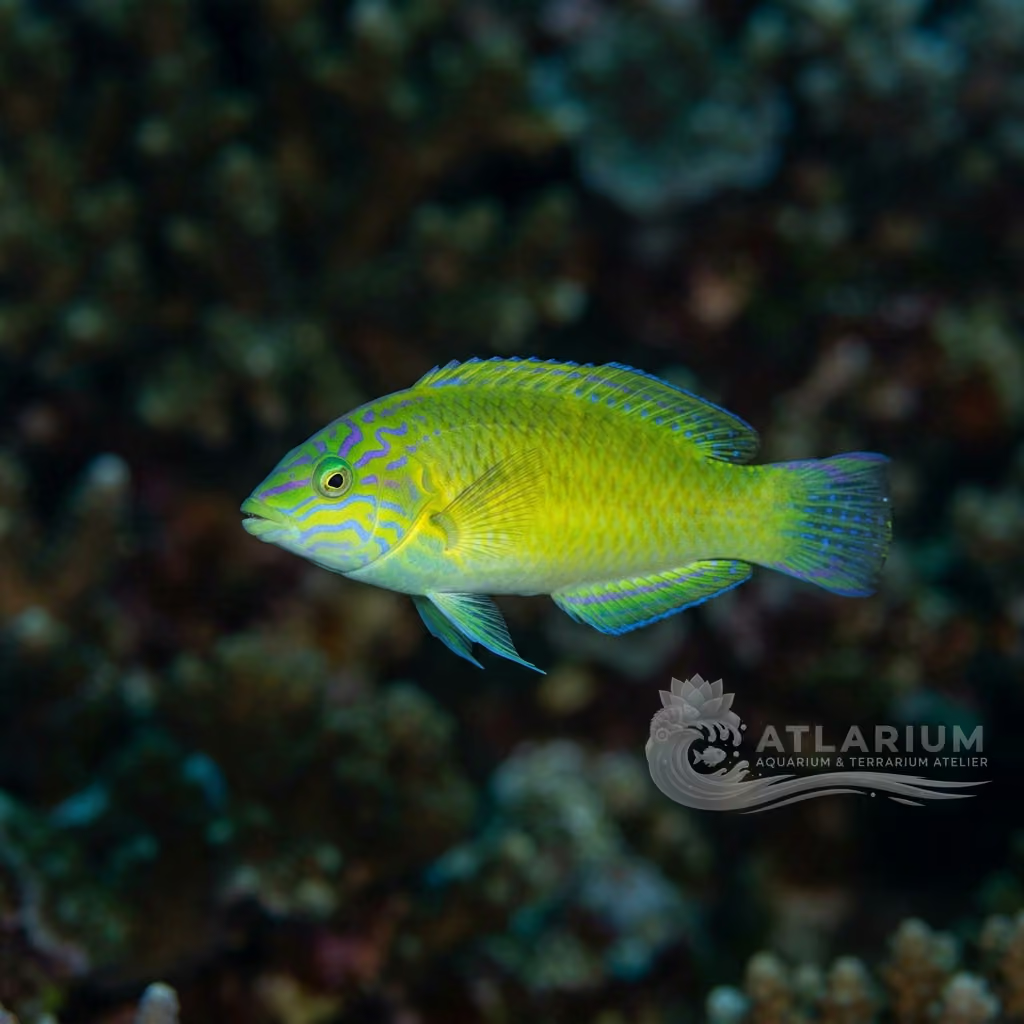
Coloration and Sexual Dimorphism: The coloration is striking and complex: the body is greenish-yellow to greyish with dark-edged scales creating a checkerboard pattern. The head features a distinctive leopard-like or zebra pattern of pinkish-red and green stripes. Mature terminal males exhibit far more intense coloration and larger fins than females and juveniles.

Care, breeding and tankmates
Aquarium Setup: Requires a well-established marine aquarium of at least 250 liters (approx. 65 gallons). A critical setup requirement is a deep sand bed of fine aragonite (minimum 5-8 cm depth) to allow the wrasse to bury itself to sleep. Provide a rich layout of live rocks with plenty of caves and crevices, and a secure mesh cover to prevent jumping.
Diet and Feeding: Carnivorous. It actively hunts for copepods, amphipods, flatworms, and small bristle worms. It is highly valued for controlling aquarium pests like flatworms. In captivity, feed it multiple times per day with frozen foods such as mysis, brine shrimp, and finely chopped krill. Sinking marine pellets are usually accepted over time.
Water Quality: Demands stable reef conditions. Keep water temperature between 22°C and 26°C, pH at 8.1 to 8.4, specific gravity at 1.023 to 1.025, and KH at 8-11 dKH. Adequate water movement and efficient protein skimming are essential to keep oxygen levels high and dissolved organics low.
Compatibility and Cohabitation: Safe for corals, but a threat to small ornamental invertebrates such as tiny shrimp, crabs, and feather dusters. It is compatible with peaceful community fish like clownfish, tangs, anthias, and gobies. Keep only one specimen per tank unless a matched pair is obtained.
Aquarium Breeding: Breeding in home aquariums is not documented. Like other wrasses, they are protogynous hermaphrodites, changing sex from female to male. In the wild, they spawn pelagically in the water column, releasing gametes at dusk or during high tide to ensure dispersal of the eggs.
Risks and Diseases: The primary risk is a lack of proper sandy substrate, which leads to injury and severe stress. They may experience acclimation issues if harassed by aggressive tankmates. They are susceptible to marine external parasites like ich if stressed by temperature changes or poor water quality.

Geographic origin and distribution
Halichoeres pardaleocephalus is native to the tropical waters of the eastern Indian Ocean. It is commonly found around the coastal reefs of Sumatra, Java, Bali, India, Sri Lanka, and the Andaman Islands. It inhabits shallow coastal coral reefs, seagrass beds, and sandy reef margins, usually at depths ranging from 2 to 15 meters where tidal currents bring abundant organic particles.
Origin
Tropical oceans and reefsSouth and Southeast Asia

Fish profile
- Temperament
- Peaceful
- They are constantly on the move during daylight hours. While usually peaceful, they are opportunistic predators. Their bold nature makes them a fascinating addition.
- Diet
- Carnivore
- They are carnivores feeding on benthic invertebrates. In the aquarium, offer meaty foods like mysis shrimp. Providing a varied diet maintains their vibrant colors.
- Life expectancy
- 5-8 years
- Adult size
- 11 cm
- Sex ratio
- Solitary
- It is best to keep them singly. Adding multiple males results in severe aggression. A group of females might establish a pecking order.
- Feeding frequency
- Twice daily
- They are highly active with a fast metabolism. Feeding them two to three times a day is ideal. Small frequent meals help reduce aggression.
- Bioload
- Medium
- This species contributes a moderate bioload. They produce moderate waste due to their diet. A good skimmer and regular water changes are required.
- Flow
- Moderate
- They originate from reef environments with strong water movement. Good water flow helps oxygenate the water. Varying flow patterns mimics their natural habitat well.
- Jump risk
- Yes
- Wrasses are notorious for jumping out of aquariums. A tight-fitting lid or screen mesh is mandatory. Ensure all gaps are properly covered to prevent escape.
- Reproduction
- Oviparous
- These fish are broadcast spawners in the water column. Breeding in captivity is extremely rare. Specialized setups with deep tanks and planktonic food are required.
- Compatibility & tankmates
- Peaceful
- They are generally peaceful towards other fish. However, they may become territorial with other wrasses. Use caution as they might eat small ornamental crustaceans.
- Tank level
- Middle/Bottom
- They actively swim in the mid-water regions. They require a deep fine sand bed to sleep. Coarse substrate can damage their bodies and should be avoided.

Scientific Parameters & Models
FishBase
Window to the official scientific data of the species
FishBase v25.04Data synced on: 06/15/2026
- Trophic level
- 3.4 ± 0.5 se
- Resilience
- High (less than 15 months)
- Phylogenetic uniqueness (PD50)
- 0.5
- Bayesian Length-Weight
- a = 0.01, b = 3.09
- VulnerabilityLow vulnerability (10 / 100)

Related species
Recommendations grouped by close relatives, companion choices, and similar care.