Kuiter's Leopard Wrasse
Macropharyngodon kuiteri
Kuiter's Wrasse is a deep-water Pacific species prone to jumping. It requires a mature reef aquarium with a secure screen cover and a deep bed of fine, sugar-sized sand critical for its sleeping refuge.
Water Temperature
24 - 27 °C
pH Value
8.1 - 8.4
Water type
Marine
Tank level
Bottom and middle
Adult size
10 cm
Minimum tank volume
>= 200 L
Minimum group
>= 1
KH
8 - 12 dKH

Species description
Geographical Origin and Habitat: Native to the Southwestern Pacific Ocean, primarily distributed along the eastern coast of Australia (from southern Queensland to New South Wales) and around New Caledonia. It inhabits deep outer reef slopes, sandy channels, and rubble flats at depths ranging from 10 to 55 meters.
Taxonomy and Morphology: Belongs to the family Labridae and the genus Macropharyngodon. It features a laterally compressed, moderately elongated oval body shape. It reaches a maximum size of approximately 10 centimeters. Possesses enlarged pharyngeal teeth specifically adapted to crush the shells of micro-mollusks.
Social Behavior: A peaceful, cautious, and active fish. It spends the day hovering close to the reef structure and substrate in search of microfauna. It exhibits a strict circadian rhythm, burying itself completely in the fine sand bed to sleep at night, and during times of threat.
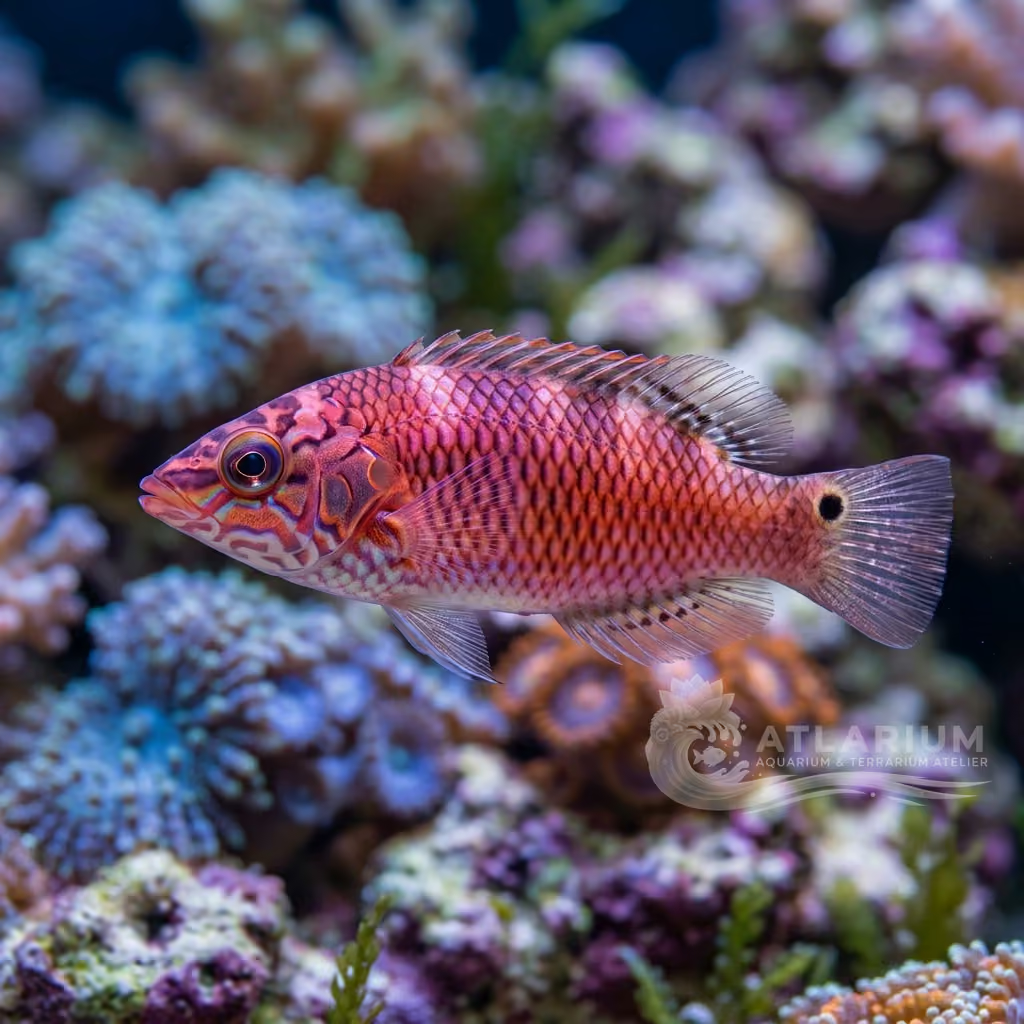
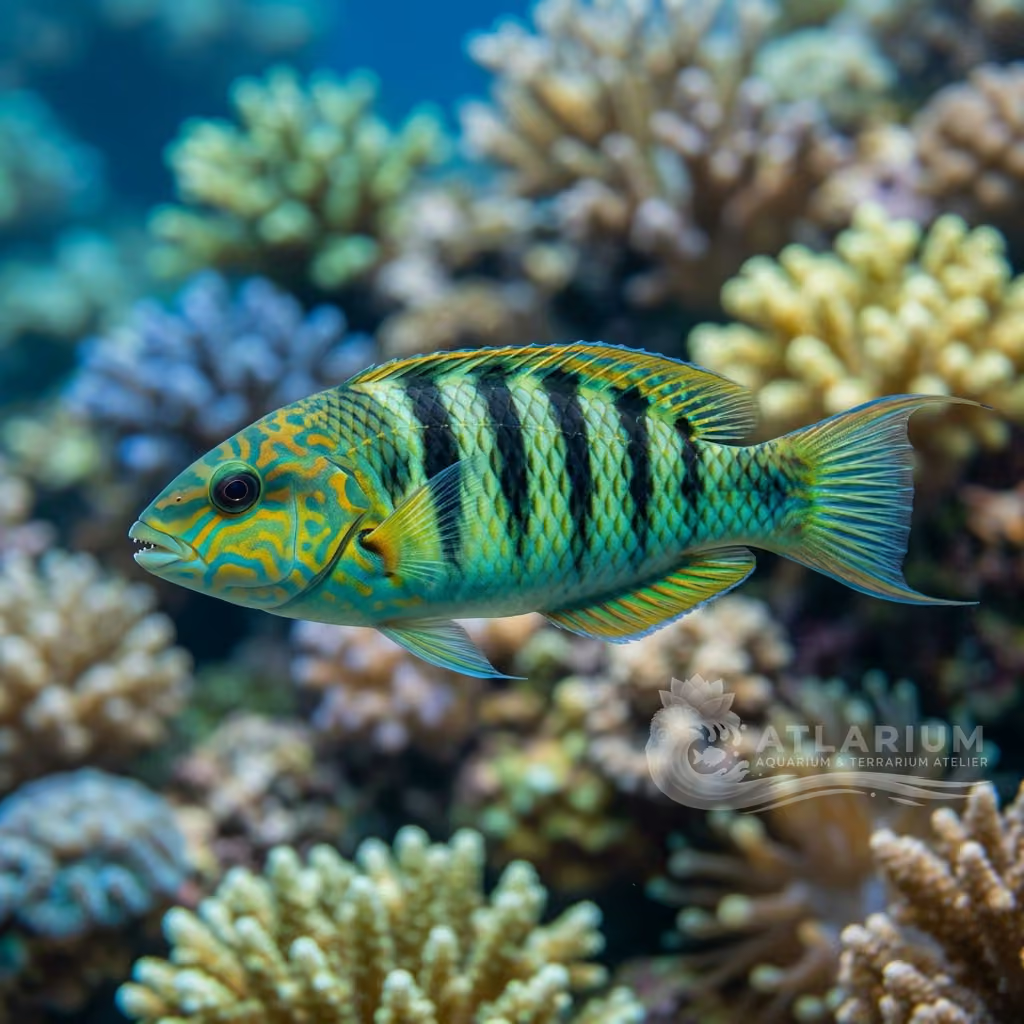
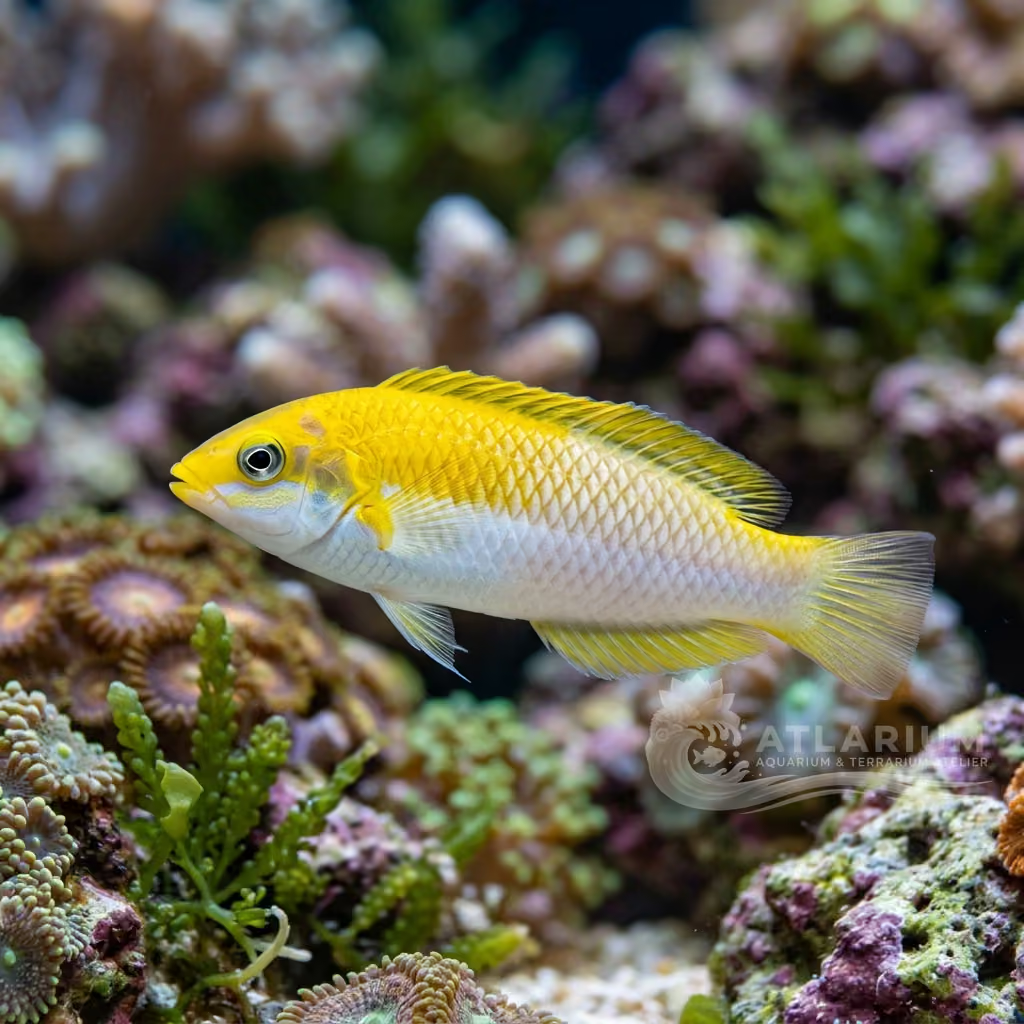
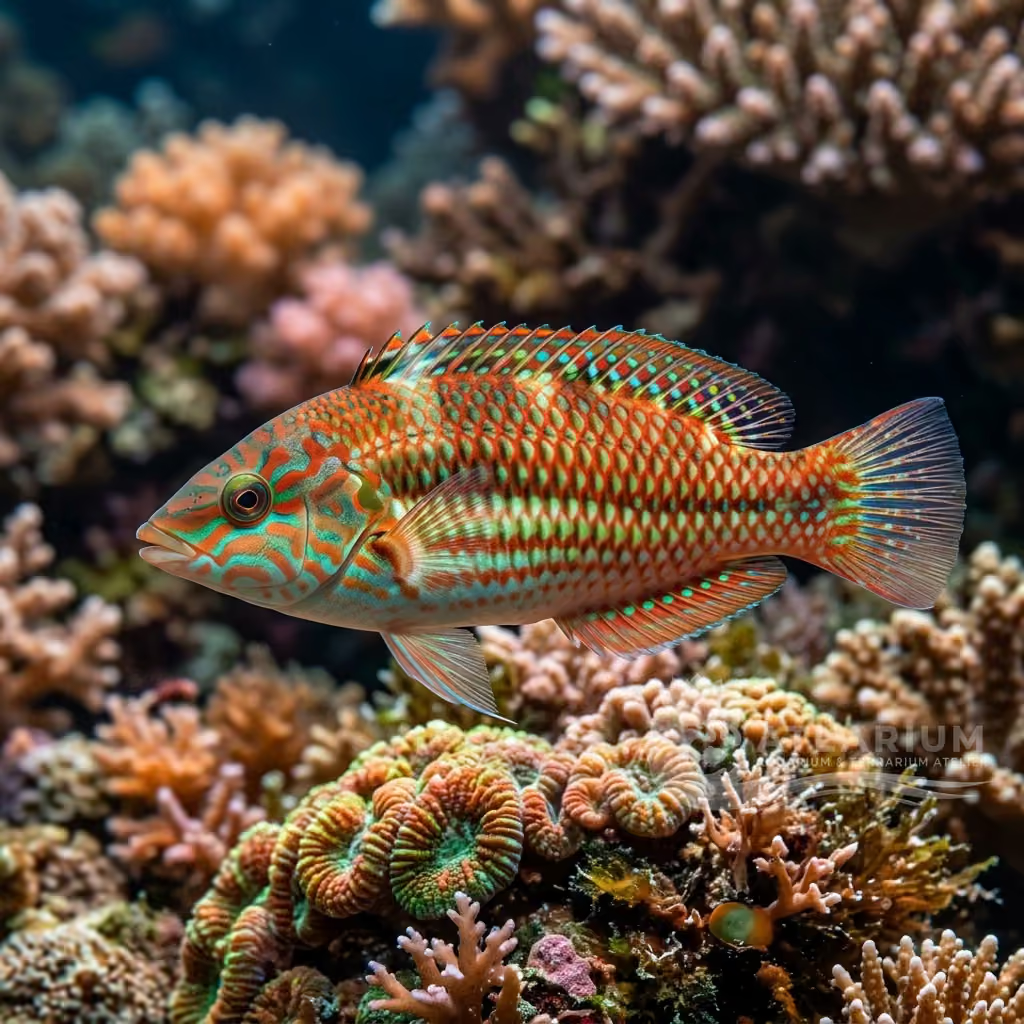
Coloration and Sexual Dimorphism: The body color features a dark brownish-black dorsal area that contrasts with a bright yellow belly. A prominent black opercular spot is present behind the eye. Mature males exhibit more intense orange and blue iridescent facial markings compared to the simpler patterns of females.

Care, breeding and tankmates
Aquarium Setup: Requires a mature reef aquarium of at least 200 liters (50 gallons). A deep bed of fine, sugar-sized sand (6-8 cm / 2.5-3 inches deep) is critical for sleeping and refuge. A secure screen cover is strictly required, as this species is prone to jumping when startled.
Diet and Feeding: Specialist micro-carnivore. It feeds on tiny benthic copepods and amphipods found on mature live rock. In captivity, it must be housed in established aquariums with thriving copepod populations and fed multiple times daily with mysis, cyclops, and enriched brine shrimp.
Water Quality: Requires stable marine parameters: water temperature of 24-27°C, pH between 8.1 and 8.4, specific gravity (SG) of 1.020-1.025, and a KH of 8-12 dKH. Highly sensitive to chemical fluctuations, and it has an extreme intolerance to copper-based medications.
Compatibility and Cohabitation: Perfectly reef-safe, compatible with all corals and sessile invertebrates. It coexists peacefully with non-aggressive tankmates such as small gobies, cardinals, and clownfish. Avoid keeping with territorial tangs or aggressive wrasses that will outcompete it for food.
Aquarium Breeding: A protogynous hermaphrodite. The dominant female in a social group will transition into a male if the male is lost. Spawning in captive environments is undocumented due to the pelagic nature of their eggs and the difficulty of rearing planktonic larvae.
Risks and Diseases: Starvation during the initial acclimation phase is the leading cause of mortality. A lack of proper sand depth causes extreme stress, physical injury to the snout and scales, and secondary bacterial skin infections that are often fatal.

Geographic origin and distribution
Native to the Southwestern Pacific Ocean, primarily distributed along the eastern coast of Australia (from southern Queensland to New South Wales) and around New Caledonia. It inhabits deep outer reef slopes, sandy channels, and rubble flats at depths ranging from 10 to 55 meters.
Origin
Tropical oceans and reefsSouth and Southeast AsiaEast AsiaAustralia, New Guinea, and Oceania

Fish profile
- Temperament
- Territorial
- This wrasse is generally peaceful and relatively shy when first introduced to a new environment. They mostly ignore other species, focusing primarily on hunting across the rockwork. They can become stressed if kept with overly boisterous or aggressive tank mates. Once properly settled, they display a very active and inquisitive personality.
- Diet
- Carnivore
- They are strictly carnivorous and rely heavily on benthic microfauna, particularly copepods. In the home aquarium, they must be transitioned to frozen foods like mysis and enriched brine shrimp. They constantly graze live rock throughout the day looking for small crustaceans. Providing a mature tank with an established pod population is critical for long-term success.
- Life expectancy
- 10 years
- Adult size
- 10 cm
- Sex ratio
- Flexible
- It is generally best to keep them singly or as a harem consisting of one male and several females. Keeping multiple males together will usually result in severe aggression and territorial disputes. Females are generally tolerant of each other when introduced simultaneously. In a captive environment, a lone dominant female may eventually turn into a male.
- Feeding frequency
- 2-3 times daily
- Due to their high metabolism, they should be fed small amounts at least three times a day. If an abundant population of natural prey is present, supplemental feeding can be reduced. Consistent, frequent feeding is vital to prevent them from losing weight over time. Automated feeders can be useful if dispensing high-quality appropriately sized pellets.
- Bioload
- Low to Medium
- The Kuiter's Leopard Wrasse produces a moderate bioload typical of active marine fish. Careful monitoring of nutrient levels is necessary due to their specific dietary needs. A well-established filtration system with an efficient protein skimmer is highly recommended. Regular water changes will help manage their waste output effectively.
- Flow
- Moderate
- They prefer moderate to strong water flow that mimics their natural coral reef environment. Good water movement helps keep oxygen levels high, which is essential for their health. The flow should provide areas of turbulent current as well as resting spots behind rockwork. Ensure the flow is well dispersed rather than a single direct blast.
- Jump risk
- Yes
- Like most wrasses, this species is highly prone to jumping when startled or frightened. A tight-fitting lid or mesh screen cover is absolutely essential to prevent them from escaping. They often dart toward the surface if chased by aggressive tank mates or during lighting changes. Even a small gap in the canopy can lead to the loss of this fish.
- Reproduction
- Oviparous
- They are protogynous hermaphrodites, meaning females can transition into males as they mature. Breeding in the home aquarium is extremely rare and very difficult to achieve. In the wild, they perform pelagic spawning, releasing gametes directly into the water column. The resulting larvae drift in ocean currents for an extended period before settling.
- Compatibility & tankmates
- Aggressive
- This species is generally peaceful but can be territorial towards other wrasses of similar shape. They thrive in reef aquariums alongside other non-aggressive tank mates. Avoid housing them with large, predatory fish that might see them as food. They are considered entirely reef safe and will not bother corals or most invertebrates.
- Tank level
- Middle/Bottom
- They utilize all levels of the aquarium but are most commonly seen actively swimming in the mid-to-lower regions. They stay close to live rock formations where they constantly hunt for prey. At night, they require a deep sand bed to bury themselves for sleep and protection. A fine, soft substrate is mandatory for their well-being.

Scientific Parameters & Models
FishBase
Window to the official scientific data of the species
FishBase v25.04Data synced on: 06/15/2026
- Trophic level
- 3.4 ± 0.4 se
- Resilience
- High (less than 15 months)
- Phylogenetic uniqueness (PD50)
- 0.5002
- Bayesian Length-Weight
- a = 0.00977, b = 3.07
- VulnerabilityLow vulnerability (10 / 100)

Related species
Recommendations grouped by close relatives, companion choices, and similar care.