Geoffroy's leopard wrasse
Macropharyngodon geoffroy
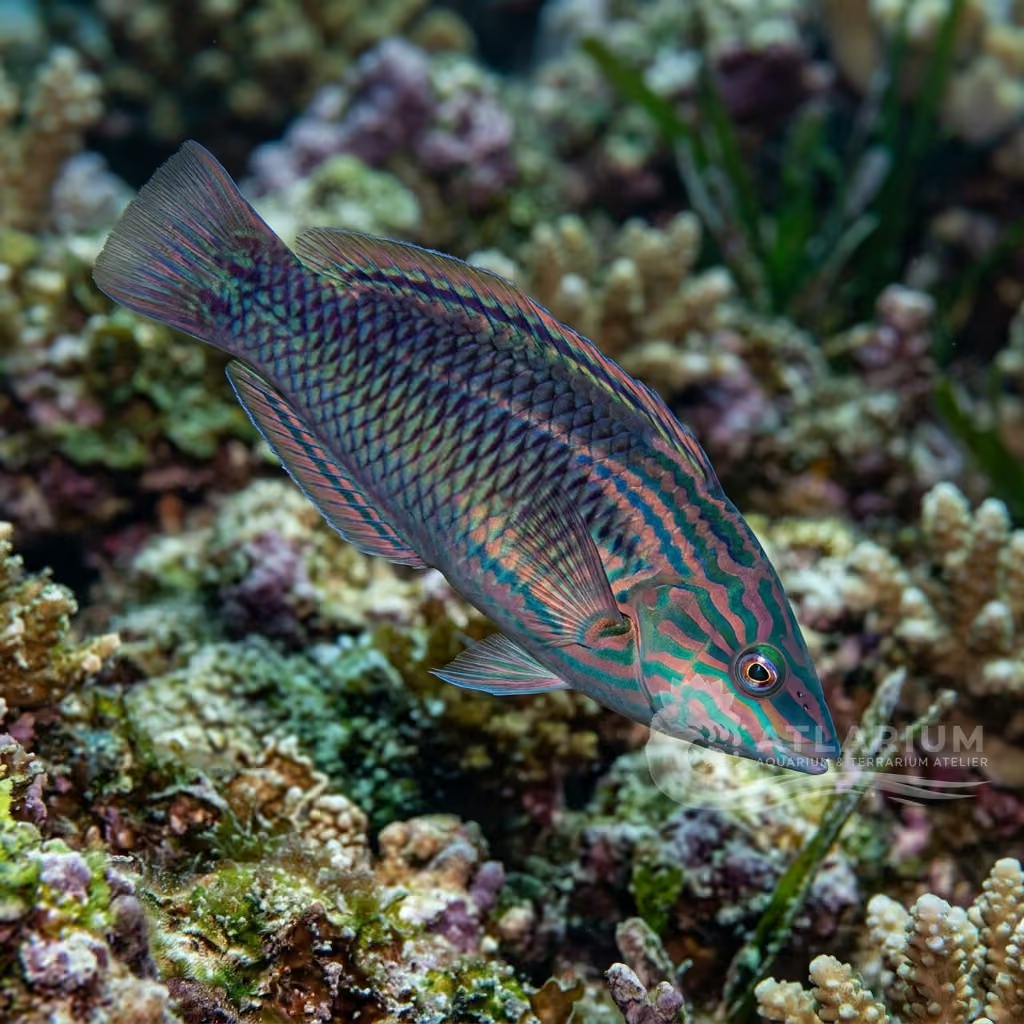
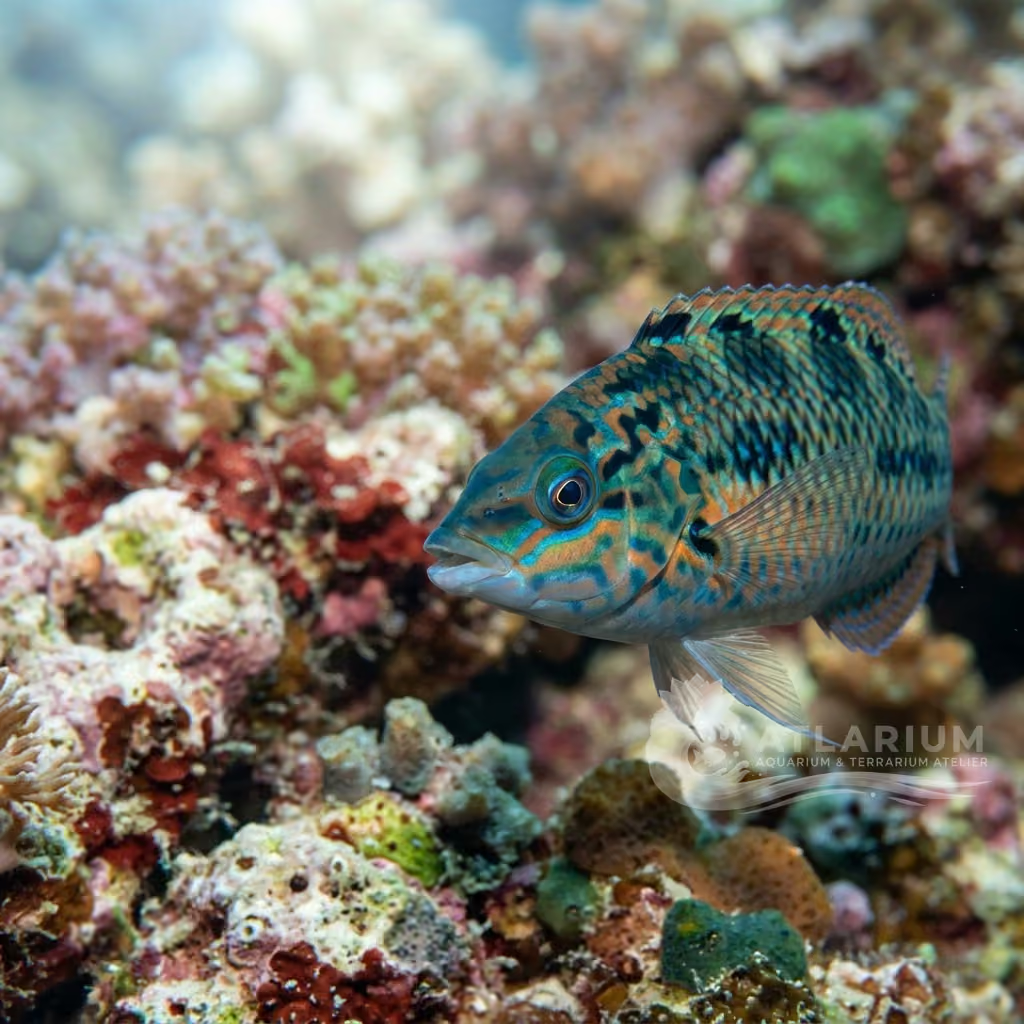
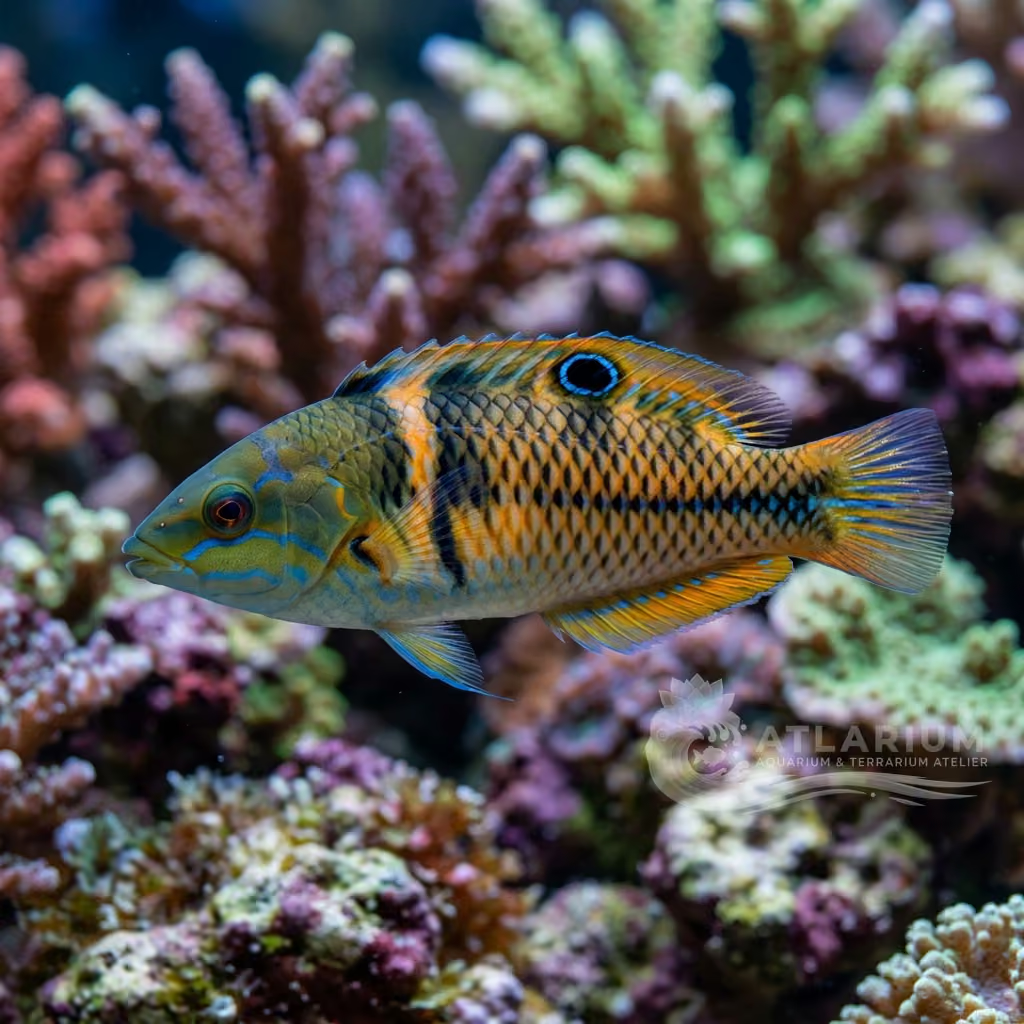
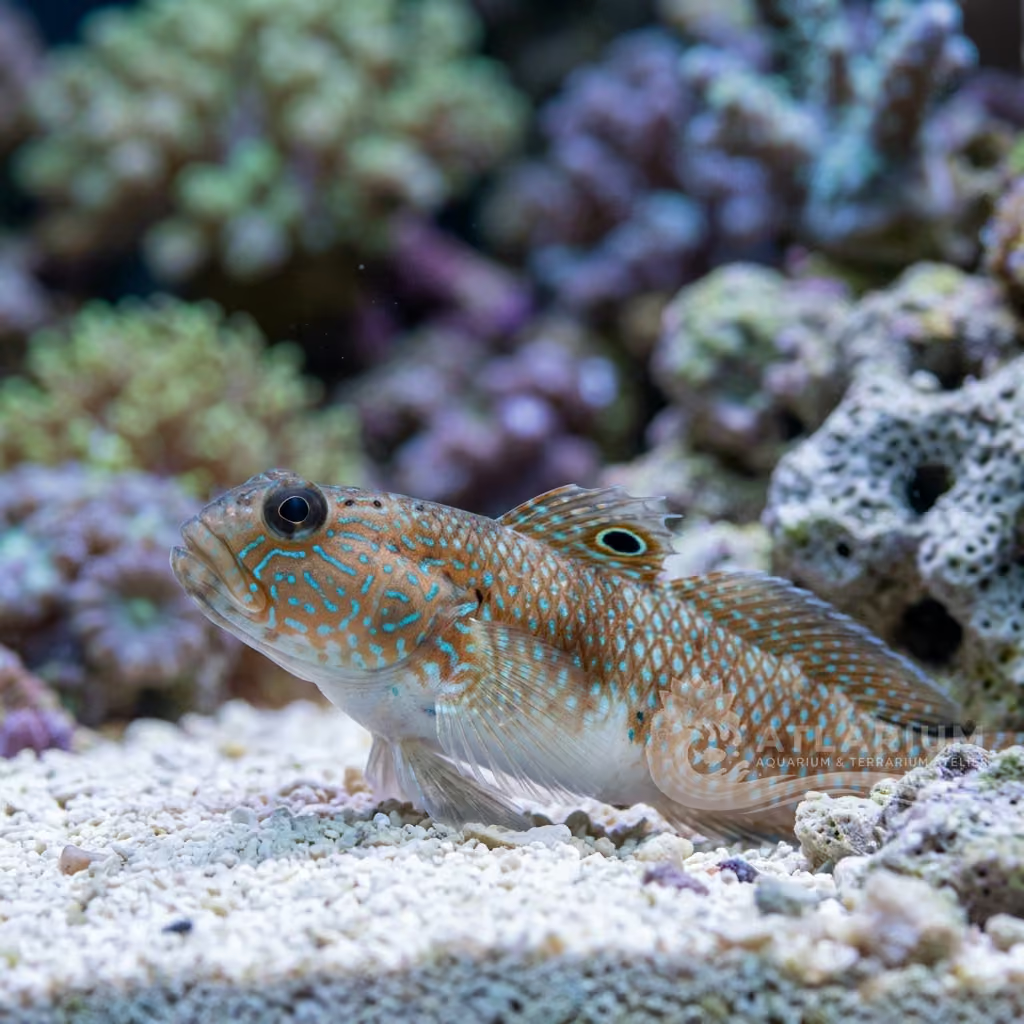
A stunning but demanding marine wrasse, characterized by its blue-green spotted pattern on a reddish-brown body and the requirement of a fine sand bed.
Water Temperature
23 - 27 °C
pH Value
8.1 - 8.4
Water type
Marine
Tank level
Bottom and middle
Adult size
13 cm
Minimum tank volume
>= 200 L
Minimum group
>= 1
KH
8 - 12 dKH

Species description
Geographical Origin and Habitat: Macropharyngodon geoffroy is native to the warm tropical waters of the Central and Western Pacific, with a widespread distribution around the Hawaiian Islands, Micronesia, Polynesia, and down to northern Australia. It inhabits sheltered coral-rich lagoons, reef passages, and outer seaward reefs at depths ranging from 5 to 30 meters, preferring areas with alternating hard coral growth and patches of fine sand.
Taxonomy and Morphology: Belonging to the family Labridae, genus Macropharyngodon. It features a laterally compressed body of moderate depth. Adults reach a maximum length of about 13-15 centimeters. It is equipped with modified pharyngeal teeth designed to crush the small mollusks and crustaceans it feeds on. The mouth is small and forward-facing, with thick lips.
Social Behavior: It is a peaceful, active diurnal fish, constantly hunting for microinvertebrates on live rock and in the substrate. Like other leopard wrasses, it has a biological need to bury itself completely in fine sand to sleep at night or to seek protection when startled. It may show aggression only toward similar species of the same genus.
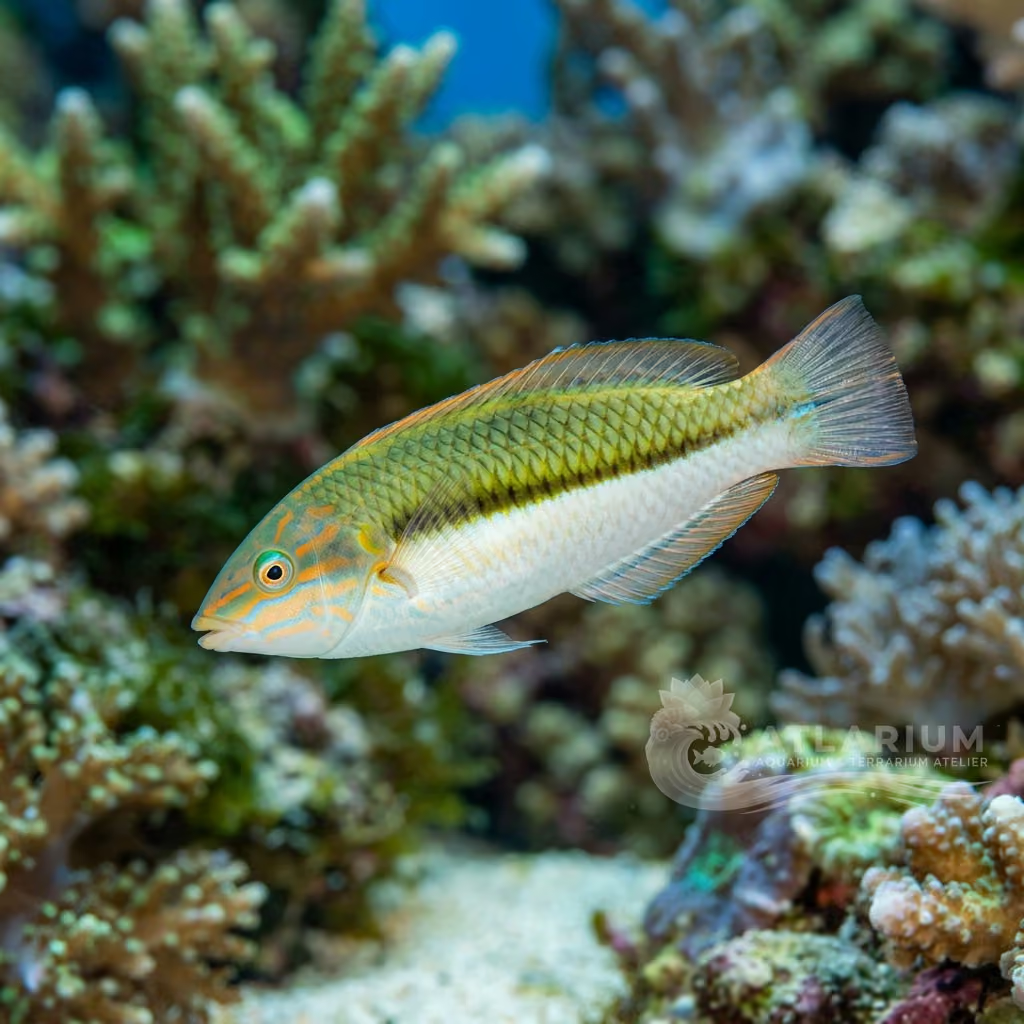
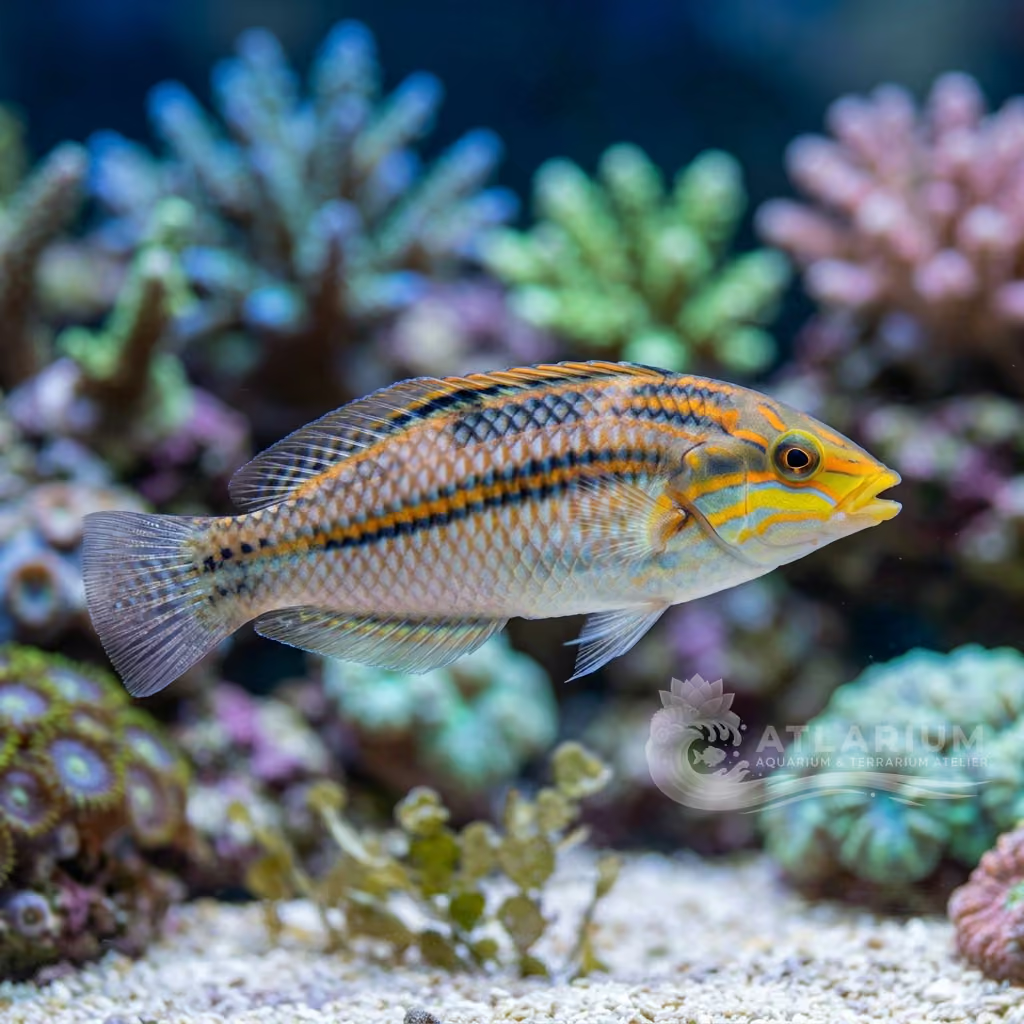
Coloration and Sexual Dimorphism: The coloration is outstanding: a reddish-brown or dark brown body, entirely covered with circular spots of electric blue or metallic green-blue. Adult males (terminal phase) display much brighter and more contrasted colors, with a complex facial pattern of blue and orange stripes. Females have a similar but less saturated pattern.

Care, breeding and tankmates
Aquarium Setup: Requires a mature marine aquarium of at least 200 liters (approx. 50 gallons). A crucial and non-negotiable requirement is a fine sand bed (non-silica and non-sharp) at least 5-8 cm deep. Without this substrate, the fish will suffer mouth injuries and fatal stress trying to hide. Stable live rock arranged to form caves is essential.
Diet and Feeding: A demanding micro-predator. In the aquarium, dietary acclimation is difficult: it often refuses dry food. It must be fed several times a day with high-quality frozen foods like copepods, mysis, brine shrimp, and finely chopped krill. The presence of a mature tank rich in live microfauna (copepods) is crucial.
Water Quality: Water parameters must be excellent and stable: temperature 23-26°C (73-79°F), pH 8.1-8.4, specific gravity 1.021-1.025, and nitrates below 10 mg/l. An efficient filtration system with a powerful protein skimmer is required to maintain water parameters. A moderate water flow is recommended.
Compatibility and Cohabitation: Reef-safe with corals, but will prey on small benthic invertebrates (crustaceans, worms). Coexists peacefully with surgeonfish, clownfish, and gobies. It is advisable to house only one specimen per tank to avoid intraspecific conflict, unless the aquarium is large (over 400 liters).
Aquarium Breeding: Breeding in the aquarium is extremely difficult. It is a protogynous hermaphrodite. Dominant specimens transform into males. In the wild, they release pelagic eggs that float in the water column. Raising the larvae requires specific microscopic live food, which is not manageable in a home aquarium.
Risks and Diseases: The main risks are associated with food refusal during the first few weeks and parasitic infections like Cryptocaryon irritans due to stress. It is also sensitive to mouth injuries from coarse sand. A quarantine period in a quiet tank with a container of fine sand is recommended to monitor its health.

Geographic origin and distribution
Macropharyngodon geoffroy is native to the warm tropical waters of the Central and Western Pacific, with a widespread distribution around the Hawaiian Islands, Micronesia, Polynesia, and down to northern Australia. It inhabits sheltered coral-rich lagoons, reef passages, and outer seaward reefs at depths ranging from 5 to 30 meters, preferring areas with alternating hard coral growth and patches of fine sand.
Origin
Cosmopolitan or introducedNorth AmericaAustralia, New Guinea, and OceaniaTropical oceans and reefs

Fish profile
- Temperament
- Aggressive
- Macropharyngodon geoffroy has an exceptionally peaceful, almost delicate temperament. They are easily stressed by poor water quality, lack of sand, or aggressive tank mates. Once properly settled in a mature tank with docile companions, they are inquisitive, active, and deeply rewarding to observe.
- Diet
- Carnivore
- In the wild, Macropharyngodon geoffroy uses specialized pharyngeal teeth to crush tiny snails, copepods, and benthic invertebrates. In captivity, transitioning them to prepared foods can be extremely challenging and requires patience. Offering live copepods, blackworms, and frozen mysis is crucial during the initial acclimation period.
- Life expectancy
- 8-10 years
- Adult size
- 13 cm
- Sex ratio
- Harem
- They are best kept as a single specimen or in a harem consisting of one male and several females. Attempting to house multiple males together will result in lethal aggression as they fight for territory. When creating a harem, females must be established in the tank well before the male.
- Feeding frequency
- 3-4 times daily
- Due to their unique anatomy and constant foraging behavior, they need to eat frequently throughout the day. A thriving population of live copepods in the aquarium is almost mandatory for their long-term survival. Supplemental feedings of frozen foods should be offered two to three times daily.
- Bioload
- Medium
- The Macropharyngodon geoffroy generates a moderate bioload relative to its size. Their specialized diet and requirement for multiple daily feedings mean a robust filtration system is necessary. Regular water changes and efficient protein skimming will easily manage their output.
- Flow
- Strong
- They prefer moderate water flow that gently circulates across the rockwork and sandbed. Gentle to moderate currents mimic the protected reef slopes and lagoons they frequent in nature. Appropriate flow also helps distribute planktonic food items evenly throughout their environment.
- Jump risk
- Yes
- Like most wrasses, Macropharyngodon geoffroy is easily spooked and possesses a strong instinct to jump out of the water. A secure mesh lid is an absolute necessity to prevent tragic accidents. The tight mesh ensures that oxygen exchange is maintained while keeping the fish safely enclosed.
- Reproduction
- Protogynous hermaphrodite
- This species is a sequential protogynous hermaphrodite; the largest, most dominant female will transition into a male. Captive reproduction is exceedingly rare due to the pelagic nature of their microscopic larvae. Males are easily distinguished by their wildly different, often more intricate, terminal color patterns.
- Compatibility & tankmates
- Peaceful
- Leopard wrasses are notoriously peaceful and are completely reef-safe, making them prized additions to established reef tanks. They will not bother corals, clams, or ornamental invertebrates, aside from micro-fauna like copepods. They should never be kept with aggressive tank mates that might outcompete them for food.
- Tank level
- Middle/Bottom
- They are mostly found hunting among the lower levels of the aquarium, inspecting live rock and the substrate. A crucial requirement for their well-being is a deep sand bed (at least 2-3 inches of fine marine sand). They bury themselves completely in the sand every night to sleep and escape danger.

Scientific Parameters & Models
FishBase
Window to the official scientific data of the species
FishBase v25.04Data synced on: 06/15/2026
- Trophic level
- 4.3 ± 0.1 se
- Resilience
- High (less than 15 months)
- Phylogenetic uniqueness (PD50)
- 0.5002
- Bayesian Length-Weight
- a = 0.00977, b = 3.07
- VulnerabilityLow vulnerability (10 / 100)

Related species
Recommendations grouped by close relatives, companion choices, and similar care.