Encyclopaedia

FishFreshwaterIntermediate
©AI Generated·Proprietary

Bird Wrasse

Gomphosus varius

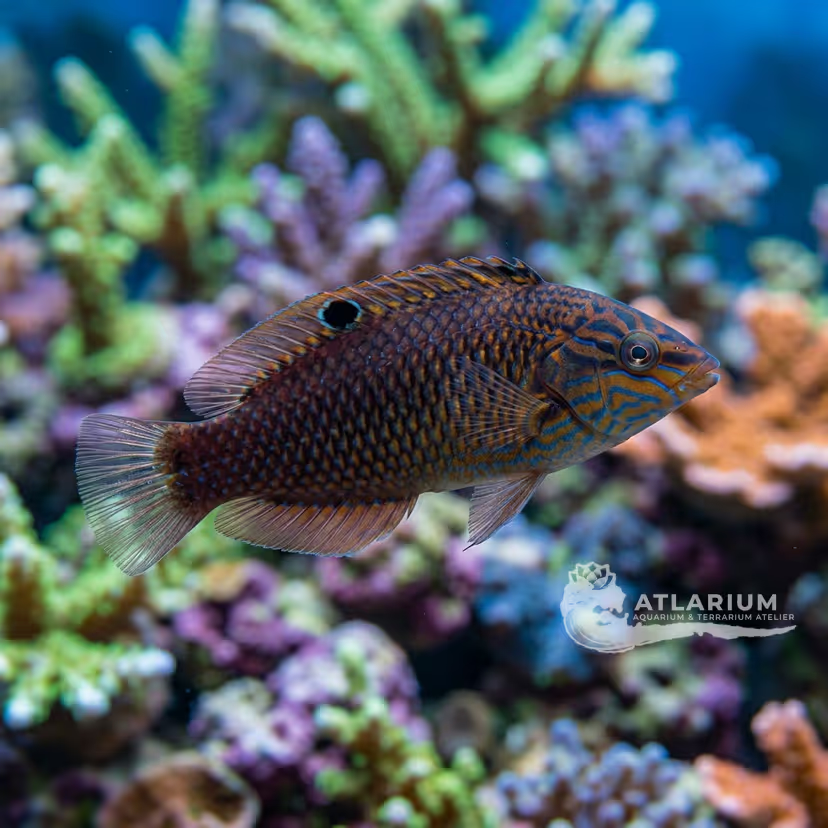
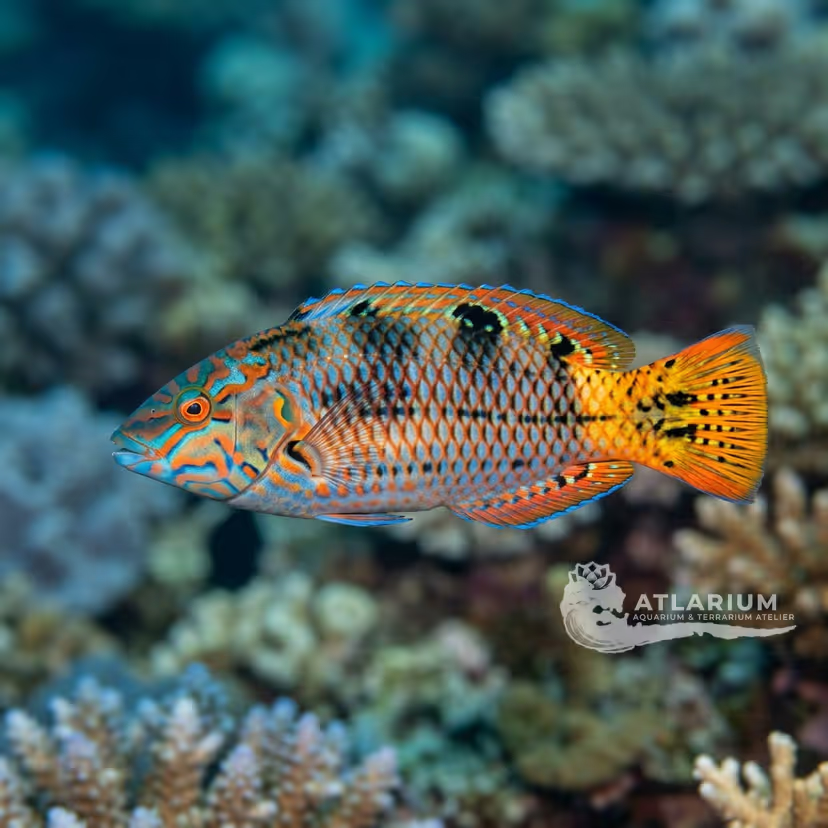
The Underwater Hummingbird (12 inches / 30 cm). Features a bizarre, elongated bird-like beak used to reach deep into branching Acropora corals to pluck out crabs.

Taxonomy
Class:Actinopteri
Order:Perciformes
Family:Labridae
Subfamily:Julidinae
Genus:Gomphosus
Species:Gomphosus varius

Share

Check out Bird Wrasse on Atlarium

PracticeRecognition quizzesPhotos, names, origins, and puzzles to review Atlas species.Open quizzes
Water Temperature

24 - 28 °C

pH Value

8.1 - 8.4

Water type

Freshwater

Tank level

Middle

Adult size

30 cm

Minimum tank volume

>= 300 L

Minimum group

>= 1

GH

0 dGH

KH

1 - 2 dKH

TDS

10 - 20 ppm

Conductivity

16 - 31 uS/cm

Species description

Geographical Origin and Habitat: Widely distributed in the Indo-Pacific Ocean and the Red Sea. Inhabits coral-rich lagoons and outer reef slopes, incessantly scouring Acropora branches and crevices in search of prey.
Taxonomy and Morphology: Bird Wrasse. Unmistakable wrasse, famous for its exaggeratedly elongated, tubular and curved snout (similar to a bird's beak), developed as tweezers to extract crustaceans from the narrowest coral cracks. Reaches 30 cm (12 inches).
Social Behavior: Frantic, hyperactive and tireless swimmer (uses only pectoral fins for motion, "flying" through the water). Very territorial towards other Wrasses. In nature it lives in harems with a single dominant male and several females.
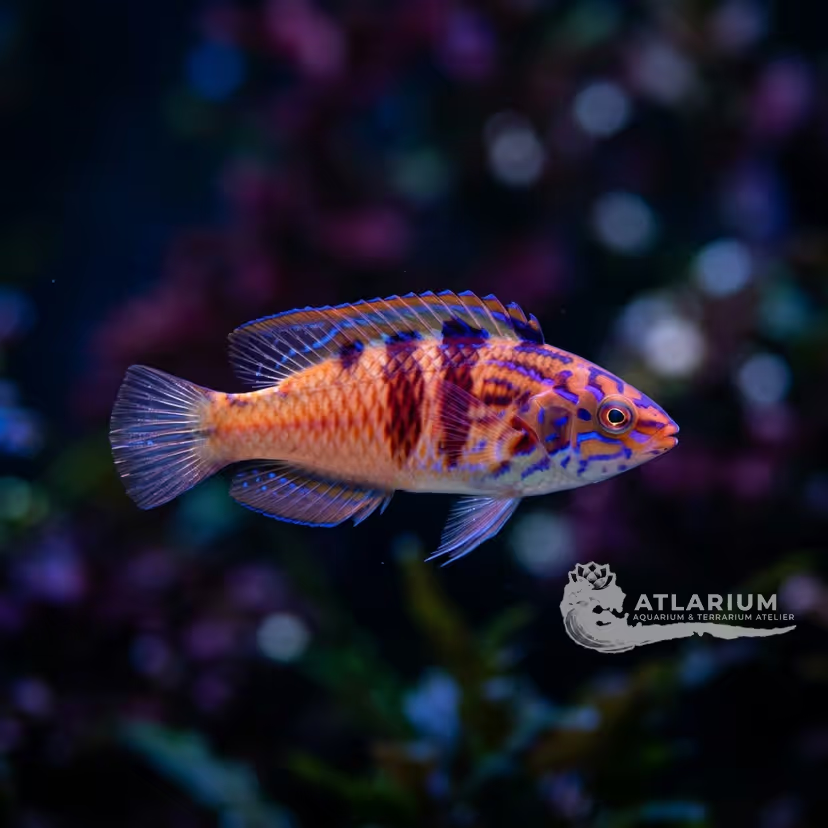
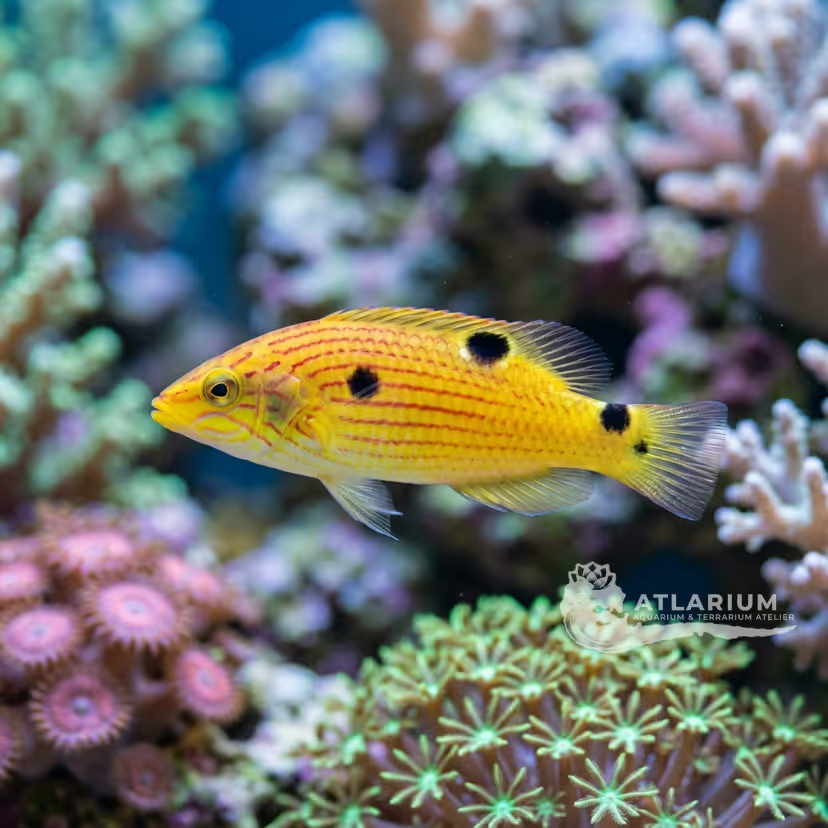
Coloration and Sexual Dimorphism: Radical sexual dichromatism. Females (initial phase) are brownish-black or gray on the lower half and white on the back, with an orange snout. Dominant males (terminal phase) are a dazzling emerald green or deep dark blue.

Care, breeding and tankmates

Aquarium Setup: Given its size and extreme hyperactivity, it requires HUGE marine tanks (minimum 150-180 cm / 5-6 feet in length / 500 liters). Requires porous live rock and wide, very long open swimming spaces. A tight and heavy cover is mandatory: they jump with extreme force.
Diet and Feeding: Voracious carnivore. Extracts prey by shaking its head violently. Will almost immediately accept mysis, krill, brine shrimp, shelled shrimp, clam meat and carnivore pellets. Must be fed abundantly 2-3 times a day to support its crazy metabolism.
Water Quality: Very robust and resistant if the space is adequate. SG 1.020-1.025, pH 8.1-8.4, temperature 24-28°C (75-82°F). Given the amount of food it consumes, the filtration system (Skimmer) must be oversized to handle the heavy organic load.
Compatibility and Cohabitation: NOT Reef-Safe: ignores corals, but will ruthlessly devour ornamental shrimp, snails, crabs, tube worms, starfish and echinoderms. Suitable for large and aggressive Fish-Only-With-Live-Rock (FOWLR) tanks (Triggerfish, Giant Angels, Groupers, Tangs).
Aquarium Breeding: Unknown in the aquarium. They are protogynous hermaphrodites: all individuals are born female and the largest and most dominant undergo a stunning color and morphological mutation transforming into green terminal males.
Risks and Diseases: Head trauma or death from jumping out of the tank is the most common incident, especially if frightened. Insertion in small tanks under 400 liters leads them to get depressed, crash into the glass injuring their long snout or fall ill with marine Ich.

Geographic Origin and Distribution

Widely distributed in the Indo-Pacific Ocean and the Red Sea. Inhabits coral-rich lagoons and outer reef slopes, incessantly scouring Acropora branches and crevices in search of prey.

Origin

Tropical oceans and reefsNorth America

Fish profile

Temperament
Semi-aggressive
They are semi-aggressive and highly boisterous. They will outcompete shy fish for food instantly. They make fantastic, active centerpieces for large predator displays.
Diet
Omnivore
They are aggressive carnivores that love meaty foods. Krill, chopped squid, and mysis shrimp are excellent staples. Their elongated snouts are adapted for pulling prey from crevices.
Sex ratio
Flexible
They are protogynous hermaphrodites, transitioning from female to male. The color difference between the brown females and green males is striking. It is usually best to keep a single male per tank.
Feeding frequency
Twice daily
Feed them generous portions two to three times a day. Their relentless swimming pace burns calories very quickly. Ensuring a varied diet keeps their distinct colors bright.
Bioload
The Bird Wrasse produces a moderate to high bioload. They are extremely active and eat substantial amounts of food. A robust protein skimmer and strong filtration are required.
Flow
Stagnant
They thrive in high water flow environments. Strong currents mimic the dynamic reef crests they originate from. They are powerful swimmers that will not be easily blown around.
Reproduction
Oviparous
Captive breeding of the Bird Wrasse is effectively non-existent. They are pelagic spawners that release eggs into open water currents. They require massive oceanic volumes to reproduce successfully.
Compatibility & tankmates
They are generally peaceful but not reef safe with small invertebrates. They will actively hunt and eat decorative crustaceans and snails. They do very well in aggressive fish-only marine setups.
Tank level
Middle
They utilize every single level of the aquarium. They constantly patrol the rockwork and cruise the open upper water. They need a long aquarium to accommodate their endless pacing.

Window to the official scientific data of the species

Data synced on: 06/15/2026

Scientific Parameters & Models

Trophic level
3.7 ± 0 se
Resilience
Medium (1.4 - 4.4 years)
Phylogenetic uniqueness (PD50)
0.75
Bayesian Length-Weight
a = 0.00646, b = 2.97
VulnerabilityLow to moderate vulnerability (27 / 100)

Image gallery

Licensed images linked to the species or, when marked, to the closest representative taxon.

Related species

Recommendations grouped by close relatives, companion choices, and similar care.

Variants and close relatives

Same atlas type, nearby scientific identity, genus, or family.
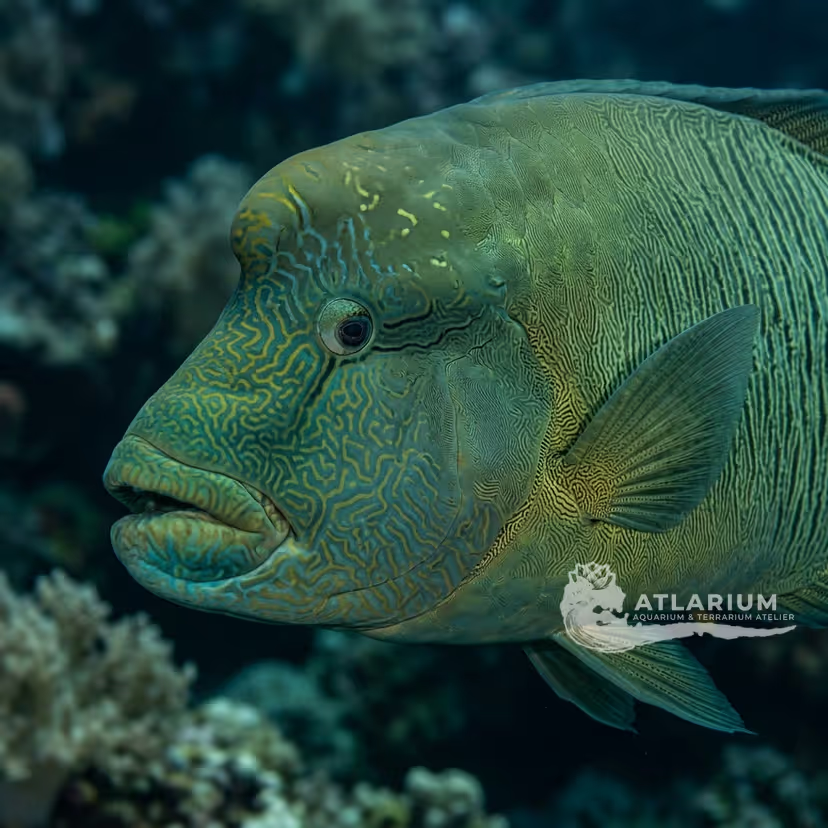
Humphead Wrasse

Humphead Wrasse

Cheilinus undulatus

View details->
Black Wrasse

Black Wrasse

Halichoeres adustus

View details->
New Guinea wrasse

New Guinea wrasse

Anampses neoguinaicus

View details->
Queen coris

Queen coris

Coris formosa

View details->
Tono's Fairy Wrasse

Tono's Fairy Wrasse

Cirrhilabrus tonozukai

View details->
Blueside wrasse

Blueside wrasse

Cirrhilabrus cyanopleura
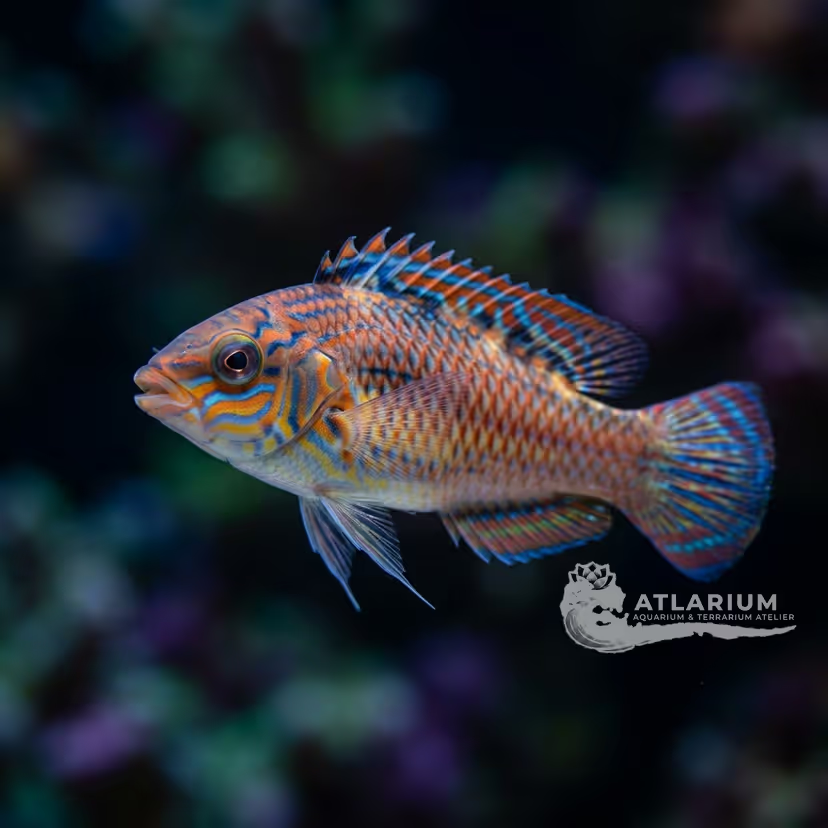
View details->
Exquisite Wrasse

Exquisite Wrasse

Cirrhilabrus exquisitus
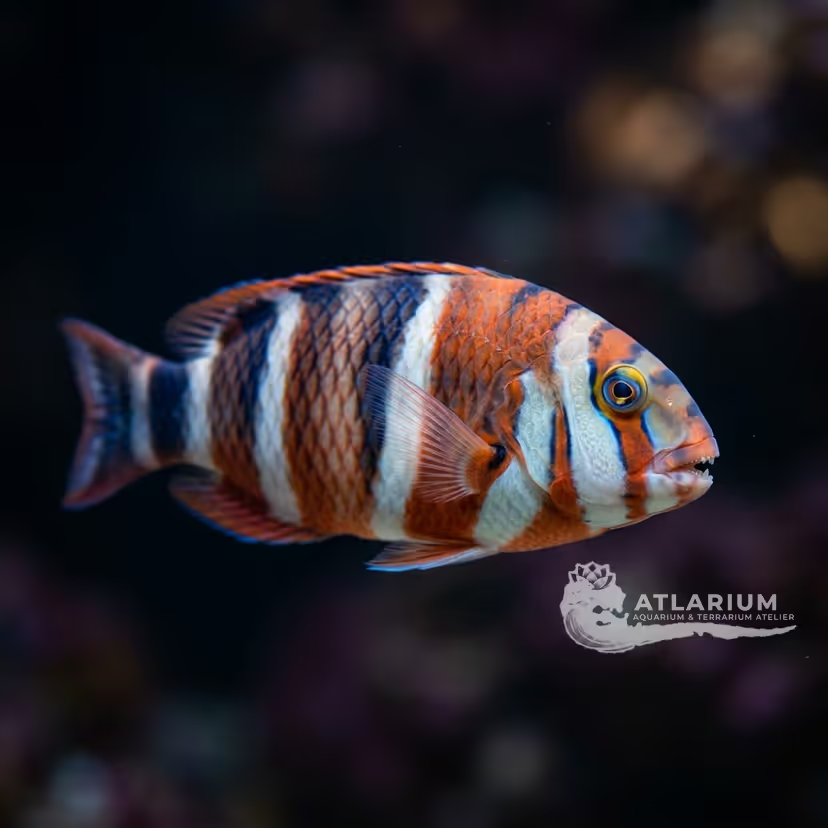
View details->
Harlequin Tuskfish

Harlequin Tuskfish

Choerodon fasciatus
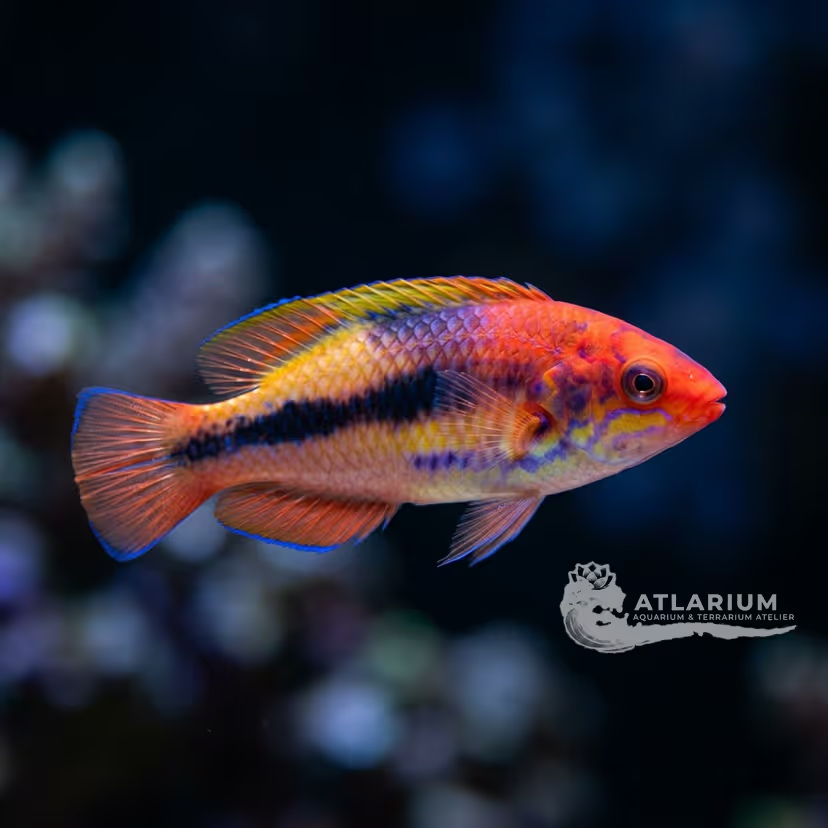
View details->
Lubbock's fairy wrasse

Lubbock's fairy wrasse

Cirrhilabrus lubbocki
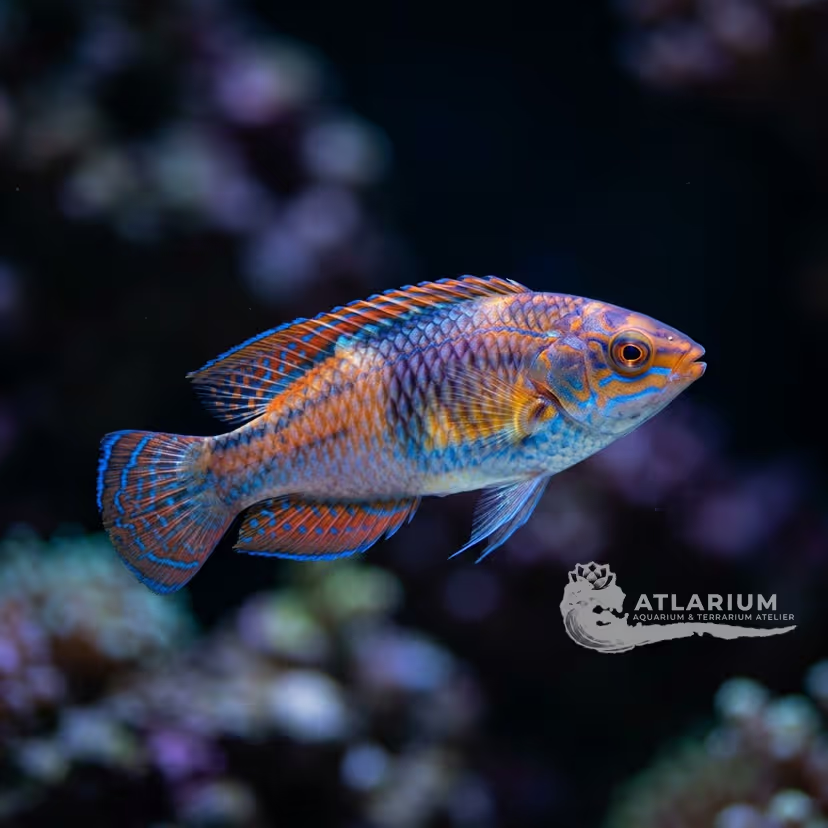
View details->
Red-headed fairy wrasse

Red-headed fairy wrasse

Cirrhilabrus solorensis
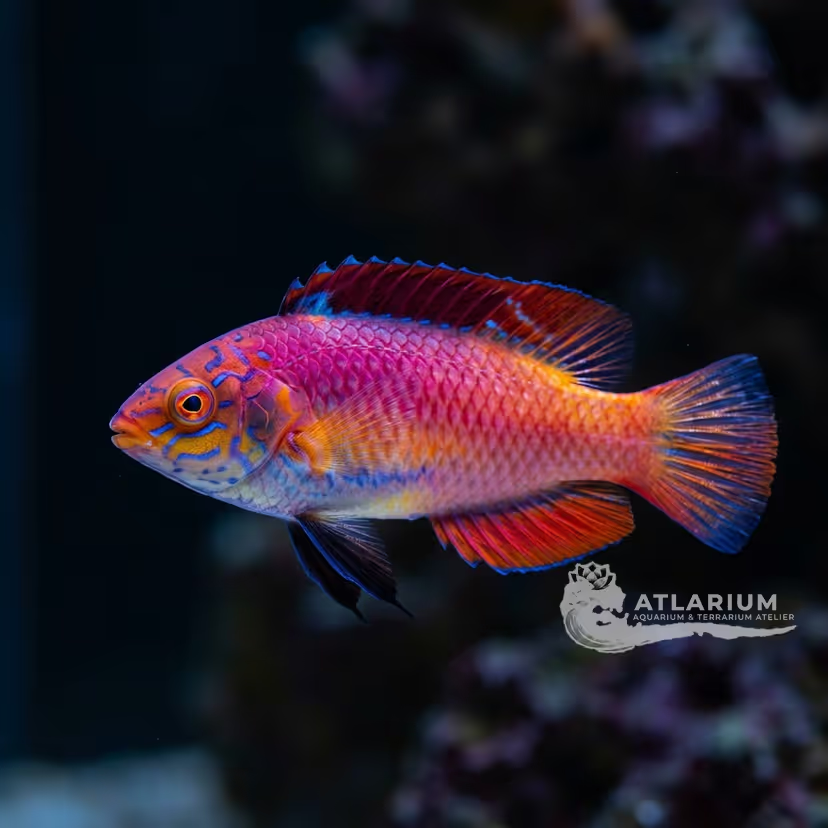
View details->
Redfin Fairy Wrasse

Redfin Fairy Wrasse

Cirrhilabrus rubripinnis
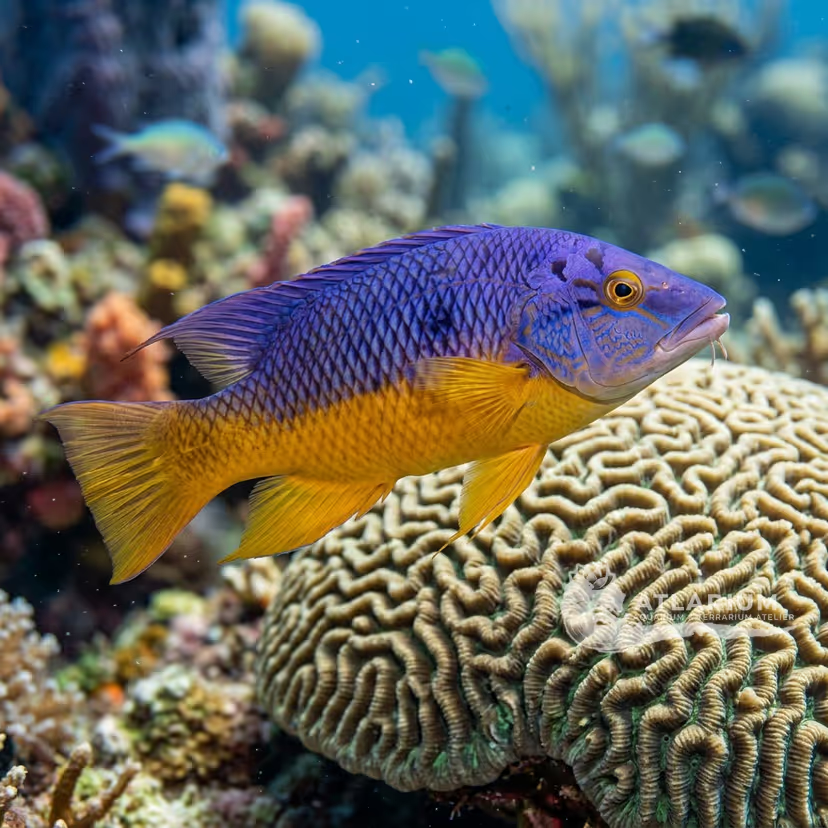
View details->
Spanish hogfish

Spanish hogfish

Bodianus rufus

View details->
Spotfin Hogfish

Spotfin Hogfish

Bodianus pulchellus

View details->
Twospot Slender Hogfish

Twospot Slender Hogfish

Bodianus bimaculatus
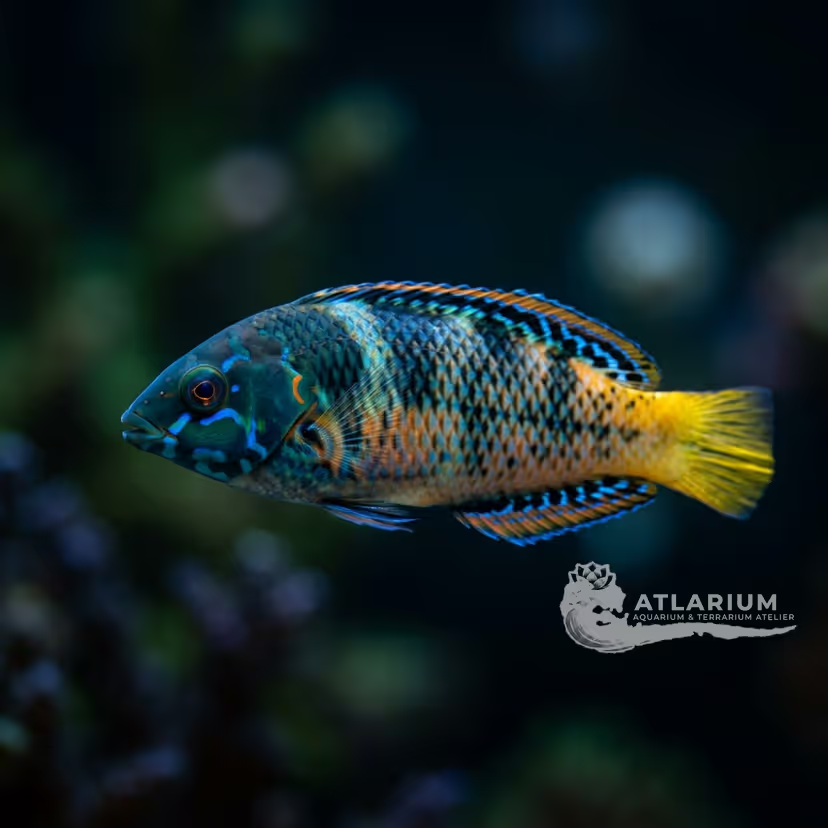
View details->
Clown wrasse

Clown wrasse

Coris aygula

View details->
Yellowtail Wrasse

Yellowtail Wrasse

Anampses meleagrides

View details->

Recommended companions

Compatible cards from coherent ecosystems with matching parameters.

Bucephalandra motleyana "Braun-rot narrow"
Plant

Bucephalandra motleyana "Braun-rot narrow"

Bucephalandra motleyana "Braun-rot narrow"

View details->
Bucephalandra motleyana "Riam Macam"
Plant

Bucephalandra motleyana "Riam Macam"

Bucephalandra motleyana "Riam Macam"

View details->
Ammannia latifolia
Plant

Ammannia latifolia

Ammannia latifolia
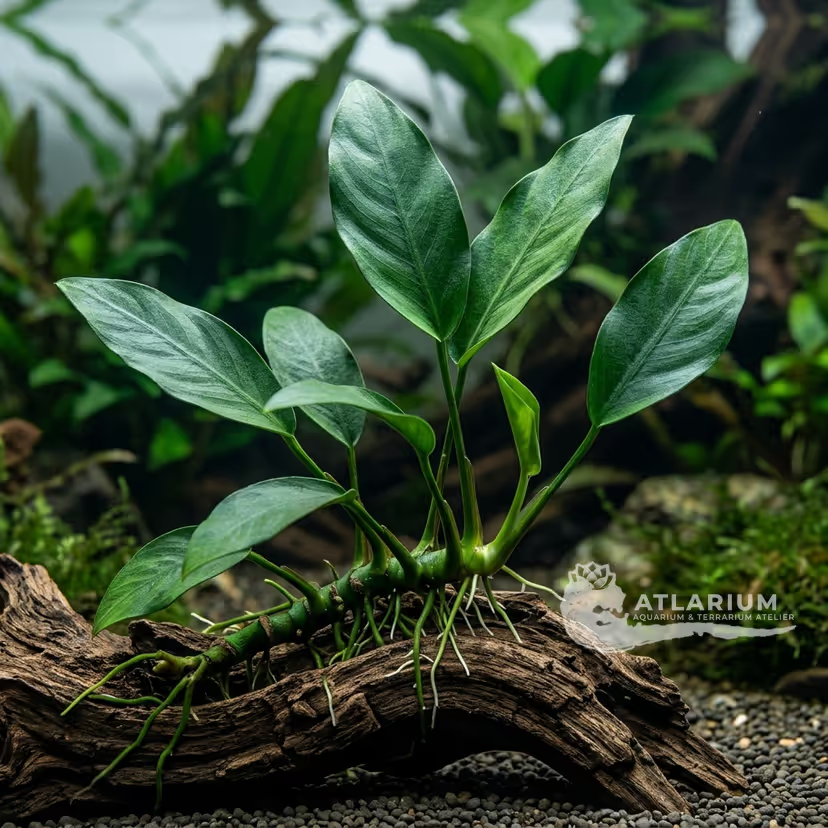
View details->
Anubias
Plant

Anubias

Anubias barteri

View details->
Anubias nana
Plant

Anubias nana

Anubias barteri var. nana
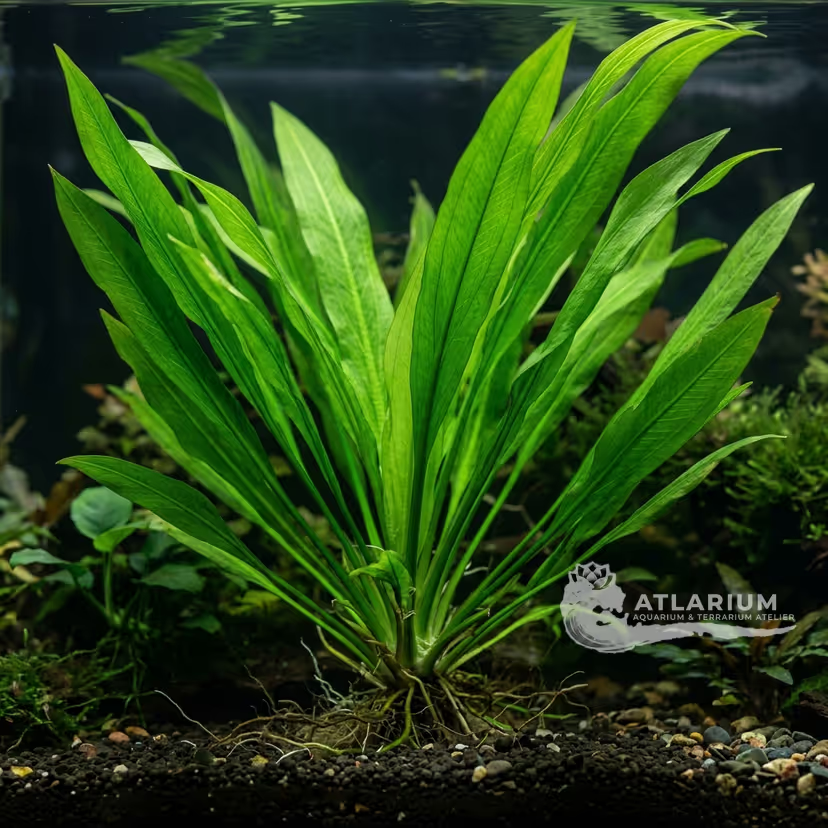
View details->
Amazon Sword
Plant

Amazon Sword

Aquarius grisebachii

View details->
Ammannia sp. 'Bonsai'
Plant

Ammannia sp. 'Bonsai'

Ammannia sp. 'Bonsai'

View details->
Anubias barteri var. nana 'Round Leaf'
Plant

Anubias barteri var. nana 'Round Leaf'

Anubias barteri var. nana 'Round Leaf'

View details->
Anubias congensis
Plant

Anubias congensis

Anubias congensis

View details->
Anubias gigantea
Plant

Anubias gigantea

Anubias gigantea

View details->
Anubias lanceolata
Plant

Anubias lanceolata

Anubias lanceolata
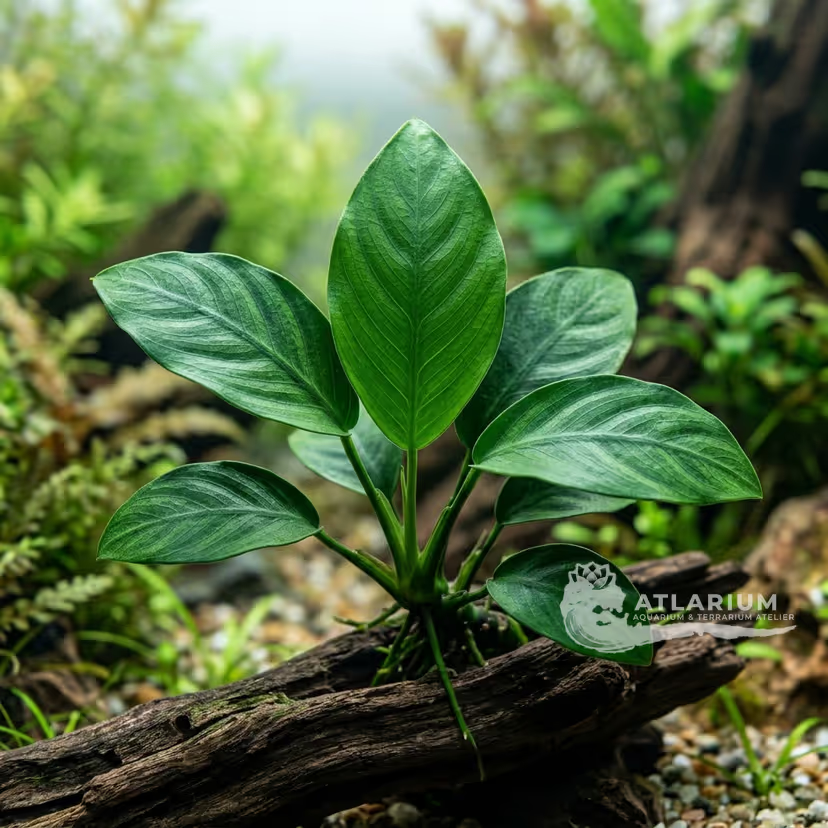
View details->
Anubias minima
Plant

Anubias minima

Anubias minima

View details->
Arrowhead Anubias
Plant

Arrowhead Anubias

Anubias hastifolia

View details->
Bucephalandra motleyana "Braun-rot" ("Serimbu")
Plant

Bucephalandra motleyana "Braun-rot" ("Serimbu")

Bucephalandra motleyana "Braun-rot" ("Serimbu")

View details->
Bucephalandra motleyana "Kapit"
Plant

Bucephalandra motleyana "Kapit"

Bucephalandra motleyana "Kapit"

View details->
Bucephalandra motleyana "Pancuraji"
Plant

Bucephalandra motleyana "Pancuraji"

Bucephalandra motleyana "Pancuraji"

View details->

Similar care

Cards with similar requirements, difficulty, habitat, and husbandry profile.
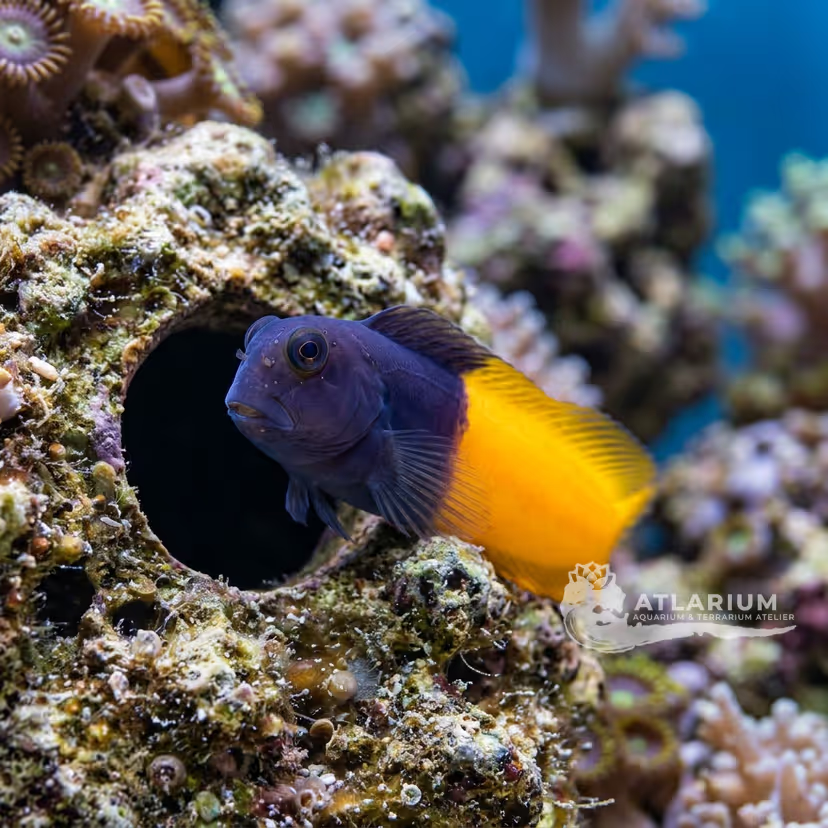
Bicolor Blenny

Bicolor Blenny

Ecsenius bicolor

View details->
Nicaragua Cichlid (Macaw Cichlid)

Nicaragua Cichlid (Macaw Cichlid)

Hypsophrys nicaraguensis
View details->
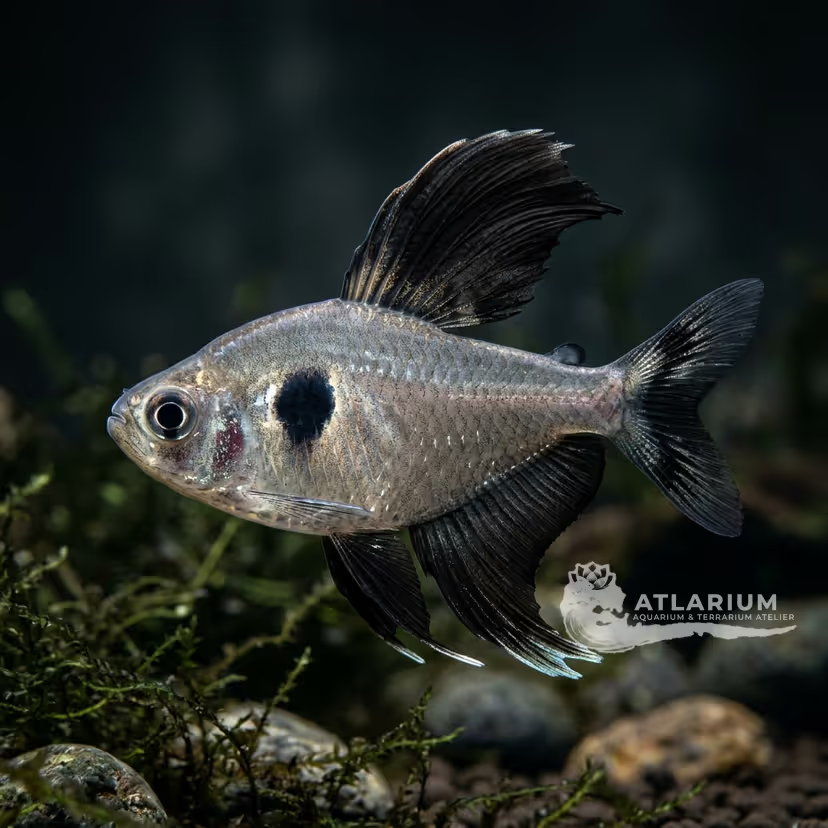
Black Phantom Tetra

Black Phantom Tetra

Hyphessobrycon megalopterus

View details->
Bass Tetra

Bass Tetra

Hemigrammus marginatus

View details->
Clown Squeaker

Clown Squeaker

Synodontis decorus

View details->
Amazon Cichlasoma (Cichlasoma amazonarum)

Amazon Cichlasoma (Cichlasoma amazonarum)

Cichlasoma amazonarum

View details->
Yellow Dwarf Cichlid (Yellow Convict)

Yellow Dwarf Cichlid (Yellow Convict)

Amatitlania nanolutea
View details->
Ocellated Shell-dweller (L. ocellatus)

Ocellated Shell-dweller (L. ocellatus)

Lamprologus ocellatus

View details->
T-Bar Cichlid (Sajica)

T-Bar Cichlid (Sajica)

Amatitlania sajica

View details->
Forest Betta

Forest Betta

Betta pugnax

View details->
Three Stripe Corydoras (False Julii)

Three Stripe Corydoras (False Julii)

Corydoras trilineatus

View details->
Angelfish

Angelfish

Pterophyllum scalare

View details->
Red-eye Krobia

Red-eye Krobia

Krobia xinguensis

View details->
Blue Acara

Blue Acara

Andinoacara pulcher

View details->
African Butterfly Cichlid

African Butterfly Cichlid

Anomalochromis thomasi
View details->
Costatus Striped Raphael

Costatus Striped Raphael

Platydoras costatus

View details->
Last updated: 06/30/2026
Bird Wrasse (Gomphosus varius) Care Guide & Tank Setup | Atlarium