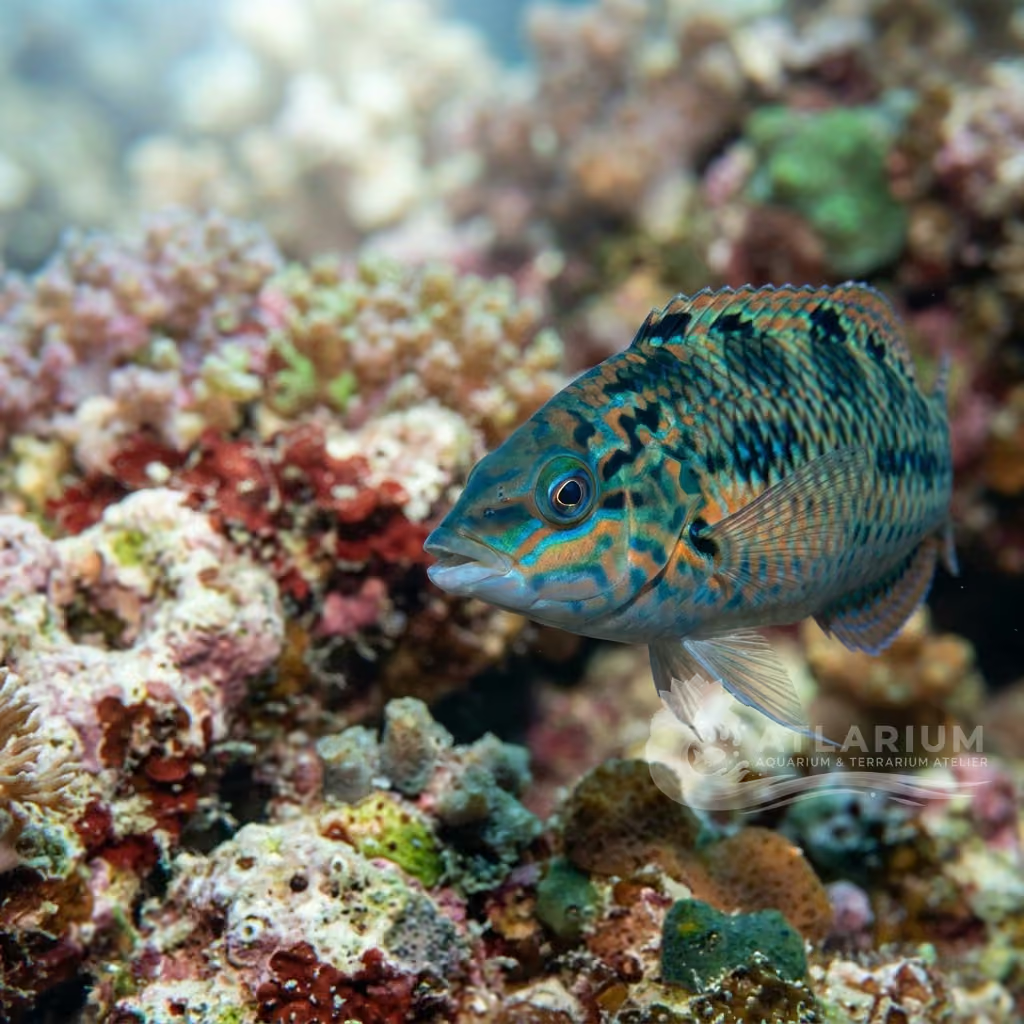
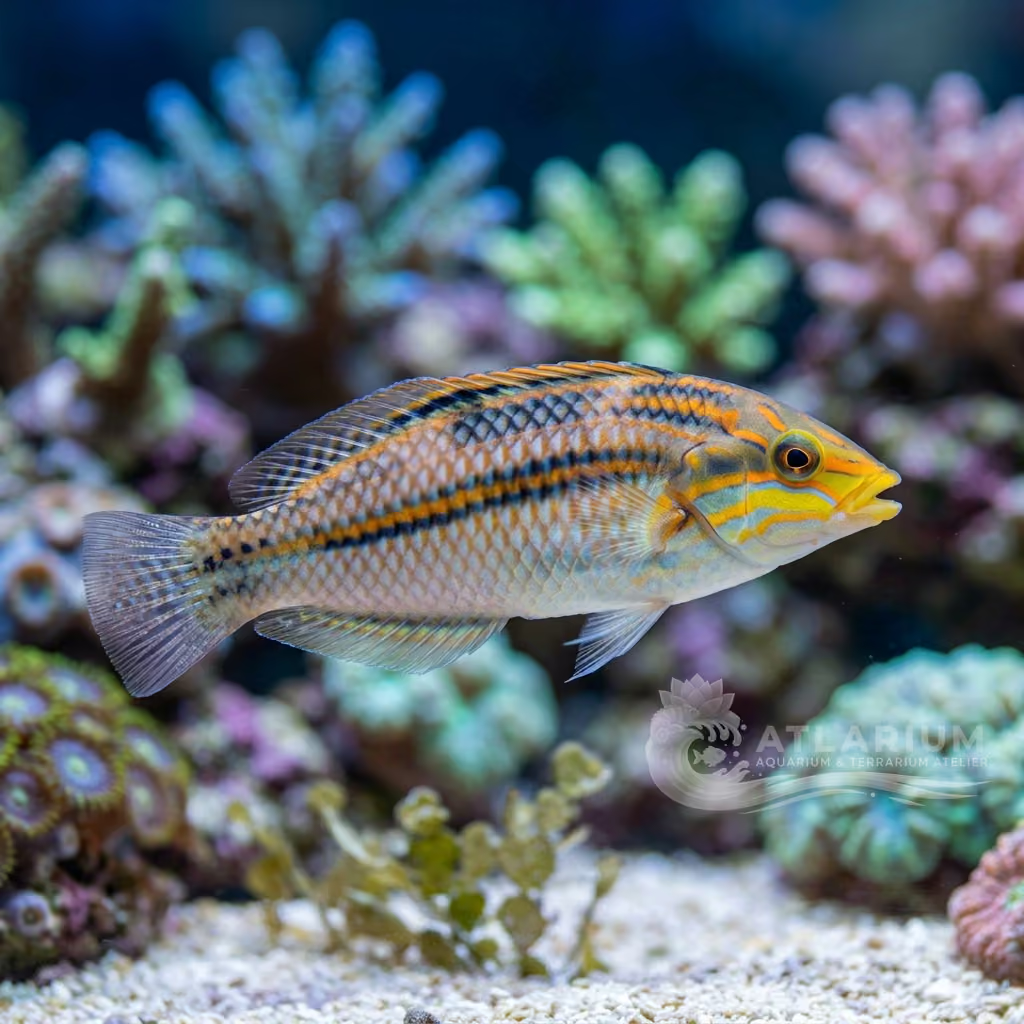
Mediterranean rainbow wrasse
Coris julis
The Mediterranean Rainbow Wrasse is highly active and famous for its dramatic color changes. It requires a cool, temperate marine setup with a deep sand bed.
Water Temperature
15 - 24 °C
pH Value
8.1 - 8.4
Water type
Marine
Tank level
All levels
Adult size
25 cm
Minimum tank volume
>= 250 L
Minimum group
>= 1
KH
8 - 12 dKH

Species description
Geographical Origin and Habitat: The Mediterranean Rainbow Wrasse is native to the Mediterranean Sea and the eastern Atlantic Ocean, ranging from the southern British Isles to Gabon, including the Azores and Canary Islands. It inhabits coastal rocky reefs, seagrass beds, and sandy areas at depths of 1 to 60 meters.
Taxonomy and Morphology: Belonging to the family Labridae and the genus Coris. It features an elongated, flexible body with a pointed snout. It is a protogynous hermaphrodite. Males can reach up to 25 cm in length, while females are typically smaller, reaching 15-18 cm.
Social Behavior: Highly active, curious, and territorial. It exhibits a distinct daily rhythm, diving headfirst into the sand to sleep at night or to hide when threatened. It is aggressive towards other wrasses of similar shape and size, but generally ignores unrelated fish.
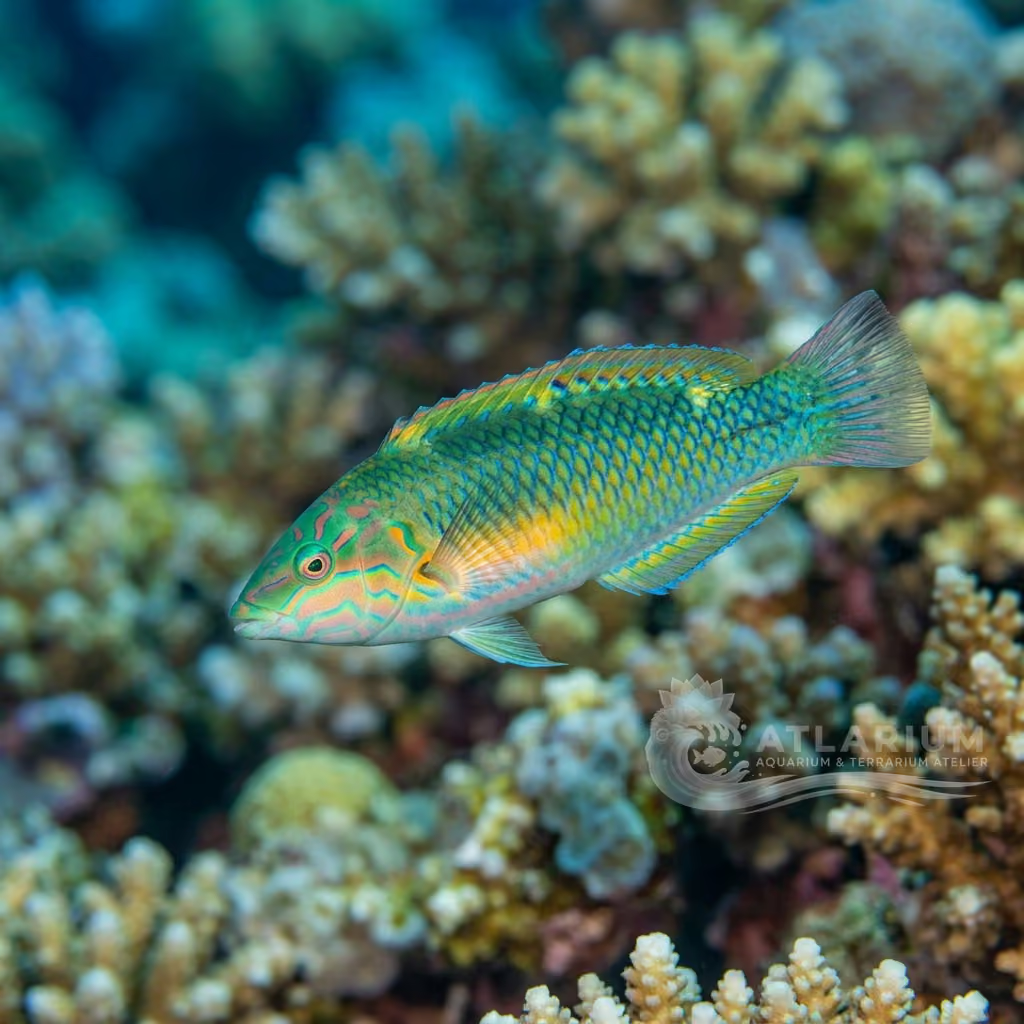
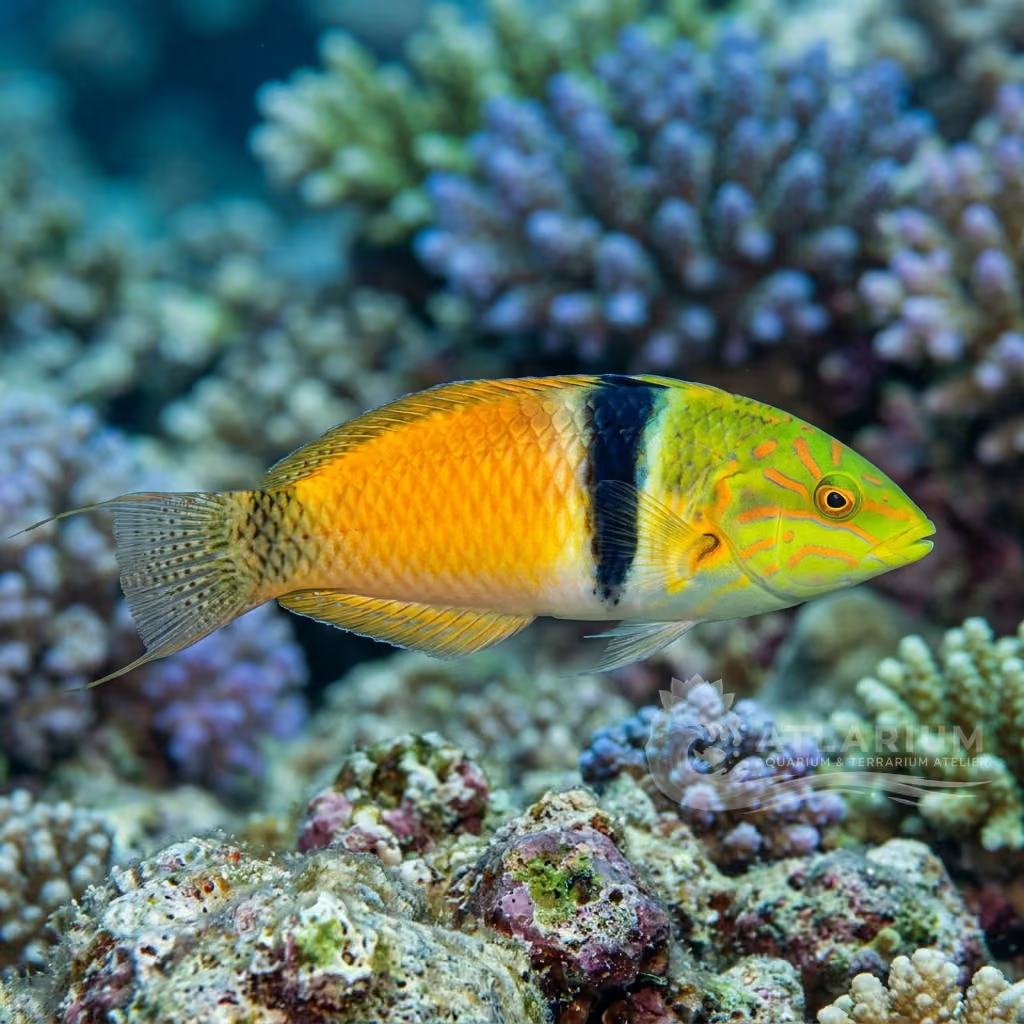
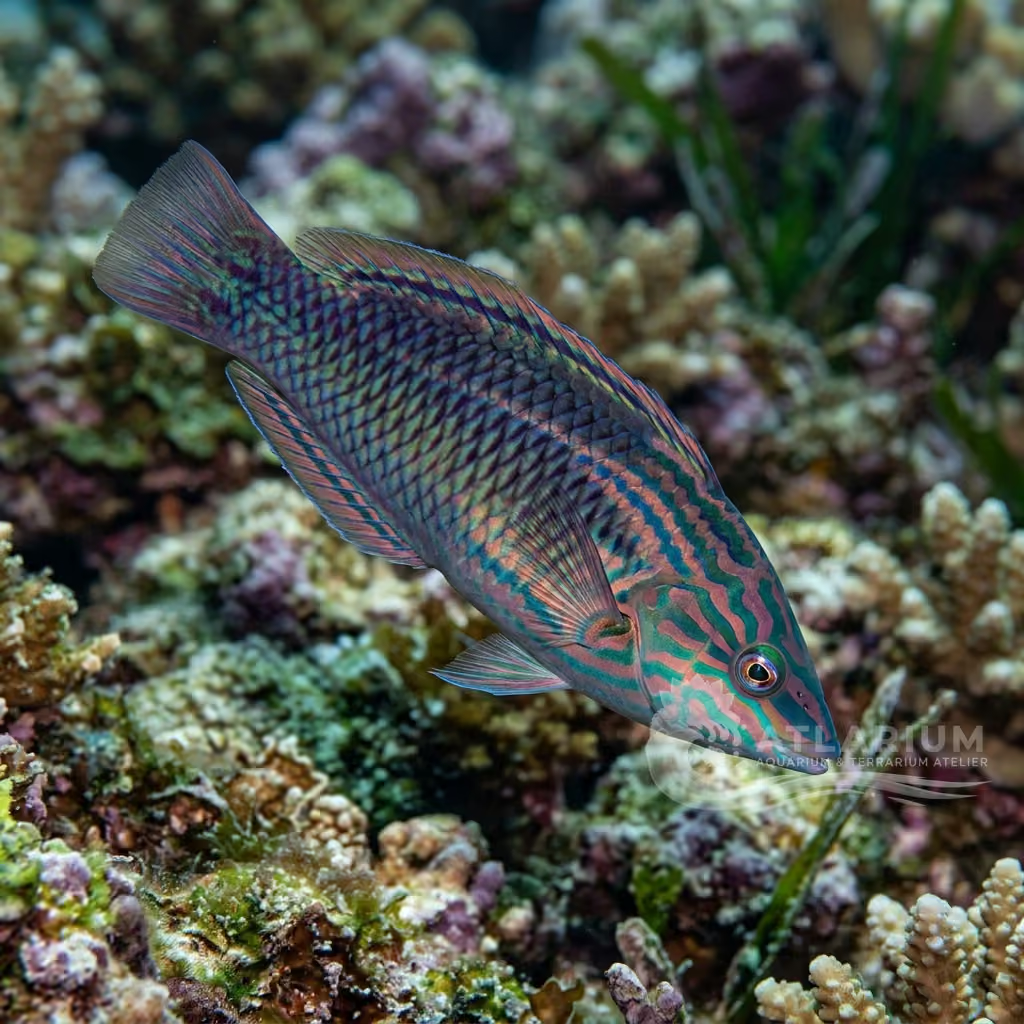
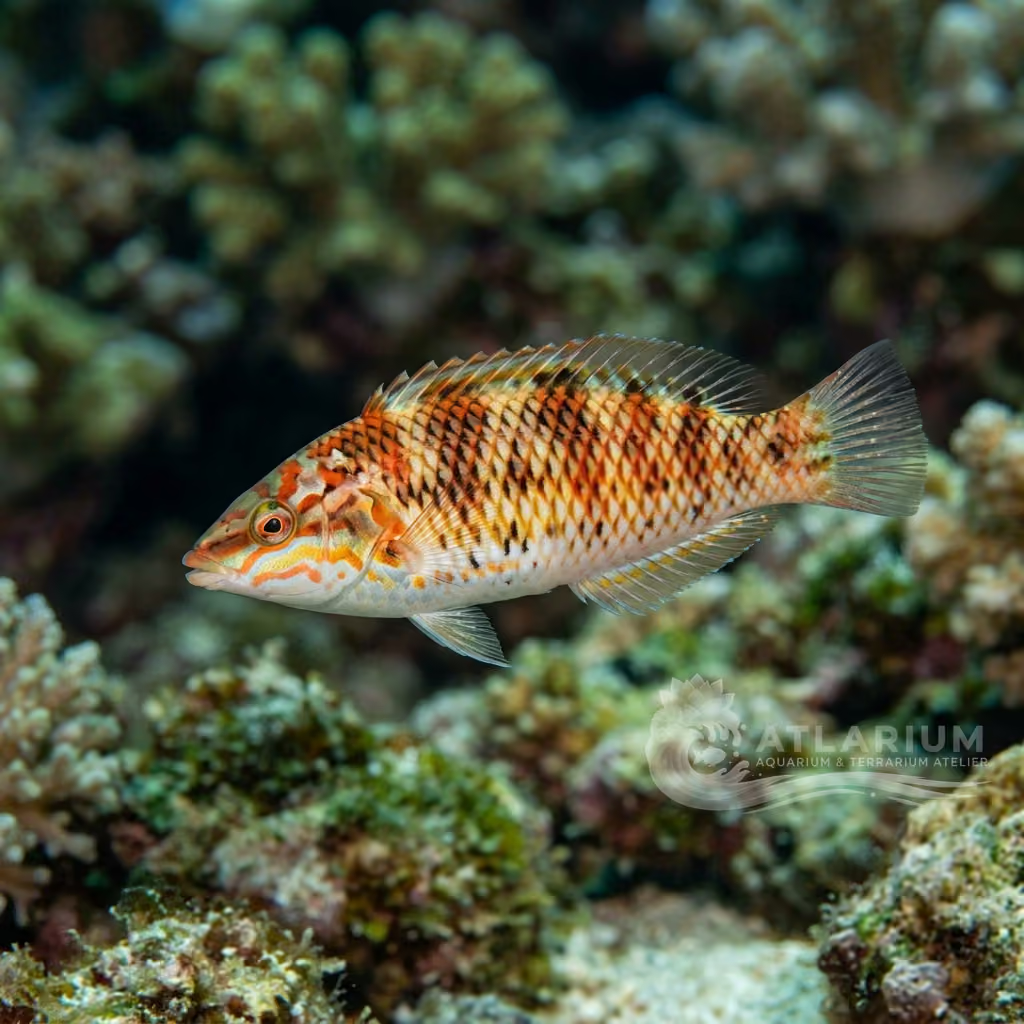
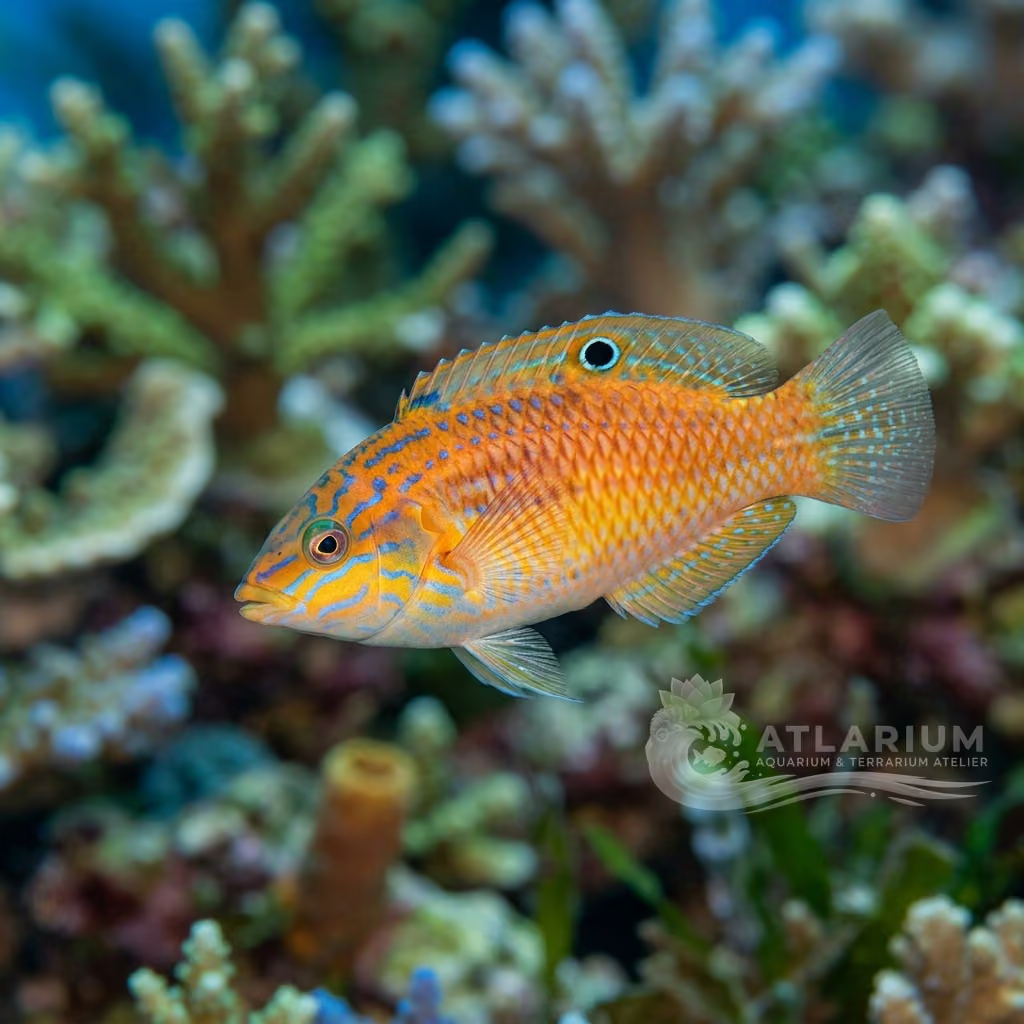
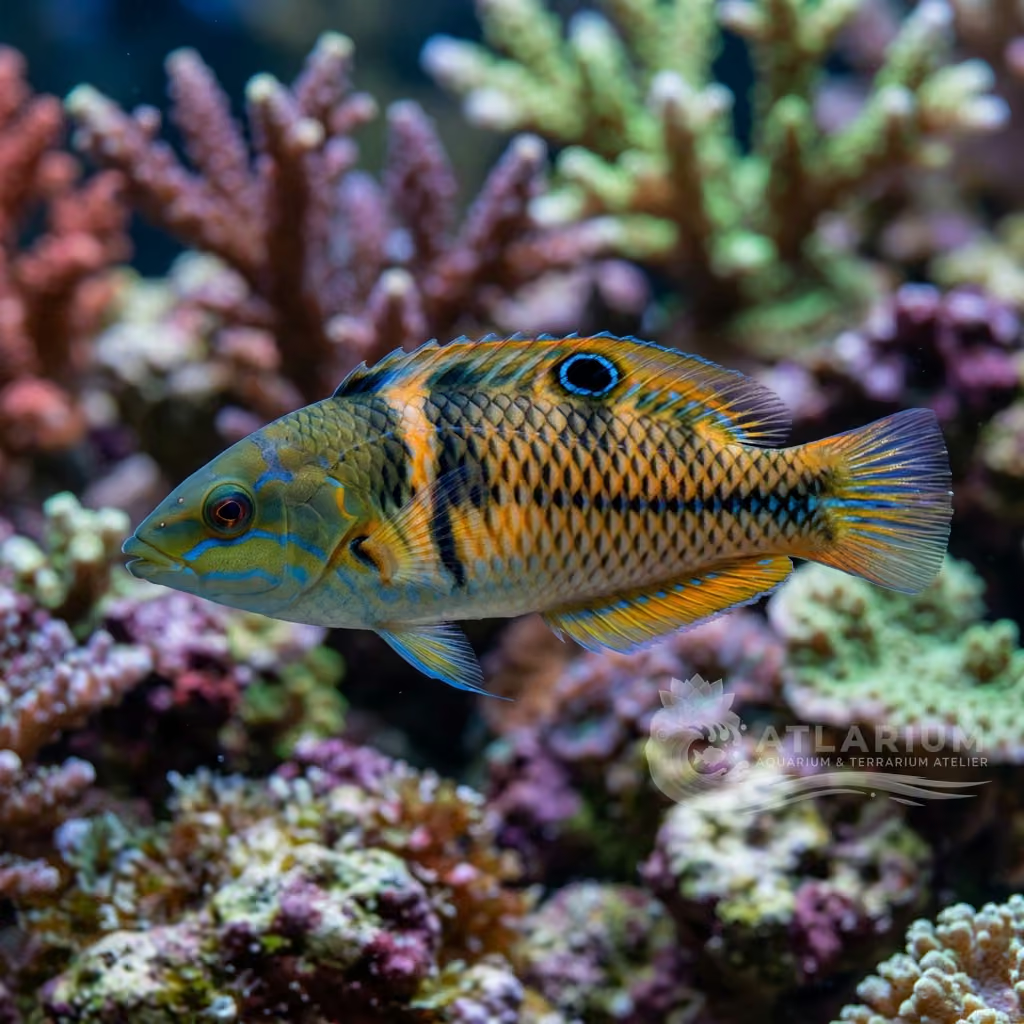
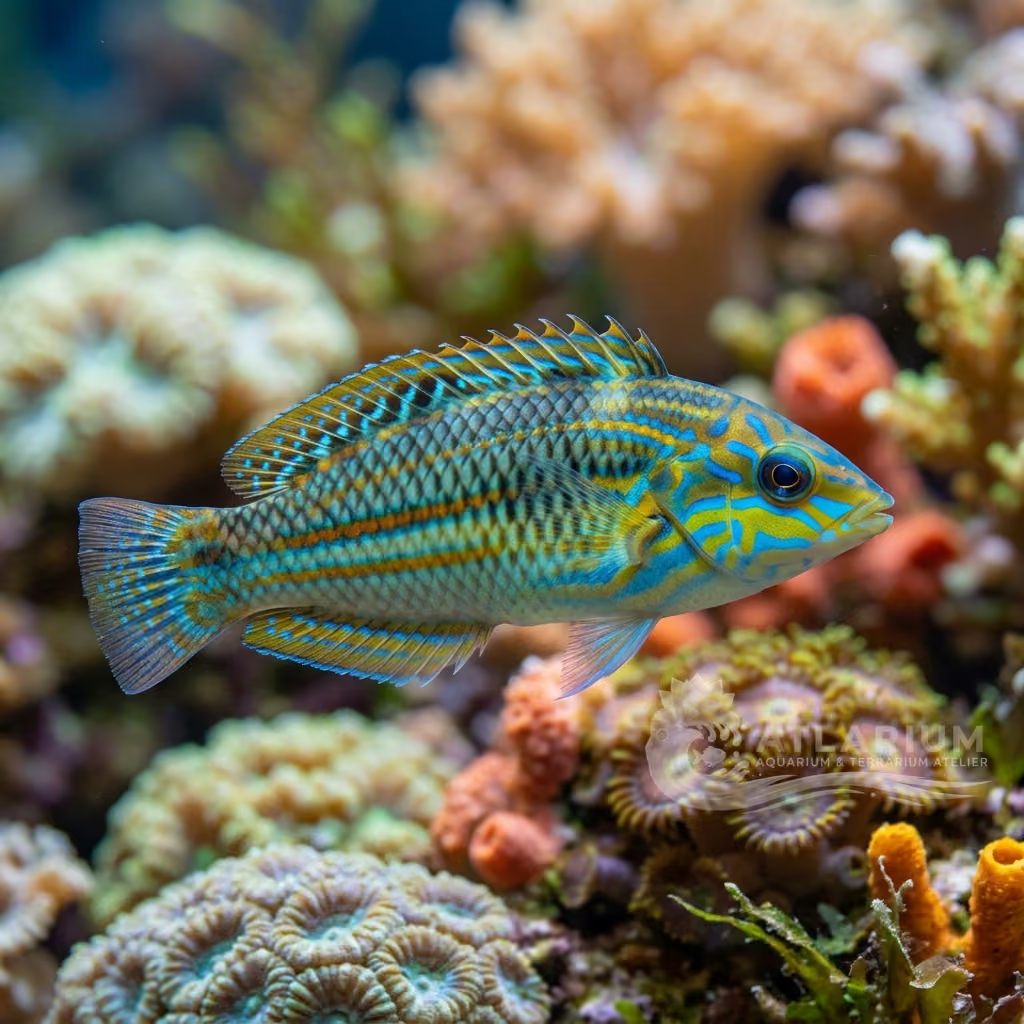
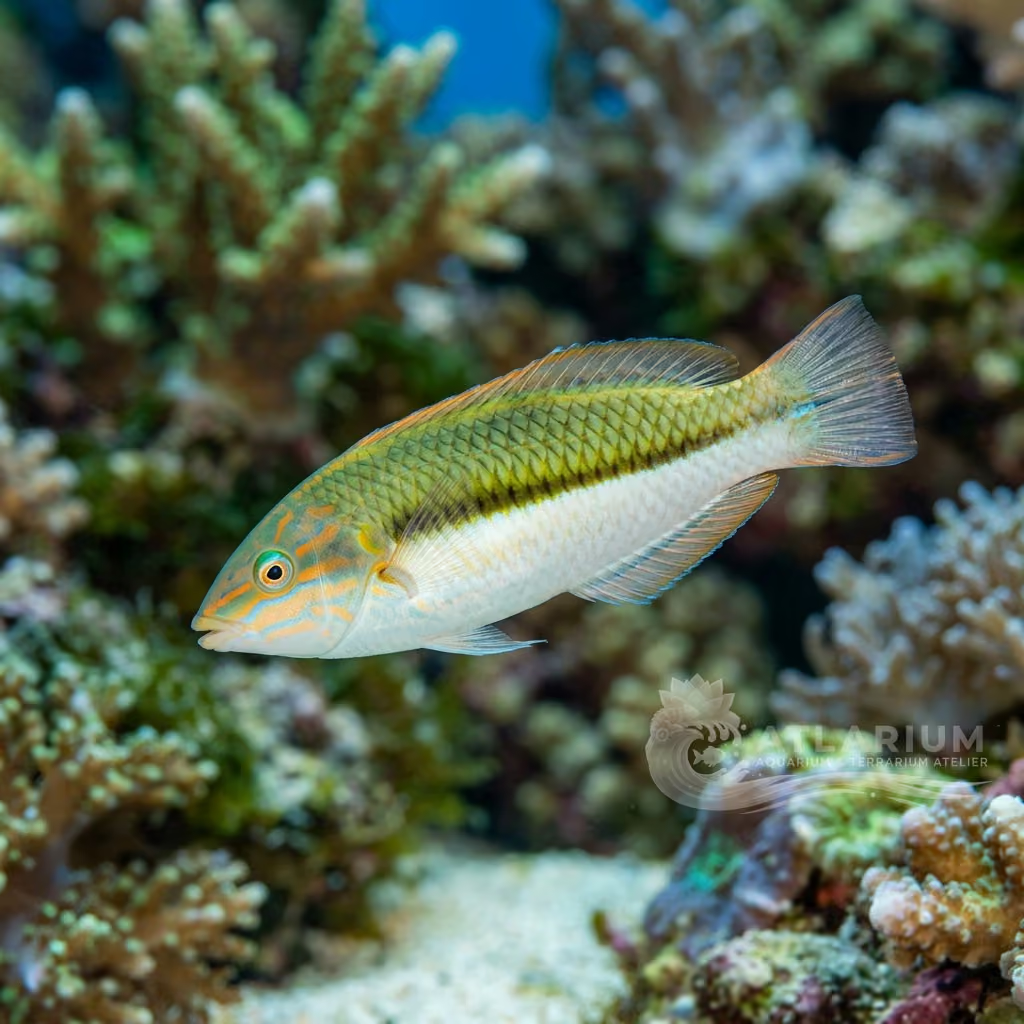
Coloration and Sexual Dimorphism: Displaying striking sexual dimorphism. The initial phase is brownish-red with a broad, pale yellowish-white lateral stripe. The terminal phase features a vibrant green-blue back, a bright orange zig-zag stripe along the flank, and a dark spot behind the gill cover.

Care, breeding and tankmates
Aquarium Setup: A spacious tank of at least 300 liters (approx. 80 gallons) is required. A deep sand bed (at least 6-8 cm) of fine, non-abrasive sand is absolute mandatory for their burrowing behavior. A tight-fitting lid is essential, as this species is an exceptional jumper.
Diet and Feeding: Strictly carnivorous. In nature, it feeds on small crustaceans, mollusks, sea urchins, and polychaetes. Feed a varied diet in captivity, including mysis shrimp, krill, chopped shrimp, clams, and high-quality carnivore pellets. Feed twice daily.
Water Quality: Although subtropical, it adapts to warm temperate conditions. Keep temperature between 15°C and 22°C (59-72°F); prolonged exposure to tropical temperatures above 25°C should be avoided. Maintain pH 8.1-8.4, specific gravity 1.025, and high oxygenation.
Compatibility and Cohabitation: Suitable for fish-only-with-live-rock setups with moderately aggressive tankmates. It is not reef-safe with small invertebrates, as it will actively hunt and consume ornamental shrimp, hermit crabs, snails, and feather dusters.
Aquarium Breeding: Extremely rare in captivity. They are pelagic spawners that broadcast eggs into the water column. In the wild, courtship involves the male performing rapid vertical swims. Rearing the delicate floating larvae is rarely successful in home aquaria.
Risks and Diseases: Prone to skin lesions and bacterial infections if the sand substrate is too coarse or sharp. Depriving this fish of sand to burrow in will cause severe psychological stress, leading to a weakened immune system and vulnerability to marine ich.

Geographic origin and distribution
The Mediterranean Rainbow Wrasse is native to the Mediterranean Sea and the eastern Atlantic Ocean, ranging from the southern British Isles to Gabon, including the Azores and Canary Islands. It inhabits coastal rocky reefs, seagrass beds, and sandy areas at depths of 1 to 60 meters.
Origin
Tropical oceans and reefsAfrica and MadagascarEurope, Mediterranean, and West Asia

Fish profile
- Temperament
- Aggressive
- They are lively, curious, and somewhat boisterous fish in a community setting. While not overly aggressive, their constant high-speed swimming can stress timid species. They are excellent, colorful display fish for appropriate temperate marine setups.
- Diet
- Carnivore
- It is a strict carnivore that heavily feeds on small benthic invertebrates. Offer a high-quality diet of frozen mysis, krill, and chopped mollusks. Variety is essential to maintain their vibrant and highly distinctive coloration.
- Life expectancy
- 7-10 years
- Adult size
- 25 cm
- Sex ratio
- Solitary
- They can be kept singly or in a single male, multiple female harem. Introducing multiple males into the same enclosure will result in severe territorial fighting. They are protogynous hermaphrodites, so dominant females will transition into males.
- Feeding frequency
- 2-3 times daily
- They should be fed at least twice daily to sustain their energy levels. They are voracious eaters that will quickly consume anything offered. Ensure enough food reaches them without significantly overfeeding the entire tank system.
- Bioload
- High
- This temperate species produces a moderate bioload consistent with its active metabolism. It requires strong biological filtration to keep water parameters pristine. Regular water changes are highly recommended to process its standard waste output.
- Flow
- Strong
- Moderate to strong flow closely mimics their natural Mediterranean and Atlantic rocky habitats. They are strong swimmers that enjoy navigating through shifting currents. Proper flow also ensures the sandy substrate remains free of accumulating detritus.
- Jump risk
- Yes
- The Mediterranean rainbow wrasse is a very high jump risk, easily startled. A completely enclosed canopy or tight mesh lid is entirely non-negotiable. They will find and exploit even the smallest gaps to escape the water.
- Reproduction
- Protogynous hermaphrodite
- Captive reproduction of this species has not been documented by home aquarists. They utilize complex pelagic spawning methods in the open ocean. Replicating the exact seasonal temperature shifts required is exceptionally difficult indoors.
- Compatibility & tankmates
- Community
- It is generally suitable for a temperate or subtropical marine community tank. It may harass smaller, shy fish or consume tiny ornamental crustaceans. Ensure tankmates are similarly robust and accustomed to slightly cooler water temperatures.
- Tank level
- All levels
- They generally patrol the lower and middle regions of the aquarium structure. A deep sand bed is an absolute necessity because they bury themselves nightly. Without sand to sleep in, they will quickly succumb to extreme stress.

Scientific Parameters & Models
FishBase
Window to the official scientific data of the species
FishBase v25.04Data synced on: 06/15/2026
- Trophic level
- 3.4 ± 0.1 se
- Resilience
- Medium (1.4 - 4.4 years)
- Phylogenetic uniqueness (PD50)
- 0.5
- Bayesian Length-Weight
- a = 0.00851, b = 3.06
- VulnerabilityModerate vulnerability (39 / 100)

Related species
Recommendations grouped by close relatives, companion choices, and similar care.