

Encyclopaedia
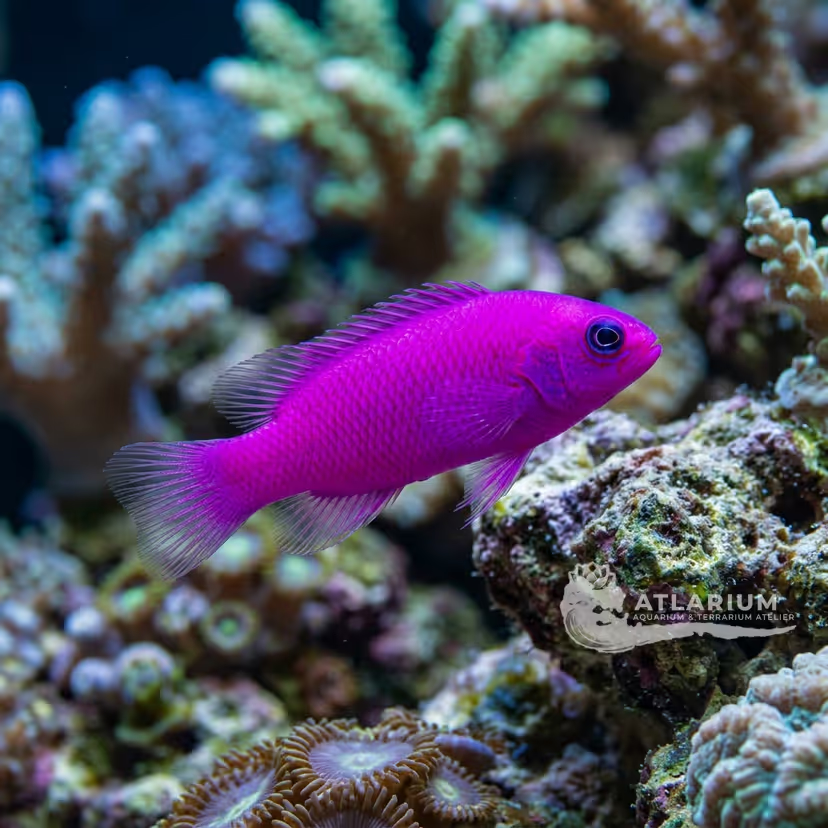
Spotted-tail dottyback
Pseudochromis caudalis
A brightly colored and highly territorial marine dottyback native to the Western Indian Ocean, making it best suited for reef aquariums populated with robust tankmates.
Share
Check out Spotted-tail dottyback on Atlarium
22 - 26 °C
8.1 - 8.4
Marine
Bottom and middle
10 cm
>= 100 L
>= 1
Species description
Care, breeding and tankmates
Geographic Origin and Distribution
Origin
Fish profile
- Temperament
- Semi-aggressive
- Diet
- Carnivore
- Sex ratio
- Solitary
- Feeding frequency
- Twice daily
- Bioload
- This species contributes a moderate bioload to the aquarium ecosystem due to its active metabolism and regular feeding requirements. They produce a fair amount of waste for their size, so efficient protein skimming and biological filtration are necessary. Regular water changes should be maintained to prevent nitrate accumulation in the tank.
- Flow
- Moderate
- Jump risk
- Yes
- Reproduction
- Bidirectional hermaphrodite
- Compatibility & tankmates
- Territorial
- Tank level
- Middle/Bottom
Window to the official scientific data of the species
Scientific Parameters & Models
- Trophic level
- 3.6 ± 0.5 se
- Resilience
- High (less than 15 months)
- Phylogenetic uniqueness (PD50)
- 0.5
- Bayesian Length-Weight
- a = 0.00501, b = 3.1
Image gallery
Licensed images linked to the species or, when marked, to the closest representative taxon.
Related species
Recommendations grouped by close relatives, companion choices, and similar care.
Variants and close relatives
Same atlas type, nearby scientific identity, genus, or family.

Ammer's dottyback
Pseudochromis ammeri

Andaman Dottyback
Pseudochromis andamanensis

Blackstripe Dottyback
Pseudochromis nigrovittatus

Cole's Dottyback
Pseudochromis colei

Comet dottyback
Pseudochromis cometes

Doublebar dottyback
Pseudochromis bitaeniatus

Dusky Dottyback
Pseudochromis fuscus

Eichler's Dottyback
Pseudochromis eichleri

Firetail dottyback
Pseudochromis flammicauda

Forktail dottyback
Pseudochromis dixurus

Gold-lined dottyback
Pseudochromis aurulentus
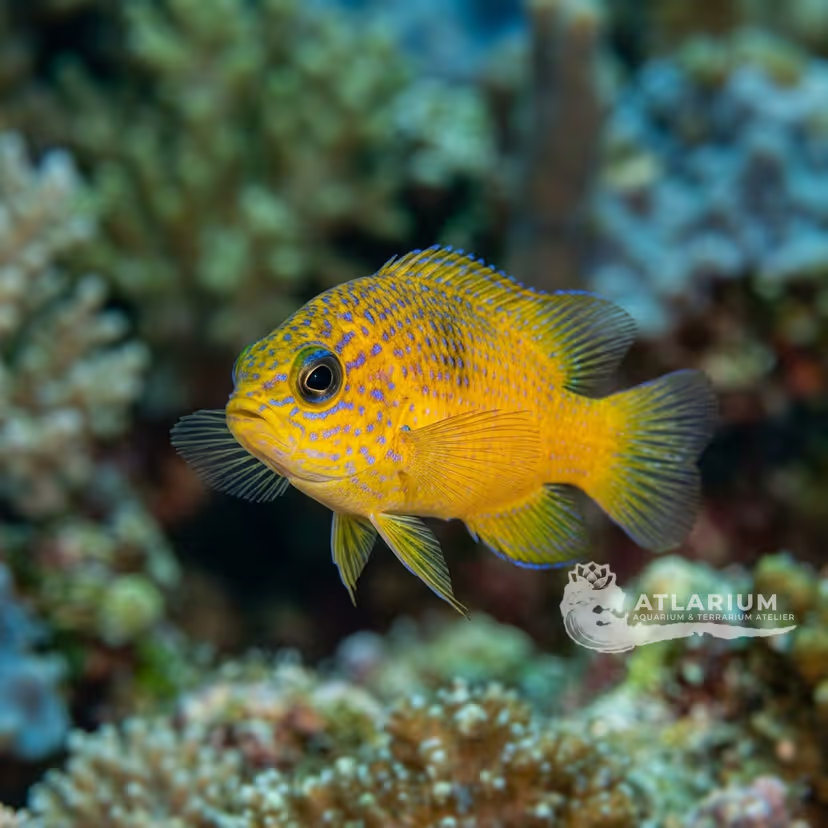
Gold-spotted dottyback
Pseudochromis chrysospilus

Blueback Dottyback
Pseudochromis cyanotaenia

Elongate dottyback
Pseudochromis elongatus

Goldline Dottyback
Pseudochromis aureolineatus
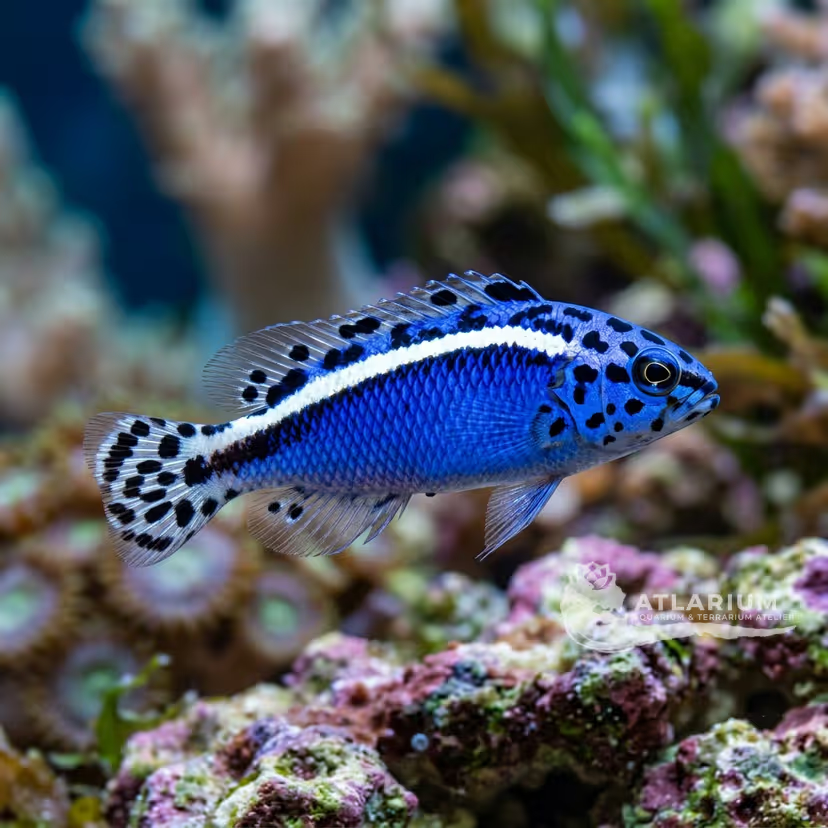
Sankey's Dottyback
Pseudochromis sankeyi
Recommended companions
Compatible cards from coherent ecosystems with matching parameters.

Caulerpa prolifera
Caulerpa prolifera
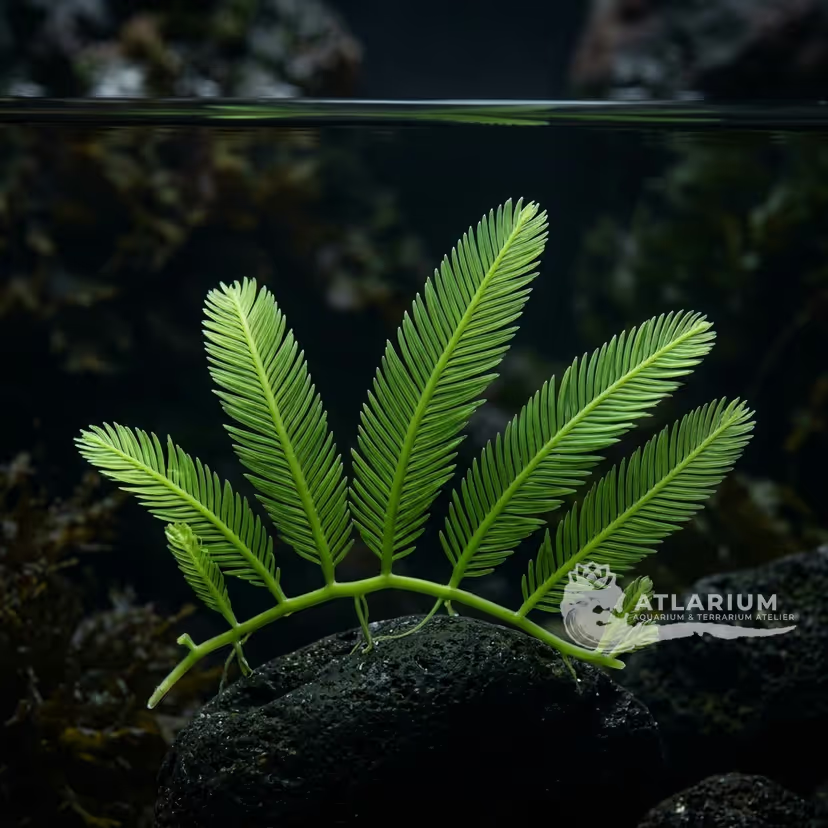
Caulerpa taxifolia
Caulerpa taxifolia
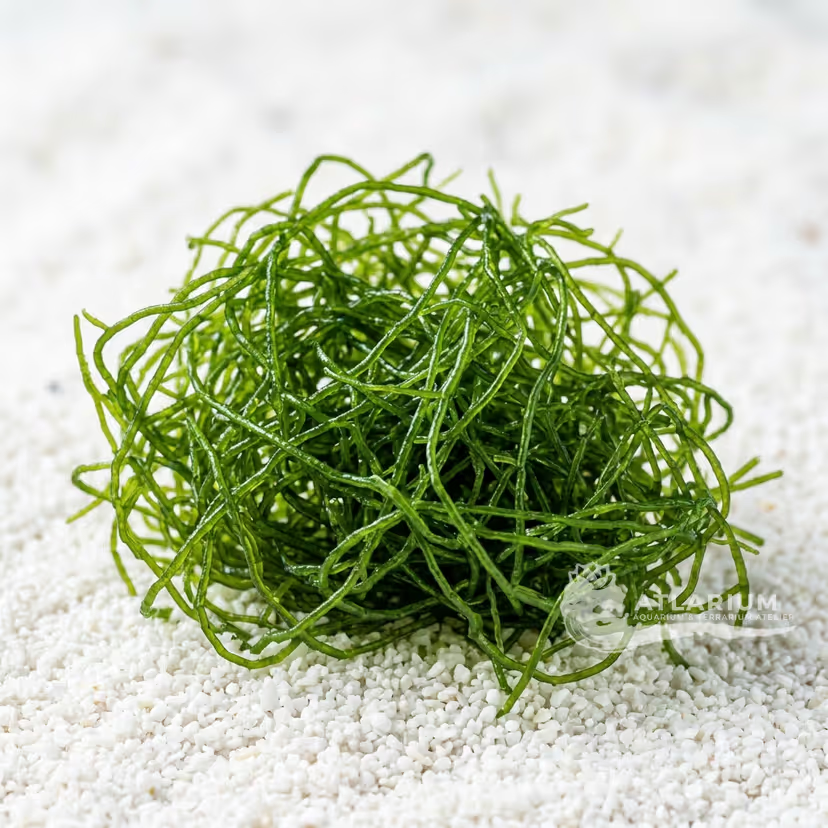
Chaetomorpha macroalgae
Chaetomorpha linum

Dead man fingers algae
Codium fragile

Grape caulerpa
Caulerpa racemosa

Halimeda macroalgae
Halimeda opuntia

Peacock tail algae
Padina pavonica

Red gracilaria
Gracilaria parvispora

Red grape algae
Botryocladia uvaria

Sea lettuce
Ulva lactuca

Red Mangrove
Rhizophora mangle
Similar care
Cards with similar requirements, difficulty, habitat, and husbandry profile.
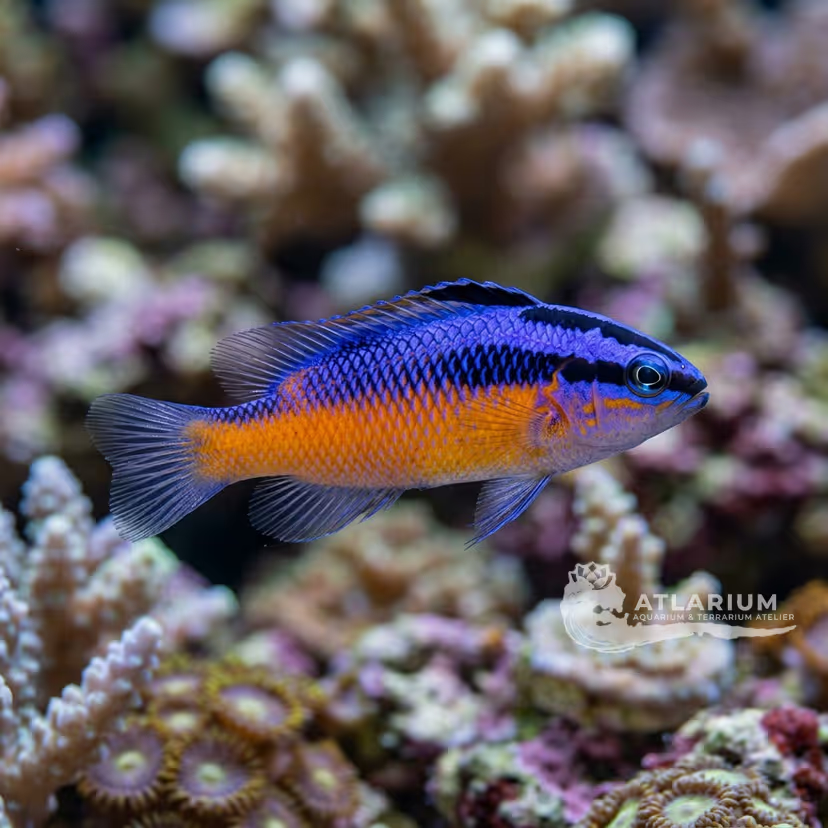
Springer's Dottyback
Pseudochromis springeri
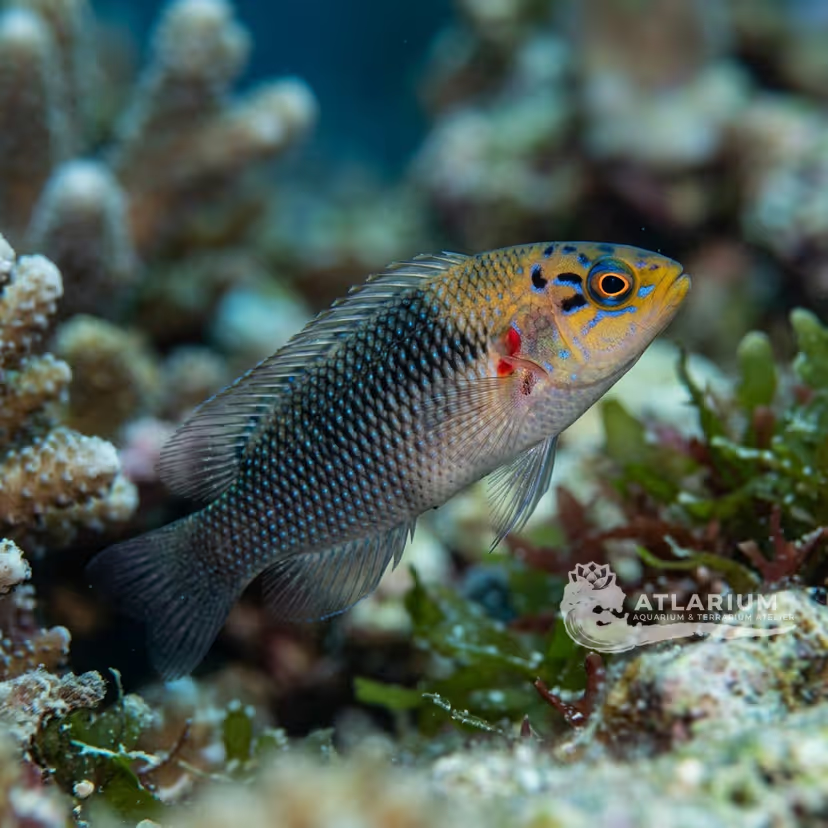
Steene's Dottyback
Pseudochromis steenei
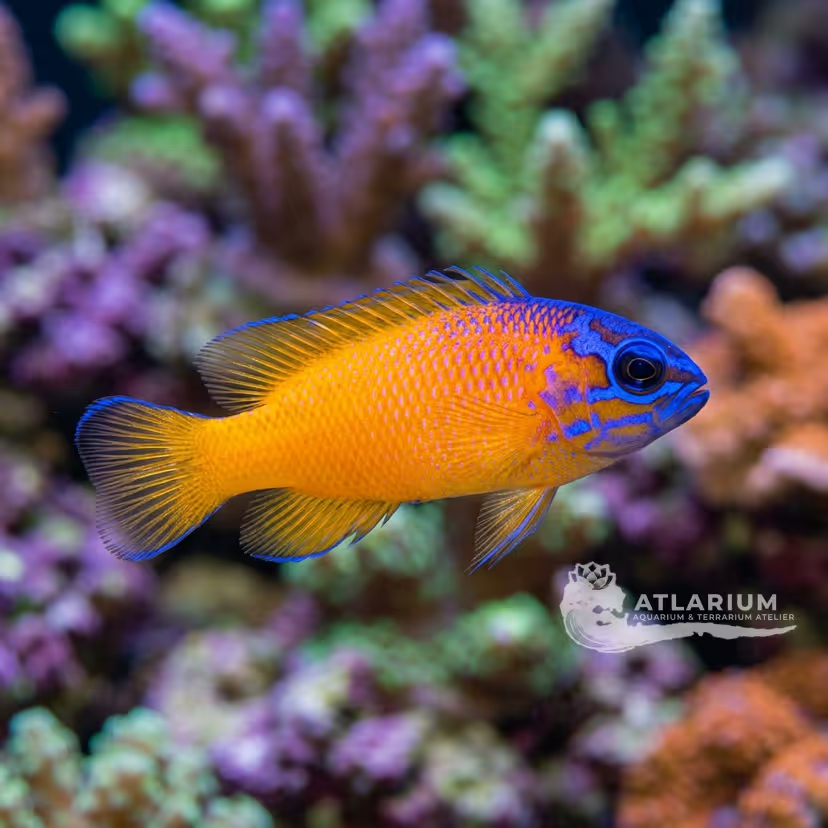
Tono's Dottyback
Pseudochromis tonozukai

Blue Dottyback
Pseudochromis

Orchid dottyback
Pseudochromis fridmani

Neon dottyback
Pseudochromis aldabraensis

Chestnut Eyelash Blenny
Cirripectes castaneus

Dilectus dottyback
Pseudochromis dilectus

Red-tail dottyback
Pseudochromis coccinicauda
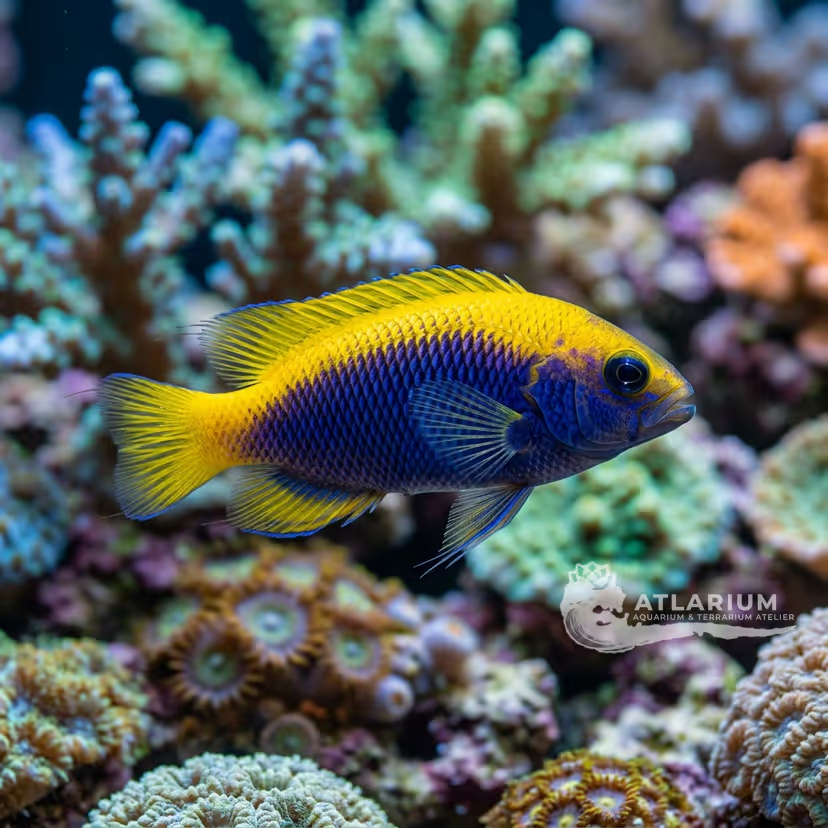
Sunrise Dottyback
Pseudochromis flavivertex

Aron's blenny
Ecsenius aroni

Spot-breast Dottyback
Pseudochromis alticaudex

Coral Hawkfish
Cirrhitichthys oxycephalus

Oblique-lined Dottyback
Cypho purpurascens
Strawberry Dottyback
Pictichromis porphyrea

Erdmann's dottyback
Pseudochromis erdmanni