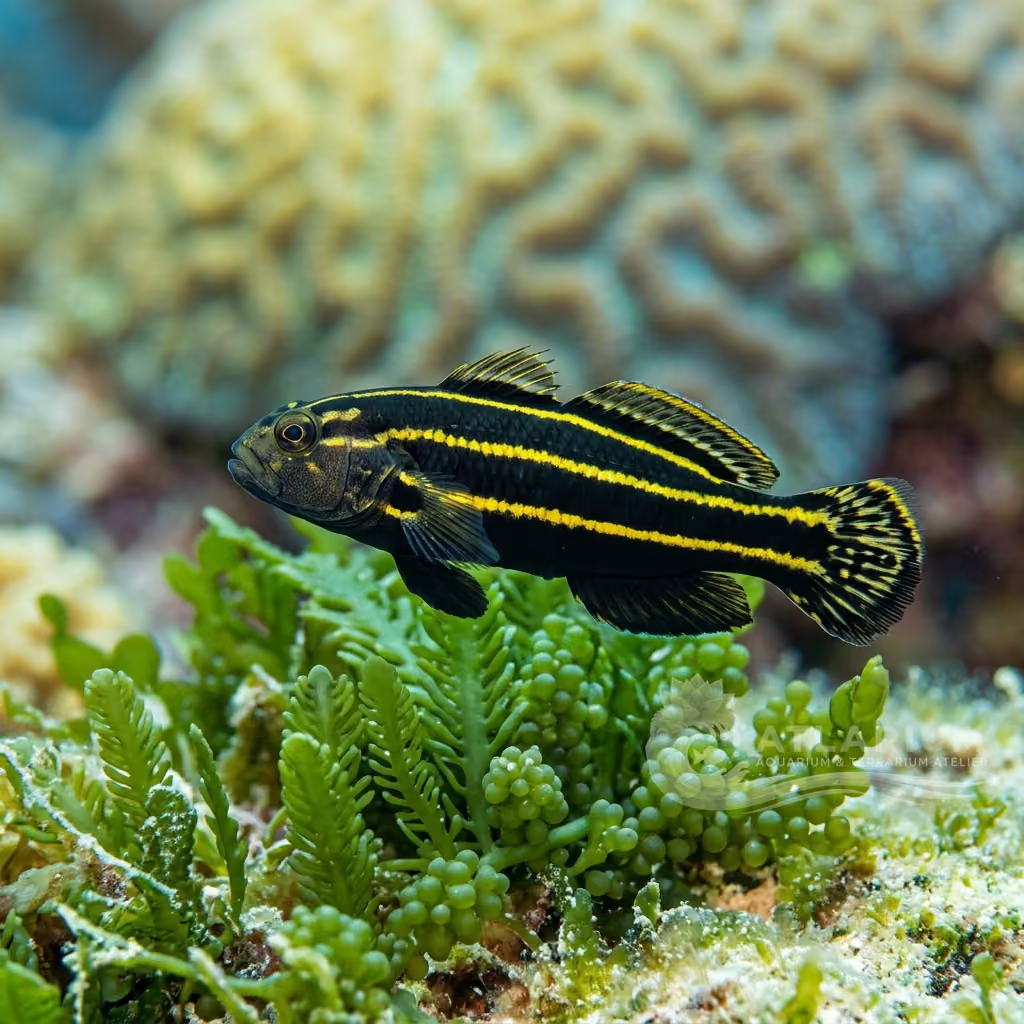
Comet dottyback
Pseudochromis cometes
Pseudochromis cometes is a small and active marine fish from the Indo-Pacific. It exhibits territorial behavior and requires an aquascape with plenty of rock caves.
Water Temperature
22 - 26 °C
pH Value
8.1 - 8.4
Water type
Marine
Tank level
Bottom and middle
Adult size
7 cm
Minimum tank volume
>= 80 L
Minimum group
>= 1
KH
8 - 12 dKH

Species description
Geographical Origin and Habitat:
This species is native to the tropical waters of the Western Indo-Pacific, with localized populations found in the coral reefs of southern Indonesia, Timor-Leste, and the Philippines. It inhabits seaward reef slopes and vertical drop-offs rich in caves, crevices, and small fissures at depths ranging from 10 to 35 meters. It prefers shaded areas where currents bring abundant zooplankton.
Taxonomy and Morphology:
Belonging to the family Pseudochromidae, Pseudochromis cometes features an elongated, moderately compressed body typical of cave-dwelling fish. The head is rounded with large, prominent eyes providing excellent binocular vision to detect small prey. Adults reach a maximum total length of approximately 7 centimeters, keeping a very compact size.
Social Behavior:
It is a solitary and highly territorial fish. It fiercely defends its cave and the surrounding immediate area against conspecifics and fish with similar shapes or coloration. It spends most of its time within or close to its rocky shelter, making rapid darts to capture food before quickly retreating back to safety.
Coloration and Sexual Dimorphism:
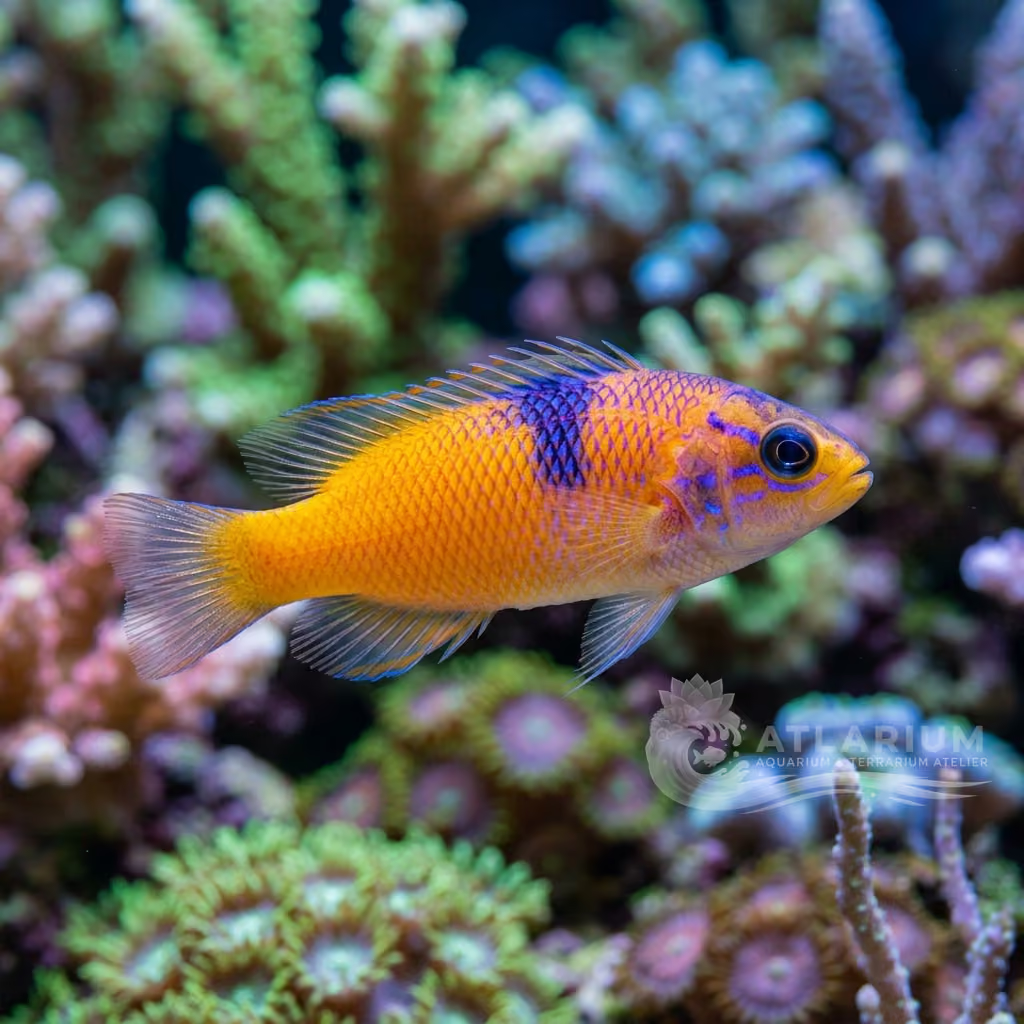
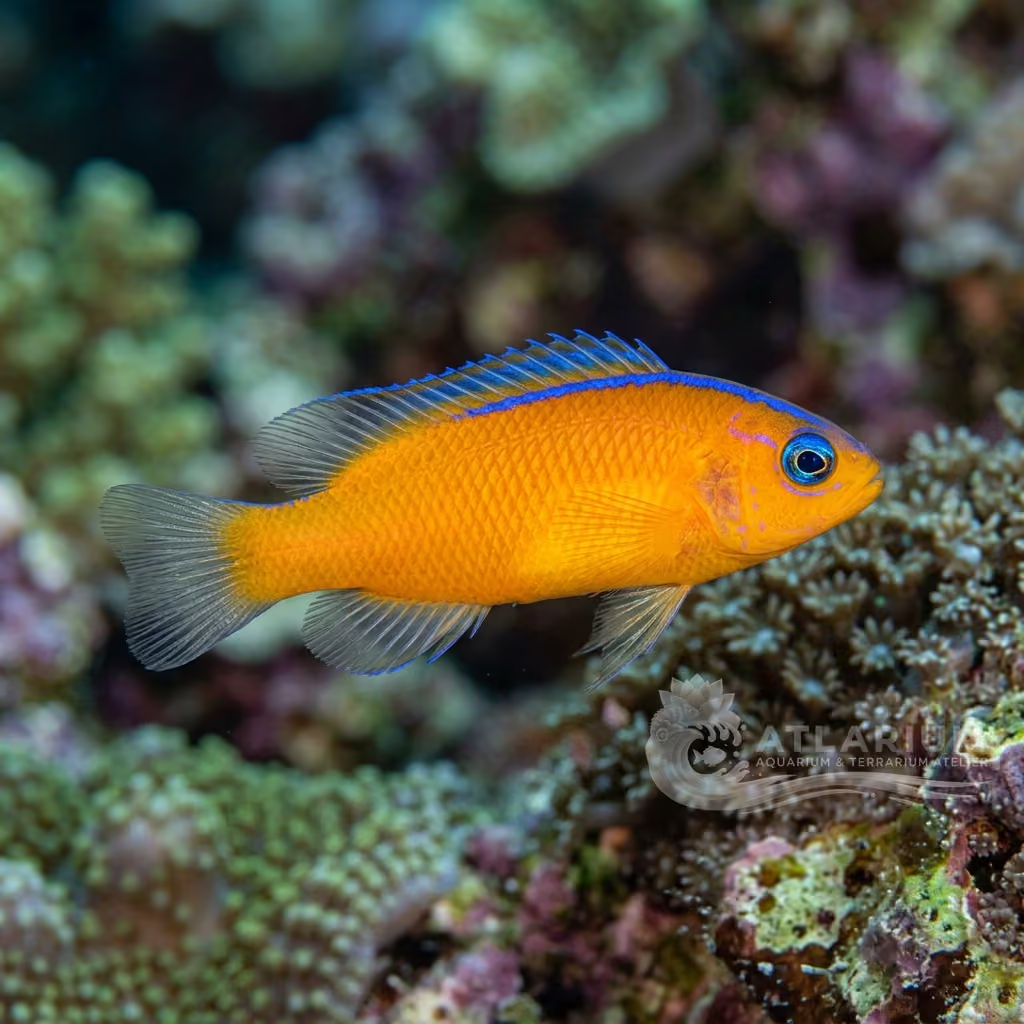
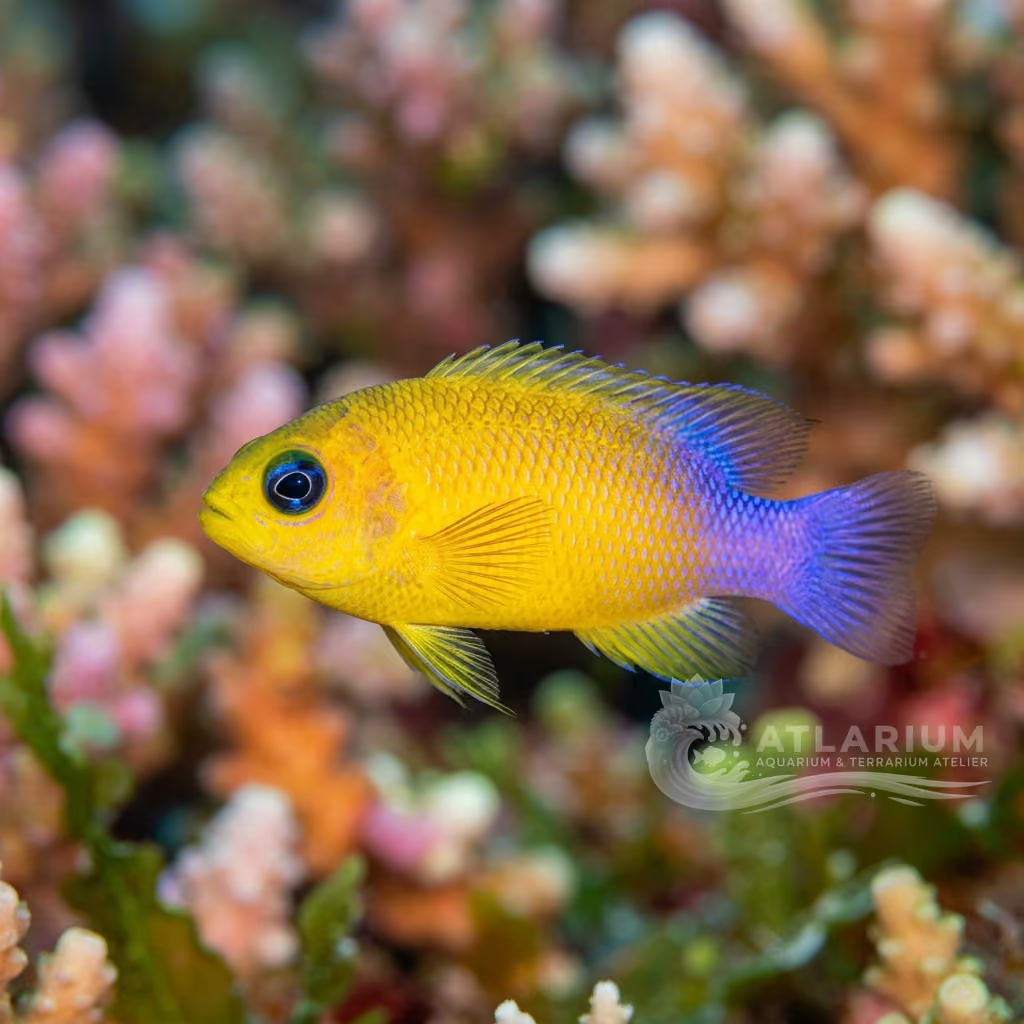
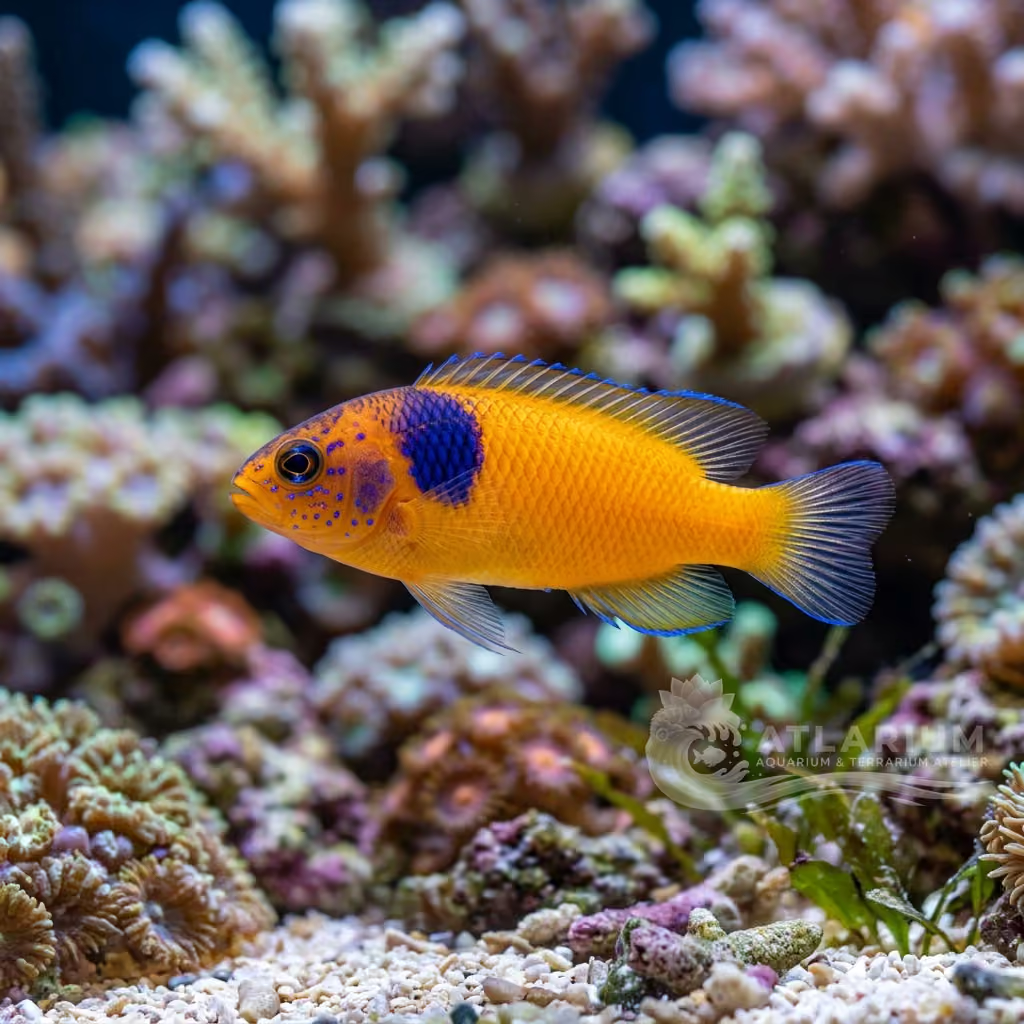
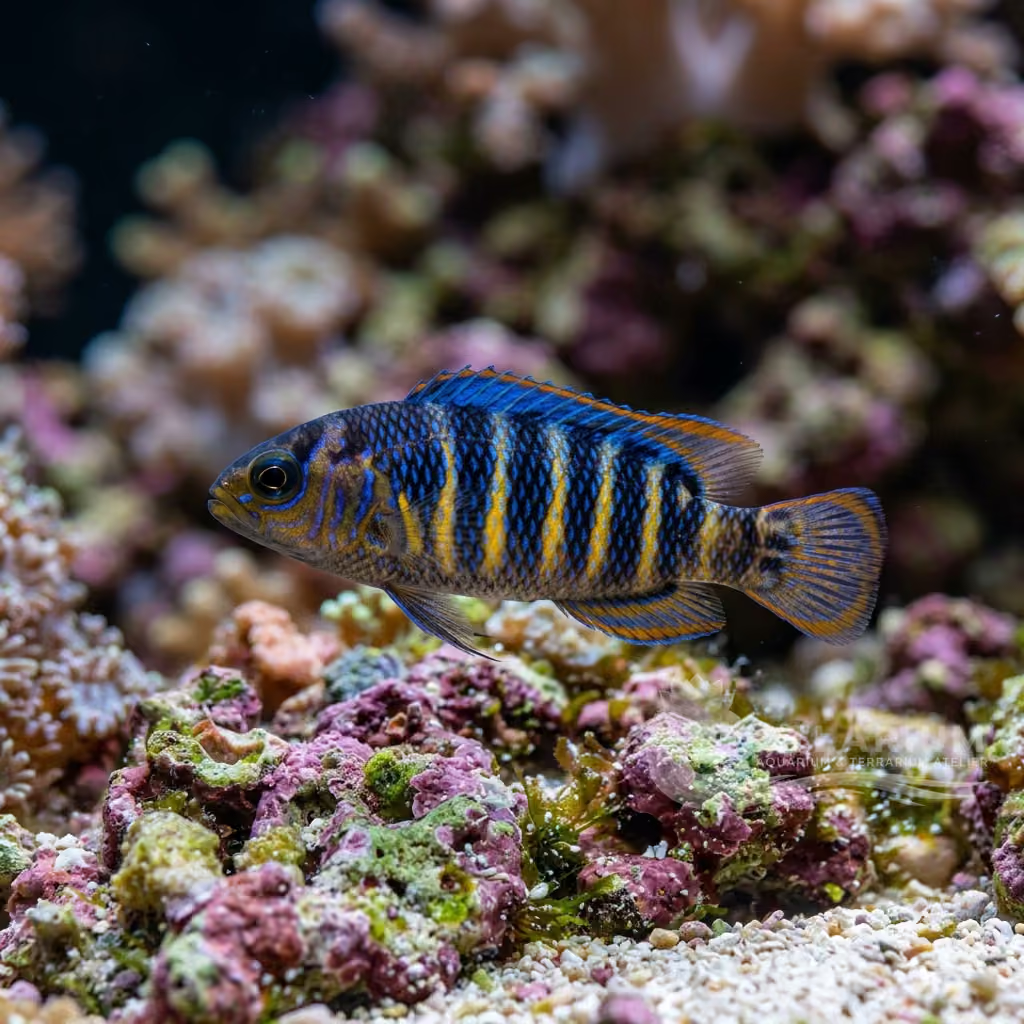
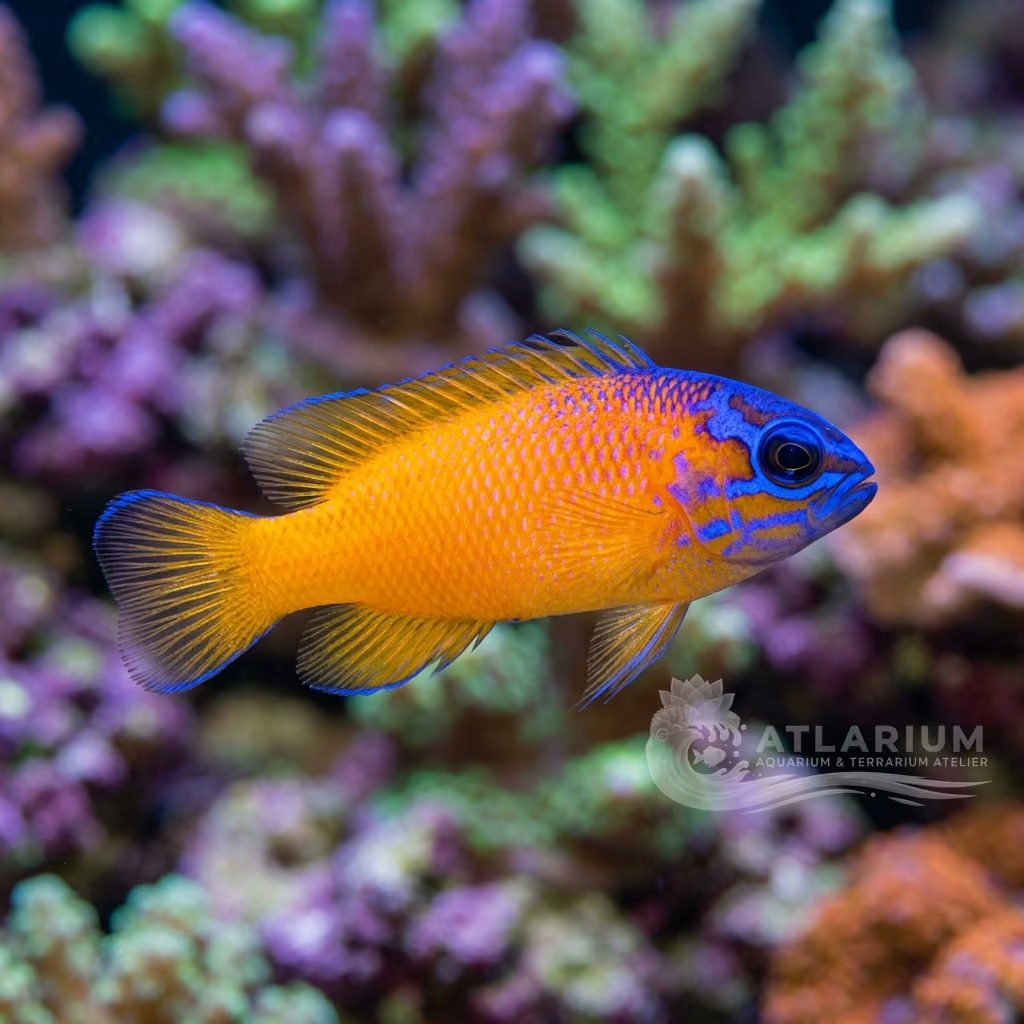
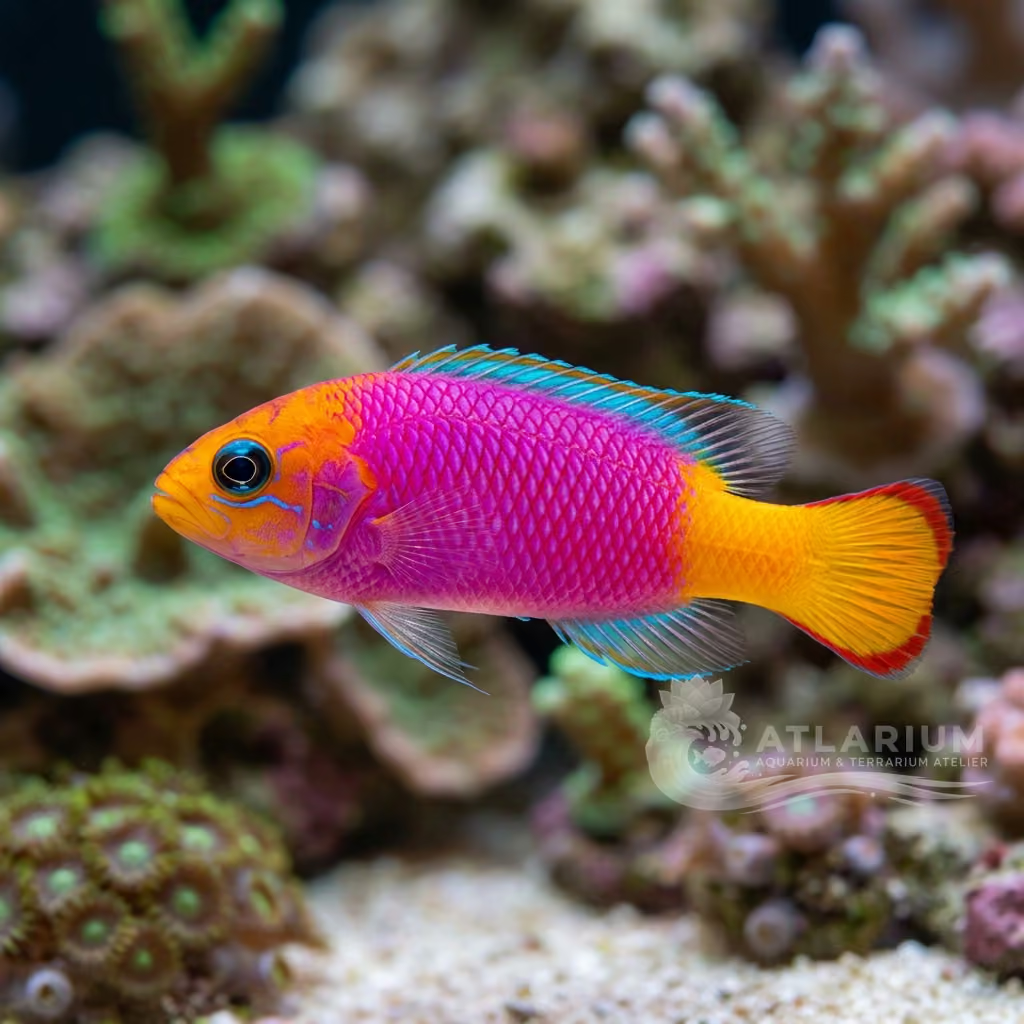
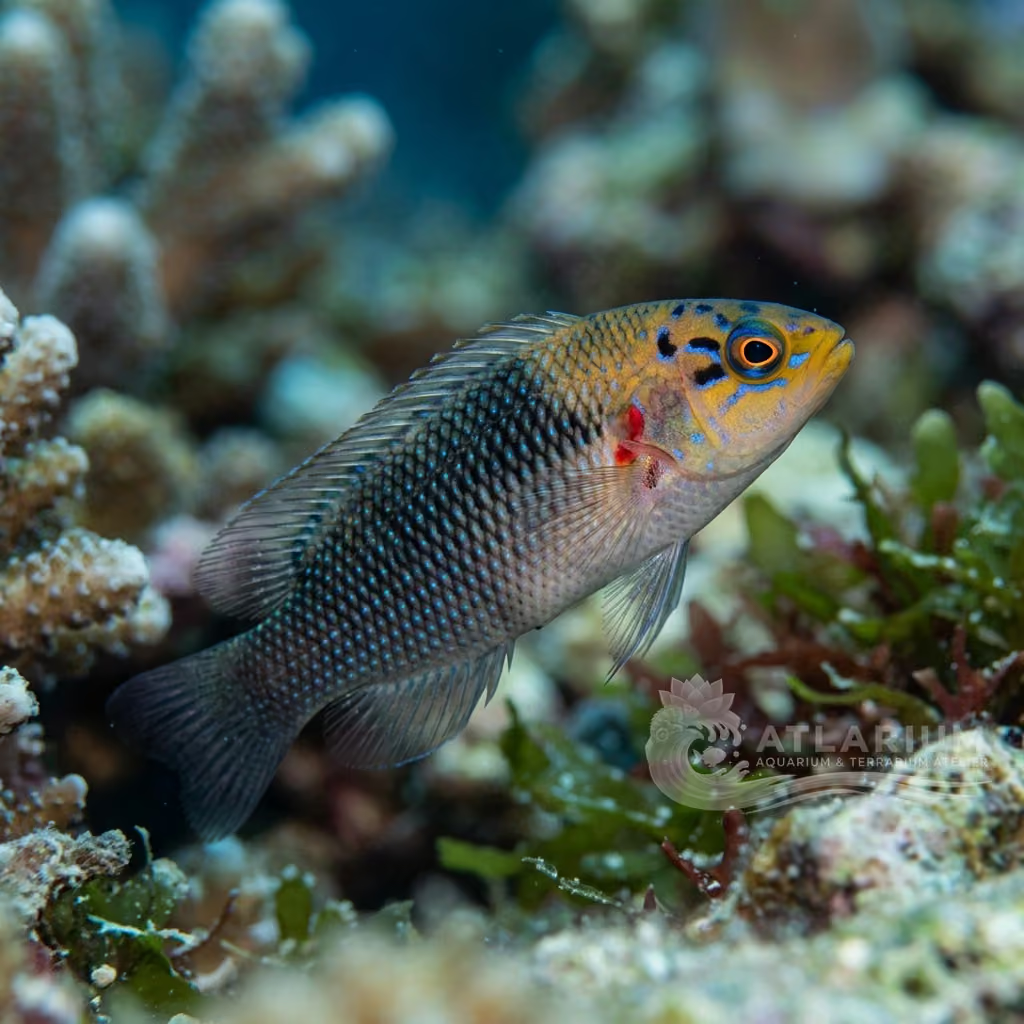
The coloration is highly attractive, dominated by bluish-purple tones on the body, with a characteristic yellow or orange longitudinal stripe running along the back and extending into the caudal fin. The eyes feature a bright electric blue iris. No visible external sexual dimorphism exists, although dominant males may be slightly larger.

Care, breeding and tankmates
Aquarium Setup:
Requires a marine aquarium of at least 150 liters for a single specimen. The setup must feature a complex live rock structure with numerous small caves, crevices, and swim-throughs. This allows the fish to establish its territory and feel secure, which significantly reduces its natural territorial aggression toward tankmates.
Diet and Feeding:
A carnivorous predator. In the wild, it feeds on small crustaceans, zooplankton, and worms. In captivity, it readily accepts high-quality frozen foods like mysis shrimp, brine shrimp, copepods, and lobster eggs. Over time, it will eat small-sized dry pellets. It can be useful in controlling small bristleworms and flatworms.
Water Quality:
Requires stable and clean water parameters: temperature between 24°C and 27°C, pH range from 8.1 to 8.4, specific gravity (SG) between 1.020 to 1.025, and carbonate hardness (KH) of 8 to 12 dKH. Maintain low nitrate levels (under 20 ppm) with regular water changes and efficient filtration. Highly oxygenated water is preferred.
Compatibility and Cohabitation:
While peaceful toward larger fish, it will display strong aggression toward conspecifics, other dottybacks, and small fish with similar body shapes (such as gobies or firefish). It is completely reef safe. It coexists well with tangs, clownfish, and larger wrasses. Introduce it last to minimize territorial claims.
Aquarium Breeding:
Captive breeding in home aquariums is extremely difficult and has only been achieved by professional breeders. They are hermaphrodites and form pairs only for spawning. The male guards the egg mass inside his cave until hatching. The larvae are microscopic and require rotifer cultures and strictly controlled environments.
Risks and Diseases:
A very hardy species that rarely gets sick if provided with a suitable environment and enough hiding spots. The primary risk is stress from larger predators or overly aggressive fish, which may cause it to jump out of the tank. A tight-fitting lid or a protective mesh cover is mandatory to prevent losses.

Geographic origin and distribution
This species is native to the tropical waters of the Western Indo-Pacific, with localized populations found in the coral reefs of southern Indonesia, Timor-Leste, and the Philippines. It inhabits seaward reef slopes and vertical drop-offs rich in caves, crevices, and small fissures at depths ranging from 10 to 35 meters. It prefers shaded areas where currents bring abundant zooplankton.
Origin
Tropical oceans and reefsAfrica and MadagascarSouth and Southeast AsiaEast Asia

Fish profile
- Temperament
- Semi-aggressive
- This species is boldly aggressive and highly territorial, exhibiting a 'big fish in a small body' attitude. They are constantly alert, patrolling their territory with a vigilant and feisty demeanor. They are highly entertaining but must be housed with fish that can tolerate their assertive nature.
- Diet
- Carnivore
- A varied carnivorous diet is mandatory for this active predator to maintain peak health. They should be fed a mix of frozen marine preparations, such as mysis and brine shrimp, along with high-quality carnivore pellets. They will also happily hunt and consume small, beneficial bristleworms in the substrate.
- Life expectancy
- 5-7 years
- Adult size
- 7 cm
- Sex ratio
- Solitary
- Keeping more than one of these fish in a standard aquarium usually leads to deadly consequences. They are fiercely intolerant of conspecifics and will fight to the death. They must be kept singly unless a bonded pair is acquired for a dedicated breeding setup.
- Feeding frequency
- Twice daily
- They should be offered small amounts of food two to three times daily. This feeding schedule mimics their natural foraging behavior and keeps aggression levels somewhat in check. Watch carefully during feeding to ensure no food is left to decay and foul the water.
- Bioload
- Low
- This fish adds a moderate bioload to the system, heavily dependent on the frequency and amount of feeding. Their high-protein diet requires robust filtration, including an effective protein skimmer, to manage dissolved organics. Routine maintenance schedules will easily handle the waste they produce.
- Flow
- Moderate
- Moderate to high water movement is preferred, reflecting the turbulent reef crests they inhabit naturally. Good flow ensures detritus is kept in suspension and removed by the filtration system. They are agile swimmers that enjoy playing in the stronger currents.
- Jump risk
- Yes
- They are extreme jump risks and will readily leap from an uncovered tank if startled. A secure, custom-fit mesh lid or tight canopy is absolutely vital for their safety. Care must be taken not to leave gaps around the edges or near filter inputs.
- Reproduction
- Bidirectional hermaphrodite
- While breeding is documented, it is a demanding process for the aquarist. The male selects a cave and guards the clutch of eggs fiercely until the larvae hatch. Raising the microscopic fry is the main challenge, requiring a steady supply of specialized zooplankton cultures.
- Compatibility & tankmates
- Aggressive
- They are highly territorial and can be a menace to smaller, peaceful reef fish. They often claim large sections of the aquarium's rockwork and will aggressively defend it. It is best to house them with tough, larger species like tangs, triggers, or large angelfish.
- Tank level
- Middle/Bottom
- They are strongly associated with the benthic regions of the tank, hovering near the rockwork. They spend their time hiding in caves and defending their chosen territory from intruders. They seldom venture into the upper third of the aquarium.

Scientific Parameters & Models
FishBase
Window to the official scientific data of the species
Data synced on: 06/15/2026
- Trophic level
- 3 ± 0.4 se
- Resilience
- High (less than 15 months)
- Phylogenetic uniqueness (PD50)
- 0.5
- Bayesian Length-Weight
- a = 0.00501, b = 3.1
- VulnerabilityLow vulnerability (10 / 100)

Related species
Recommendations grouped by close relatives, companion choices, and similar care.