Blue Neon Stiphodon
Stiphodon atropurpureus
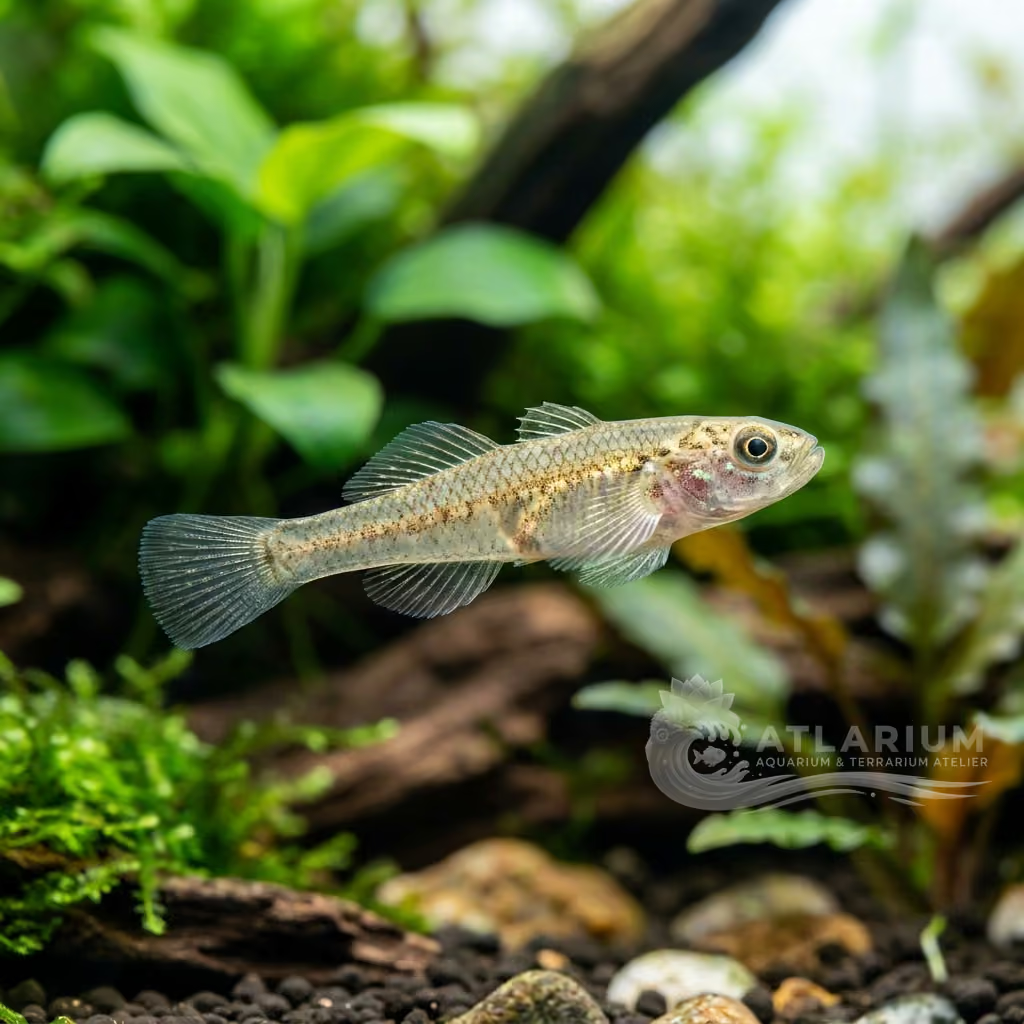
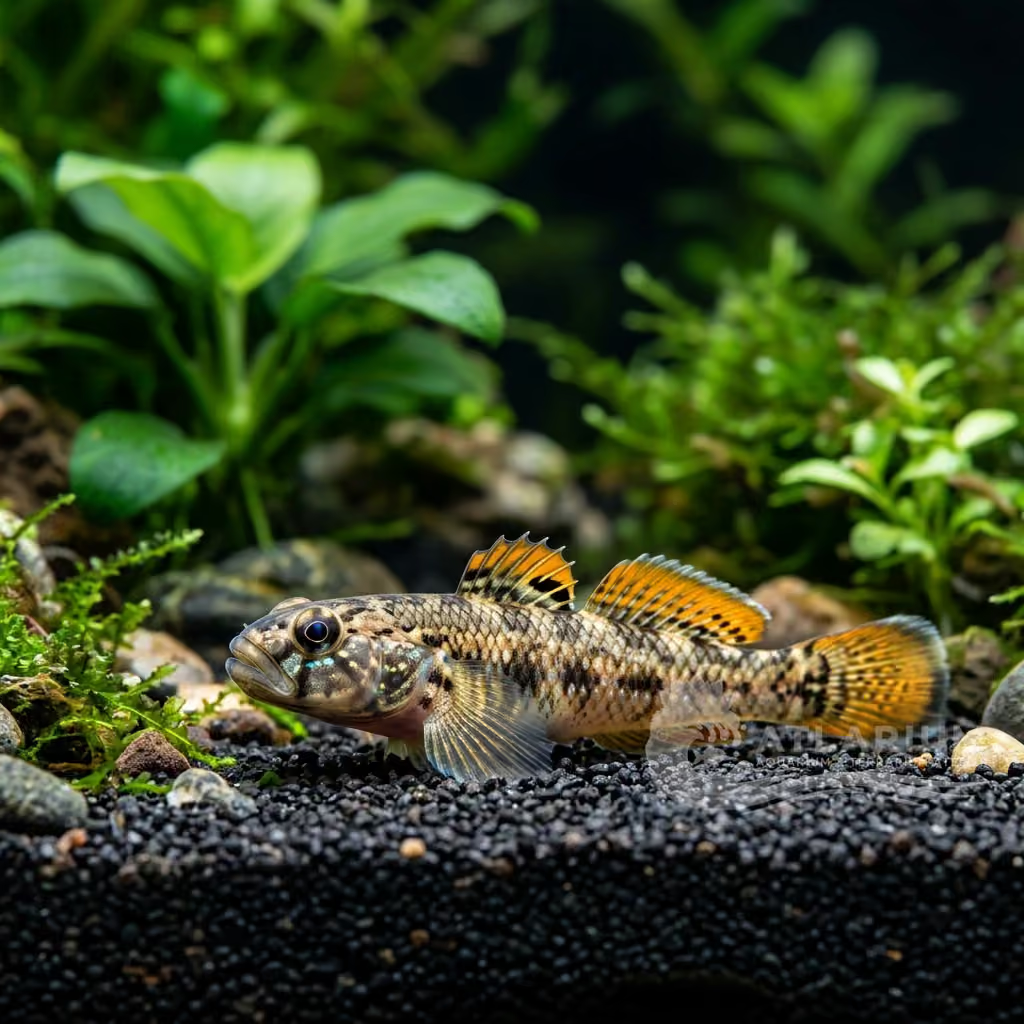
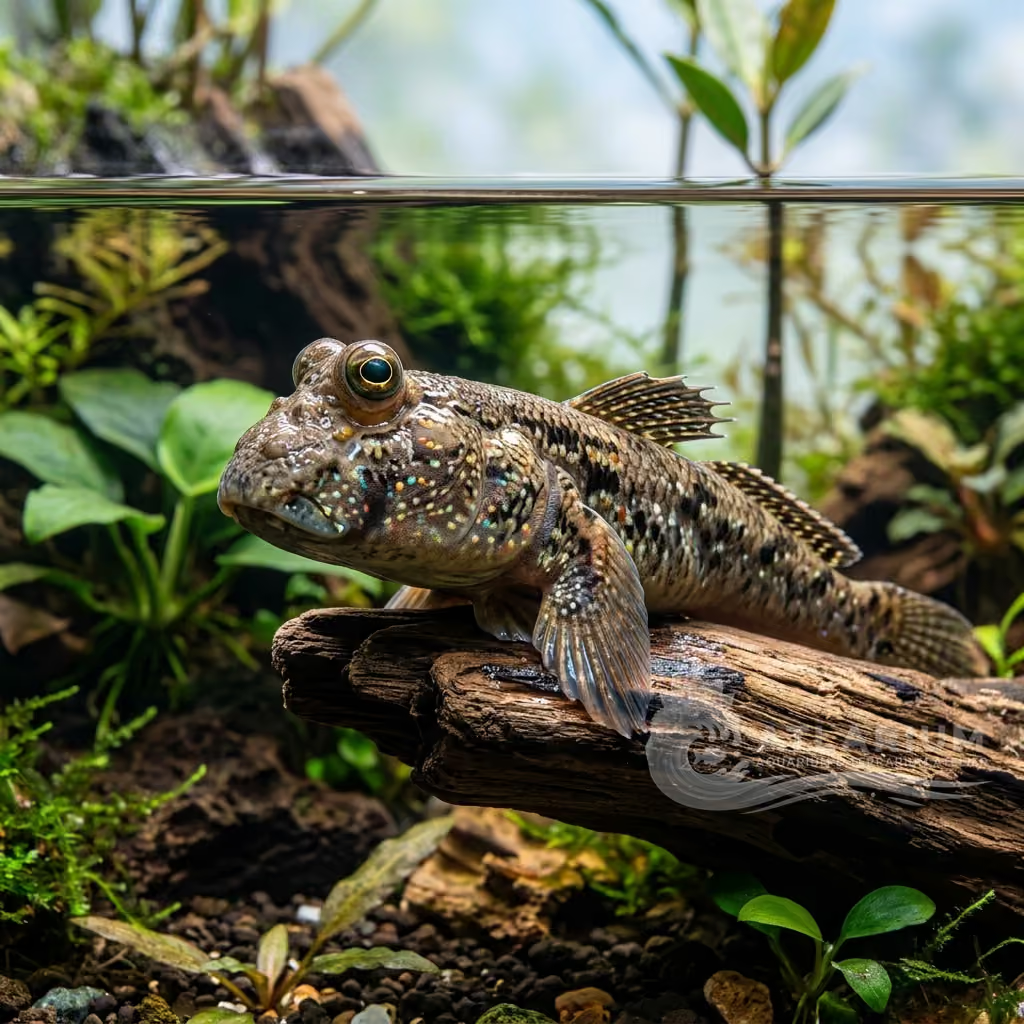
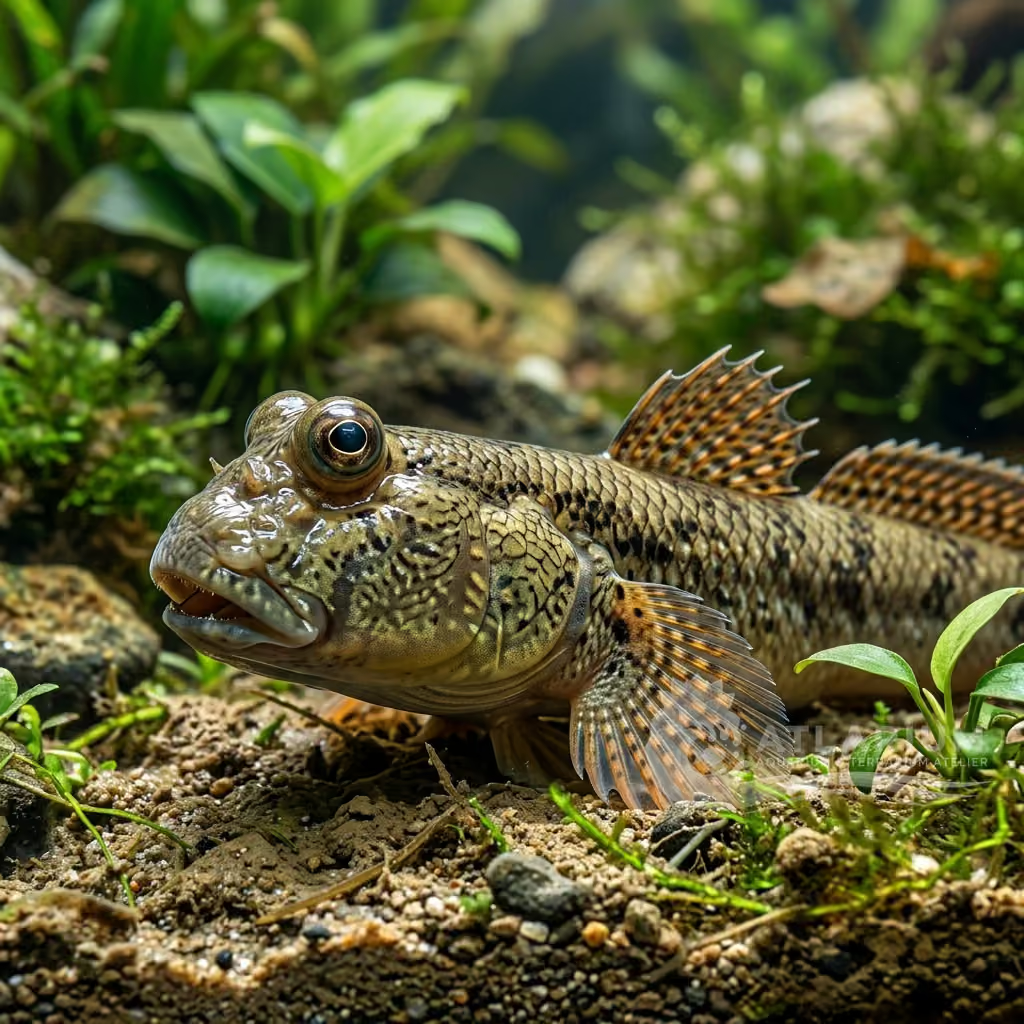
The Blue Neon Goby is a tiny, electric-blue biofilm grazer that clings to smooth boulders in fast currents. It requires intense lighting to grow the encrusting algae essential for its survival.
Water Temperature
22 - 28 °C
pH Value
6.5 - 7.5
Water type
Freshwater
Tank level
Bottom
Adult size
5 cm
Minimum tank volume
>= 60 L
Minimum group
>= 1
GH
5 - 15 dGH
KH
2 - 7 dKH
TDS
95 - 295 ppm
Conductivity
148 - 461 uS/cm

Species description
Geographical Origin and Habitat: An amphidromous species (larvae migrate to the open sea, adults ascend coastal rivers) from the Philippines, Sulawesi, and southern Japan. Exclusively inhabits stretches where smooth rocks are battered by strong currents and direct sunlight, generating thick Aufwuchs biofilm layers on which it entirely depends.
Taxonomy and Morphology: Tiny goby (max 4 cm), dorso-ventrally compressed with the classic Gobiidae fused pelvic suction cup. Inferior mouth with fleshy lips specialized for scraping biological microfilm. No functional swim bladder; lives flattened against the substrate.
Social Behavior: Males are fiercely territorial, engaging in chromatic combat: inflating fins, intensifying electric blue neon to blinding levels, and positioning parallel to opponents while vibrating. Females and subordinates are tolerated outside the core grazing territory.
Coloration and Sexual Dimorphism: Among the most extreme dimorphism in the hobby. Nuptial males exhibit a body entirely electric cobalt blue with pulsing neon reflections. Females are beige-gray with cryptic dark horizontal bands, often mistaken for a different species.

Care, breeding and tankmates
Aquarium Setup: Mandatory "River Tank" layout: smooth flat river rocks under powerful lighting (50+ lumens/liter) to cultivate encrusting green algae. Strong unidirectional flow from powerheads. No rooted plants (roots would smother the vital algae). Fine gravel or coarse sand substrate.
Diet and Feeding: Strictly an algae and biofilm grazer. NOT a carnivore: its mouth cannot capture mobile prey. In tanks lacking sufficient Aufwuchs, it will silently starve with an increasingly concave belly. Supplement with pure spirulina wafers and algae gel smeared on rocks.
Water Quality: Crystal-clear, hyper-oxygenated water with near-zero nitrates. Tolerates 22-26°C but thrives around 23-24°C. Organic detritus accumulation causes rapid lethal bacterial infections on fins and the pelvic suction disc.
Compatibility and Cohabitation: Exclusively with other peaceful micro-rheophiles: Gastromyzon, Sewellia, Celestial Pearl Danios. Completely defenseless against any aggressive or larger fish. NEVER pair with Otocinclus or Plecos that would compete for the same algal pasture, starving it.
Aquarium Breeding: Eggs are deposited under flat rocks. The male guards the clutch. However, larvae are amphidromous and require saltwater to develop: complete freshwater breeding is virtually impossible without a complex salinity transition setup.
Risks and Diseases: Chronic starvation is the silent killer #1. A healthy specimen has a slightly convex belly; if concave or flat, it is starving. Does not tolerate copper, salt, or aggressive medications. Loss of pelvic suction function (infection or trauma) is lethal as the fish can no longer anchor itself.

Geographic origin and distribution
An amphidromous species (larvae migrate to the open sea, adults ascend coastal rivers) from the Philippines, Sulawesi, and southern Japan. Exclusively inhabits stretches where smooth rocks are battered by strong currents and direct sunlight, generating thick Aufwuchs biofilm layers on which it entirely depends.
Origin
North AmericaSouth and Southeast AsiaEast Asia

Fish profile
- Temperament
- Semi-aggressive
- The overall temperament of the Blue Neon Goby can be best described as peaceful. Their disposition makes them a unique addition to the appropriate aquatic community, provided their specific needs are respected. Stressful conditions, such as poor water quality or overcrowding, can drastically alter their typical behavioral patterns. A quiet environment and a stable routine will bring out the most confident and engaging personality from this species.
- Diet
- Omnivore
- This species is known to be a aufwuchs grazer in its natural habitat, requiring a varied diet in captivity. To ensure optimal health and coloration, provide high-quality prepared foods alongside live or frozen options like brine shrimp or bloodworms. It is essential to match the food particle size to the fish's mouth structure to facilitate easy consumption. Regular rotation of dietary items will prevent nutritional deficiencies and keep the fish highly active.
- Life expectancy
- 3-5 years
- Adult size
- 5 cm
- Sex ratio
- Specific M:F ratio
- To prevent undue stress, it is recommended to keep the Blue Neon Goby in a carefully managed sex ratio. Providing more females than males reduces the constant harassment that a single female might endure. If keeping multiple males, the aquarium must be sufficiently large to allow for the establishment of distinct territories. Careful observation during the first few weeks will dictate if any aggressive individuals need to be rehomed.
- Feeding frequency
- Twice daily
- Establishing a consistent feeding routine is important, with 1-2 small meals per day being ideal for the Blue Neon Goby. Aquarists should carefully monitor the fish during feeding time to ensure every individual gets its share. Any uneaten food should be promptly removed with a net or siphon to preserve the pristine aquatic environment. During periods of breeding or elevated temperatures, the feeding frequency may be slightly increased.
- Bioload
- Low
- Maintaining this freshwater species requires understanding its low bioload profile. The Blue Neon Goby will thrive when the filtration system is carefully matched to its specific waste production. Frequent testing of the water chemistry is highly recommended to ensure no dangerous spikes occur. Excellent water quality is the foundation for preventing disease and promoting a vibrant, active fish.
- Flow
- Stagnant
- In terms of water movement, the Blue Neon Goby thrives best in environments with very strong flow. Replicating the hydrodynamic conditions of their native habitat is key to reducing stress and promoting natural behaviors. Powerheads or spray bars can be strategically placed to create adequate currents without overwhelming the fish. Careful placement of hardscape and plants can also provide sheltered resting zones away from the main flow.
- Jump risk
- Yes
- Due to its energetic nature, the Blue Neon Goby carries a high probability of jumping out of an open-top aquarium. It is highly advised to secure the perimeter of the tank with a glass canopy or custom netting. Instances of leaping often happen at night or during sudden lighting changes, making a gentle sunrise/sunset lighting schedule beneficial. Maintaining exceptional water quality further discourages attempts to escape the enclosure.
- Reproduction
- Oviparous
- The reproductive strategy of the Blue Neon Goby involves being a amphidromous. Breeding this species in captivity can be a rewarding challenge that requires dedicated conditioning of the broodstock. Specific triggers such as changes in temperature, diet, or water chemistry are often necessary to induce spawning. Once breeding occurs, specialized care for the fry, including appropriately sized live foods, is critical for their survival and development.
- Compatibility & tankmates
- Semi-aggressive
- The Blue Neon Goby is known to be excellent with other hillstream loaches and gobies when integrated into a carefully planned setup. They tend to exhibit the best colors and natural behaviors when kept with species of a similar temperament. Aquarists must be cautious to provide enough visual barriers if housing them with semi-aggressive tankmates. Overall, a well-thought-out stocking plan will yield a beautiful, drama-free aquatic display.
- Tank level
- Bottom
- The Blue Neon Goby naturally gravitates towards the bottom section of the water column. Decorating this specific zone with appropriate hardscape, such as driftwood branches or rocky caves, encourages them to display their natural behaviors. It is important to ensure that water flow and lighting are optimized for this specific depth. Layering the tank inhabitants thoughtfully creates a visually dynamic and biologically sound ecosystem.

Scientific Parameters & Models
FishBase
Window to the official scientific data of the species
FishBase v25.04Data synced on: 06/15/2026
- Resilience
- High (less than 15 months)
- Phylogenetic uniqueness (PD50)
- 0.5
- Bayesian Length-Weight
- a = 0.00389, b = 3.12
- VulnerabilityLow vulnerability (10 / 100)

Related species
Recommendations grouped by close relatives, companion choices, and similar care.