Bumblebee goby
Brachygobius xanthomelas
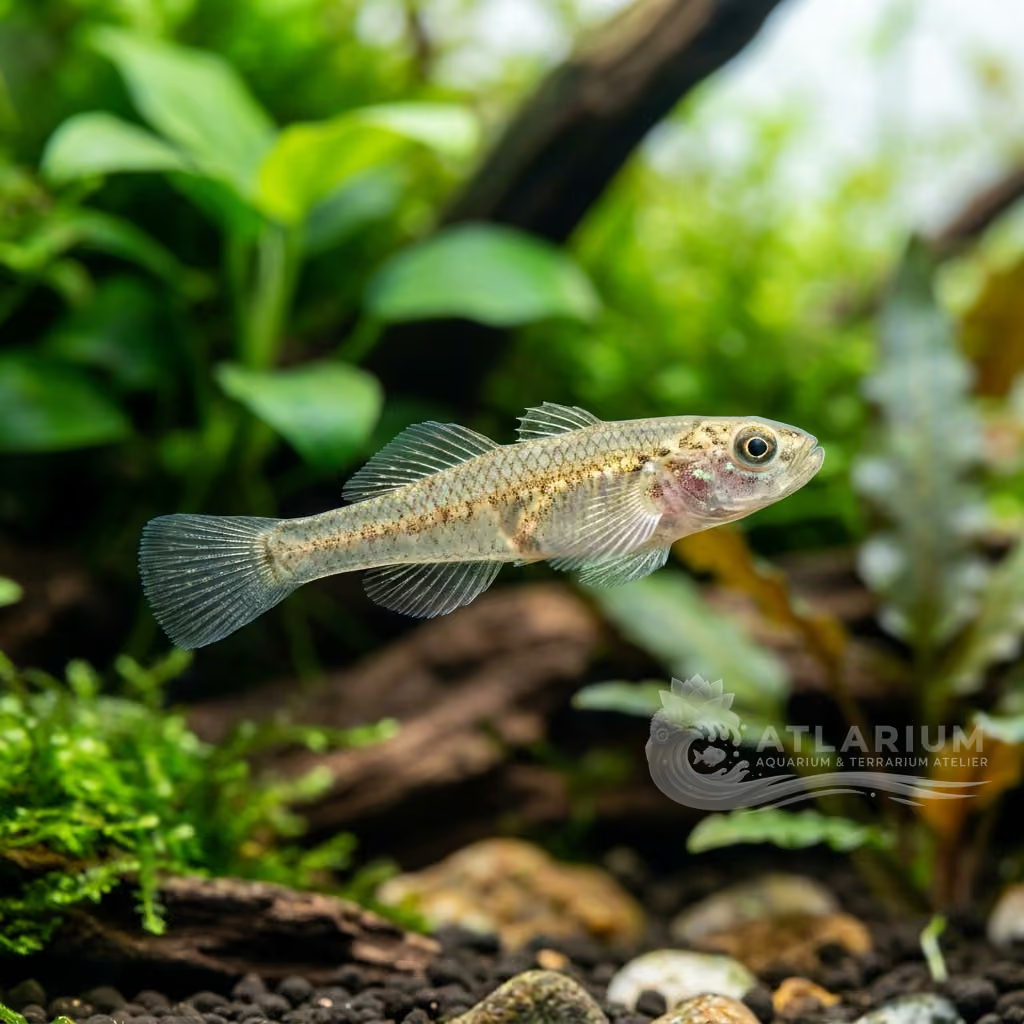
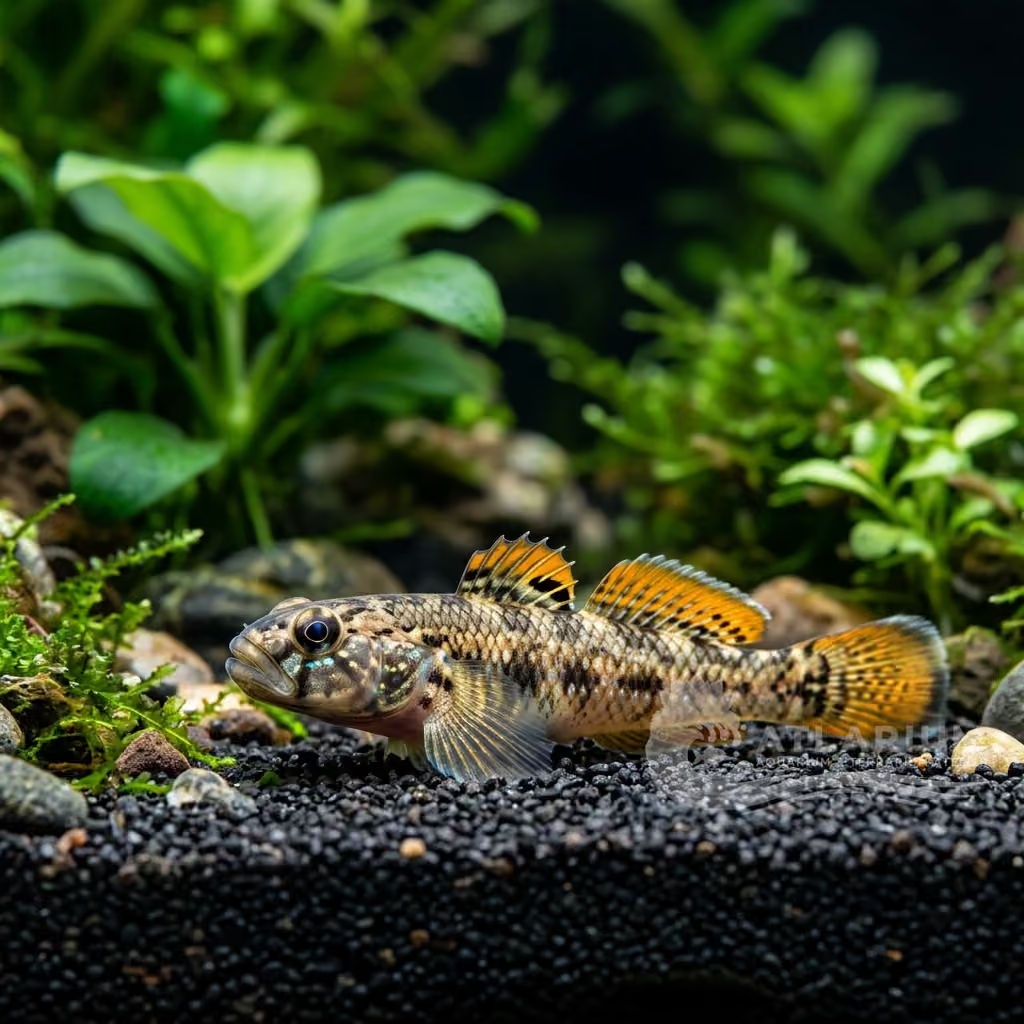
A nano-goby with yellow-black bumblebee striping — unmistakable. One of the genus species that lives in pure freshwater (not brackish). Ambush predator that waits hidden among rocks. Often refuses dry food — needs live or frozen food. Territorial with conspecifics for hiding spots. In groups of 6+ aggression is distributed. Cave spawner with paternal care. Slow feeder: cannot compete with fast fish.
22 - 28 °C
6 - 7.5
Freshwater / Brackish
Bottom
2 cm
>= 40 L
>= 6
2 - 12 dGH
1 - 6 dKH
40 - 240 ppm
63 - 375 uS/cm

Species description

Care, breeding and tankmates

Geographic origin and distribution
Origin

Fish profile
- Temperament
- Semi-aggressive
- This nano fish is generally peaceful, but males are notably territorial toward one another, defending small caves or crevices. They are not aggressive toward other species, but their shy temperament means they can easily be intimidated by larger or more active tank mates. Keeping them in a group of six or more is essential to distribute this territorial behavior among the males.
- Diet
- Carnivore
- This species is a zooplanktivorous micropredator that is notoriously picky in the aquarium, almost always refusing dry flake or pellet foods. Their diet must consist of small live or frozen foods, such as brine shrimp nauplii, Daphnia, Cyclops, and bloodworms. Ensuring they receive enough food is vital, as they do not compete well with faster, more boisterous tank mates.
- Life expectancy
- 3-5 years
- Adult size
- 2 cm
- Sex ratio
- Group
- It is highly recommended to keep this species in a group of 6 or more individuals to distribute intraspecific aggression, as males can be territorial with one another. Keeping them in larger numbers makes them bolder and encourages more natural behaviors in the aquarium. A balanced sex ratio or a harem setup with a higher number of females is ideal to minimize territorial disputes over spawning sites.
- Feeding frequency
- Twice daily
- Due to their small size and active metabolism, these gobies should be fed small portions one to two times daily. Using a pipette or dropper to target-feed near their favorite perching spots is highly recommended to ensure each individual gets its share. Careful monitoring is necessary to avoid overfeeding and polluting their sensitive environment.
- Bioload
- Low
- Brachygobius xanthomelas has a very low bioload due to its tiny size of around 2 cm and relatively sedentary nature. However, because it feeds almost exclusively on live or frozen foods, uneaten remnants can quickly degrade water quality if left unchecked. A gentle filtration system, ideally an air-powered sponge filter, is highly recommended to keep the water pristine without creating strong currents that could exhaust these miniature fish.
- Flow
- Strong
- This species prefers weak water flow, mimicking the slow-moving forest streams, peat swamps, and ditches of their natural habitat. Strong currents will quickly exhaust these small fish and prevent them from perching comfortably on the substrate or decor. An air-powered sponge filter is the ideal choice to provide adequate filtration with minimal water movement.
- Jump risk
- Yes
- Although the jumping risk is relatively low compared to surface-dwelling species, these tiny gobies can occasionally jump or climb up the glass if startled or during territorial disputes. A tight-fitting lid or cover slide is highly recommended to prevent any accidental escapes from the tank. Furthermore, providing plenty of cover like caves, driftwood, and leaf litter makes them feel secure, significantly reducing stress-induced flight responses.
- Reproduction
- Oviparous
- Spawning occurs in small caves or crevices and is considered challenging to achieve and raise in home aquariums. The male coaxes a gravid female into his selected cave to deposit her eggs, which he then fertilizes and guards diligently until they hatch in a few days. Raising the microscopic fry is the hardest part, requiring extremely small starter foods like infusoria or rotifers before transitioning to artemia nauplii.
- Compatibility & tankmates
- Peaceful
- This species is not ideal for a general community aquarium due to its tiny size and slow, deliberate feeding habits. It is best kept in a species-specific setup or with small, peaceful, slow-moving tank mates such as dwarf rasboras of the genus Boraras. Large, hyperactive, or boisterous fish should be strictly avoided as they will easily outcompete the gobies for food and cause them stress.
- Tank level
- Bottom
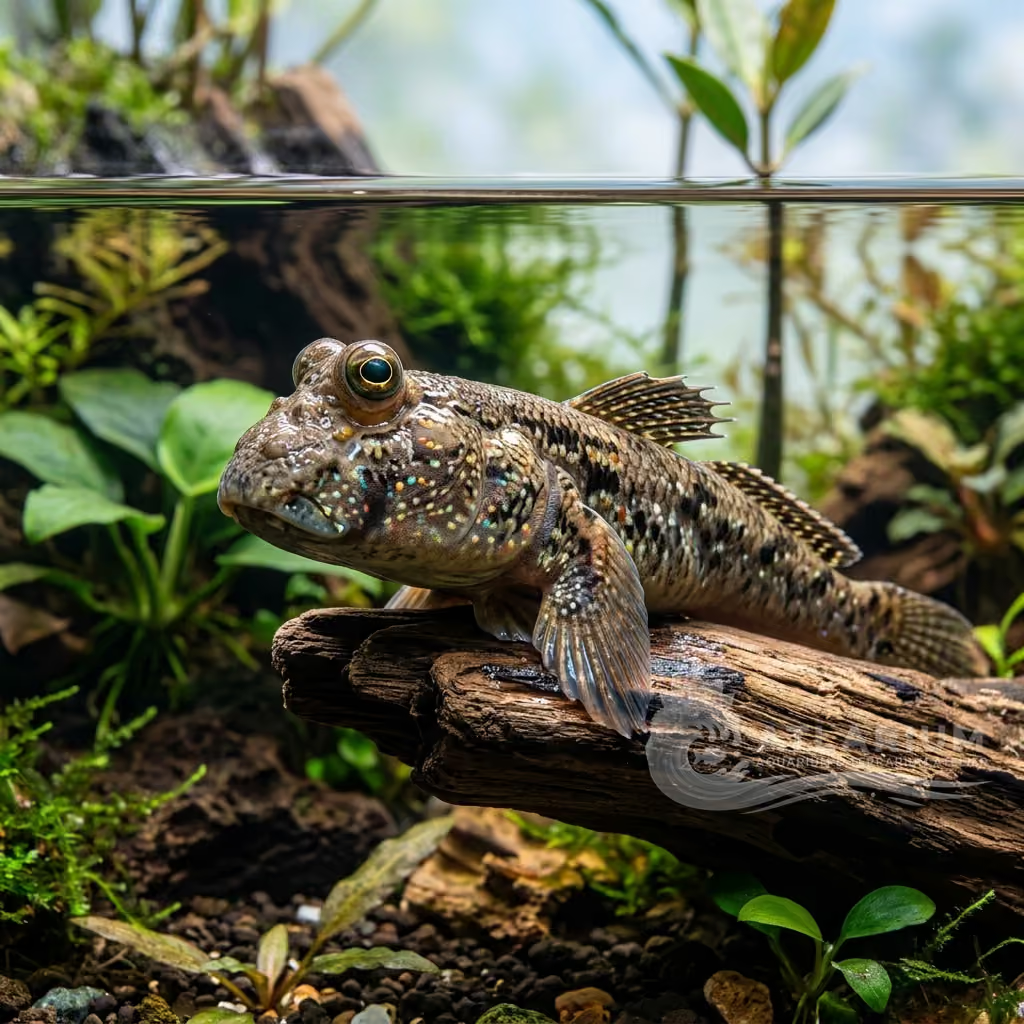
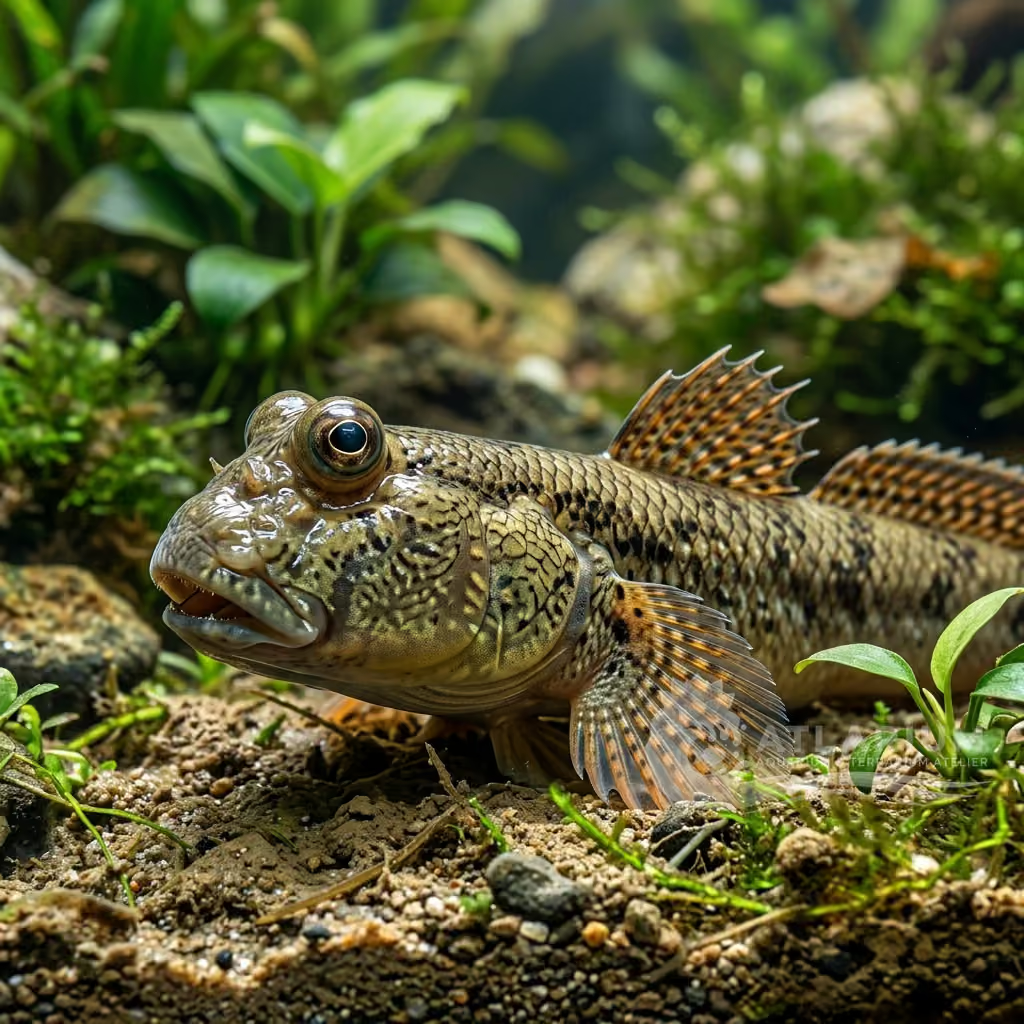
- This miniature goby is a strict bottom-dweller that spends almost all of its time on or near the substrate. It possesses fused pelvic fins that form a suction disc, allowing it to perch on rocks, driftwood, leaves, and aquarium glass in a characteristic frog-like posture. It remains largely sedentary, only making short, buzzing darts to catch food or chase off rivals from its territory.

Scientific Parameters & Models
Window to the official scientific data of the species
- Trophic level
- 3.1 ± 0.4 se
- Resilience
- Medium (1.4 - 4.4 years)
- Phylogenetic uniqueness (PD50)
- 0.502
- Bayesian Length-Weight
- a = 0.00708, b = 3.07
- VulnerabilityLow vulnerability (10 / 100)

Image gallery
Licensed images linked to the species or, when marked, to the closest representative taxon.

Related species
Recommendations grouped by close relatives, companion choices, and similar care.