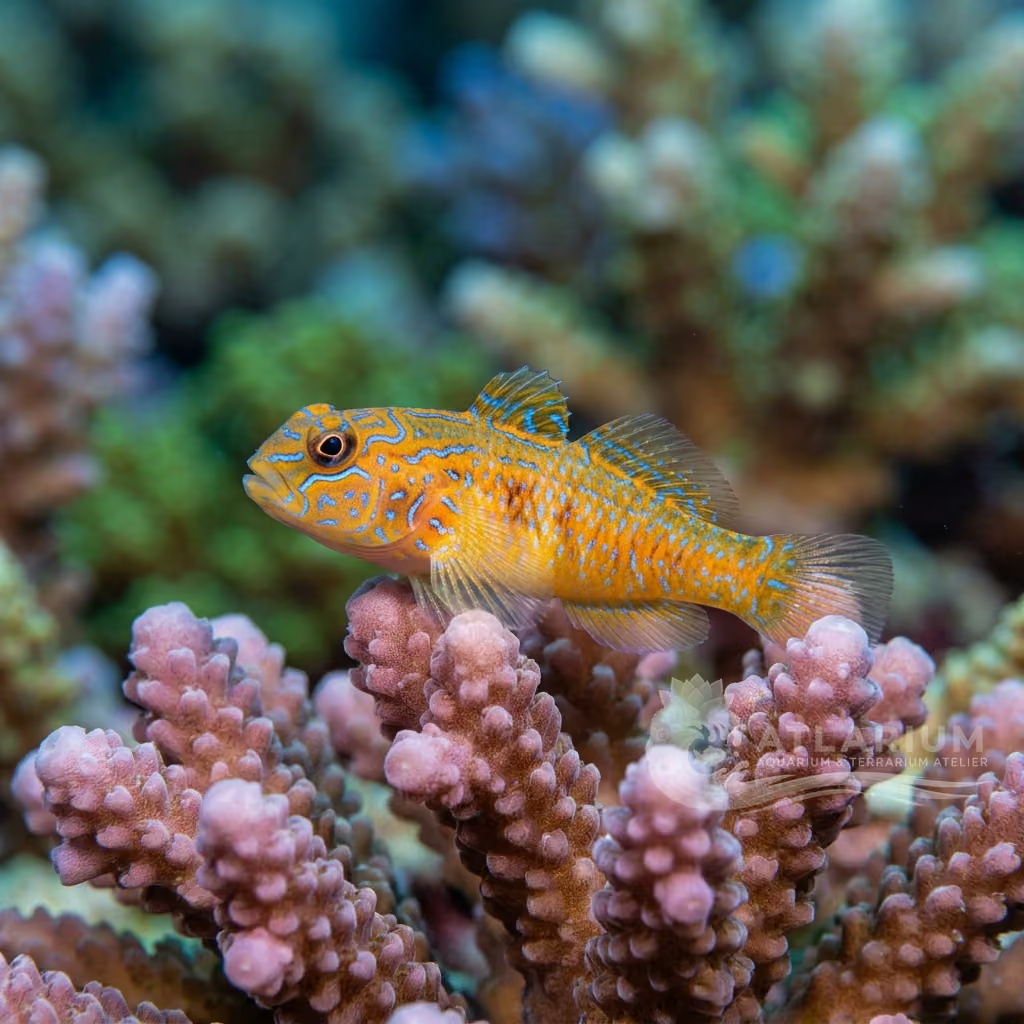
Chulae Goby
Mugilogobius chulae
The Chulae Goby is a tiny, territorial bottom-dwelling goby from Asian estuaries. Thriving in brackish water, it needs a 50L tank with fine sand, hiding spots, and a diet of small live or frozen invertebrates.
Water Temperature
22 - 28 °C
pH Value
7.5 - 8.5
Water type
Brackish / Marine
Tank level
Bottom
Adult size
4.5 cm
Minimum tank volume
>= 50 L
Minimum group
>= 6

Species description
Geographical Origin and Habitat: Mugilogobius chulae, commonly known as the Chulae Goby, is native to the coastal regions and brackish waters of East and Southeast Asia. Its distribution covers the coastal areas of China, Taiwan, Vietnam, Thailand, and southern Japan. This species typically inhabits river estuaries, mangrove swamps, coastal tidal pools, and slow-moving brackish creeks with muddy or sandy substrates rich in organic detritus, submerged roots, and abundant natural shelters.
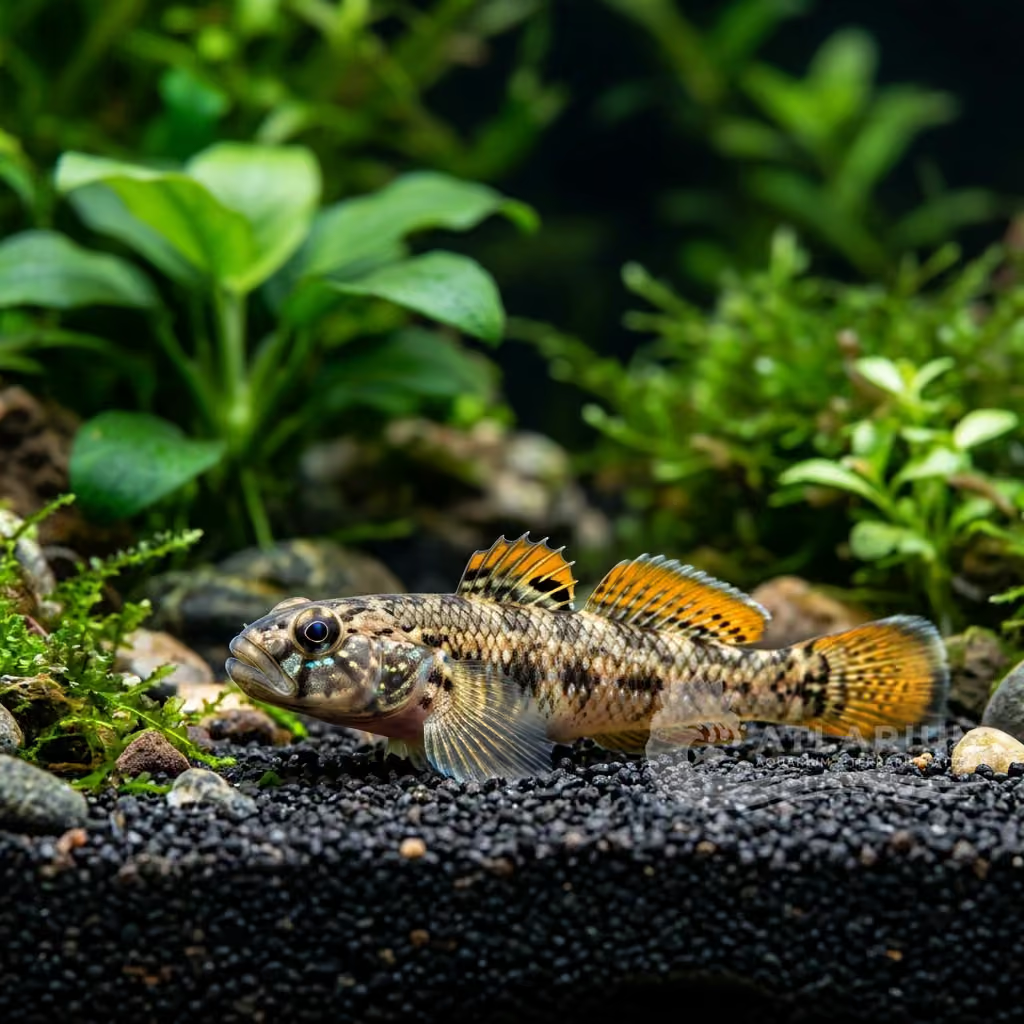
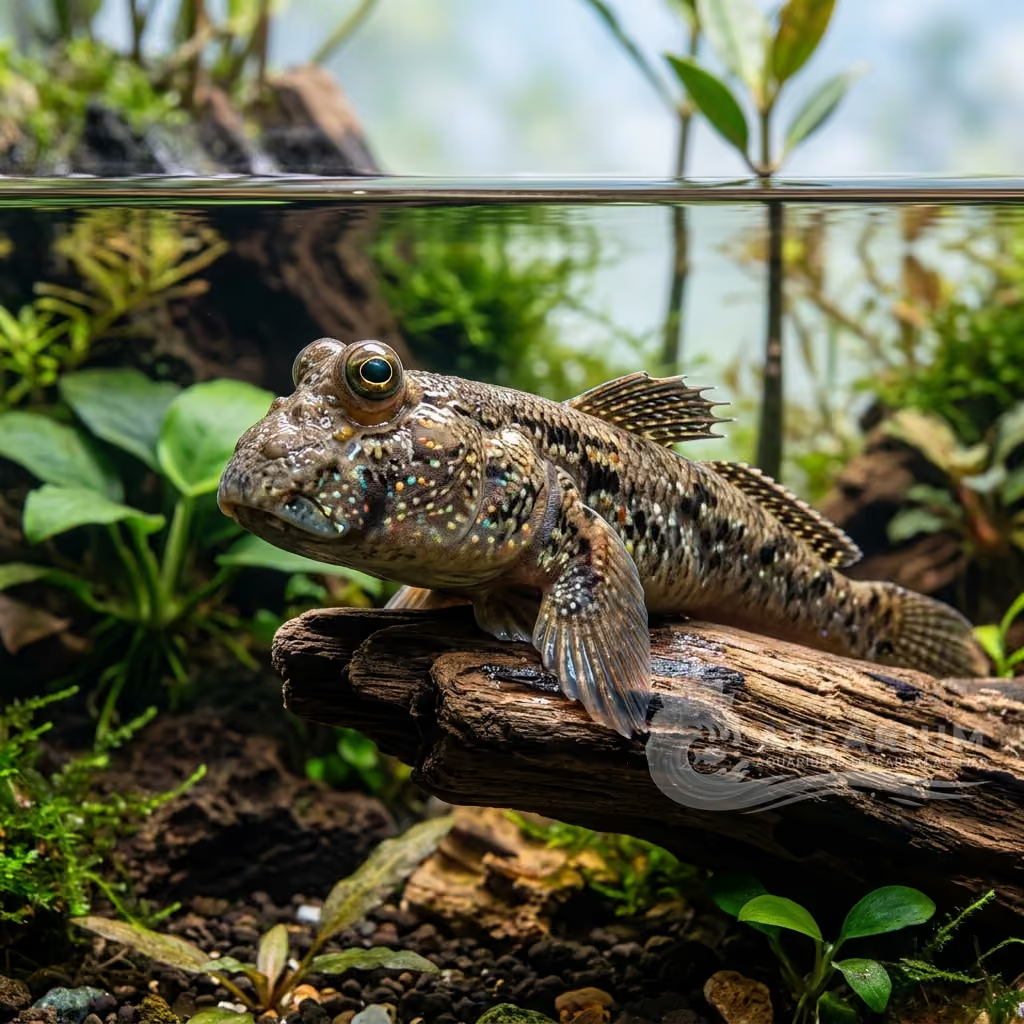
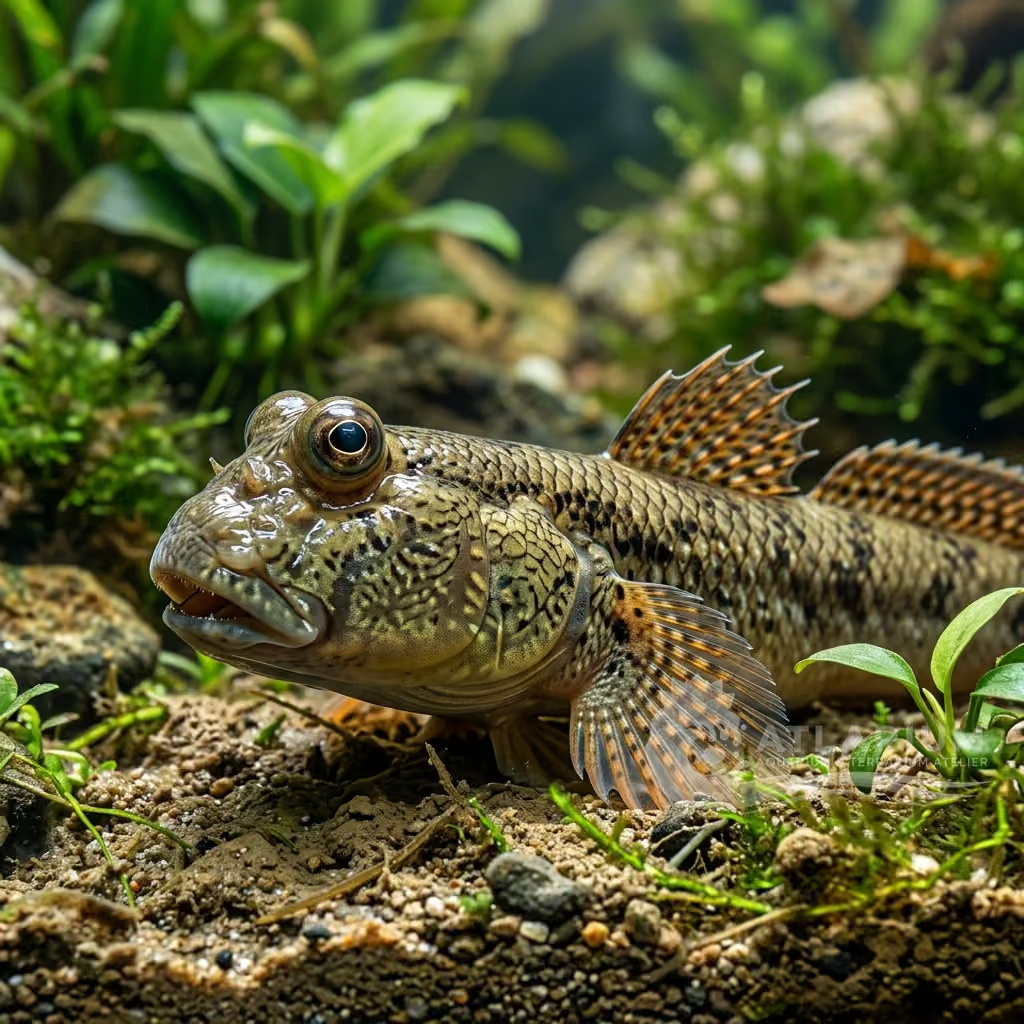
Taxonomy and Morphology: Belonging to the family Gobiidae, subfamily Gobionellinae, and order Gobiiformes, this goby possesses an elongated, cylindrical body that is slightly compressed posteriorly. It is a tiny species, reaching an adult size of just 3.5 to 4.5 centimeters. The head is rounded with eyes set high on top, and its pelvic fins are modified into a sucking disc that allows the fish to anchor itself against currents on rocks or wood.
Social Behavior: It is a bottom-dwelling, territorial fish that is generally peaceful toward non-goby species. Males, however, exhibit strong intraspecific territoriality when establishing caves and nesting sites. They display ritualized threat postures with spread fins and lateral displays to deter rival males. Keeping them in a male-female pair or a small group with ample bottom space and multiple retreats is recommended.
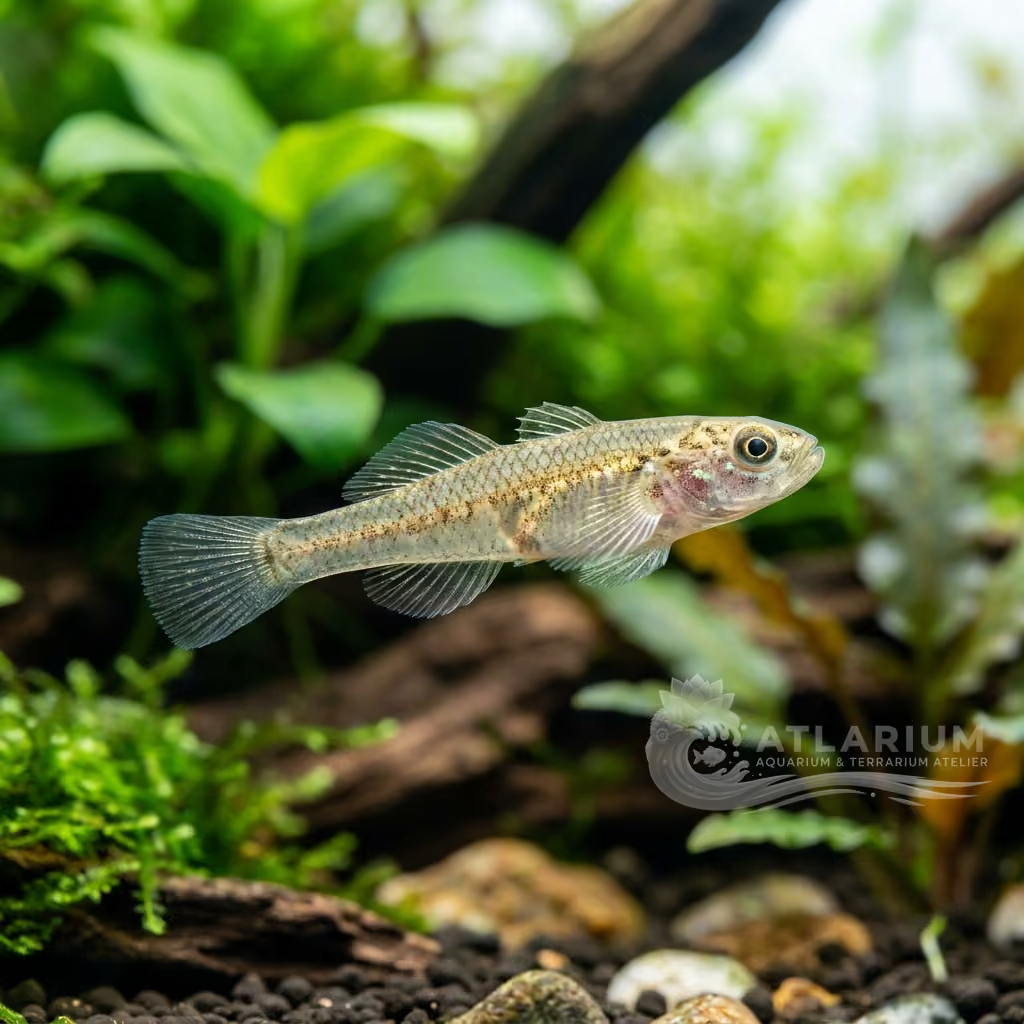
Coloration and Sexual Dimorphism: The body features a light tan or sandy-gray base color, decorated with dark brown to black vertical bands and irregular blotches along the flanks, providing excellent camouflage. Males exhibit longer, more pointed dorsal fins which intensify into dramatic black and yellow color patterns during spawning, while females are noticeably plumper in the abdomen and retain a more muted coloration.

Care, breeding and tankmates
Aquarium Setup: A species-specific aquarium of at least 50-60 liters is required for a pair. The substrate must consist of fine sand or rounded gravel to prevent injuries while they sift or dig. The tank should be furnished with plenty of caves, rocks, driftwood, coconut shells, and PVC tubes to serve as territories. Hard plants like Java Fern (Microsorum pteropus) or Anubias can be attached to hardscape elements.
Diet and Feeding: They are micro-predators, feeding primarily on small benthic invertebrates. In captivity, they can be finicky eaters and often refuse dry flakes or pellets. Their diet should consist of small live or frozen foods, such as brine shrimp nauplii, daphnia, bloodworms, and micro-worms. Feedings should be target-directed toward the substrate where they forage.
Water Quality: While they can tolerate fresh water for temporary periods, they truly thrive long-term in brackish water conditions (recommended specific gravity between 1.002 and 1.008). They require an alkaline pH of 7.5 to 8.2, medium-high hardness (GH 12-20 dGH), and temperatures between 22°C and 28°C. Reliable filtration is necessary, but water flow should be moderate rather than strong.
Compatibility and Cohabitation: They are best suited for brackish community tanks with peaceful tankmates of similar size. Suitable companions include small upper-dwelling species such as brackish blue-eyes (Pseudomugil species) or salinity-tolerant glass shrimp. Large, aggressive fish or larger territorial bottom dwellers must be strictly avoided to prevent predation or combat.
Aquarium Breeding: Breeding occurs in caves or crevices. The male coaxes a receptive female into his cave, where she deposits adhesive eggs on the ceiling. The male then drives the female away and assumes sole responsibility for guarding and fanning the clutch. Eggs hatch in 4-6 days depending on temperature. The tiny fry require infusoria and rotifers as their initial food source.
Risks and Diseases: Keeping them in pure fresh water indefinitely weakens their immune system, making them highly susceptible to velvet disease (Oodinium) and fungal skin infections. Sudden salinity shifts can cause fatal osmotic shock. Maintain strict cleanliness of the substrate to prevent bacterial infections on their delicate pelvic suction disc and mouthparts.

Geographic origin and distribution
Mugilogobius chulae, commonly known as the Chulae Goby, is native to the coastal regions and brackish waters of East and Southeast Asia. Its distribution covers the coastal areas of China, Taiwan, Vietnam, Thailand, and southern Japan. This species typically inhabits river estuaries, mangrove swamps, coastal tidal pools, and slow-moving brackish creeks with muddy or sandy substrates rich in organic detritus, submerged roots, and abundant natural shelters.
Origin
Tropical oceans and reefsSouth and Southeast AsiaEast Asia

Fish profile
- Temperament
- Semi-aggressive
- The overall temperament of Mugilogobius chulae can be described as peaceful. Understanding their personality is vital for maintaining a peaceful and stress-free environment. They may exhibit unique behaviors when interacting with their surroundings or during feeding time. Careful consideration of their disposition leads to a more rewarding fishkeeping experience.
- Diet
- Carnivore
- The natural diet of Mugilogobius chulae is primarily omnivorous. In captivity, they should be offered a varied selection of high-quality foods to meet their nutritional needs. Incorporating both dry commercial diets and frozen or live options will ensure optimal health and coloration. A varied diet prevents nutritional deficiencies.
- Life expectancy
- 3-5 years
- Adult size
- 4.5 cm
- Sex ratio
- Pair
- The ideal sex ratio for keeping Mugilogobius chulae is typically pairs. Keeping them in these numbers helps reduce intraspecific aggression and mimics their natural social structure. Providing ample hiding spots can further alleviate tension among dominant individuals. Always monitor the group dynamics when introducing new specimens.
- Feeding frequency
- Twice daily
- Feeding Mugilogobius chulae should generally be done daily. It is important to provide only what they can consume in a few minutes to prevent leftover food from decaying. Establishing a regular feeding schedule helps keep the fish active and healthy. Adjust the frequency if you observe signs of undernourishment or overfeeding.
- Bioload
- Low
- The bioload produced by Mugilogobius chulae is generally considered low. This means that the filtration system must be adequately sized to handle their waste output. Regular water changes and tank maintenance are strongly recommended to keep the environment healthy. Failure to do so can result in poor water quality and stress the fish.
- Flow
- Strong
- In their natural habitat, Mugilogobius chulae experiences water flow that is moderate. Replicating this in the aquarium is crucial for their well-being and natural behavior. Appropriate water movement aids in oxygenation and prevents dead spots in the tank. Utilizing adjustable powerheads can help achieve the perfect balance.
- Jump risk
- No
- Reproduction
- Oviparous
- Regarding reproduction, Mugilogobius chulae is known to be a egg-layer. Breeding them in a home aquarium requires specific water parameters and a dedicated setup. Providing the correct spawning media and conditioning the adults with high-quality foods will increase success. Raising the fry can be challenging and requires specialized microscopic foods initially.
- Compatibility & tankmates
- Community
- When it comes to compatibility, Mugilogobius chulae is characterized as peaceful. They should be housed with tank mates that share similar water requirements and temperament. Care must be taken not to include species that could easily become prey or outcompete them for food. Observation is key to ensuring a harmonious community.
- Tank level
- Bottom
- In the aquarium, Mugilogobius chulae prefers to occupy the bottom level. Designing the aquascape to cater to this preference ensures the fish feel secure and display their best colors. Ensure that there is adequate swimming space and appropriate decor in their preferred zone. This vertical distribution also allows for careful selection of tank mates that occupy other levels.

Scientific Parameters & Models
FishBase
Window to the official scientific data of the species
FishBase v25.04Data synced on: 06/15/2026
- Trophic level
- 3.4 ± 0.45 se
- Resilience
- High (less than 15 months)
- Phylogenetic uniqueness (PD50)
- 0.5
- Bayesian Length-Weight
- a = 0.00708, b = 3.07
- VulnerabilityLow vulnerability (10 / 100)

Related species
Recommendations grouped by close relatives, companion choices, and similar care.