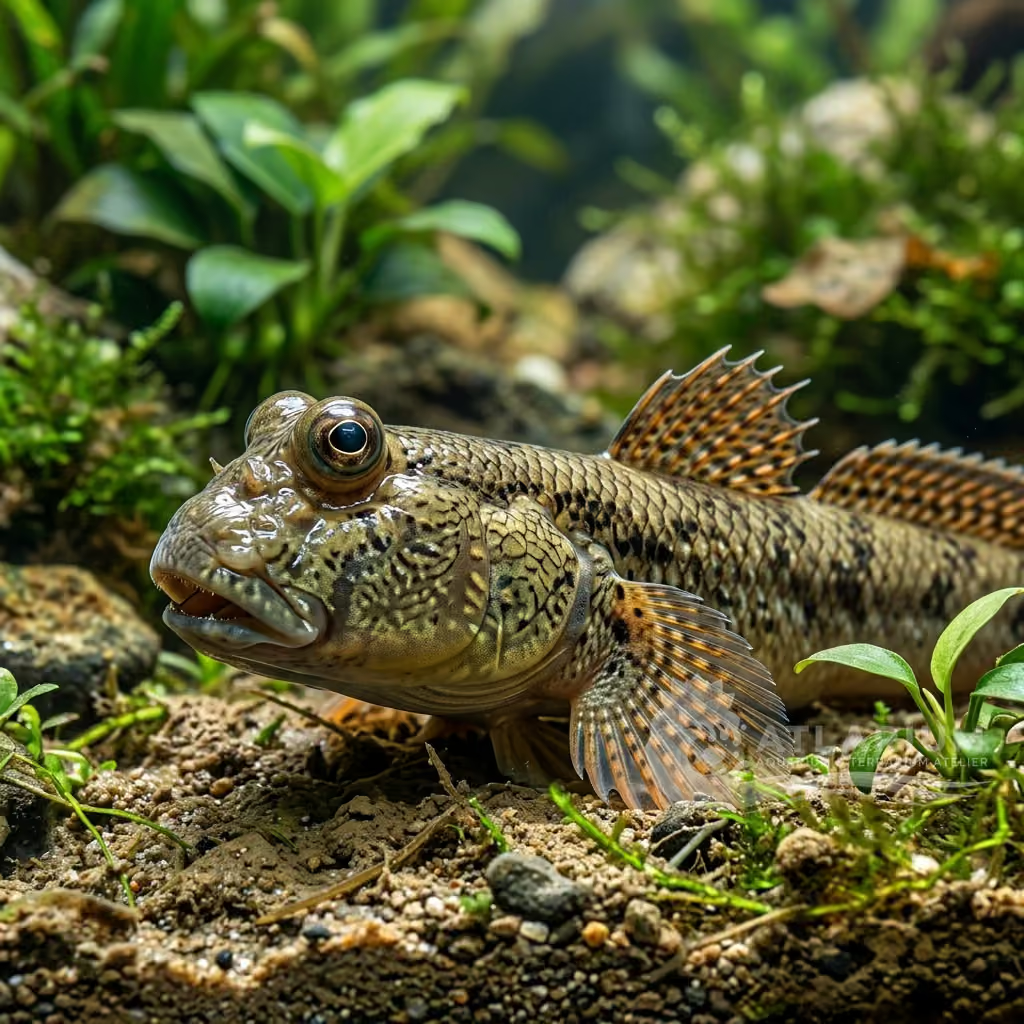
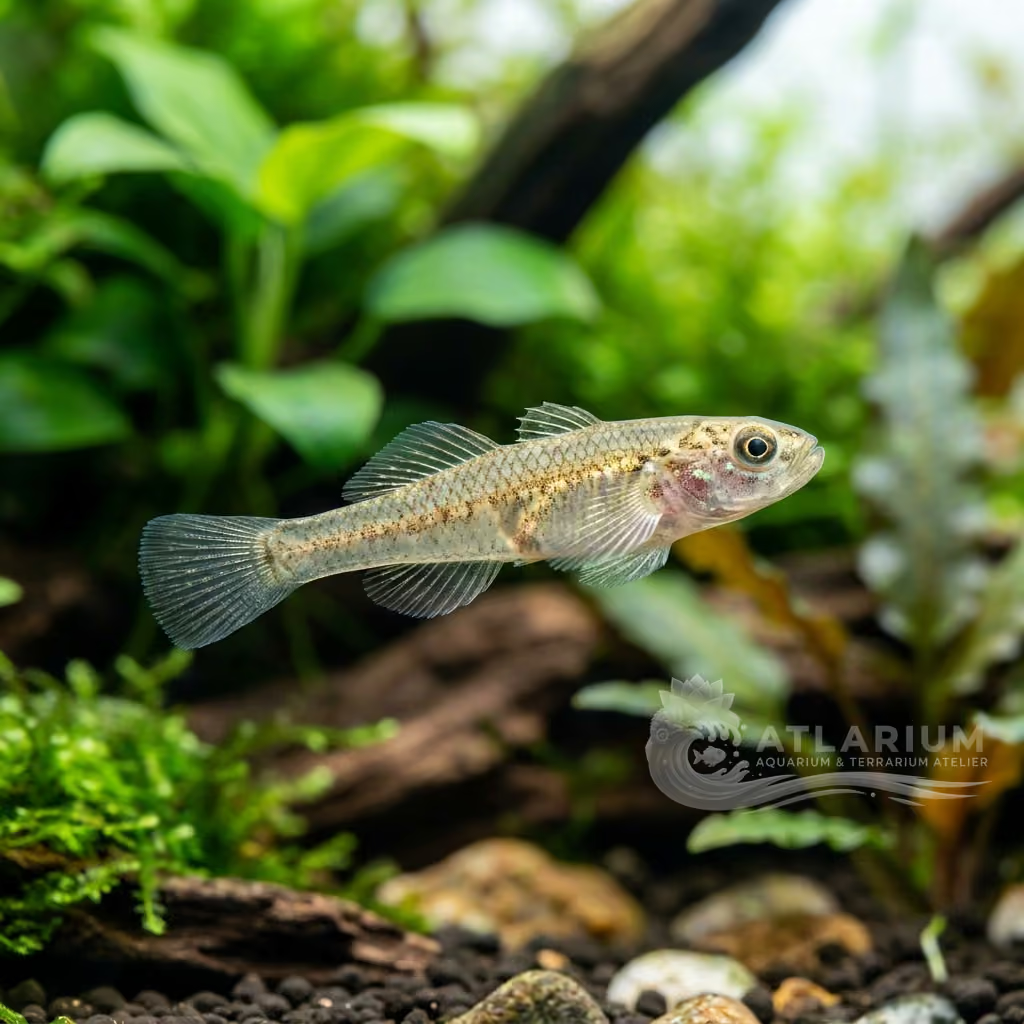
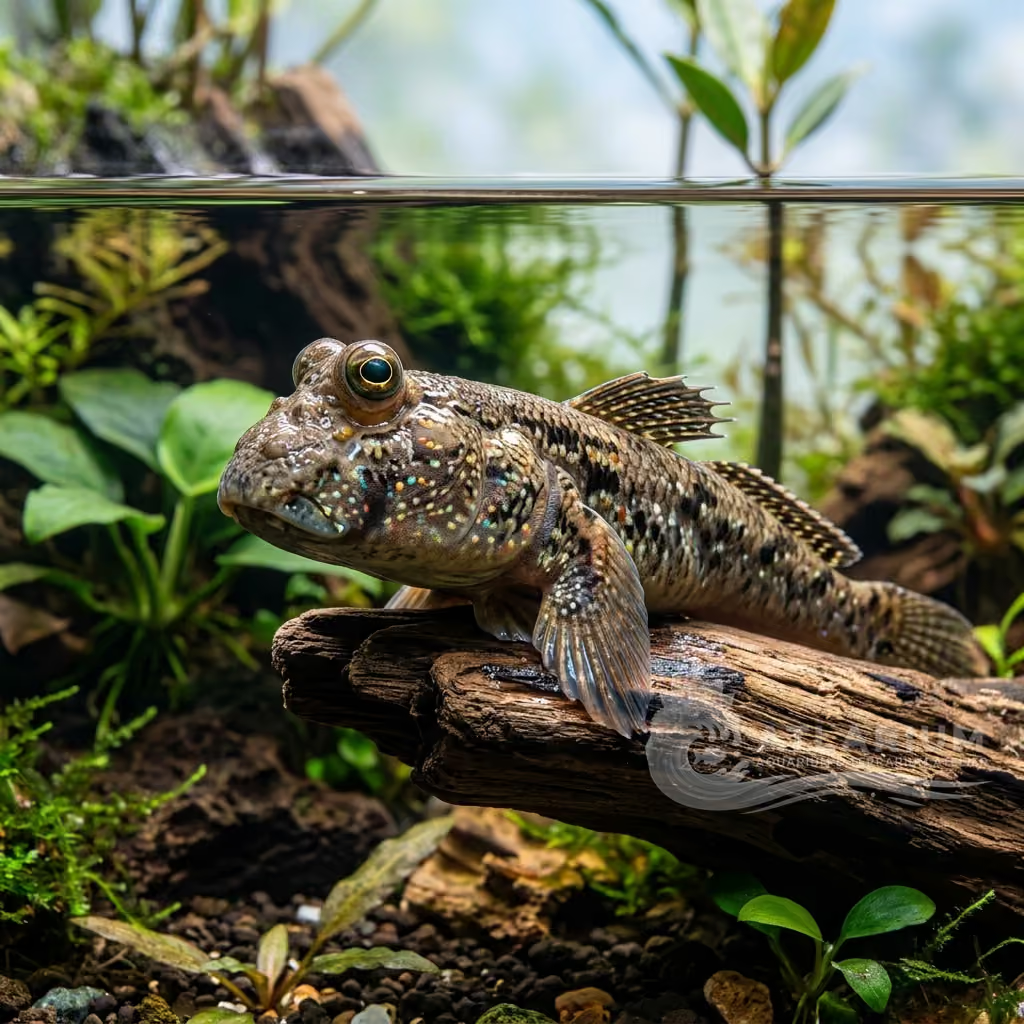
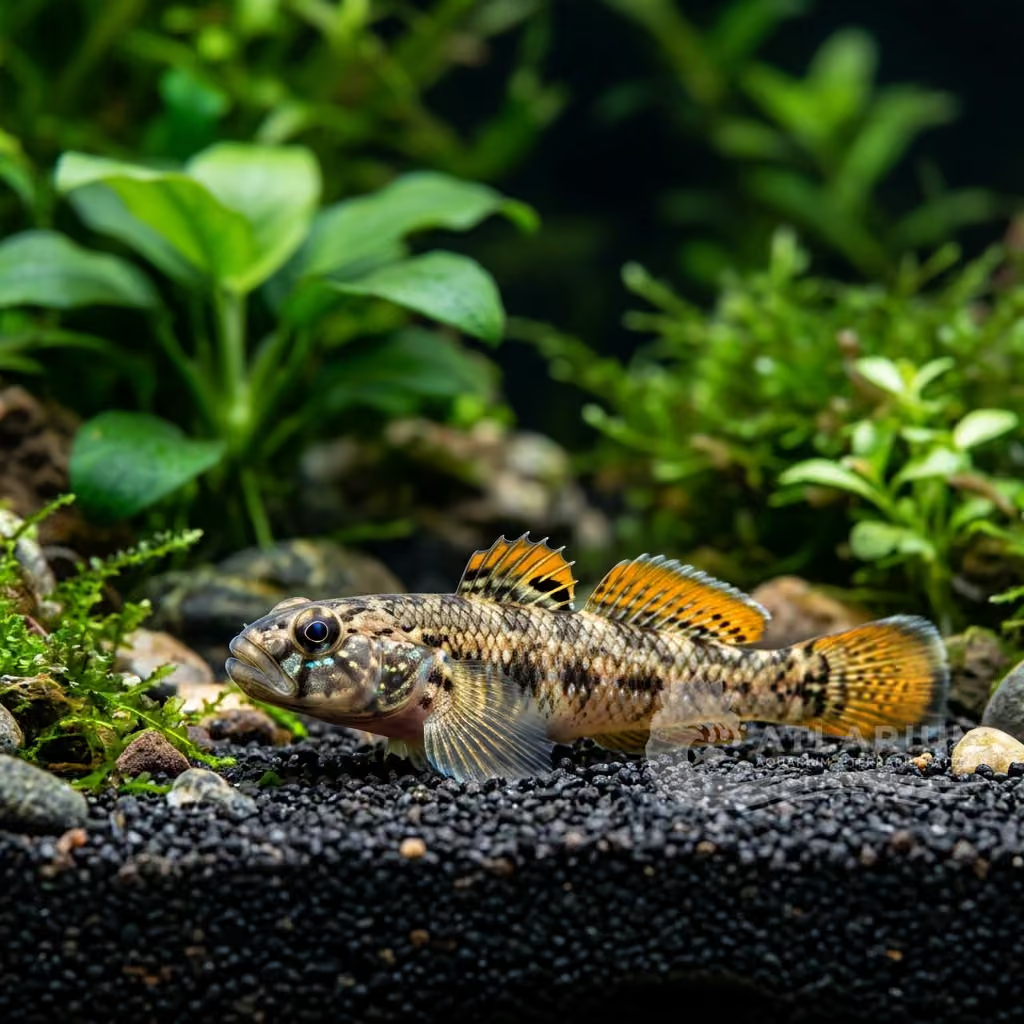
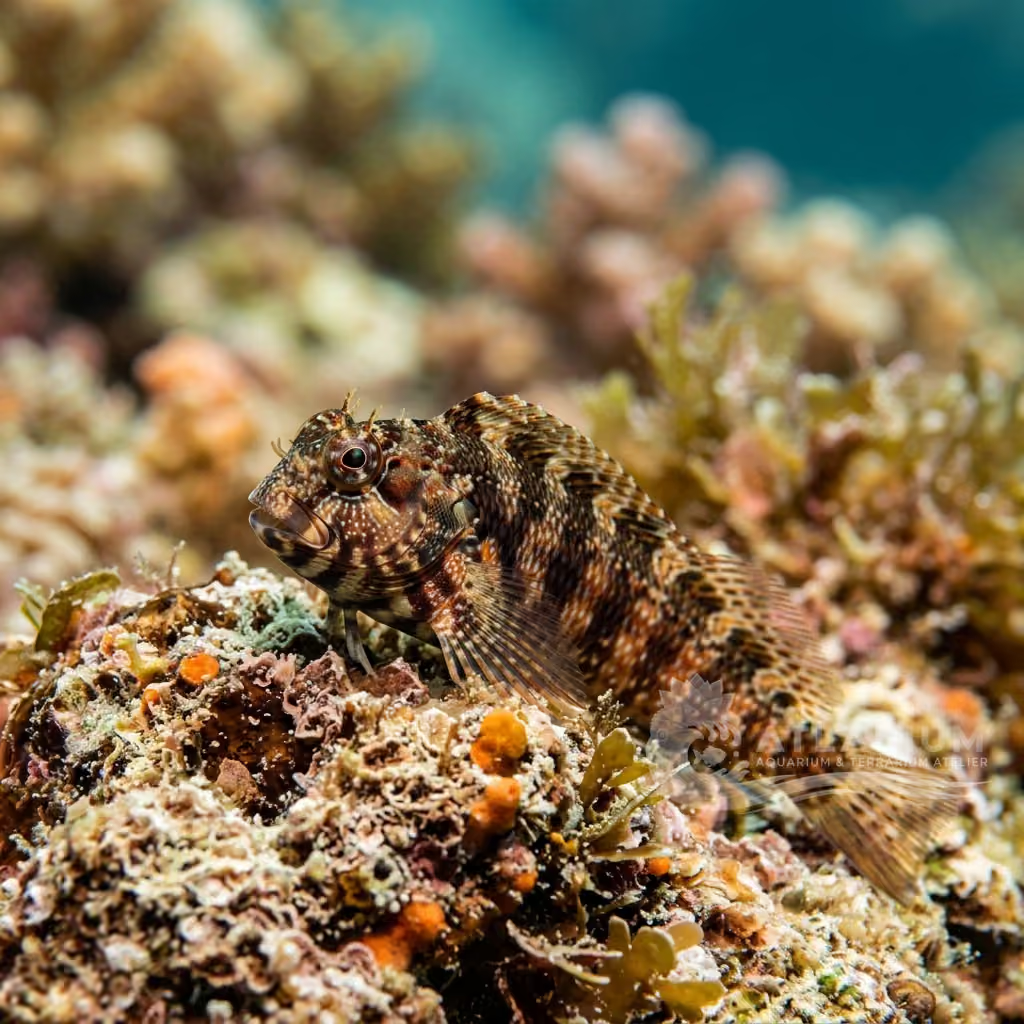
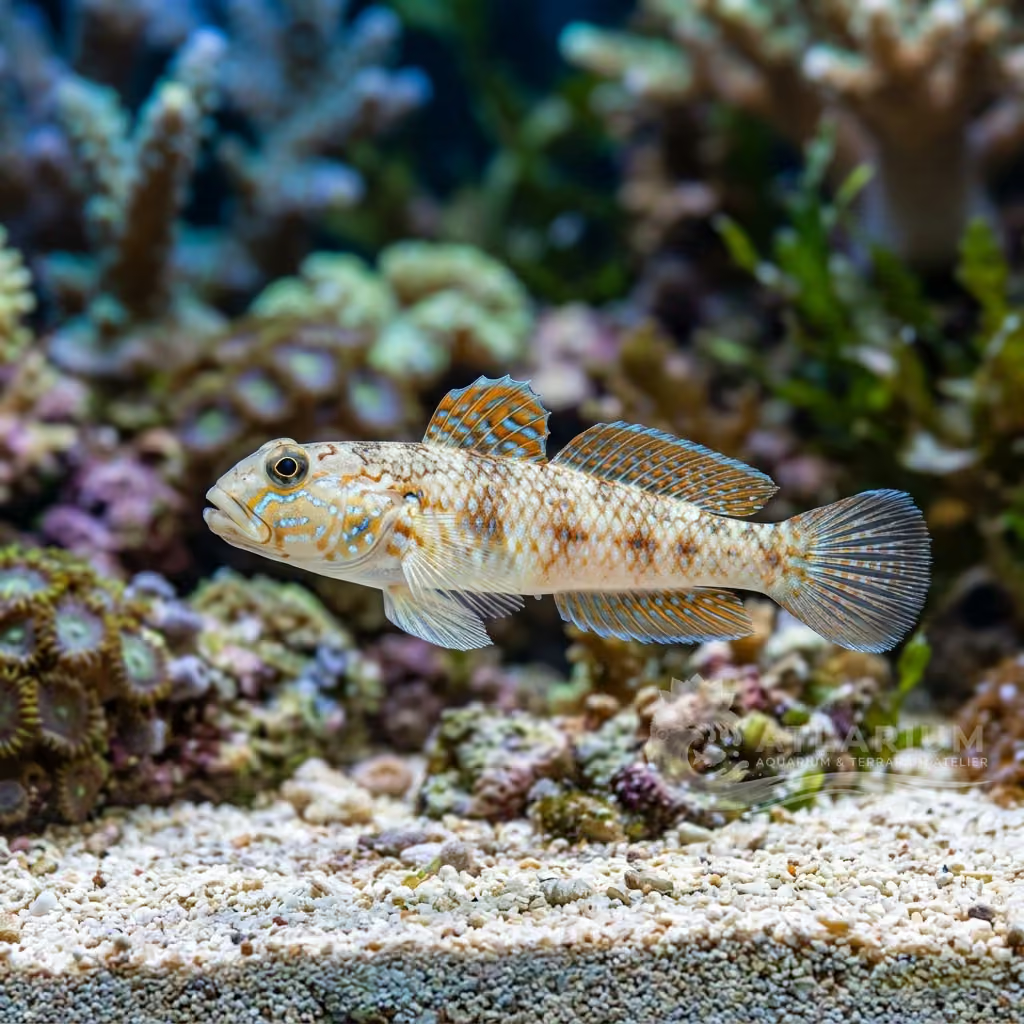
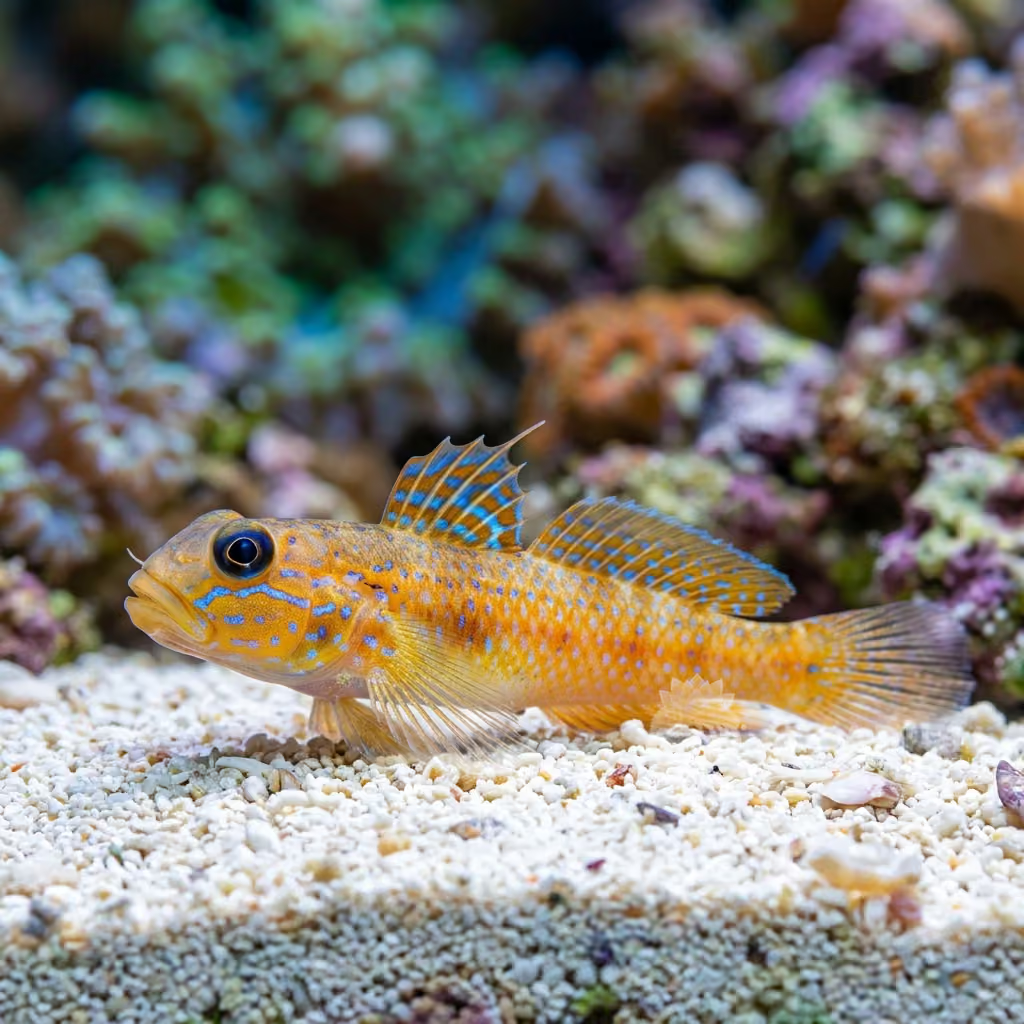
Saddled goby
Pterogobius elapoides
A highly active mid-water swimming goby originating from the temperate waters of Japan, uniquely decorated with bold vertical saddle bands.
Water Temperature
18 - 24 °C
pH Value
8.1 - 8.4
Water type
Marine
Tank level
Bottom and middle
Adult size
9 cm
Minimum tank volume
>= 200 L
Minimum group
>= 1
KH
8 - 12 dKH

Species description
Geographical Origin and Habitat: This species is native to the northwestern Pacific Ocean, distributed primarily along the coasts of Japan, Korea, southern Russia (Vladivostok), and northern China. It inhabits temperate and subtropical waters in sheltered rocky coastal areas, tide pools, seagrass beds, and kelp forests at shallow depths ranging from 1 to 10 meters, where the water is moving but not turbulent.
Taxonomy and Morphology: Pterogobius elapoides belongs to the family Gobiidae, under the subfamily Gobiinae. It features an elongated, cylindrical body with fused pelvic fins forming a sucker disc, typical of gobies, which it uses to anchor itself to rocks. There are two dorsal fins; the first is tall with flexible, elongated rays that can be erected. Adults reach a total length of 8 to 11 cm.
Social Behavior: Unlike many other benthic gobies that live exclusively in contact with the substrate, this species swims actively in the mid-water column near rocky faces or kelp. It displays a peaceful and gregarious behavior in nature, forming small groups, though adult males can show moderate intraspecific territoriality over the best hiding spots.
Coloration and Sexual Dimorphism: It features a yellowish or light beige base coloration, broken by 6 to 7 highly distinct vertical dark brown or reddish bands along the sides (hence the name 'saddled'). The first dorsal fin has a prominent black spot near the base. Sexual dimorphism is visible in breeding males, which develop longer dorsal and anal fins and darker, more intense body colors during courtship.

Care, breeding and tankmates
Aquarium Setup: Requires an aquarium of at least 100-120 liters. The layout should feature plenty of live rock arranged to form caves, crevices, and overhangs, along with open spaces for swimming. A sandy substrate mixed with pebbles is recommended. It is important to cover the tank as they can make sudden jumps if startled, despite being mid-water swimmers.
Diet and Feeding: It is a carnivorous micro-predator that feeds on small crustacea and benthic invertebrates. In captivity, it readily accepts frozen foods such as mysis, brine shrimp, copepods, and finely chopped krill. Over time, it will also adapt to high-quality sinking pellets. It should be fed twice a day in small portions that are consumed quickly.
Water Quality: Because it comes from temperate and subtropical environments of the northwestern Pacific, it prefers cool water temperatures, between 18°C and 22°C; constant tropical temperatures above 24-25°C can stress the fish's metabolism and shorten its lifespan. The pH should be maintained between 8.0 and 8.3, salinity between 1.020 and 1.024, and the water must be well-filtered.
Compatibility and Cohabitation: It is a peaceful fish that can coexist with other temperate or non-aggressive subtropical fish of similar size. It is not compatible with large predatory fish (such as scorpionfish or large wrasses) that may view it as prey. It is reef-safe and does not bother corals, though it may consume very small ornamental shrimp.
Aquarium Breeding: Breeding in aquariums is complex and has been documented primarily in Japanese scientific studies. They are cavity spawners: the male cleans the ceiling of a cave or an empty shell and coaxes the female to lay eggs. After fertilization, the male guards and fans the eggs until hatching. The larvae require specific microscopic live foods.
Risks and Diseases: The main threat is metabolic stress caused by excessively high water temperatures, which makes the fish vulnerable to parasitic skin infections like Cryptocaryon irritans. Another risk is starvation if tankmates are too fast and competitive during feeding; ensure it receives its share by targeted feeding.

Geographic origin and distribution
This species is native to the northwestern Pacific Ocean, distributed primarily along the coasts of Japan, Korea, southern Russia (Vladivostok), and northern China. It inhabits temperate and subtropical waters in sheltered rocky coastal areas, tide pools, seagrass beds, and kelp forests at shallow depths ranging from 1 to 10 meters, where the water is moving but not turbulent.
Origin
Tropical oceans and reefsNorth AmericaEast Asia

Fish profile
- Temperament
- Semi-aggressive
- They are peaceful, somewhat shy, and curious fish. They spend much of their day observing their surroundings from a safe perch. They pose no threat to any other tank inhabitants.
- Diet
- Carnivore
- They are carnivorous micro-predators. Their diet should consist of frozen mysis, brine shrimp, and high-quality marine pellets. They actively forage for small benthic organisms in the tank.
- Life expectancy
- 1-2 years
- Adult size
- 9 cm
- Sex ratio
- Solitary
- They can be kept singly or in mated pairs. Keeping multiple males may result in territorial disputes in small tanks. In a sufficiently large tank, a small group may coexist peacefully.
- Feeding frequency
- Twice daily
- Feed them small amounts two times a day. Frequent feeding mimics their natural continuous foraging behavior. Ensure food reaches the bottom where they spend most of their time.
- Bioload
- Low to Medium
- The Serpentine Goby produces a low to moderate bioload. They are relatively small and efficient scavengers. Good filtration and regular water changes will easily maintain water quality.
- Flow
- Moderate
- They prefer moderate water flow. A gentle current helps move food past their hiding spots. Avoid overpowering flow that makes swimming difficult for them.
- Jump risk
- Yes
- Like many gobies, they have a high jump risk. They are easily startled and will launch themselves upwards. A tight-fitting lid is an absolute necessity.
- Reproduction
- Oviparous
- Captive breeding is very rare and challenging. They typically lay adhesive eggs in caves or crevices. Raising the pelagic larvae requires specialized equipment and live foods.
- Compatibility & tankmates
- Reef safe
- They are peaceful and make excellent community tank members. They will not bother corals, making them reef safe. Avoid housing them with aggressive predators that may view them as a snack.
- Tank level
- Middle/Bottom
- They are predominantly bottom dwellers. They spend their time perching on rocks or resting on the sand. They occasionally swim into the lower water column to catch food.

Scientific Parameters & Models
FishBase
Window to the official scientific data of the species
FishBase v25.04Data synced on: 06/15/2026
- Trophic level
- 3 ± 0.1 se
- Resilience
- High (less than 15 months)
- Phylogenetic uniqueness (PD50)
- 0.5625
- Bayesian Length-Weight
- a = 0.00741, b = 3.09
- VulnerabilityLow vulnerability (10 / 100)

Related species
Recommendations grouped by close relatives, companion choices, and similar care.