Gold Neon Dwarf Goby
Stiphodon percnopterygionus
This small, vibrant freshwater goby hails from fast-flowing Western Pacific streams. Males display brilliant golden bands. It requires a specialized hillstream setup with strong flow and biofilm.
Water Temperature
22 - 28 °C
pH Value
6.5 - 7.5
Water type
Freshwater
Tank level
Bottom
Adult size
4.5 cm
Minimum tank volume
>= 60 L
Minimum group
>= 3
GH
2 - 12 dGH
KH
1 - 8 dKH
TDS
100 - 250 ppm
Conductivity
200 - 500 uS/cm

Species description
Geographical Origin and Habitat: Stiphodon percnopterygionus is native to the Western Pacific, with populations concentrated in the Ryukyu Islands of Japan, Taiwan, the Philippines, Palau, Guam, and other islands of Micronesia. It inhabits small, clear, fast-flowing coastal streams characterized by rocky substrates and high sunlight exposure, which promotes the growth of a thick algal biofilm. As an amphidromous species, the hatched larvae drift downstream into the ocean, where they undergo development before migrating back up into freshwater streams as juveniles.
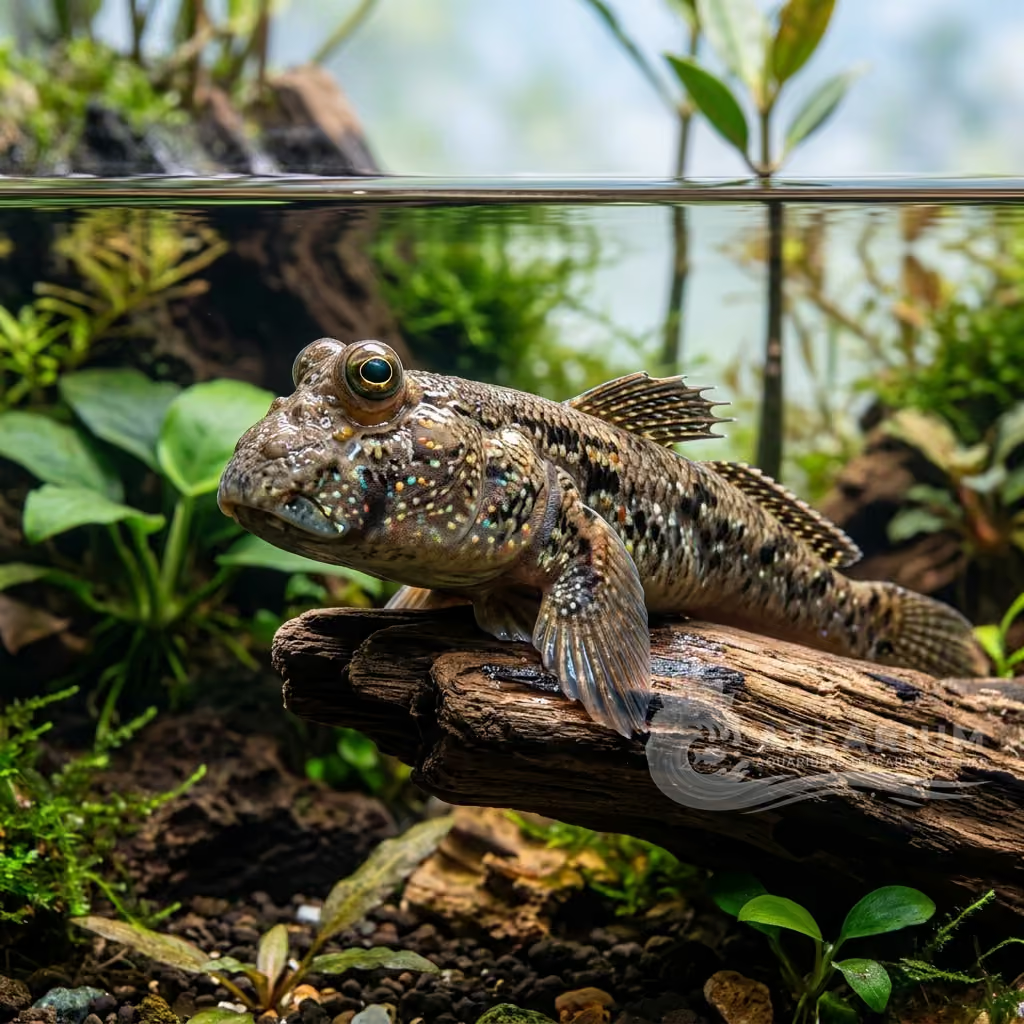
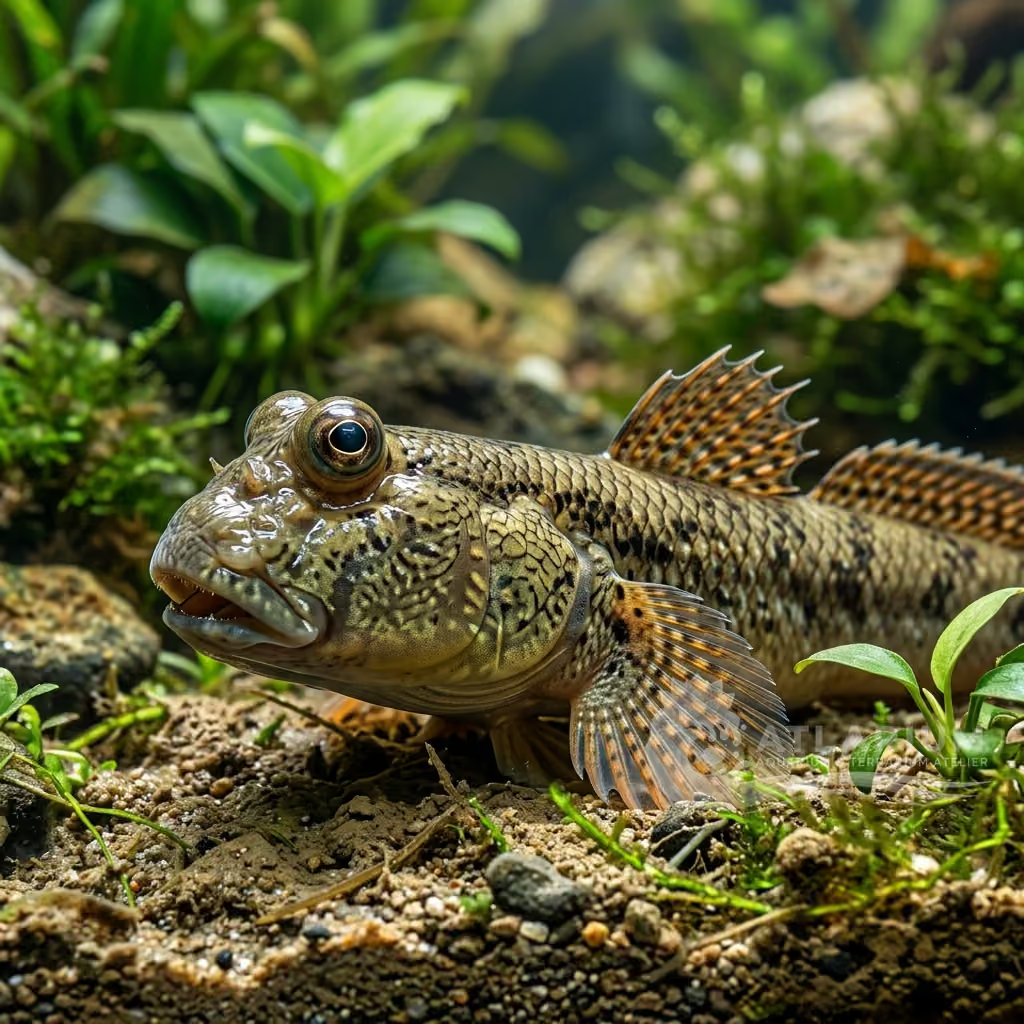
Taxonomy and Morphology: Classified within the class Actinopterygii, order Gobiiformes, family Gobiidae, and subfamily Sicydiinae. It features an elongated, cylindrical body adapted to life in fast currents. The mouthparts are modified into a scraping apparatus designed to harvest algae from rocks. Its pelvic fins are fused into a sucking disc, allowing it to cling tightly to stones. Adults reach a small size of approximately 4.5 centimeters.
Social Behavior: Males are territorial but non-aggressive, establishing small rocky territories that they defend from rivals through visual displays, such as raising their brightly colored fins. Females and juveniles are more gregarious, moving freely across the substrate. They are peaceful toward other species and are best kept in small groups containing one male and multiple females.
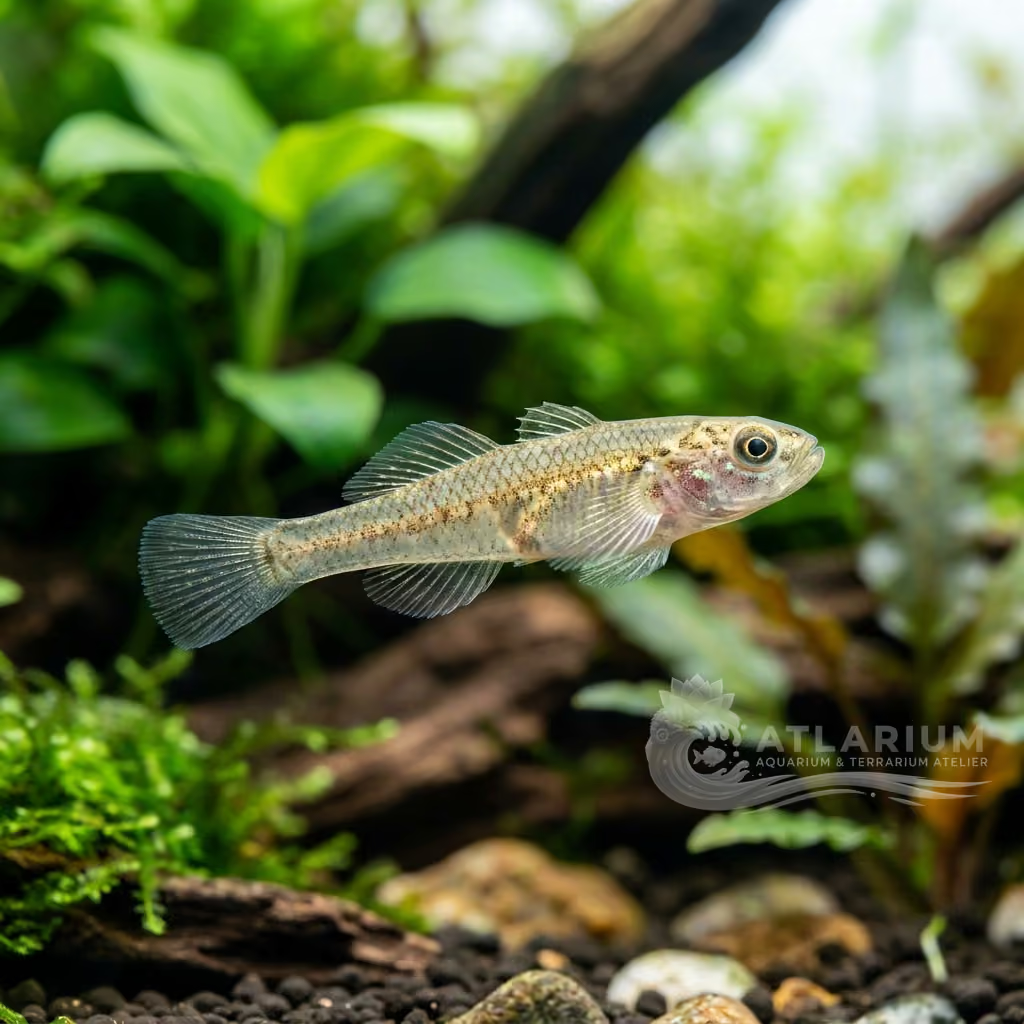
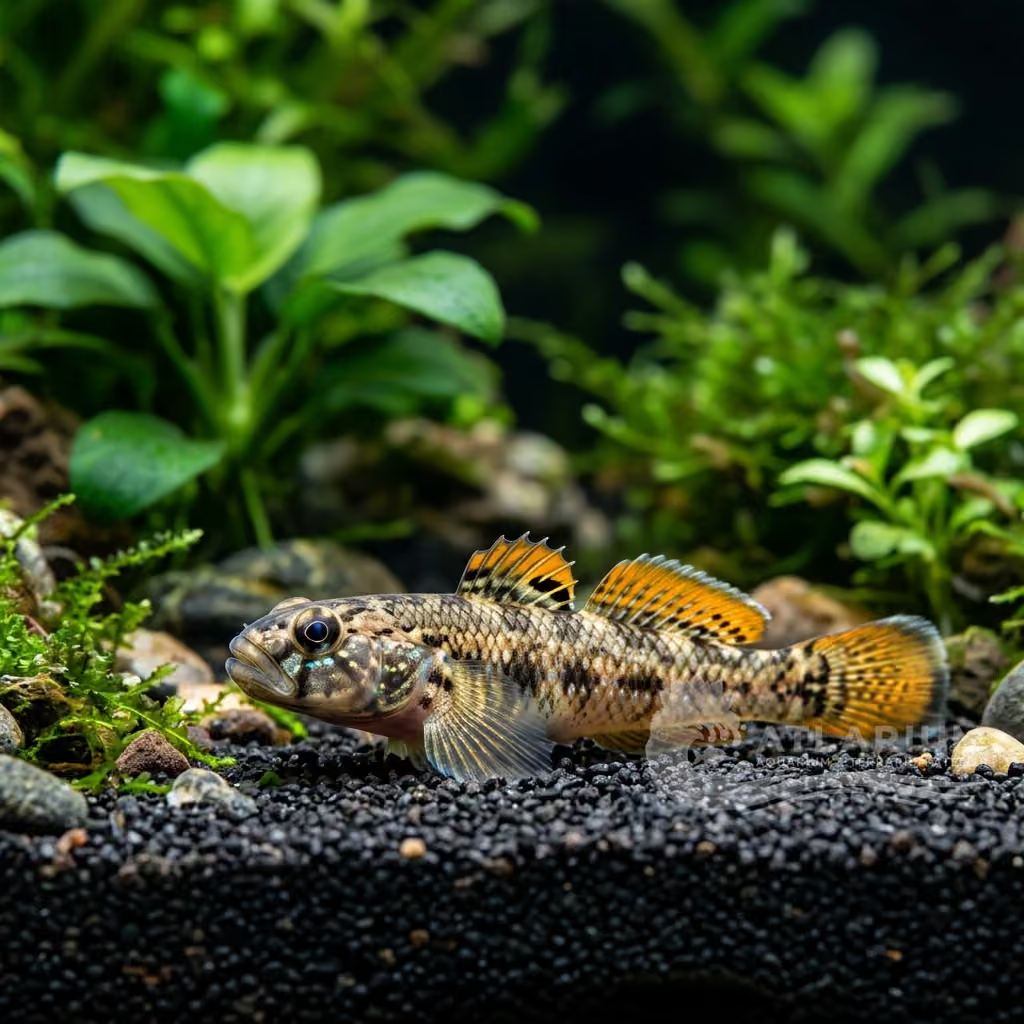
Coloration and Sexual Dimorphism: This species exhibits striking sexual dimorphism. Adult males display brilliant nuptial coloration, featuring fluorescent gold or orange bands along their flanks, colorful dorsal fins, and a dark head. In contrast, females are much more plain, with a pale grey or beige body marked by two parallel dark horizontal stripes running along the sides.

Care, breeding and tankmates
Aquarium Setup: Requires a specialized hillstream setup of at least 80 liters. Strong water currents and high dissolved oxygen levels are essential, which can be achieved using powerheads or manifold systems. The substrate should consist of smooth, varied-sized stones and fine sand. Intense lighting is necessary to encourage natural algal growth on the rocks. The aquarium must be tightly sealed, as these gobies can climb glass surfaces.
Diet and Feeding: A specialized herbivore that feeds almost exclusively on biofilm, unicellular algae, and diatoms. They should only be introduced into mature aquariums with established algal growth. In captivity, they will accept spirulina-based foods, algae wafers, and occasional small frozen foods like baby brine shrimp, but natural biofilm must remain their primary food source.
Water Quality: Demands clean, well-oxygenated water with low nitrogenous waste. Ideal parameters: temperature 22 °C to 26 °C, pH 6.5 to 7.8, and hardness GH 4 to 12 dGH. Excellent filtration and regular water changes are required to keep nitrates and phosphates low, mimicking their pristine natural habitats.
Compatibility and Cohabitation: Extremely peaceful. Excellent companions for freshwater ornamental shrimp (such as Caridina and Neocaridina), small stream-dwelling cyprinids, and other peaceful gobies. Avoid housing them with large, aggressive, or territorial fish that could stress them or view them as prey.
Aquarium Breeding: Extremely difficult and virtually impossible to achieve in home aquariums due to their complex amphidromous lifecycle. Although they may spawn under rocks, the newly hatched larvae require marine or brackish water to survive and grow before transitioning back to freshwater.
Risks and Diseases: The primary risk is starvation if introduced to a clean, algae-free aquarium. They are highly sensitive to copper-based medications and chemical spikes. Low dissolved oxygen levels or elevated water temperatures will quickly cause severe respiratory distress.

Geographic origin and distribution
Stiphodon percnopterygionus is native to the Western Pacific, with populations concentrated in the Ryukyu Islands of Japan, Taiwan, the Philippines, Palau, Guam, and other islands of Micronesia. It inhabits small, clear, fast-flowing coastal streams characterized by rocky substrates and high sunlight exposure, which promotes the growth of a thick algal biofilm. As an amphidromous species, the hatched larvae drift downstream into the ocean, where they undergo development before migrating back up into freshwater streams as juveniles.
Origin
Tropical oceans and reefsSouth and Southeast AsiaEast Asia

Fish profile
- Temperament
- Territorial
- In general, Stiphodon percnopterygionus is extremely peaceful toward other fish species and will completely ignore them. However, they exhibit fascinating, complex territorial behaviors toward their own kind, with males frequently flaring their fins to establish dominance. Despite these visual displays, physical damage is exceptionally rare, and their engaging antics make them a joy to observe.
- Diet
- Herbivore
- The Stiphodon percnopterygionus is a specialized biofilm and aufwuchs grazer, relying heavily on natural algae growth on rocks and glass. While they primarily scrape soft green algae and micro-organisms, their diet should be supplemented with high-quality sinking algae wafers. Occasional offerings of small frozen foods like bloodworms can be provided, but protein must be kept to a minimum.
- Life expectancy
- 3-5 years
- Adult size
- 4.5 cm
- Sex ratio
- Harem
- Males of the Stiphodon percnopterygionus can be highly territorial toward one another, especially when defending preferred grazing rocks or burrows. It is best to keep a single male with a harem of two or more females to reduce conspecific aggression. If keeping multiple males, a large tank with abundant visual barriers and numerous smooth rocks is required.
- Feeding frequency
- Twice daily
- Because they constantly graze on biofilm throughout the day, supplemental feeding of Stiphodon percnopterygionus should only occur 3-4 times a week. Overfeeding artificial foods or high-protein diets can lead to severe digestive issues for these specialized herbivores. Maintaining a brightly lit tank with natural algae growth provides a constant, natural food source.
- Bioload
- Low
- The Stiphodon percnopterygionus has a relatively low bioload as it is a highly specialized, small-sized grazing goby. Their digestive system is specifically adapted for processing algae and biofilm, producing minimal waste compared to carnivorous species. However, they demand pristine water conditions and mature biological filtration to thrive.
- Flow
- Strong
- Originating from fast-flowing, clear mountain streams, the Stiphodon percnopterygionus absolutely requires high water flow and intense oxygenation. They are perfectly adapted to clinging to smooth rocks in strong currents using their specialized pelvic fins. Utilizing powerheads or a river-manifold system is essential to replicate the high-velocity environment they naturally inhabit.
- Jump risk
- Yes
- There is a moderate to high jump risk associated with Stiphodon percnopterygionus, especially in tanks with low flow or poor oxygenation. Additionally, these gobies are excellent climbers and can scale damp aquarium glass above the waterline if they feel trapped. A tight-fitting lid is absolutely essential to prevent them from escaping the aquarium.
- Reproduction
- Oviparous
- Breeding Stiphodon percnopterygionus in captivity is incredibly rare and difficult due to their complex amphidromous lifecycle. In nature, eggs are laid in freshwater, but the newly hatched larvae are swept out to the ocean to develop before migrating back upriver. Replicating this saltwater developmental phase in a home aquarium setup remains largely unachieved by hobbyists.
- Compatibility & tankmates
- Peaceful
- This goby is highly peaceful and makes a wonderful resident for specialized river manifold aquariums or peaceful nano tanks. Stiphodon percnopterygionus should only be kept with similarly sized, peaceful top- or mid-water fish like small rasboras or tetras. They must never be housed with aggressive bottom-dwellers or large cichlids that could view them as prey or outcompete them.
- Tank level
- Bottom
- The Stiphodon percnopterygionus is an exclusive bottom-dweller, spending its entire life attached to hardscapes, substrate, or the aquarium glass. Their anatomy is strictly built for benthic living, using a fused pelvic fin to anchor themselves in high flow. They will never swim in the mid-water or upper levels unless severely stressed or dying.

Scientific Parameters & Models
FishBase
Window to the official scientific data of the species
FishBase v25.04Data synced on: 06/15/2026
- Resilience
- High (less than 15 months)
- Generation time
- 0.7 years
- Phylogenetic uniqueness (PD50)
- 0.5
- Bayesian Length-Weight
- a = 0.00389, b = 3.12
- VulnerabilityLow vulnerability (10 / 100)

Related species
Recommendations grouped by close relatives, companion choices, and similar care.