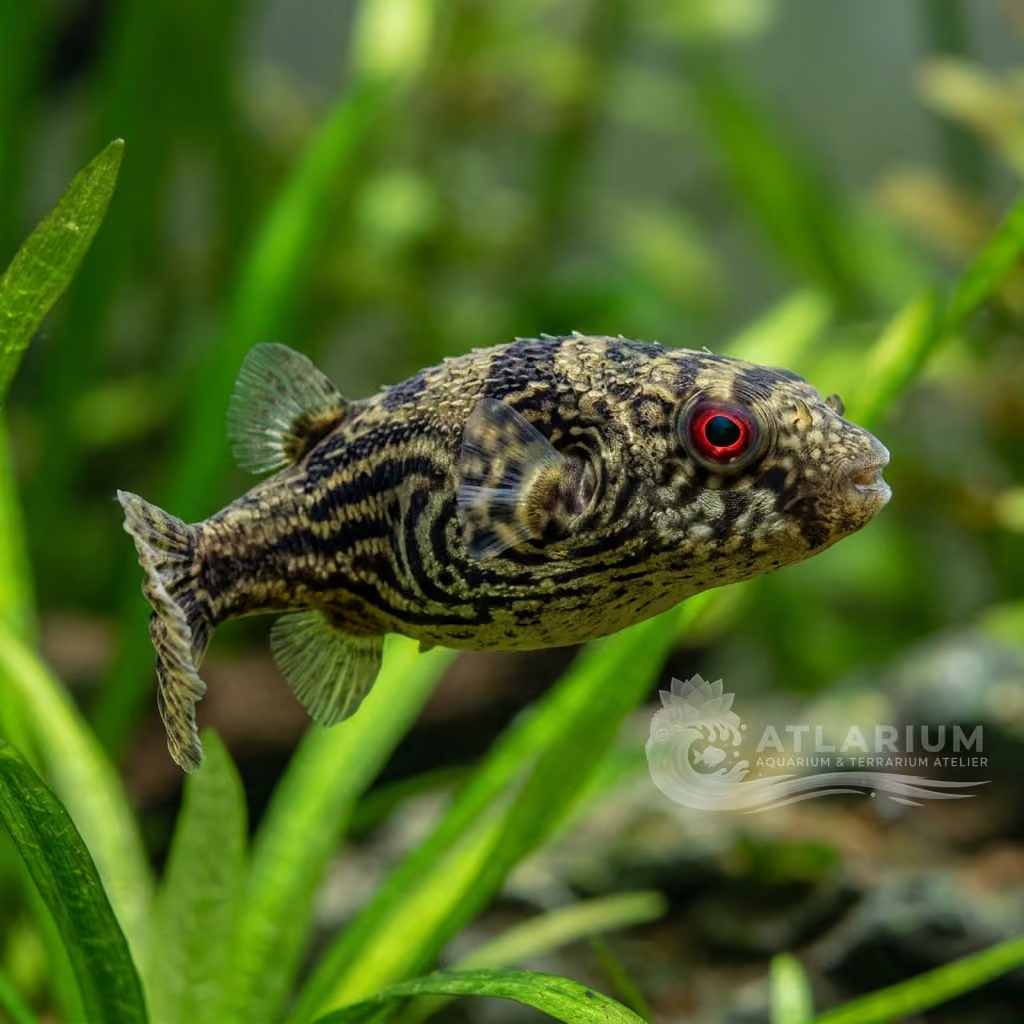
Chameleon fish
Badis badis
The 'chameleon' of the aquarium: rapidly changes color during territorial confrontations and courtship — males shift from grey to intense blue-black in seconds. Micropredator native to India (Ganges basin). Often refuses dry food — needs live or frozen food. Tolerates cool temperatures (15–25 °C). Cave spawner with paternal care. Shy but fascinating: in planted tanks with caves and hiding spots expresses all its natural behavior.
18 - 25 °C
6.5 - 7.5
Freshwater
Bottom and middle
6 cm
>= 75 L
>= 2
5 - 15 dGH
2 - 7 dKH
95 - 295 ppm
148 - 461 uS/cm

Species description

Care, breeding and tankmates

Geographic origin and distribution
Origin

Fish profile
- Temperament
- Semi-aggressive
- Chameleon fish are generally shy, sluggish, and peaceful, but they display significant territorial aggression toward other males of their own species. When defending a chosen cave, males will display vibrant colors and aggressively chase off any intruding rivals. They are not aggressive toward other small, peaceful tank mates of different species. However, their predatory instincts mean they will readily hunt and consume small dwarf shrimp like Caridina or Neocaridina.
- Diet
- Carnivore
- They are dedicated micropredators that feed on tiny aquatic crustaceans, insect larvae, and zooplankton. In an aquarium, they often reject dry commercial flakes or pellets entirely, necessitating a diet of live or frozen foods. Offer them small fare such as Artemia, Daphnia, and glassworms to keep them healthy. It is vital to avoid feeding them bloodworms and Tubifex, as these foods cause obesity and increase susceptibility to fatal diseases.
- Life expectancy
- 3-5 years
- Adult size
- 6 cm
- Sex ratio
- Harem
- In a standard home aquarium, keeping a single male-female pair or a harem of one male to several females is highly recommended. Because males are territorial and competitive, stocking multiple males in a small tank will lead to aggressive disputes. If you intend to keep a group with multiple males, you must provide a large aquarium with separate caves. Spacing these hiding spots far apart allows each male to establish its own boundary without continuous conflict.
- Feeding frequency
- Twice daily
- Feeding should occur once or twice daily in small, managed portions that the fish can consume within a few minutes. Because they are deliberate, slow feeders, they can easily be outcompeted by more active fish. Aquarists must observe feedings to ensure the Badis badis receive their fair share of food. Any uneaten live or frozen food should be siphoned out promptly to prevent it from decaying and polluting the tank.
- Bioload
- Low to Medium
- The biological waste and filtration requirements for the chameleon fish are relatively low-medium due to its small size. However, because they are fed almost exclusively on live or frozen foods, uneaten organic matter can accumulate and degrade water quality. A reliable, gentle filtration system is essential to maintain clean water without creating strong, disruptive currents. Regular small water changes are highly recommended to keep nitrate levels low and stable.
- Flow
- Strong
- This species strongly prefers weak to gentle water movement, reflecting the slow-flowing streams and pools of their native Ganges river system. Strong currents will cause them chronic stress and exhaust them, as they are not built for powerful swimming. Utilizing a sponge filter or a filter with a highly adjustable flow rate is the best practice for their setup. Gentle circulation also helps them hunt comfortably and encourages natural breeding behaviors.
- Jump risk
- Yes
- While they are bottom-dwelling fish that usually stay low, there is still a notable risk of jumping if they are startled or chased. Territorial disputes between rival males or stress from poor water chemistry can prompt them to leap from the water. A tight-fitting lid or cover slide is highly recommended to secure the aquarium. Floating plants can also help by diffusing light and making the fish feel secure, reducing the likelihood of escape attempts.
- Reproduction
- Oviparous
- They are cave-spawners that establish temporary pair bonds and are relatively straightforward to breed. During courtship, the male's coloration intensifies to a dark, near-black hue as he coaxes a receptive female into his cave. After spawning a batch of 30 to 100 eggs, the female is driven away, and the male takes sole custody of the brood. The eggs hatch in 2 to 3 days, and the sedentary fry should be started on microworms.
- Compatibility & tankmates
- Peaceful
- Chameleon fish should be housed with small, peaceful, and slow-moving tank mates that inhabit the upper water levels. Suitable companions include small cyprinids, rasboras, or gentle schooling fish that will not compete aggressively for food. Avoid pairing them with territorial bottom-dwellers or other Badis species, which could lead to hybridization or fights. Dwarf shrimp must be avoided as they are highly likely to be eaten by the hungry fish.
- Tank level
- Middle/Bottom
- The chameleon fish is primarily a bottom to middle dweller that remains close to the aquarium substrate. It spends most of its time investigating caves, rock crevices, and low-lying vegetation in search of micro-prey. It rarely ventures into the upper water column unless lured by floating plants or during courtship. A fine sand substrate is ideal, as it mimics their natural riverbeds and supports their foraging behavior.

Scientific Parameters & Models
Window to the official scientific data of the species
- Trophic level
- 3.3 ± 0.39 se
- Resilience
- High (less than 15 months)
- Phylogenetic uniqueness (PD50)
- 0.5
- Bayesian Length-Weight
- a = 0.00977, b = 2.87
- VulnerabilityLow vulnerability (10 / 100)

Image gallery
Licensed images linked to the species or, when marked, to the closest representative taxon.

Related species
Recommendations grouped by close relatives, companion choices, and similar care.