Atlantic mudskipper
Periophthalmus barbarus
The Atlantic Mudskipper is an extraordinary amphibious fish that spends time out of water. It mandates a carefully designed, heated brackish paludarium to recreate its tidal habitat.
Water Temperature
25 - 30 °C
pH Value
7.5 - 8.5
Water type
Freshwater
Tank level
All levels
Adult size
15 cm
Minimum tank volume
150 L
Minimum group
>= 1
GH
10 - 30 dGH
KH
5 - 15 dKH
TDS
200 - 600 ppm
Conductivity
313 - 938 uS/cm

Species description
Geographical Origin and Habitat: Periophthalmus barbarus, commonly known as the Atlantic mudskipper, is native to the coastal regions of West Africa. Its natural distribution ranges along the Atlantic coasts from Senegal to Angola, including countries like Nigeria, Cameroon, and Gabon. Its habitat consists of estuarine mangrove forests, muddy tidal flats, brackish swamps, and coastal lagoons. It lives in environments subject to strong tidal variations, spending most of its time on dry, muddy banks.
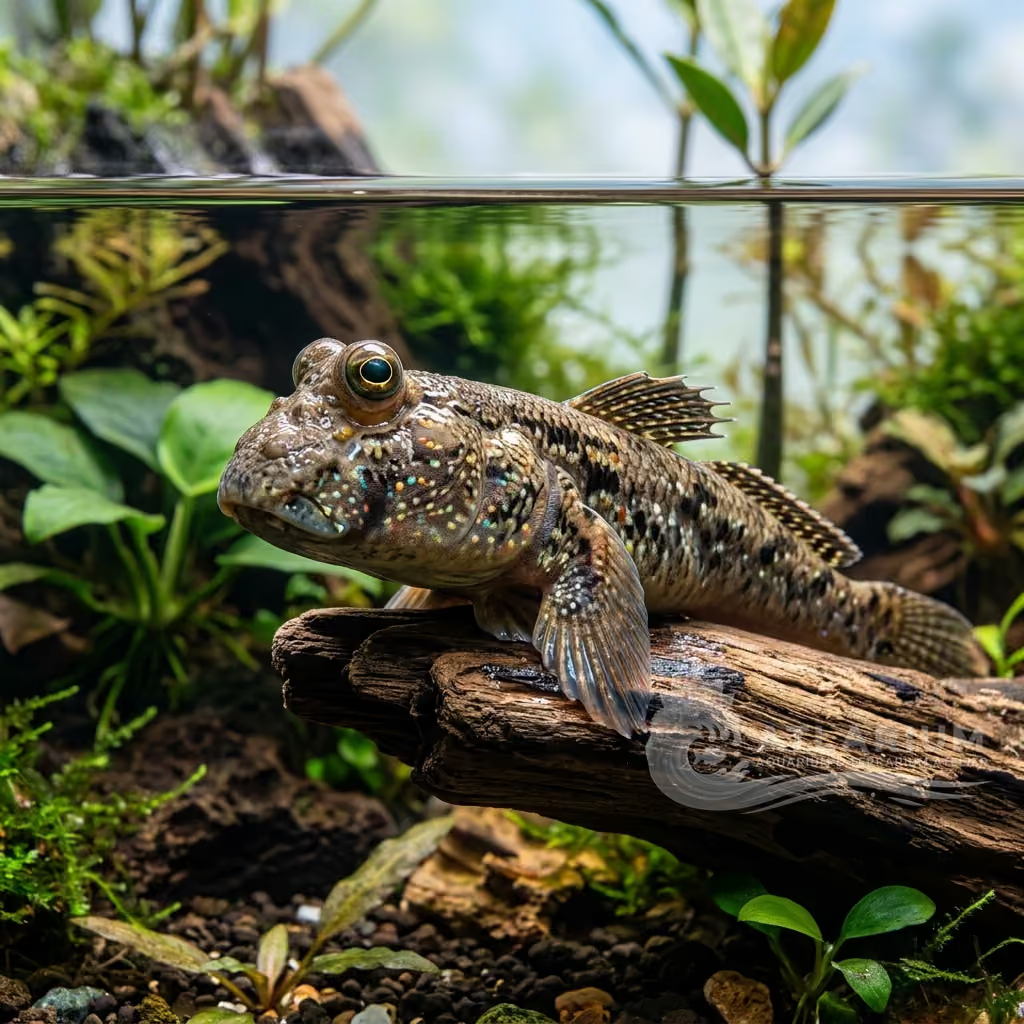
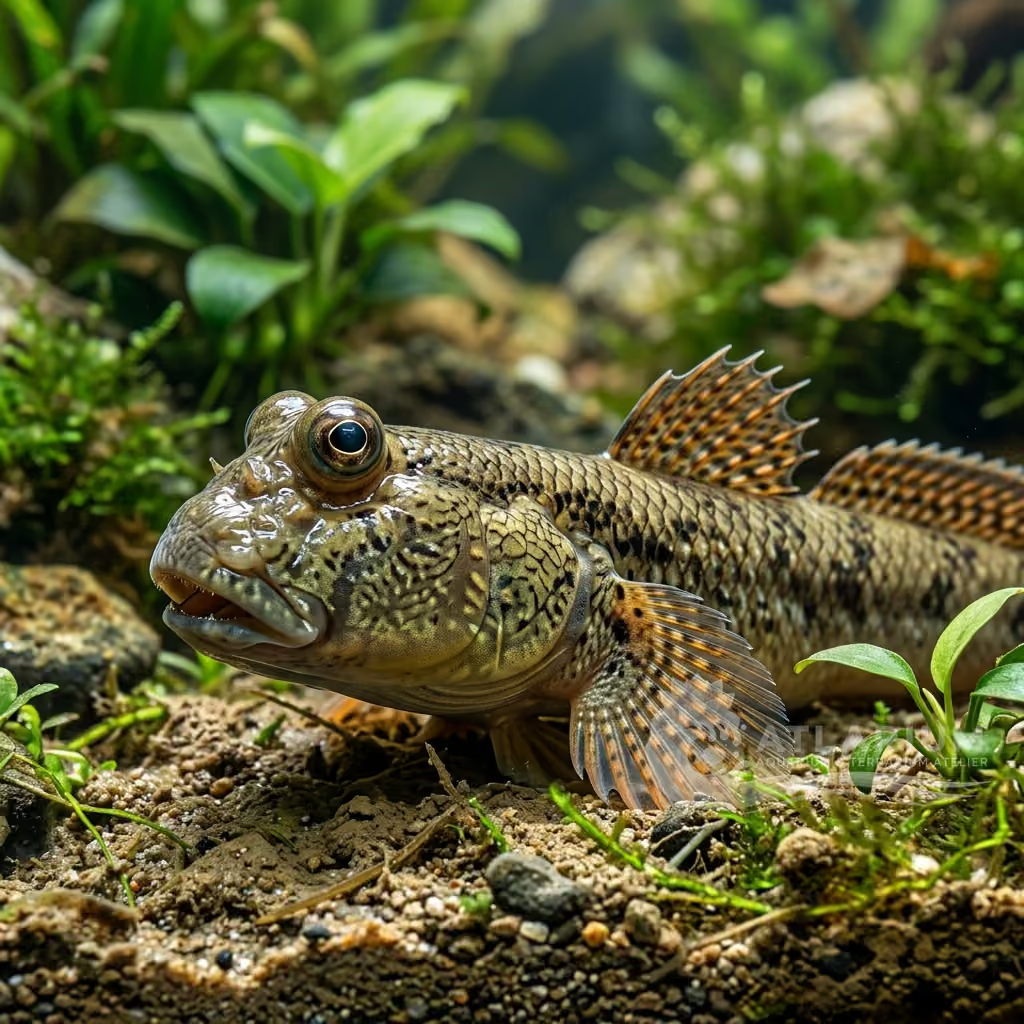
Taxonomy and Morphology: It belongs to the class Actinopterygii, order Perciformes, family Gobiidae, subfamily Oxudercinae, and genus Periophthalmus. It exhibits extraordinary morphological adaptations to terrestrial life: the pectoral fins are muscular and jointed, functioning like actual legs to walk and jump on the mud. The eyes are large, protruding, positioned on top of the head, and independently mobile. Adults reach a length between 15 and 20 centimeters (6 to 8 inches).
Social Behavior: It is an extremely territorial, active, and aggressive fish toward conspecifics. Males establish individual territories on muddy flats and defend them vigorously by raising their colored dorsal fins, performing intimidating jumps, and chasing away intruders. It has predominantly diurnal habits and is an amphibious animal: it breathes atmospheric air by storing water in its large gill chambers and breathing through its wet skin.
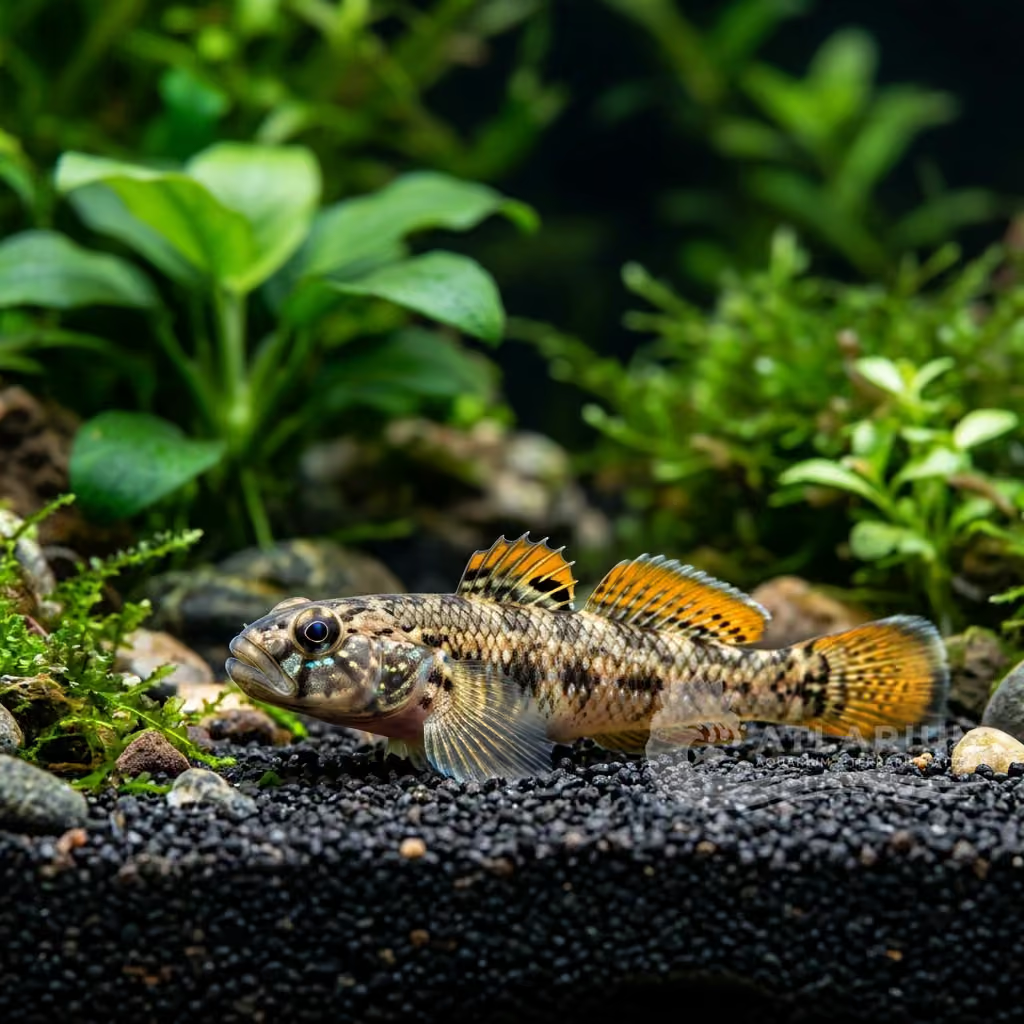
Coloration and Sexual Dimorphism: The body presents a cryptic grey-brown or greenish coloration with dark mottling and small iridescent blue spots on the sides. It has two dorsal fins; the first is dark with a bluish or white band on the margin. Sexual dimorphism is minimal: mature males are slightly larger than females and show much more intense and contrasted colors during the courtship and territorial combat periods.

Care, breeding and tankmates
Aquarium Setup: Requires a specific paludarium setup (minimum capacity of 150 liters, at least 100-120 cm long). The setup must provide about 70% land area (fine sand, aquarium mud, flat rocks, and mangrove roots or driftwood) and 30% shallow water area (maximum 10-15 cm deep). It is essential to install a tight-fitting lid, as these fish are exceptional climbers and can escape through very small gaps.
Diet and Feeding: It is an insectivorous and carnivorous predator that prefers to feed on land. In the aquarium, it must be fed live food placed on dry areas: small crickets, fruit flies (drosophila), mealworms, and small earthworms. It also accepts frozen foods like bloodworms, krill, and brine shrimp placed on wet rocks. Avoid throwing food into deep water where the mudskipper struggles to catch it.
Water Quality: Requires brackish water with specific gravity maintained constantly between 1.005 and 1.012, achieved by dissolving specific marine aquarium salts. The water temperature must be between 25°C and 28°C (77°F - 82°F), while the air temperature above the land zone must be heated to 26-30°C (79°F - 86°F) using spot lamps. Air humidity must be very high (80-90%) to prevent the skin from drying.
Compatibility and Cohabitation: It is highly recommended to house it in a single-species tank. Due to strong intraspecific territorial aggression, keeping multiple specimens requires huge paludariums (over 150 cm long) equipped with numerous visual barriers (rocks and wood) to define territories. Fast brackish surface fish can be kept in the water area, but small tankmates will be preyed upon.
Aquarium Breeding: Breeding in the aquarium is extremely difficult and rarely documented in captivity. In the wild, males dig deep Y-shaped burrows in compact mud, where they carry air bubbles to oxygenate the internal spawning chamber where the female will lay eggs. Larvae develop in water during high tide. Recreating this microhabitat at home requires complex setups.
Risks and Diseases: The primary biological risk is skin dehydration: if the fish escapes the paludarium or if air humidity drops below critical levels, it dies in a short time. It is prone to bacterial skin infections (fin rot) and fungal diseases if land hygiene is poor or mud decomposes. Wounds from frequent territorial fights between males can become infected if the water is not clean.

Geographic origin and distribution
Periophthalmus barbarus, commonly known as the Atlantic mudskipper, is native to the coastal regions of West Africa. Its natural distribution ranges along the Atlantic coasts from Senegal to Angola, including countries like Nigeria, Cameroon, and Gabon. Its habitat consists of estuarine mangrove forests, muddy tidal flats, brackish swamps, and coastal lagoons. It lives in environments subject to strong tidal variations, spending most of its time on dry, muddy banks.
Origin
Tropical oceans and reefsAfrica and MadagascarEurope, Mediterranean, and West AsiaEast Asia

Fish profile
- Temperament
- Semi-aggressive
- Aggressive, predatory, and highly territorial. They will actively defend their chosen basking spots from any intruders, including hands. Despite their hostility towards tankmates, they can become quite tame and interactive with their owners over time.
- Diet
- Omnivore
- Primarily carnivorous, feeding on a variety of small invertebrates in the wild. In captivity, they require live or frozen foods such as crickets, bloodworms, small crustaceans, and earthworms. They will enthusiastically hunt moving prey on the land portion of the tank.
- Life expectancy
- 5-8 years
- Adult size
- 15 cm
- Sex ratio
- Solitary
- If attempted in a large paludarium, keeping one male with a few females might spread out aggression. However, multiple males will fight fiercely over territory and display elaborate fin-flaring battles. Keeping a single specimen is generally the safest approach.
- Feeding frequency
- Twice daily
- Feed once a day with appropriately sized meaty foods. They have hearty appetites and will quickly consume live prey. Remove any uneaten food from the land and water areas promptly to avoid spoilage.
- Bioload
- Medium
- Moderate to high bioload due to their messy eating habits and predatory nature. The land/water setup requires excellent filtration for the water portion. Frequent water changes are necessary to keep the shallow water pristine and free of ammonia spikes.
- Flow
- Stagnant
- Prefer stagnant or very slow-moving shallow water, mimicking muddy mangrove estuaries. Strong currents are unnatural and will stress the fish. Filtration should be powerful but with a gentle return flow into the water section.
- Jump risk
- Yes
- Extremely high jump and escape risk. They are excellent climbers and can scale the glass walls of the aquarium using their pelvic fins. A tight-fitting, completely secure lid is absolutely mandatory to prevent them from drying out on the floor.
- Reproduction
- Oviparous
- Very difficult to breed in captivity. In the wild, males dig deep, complex mud burrows with air pockets to attract females and lay eggs. Replicating the specific tidal and mud conditions required for spawning is rarely achieved in home aquaria.
- Compatibility & tankmates
- Solitary
- Highly territorial and aggressive towards conspecifics. Best kept singly or in a very large enclosure where each individual can establish its own mudbank territory. Should not be kept with small fish or crustaceans, as they will be eaten.
- Tank level
- All levels
- Amphibious fish that spend the majority of their time out of the water on exposed mud, rocks, or branches. They require a specialized paludarium with a large land area and shallow brackish water. They only submerge to wet their skin or escape perceived threats.

Scientific Parameters & Models
FishBase
Window to the official scientific data of the species
FishBase v25.04Data synced on: 06/15/2026
- Trophic level
- 3.4 ± 0.39 se
- Resilience
- Medium (1.4 - 4.4 years)
- Phylogenetic uniqueness (PD50)
- 0.5
- Bayesian Length-Weight
- a = 0.01072, b = 3
- VulnerabilityLow vulnerability (25 / 100)

Related species
Recommendations grouped by close relatives, companion choices, and similar care.