Taiwan Reef Cichlid
Protomelas sp. "Steveni"
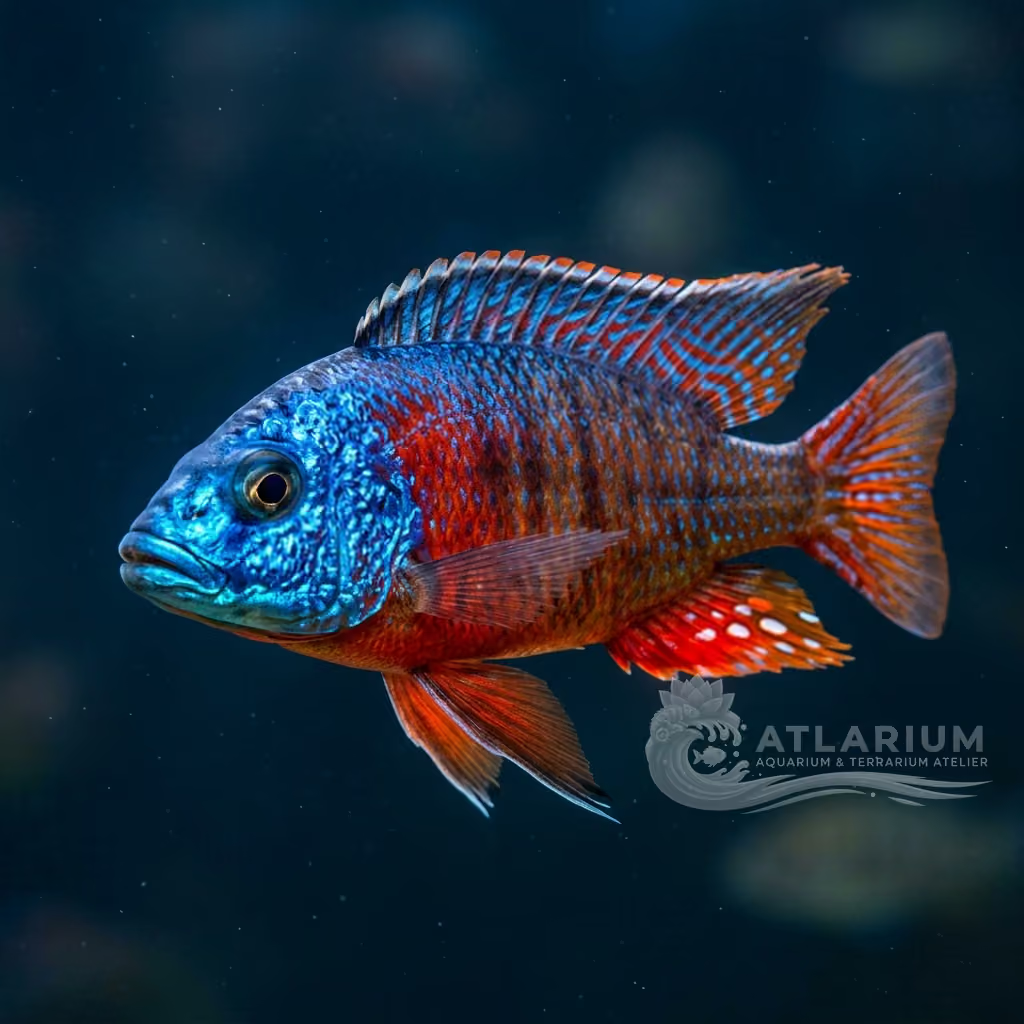
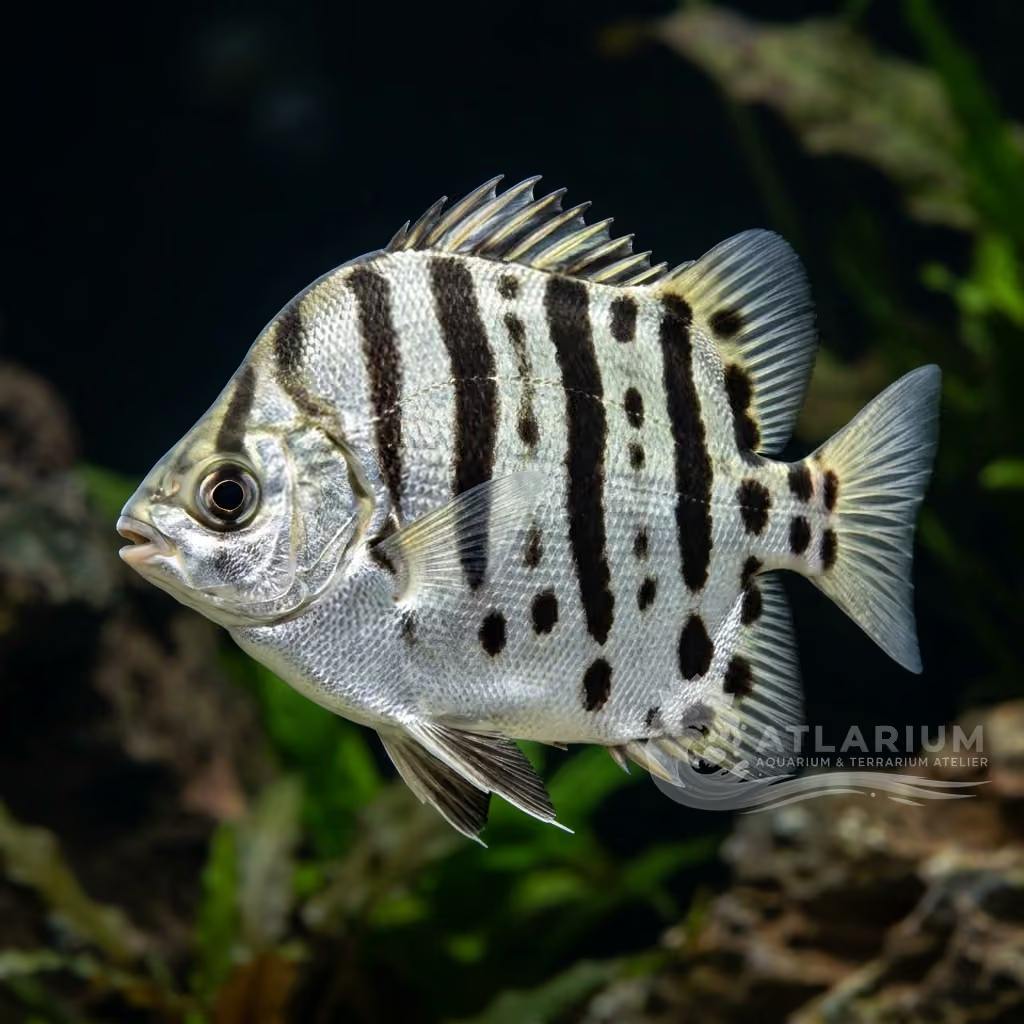
The 'Taiwan Reef' (16 cm). Magnificent Malawi cichlid, famous for its stunning livery: blue body, golden yellow flanks and iridescent green/blue head, with fiery red anal and pelvic fins. Requires large tanks and moderate tank mates.
Water Temperature
24 - 28 °C
pH Value
7.8 - 8.6
Water type
Freshwater
Tank level
Middle
Adult size
16 cm
Minimum tank volume
>= 180 L
Minimum group
>= 1
GH
10 - 25 dGH
KH
5 - 12 dKH
TDS
200 - 495 ppm
Conductivity
313 - 773 uS/cm

Species description
Geographical Origin and Habitat: Endemic to Lake Malawi. The most famous variant (commercially known as "Taiwan Reef") comes from the submerged coral reef of Taiwanee Reef, near Chizumulu Island. It inhabits pure rocky elevations without sediments, lashed by currents and well lit, where it tirelessly grazes the algal carpet on the rocks (Aufwuchs).
Taxonomy and Morphology: Classified in the "Utaka/Haps" group, but with feeding habits more similar to Mbuna. Has a high, massive and oval body, designed to swim elegantly and resist currents along vertical cliffs. Adult specimens measure about 15-16 cm (6 inches). The teeth and mouth are strong, adapted to tear algae from stone walls.
Social Behavior: Visual protagonist. Has a kingly temperament: is moderately territorial (especially in adulthood), but not hysterical or lethal like the large Mbuna. Defends a large portion of rock during spawning, but for the rest of the time swims majestically in mid-water in open field, showing off its immense colored fins.
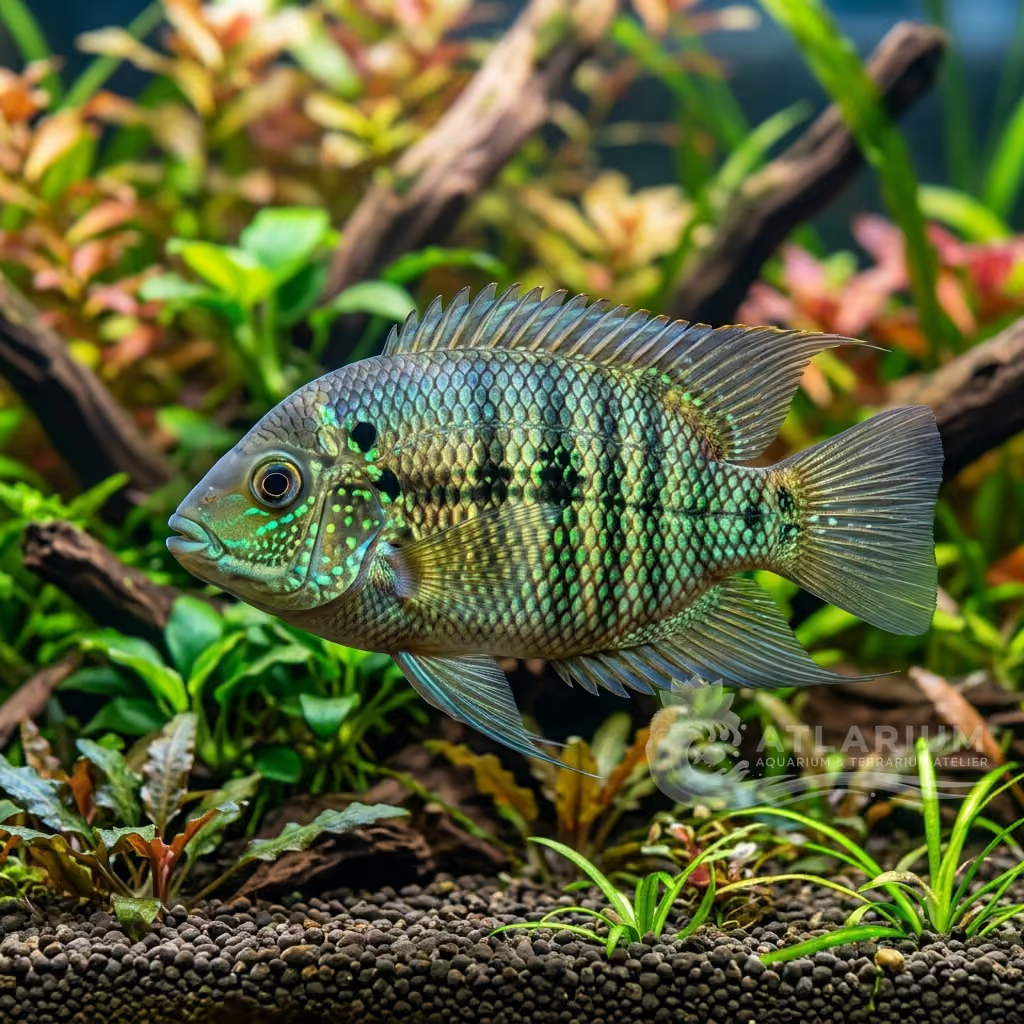
Coloration and Sexual Dimorphism: Absolute masterpiece of evolution. Dominant males are painted in blocks: brilliant metallic blue/green head, the upper part of the body and back is iridescent SKY BLUE, while the lower belly and bottom half explode in a blinding MUSTARD YELLOW. To crown the work, the pelvic and anal fins are brilliant blood red and finely dotted. Females remain silvery with marked faded vertical and horizontal dark lines (weak checkerboard appearance).

Care, breeding and tankmates
Aquarium Setup: Demands a large Reef Aquarium (Minimum 120-150 cm / 48-60 inches in length). Recreate massive barricades and high walls of smooth rocks up to the surface, leaving however a very wide and clean free frontal swimming zone with fine sand. Does not need closed dens (it is not a cave-dweller), but wide illuminated rocky terraces on which to graze algae.
Diet and Feeding: Herbivore/Omnivore (Aufwuchs Grazer). In nature eats the entire biocenosis growing on the rock (algae and microorganisms burrowed in them). In the aquarium it must be fed MAINLY with high-end Spirulina and vegetable-based feeds (flakes or soft granules), supplementing them only occasionally with frozen crustaceans (mysis or krill). An excess of pure proteins or mammal meat will cause a rapid and swollen death.
Water Quality: Perfect Malawi chemistry: extremely alkaline pH (7.8 - 8.6) and GH between 10 and 25. Extremely pure, limpid and highly oxygenated water with a good surface current to simulate the reef. The filter must dispose of very high organic loads without clogging.
Compatibility and Cohabitation: Aquarium model: "Malawi Haps Community". Excellent together with other placid Haplochromines (Copadichromis, Sciaenochromis, Cyrtocara). TO AVOID: mixing it with other fish with too similar livery (blue and yellow) to avoid deadly territorial brawls, and the presence of fierce aggressive Mbuna (Labidochromis, Metriaclima) is not recommended as they would ruin its imposing finnage reducing it to a frightened recluse.
Aquarium Breeding: Polygamous maternal mouthbrooding. The male sets ablaze in colors, elects a flat rock surface or a hollow, attracts a female there with rapid and showy vibrations of the whole body and they mate in a circle (the typical T-position). The female then retreats to a quiet place with the eggs in her throat, fasting for almost 30 days before releasing fry already identical to miniature gray adults.
Risks and Diseases: High mortality rate if fed poorly. Extreme and fulminating risk of "Bloat" (Ascitic occlusion and deadly intestinal infection) if fed with too rich foods, red mosquito larvae (bloodworms) or cheap generic protein flakes. If submissive in tanks of bullies, the blue scales fade into gray terror, quickly leading to starvation.

Geographic origin and distribution
Endemic to Lake Malawi. The most famous variant (commercially known as "Taiwan Reef") comes from the submerged coral reef of Taiwanee Reef, near Chizumulu Island. It inhabits pure rocky elevations without sediments, lashed by currents and well lit, where it tirelessly grazes the algal carpet on the rocks (Aufwuchs).
Origin
Tropical oceans and reefsAfrica and MadagascarEast Asia

Fish profile
- Temperament
- Semi-aggressive
- While generally considered semi-aggressive, they are relatively mild-mannered compared to many other Lake Malawi cichlids. Males showcase their most brilliant, jaw-dropping colors when displaying for females or asserting dominance. They can become highly territorial during spawning, aggressively chasing away intruders from their chosen breeding site. Overall, their dynamic behavior and stunning appearance make them a centerpiece in an appropriate African cichlid setup.
- Diet
- Omnivore
- In their natural habitat, they are primarily omnivorous or piscivorous, depending on the exact species. In captivity, a high-quality cichlid pellet should form the staple of their diet. This should be supplemented with occasional offerings of frozen foods like brine shrimp or krill to enhance their brilliant colors. Care must be taken not to overfeed them with high-protein mammal or avian meats, which can cause severe digestive distress.
- Life expectancy
- 15 years
- Adult size
- 16 cm
- Sex ratio
- Harem
- To maintain harmony, it is highly recommended to keep a harem ratio of one male to three or more females. Keeping multiple males of the same species in a standard aquarium usually results in the dominant male relentlessly harassing subdominant males. If keeping an all-male display tank, ensure that no two males exhibit similar coloration or patterns to minimize aggression. Providing plenty of line-of-sight breaks is crucial when housing mixed sexes.
- Feeding frequency
- Twice daily
- Adult Protomelas should be fed one to two times daily with an amount they can consume within just a few minutes. Overfeeding easily leads to water quality degradation and serious health issues in these ravenous eaters. Fasting them one day a week is highly recommended to clear their digestive systems and mimic natural food scarcity. Juveniles will benefit from smaller, more frequent feedings to support their rapid growth rates.
- Bioload
- Medium to High
- Protomelas species, being moderately large and highly active cichlids, produce a significant bioload in the aquarium. They require excellent water quality with robust mechanical and biological filtration to process their substantial waste output. Frequent large water changes are mandatory to keep nitrate levels low, which is crucial to preventing diseases like Malawi bloat. Overstocking, a common practice to curb aggression, necessitates even more rigorous maintenance and heavy-duty filtration systems.
- Flow
- Stagnant
- They thrive in aquariums with moderate water flow, which helps keep the water well-oxygenated and clean. Coming from Lake Malawi, they do not require extreme riverine currents, but good circulation is essential. Strong surface agitation promotes vital gas exchange to support a heavily stocked cichlid tank. Powerheads can be strategically placed to prevent dead spots where waste might accumulate behind rock structures.
- Jump risk
- Yes
- Like most large, active cichlids, Protomelas are prone to sudden bursts of speed that can result in them jumping from the tank. This risk is heightened during feeding time, breeding chases, or territorial disputes. A heavy, tight-fitting lid is absolutely essential to prevent costly and tragic accidents. Ensure that any gaps around heater cables or filter intakes are securely covered.
- Reproduction
- Oviparous
- Protomelas are maternal mouthbrooders, making captive breeding highly attainable. A willing male will clear a flat rock or dig a shallow pit in the sand to entice females with an elaborate, vibrating dance. The female picks up the fertilized eggs in her mouth and holds them for roughly three to four weeks until they become free-swimming fry. During this holding period, the female will generally refuse food and should be moved to a separate tank to prevent stress and ensure the fry's survival.
- Compatibility & tankmates
- Peaceful
- Protomelas belong to the "Hap" group of Lake Malawi cichlids and are generally less aggressive than the notorious Mbuna. They are best housed with other similarly sized, relatively peaceful Haplochromines and Aulonocara (Peacocks). Housing them with hyper-aggressive Mbuna should be avoided as it leads to stress, injury, and suppressed coloration. They do best in crowded setups that diffuse territorial aggression, provided filtration is adequate.
- Tank level
- Middle
- They are highly active fish that utilize the entire water column but spend much of their time cruising the open mid-water areas. Unlike Mbuna that hug the rockwork tightly, Protomelas appreciate large, open swimming spaces. They will frequently retreat to rocky caves or overhangs when feeling threatened or during the night to rest. A layout combining extensive sandy areas with structured rock piles at the back suits them perfectly.

Related species
Recommendations grouped by close relatives, companion choices, and similar care.