Deep Water Hap
Placidochromis electra
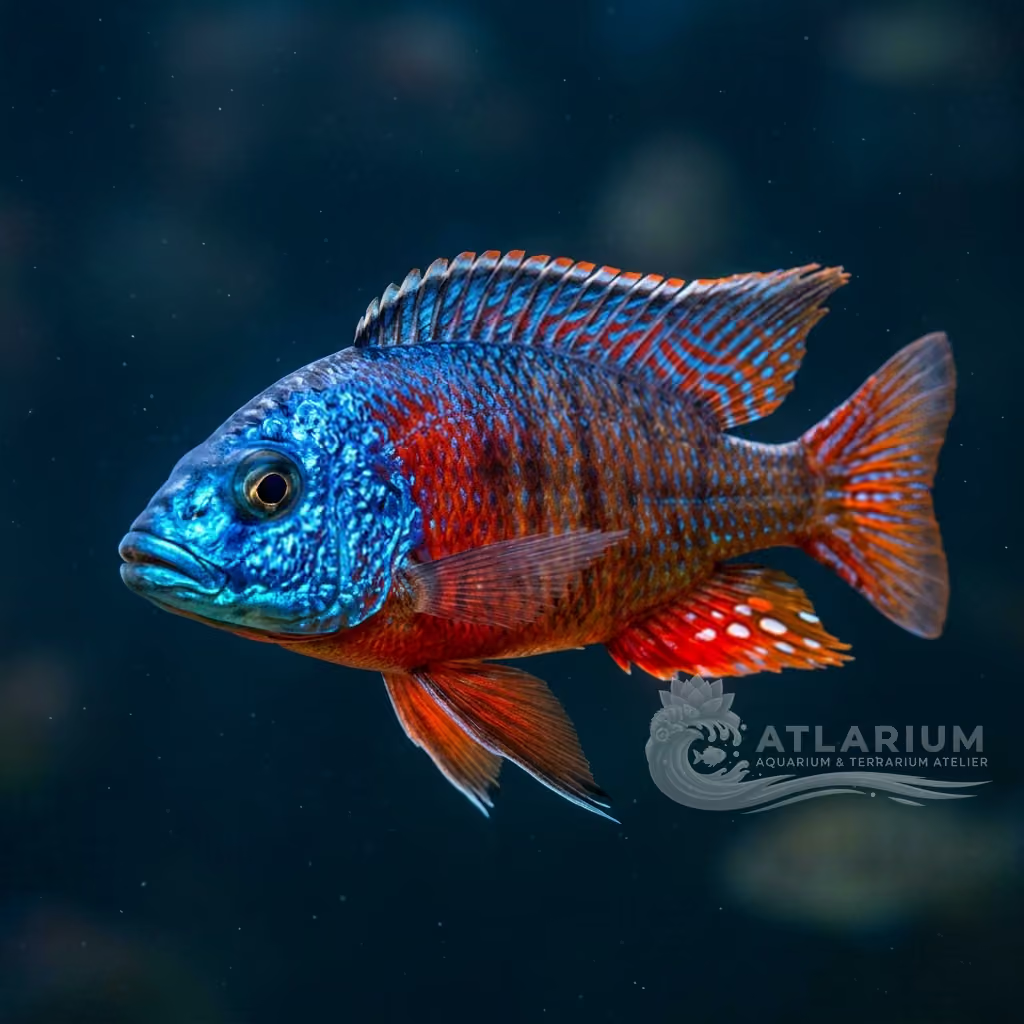
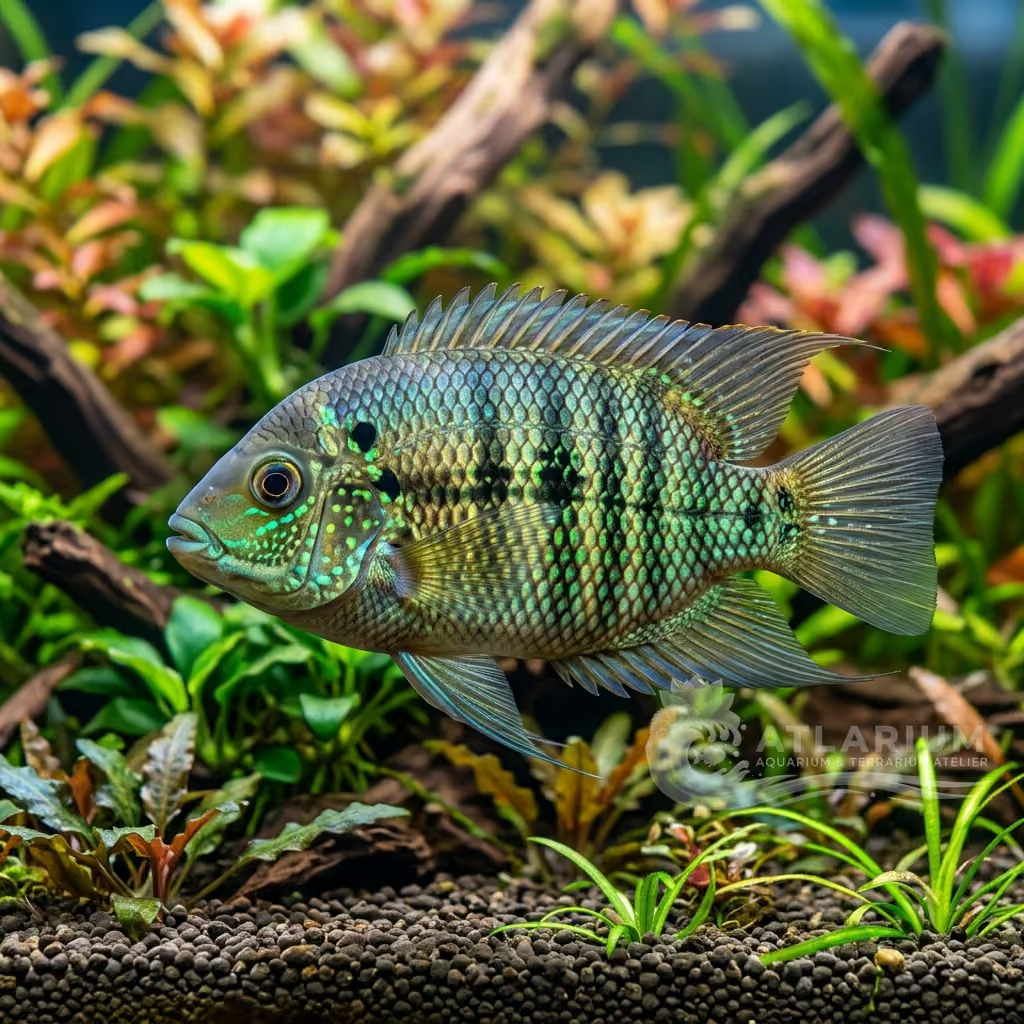
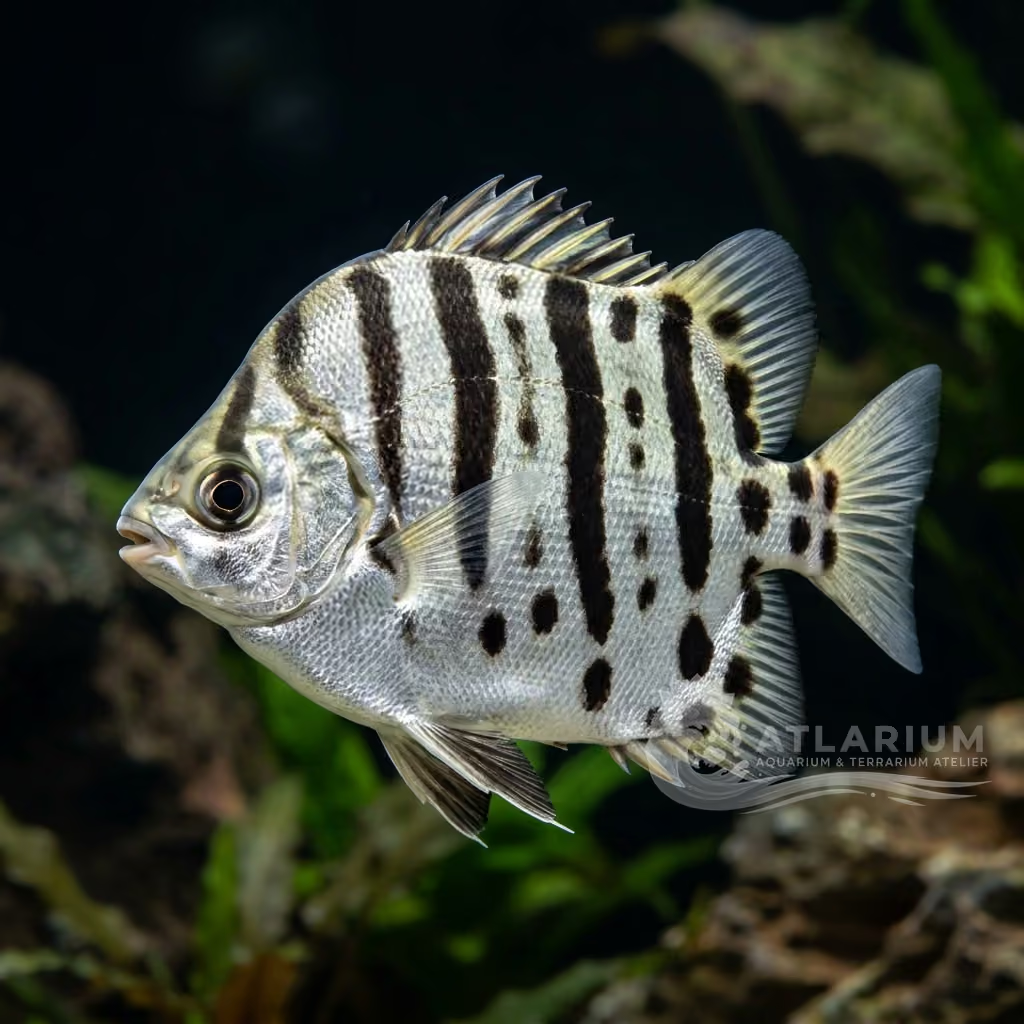
Wonderful peaceful Malawi Hap (15 cm). Splendid males from pale pastel blue up to glowing purple head, marked by distinct vertical black bands. Loves to rummage in the sand and follow rocky companions. Absolute tranquility.
Water Temperature
24 - 28 °C
pH Value
7.5 - 8.5
Water type
Freshwater
Tank level
Middle
Adult size
15 cm
Minimum tank volume
>= 180 L
Minimum group
>= 1
GH
10 - 25 dGH
KH
5 - 12 dKH
TDS
200 - 495 ppm
Conductivity
313 - 773 uS/cm

Species description
Geographical Origin and Habitat: Lake Malawi. It stably populates much darker and deeper zones (between 15 and 30 meters) where it encounters vast sandy dunes interspersed with occasional boulders. Light filters dimly into this bluish ecosystem.
Taxonomy and Morphology: Haplochromini group ("Haps" subfamily). Presents the classic tall and robust body with extremely extended and flowing fins in adult specimens. Less aerodynamic and predatory than giants like Nimbochromis, it hovers around 14-16 cm (6 inches) for males and slightly less for females.
Social Behavior: It exactly honors the name "Placido". It is an exceptionally phlegmatic and gregarious cichlid, incapable of true rabid aggression. In nature it often implements the commensal strategy of the Malawi dolphins: it follows large digging cichlids in small flocks gathering and nibbling the benthic micro-invertebrates left in suspension in the column of sand dust that they raise.
Coloration and Sexual Dimorphism: Enchanting lavender and pastel blue shade widespread everywhere, which in the male in estrus ignites assuming a dark cobalt color on the snout and metallic throat. The unmistakable aesthetic peculiarity is the half vertical black mask dropped from the eye that continues with strong dark bars towards the shoulders. Females are identical as a base coloration but distinctly faded with opaque silver nuances.

Care, breeding and tankmates
Aquarium Setup: Being an imposing sized fish that loves movement and grouping, it demands a dedicated community tank (150 cm / 300 abundant liters / 80 Gal) set to a continuous sandy expanse interspersed solely with some rounded rocky monoliths. Do not plant (they will dig slight pits at the rocky edges). Never excessive lights, penalty fulminating stress since they love the dark depth.
Diet and Feeding: Micro-predators. Omnivorous bottom gatherers, they sift the sand and discard the gravel from gills and lips. The home diet will be omnivorous with a benthic prevalence: giant mysis, spirulina alternated with red bloodworms. They tolerate commercial sinking cichlid granules without breaking down with lethal obstructions like Tropheus.
Water Quality: Typical Malawi trident: excellent high pH guaranteed with marine buffers (7.5 - 8.5) and extreme GH carbonate hardnesses. Requires very clean oxygenated water with constant siphoning to the sandy bottom, which must be stirred to prevent anaerobic algae rot harmful to this species perpetually on the bottom.
Compatibility and Cohabitation: Its ineptitude and disinterest in fighting makes it vulnerable but highly beloved to insert in "Haps and Peacocks Tanks" populated by quiet Aulonocara, Copadichromis and Lethrinops. Useless to reiterate the madness of accompanying such "gentlemen" with furious schools of Mbuna or worse turbulent South American cichlids, as they would be confined to rot curled up.
Aquarium Breeding: Polygamous brooding species, sometimes very reluctant to domestic reproduction in unbalanced or overcrowded tanks. Segregating the male with 3 or 4 females in a separate tank will trigger the magic: the male shows off iridescent colors attracting the female towards a brushed sand concavity, she will retain the formed little ones releasing them among small massifs for about a month of complete starvation of the mother.
Risks and Diseases: They stress frighteningly and pale in the intense light typical of phytostimulating lamps, refusing the meal or losing weight from stress. Easy contraction of skin abrasions if set up in the presence of gravel or pointed vitreous splinters on the bottom avidly explored by them with bites.

Geographic origin and distribution
Lake Malawi. It stably populates much darker and deeper zones (between 15 and 30 meters) where it encounters vast sandy dunes interspersed with occasional boulders. Light filters dimly into this bluish ecosystem.
Origin
North AmericaAfrica and Madagascar

Fish profile
- Temperament
- Semi-aggressive
- They are considered one of the most docile species among Lake Malawi cichlids. While they may show mild territorial behavior during spawning, they are generally peaceful towards tankmates. Their calm demeanor makes them a fantastic centerpiece fish for a community Hap and Peacock aquarium.
- Diet
- Omnivore
- In the wild, they sift through the sand to find invertebrates and small organisms. In the aquarium, they should be offered a high-quality, protein-rich diet consisting of cichlid pellets, frozen bloodworms, and brine shrimp. Spirulina or vegetable-based foods should also be included occasionally to ensure a balanced nutritional intake.
- Life expectancy
- 8-10 years
- Adult size
- 15 cm
- Sex ratio
- Harem
- It is best to maintain a ratio of one male to three or more females. This harem structure helps distribute the male's breeding advances and prevents any single female from being overly harassed. Keeping multiple males in the same tank often leads to territorial disputes and color suppression in subdominant males.
- Feeding frequency
- Twice daily
- Feed them small amounts two to three times a day, providing only what they can consume within a few minutes. Because of their sand-sifting nature, sinking pellets are ideal to encourage natural foraging behaviors. Overfeeding should be strictly avoided to prevent water quality issues and obesity.
- Bioload
- Medium
- As a medium to large African cichlid, they produce a substantial amount of waste. A highly efficient canister filter or sump system is necessary to handle their bioload and maintain pristine water conditions. Frequent and large water changes are required to keep nitrate levels low and prevent stress or disease.
- Flow
- Stagnant
- They prefer moderate water flow that provides excellent gas exchange without creating overwhelming currents. A good circulation system helps mimic the deeper, open waters of Lake Malawi where they naturally reside. Ensure the filtration setup does not disturb the sandy substrate too aggressively.
- Jump risk
- Yes
- While not notorious jumpers, any startled cichlid can accidentally breach the surface and land outside the tank. A secure and completely fitted aquarium lid is highly recommended to prevent accidental escapes. This is especially important during feeding time when the fish exhibit the most frenzied activity.
- Reproduction
- Oviparous
- They are maternal mouthbrooders, making breeding relatively straightforward in a home aquarium. After the female lays eggs and the male fertilizes them, the female picks them up and incubates them in her mouth for about three weeks. Providing a separate breeding tank or hiding spots for the holding female is necessary to protect her and the eventual fry.
- Compatibility & tankmates
- Peaceful
- They are relatively peaceful for an African cichlid, known as a gentle giant among Lake Malawi species. Best kept with other mild-mannered Haps and Peacocks to prevent them from being bullied. Avoid keeping them with hyper-aggressive Mbuna species, which will outcompete them for food and cause immense stress.
- Tank level
- Middle
- They primarily occupy the bottom and middle levels of the aquarium, frequently sifting through the substrate in search of food. Open swimming space above a sandy bottom is crucial for their well-being. They will also utilize large rock formations as temporary hiding spots or territorial boundaries.

Scientific Parameters & Models
FishBase
Window to the official scientific data of the species
FishBase v25.04Data synced on: 06/15/2026
- Trophic level
- 2.8 ± 0.26 se
- Resilience
- High (less than 15 months)
- Phylogenetic uniqueness (PD50)
- 0.5
- Bayesian Length-Weight
- a = 0.01445, b = 2.99
- VulnerabilityLow vulnerability (10 / 100)

Related species
Recommendations grouped by close relatives, companion choices, and similar care.