

Encyclopaedia
Knight Goby
Stigmatogobius sadanundio
The Knight Goby is a hardy, bottom-dwelling brackish fish known for its striking dark spots and fan-like fins. Provide a sandy substrate, hiding caves, and a carnivorous diet.
Share
Check out Knight Goby on Atlarium
20 - 26 °C
7.5 - 8.5
Freshwater / Brackish
Bottom
9 cm
>= 80 L
>= 1
12 - 25 dGH
6 - 12 dKH
240 - 495 ppm
375 - 773 uS/cm
Species description
Care, breeding and tankmates
Geographic Origin and Distribution
Origin
Fish profile
- Temperament
- Semi-aggressive
- Diet
- Carnivore
- Sex ratio
- Pair
- Feeding frequency
- Twice daily
- Bioload
- The knight goby has a moderate bioload. Regular water changes and standard filtration are adequate. They are not overly messy eaters.
- Flow
- Moderate
- Jump risk
- No
- Reproduction
- Oviparous
- Compatibility & tankmates
- Community
- Tank level
- Bottom
Window to the official scientific data of the species
Scientific Parameters & Models
- Trophic level
- 3.8 ± 0.61 se
- Resilience
- High (less than 15 months)
- Phylogenetic uniqueness (PD50)
- 0.5156
- Bayesian Length-Weight
- a = 0.01023, b = 3
Image gallery
Licensed images linked to the species or, when marked, to the closest representative taxon.
Related species
Recommendations grouped by close relatives, companion choices, and similar care.
Variants and close relatives
Same atlas type, nearby scientific identity, genus, or family.

Golden-banded Bumblebee Goby
Brachygobius nunus

Bumblebee Goby
Brachygobius doriae

Bumblebee Goby
Brachygobius xanthozonus

Desert Goby
Chlamydogobius eremius

Tank Goby
Glossogobius giuris
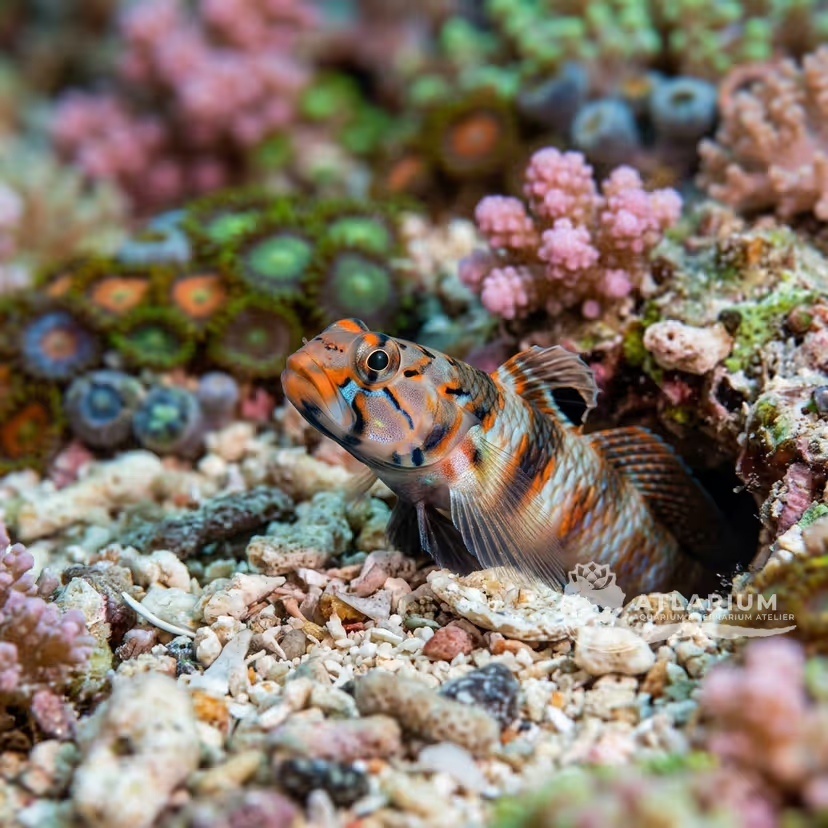
Aurora Goby
Amblyeleotris aurora

Wheeler's watchman goby
Amblyeleotris wheeleri
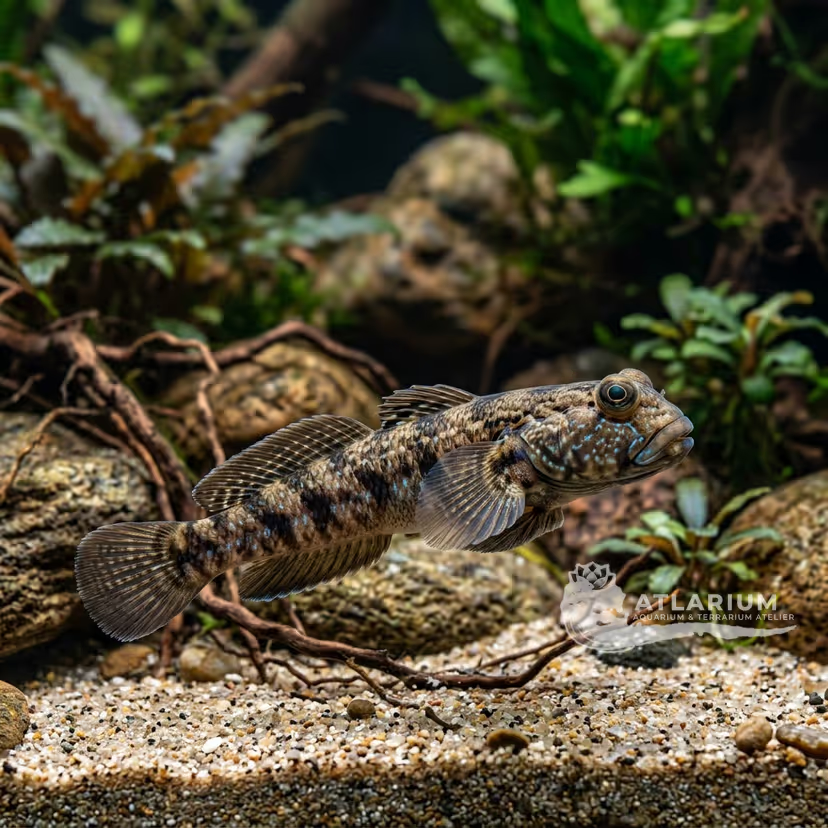
Boddart's mudskipper
Boleophthalmus boddarti

Banded-head Shrimpgoby
Amblyeleotris cephalotaenius
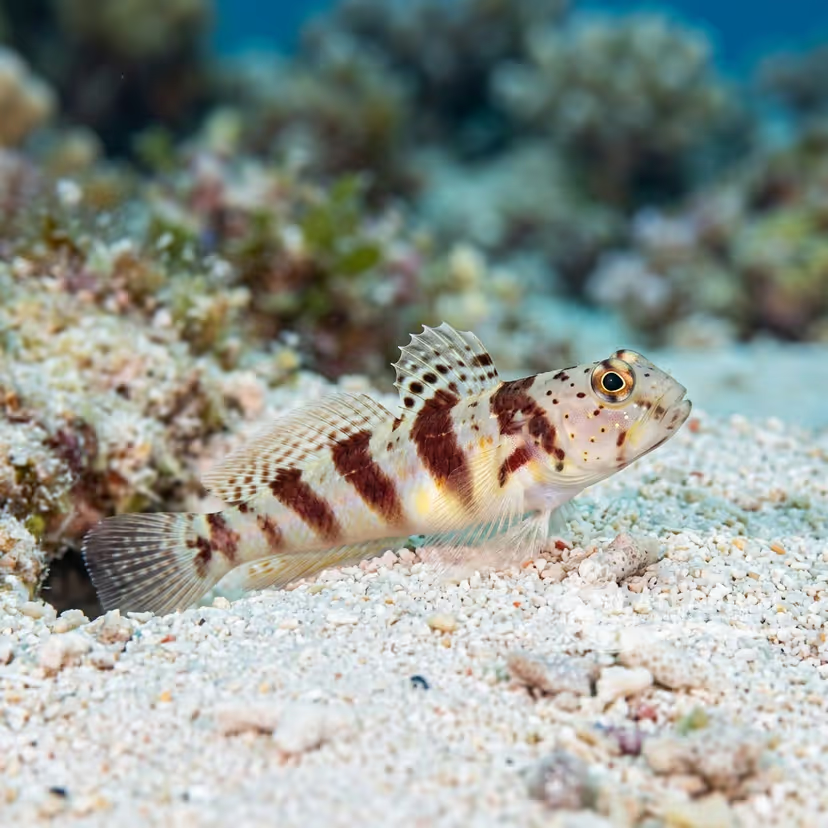
Diagonal-bar Shrimpgoby
Amblyeleotris diagonalis
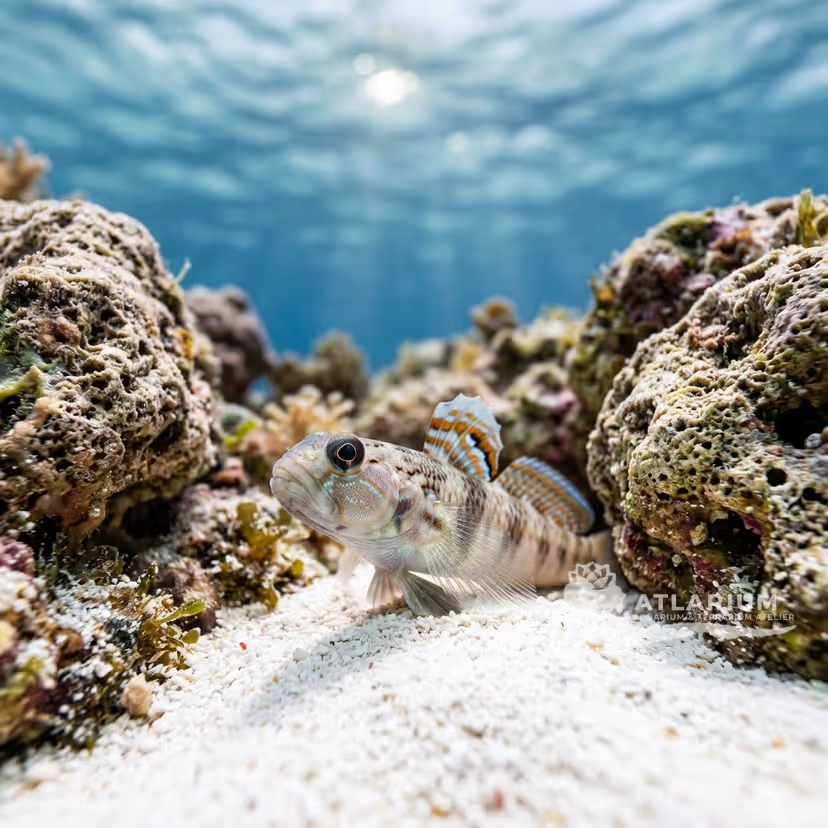
Downing's Shrimpgoby
Amblyeleotris downingi
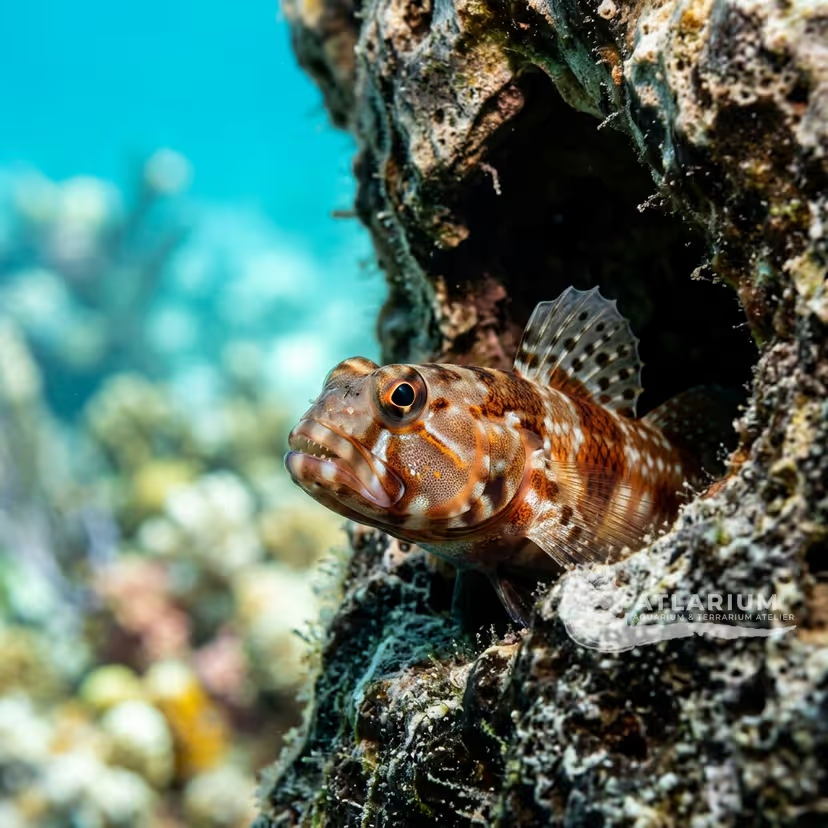
Ellipse shrimpgoby
Amblyeleotris ellipse
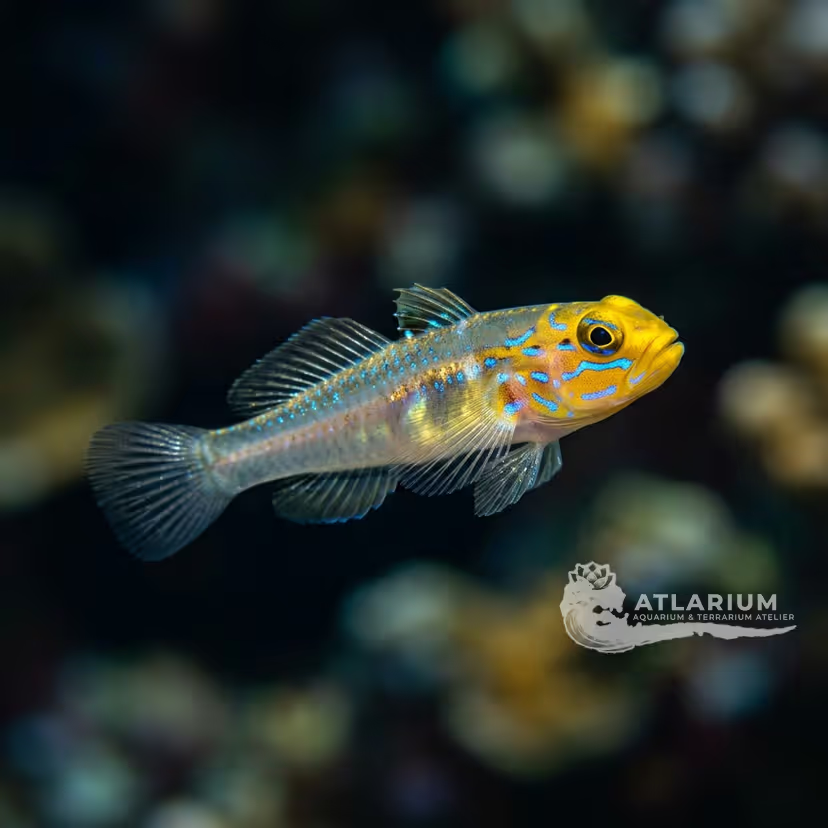
Key Goby
Elacatinus
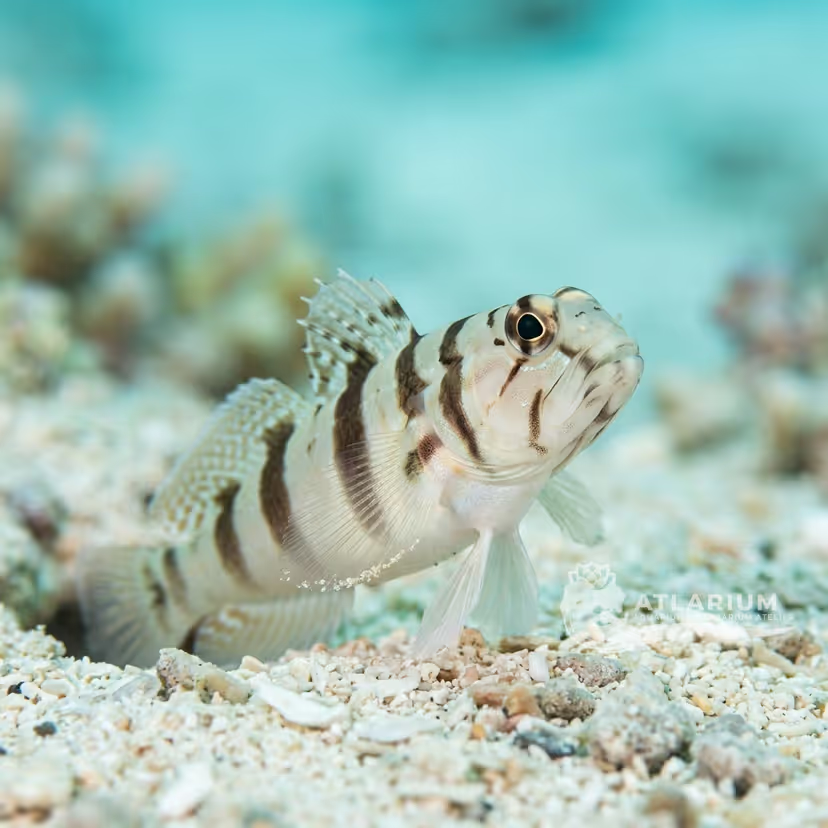
New Caledonia Shrimpgoby
Amblyeleotris novaecaledoniae
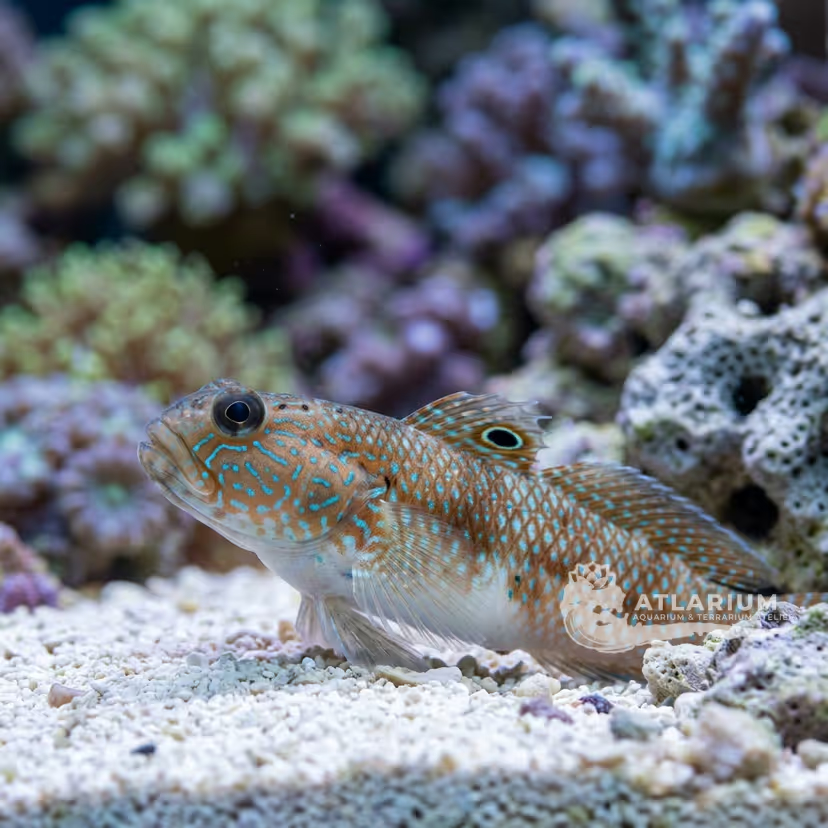
Peacock Prawn-goby
Cryptocentrus pavoninoides

Red-banded Shrimpgoby
Amblyeleotris fasciata
Recommended companions
Compatible cards from coherent ecosystems with matching parameters.
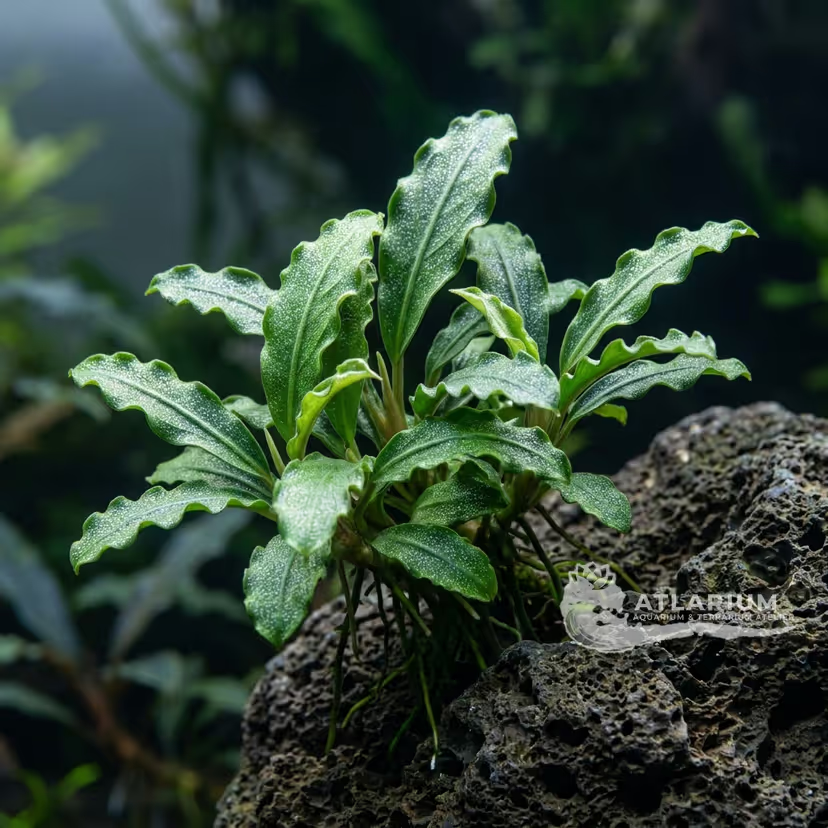
Bucephalandra pygmaea "Bukit Kelam / Sintang"
Bucephalandra pygmaea "Bukit Kelam / Sintang"
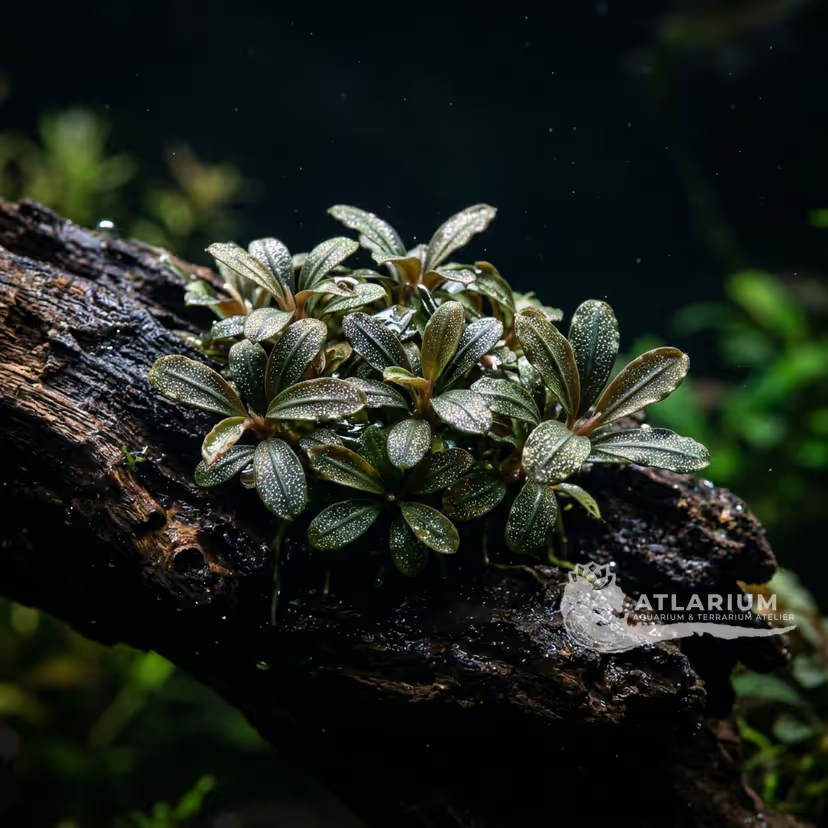
Bucephalandra pygmaea "Kapit"
Bucephalandra pygmaea "Kapit"
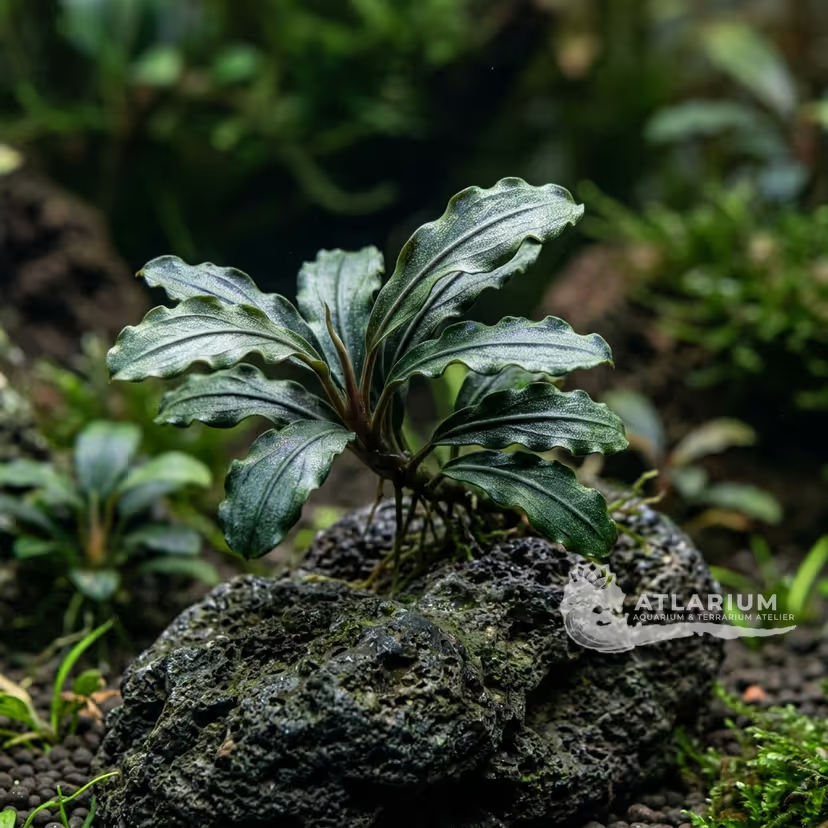
Bucephalandra sordidula
Bucephalandra sordidula
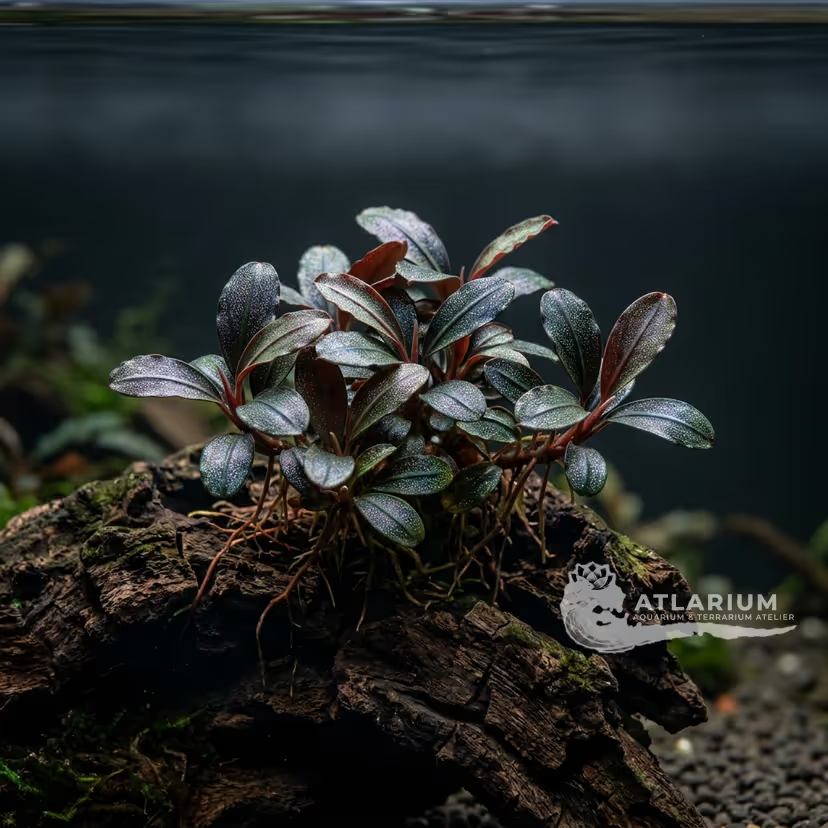
Bucephalandra sp. "Bodok"
Bucephalandra sp. "Bodok"

Bucephalandra sp. "Braun-rot narrow"
Bucephalandra sp. "Braun-rot narrow"
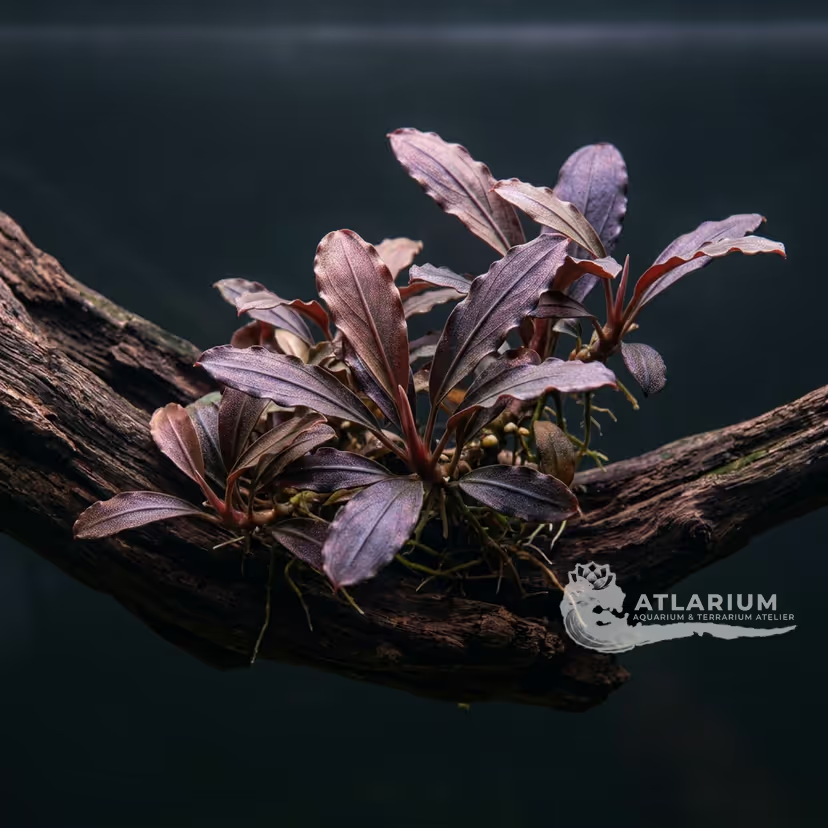
Bucephalandra sp. "Braun-rot" ("Serimbu")
Bucephalandra sp. "Braun-rot"
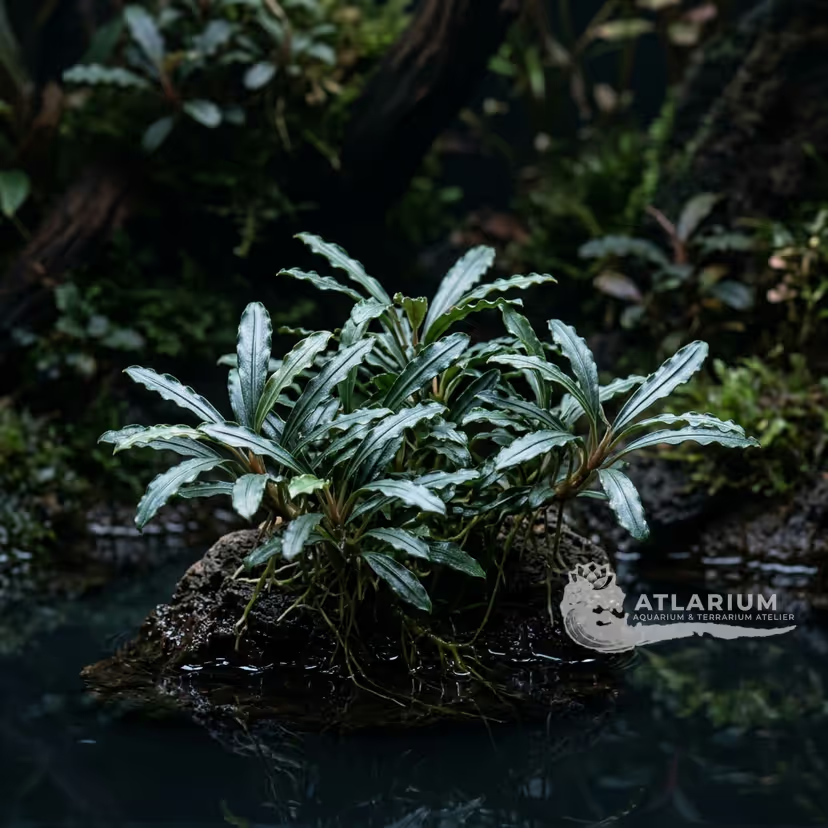
Bucephalandra sp. "Gunung Sumpit"
Bucephalandra sp. "Gunung Sumpit"
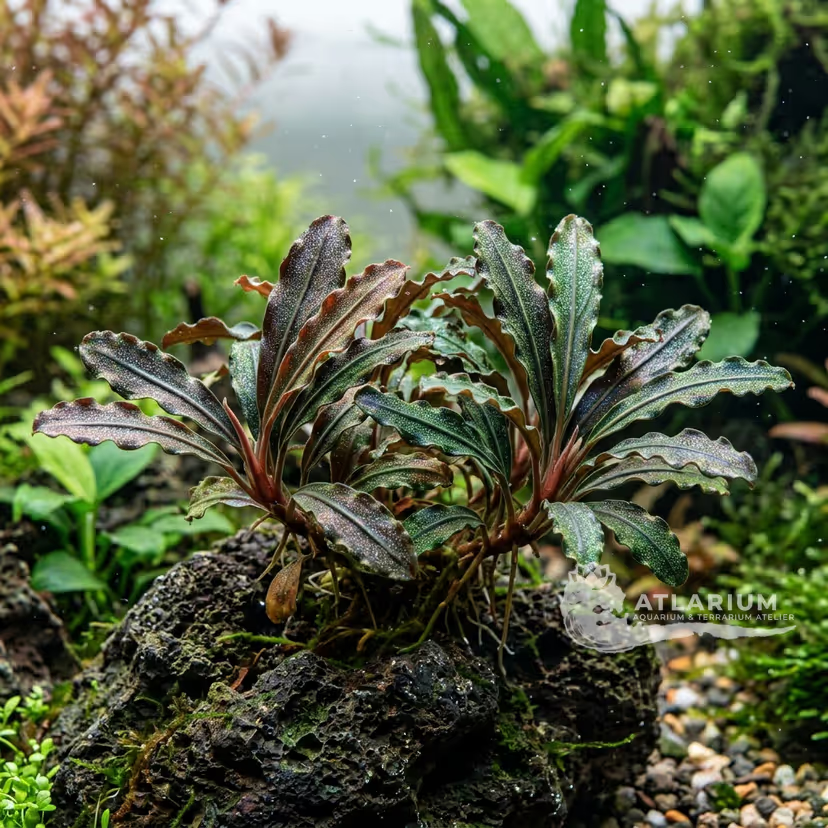
Bucephalandra sp. "Kedagang"
Bucephalandra sp. "Kedagang"

Anubias afzelii
Anubias afzelii

Aegagropila linnaei
Aegagropila linnaei

Acorus gramineus 'Pusillus'
Acorus gramineus 'Pusillus'

Anubias barteri var. nana 'Round Leaf'
Anubias barteri var. nana 'Round Leaf'

Anubias congensis
Anubias congensis

Anubias gigantea
Anubias gigantea

Anubias lanceolata
Anubias lanceolata
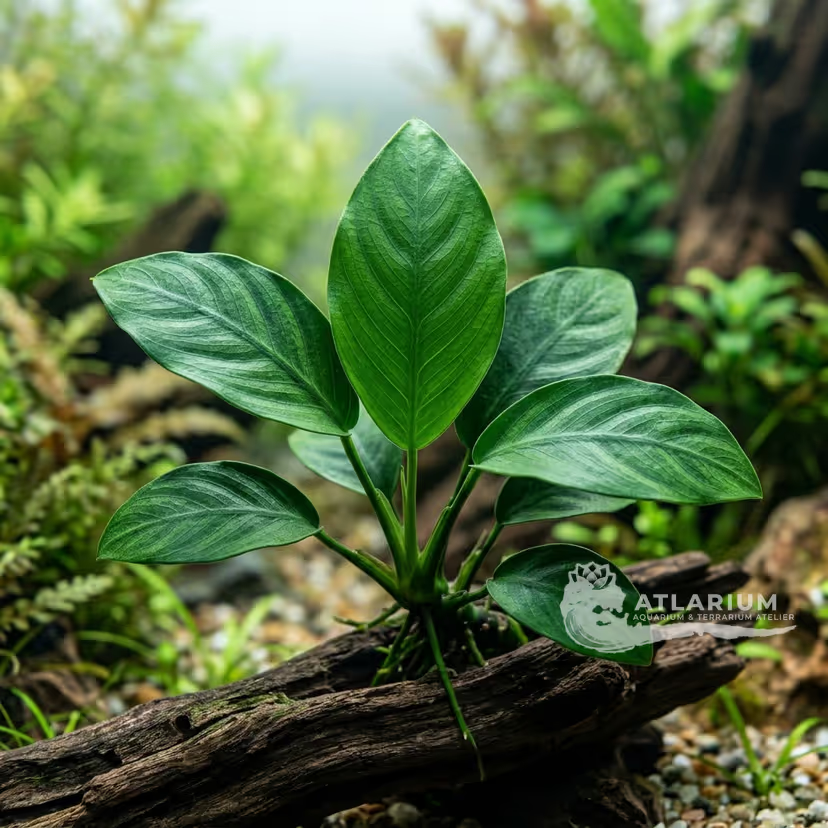
Anubias minima
Anubias minima
Similar care
Cards with similar requirements, difficulty, habitat, and husbandry profile.
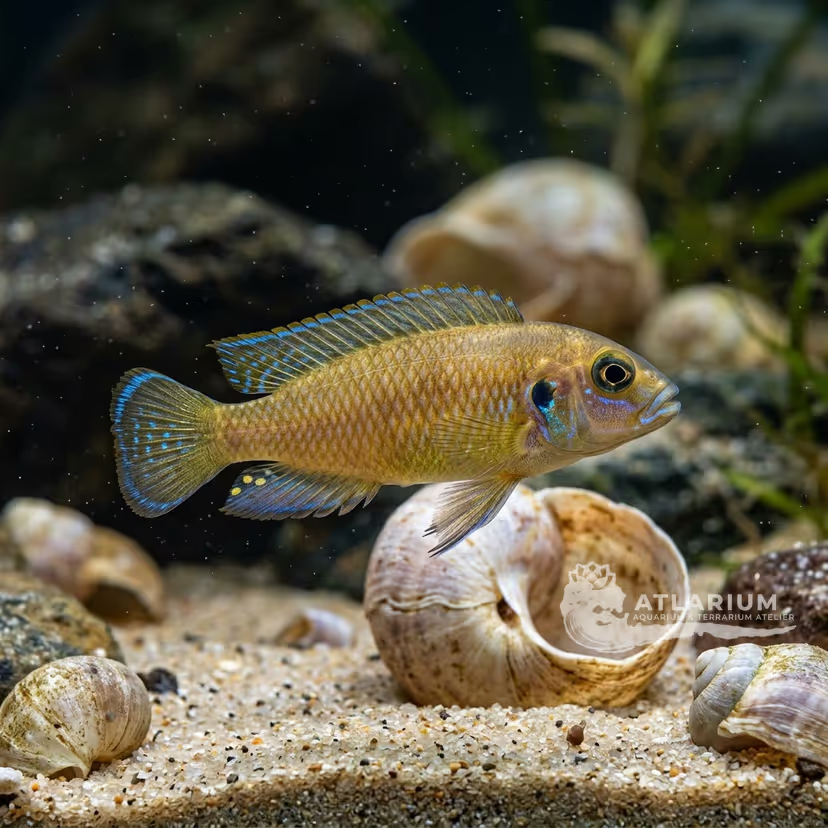
Ocellated Shell-dweller (L. ocellatus)
Lamprologus ocellatus

Bumblebee goby
Brachygobius xanthomelas

Black devil snail
Faunus ater
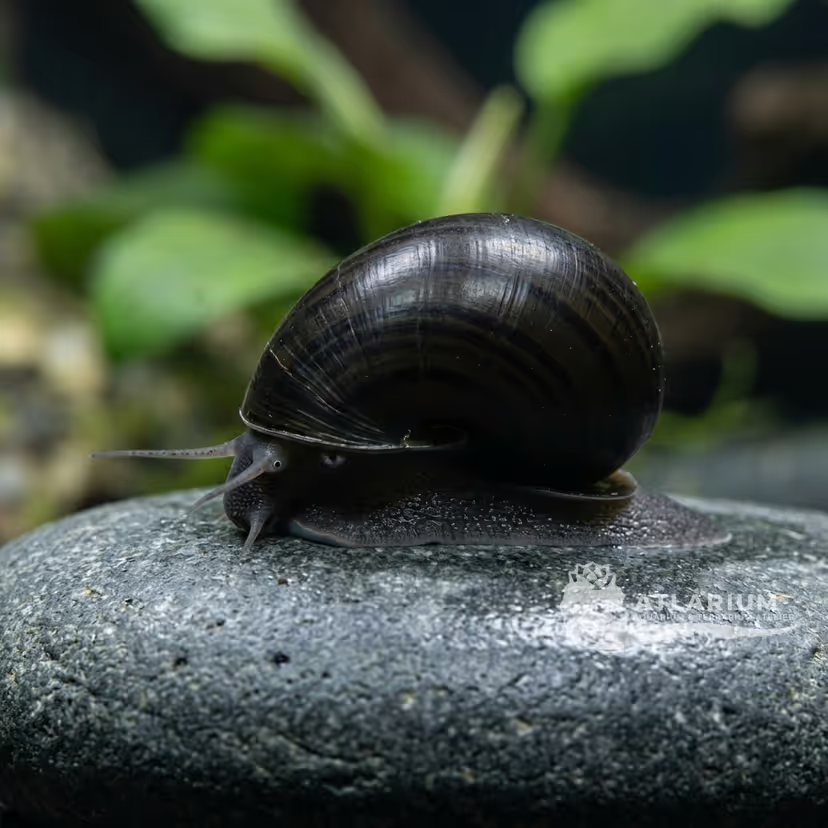
Black helmet nerite
Neritina pulligera

Java Barb
Systomus rubripinnis

Horned Nerite Snail
Clithon corona
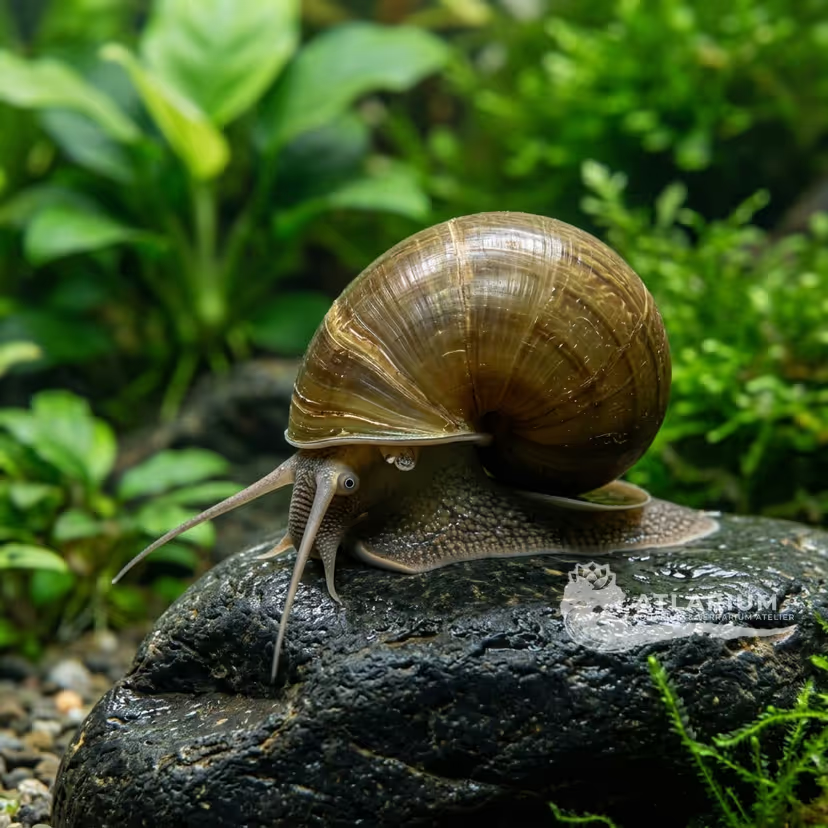
Asian apple snail
Pila ampullacea

Hercules snail
Brotia herculea

Indian apple snail
Pila globosa

Orange rabbit snail
Tylomelania gemmifera
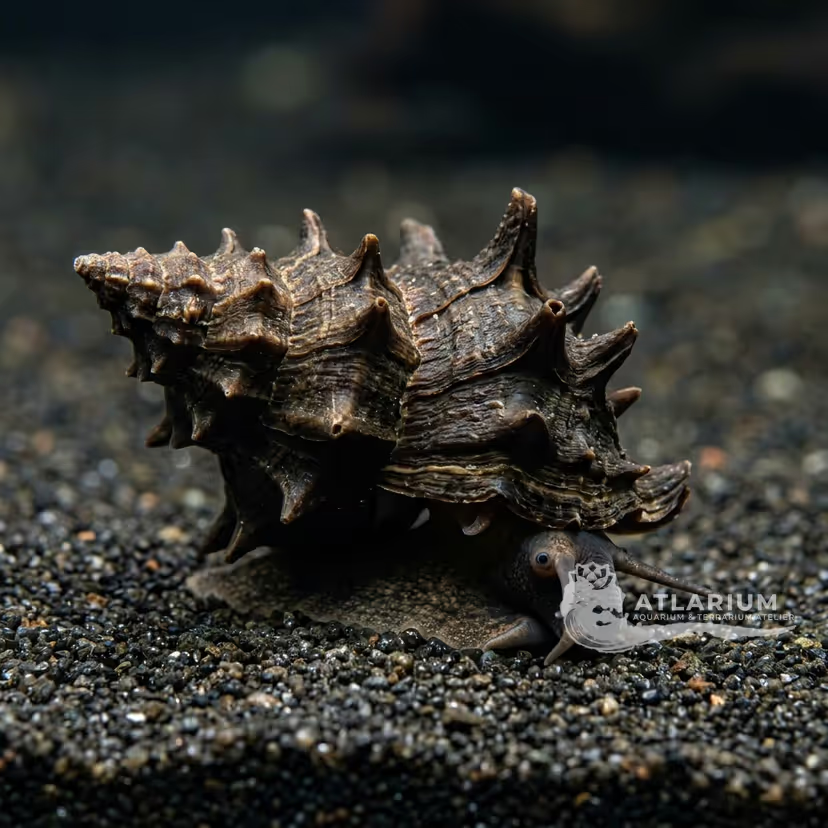
Pagoda snail
Brotia pagodula
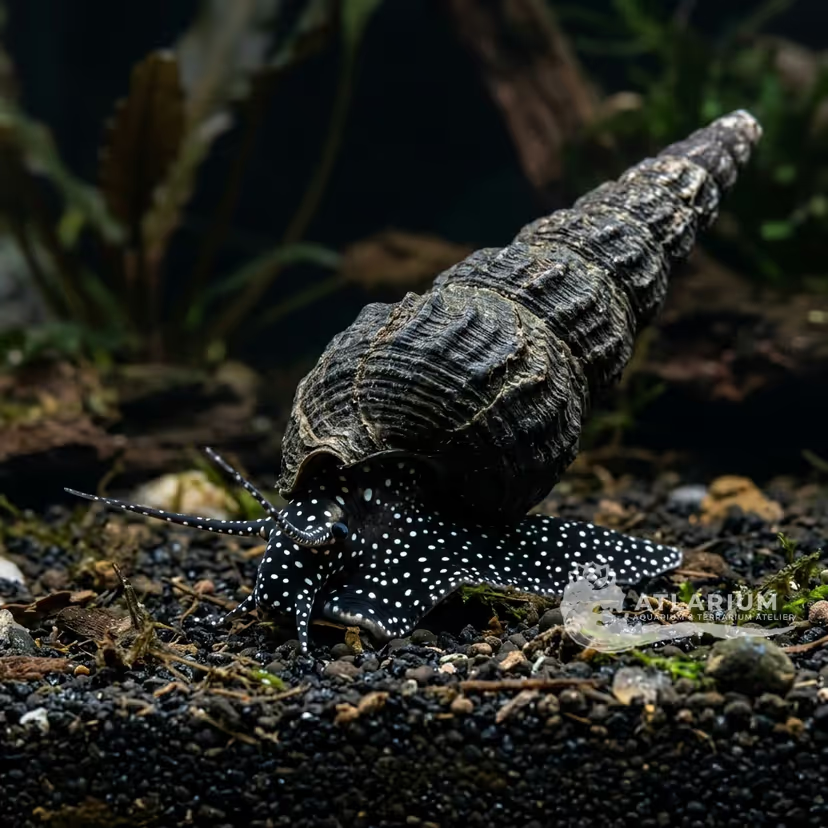
Patriarch rabbit snail
Tylomelania patriarchalis
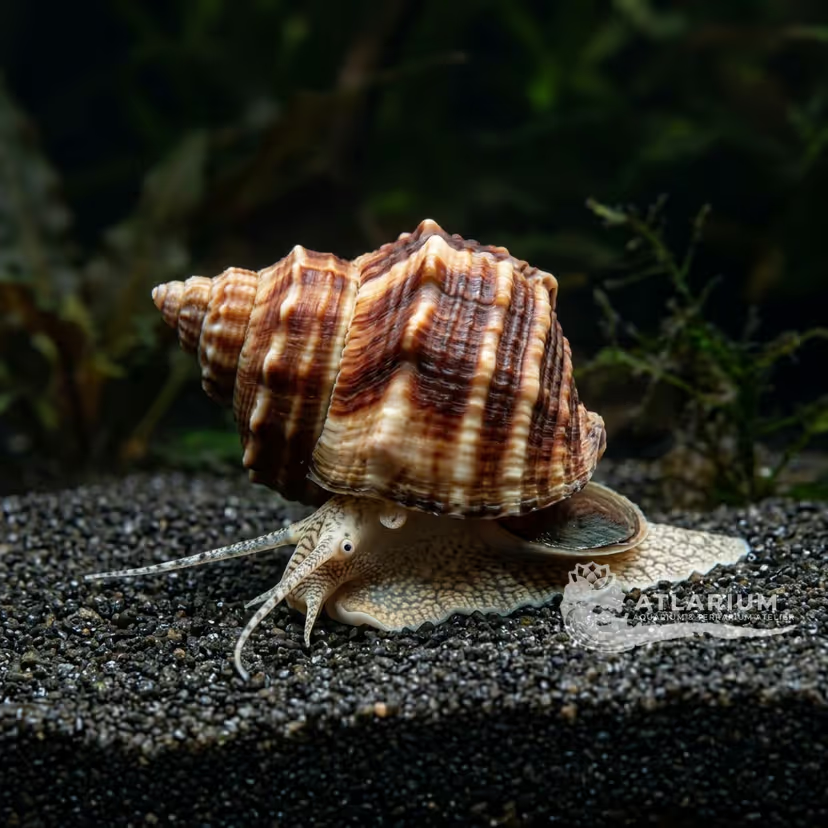
Piano snail
Taia naticoides

Stream rock snail
Paludomus loricata
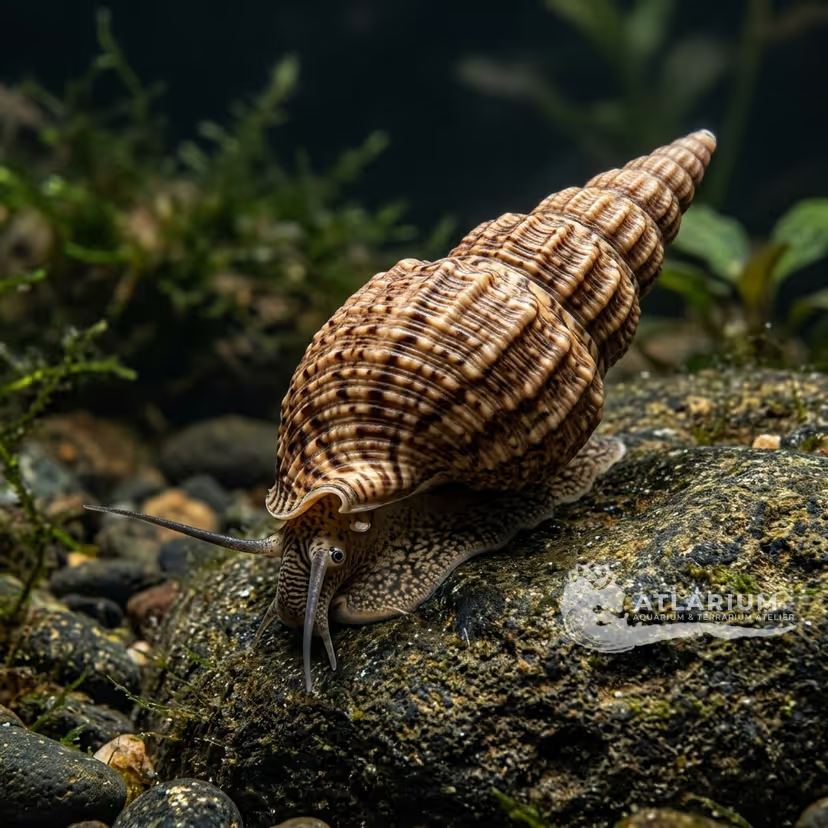
Sulcospira snail
Sulcospira testudinaria

Thai trapdoor snail
Filopaludina martensi