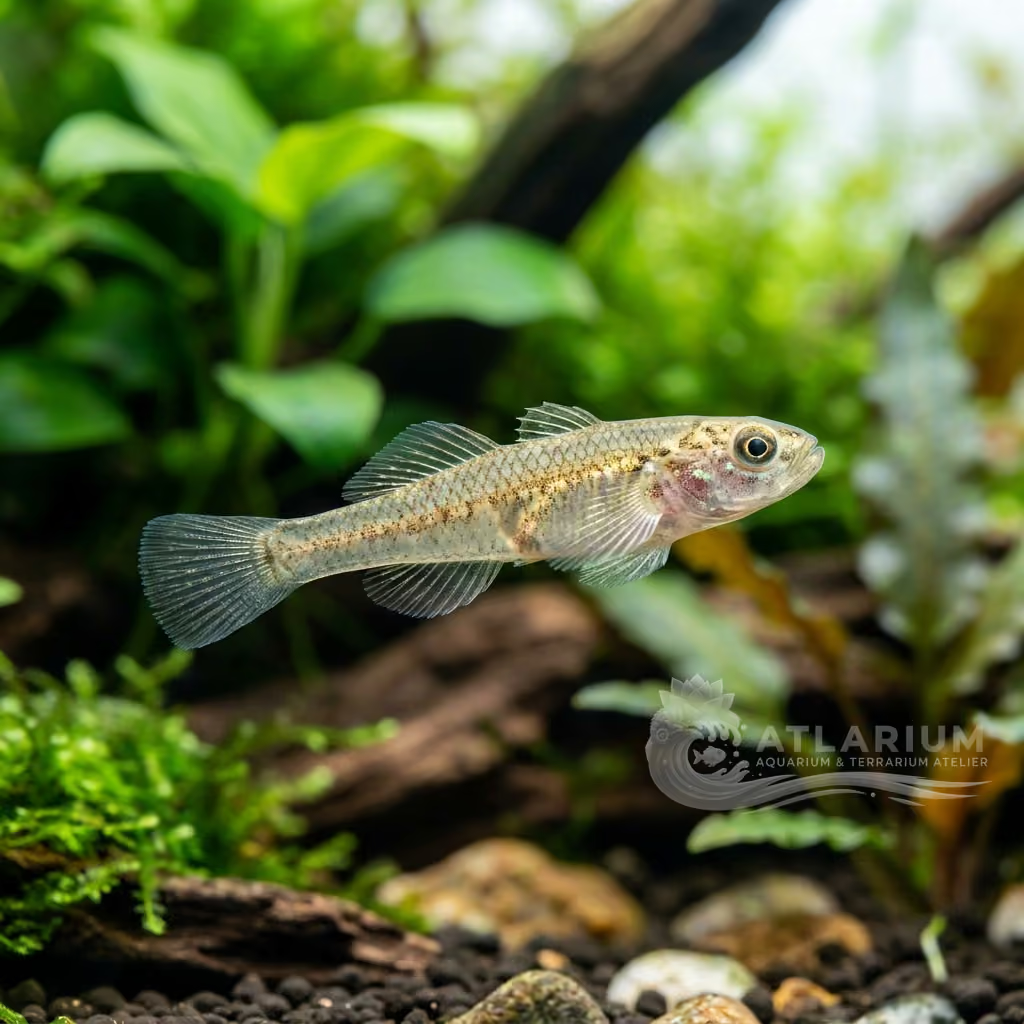
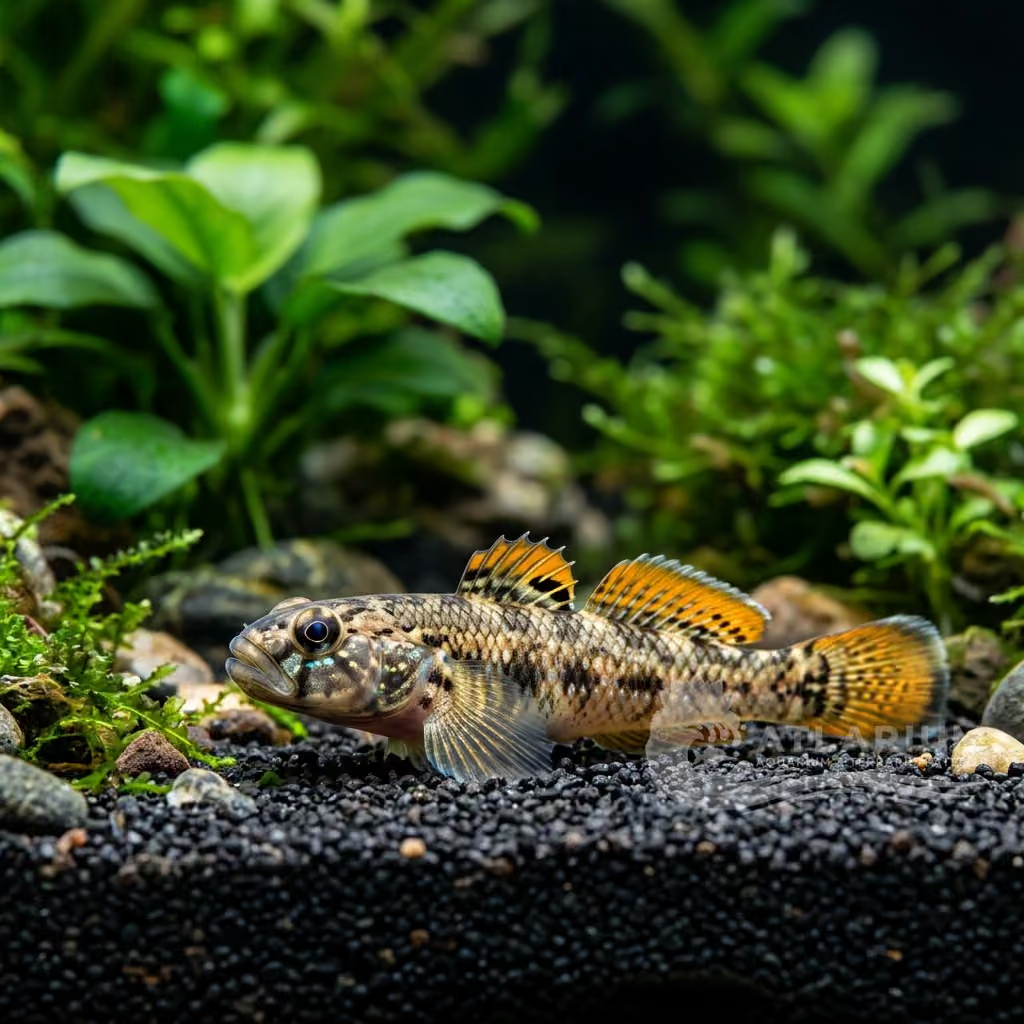
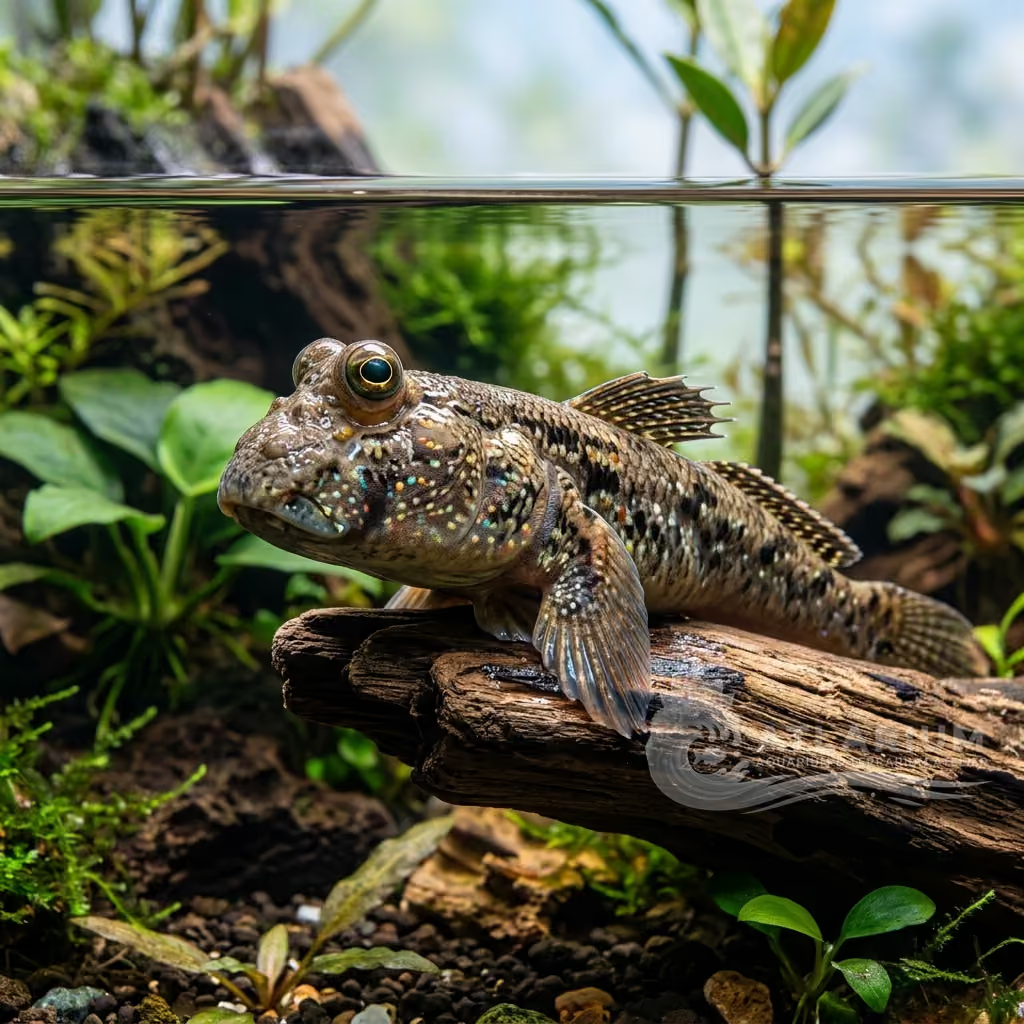
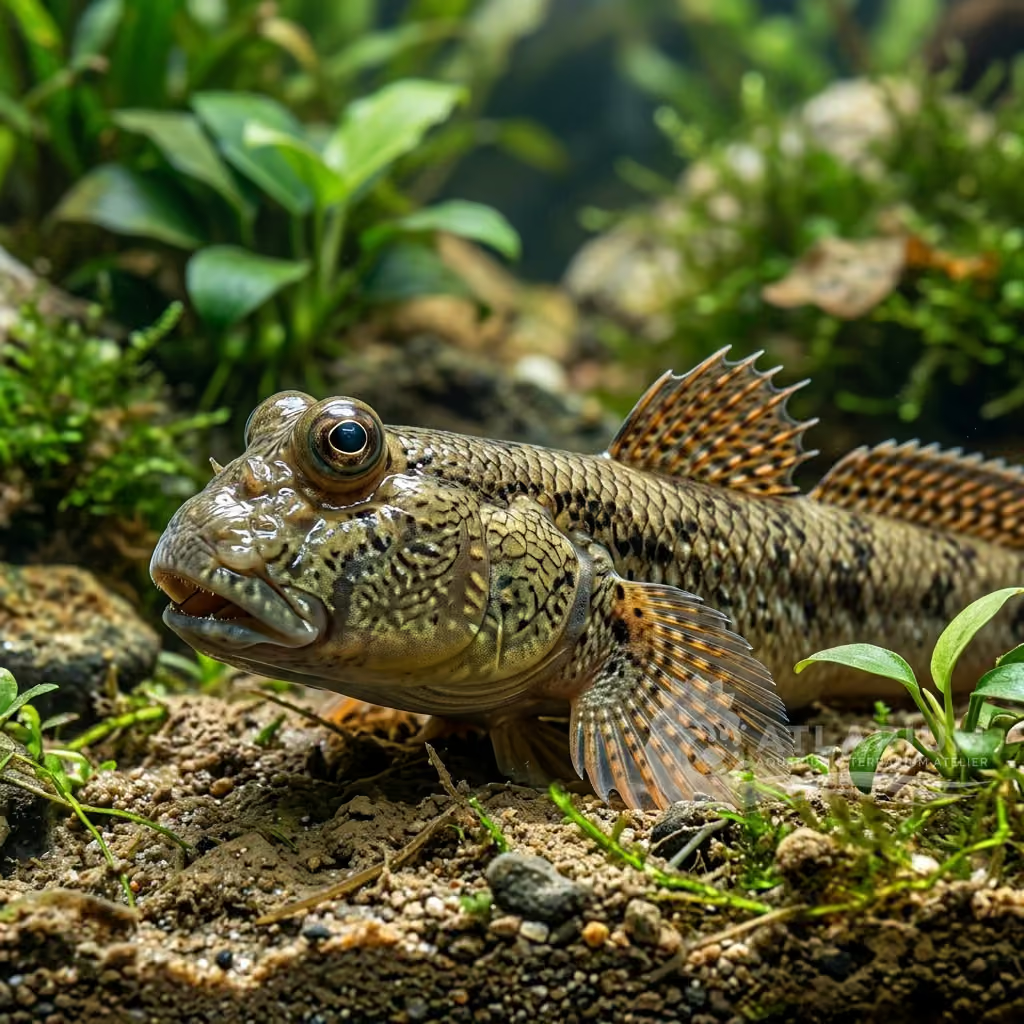
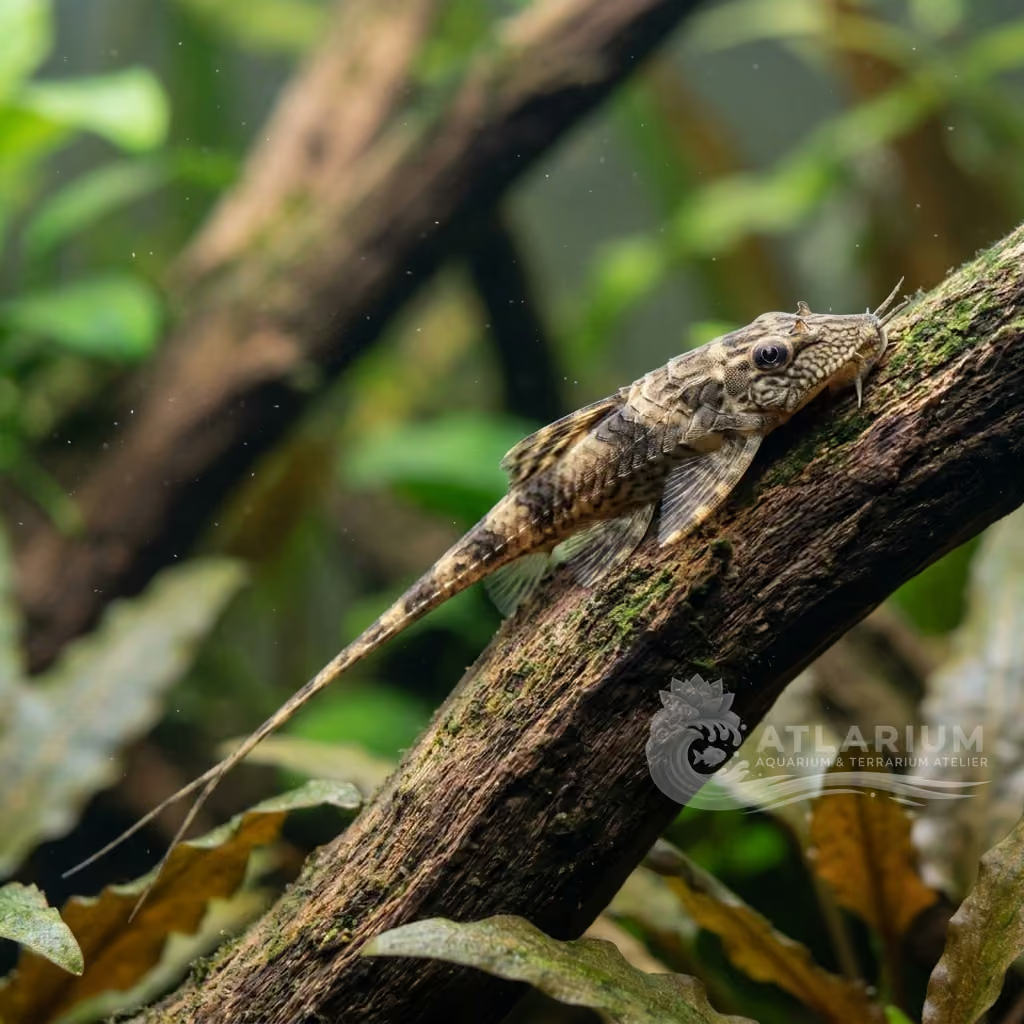
Ornate rainbow goby
Stiphodon ornatus
An ornate freshwater goby from Sumatra with stunning iridescent blue and gold flanks. Thriving in high-flow hillstream setups, it spends its days peacefully grazing on natural rock biofilm.
Water Temperature
22 - 28 °C
pH Value
6.5 - 7.5
Water type
Freshwater
Tank level
Bottom
Adult size
5 cm
Minimum tank volume
>= 60 L
Minimum group
>= 1
GH
5 - 15 dGH
KH
2 - 7 dKH
TDS
95 - 295 ppm
Conductivity
148 - 461 uS/cm

Species description
Geographical Origin and Habitat: Stiphodon ornatus is native to the island of Sumatra in Indonesia. It inhabits coastal freshwater streams and rivers characterized by very clear, fast-flowing, and highly oxygenated waters. These streams typically flow over substrates of smooth gravel, cobbles, and large boulders. Being shallow and often unshaded, these habitats receive direct sunlight, which promotes the growth of a rich layer of biofilm and unicellular algae on the rocks, the primary food source for this species.
Taxonomy and Morphology: This species belongs to the Gobiidae family, Sicydiinae subfamily, and Stiphodon genus. It has an elongated, sub-cylindrical body shape adapted to minimize resistance in strong currents. The mouth is subterminal and facing downwards, featuring specialized scraping teeth to graze on algae. The pelvic fins are modified into a ventral suction disc, allowing the goby to cling tightly to slippery rocks against the current.
Social Behavior: Peaceful towards other tankmates, but males exhibit territorial behavior towards conspecific males. Dominant males will claim and defend specific algae-rich rocks, using fin-flashing and color intensification to display dominance or attract females. Females and juveniles are gregarious and non-territorial, spending their time feeding peacefully in groups across the substrate without conflict.
Coloration and Sexual Dimorphism: Sexual dimorphism is highly pronounced. Males show spectacular coloration, with iridescent blue, green, and gold reflections along their flanks, and distinct dark bars on their dorsal fins. Females are much more drab, having a light beige or grey body with two distinct dark horizontal stripes running along their sides, providing excellent camouflage against the riverbed gravel.

Care, breeding and tankmates
Aquarium Setup: A specialized hillstream setup with a minimum tank length of 80 cm is required. The substrate must consist of fine sand and various sizes of rounded river stones. Auxiliary powerheads or wavemakers are essential to create a strong, unidirectional current and ensure high oxygen saturation. Intense lighting is necessary to encourage the continuous growth of natural green algae and biofilm.
Diet and Feeding: A specialized herbivore that feeds on microalgae and biofilm. A mature aquarium with established algae growth is critical for their survival. Supplement their diet with high-quality spirulina-based wafers, powdered fry food targeted at the substrate, and specialized gel foods. They rarely accept dry flakes or frozen foods, and a lack of biofilm will quickly lead to starvation.
Water Quality: Pristine, highly oxygenated water is vital. Ideal parameters include a temperature range of 20°C to 26°C (68-79°F), pH between 6.5 and 7.5, and moderate hardness (GH 5-15 °dGH). Perform regular weekly water changes of 20-30% to keep organic waste and nitrates as close to zero as possible, as these gobies are highly sensitive to poor water chemistry.
Compatibility and Cohabitation: Perfect for hillstream community tanks. Suitable tankmates include peaceful species that enjoy high flow, such as White Cloud Mountain Minnows (Tanichthys albonubes), Danio species, hillstream loaches (Sewellia, Gastromyzon), and Neocaridina shrimp. Avoid large, aggressive, or fast-swimming competitors that may outcompete them for the limited biofilm on the bottom.
Aquarium Breeding: Breeding in captivity is extremely difficult and rarely successful due to their amphidromous life cycle. Adults spawn in freshwater, laying small eggs under rocks, but the newly hatched larvae are swept downstream to the sea or brackish estuaries. Replicating the planktonic marine larval development phase and subsequent migration back to freshwater is highly complex.
Risks and Diseases: Starvation in newly set up or overly clean aquariums is the most common cause of death. They are also prone to Ichthyophthirius multifiliis (white spot) and bacterial infections if stressed by high temperatures or poor water quality. They are sensitive to copper-based medications, making quarantine and parameter stability crucial.

Geographic origin and distribution
Stiphodon ornatus is native to the island of Sumatra in Indonesia. It inhabits coastal freshwater streams and rivers characterized by very clear, fast-flowing, and highly oxygenated waters. These streams typically flow over substrates of smooth gravel, cobbles, and large boulders. Being shallow and often unshaded, these habitats receive direct sunlight, which promotes the growth of a rich layer of biofilm and unicellular algae on the rocks, the primary food source for this species.
Origin
Tropical oceans and reefsNorth AmericaSouth and Southeast Asia

Fish profile
- Temperament
- Semi-aggressive
- Behaviorally, the Ornate Goby is characterized as being peaceful. They exhibit fascinating social dynamics that can be a true joy to observe in a well-planned display. While generally agreeable, unexpected aggression can sometimes occur if their fundamental environmental needs are not met. Providing adequate hiding spots and sufficient swimming space will go a long way in ensuring their temperament remains calm and manageable.
- Diet
- Omnivore
- This species is known to be a aufwuchs grazer in its natural habitat, requiring a varied diet in captivity. To ensure optimal health and coloration, provide high-quality prepared foods alongside live or frozen options like brine shrimp or bloodworms. It is essential to match the food particle size to the fish's mouth structure to facilitate easy consumption. Regular rotation of dietary items will prevent nutritional deficiencies and keep the fish highly active.
- Life expectancy
- 2-3 years
- Adult size
- 5 cm
- Sex ratio
- Group
- Maintaining an appropriate sex ratio is vital, and a balanced distribution of males and females often works best for the Ornate Goby. In many cases, keeping a ratio heavily skewed towards females can help disperse male aggression during the breeding season. It is important to monitor the group dynamics closely to quickly identify and isolate any bullied individuals. A well-structured environment with plenty of visual barriers will support a harmonious mixed-sex group.
- Feeding frequency
- Twice daily
- Establishing a consistent feeding routine is important, with 1-2 small meals per day being ideal for the Ornate Goby. Aquarists should carefully monitor the fish during feeding time to ensure every individual gets its share. Any uneaten food should be promptly removed with a net or siphon to preserve the pristine aquatic environment. During periods of breeding or elevated temperatures, the feeding frequency may be slightly increased.
- Bioload
- Low
- The Ornate Goby (Stiphodon ornatus) produces a low bioload in the home aquarium. Proper filtration is an absolute necessity to handle the waste output generated by this species. Enthusiasts should be prepared to maintain a strict water change regimen to keep parameters stable. Monitoring the biological capacity of the tank will ultimately prevent unwanted algae spikes and water quality deterioration.
- Flow
- Stagnant
- Providing a very strong current is highly recommended for the overall well-being of the Ornate Goby. Adequate water circulation not only mimics their natural ecosystem but also ensures high dissolved oxygen levels throughout the aquarium. Hobbyists should avoid creating localized dead spots where debris might accumulate. Adjusting the filtration output angle can help achieve the perfect balance between steady circulation and calm resting areas.
- Jump risk
- Yes
- Due to its energetic nature, the Ornate Goby carries a high probability of jumping out of an open-top aquarium. It is highly advised to secure the perimeter of the tank with a glass canopy or custom netting. Instances of leaping often happen at night or during sudden lighting changes, making a gentle sunrise/sunset lighting schedule beneficial. Maintaining exceptional water quality further discourages attempts to escape the enclosure.
- Reproduction
- Oviparous
- As a known amphidromous, the Ornate Goby exhibits fascinating breeding behaviors when conditions are optimal. Providing a separate, specialized breeding setup is often the best approach to ensure a high yield of fry. Parents may require removal post-spawning depending on the specific parental care traits of the species. Raising the young demands pristine water parameters and a steady supply of infusoria or newly hatched artemia.
- Compatibility & tankmates
- With caution
- When considering tankmates, the Ornate Goby is generally considered ideal for hillstream setups. It is important to avoid housing them with overly aggressive or large predatory fish that could bully them or outcompete them for food. Careful observation during the initial introduction period is highly recommended to ensure harmony within the community. Selecting species that occupy different levels of the water column can further reduce territorial disputes.
- Tank level
- Bottom
- The Ornate Goby naturally gravitates towards the bottom section of the water column. Decorating this specific zone with appropriate hardscape, such as driftwood branches or rocky caves, encourages them to display their natural behaviors. It is important to ensure that water flow and lighting are optimized for this specific depth. Layering the tank inhabitants thoughtfully creates a visually dynamic and biologically sound ecosystem.

Scientific Parameters & Models
FishBase
Window to the official scientific data of the species
FishBase v25.04Data synced on: 06/15/2026
- Resilience
- High (less than 15 months)
- Phylogenetic uniqueness (PD50)
- 0.5
- Bayesian Length-Weight
- a = 0.00389, b = 3.12
- VulnerabilityLow vulnerability (10 / 100)

Image gallery
Licensed images linked to the species or, when marked, to the closest representative taxon.

Related species
Recommendations grouped by close relatives, companion choices, and similar care.