Moscow Blue Guppy
Poecilia reticulata
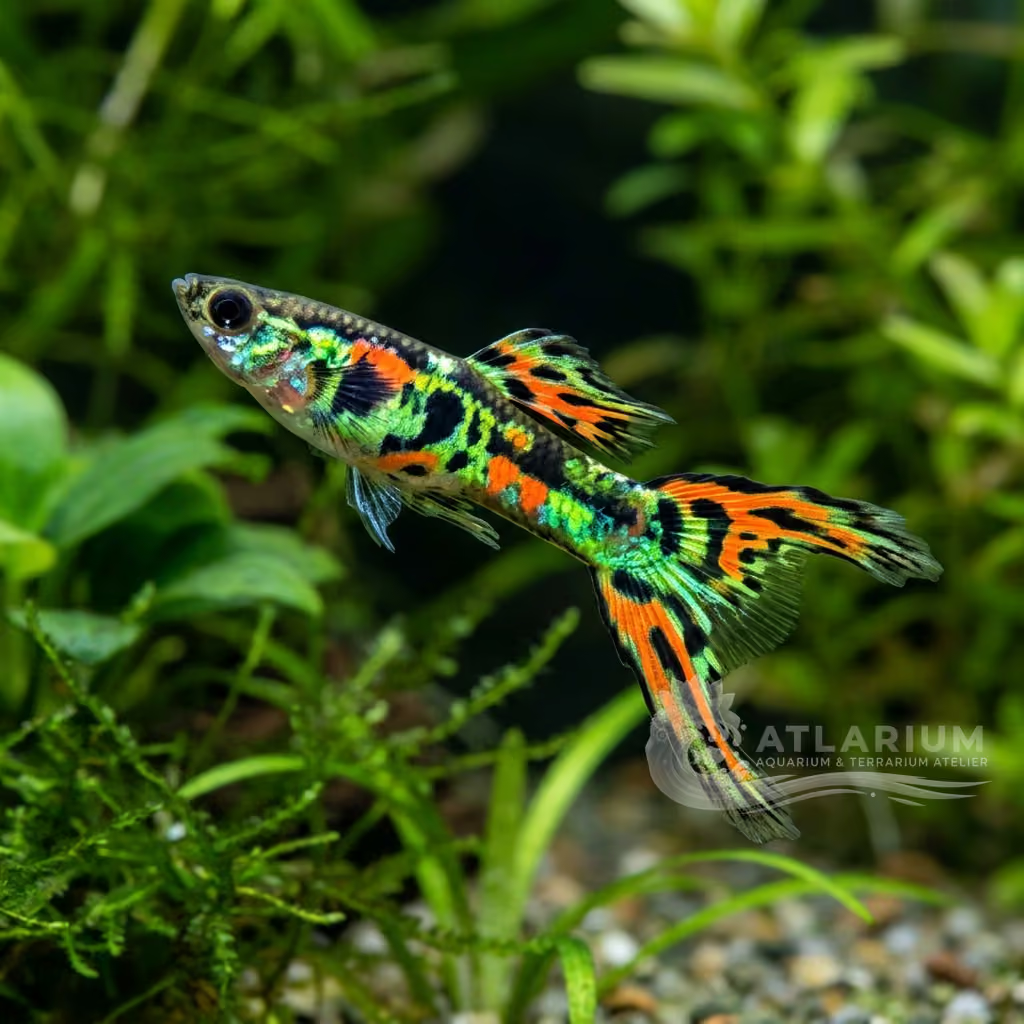
The Moscow Blue is the aristocracy of Guppies. Males are dressed in a velvety cobalt blue from head to tail, without any spots. Unfortunately, decades of inbreeding to fix this perfect color have made them genetically deformed. As they grow, their fragile spine collapses under the titanic weight of their tail. In addition, females are true reproductive machines: capable of storing sperm from a single mating for months, they will give birth to 40-50 fry every month, sparking a population explosion that will devastate your aquarium.
22 - 28 °C
7 - 8.5
Freshwater
All levels
5 cm
>= 40 L
>= 4
10 - 25 dGH
5 - 12 dKH
200 - 495 ppm
313 - 773 uS/cm

Species description

Care, breeding and tankmates

Geographic origin and distribution
Origin

Fish profile
- Temperament
- Peaceful
- They possess a peaceful, active, and generally social temperament. They are constantly in motion, exploring their environment and interacting with conspecifics. While males may display and occasionally spar for dominance or mating rights, serious injuries are rare. Their inquisitive nature makes them very engaging and entertaining to observe. A well-structured environment further encourages their natural, peaceful behaviors to shine through.
- Diet
- Omnivore
- They are omnivorous and thrive on a varied diet to maintain optimal health. High-quality flake foods or micro-pellets should form the staple of their daily feeding. Supplementing their diet with live or frozen foods like daphnia, brine shrimp, and bloodworms is highly recommended. Including vegetable matter such as spirulina will also benefit their digestive system. A balanced and varied diet enhances their immune system and brings out their best colors.
- Life expectancy
- 2-3 years
- Adult size
- 5 cm
- Sex ratio
- Specific M:F ratio
- A recommended sex ratio is keeping at least two or three females for every male. This ratio helps to disperse the male's constant harassment and mating attempts among several females. Keeping a balanced ratio significantly reduces the stress experienced by the females. If too many males are present, the constant pursuit can lead to exhaustion and compromised immune systems in females. In larger setups, this ratio can naturally fluctuate but should generally be maintained to ensure harmony.
- Feeding frequency
- Twice daily
- It is optimal to feed them small amounts multiple times a day, ideally two to three times. This frequent feeding mimics their natural foraging behavior in the wild. Ensure that only an amount they can consume within a couple of minutes is provided to prevent overfeeding. Leftover food can rapidly degrade water quality and lead to health issues. Adjusting the feeding frequency based on the fish's activity levels and age is a good practice.
- Bioload
- Low to Medium
- They produce a relatively low bioload compared to larger aquarium fish. This makes them suitable for smaller aquariums if maintained properly. However, their prolific breeding can quickly increase the total bioload of the tank. Regular water changes and good filtration are essential to maintain water quality. Monitoring nitrate levels is important to ensure the bioload is being effectively managed.
- Flow
- Stagnant
- They typically prefer gentle to moderate water movement within the aquarium. Strong currents can be exhausting for them, especially for males with large, flowing fins. A sponge filter or a well-baffled hang-on-back filter often provides the ideal flow rate. Providing areas of both slight movement and still water allows them to rest when needed. An appropriate flow rate also ensures adequate oxygenation without causing undue stress to the fish.
- Jump risk
- Yes
- There is a moderate risk of jumping, particularly when they are startled or chased. They might also attempt to jump if the water parameters are poor and they are seeking better conditions. Using a tight-fitting lid or a secure cover is highly recommended to prevent accidental escapes. Floating plants can also help deter them from approaching the surface too enthusiastically. Regular monitoring of the tank's perimeter can help ensure no fish has managed to leap out.
- Reproduction
- Oviparous
- As livebearers, they are exceptionally easy to breed and will often multiply without any special intervention. Females can store sperm for several months, resulting in multiple drops of fry from a single mating. The gestation period typically lasts around three to four weeks, depending on water temperature. To ensure the survival of the fry, providing plenty of hiding spaces like dense vegetation or breeding grass is essential. Adults may predate on their own young, so a separate breeding tank might be necessary for maximum yield.
- Compatibility & tankmates
- Harem only
- These fish are generally peaceful and make excellent additions to community aquariums. They can be kept with other small, non-aggressive species like tetras and corydoras. It is best to avoid keeping them with known fin-nippers such as tiger barbs. Aggressive or much larger fish might view them as food and should be avoided. A harmonious community tank ensures their long-term health and vibrant coloration.
- Tank level
- All levels
- They are extremely active and will utilize all levels of the aquarium. However, they show a strong preference for the middle and upper levels of the water column. They are frequently seen swimming near the surface, especially during feeding times. Providing open swimming space in the upper regions alongside some floating cover makes them feel secure. Their presence in the upper layers adds vibrant movement and life to the top portion of the tank.

Scientific Parameters & Models
Window to the official scientific data of the species
- Trophic level
- 3.2 ± 0.4 se
- Resilience
- High (less than 15 months)
- Generation time
- 0.6 years
- Phylogenetic uniqueness (PD50)
- 0.5
- Bayesian Length-Weight
- a = 0.01288, b = 3.14
- VulnerabilityLow to moderate vulnerability (33 / 100)

Related species
Recommendations grouped by close relatives, companion choices, and similar care.