Variable platy
Xiphophorus variatus
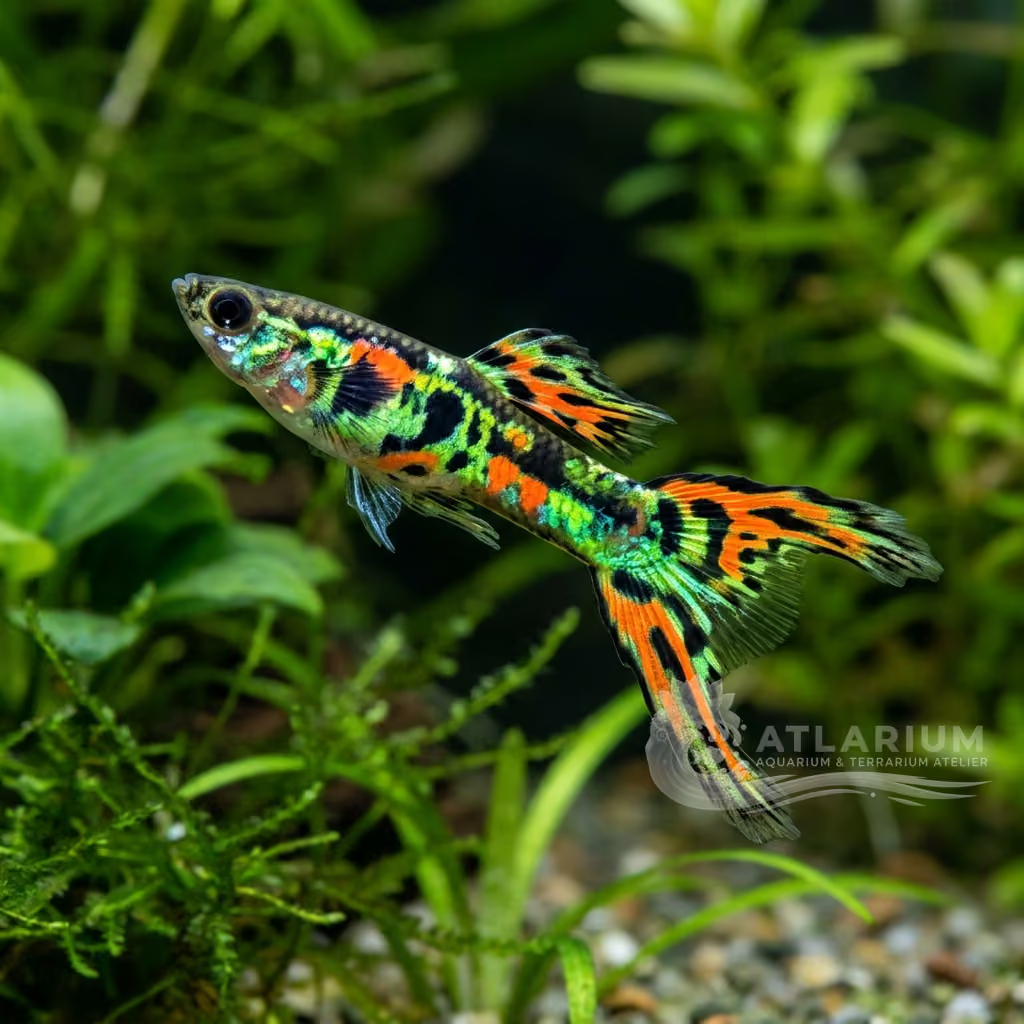
The quintessential 'subtropical' livebearer: tolerates low temperatures (16–25 °C) without a heater — ideal for unheated home tanks. Native to eastern Mexico. Available in many vivid color variants: red, orange, yellow, sunset, wagtail. Hardier and more adaptable than cousin X. maculatus. Omnivore that grazes algae and loves vegetable matter. Low temperatures slow the breeding cycle giving females 'rest'. Excellent for beginners.
21 - 26 °C
7 - 8.5
Freshwater
Middle
7 cm
>= 40 L
>= 3
7 - 21 dGH
3 - 10 dKH
135 - 415 ppm
211 - 648 uS/cm

Species description

Care, breeding and tankmates

Geographic origin and distribution
Origin

Fish profile
- Temperament
- Peaceful
- They have an incredibly peaceful and easygoing temperament, making them ideal candidates for beginner and community aquariums alike. They are active, curious, and constantly on the move, bringing a vibrant dynamic to the tank without aggressive tendencies. While males may occasionally posture at one another, true aggression or injury is extremely rare. They adapt quickly to new environments and tolerate minor fluctuations in water chemistry better than more sensitive species.
- Diet
- Omnivore
- They are unfussy omnivores that require a varied diet consisting of both plant and animal matter to thrive. A high-quality tropical flake or pellet food should form the staple of their daily diet. To enhance their vivid colors and support optimal health, supplement their meals with frozen or live foods like bloodworms, daphnia, and brine shrimp. Adding blanched vegetables or spirulina-based foods will satisfy their need for dietary fiber and vegetable matter.
- Life expectancy
- 2-3 years
- Adult size
- 7 cm
- Sex ratio
- Group
- To minimize stress within the group, it is highly recommended to keep a ratio of one male to every two or three females. Males are persistent in their pursuit of females for mating, which can quickly exhaust a lone female and lead to health decline. Maintaining a higher number of females ensures the males' attention is dispersed among the group. If the tank is small, keeping an all-female or all-male group can completely prevent both harassment and unwanted breeding.
- Feeding frequency
- Twice daily
- Offer them small meals one to two times daily, ensuring they consume all the food within a couple of minutes to prevent water fouling. Overfeeding is a common issue with these enthusiastic eaters, which can lead to bloating and degraded water quality. It is beneficial to fast the fish for one day a week to allow their digestive systems to clear. For growing fry, more frequent, smaller feedings using specialized fry food or baby brine shrimp are necessary.
- Bioload
- Low to Medium
- This fish generates a moderate bioload that is easily managed in an adequately filtered aquarium. Because they have hearty appetites and a relatively quick metabolism, their waste output can accumulate if maintenance is neglected. Regular partial water changes and proper gravel vacuuming are important to maintain pristine water conditions. Ensuring the biological filtration is mature will easily handle their waste without causing ammonia or nitrite spikes.
- Flow
- Strong
- They originate from slow-moving waters and therefore prefer a gentle to moderate current in the home aquarium. Strong, turbulent water flow can easily exhaust them and cause stress, potentially leading to health complications. A standard sponge filter, hang-on-back filter, or canister filter with an adjustable output provides ideal conditions. Using decorations and plants to break the current can create comfortable resting zones for them.
- Jump risk
- No
- Reproduction
- Viviparous
- They are prolific and easy-to-breed livebearers, with females giving birth to batches of fully formed, independent fry. Males possess a modified anal fin, the gonopodium, to fertilize the females internally, and females can retain sperm for several broods. Breeding occurs readily in the home aquarium without any special intervention, provided the water parameters are stable. To ensure the survival of the fry, the tank should be heavily planted with fine-leaved plants like java moss to provide hiding spots from hungry adults.
- Compatibility & tankmates
- Peaceful
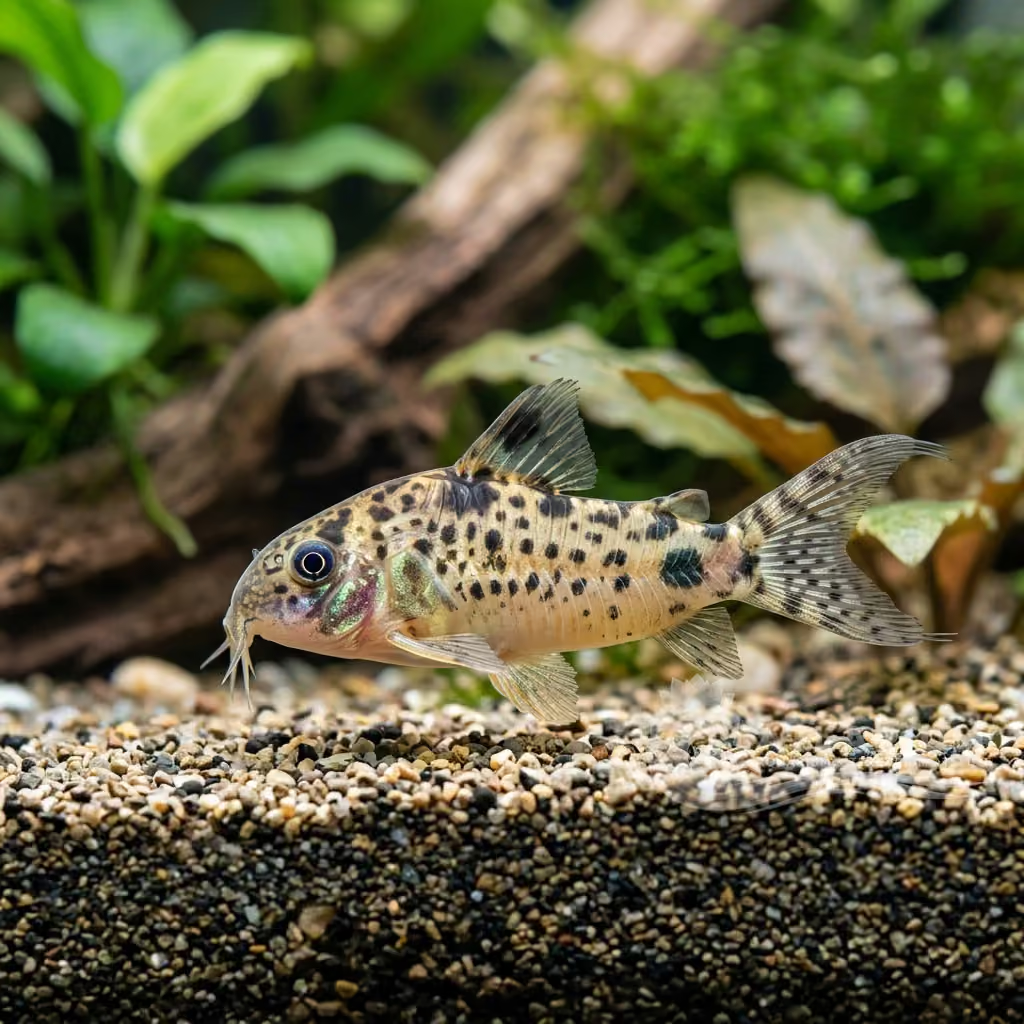
- They are exceptionally peaceful community fish that thrive in the company of other peaceful, similarly sized species. Excellent tankmates include small tetras, rasboras, corydoras catfish, and small peaceful loaches. It is important to avoid housing them with large, aggressive, or fin-nipping species that may harass them or outcompete them for food. They are social creatures that appreciate the presence of their own kind, displaying their best colors when comfortable.
- Tank level
- Middle
- They are highly active fish that utilize the mid to top levels of the aquarium for the majority of their swimming and foraging. They are frequently seen exploring near the surface for food, but will enthusiastically search the substrate for any missed morsels. Providing ample swimming space in the upper layers, unobstructed by overly dense tall plants, is ideal for their behavior. Floating plants can make them feel more secure while still allowing them access to the surface.

Scientific Parameters & Models
Window to the official scientific data of the species
- Trophic level
- 2.8 ± 0.27 se
- Resilience
- High (less than 15 months)
- Phylogenetic uniqueness (PD50)
- 0.5
- Bayesian Length-Weight
- a = 0.01047, b = 3.14
- VulnerabilityLow vulnerability (10 / 100)

Image gallery
Licensed images linked to the species or, when marked, to the closest representative taxon.

Related species
Recommendations grouped by close relatives, companion choices, and similar care.