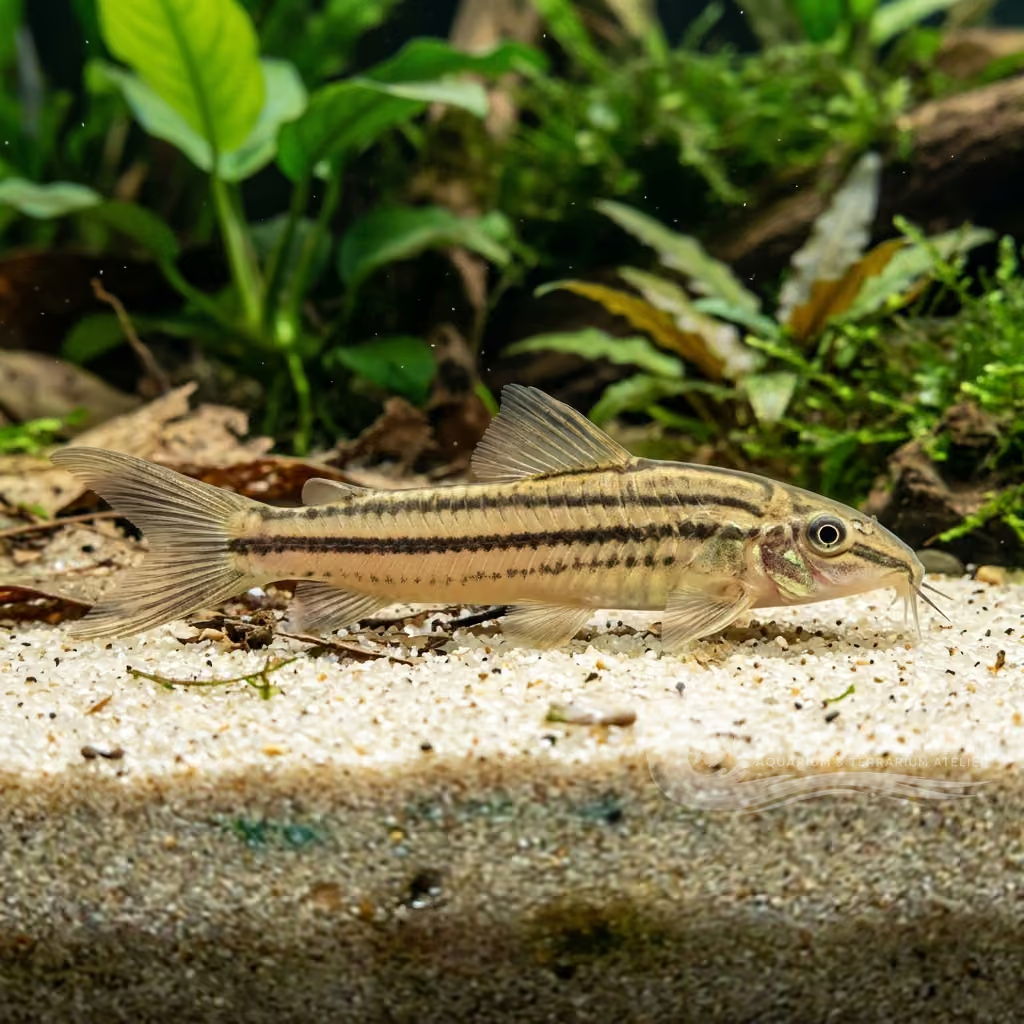
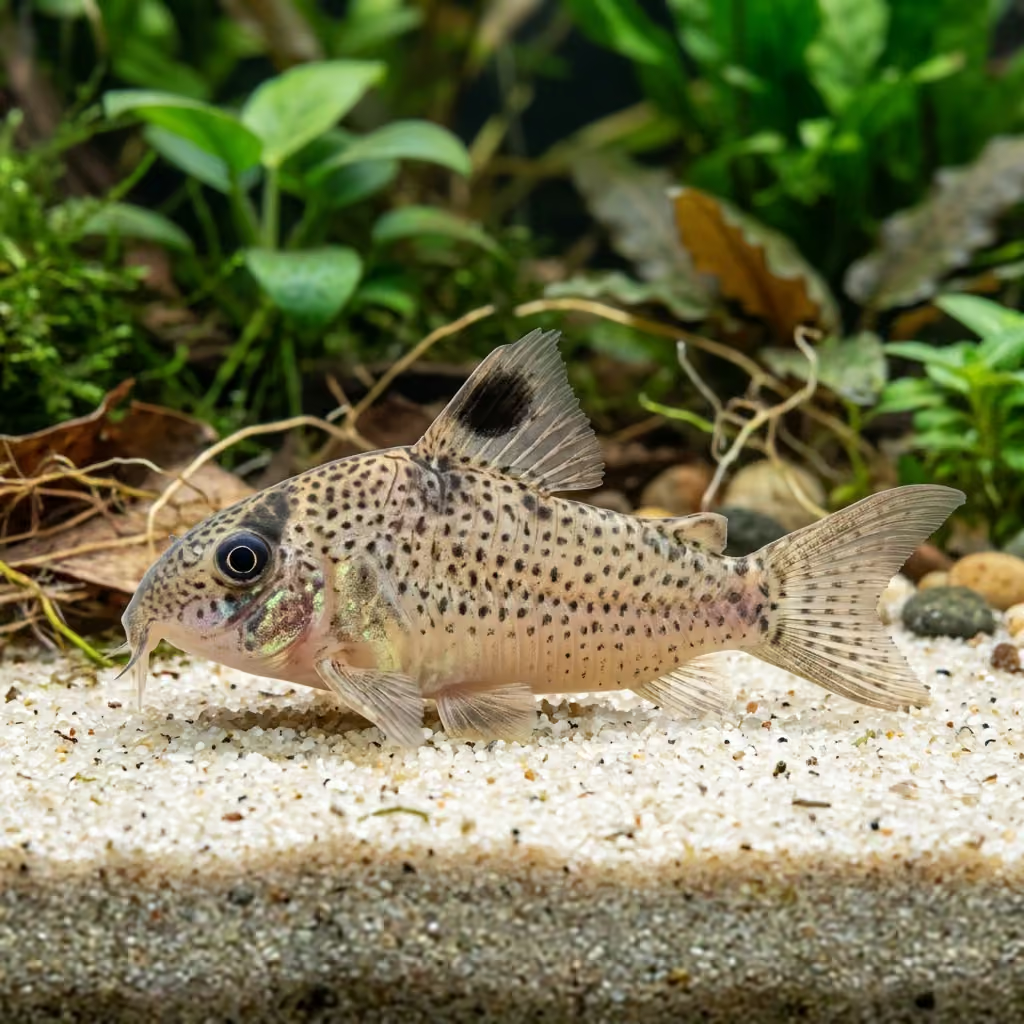
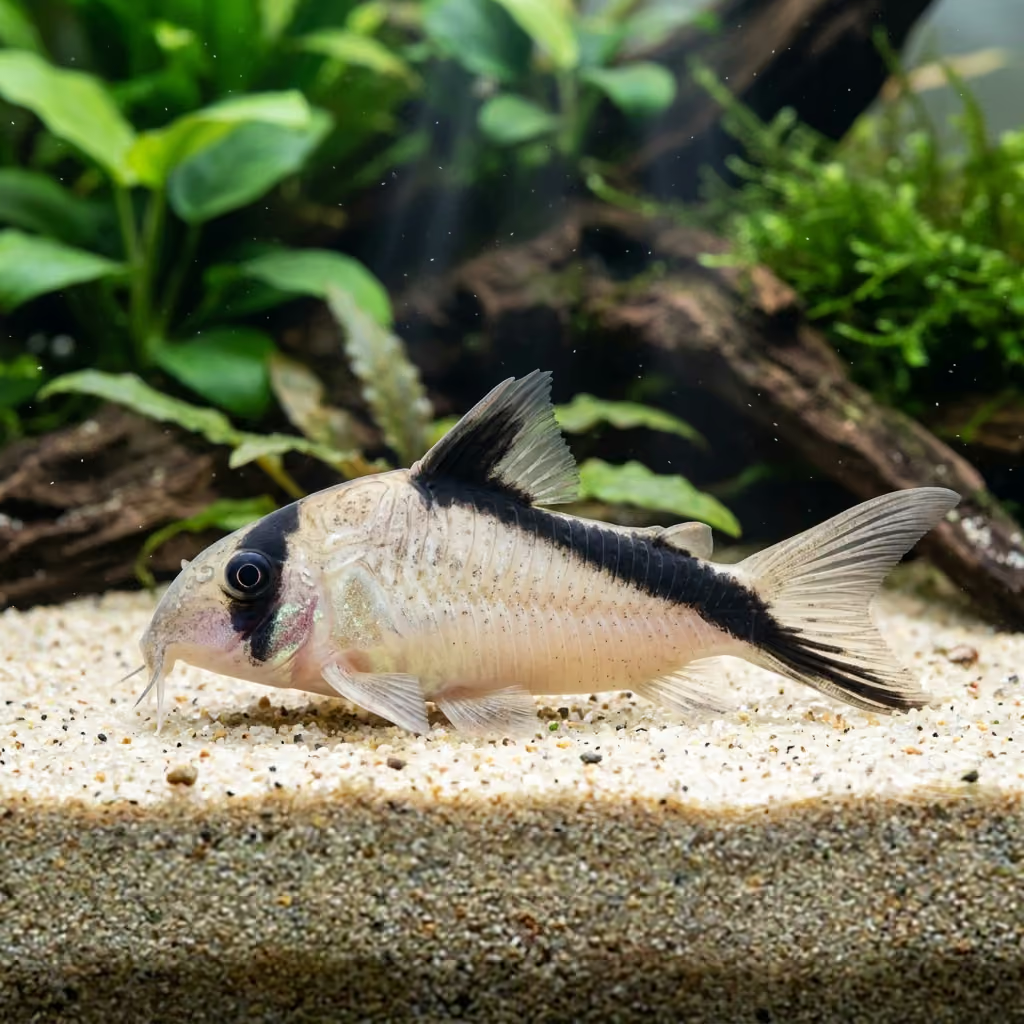
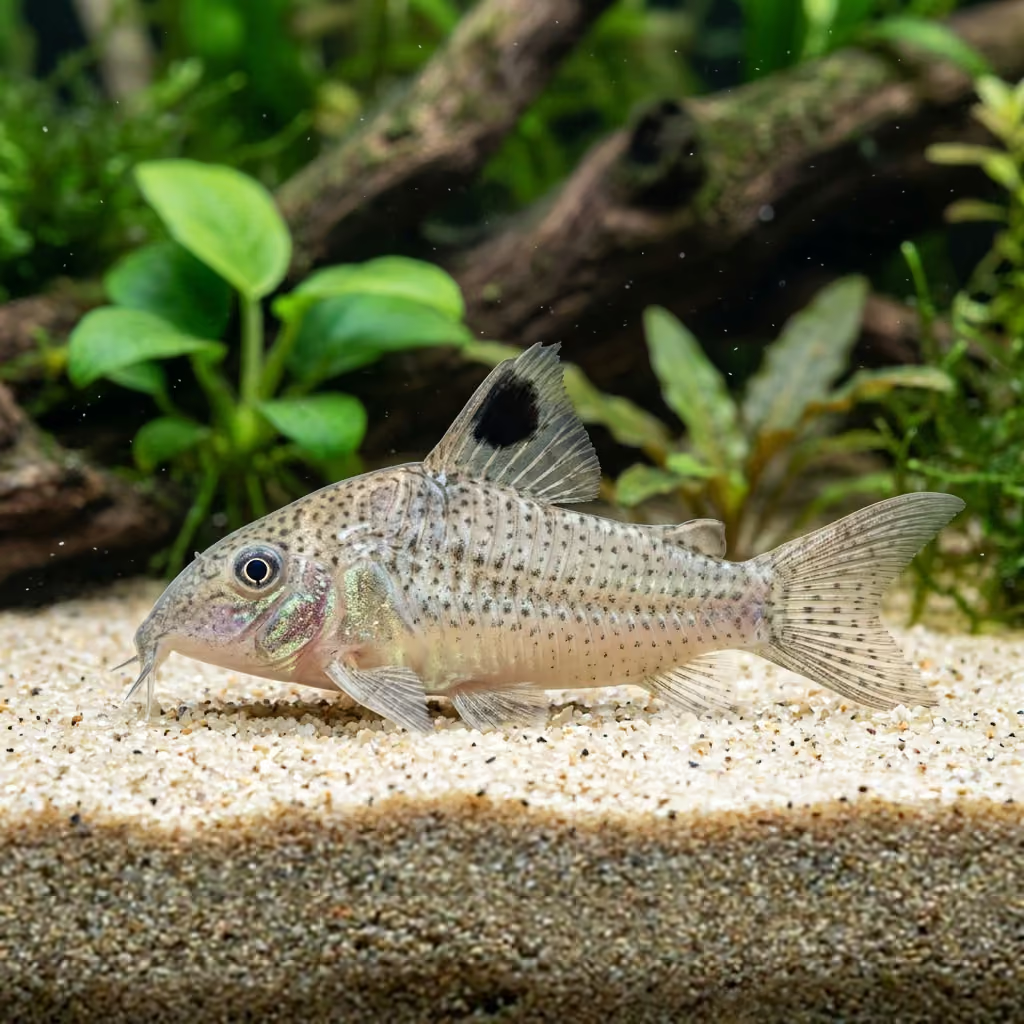
False Corydoras / Sixray Corydoras
Gastrodermus pauciradiatus
Often sold as a 'micro-corydoras', the rare Aspidoras is actually a distinct genus. It differs from Corydoras by the unique shape of its skull ('mushroom' or flattened) and its large expressive eyes positioned high on its head.
Water Temperature
22 - 28 °C
pH Value
5.5 - 7
Water type
Freshwater
Tank level
Bottom and middle
Adult size
3 cm
Minimum tank volume
>= 30 L
Minimum group
>= 6
GH
1 - 10 dGH
KH
1 - 5 dKH
TDS
25 - 200 ppm
Conductivity
39 - 313 uS/cm

Species description
Geographical Origin and Habitat: Endemic to Brazil (upper Rio Negro basin and Araguaia river). Lives in small and shallow streams with very dark and weakly acidic waters, moving frantically in huge schools on clean sandy beaches.
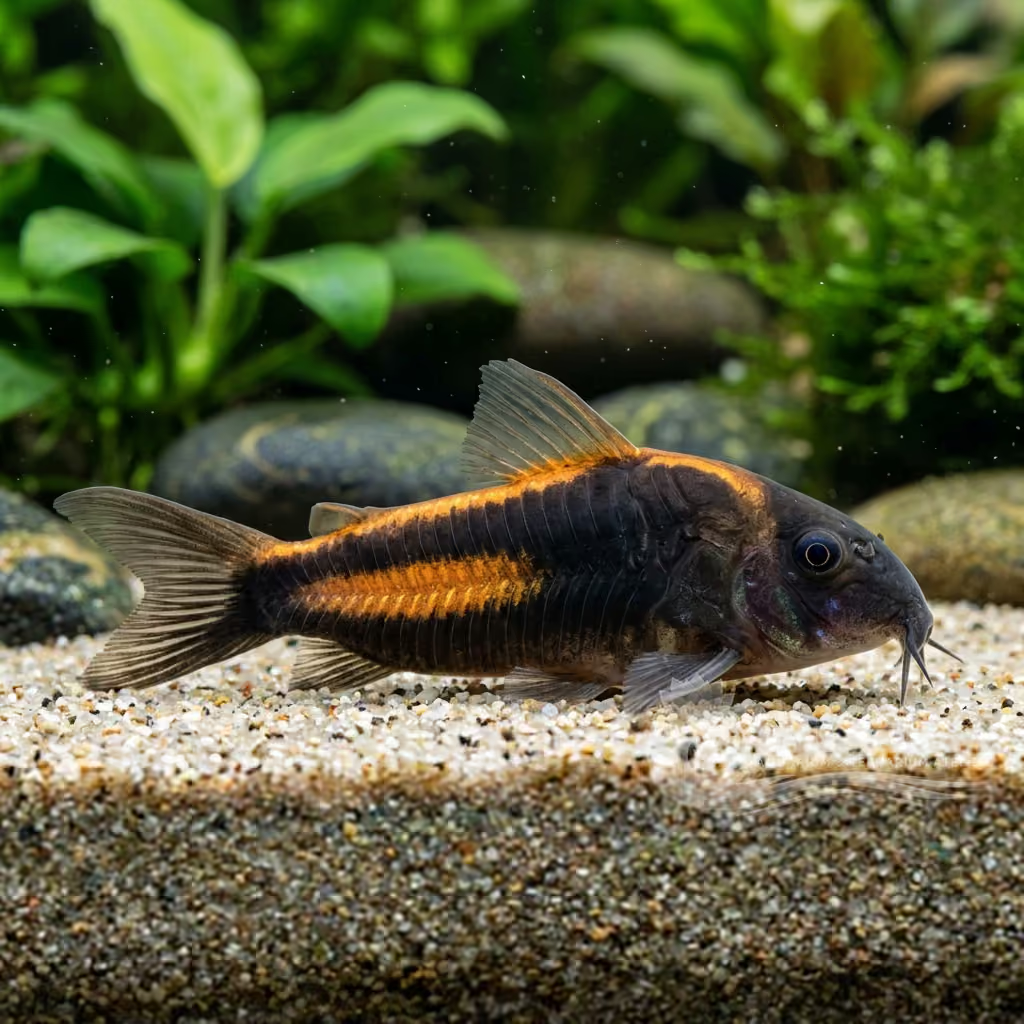
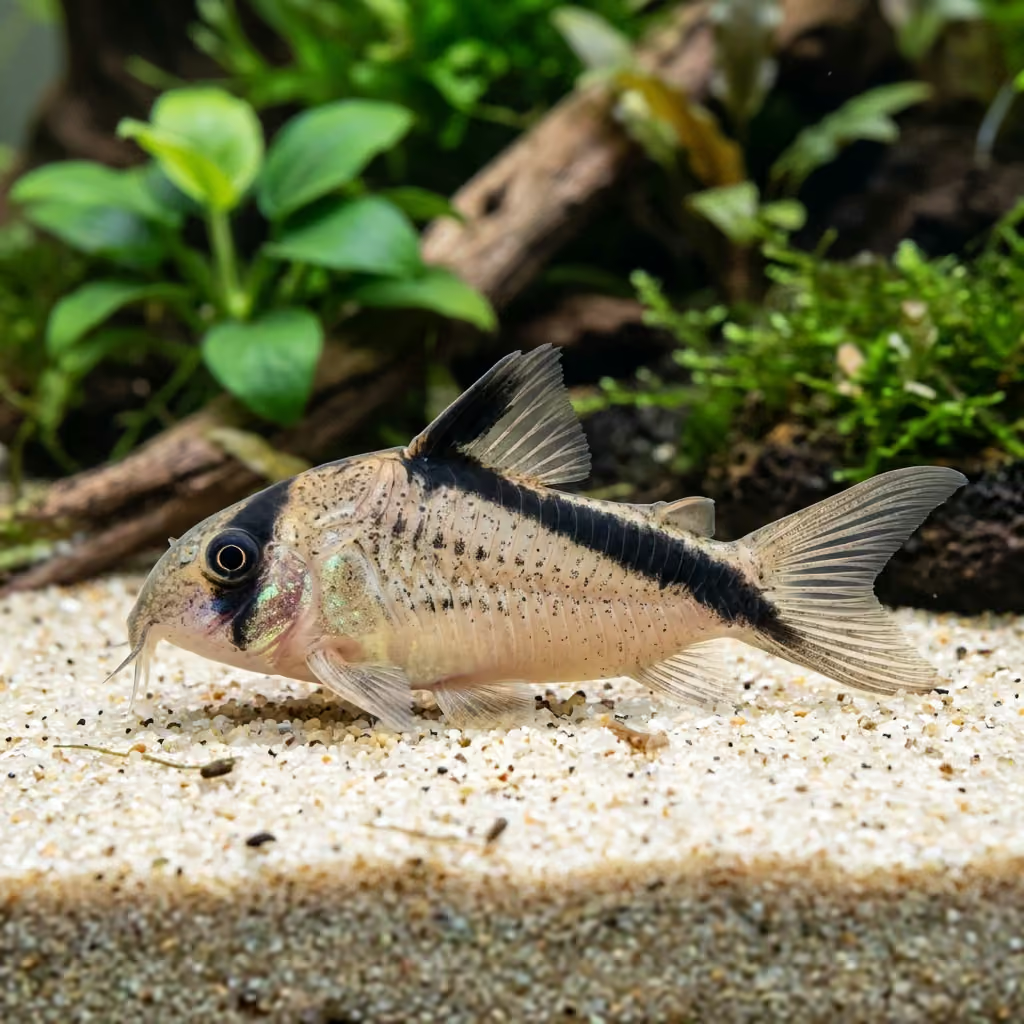
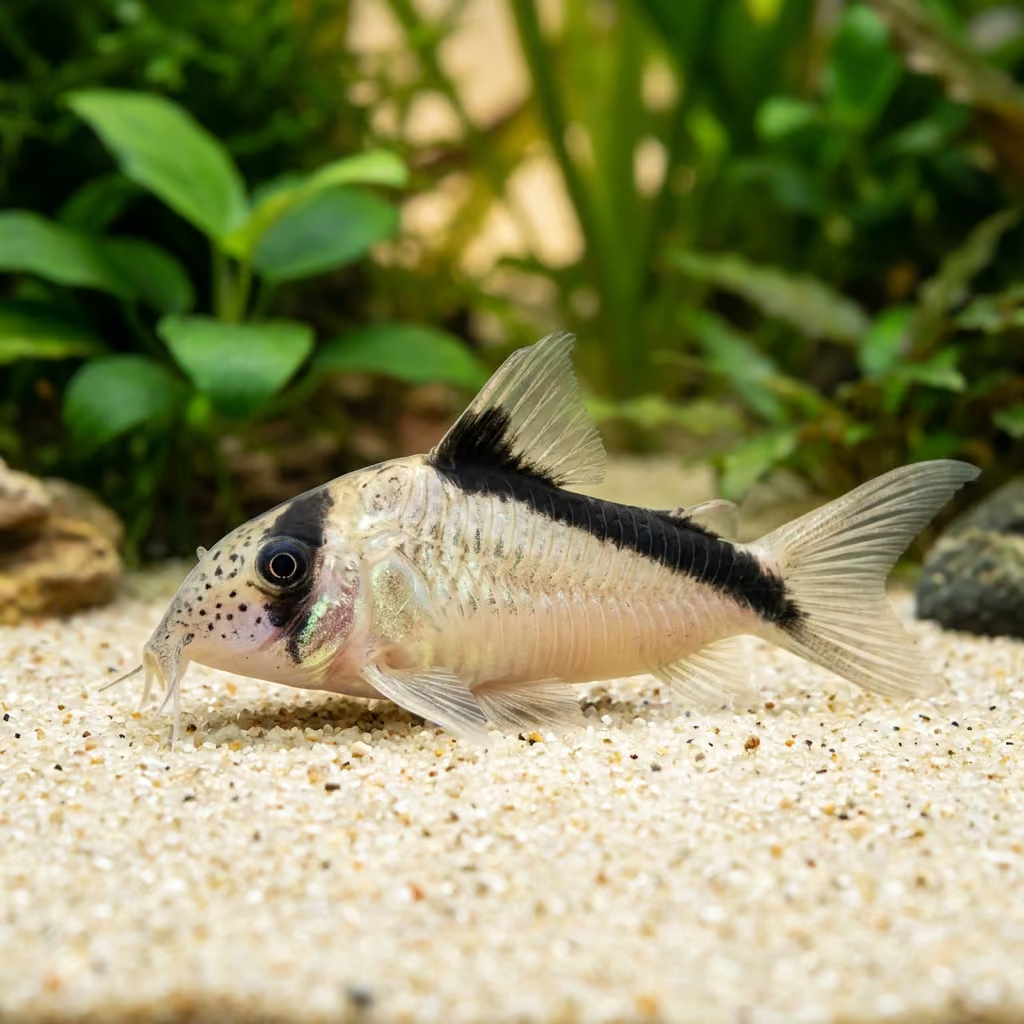
Taxonomy and Morphology: False Corydoras / Sixray Corydoras (Gastrodermus pauciradiatus). Tiny relative of the Corydoras, recognizable by the eye very close to the short snout, the incredibly thin body and only 6 rays on the dorsal fin.
Social Behavior: Extreme and neurotic gregariousness. Never keep less than 10 specimens. Unlike the placid Corydoras, Aspidoras are hyperactive, they patrol the glass with darting sprints in mid-water and sift the bottom simultaneously in a school.
Coloration and Sexual Dimorphism: Miniature "Leopard" livery: golden/silver body sprinkled with infinite tiny black spots, with a black patch at the base of the dorsal spine. Mature females are clearly thicker and longer, males almost needle-like.

Care, breeding and tankmates
Aquarium Setup: Nano-aquarium of at least 60 cm (24 inches) (they need a runway to swim). Very fine sand is the most critical success factor. Avoid sharp gravel that will inexorably erode their tiny barbels. Rich vegetation and dim light.
Diet and Feeding: Micro-scavenger. Will eat the leftovers of other fish but MUST be intentionally fed with crumbled sinking tablets, microscopic granules and live vinegar eels or microworms. Whole tablets are too hard for their little mouths.
Water Quality: Being a "Blackwater" species, it prefers very soft and amber waters. Highly sensitive to organic accumulations (nitrates) and dirty bottoms, which cause instant bacterial die-offs of the barbels.
Compatibility and Cohabitation: A piece of excellence for a peaceful Amazonian nano-aquarium. Excellent with Microrasboras (Brigittae), Ember Tetras and small Otocinclus. To be avoided with species that steal food on the bottom (Botia) and large earth-eating Cichlids (Geophagus).
Aquarium Breeding: Similar to that of Corydoras but on a miniaturized scale. They lay 10-20 huge eggs (compared to their size) on the aquarium glass or on broad-leaved plants in the current ("T" position). The young are very delicate.
Risks and Diseases: Unlike the robust Corydoras paleatus, A. pauciradiatus suffer terribly from commercial transport, often dying from toxicity in the bags or arriving malnourished. Drip acclimation is imperative.

Geographic origin and distribution
Endemic to Brazil (upper Rio Negro basin and Araguaia river). Lives in small and shallow streams with very dark and weakly acidic waters, moving frantically in huge schools on clean sandy beaches.
Origin
Amazon, Orinoco, and GuianasEast Asia

Fish profile
- Temperament
- Semi-aggressive
- Gastrodermus pauciradiatus is an exceptionally peaceful and non-aggressive species that makes an ideal resident for community aquariums. They are highly social, gregarious fish that thrive in the company of their own kind, exhibiting a playful and busy demeanor as they forage together. They show no territorial aggression toward other species and will coexist harmoniously with tankmates of a similar peaceful nature. Because of their tiny size and gentle temperament, they can easily become stressed or intimidated by large, fast-swimming, or boisterous fish. Therefore, they should only be housed with species that share their calm and passive disposition.
- Diet
- Omnivore
- In their natural habitat, Gastrodermus pauciradiatus are foraging omnivores that feed on small invertebrates, insect larvae, and organic detritus. In the aquarium, they should be offered a diverse diet that includes high-quality sinking pellets or wafers specifically formulated for catfish. To ensure optimal health, their diet should be regularly supplemented with live or frozen foods such as daphnia, baby brine shrimp, and micro-worms. It is important to note that they cannot survive solely on leftover flakes or food scraps from midwater fish, as they need dedicated feedings. Providing high-quality nutrition also plays a major role in conditioning them for successful breeding.
- Life expectancy
- 5-8 years
- Adult size
- 3 cm
- Sex ratio
- Group
- In a home aquarium, Gastrodermus pauciradiatus should always be kept in groups of at least six to eight individuals, though larger shoals are highly recommended. While they do not exhibit territorial behavior and can be kept in mixed-sex groups without issue, a specific ratio is beneficial for breeding purposes. When attempting to breed this species, a ratio of two males to each female (2:1) is typically suggested to increase spawning success. In a standard community setup, maintaining a balanced mix of males and females in a school is sufficient to keep them active and secure.
- Feeding frequency
- Twice daily
- Gastrodermus pauciradiatus should be fed once or twice daily, providing only the amount of food they can consume within a few minutes. Because they are slow, systematic feeders, it is important to monitor them during feeding times to ensure they are not outcompeted by faster fish. In busy community aquariums, feeding them shortly after turning off the tank lights can allow them to forage peacefully in the dark. Regular, controlled feeding helps maintain their energy levels and supports their active searching behavior without overfeeding. Any uneaten food should be removed promptly to prevent water quality degradation and organic waste build-up.
- Bioload
- Low
- Gastrodermus pauciradiatus is a dwarf species that produces a very small amount of waste due to its miniature size. However, they are highly sensitive to spikes in ammonia, nitrite, and nitrate, requiring excellent biological filtration. A well-established, mature aquarium is essential before introducing these catfish to ensure stable water parameters. Regular partial water changes are necessary to keep organic pollutants to an absolute minimum. Therefore, while their biological waste output is low, their filtration and water quality needs are relatively high.
- Flow
- Stagnant
- Gastrodermus pauciradiatus prefer gentle to moderate water flow in the aquarium, mimicking the calm tributaries and slow-moving streams of their native Brazilian habitats. While they require a well-filtered environment to keep the water highly oxygenated and clean, excessively strong currents should be avoided as they can exhaust these small fish. Gentle water movement helps distribute oxygen and food particles along the bottom where they forage, creating a comfortable environment. The use of spray bars or pre-filter sponges can help diffuse strong filter outputs to achieve a more suitable, gentle current. Providing areas of calm water with plants and driftwood allows them to rest when needed.
- Jump risk
- Yes
- Although Gastrodermus pauciradiatus are predominantly bottom dwellers, they possess a moderate risk of jumping out of the aquarium. Like other members of the Callichthyidae family, they are facultative air-breaters and will occasionally make rapid dashes to the surface to gulp atmospheric air. During these energetic movements, or if they are startled by sudden noises or movements outside the tank, they can easily overshoot and jump out. Therefore, a secure, tight-fitting lid or a fine mesh cover is essential to prevent accidental escapes. Keeping the water level slightly below the rim can also help minimize this risk.
- Reproduction
- Oviparous
- Breeding Gastrodermus pauciradiatus is moderately challenging but highly achievable in a dedicated breeding setup. Spawning can be induced by performing substantial, cooler water changes with soft, acidic water to simulate the arrival of the rainy season. The female typically carries fertilized eggs between her pelvic fins before depositing them onto fine-leaved plants, spawning mops, or the aquarium glass. Because the adults do not practice parental care and are likely to eat their own eggs, they should be removed from the breeding tank immediately after spawning is complete. The tiny fry hatch in a few days and must be fed infusoria or freshly hatched brine shrimp nauplii while maintaining pristine water quality.
- Compatibility & tankmates
- Peaceful
- Gastrodermus pauciradiatus is a perfect candidate for community tanks containing small, peaceful species. Excellent tankmates include small tetras, rasboras, dwarf pencilfish, and peaceful dwarf cichlids that share their water chemistry preferences. They can also be kept alongside other peaceful bottom-dwellers, such as dwarf shrimp and snails, as they will not harm them. Larger, aggressive, or highly territorial fish must be avoided, as these delicate catfish can easily become prey or suffer from severe stress. Keeping them in a large shoal of their own species will help boost their confidence and make them feel secure in a community environment.
- Tank level
- Middle/Bottom
- As bottom-dwelling catfish, Gastrodermus pauciradiatus spend the vast majority of their time sifting through the substrate in search of food. They prefer a soft, sandy substrate that will not damage their delicate barbels as they forage. However, unlike larger Corydoras, these dwarf catfish are quite active and will frequently swim up into the lower and middle regions of the water column, especially when kept in large groups. They also enjoy resting on broad leaves of aquatic plants or low-lying decorations. Consequently, while classified as bottom dwellers, they utilize both the bottom and lower-middle levels of the aquarium.

Scientific Parameters & Models
FishBase
Window to the official scientific data of the species
FishBase v25.04Data synced on: 06/15/2026
- Trophic level
- 3 ± 0.3 se
- Resilience
- High (less than 15 months)
- Phylogenetic uniqueness (PD50)
- 0.5001
- Bayesian Length-Weight
- a = 0.00741, b = 3.14
- VulnerabilityLow vulnerability (10 / 100)

Related species
Recommendations grouped by close relatives, companion choices, and similar care.