Pyjama Catfish
Synodontis flavitaeniatus
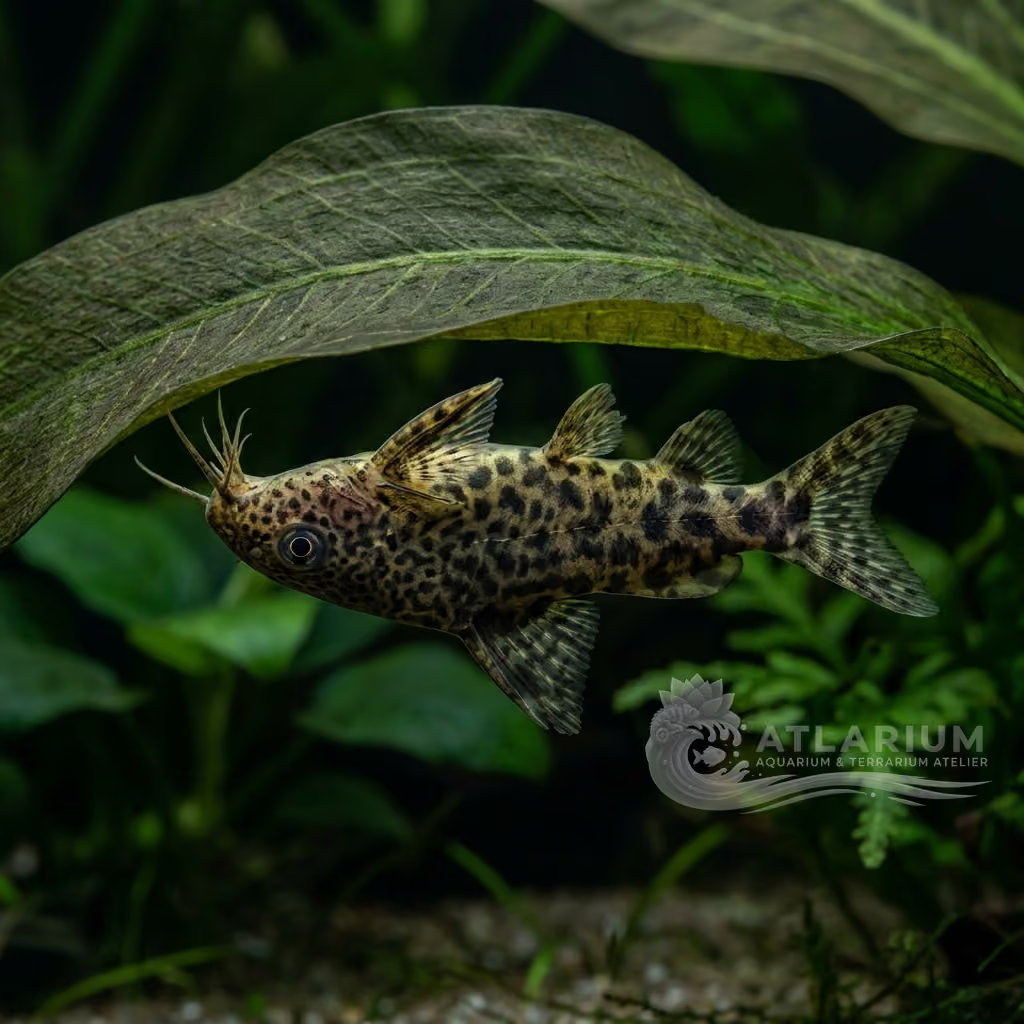
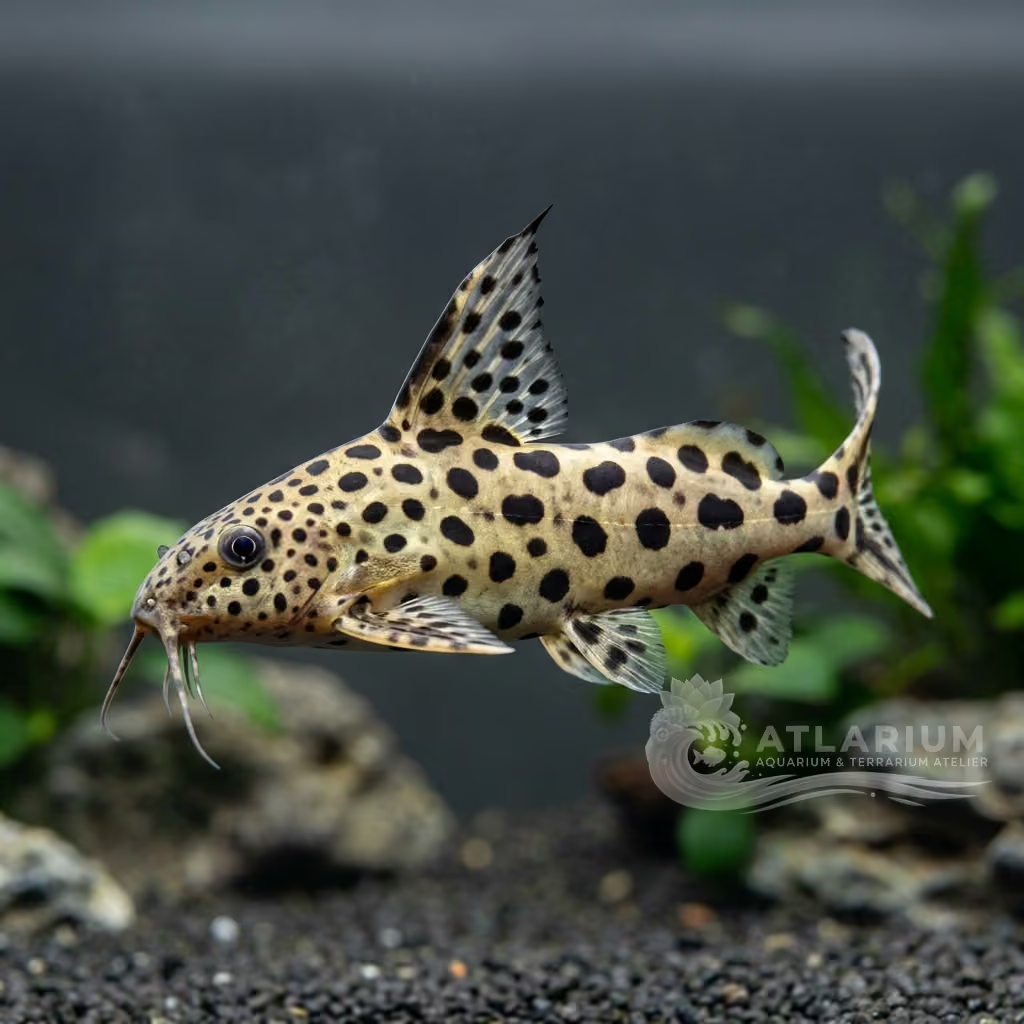
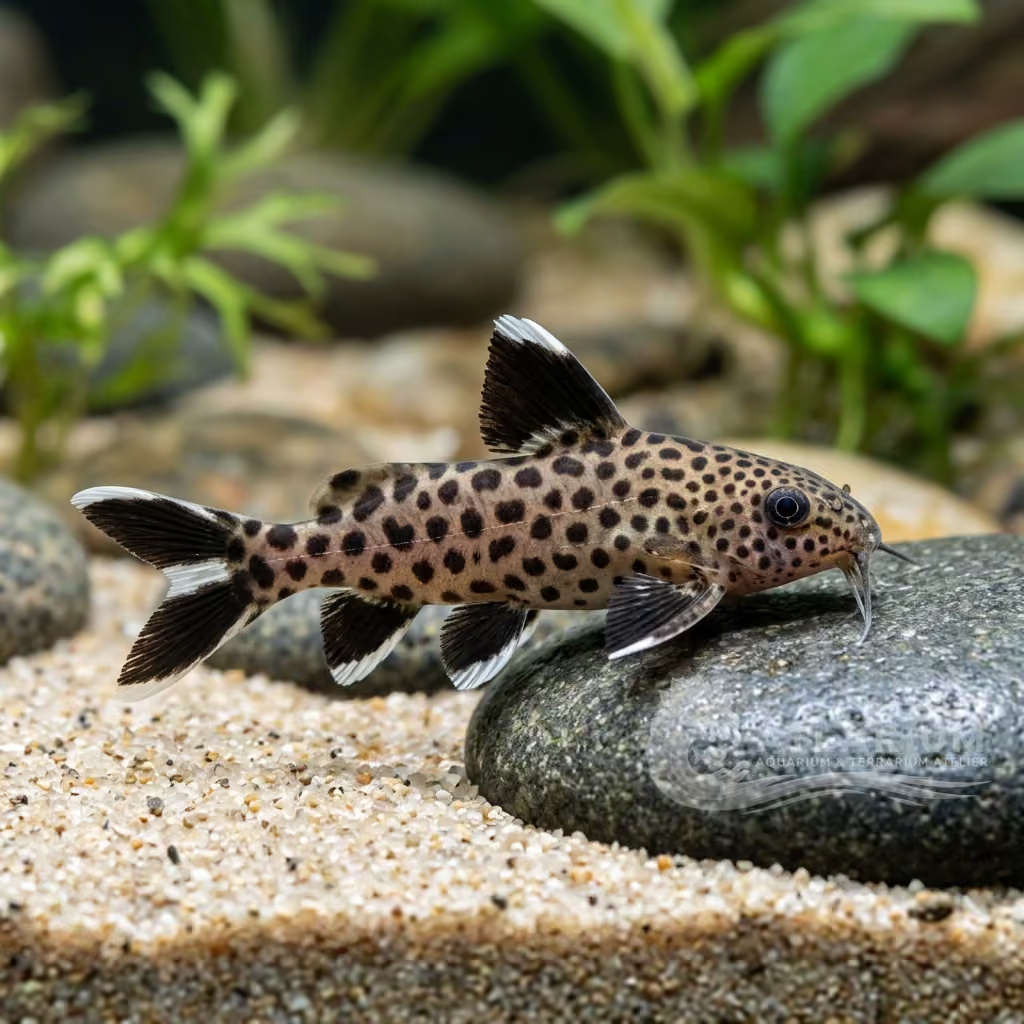
The Pajama Catfish features a striking, chaotic maze of cream and orange zebra stripes. A robust and adaptable nocturnal scavenger, it prefers dimly lit aquariums with ample caves and driftwood.
Water Temperature
23 - 28 °C
pH Value
6 - 7.5
Water type
Freshwater
Tank level
Bottom
Adult size
20 cm
Minimum tank volume
>= 150 L
Minimum group
>= 1
GH
5 - 15 dGH
KH
3 - 10 dKH
TDS
105 - 325 ppm
Conductivity
164 - 508 uS/cm

Species description
Geographical Origin and Habitat: Congo River Basin (Democratic Republic of the Congo). Frequents slow-flowing streams and swampy margins of large rivers, shaded and full of decaying vegetation.
Taxonomy and Morphology: Yellow-striped Squeaker / Pyjama Catfish (Synodontis flavitaeniatus). African catfish. It has a slimmer and more elongated shape than other Synodontis, large feathered barbels and the classic ossified skull.
Social Behavior: Relatively peaceful. Unlike the turbulent and aggressive Synodontis of Lake Tanganyika, the Pyjama catfish tolerates its peers well if kept in a small group and provided with sufficient individual dens.
Coloration and Sexual Dimorphism: The African Pajamas. Brown/dark red body longitudinally crossed by wide wavy bands (stripes) of bright yellow or orange. Pectoral and caudal fins show brown edges or streaks. Females slightly thicker.

Care, breeding and tankmates
Aquarium Setup: Congo biotope tank (Minimum 120 cm / 48 inches). Lots of submerged wood (bogwood), PVC pipes or broken terracotta pots to create multiple dens. Soft sand on the bottom, and very little light to entice it to come out.
Diet and Feeding: Omnivorous scavenger. Voraciously consumes sinking tablets (spirulina and carnivorous), bloodworms, tubifex and granules. Loves to graze on woods to look for trapped microorganisms.
Water Quality: Unlike the Synodontis of the lakes (which require alkaline pH), the flavitaeniatus loves soft and slightly acidic waters (pH 6.5) loaded with tannins, typical of the Congo River.
Compatibility and Cohabitation: Ideal fish for large African community aquariums (not Rift lakes). Perfect pairing with Congo Tetras (Phenacogrammus), large Barbs, African butterfly fish (Pantodon) or peaceful river cichlids.
Aquarium Breeding: Never documented or successful. There is no reliable information, but it is presumed that, like other fluvial Synodontis species, they lay in dark cavities during the rainy seasons.
Risks and Diseases: The stuck "Squeaker" fish. If stressed or taken out of the water (use rigid containers, not nets!), it uses its pectoral bones to squeak loudly. Its pectoral fins have a lock-joint mechanism: it will voluntarily wedge itself in trunks and pulling it out will break its bones.

Geographic origin and distribution
Congo River Basin (Democratic Republic of the Congo). Frequents slow-flowing streams and swampy margins of large rivers, shaded and full of decaying vegetation.
Origin
Tropical oceans and reefsAfrica and Madagascar

Fish profile
- Temperament
- Semi-aggressive
- They exhibit a shy, peaceful, and reclusive temperament, especially during daylight hours. They prefer to stay hidden in dark crevices until the aquarium lights dim. Once they feel secure, they will actively forage along the bottom in a methodical manner. They are non-aggressive but can be outcompeted for food by very boisterous bottom feeders.
- Diet
- Omnivore
- They are undemanding omnivores that relish a highly varied diet to maintain their vibrant stripes. In their natural habitat, they feed on insect larvae, small aquatic crustaceans, and plant detritus. Aquarists should offer a mix of sinking pellets, frozen bloodworms, mysis shrimp, and blanched vegetables. Sinking algae wafers should be provided occasionally for balanced nutrition.
- Life expectancy
- 10-15 years
- Adult size
- 20 cm
- Sex ratio
- Solitary
- They do not require a specific sex ratio and do not form complex hierarchical shoals. Keeping a single specimen is perfectly acceptable and common in community tanks. If kept in small groups, they may exhibit mild squabbling over the best hiding spots, but rarely cause injury. A larger footprint aquarium is recommended if keeping multiple individuals.
- Feeding frequency
- Twice daily
- Feeding should occur once or twice daily, keeping their primarily nocturnal nature in mind. Dropping food into the tank right as the lights go out ensures they get their fair share. They are excellent scavengers that will clean up leftover food missed by mid-water fish. Careful portion control is needed to avoid fouling the water.
- Bioload
- Medium to High
- This moderate-sized squeaker catfish produces a moderate bioload in the home aquarium. Their waste output is manageable but requires standard, efficient biological and mechanical filtration. Weekly water changes of around 20-30% are recommended to keep the environment pristine. A well-established nitrogen cycle is essential before adding them.
- Flow
- Stagnant
- Synodontis flavitaeniatus originates from river systems and enjoys a moderate water flow. A gentle but steady current mimics their natural environment and ensures proper oxygenation. They do not enjoy being buffeted by overwhelmingly strong currents, however. Providing shaded, low-flow areas behind driftwood allows them to rest comfortably during the day.
- Jump risk
- Yes
- As dedicated bottom dwellers, their risk of jumping out of the aquarium is quite low. They spend their days hiding in caves and their nights foraging strictly along the substrate. Nevertheless, sudden frights or poor water parameters can induce erratic swimming and potential jumping. A secure lid is always a best practice for any aquarium setup.
- Reproduction
- Oviparous
- Captive breeding of this species without the use of hormones is virtually unheard of. They are egg-scatterers that rely on complex seasonal cues, such as heavy rains and flooded banks, to trigger spawning. The fry are reportedly very sensitive to water quality fluctuations. Most specimens available in the trade are either wild-caught or farm-bred via hormone induction.
- Compatibility & tankmates
- Semi-aggressive
- It is widely considered one of the most peaceful Synodontis species available in the hobby. They can be safely kept in community aquariums with medium-sized characins, cyprinids, and dwarf cichlids. While mostly peaceful, they may still consume fry or exceptionally tiny tankmates overnight. They also cohabit well with other peaceful bottom dwellers.
- Tank level
- Bottom
- This species strictly inhabits the bottom level of the aquarium. They are highly structure-oriented and will claim a specific piece of driftwood or a cave as their home. They may occasionally swim upside down under large structures, a common trait among many Synodontis species. Open swimming spaces are less important than abundant cover.

Scientific Parameters & Models
FishBase
Window to the official scientific data of the species
FishBase v25.04Data synced on: 06/15/2026
- Trophic level
- 2.9 ± 0.4 se
- Resilience
- High (less than 15 months)
- Phylogenetic uniqueness (PD50)
- 0.5
- Bayesian Length-Weight
- a = 0.01413, b = 3.01
- VulnerabilityLow vulnerability (10 / 100)

Related species
Recommendations grouped by close relatives, companion choices, and similar care.