
Encyclopaedia
Dwarf Petricola
Synodontis lucipinnis
The most beloved siluriform from Tanganyika: tiny, very light with large dark spots and fins edged in dazzling white. Almost always confused with the larger S. petricola.
Share
Check out Dwarf Petricola on Atlarium
23 - 27 °C
7.5 - 8.5
Freshwater
Bottom and middle
10 cm
>= 100 L
>= 1
10 - 30 dGH
10 - 20 dKH
250 - 650 ppm
391 - 1,016 uS/cm
Species description
Care, breeding and tankmates
Geographic Origin and Distribution
Origin
Fish profile
- Temperament
- Semi-aggressive
- Diet
- Omnivore
- Sex ratio
- Harem
- Feeding frequency
- Twice daily
- Bioload
- This dwarf species produces a relatively low bioload compared to its larger Synodontis cousins. Despite their small size, they are active and have healthy metabolisms, so standard filtration is necessary. Maintaining pristine water quality with regular water changes is essential to emulate their natural Lake Tanganyika habitat. A well-oxygenated, clean environment prevents stress and disease.
- Flow
- Stagnant
- Reproduction
- Oviparous
- Compatibility & tankmates
- They are extremely peaceful and make excellent tankmates for a variety of hard-water setups. They do perfectly well with Lake Tanganyika cichlids, such as Neolamprologus or Julidochromis species. Due to their small adult size, they should not be housed with very large or aggressive predatory fish. They are entirely safe with most robust invertebrates and similarly sized community fish.
- Tank level
- Middle/Bottom
Window to the official scientific data of the species
Scientific Parameters & Models
- Trophic level
- 2.9 ± 0.4 se
- Resilience
- High (less than 15 months)
- Phylogenetic uniqueness (PD50)
- 0.5
- Bayesian Length-Weight
- a = 0.01445, b = 2.9
Image gallery
Licensed images linked to the species or, when marked, to the closest representative taxon.
Related species
Recommendations grouped by close relatives, companion choices, and similar care.
Variants and close relatives
Same atlas type, nearby scientific identity, genus, or family.

Cuckoo Catfish
Synodontis multipunctatus

Pygmy Leopard Catfish
Synodontis petricola

Featherfin Squeaker
Synodontis eupterus

Polka-dot Squeaker
Synodontis angelicus

Clown Squeaker
Synodontis decorus

Pyjama Catfish
Synodontis flavitaeniatus

Upside-down catfish
Synodontis nigriventris
Recommended companions
Compatible cards from coherent ecosystems with matching parameters.

Aegagropila linnaei
Aegagropila linnaei

Anubias barteri var. nana 'Round Leaf'
Anubias barteri var. nana 'Round Leaf'

Anubias congensis
Anubias congensis

Anubias gigantea
Anubias gigantea

Anubias lanceolata
Anubias lanceolata
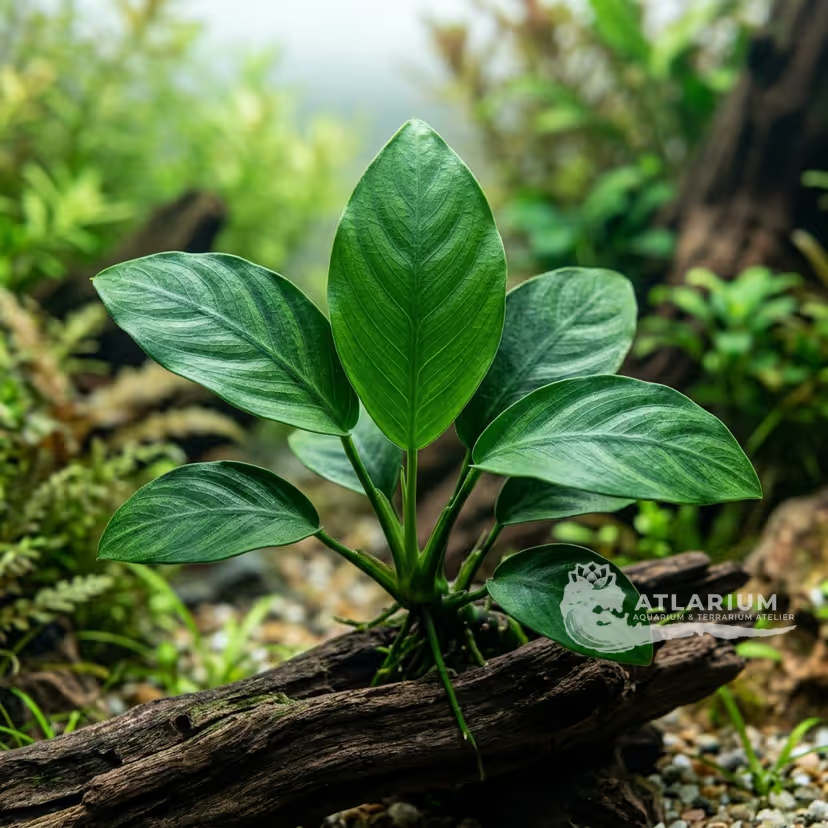
Anubias minima
Anubias minima
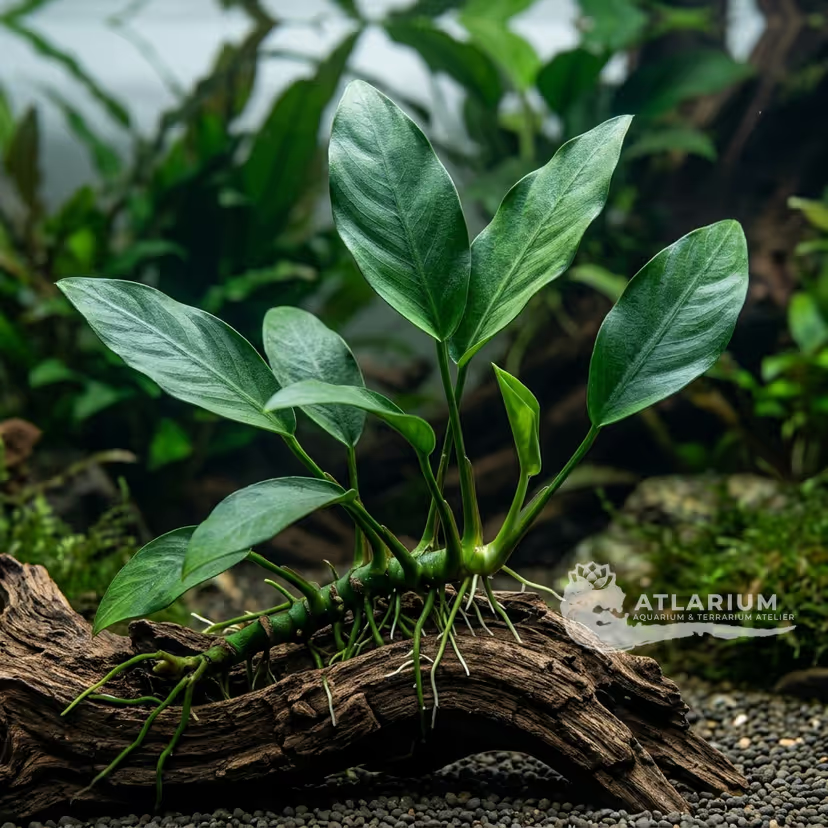
Anubias
Anubias barteri

Anubias nana
Anubias barteri var. nana

Anubias afzelii
Anubias afzelii

Arrowhead Anubias
Anubias hastifolia
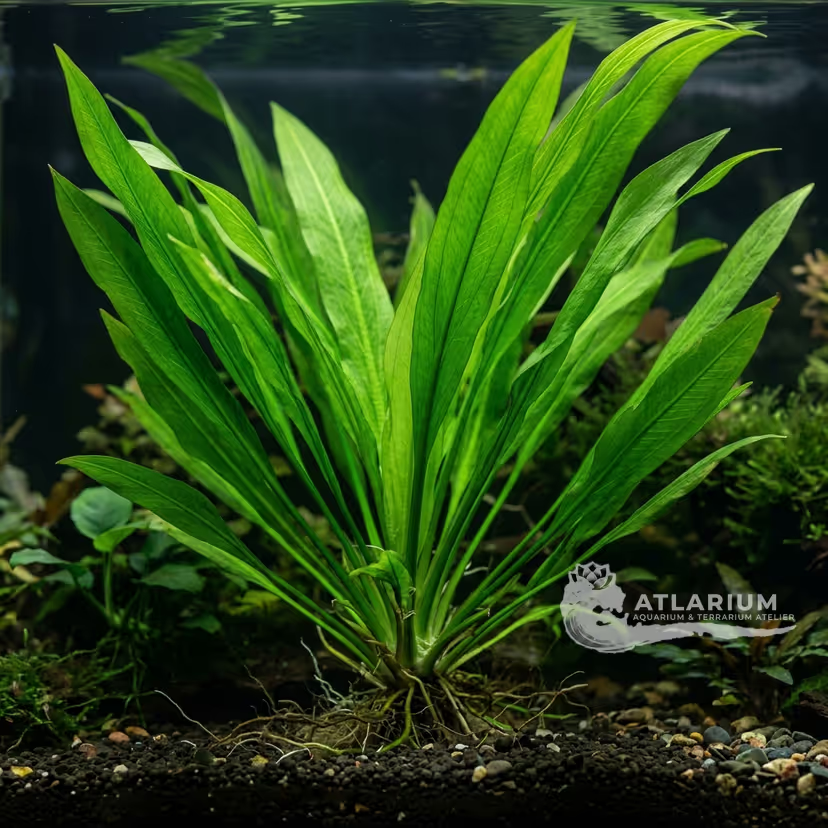
Amazon Sword
Aquarius grisebachii

Azolla caroliniana
Azolla caroliniana

Azolla mexicana
Azolla mexicana
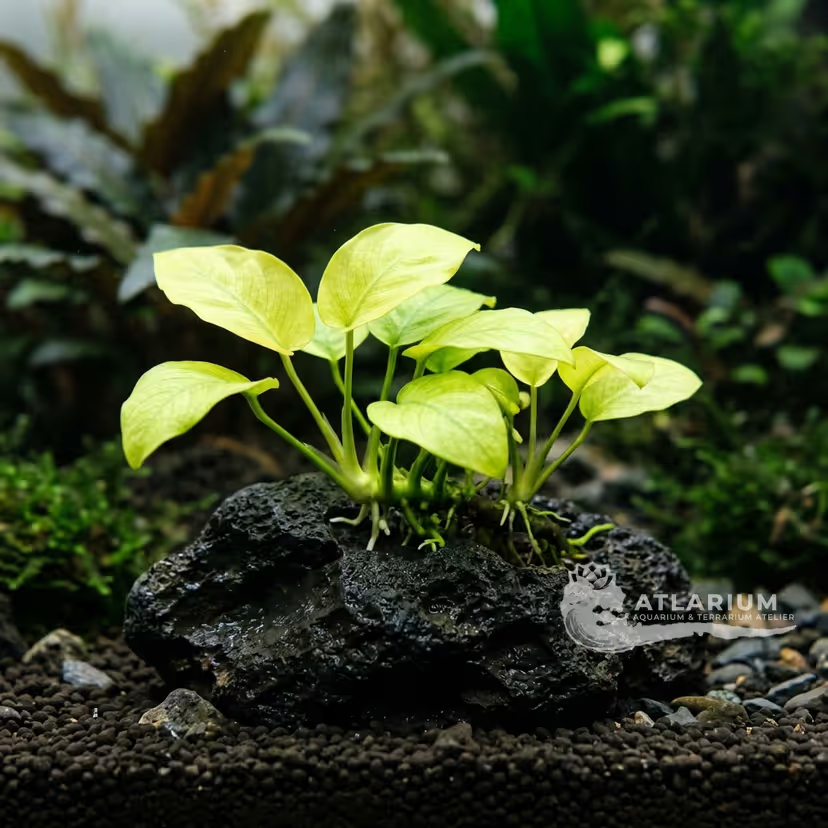
Anubias barteri var. nana 'Golden Heart'
Anubias barteri var. nana 'Golden Heart'
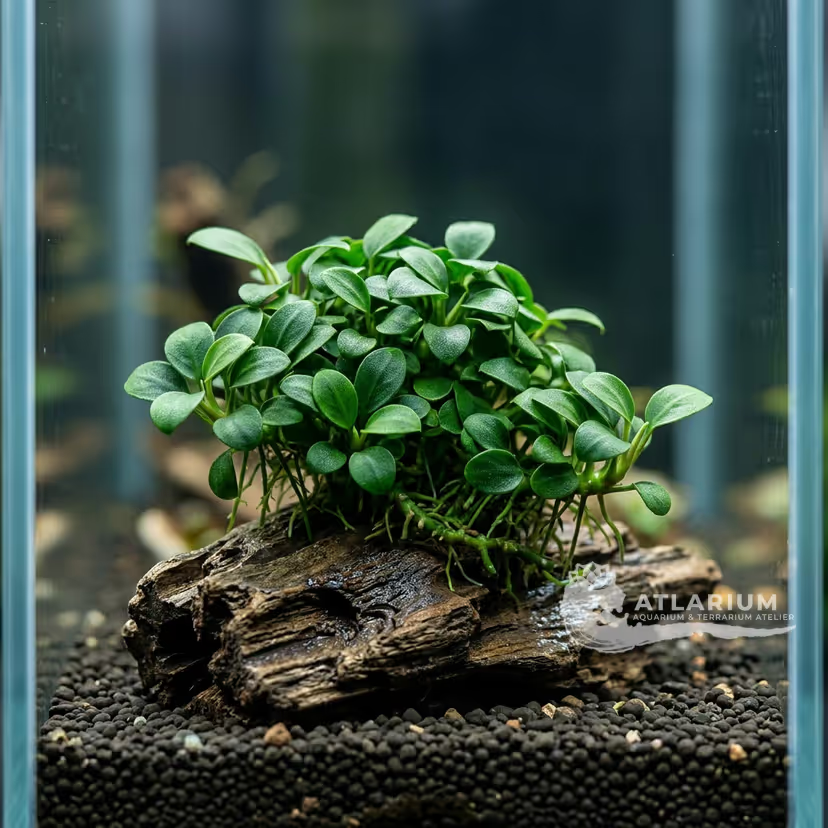
Anubias barteri var. nana 'Petite' ('Bonsai')
Anubias barteri var. nana 'Petite'

Ammannia latifolia
Ammannia latifolia
Similar care
Cards with similar requirements, difficulty, habitat, and husbandry profile.
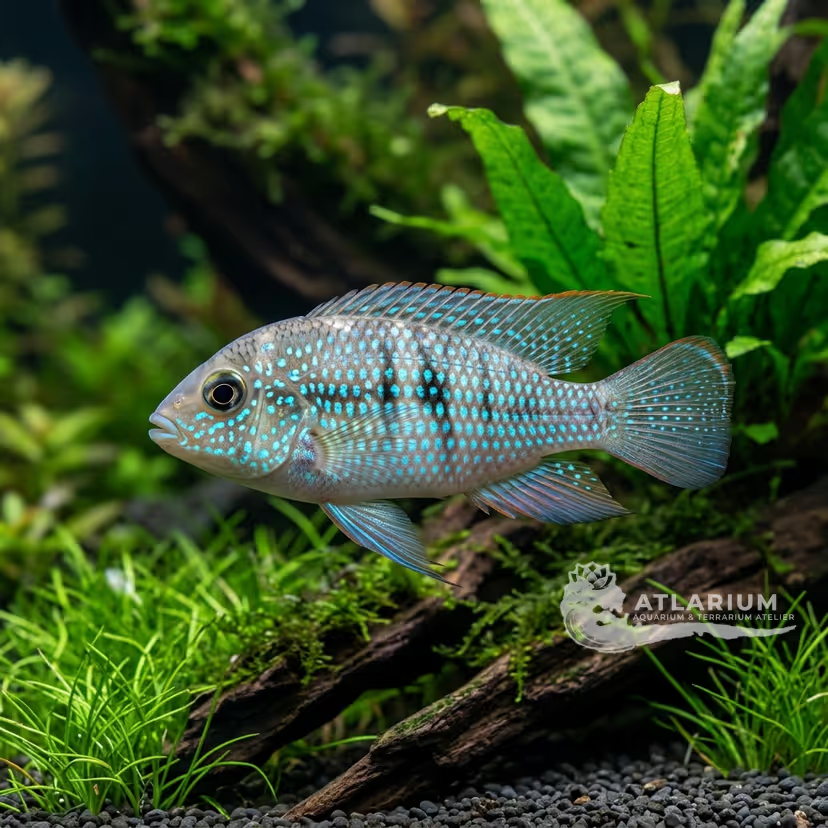
African Butterfly Cichlid
Anomalochromis thomasi
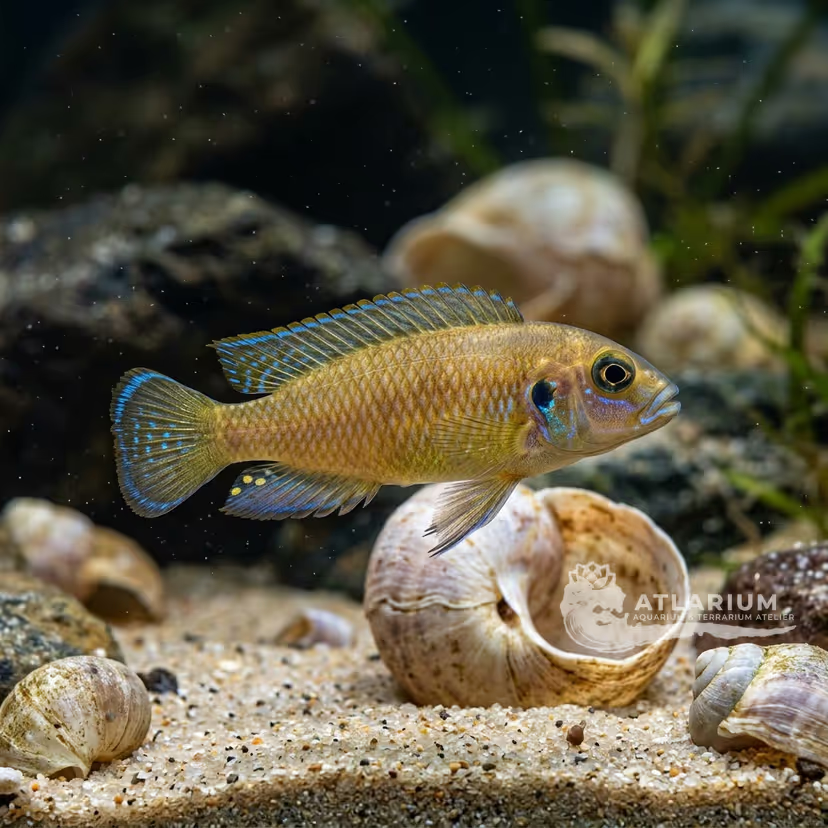
Ocellated Shell-dweller (L. ocellatus)
Lamprologus ocellatus

T-Bar Cichlid (Sajica)
Amatitlania sajica
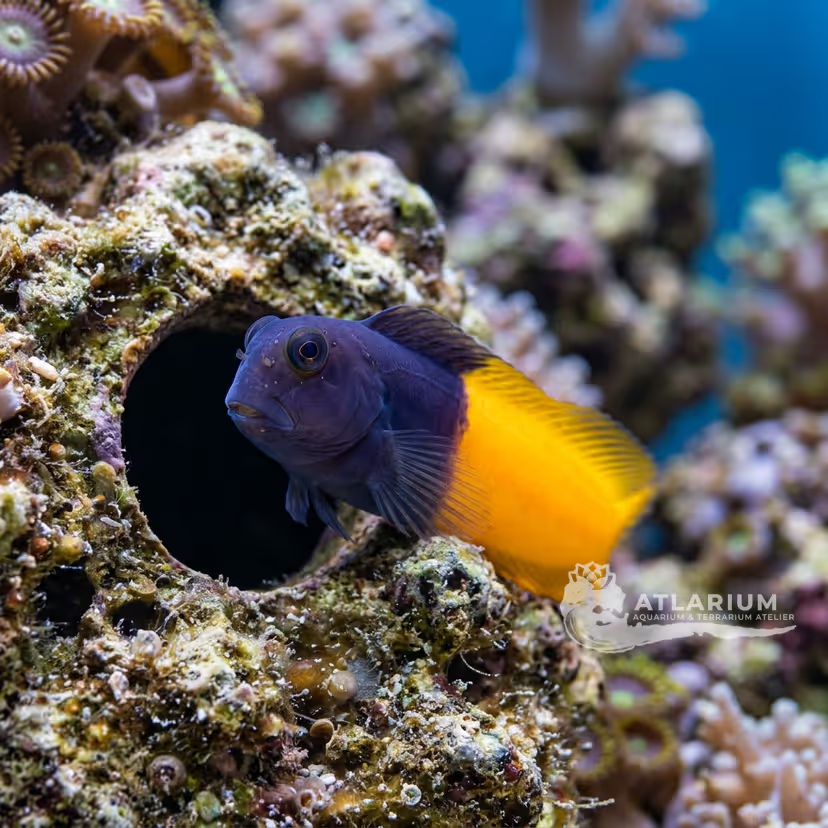
Bicolor Blenny
Ecsenius bicolor

Kadango Red Fin
Copadichromis borleyi

Yellow Dwarf Cichlid (Yellow Convict)
Amatitlania nanolutea

Blue Acara
Andinoacara pulcher
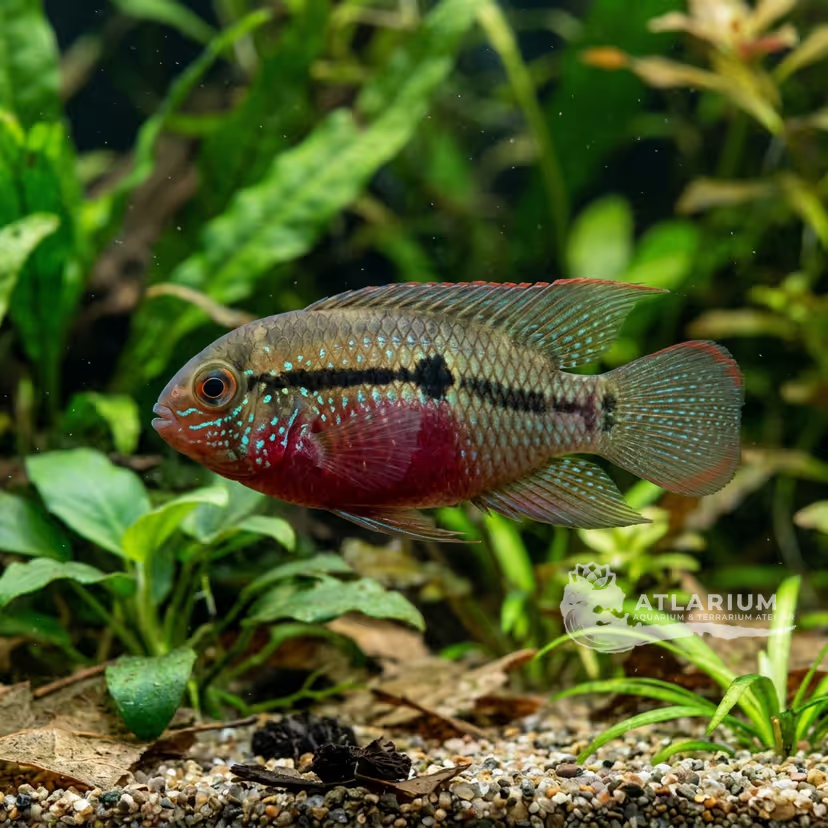
Redbreast Acara
Laetacara dorsigera

Zebra Nerite Snail
Vittina natalensis

Bolivian Ram
Mikrogeophagus altispinosus

Nicaragua Cichlid (Macaw Cichlid)
Hypsophrys nicaraguensis

Agulha Tetra
Hyphessobrycon agulha
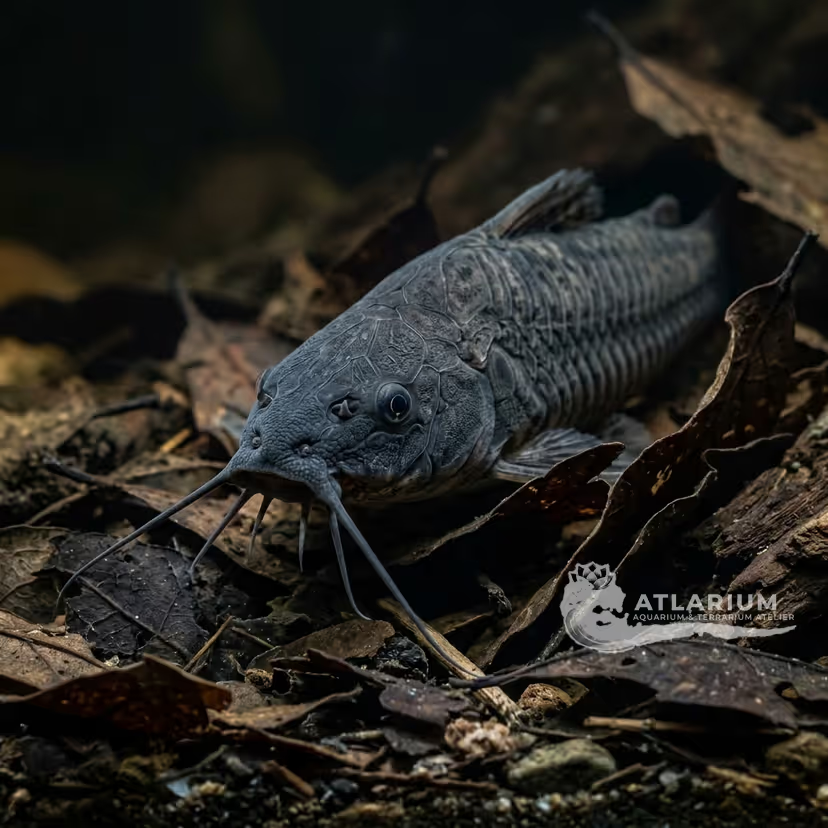
Cascarudo, Armored Catfish
Callichthys callichthys

Java Barb
Systomus rubripinnis

Napo Corydoras
Corydoras napoensis
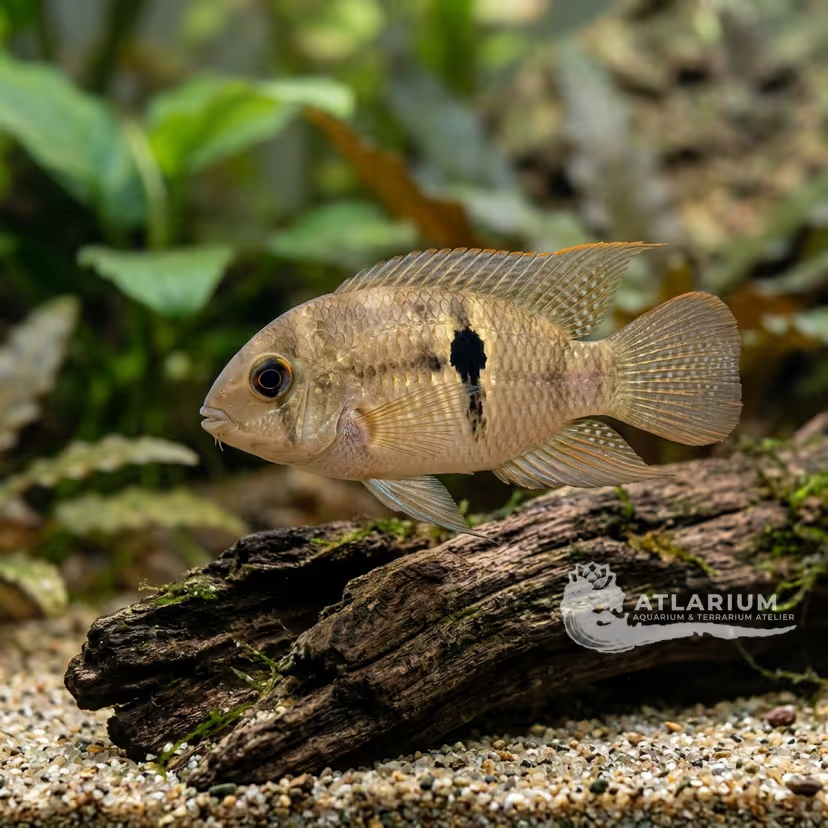
Keyhole cichlid
Cleithracara maronii