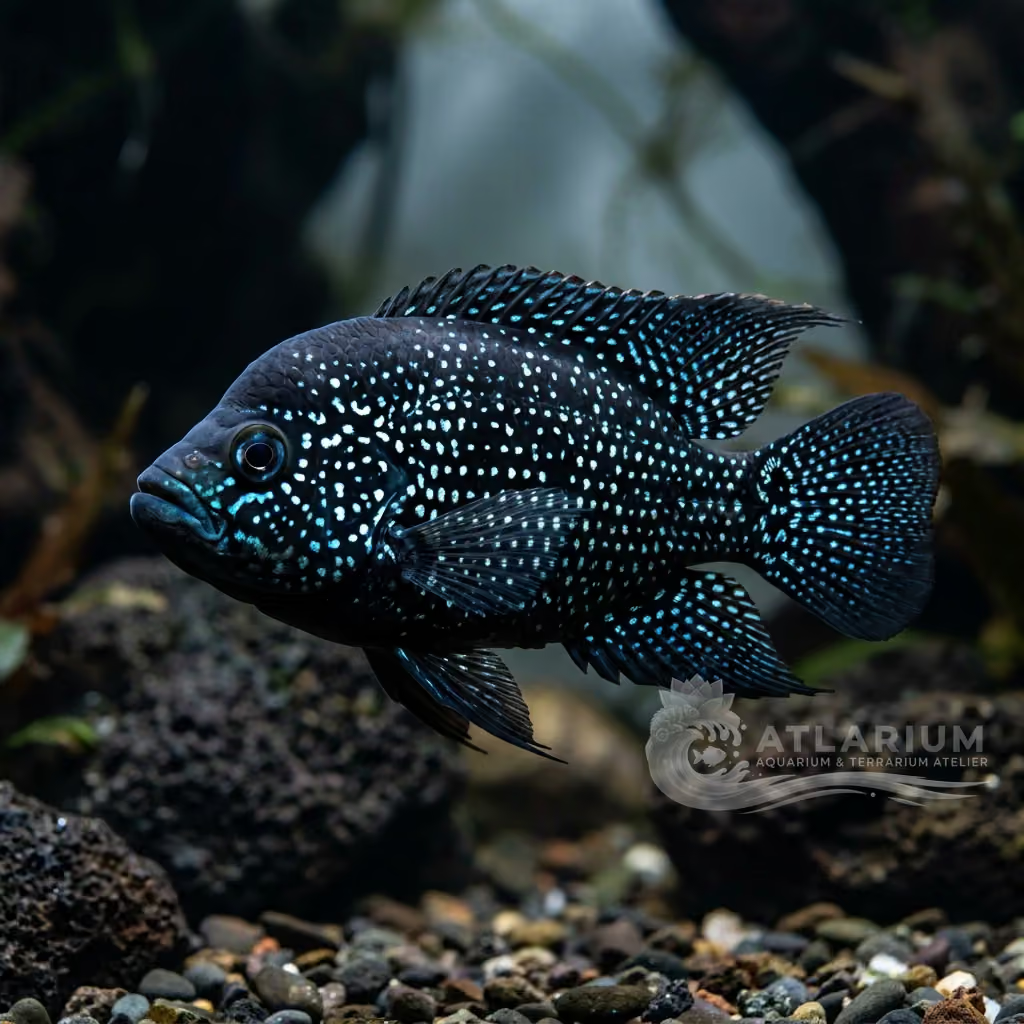
Savory's Princess
Neolamprologus savoryi
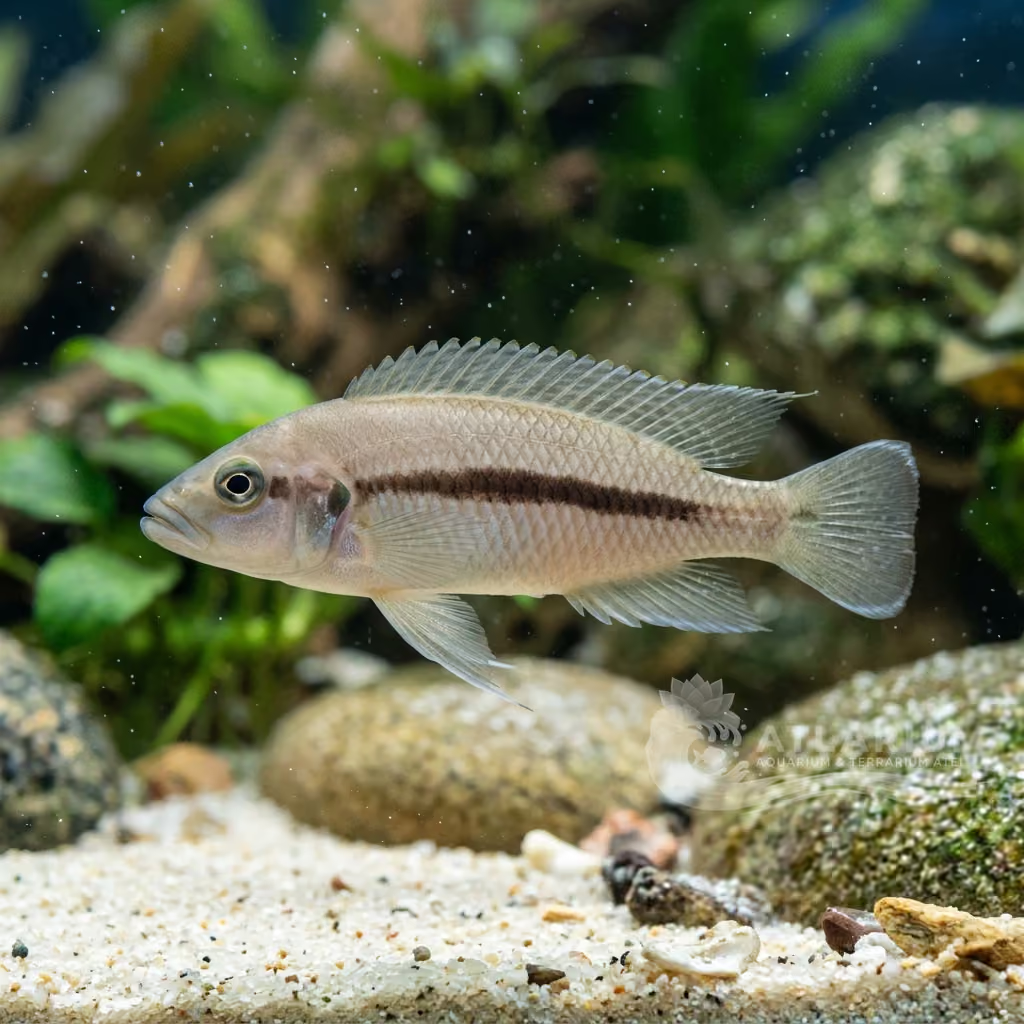
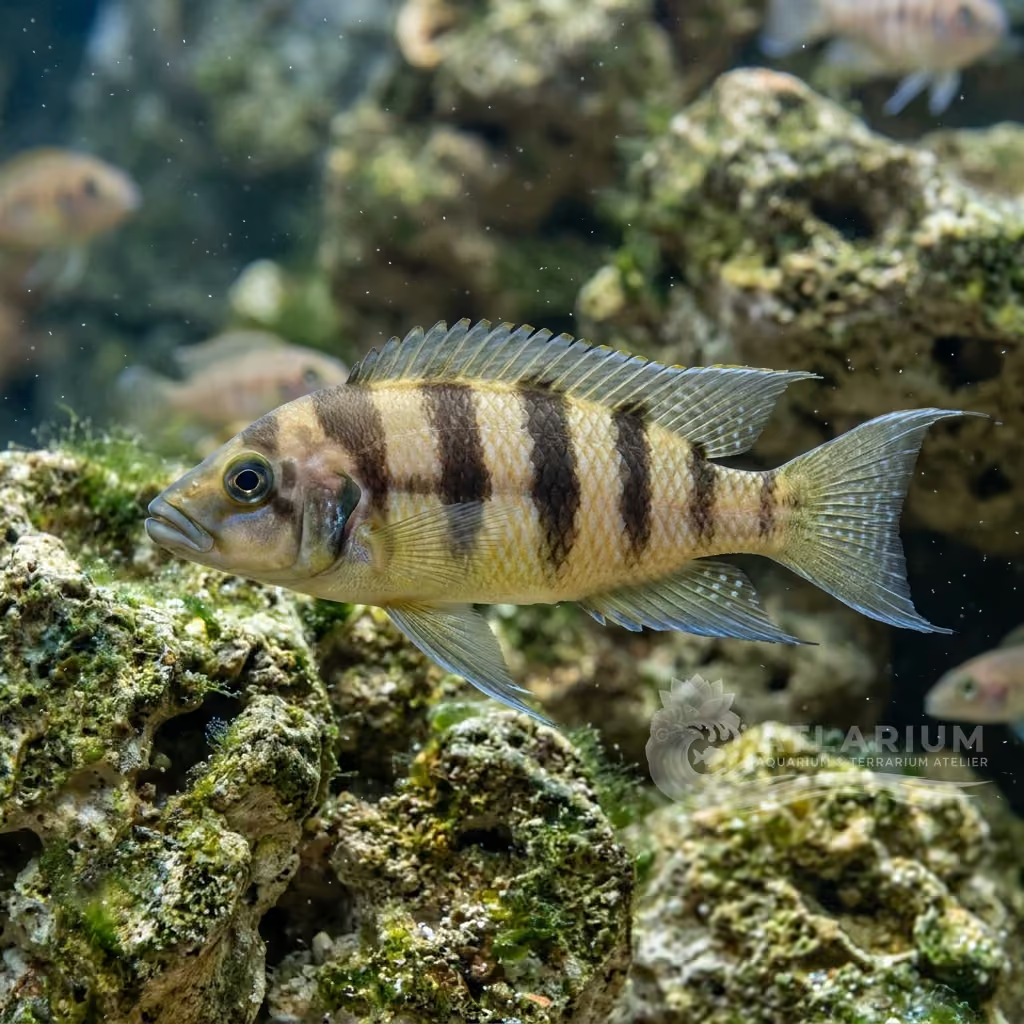
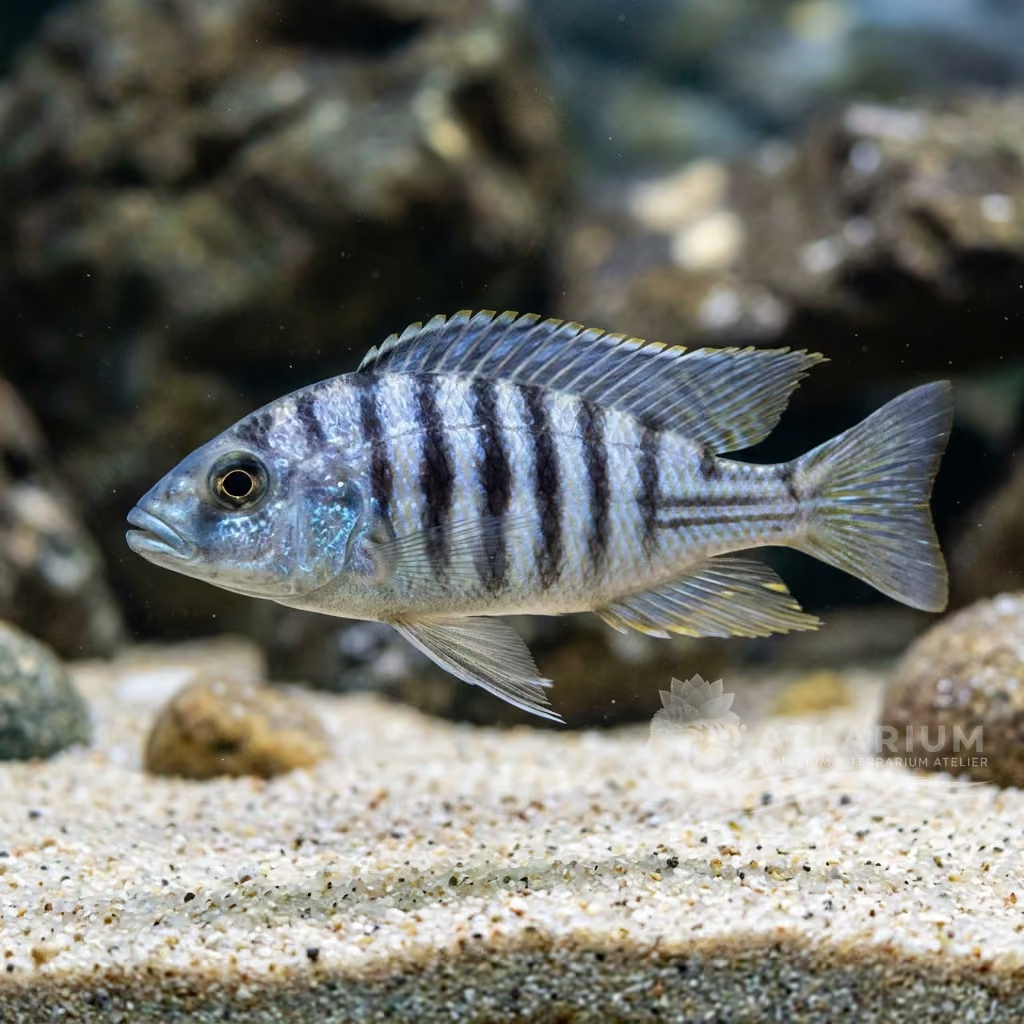
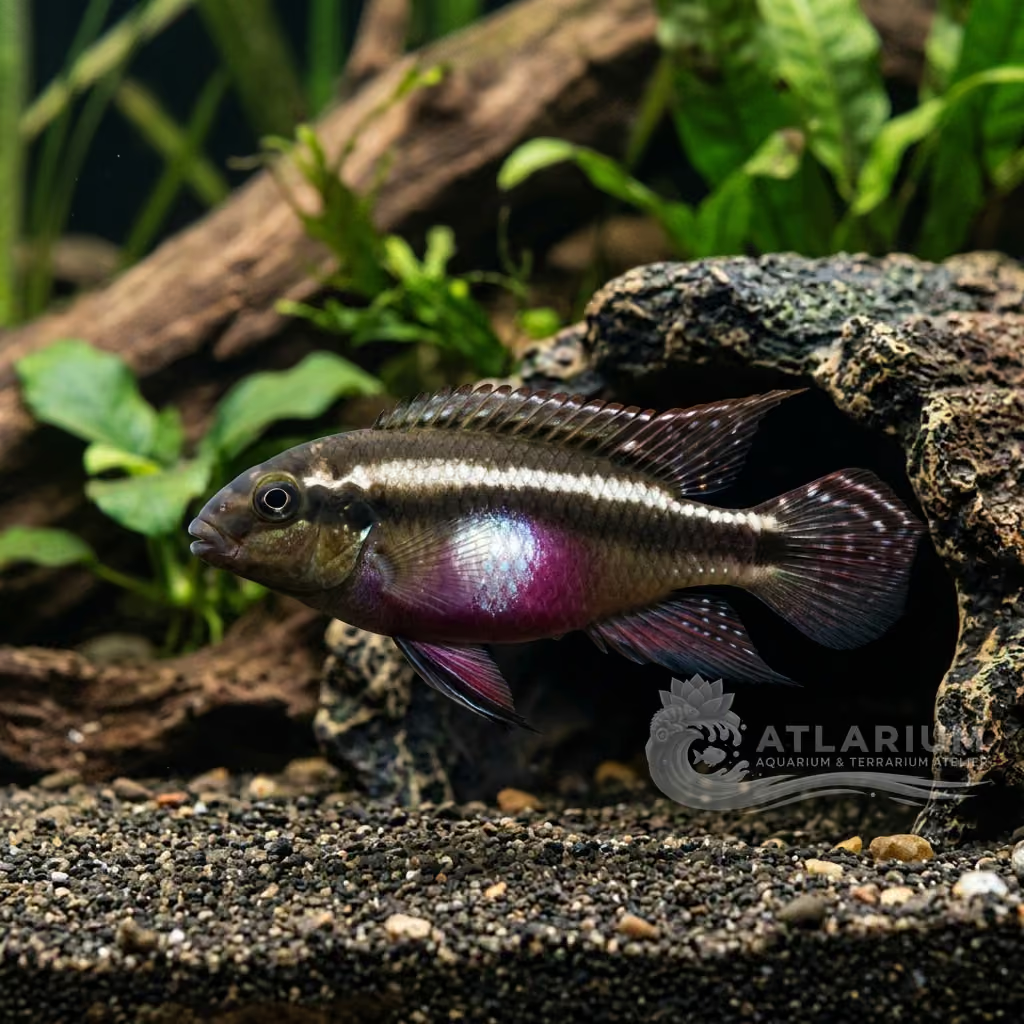
A dwarf (7 cm max) but brutal relative of N. brichardi. Gray body crossed transversely by clear vertical black bars and without long filaments on the fins.
Water Temperature
23 - 26 °C
pH Value
7.5 - 9
Water type
Freshwater
Tank level
Bottom
Adult size
7 cm
Minimum tank volume
>= 120 L
Minimum group
>= 1
GH
12 - 25 dGH
KH
10 - 20 dKH
TDS
280 - 575 ppm
Conductivity
438 - 898 uS/cm

Species description
Geographical Origin and Habitat: Strictly endemic to Lake Tanganyika, Africa, heavily concentrated within the southern half of the lake's basin. It is an absolute, extreme inhabitant of the shallow benthic rocky littoral zone (rocky shoreline habitats). It inextricably ties its survival to broken rubble screes, fine sediments, and incredibly tight, inaccessible vertical rock crevices—a highly specialized micro-habitat that offers bulletproof protection against massive lake predators and heavy surface wave action.
Taxonomy and Morphology: A cryptic, stocky, and highly underrated dwarf member of the Neolamprologus genus. It is frequently, yet incorrectly, lumped superficially into the elegant Brichardi/Pulcher "Fairy Cichlid" complex, representing instead an isolated, rugged evolutionary branch. Physically, it sports a "rough-hewn", muscular, and chunky profile: it entirely lacks the sleek, graceful, torpedo proportions of a pulcher, and possesses zero flowing lyretail extensions or filaments on its fins. The body is cylindrical and deeply fleshy, with fully mature males barely scraping 8 cm (3 inches) in length, cementing its status as a true Dwarf Cichlid. It wields a distinctly short snout paired with extremely powerful jaws, evolved specifically for gripping and ripping tough zoobenthos (small snails and hard-shelled crustaceans) from the stone walls.
Social Behavior: Intensely secretive, solitary, and highly cryptic by nature. In stark, dramatic contrast to the sprawling, cooperative multi-generational family colonies of the brichardi, the savoryi forms brutally rigid, isolated, hyper-territorial monogamous breeding pairs. They live a "ghostly" existence, remaining permanently pinned to the substrate and gliding silently through the pitch-black shadows of deep caves. Do not mistake their small size for weakness: pound for pound, they possess a fiercely explosive, sour temper, and rank among the most aggressive, fearless rock-dwellers in the lake, instantly willing to lethally batter any intruder to defend their tiny fortress of rubble.
Coloration and Sexual Dimorphism: Masterful, pure camouflage designed specifically for invisibility, completely devoid of "pop" or neon colors. The base canvas is a matte, muddy dark brown, heavily washed in liver-beige or dirty graphite gray. Its defining signature—guaranteeing it vanishes entirely among dimly lit stones—are the 5 to 7 thick, prominent, jagged blackish vertical bars (tiger-like lateral bands) cutting irregularly across the entire flank. Very occasionally, a razor-thin, incredibly subtle electric blue margin traces the edges of its short, stubby unpaired fins. The eye is often encircled by a menacing dark iris. **Visual Sexing is Practically Impossible:** Males and females are exact, identical biological clones in color pattern; only the brute mass of an adult Alpha male (who develops a noticeably thicker, blockier forehead) offers a marginal clue, alongside direct observation of their vented genital papilla during active spawning.

Care, breeding and tankmates
Aquarium Setup: Despite being a dwarf fish, its disproportionately brutal aggression dictates that a tank of 80-100 cm (approximately 30-40 Gallons) is the absolute, bare minimum required to safely house *one single breeding pair*. The aquascape must prioritize hardcore function over human aesthetics: you must engineer a massive, oppressive, impenetrable dam of heavy boulders, tightly packed to occupy the entire water volume straight to the surface. The crevices created MUST be tiny, pitch-black, and extremely deep. The substrate is non-negotiable: fine calcareous aragonite or silica sand. This cichlid is driven by a desperate biological urge to furiously excavate deep trenches directly beneath the foundation rocks to feel fully barricaded inside its bunker.
Diet and Feeding: A hardcore benthic micro-predator (an extensive carnivore/insectivore). In the wild, it scours the deep rock faces, crushing and extracting gastropods, amphipods, and insect larvae. In captivity, it will absolutely, categorically reject and suffer lethal intestinal blockages from heavy vegetable or algae-based diets. It demands heavy, targeted, bottom-sinking feedings centered around whole micro-crustaceans: high-quality frozen Mysis shrimp is absolutely vital, supplemented heavily with bloodworms (chironomus) and daphnia magna. Immediately train the pair onto a premium, hyper-protein marine carnivore micro-pellet that sinks ultra-fast, ensuring the food lands directly at the doorstep of their cave before tankmates steal it.
Water Quality: Governed by the ruthless, cast-iron parameters of the Lake Tanganyika basin. They possess zero biological capacity to survive in soft or acidic water. The pH must be permanently cemented in a hyper-basic, alkaline spectrum spanning 8.5 to 9.0 (necessitating crushed coral/aragonite substrates and violent surface agitation to off-gas CO2 and buffer the water). Water hardness must be extreme (GH 15-25). Ideal, stable temperatures sit slightly cooler at 24°C - 26°C (75-79°F). Organic pollution is a death sentence: you must employ massively oversized biological canister filters ensuring excellent flow/turnover in the bottom rocky zones, coupled with drastic, religious weekly water changes to eradicate toxic nitrates from the water column.
Compatibility and Cohabitation: Exceptionally difficult. Highly incompatible with fish of similar morphology (e.g. other gray rock-dwelling cichlids or Julidochromis), which will be hunted and murdered instantly if they breach the 3-foot "kill radius" surrounding their cave. Never attempt to house multiple males of this species in the same tank; they will tear each other to shreds. They excel in massive Tanganyikan community setups (minimum 150 cm / 5+ feet long) ONLY when paired with rapid, peaceful surface-dwelling planktivores (such as schools of Cyprichromis leptosoma, which serve as crucial, calming "Dither Fish"), or carefully calculated, widely-spaced combos with open-sand Shell-Dwellers (e.g. Lamprologus multifasciatus), towards which the rock-bound savoryi will exhibit complete territorial disinterest.
Aquarium Breeding: Classic, highly secretive, and deeply paranoid "Cave Spawners". A bonded pair will obsessively scrub the ceiling or the sheer vertical walls of the most deeply buried, inaccessible rock crevice in the aquarium (if you built the rockwork correctly, you will never see the eggs). The deposition of their tiny, sparse amber eggs is performed completely upside down. The parents instantly enact a militaristic lockdown of the bunker perimeter (escalating to violently attacking the owner's fingers if plunged into the tank for maintenance). The incredibly rare, soot-black fry will eventually emerge crawling on the floor of the cave, feeding greedily on live baby brine shrimp squirted into the hole, instantly darting back into microscopic cracks at the slightest shadow of movement.
Risks and Diseases: 1. The Lethal Cave-in Disaster (Structural Collapse): Building heavy rock walls or coral reefs by resting the stones ON TOP OF the sand guarantees tragedy; the pair's obsessive, massive excavation work will eventually undermine the foundation, causing a ten-pound boulder to collapse and horribly crush the fish to death. Rocks must always rest directly on the bare bottom glass. 2. Gill Hemorrhage & Asphyxiation: Sudden chemical crashes (alkalinity drops plunging the pH below 8.0) violently strip the slime coat and burn gill tissues, inducing lethal asphyxiation marked by heavy, rapid gasping at the water surface. 3. Domestic Violence: Due to their notoriously sour temperament, a frustrated male will relentlessly hunt and kill his only female mate if the tank is bare and devoid of blind, winding tunnels where she can permanently escape his direct line of sight.

Geographic origin and distribution
Strictly endemic to Lake Tanganyika, Africa, heavily concentrated within the southern half of the lake's basin. It is an absolute, extreme inhabitant of the shallow benthic rocky littoral zone (rocky shoreline habitats). It inextricably ties its survival to broken rubble screes, fine sediments, and incredibly tight, inaccessible vertical rock crevices—a highly specialized micro-habitat that offers bulletproof protection against massive lake predators and heavy surface wave action.
Origin
Africa and Madagascar

Fish profile
- Temperament
- Semi-aggressive
- They are highly secretive, solitary, and extremely aggressive when their territory is approached. They prefer to stay hidden in the shadows of their caves, only emerging to snatch food or attack an intruder. Their reclusive nature and fierce territoriality make them a challenging but rewarding species for experienced aquarists.
- Diet
- Carnivore
- They are carnivores that hunt for small crustaceans and invertebrates among the rocks in their natural habitat. In the aquarium, they require a high-protein diet consisting of sinking cichlid pellets, mysis shrimp, and chopped krill. Avoid feeding them significant amounts of vegetable matter or mammalian proteins.
- Life expectancy
- 5-8 years
- Adult size
- 7 cm
- Sex ratio
- Pair
- Due to their extreme conspecific aggression, keeping multiple males or un-bonded females together is highly discouraged. The best practice is to purchase a small group of juveniles, allow a pair to form, and promptly remove the rest. Once a pair is established, they form a strong bond and will jointly defend their territory.
- Feeding frequency
- Twice daily
- Feed them small portions once or twice a day to satisfy their predatory appetite. Ensure they consume all the food within a few minutes, as uneaten high-protein food will quickly ruin the water quality. Target feeding may be necessary if they are reluctant to leave their caves during feeding time.
- Bioload
- Low to Medium
- This small to medium-sized cichlid produces a moderate bioload. They are extremely sensitive to poor water conditions and high nitrates, demanding a robust biological filtration system. Frequent, large water changes are absolutely essential to ensure they remain healthy and stress-free.
- Flow
- Stagnant
- They prefer a moderate water flow that provides excellent oxygenation, simulating the deeper rocky habitats of Lake Tanganyika. The current helps keep their deep crevices free of detritus but shouldn't be excessively strong. A steady, gentle flow across the rockwork is ideal.
- Jump risk
- No
- Reproduction
- Oviparous
- They are secretive cave spawners that require very tight, enclosed spaces to feel secure enough to breed. The female lays a small number of eggs deeply hidden in a crevice and guards them fiercely. The male will aggressively defend a large perimeter around the chosen cave against any intruders.
- Compatibility & tankmates
- With caution
- They are highly aggressive and fiercely territorial, showing extreme intolerance towards conspecifics outside of a bonded pair. They can be kept in a very large Tanganyikan community tank with differently shaped cichlids that occupy different niches. Small, peaceful fish will likely be attacked or killed if they wander into their territory.
- Tank level
- Bottom
- They are strictly bottom-dwellers that are inextricably tied to their elaborate rock formations. They spend their days hovering near the entrances of their caves or darting between crevices. They almost never swim out into the open water column.

Scientific Parameters & Models
FishBase
Window to the official scientific data of the species
FishBase v25.04Data synced on: 06/15/2026
- Trophic level
- 4.2 ± 0.3 se
- Resilience
- High (less than 15 months)
- Phylogenetic uniqueness (PD50)
- 0.5
- Bayesian Length-Weight
- a = 0.01445, b = 2.99
- VulnerabilityLow vulnerability (10 / 100)

Related species
Recommendations grouped by close relatives, companion choices, and similar care.