Dwarf Ambulia
Limnophila sessiliflora
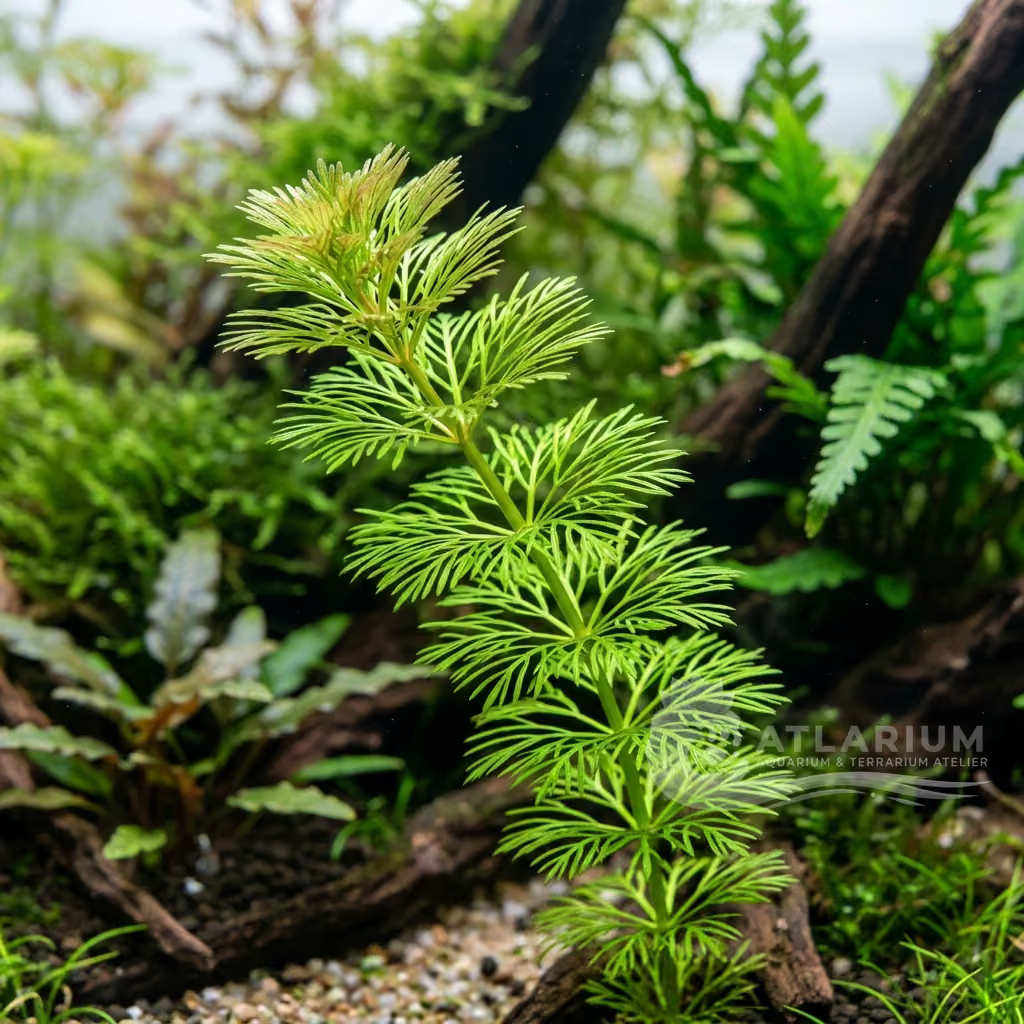
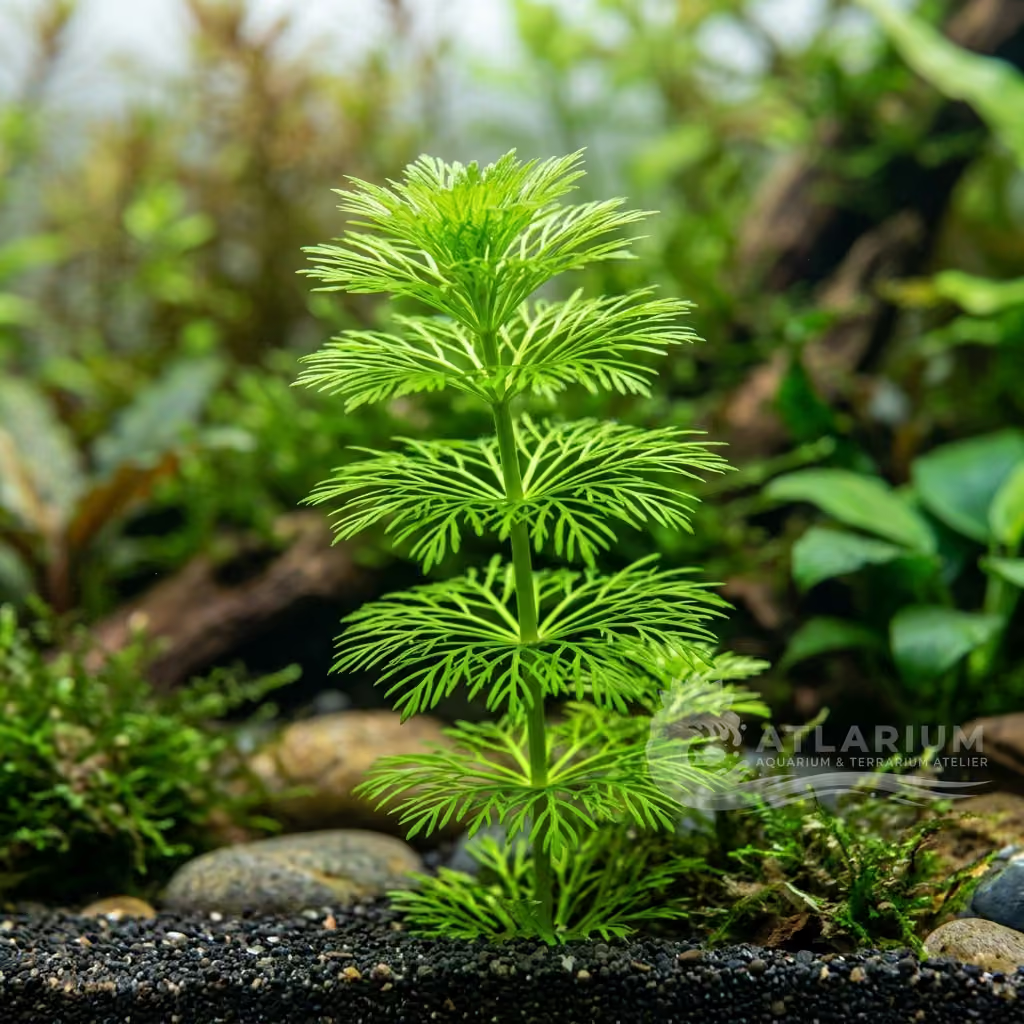
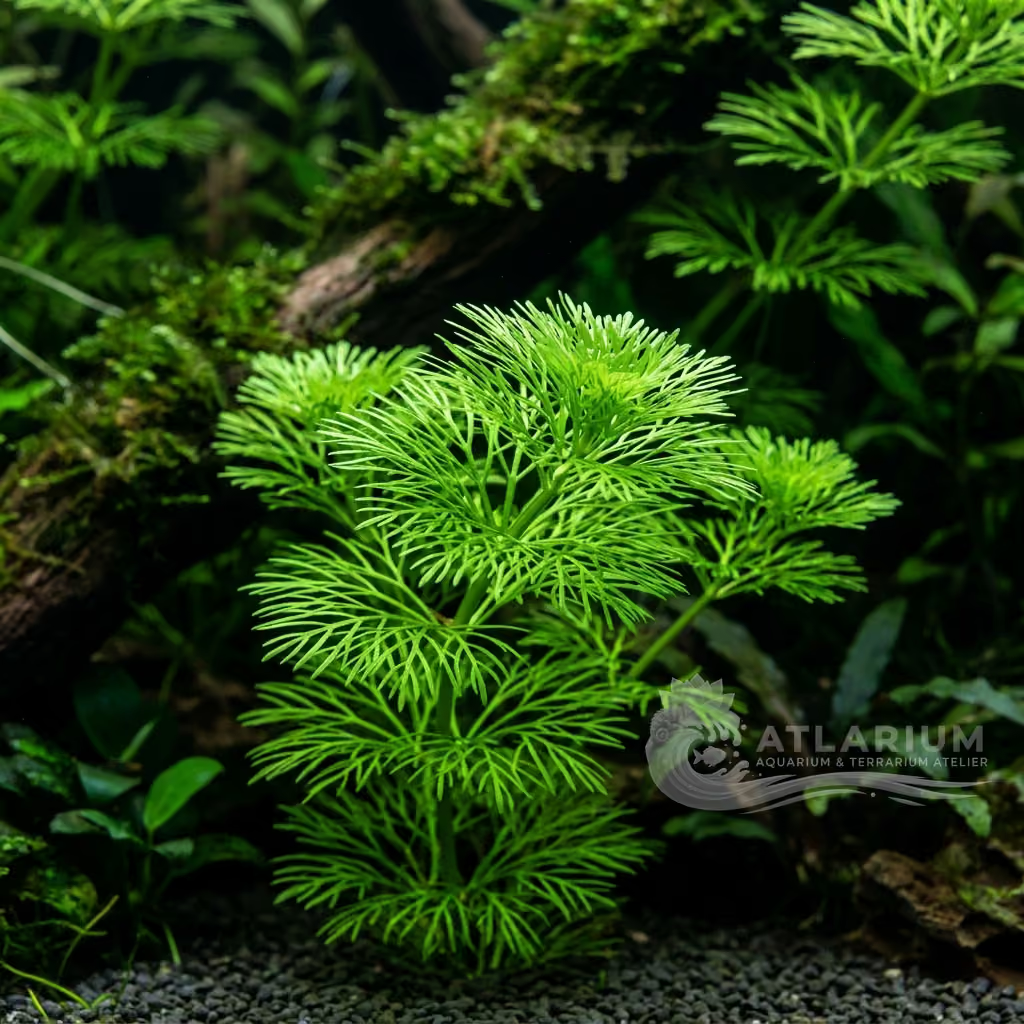
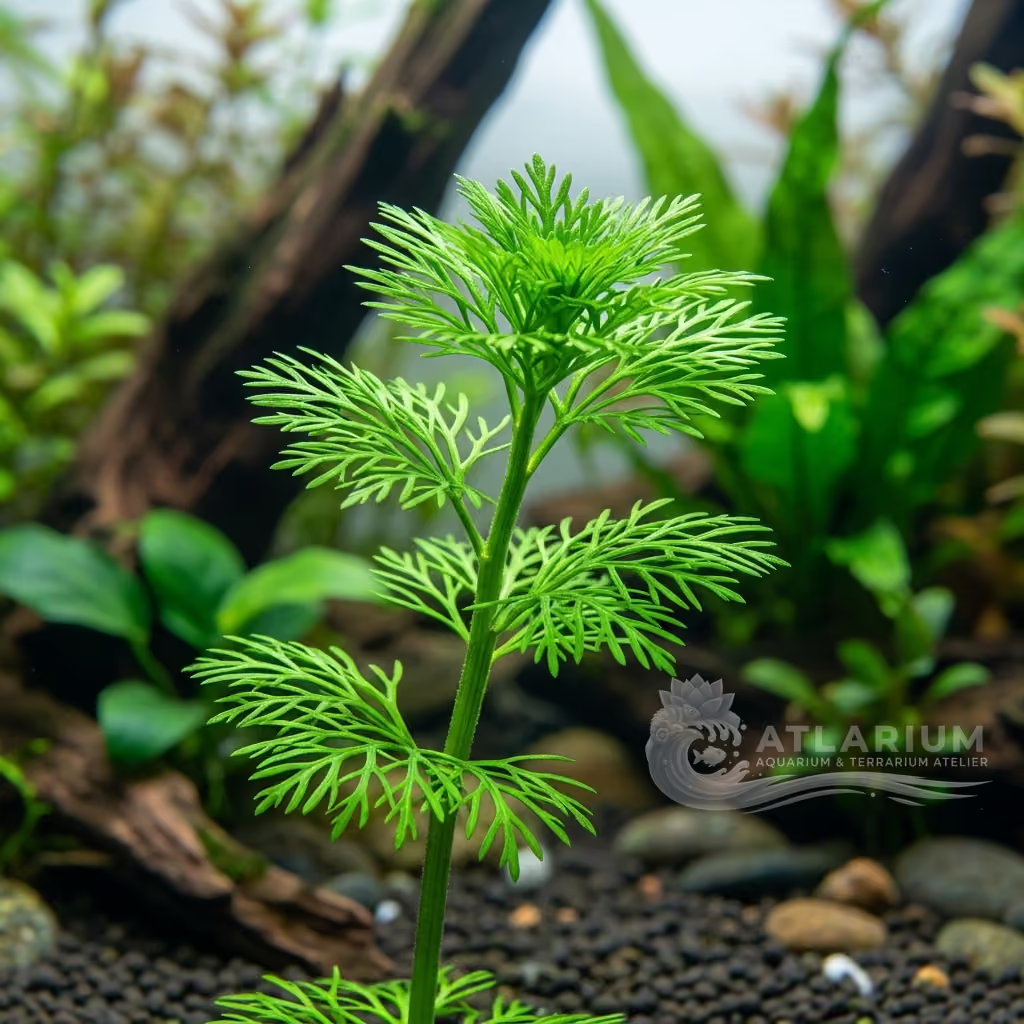
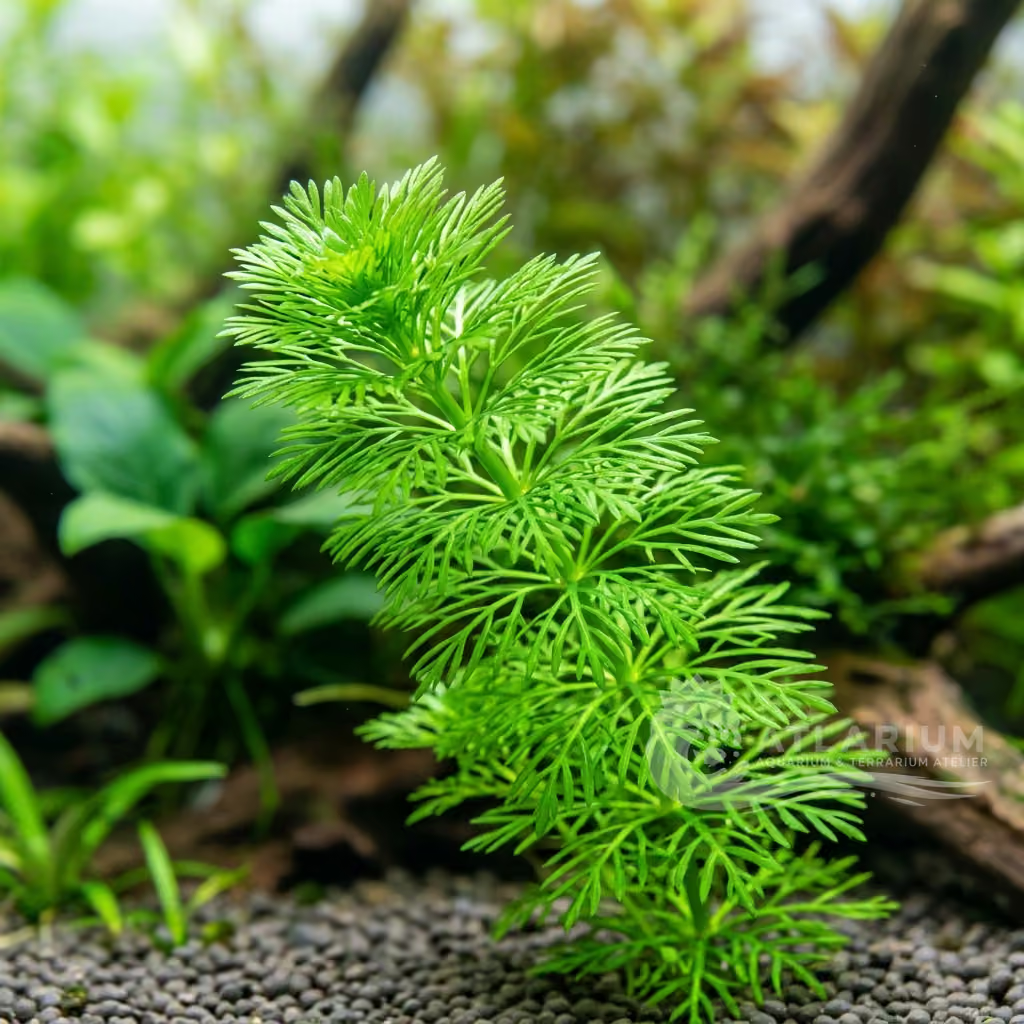
An extremely fast-growing stem plant with light green, feathery leaf whorls. It is one of the easiest stem plants to grow, excellent for preventing algae and filling the background.
Water Temperature
15 - 28 °C
pH Value
5.5 - 8
Water type
Freshwater
Light
Bassa
CO2
Bassa
Expected height
40 cm
Expected width
5 cm
GH
4 - 20 dGH
KH
2 - 15 dKH

Species description
Geographical Origin and Habitat: Limnophila sessiliflora is native to Southeast Asia, widely distributed in countries such as India, Sri Lanka, China, Japan, and Malaysia. It grows in a variety of calm or slow-flowing aquatic habitats, including marshes, ponds, rice paddies, and riverbanks. It adapts to both emersed and submerged conditions, showing rapid and vigorous growth.
Taxonomy & Genetics: Belonging to the Plantaginaceae family (historically Scrophulariaceae), it is commonly known as "Dwarf Ambulia." Genetically, it is a diploid plant known for its rapid vegetative growth rate and ease of clonal reproduction through stem cuttings. It exhibits high genetic tolerance to a wide range of nutrient levels.
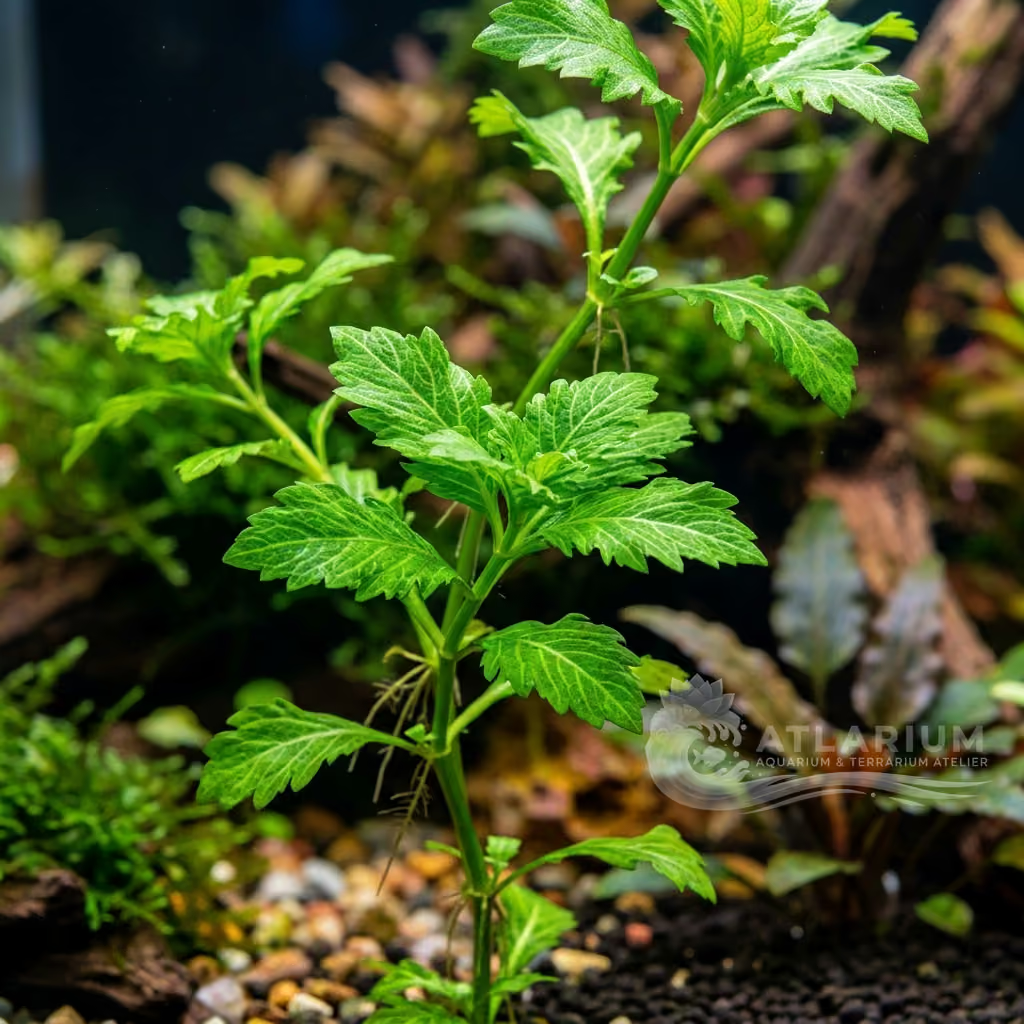
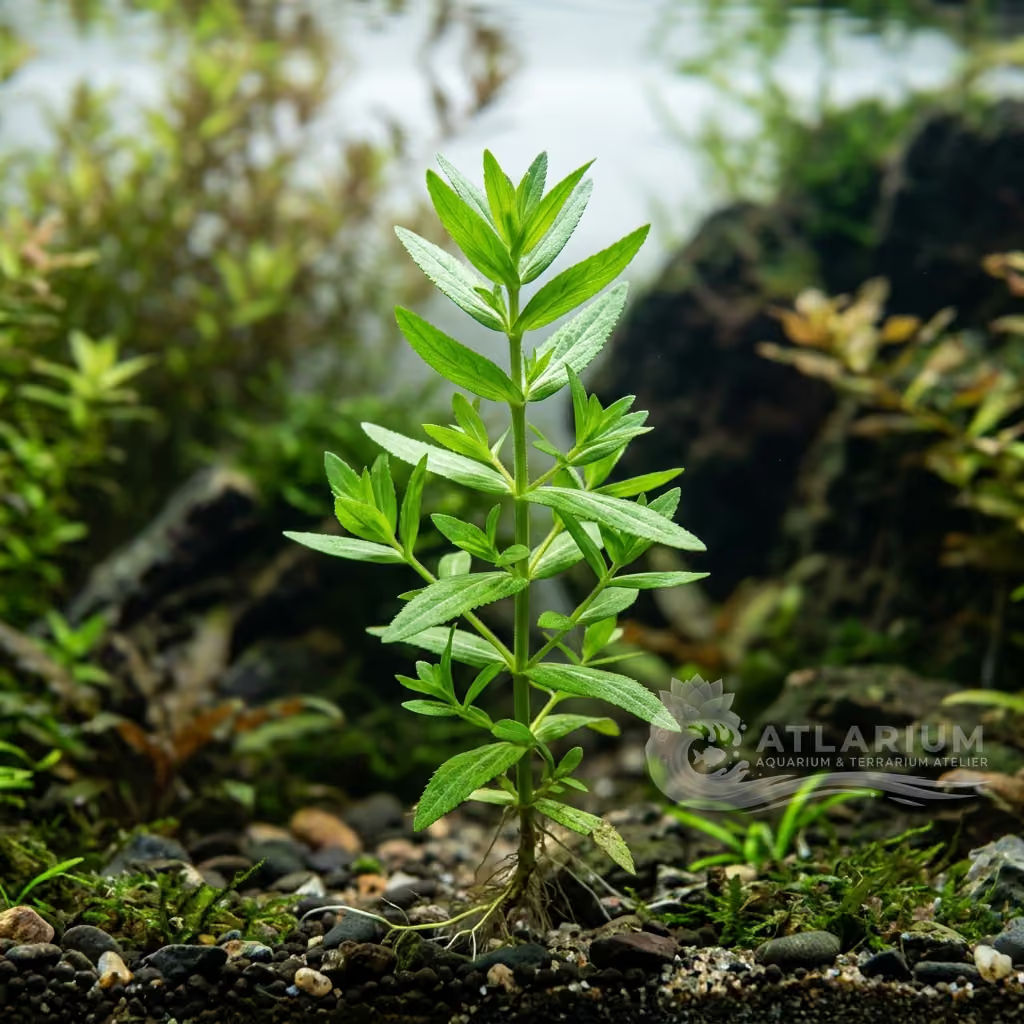
Physical Structure: It features thin yet sturdy erect, branched stems along which the leaves are arranged in regular whorls. Submerged leaves are finely divided and needle-like, giving the plant a typical soft, feathery appearance. The root system is fibrous and develops rapidly in the substrate.
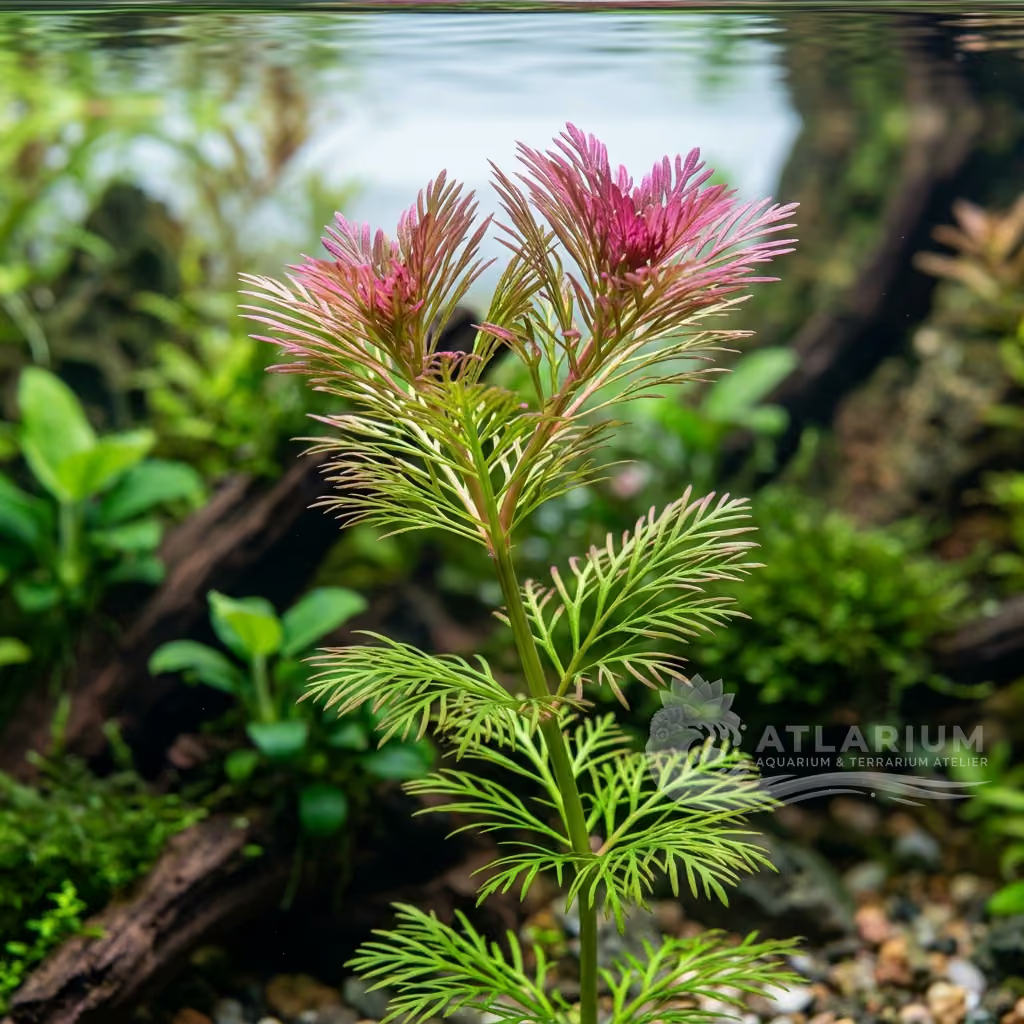
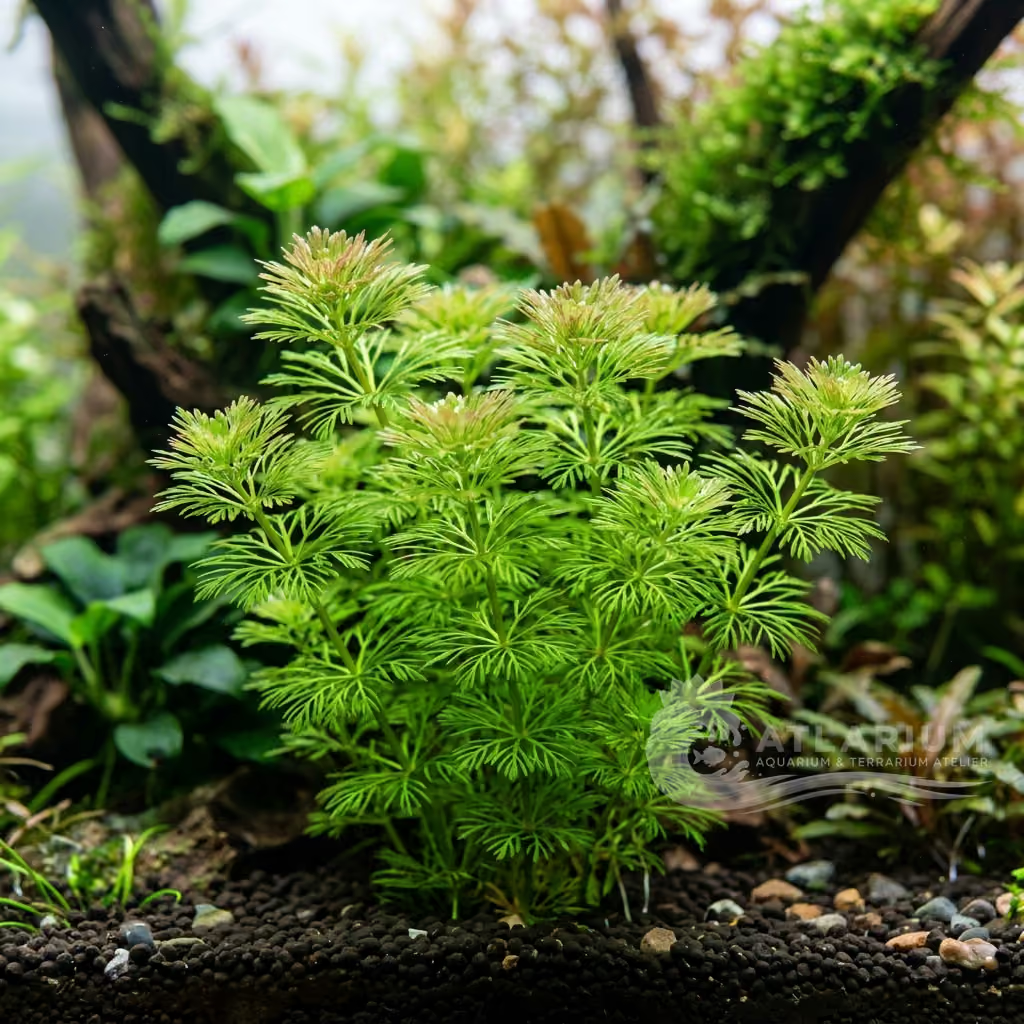
Color & Texture: Submerged leaves are bright light green, almost lime or acid green. Under very intense lighting, the tips of the apical shoots can develop reddish or bronze hues. The texture is soft, feathery, and airy, offering a magnificent visual contrast with broad-leaved plants.

Care, breeding and tankmates
Lighting & CO2: Adapts to lighting from low to intense. Under strong light, it grows very compactly with short internodes, while under weak light, it stretches significantly. CO2 integration is not mandatory, but it further accelerates growth and improves leaf density.
Nutrition & Substrate: Grows well in almost any substrate, but a fertile soil or sand supplemented with root tabs stimulates its development. It requires regular liquid fertilization containing iron and potassium to prevent the whorls from fading.
Water Chemistry: Extremely tolerant and adaptable. It survives in temperatures between 15 and 28°C (59-82°F), with an optimal pH range of 5.5 to 8.0. It tolerates water from soft to hard, making it ideal for beginners.
Space Management & Placement: Placed exclusively in the background due to its height (up to 40-50 cm) and extremely rapid growth rate. It should be planted in groups, spacing the stems 1-2 cm apart to prevent them from shading each other.
Pruning: Pruning must be frequent: it is done by cutting the main stem at the desired height. The cut portions (cuttings) can be inserted into the substrate to form new plants, where they will root within a few days.
Risks & Diseases: The main risk is the shading of the lower sections if the plant grows too dense, leading to the loss of basal leaves. Under severe nutrient deficiency (especially iron), the tips tend to turn white and decay.

Geographic origin and distribution
Limnophila sessiliflora is native to Southeast Asia, widely distributed in countries such as India, Sri Lanka, China, Japan, and Malaysia. It grows in a variety of calm or slow-flowing aquatic habitats, including marshes, ponds, rice paddies, and riverbanks. It adapts to both emersed and submerged conditions, showing rapid and vigorous growth.
Origin
South and Southeast AsiaEast Asia

Plant profile
- Placement
- Background
- This plant is best suited for the background of an aquarium due to its height and bushy growth. It can also be placed in the midground if trimmed regularly to maintain a lower profile. Grouping several stems together creates a dense, attractive thicket. Ensure it is planted where it can receive unobstructed light.
- Botanical form
- Stem
- It features a classic stem plant structure with finely divided, needle-like leaves arranged in whorls. The delicate foliage provides a feathery texture that contrasts nicely with broad-leaved plants. The bright green coloration adds a lively touch to the aquascape. Under high light, the tips may occasionally show reddish or yellowish hues.
- Growth
- Fast
- Limnophila sessiliflora exhibits a fast growth rate, especially under optimal lighting and nutrient conditions. It can quickly reach the water surface, requiring frequent trimming. Its rapid growth makes it an excellent choice for outcompeting algae. New aquarists often enjoy its fast response to good conditions.
- Substrate
- Low
- Limnophila sessiliflora is a notoriously undemanding fast-grower that adapts readily to almost any type of substrate, from simple inert gravel to plain sand. The plant's root system is predominantly used for anchoring, with the majority of its essential nutrients absorbed directly from the surrounding water column. A shallow substrate layer of about 3 to 4 centimeters is more than adequate to hold the delicate stems firmly in place. While it does not require a specialized nutrient-rich soil, providing a stable bed prevents the stems from floating away during their rapid vertical growth.
- Column fertilization
- Recommended
- Liquid column fertilization is highly beneficial for this species, as it absorbs many nutrients through its leaves. A comprehensive liquid fertilizer should be dosed regularly to ensure all micro and macronutrients are available. Maintaining adequate CO2 levels further enhances its nutrient uptake and overall vigor. Regular water changes are recommended to reset nutrient levels.
- Root fertilization
- Optional
- While primarily drawing nutrients from the water column, it also develops a strong root system. A nutrient-rich substrate or root tabs can promote healthier and more robust growth. Good root nutrition helps stabilize the plant in the substrate. It is particularly helpful when first establishing the plant in a new tank.
- Trimming
- Regular
- Regular trimming is necessary to prevent it from shading other plants and to encourage lateral branching. Cut the stems just above a node using sharp scissors. The replanted tops will quickly take root and grow into new plants. Discard any older, woody bottom sections if they lose their visual appeal.
- Propagation
- Cuttings
- Propagation is straightforward through stem cuttings. Simply snip the upper portion of a healthy stem and replant it in the substrate. Ensure the cutting has at least a few sets of leaves to support new growth. Side shoots will often develop from the cut portion left in the substrate.
- Sensitivity
- Moderate
- It is generally hardy but can be sensitive to sudden changes in water parameters or insufficient light. Lower leaves may melt or drop off if the light is too dim. Algae growth on its fine leaves can occur if nutrient levels are unbalanced. Ensure good water circulation to prevent debris buildup on the leaves.
- Layout role
- Background
- Its feathery texture and fast growth make it an ideal background filler. It creates a soft, natural look that contrasts well with hardscape materials and broad-leaved plants. The dense growth provides excellent hiding spots for shy fish and fry. It can also be used to conceal equipment like heaters and filter intakes.

Related species
Recommendations grouped by close relatives, companion choices, and similar care.