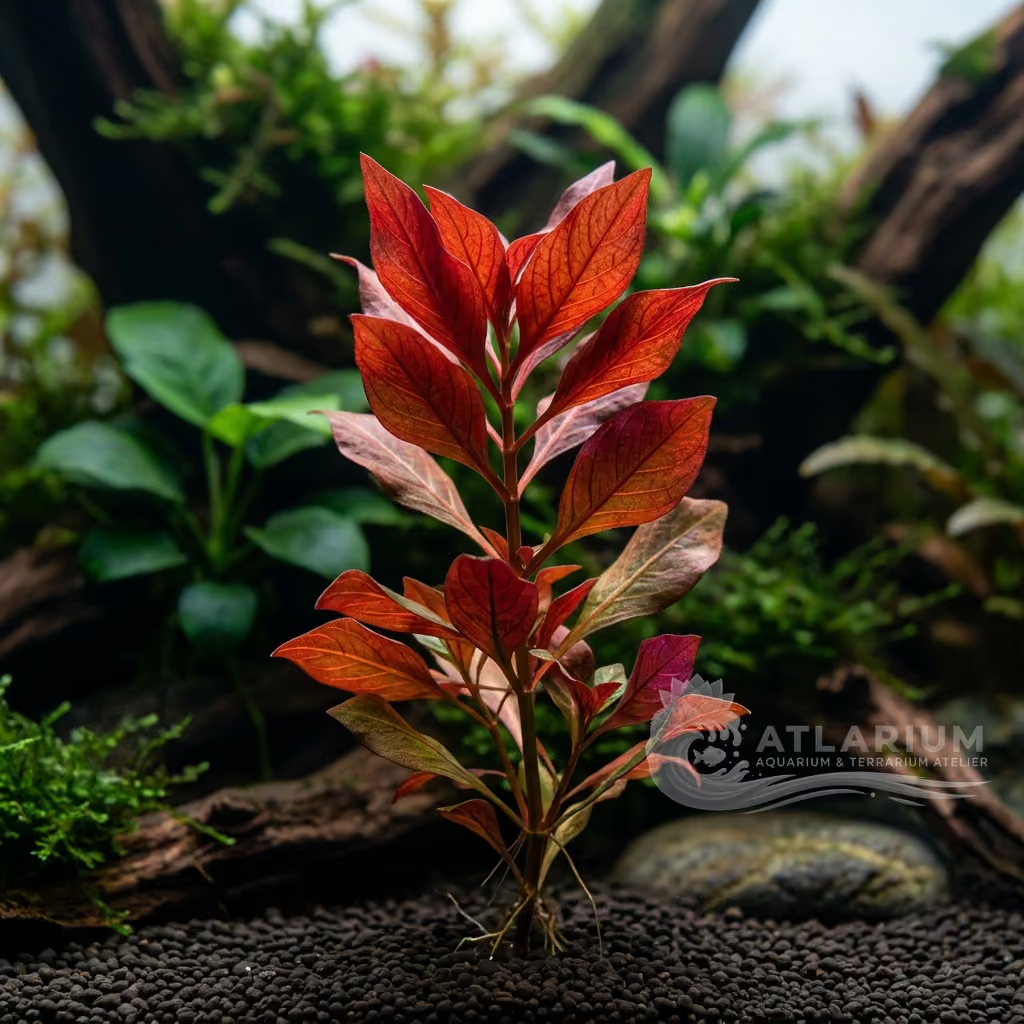
Limnophila hippuridoides
Limnophila hippuridoides
Beautiful midground plant with a fast growth rate. Perfect for the midground, providing a smooth transition in the aquascape.. Excellent focal point due to contrasting colors.. Excellent background cover to hide aquarium equipment.
Water Temperature
15 - 30 °C
pH Value
6 - 7.5
Water type
Freshwater
Light
High
CO2
Medium - High
GH
4 - 15 dGH
KH
2 - 12 dKH

Species description
Geographical Origin and Habitat: The species Limnophila hippuridoides is native to the nutrient-rich swamplands of the Malay Peninsula and southern Thailand, where it grows submersed or emersed in calm waters. In its natural environment, it is typically found in slow-flowing or stagnant waters, such as swamps, ponds, and tropical riverbanks, where it adapts beautifully to seasonal water level variations. This habitat provides a rich organic substrate and consistent, filtered light exposure. The plant's ability to grow both submersed and emersed is a testament to its extraordinary evolutionary resilience in these humid ecosystems.
Taxonomy & Genetics: From a taxonomic perspective, the plant belongs to the genus Limnophila within the family Plantaginaceae. It is distinguished from related species like L. aromatica by the shape and number of leaves in its whorls. This phylogenetic placement places it within a group of vascular plants highly specialized for aquatic life. Genetically, species in this genus exhibit high phenotypic plasticity, meaning their outward appearance can vary drastically based on available light and nutrient conditions. Selection and hybridization efforts have led to the development of specific cultivars suited for aquarium cultivation.
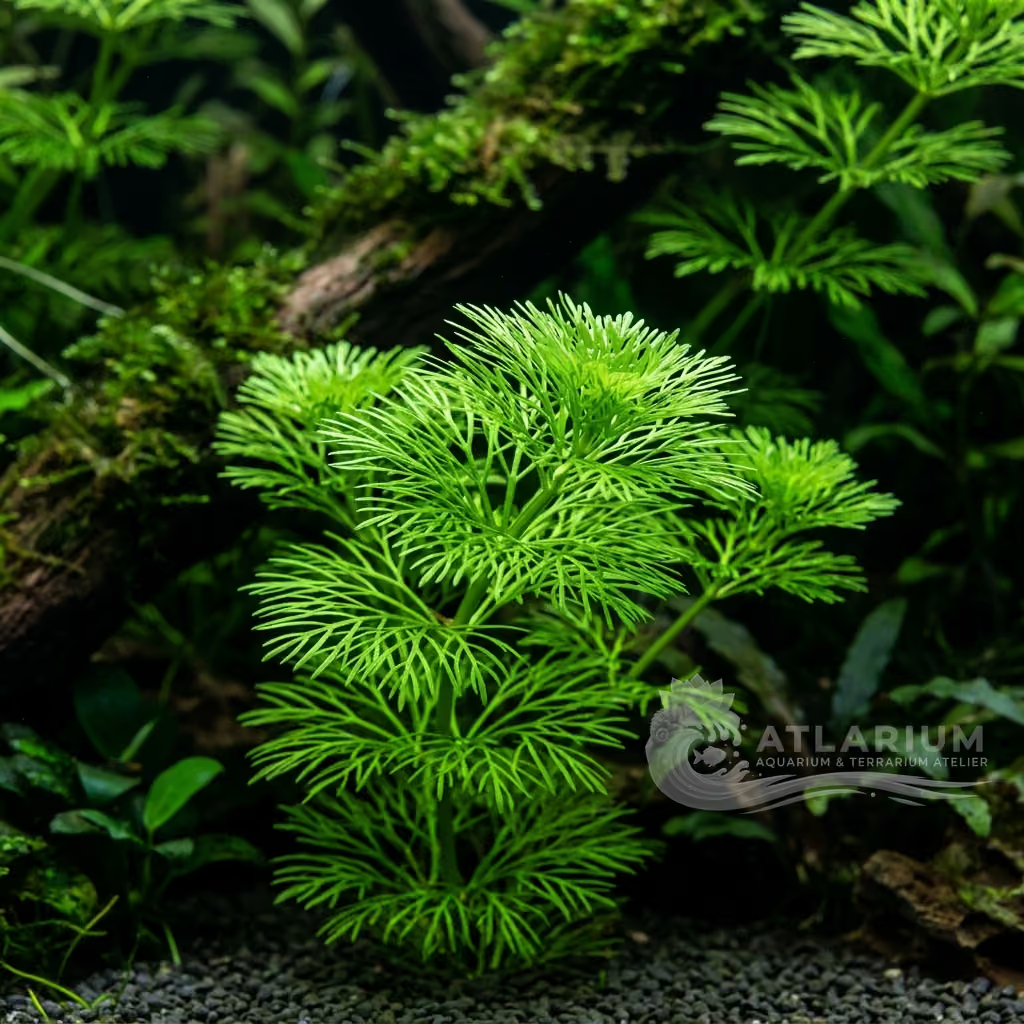
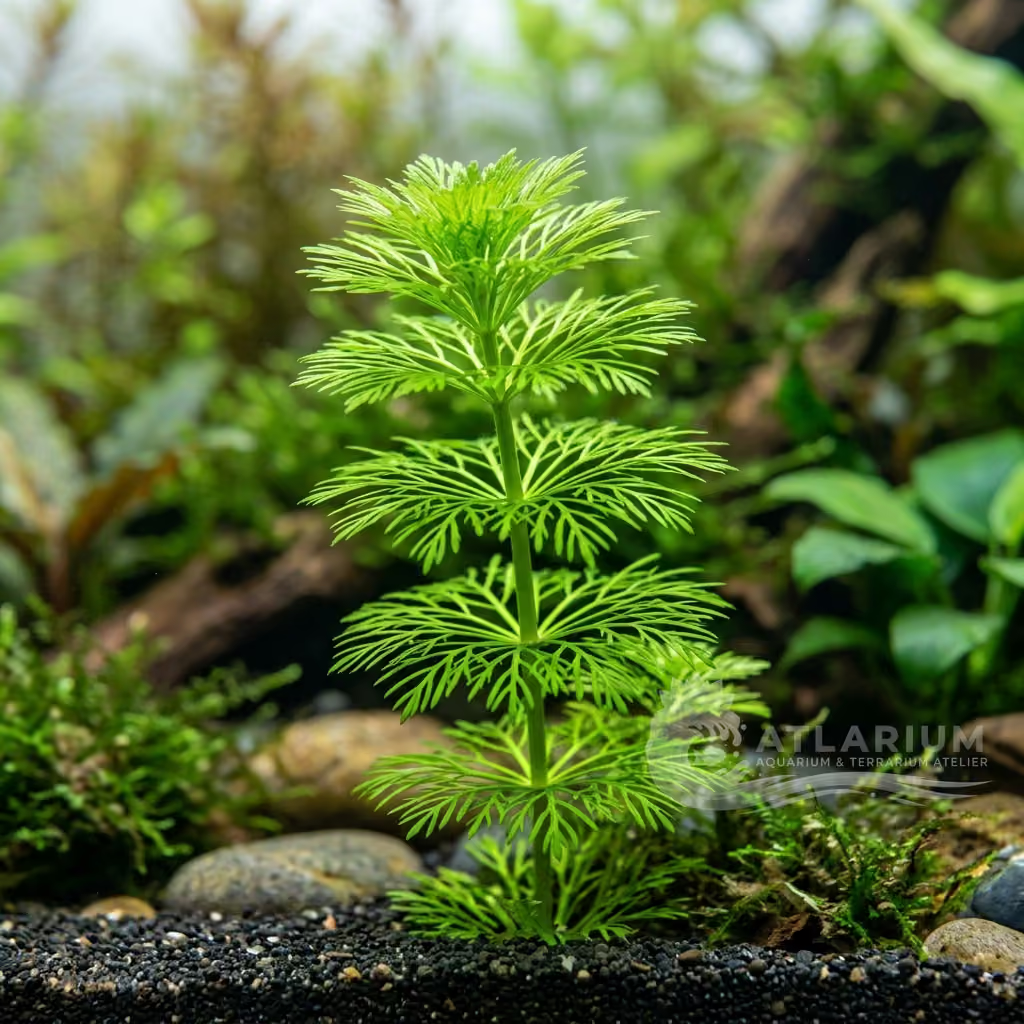
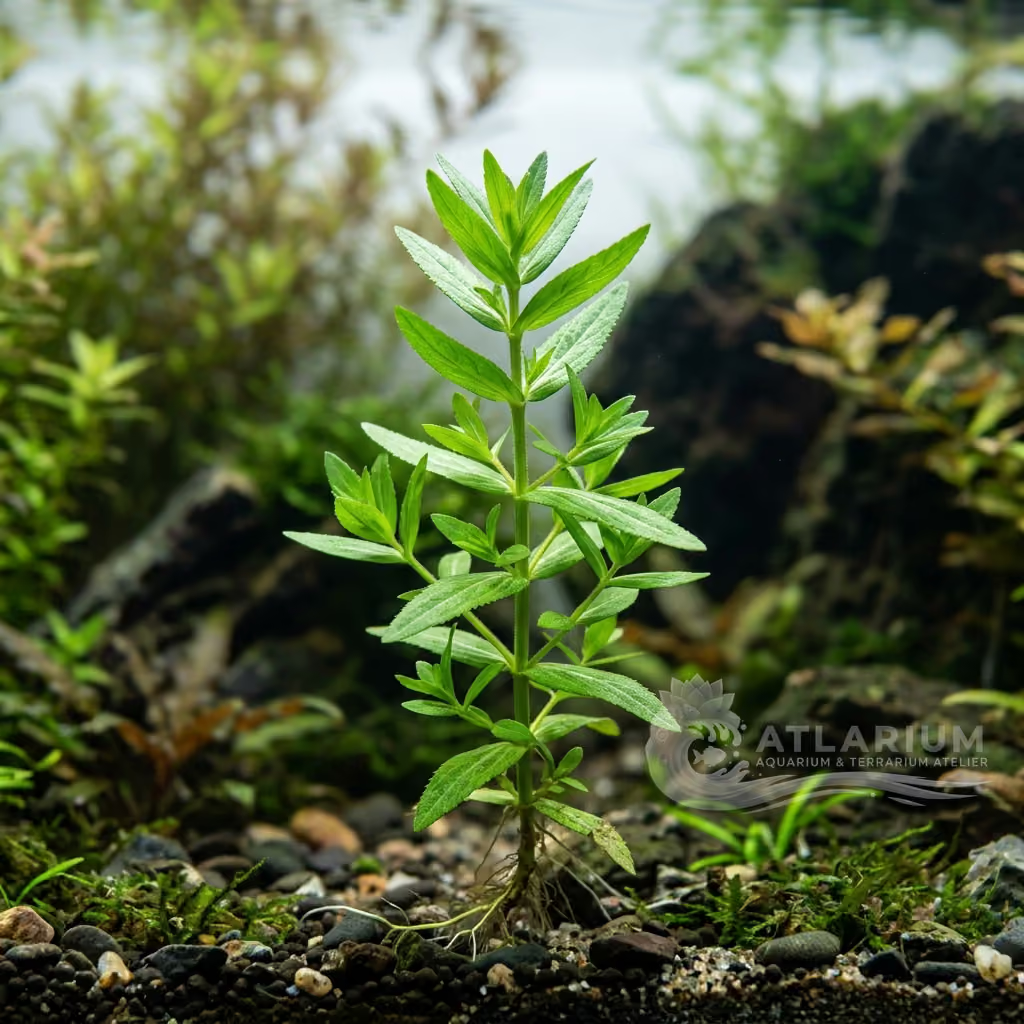
Physical Structure: The morphology of this plant is characterized by erect and robust stems with whorls of serrated lanceolate leaves that spread horizontally, creating a dense visual barrier. This structural conformation allows the plant to withstand moderate water currents and maximize the absorption of carbon dioxide and light. The root system is designed to anchor the plant firmly to the soil and absorb mineral nutrients. In aquariums, the vertical or creeping development provides excellent natural barriers and shelter zones for small fish and invertebrates.
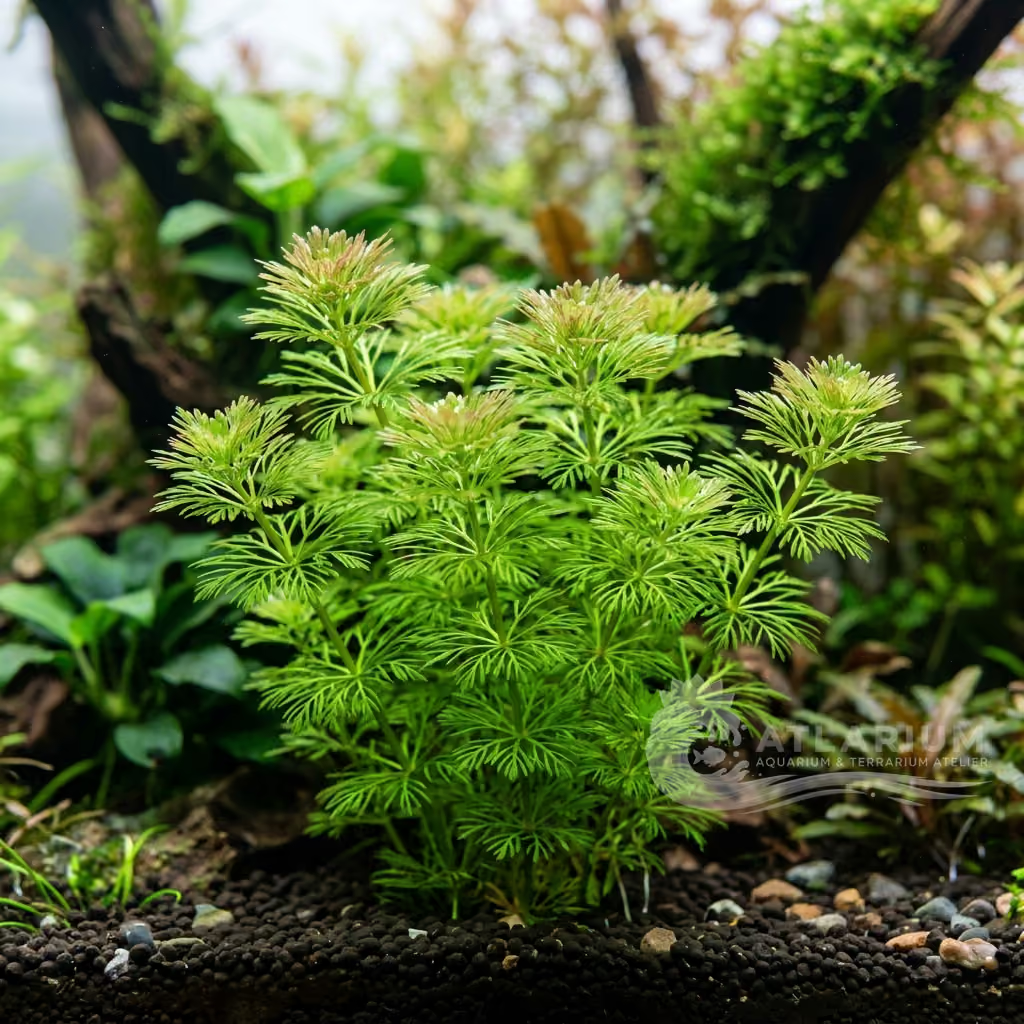
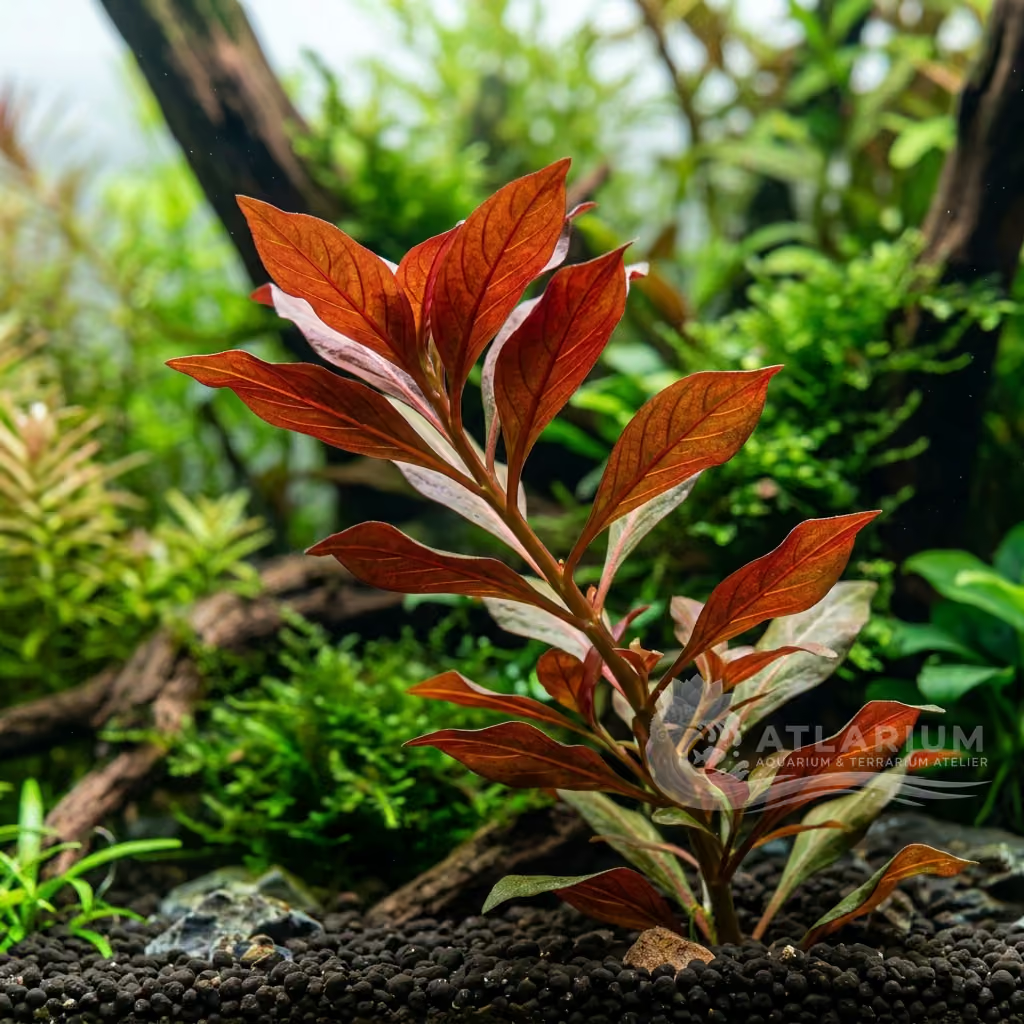
Color & Texture: Aesthetically, the plant offers a magnificent reddish-purple or intense fuchsia coloration that develops under strong lights, offering an excellent color contrast. The leaf texture, soft yet resilient to the touch, adds visual depth and a sense of naturalness to any aquascaping composition. The chromatic variation serves as an excellent color contrast compared to traditional, all-green plants. Under strong lighting and targeted fertilization, the intensity of the color reaches its maximum visual splendor.

Care, breeding and tankmates
Lighting & CO2: For optimal growth, the plant requires very intense lighting and generous CO2 dosing to induce and maintain the red colors and promote compact stems. Intense light promotes shorter internodes and the development of more saturated colors, while the CO2 supply ensures stable photosynthesis, preventing plant tissue decay. In the absence of these elements, the plant will tend to stretch excessively towards the light, losing its lower leaves and exhibiting weak, stunted growth.
Nutrition & Substrate: Nutrition must be managed by providing a rich substrate and column fertilization with iron, macro, and microelements to prevent weak stems or color loss. A fertile substrate or the use of root tabs near the root system significantly accelerates growth, while
Water Chemistry: This species prefers soft to medium water with pH 6.0-7.5, KH 2-12, and stable temperature between 15 and 30 °C. Regular water changes are recommended to maintain stable parameters and low levels of pollutants such as nitrates and phosphates. Good mechanical and biological filtration will ensure an environment free of suspended particles, which could settle on the leaves and limit photosynthesis.
Space Management & Placement: The ideal placement is the midground of the aquarium or the background, used as a spectacular chromatic focal point in groups of multiple stems. As a plant that can expand laterally or vertically, it is important to carefully calculate distances from neighboring species to avoid mutual shading. Proper water circulation among the foliage also prevents the formation of stagnant zones susceptible to bacterial infections.
Pruning: Maintenance is carried out by regularly pruning the apical stems before they reach the surface, promoting the birth of dense lateral branches. Periodically removing older or damaged leaves at the base stimulates the plant to focus energy on new growth. Using sterile, very sharp tools is essential to avoid crushing stem tissues, which could lead to necrosis or fungal infections.
Risks & Diseases: The main risks include loss of pigmentation and melting of basal leaves if shaded by taller plants or due to insufficient CO2. Under conditions of poor water movement or nutrient imbalance, the leaves can be colonized by filamentous or green spot algae. In cases of severe stress, the stems can rot from the inside; if this occurs, damaged parts must be removed immediately to prevent infecting the entire plant.

Geographic origin and distribution
The species Limnophila hippuridoides is native to the nutrient-rich swamplands of the Malay Peninsula and southern Thailand, where it grows submersed or emersed in calm waters. In its natural environment, it is typically found in slow-flowing or stagnant waters, such as swamps, ponds, and tropical riverbanks, where it adapts beautifully to seasonal water level variations. This habitat provides a rich organic substrate and consistent, filtered light exposure. The plant's ability to grow both submersed and emersed is a testament to its extraordinary evolutionary resilience in these humid ecosystems.
Origin
South and Southeast Asia

Plant profile
- Placement
- Midground
- This plant is best suited for the background of an aquarium due to its height and bushy growth. It can also be placed in the midground if trimmed regularly to maintain a lower profile. Grouping several stems together creates a dense, attractive thicket. Ensure it is planted where it can receive unobstructed light.
- Botanical form
- Stem
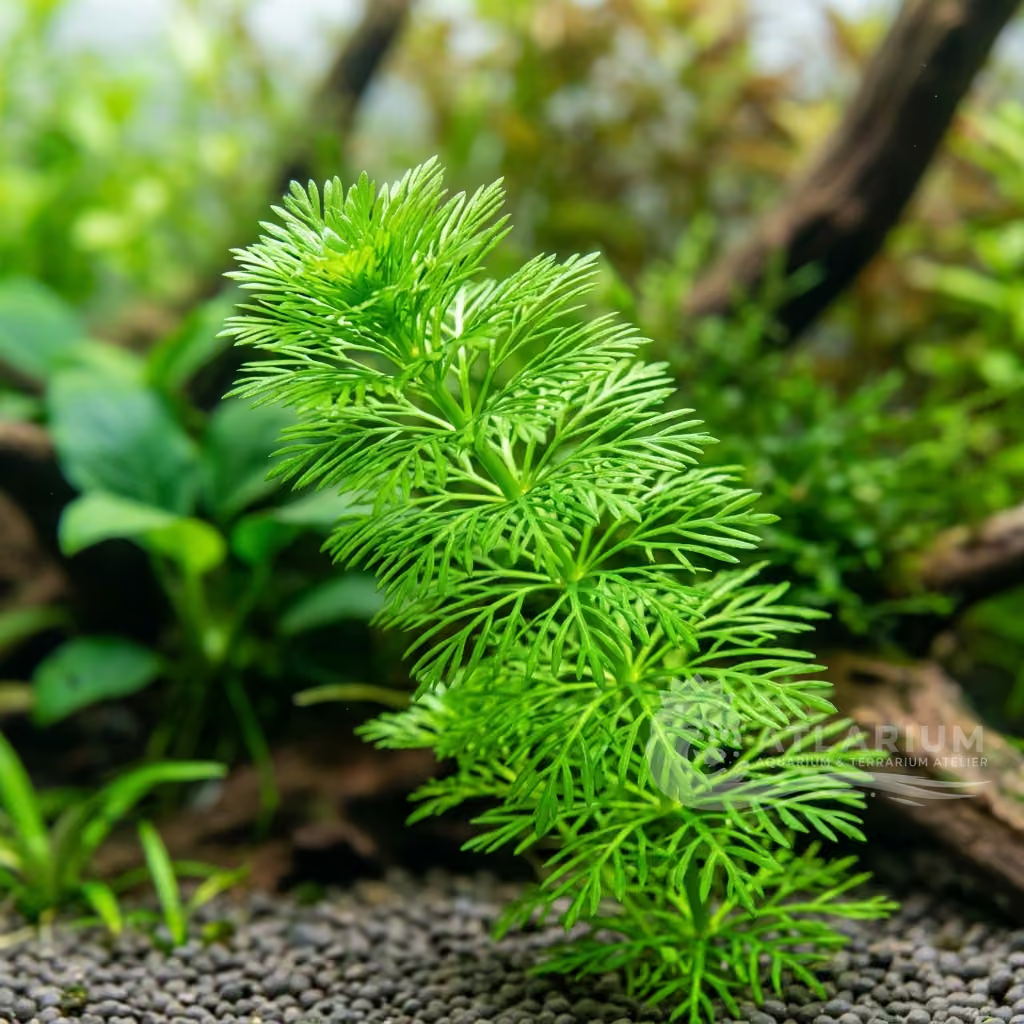
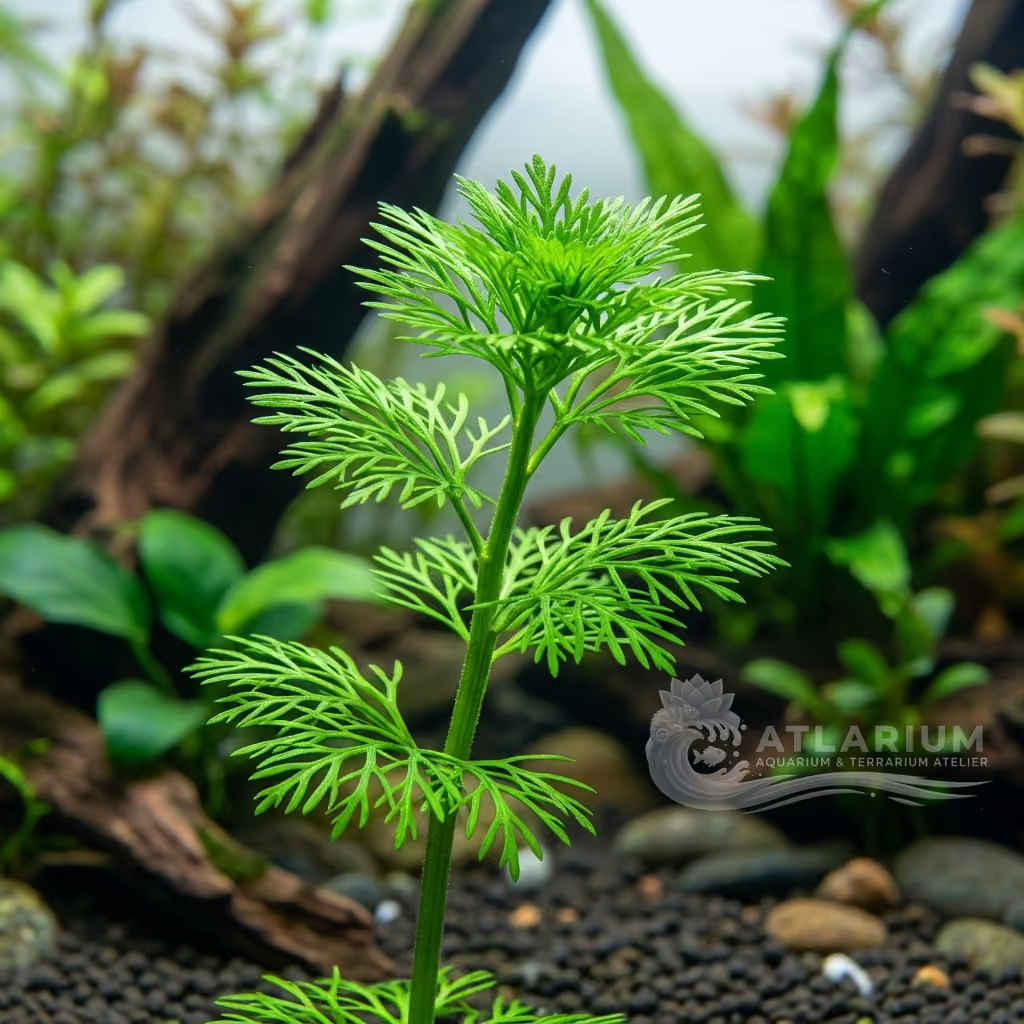
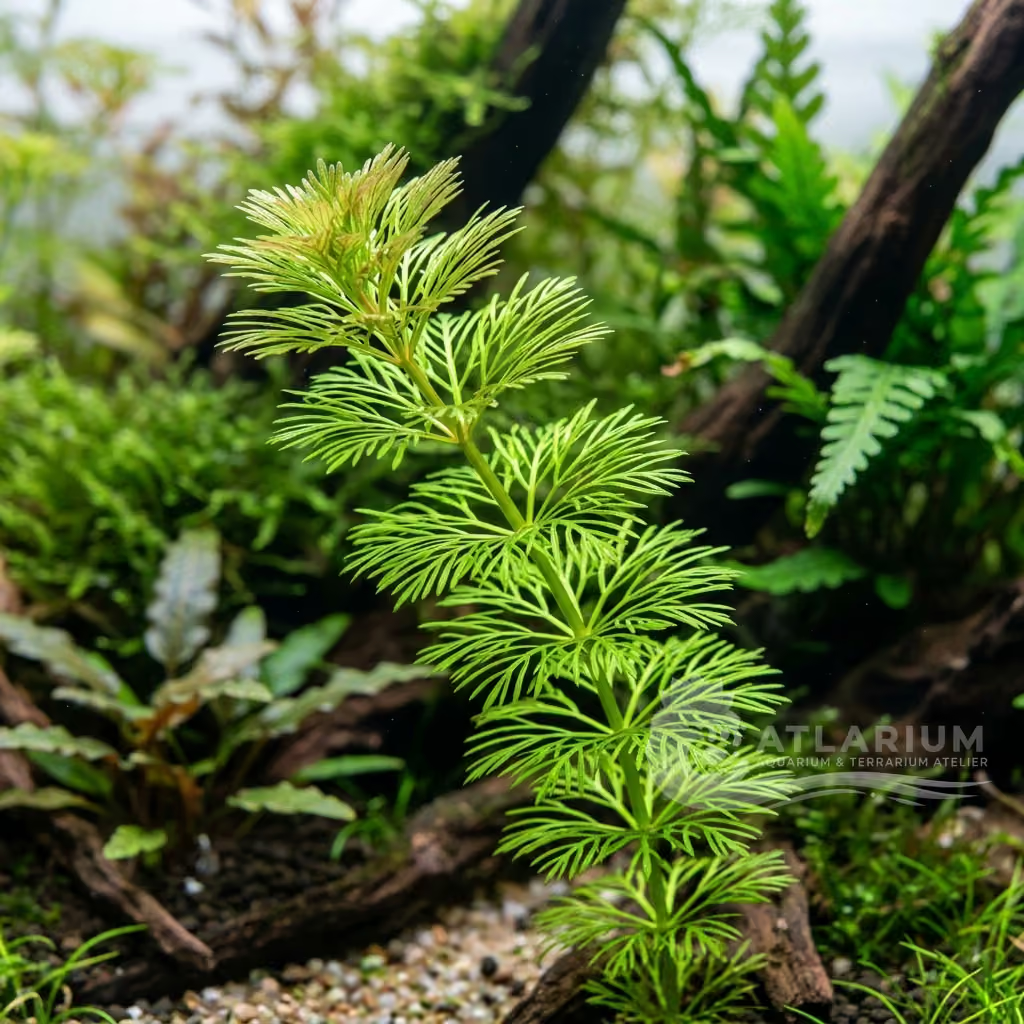
- It features a classic stem plant structure with finely divided, needle-like leaves arranged in whorls. The delicate foliage provides a feathery texture that contrasts nicely with broad-leaved plants. The bright green coloration adds a lively touch to the aquascape. Under high light, the tips may occasionally show reddish or yellowish hues.
- Growth
- Fast
- Limnophila hippuridoides exhibits a fast growth rate, especially under optimal lighting and nutrient conditions. It can quickly reach the water surface, requiring frequent trimming. Its rapid growth makes it an excellent choice for outcompeting algae. New aquarists often enjoy its fast response to good conditions.
- Substrate
- High
- Limnophila hippuridoides exhibits a high demand for nutrients and greatly benefits from being planted in a rich aqua soil to achieve its striking reddish-purple hues. The plant develops a robust and extensive root system that requires a loosely packed, deep substrate of around 5 to 7 centimeters for optimal anchoring and nourishment. These roots act as a primary pathway for absorbing iron and trace elements directly from the soil. A fertile substrate is essential not only to maintain its sturdy stems but also to prevent the lower leaves from deteriorating.
- Column fertilization
- Recommended
- Liquid column fertilization is highly beneficial for this species, as it absorbs many nutrients through its leaves. A comprehensive liquid fertilizer should be dosed regularly to ensure all micro and macronutrients are available. Maintaining adequate CO2 levels further enhances its nutrient uptake and overall vigor. Regular water changes are recommended to reset nutrient levels.
- Root fertilization
- None
- While primarily drawing nutrients from the water column, it also develops a strong root system. A nutrient-rich substrate or root tabs can promote healthier and more robust growth. Good root nutrition helps stabilize the plant in the substrate. It is particularly helpful when first establishing the plant in a new tank.
- Trimming
- Occasional
- Regular trimming is necessary to prevent it from shading other plants and to encourage lateral branching. Cut the stems just above a node using sharp scissors. The replanted tops will quickly take root and grow into new plants. Discard any older, woody bottom sections if they lose their visual appeal.
- Propagation
- Cuttings
- Propagation is straightforward through stem cuttings. Simply snip the upper portion of a healthy stem and replant it in the substrate. Ensure the cutting has at least a few sets of leaves to support new growth. Side shoots will often develop from the cut portion left in the substrate.
- Sensitivity
- Moderate
- It is generally hardy but can be sensitive to sudden changes in water parameters or insufficient light. Lower leaves may melt or drop off if the light is too dim. Algae growth on its fine leaves can occur if nutrient levels are unbalanced. Ensure good water circulation to prevent debris buildup on the leaves.
- Layout role
- Midground, accent, Background
- Its feathery texture and fast growth make it an ideal background filler. It creates a soft, natural look that contrasts well with hardscape materials and broad-leaved plants. The dense growth provides excellent hiding spots for shy fish and fry. It can also be used to conceal equipment like heaters and filter intakes.

Related species
Recommendations grouped by close relatives, companion choices, and similar care.