Gratiola virginiana
Gratiola virginiana
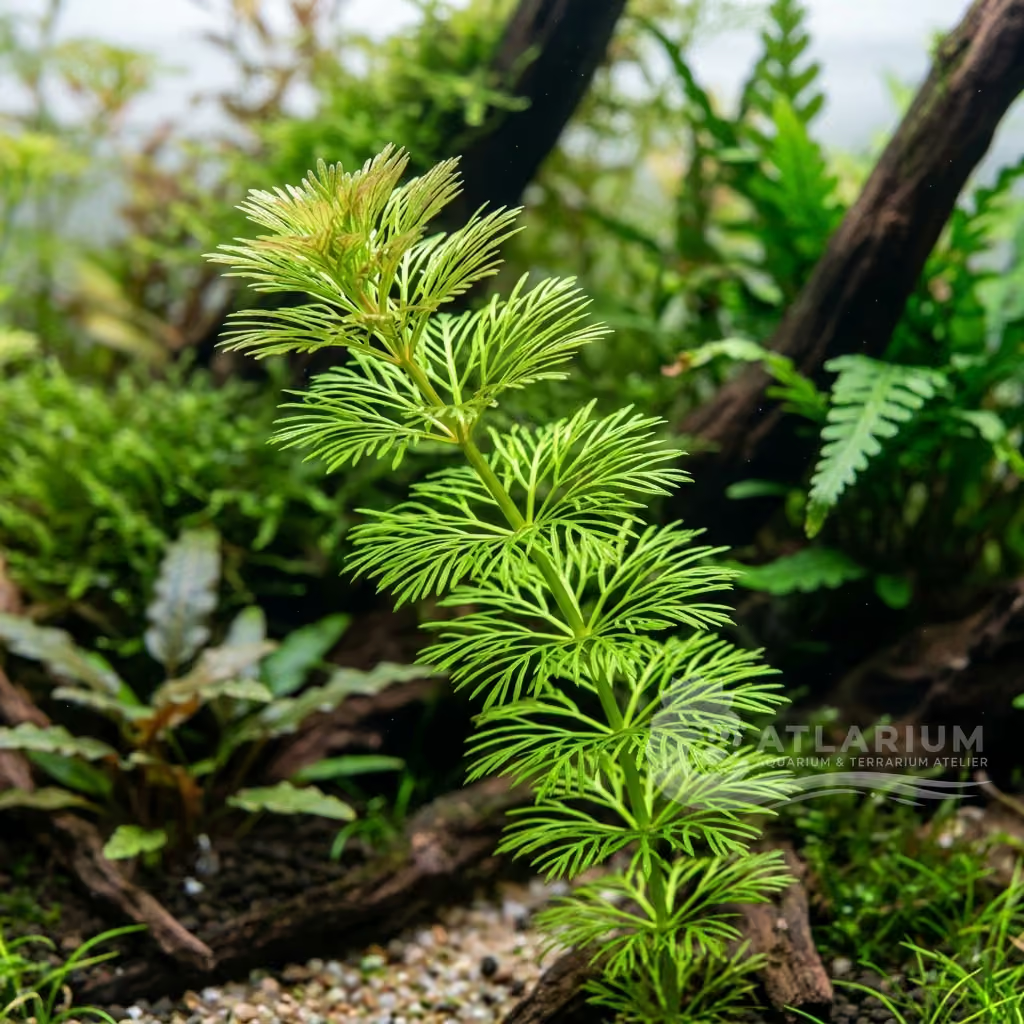
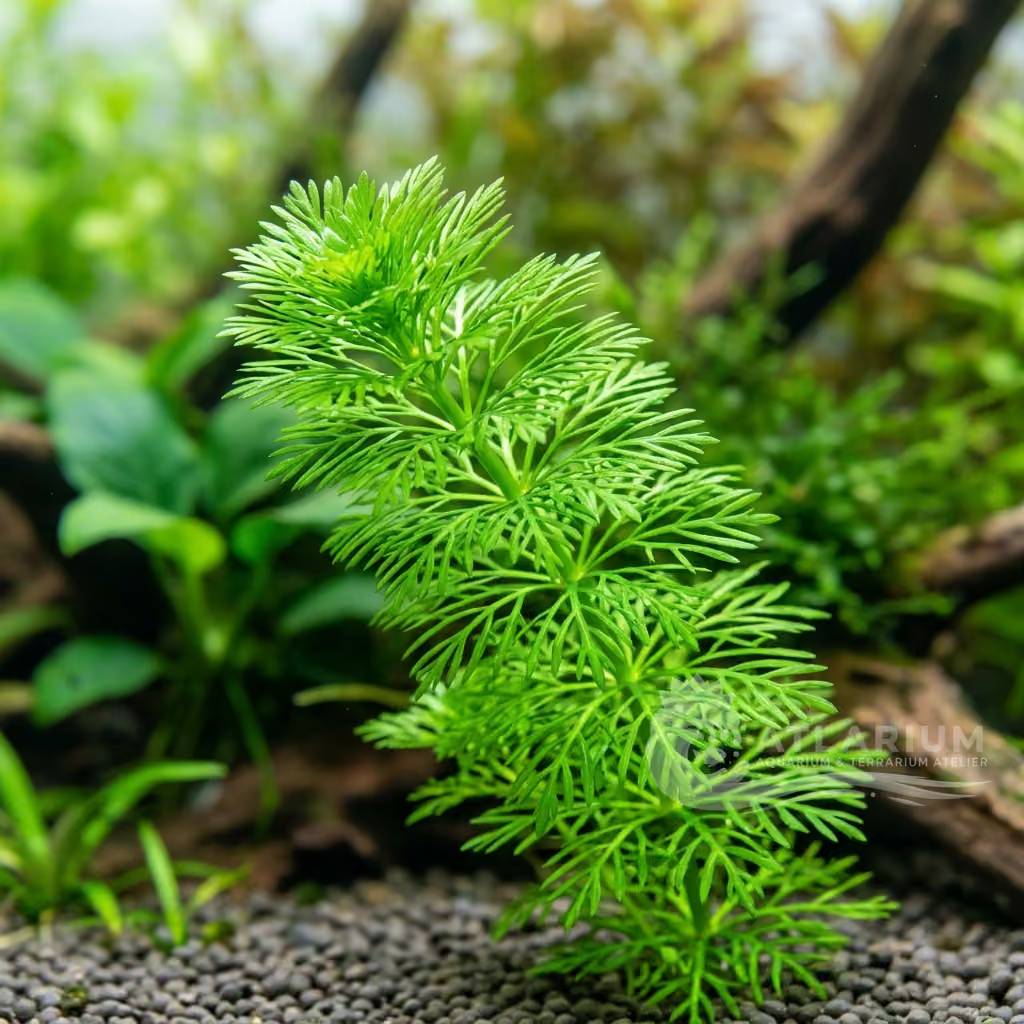
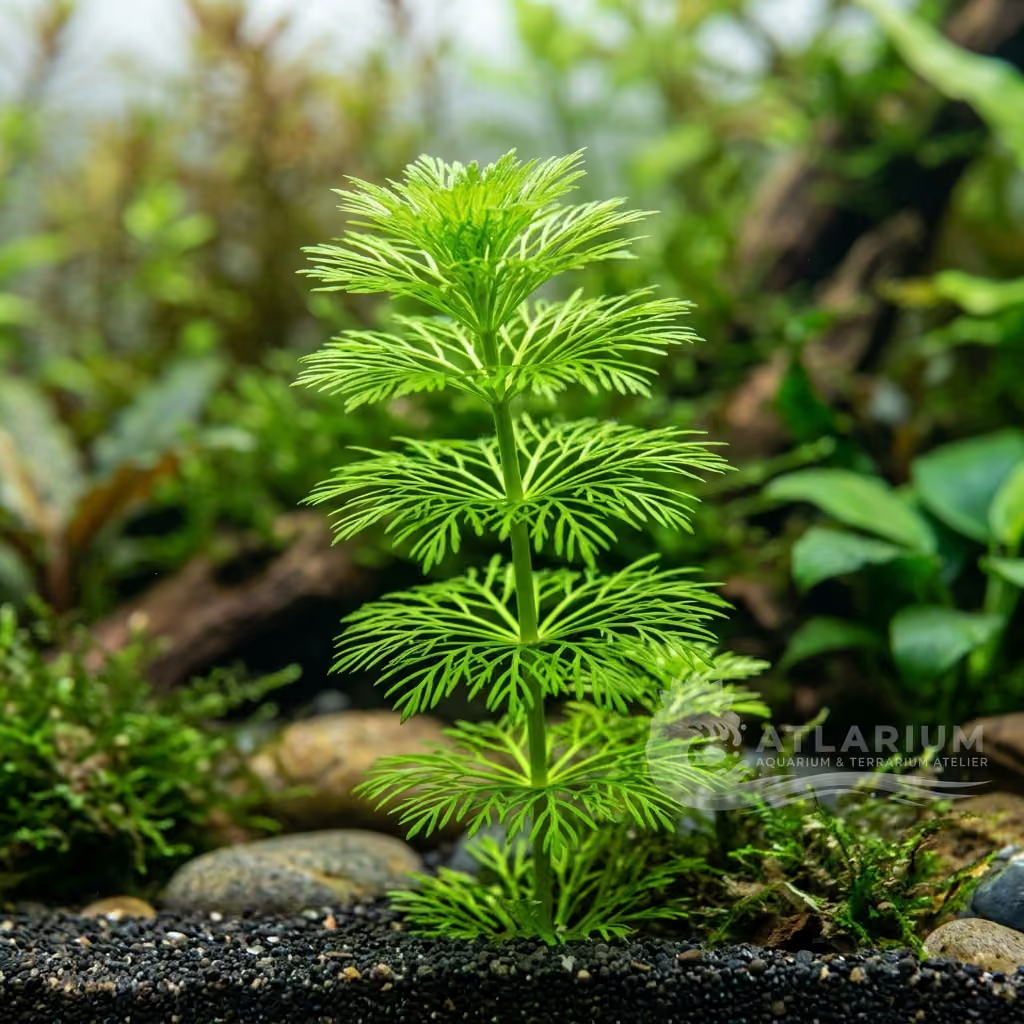
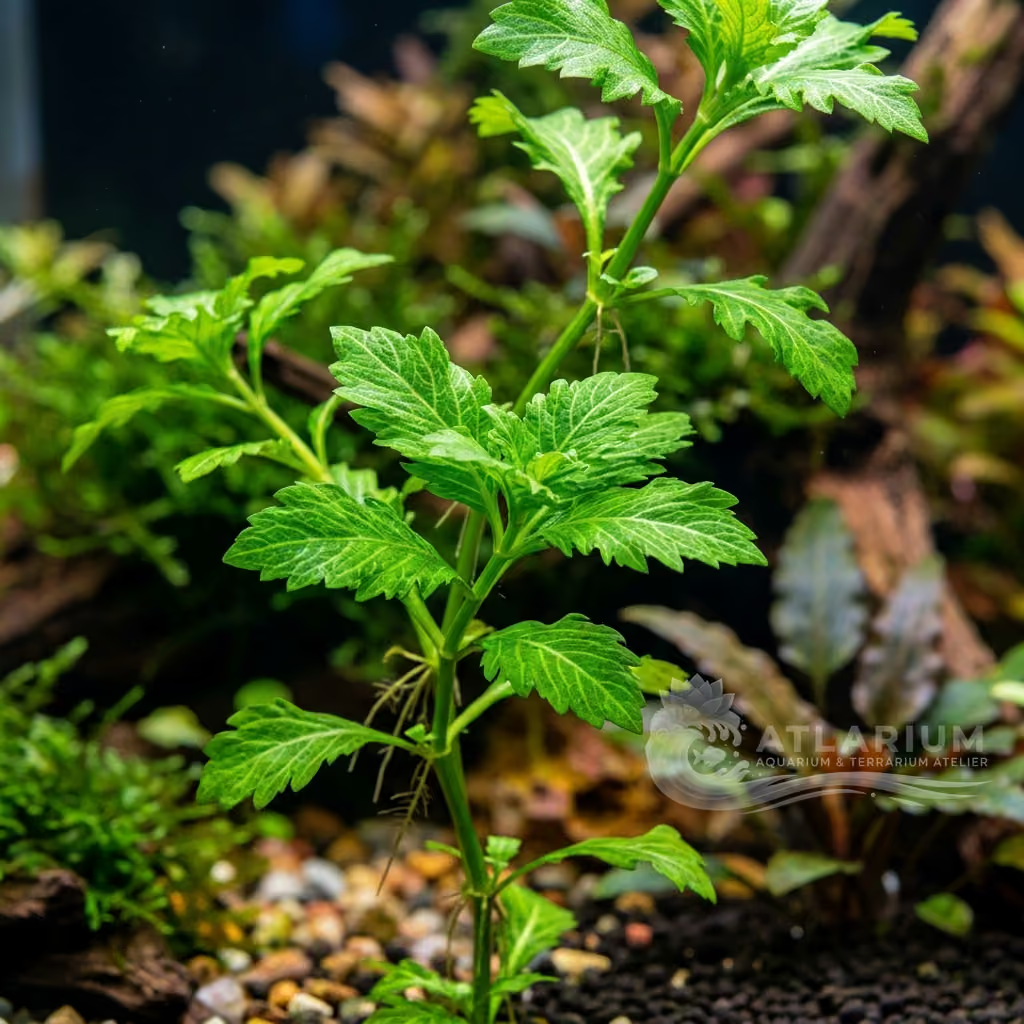
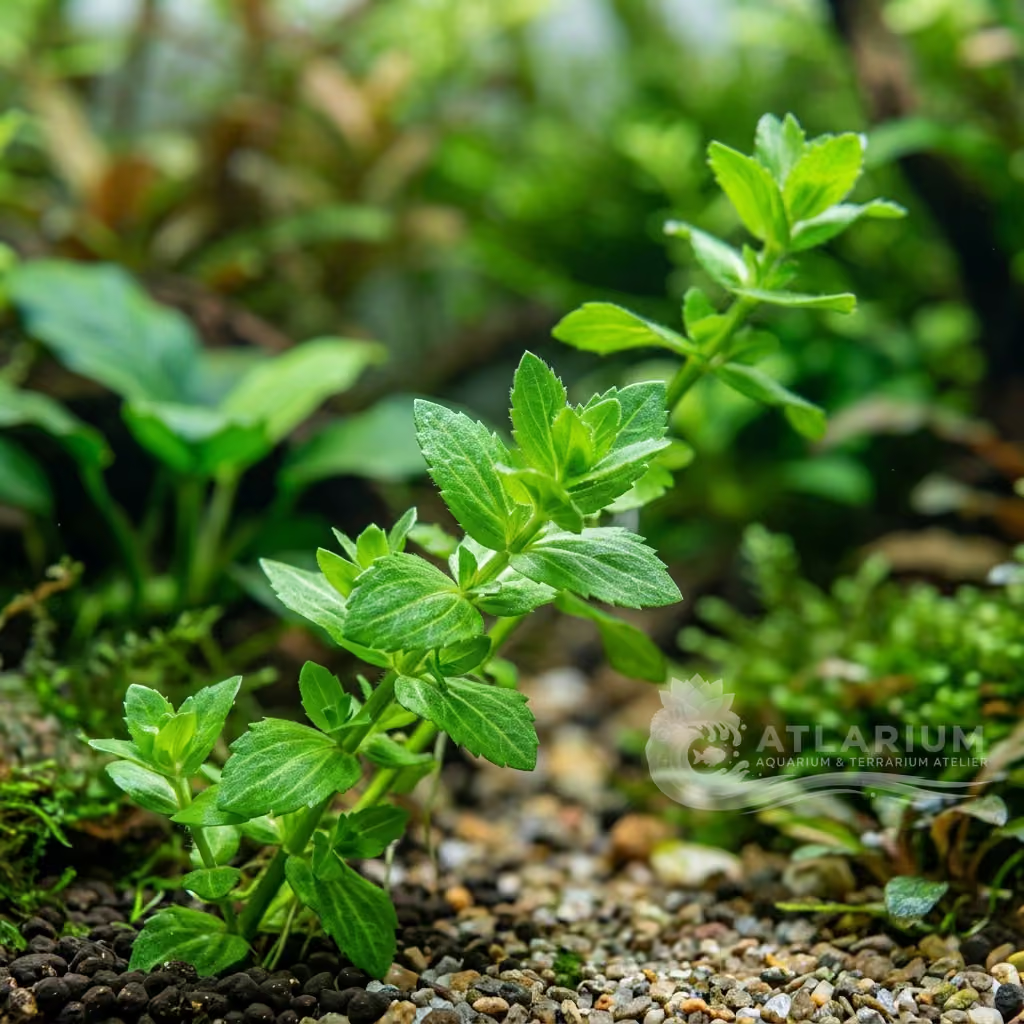
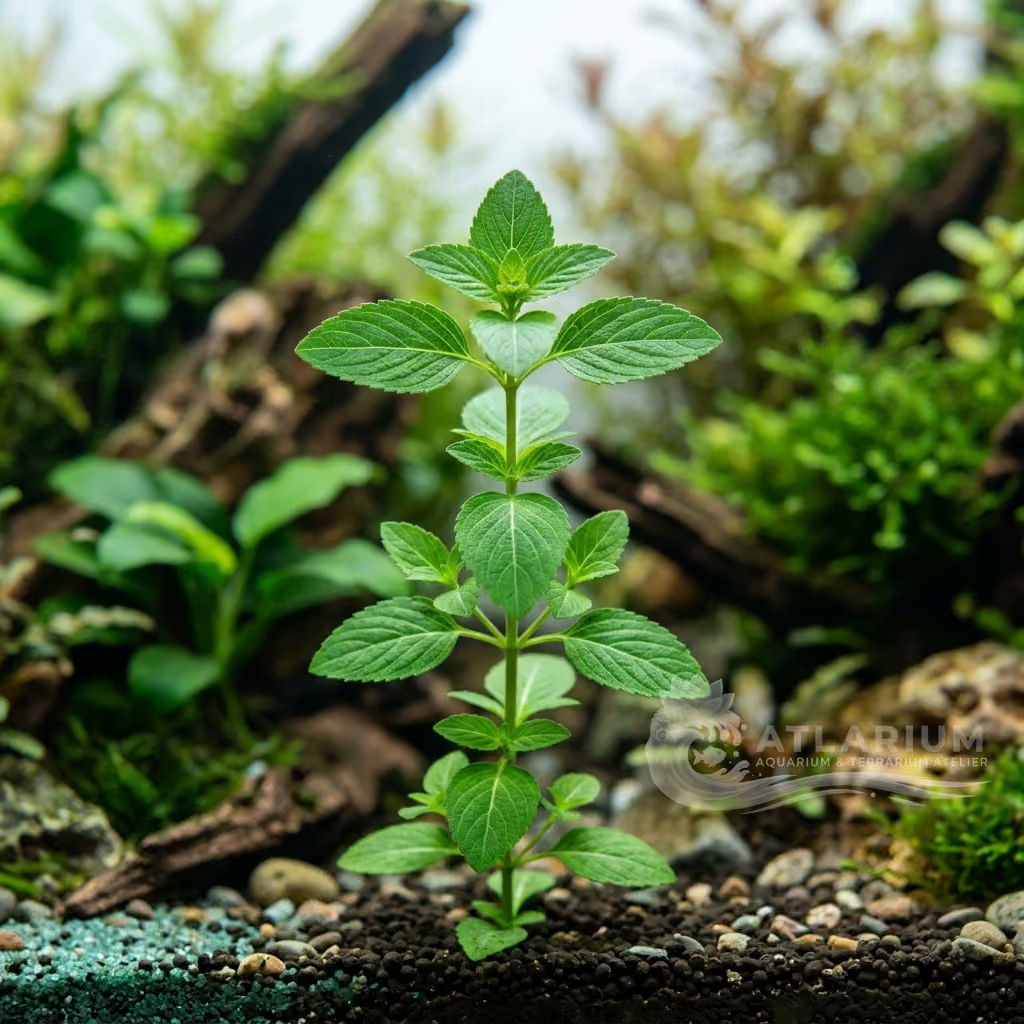
Gratiola virginiana: a fast-growing stem plant for the midground. Featuring fleshy, light green stems and pointed leaves, it is well suited for submerged layouts.
Water Temperature
18 - 28 °C
pH Value
5 - 7.5
Water type
Freshwater
Light
Medium - High
CO2
Medium - High
Expected height
50 cm
Expected width
7 cm
GH
0 - 20 dGH
KH
0 - 14 dKH

Species description
Geographical Origin and Habitat: Gratiola virginiana is native to North America, where it is widely distributed in temperate wetlands. It inhabits the muddy banks of rivers and ponds, marshes, flood plains, and wet meadows. It is a marsh plant adapted to both emersed and submerged life based on seasonal rainfall variations.
Taxonomy & Genetics: It belongs to the Plantaginaceae family and the genus Gratiola. This species displays genetic characteristics typical of wetland pioneer plants, including remarkable phenotypic plasticity that allows it to modify leaf cell structure to optimize underwater gas exchange.
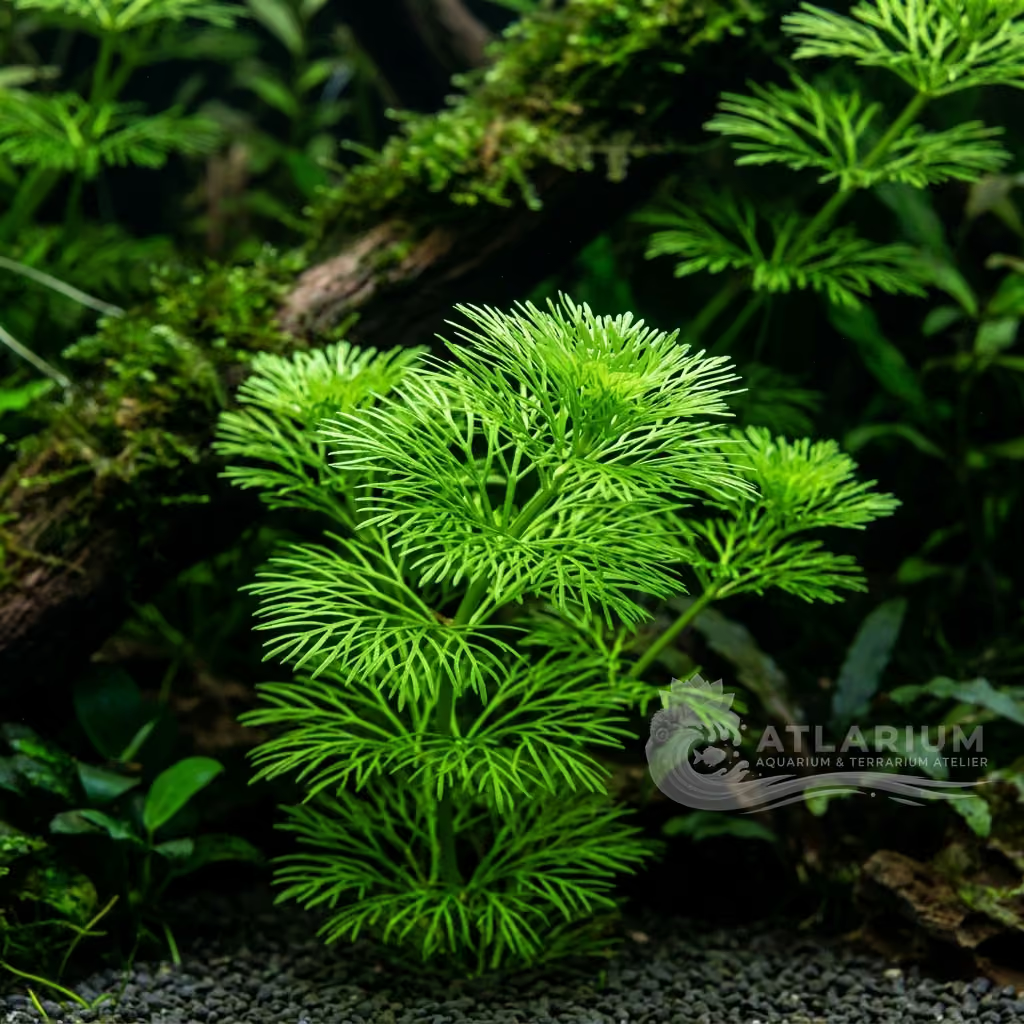
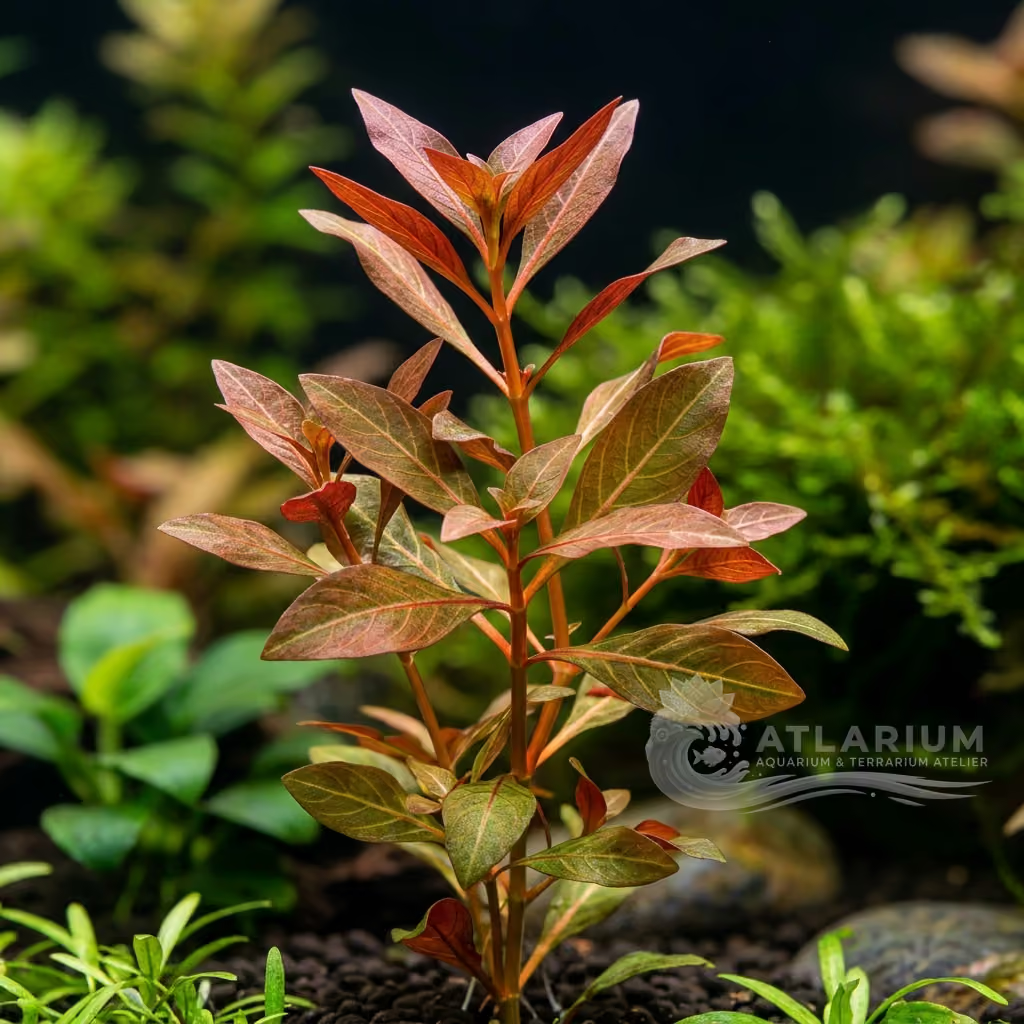
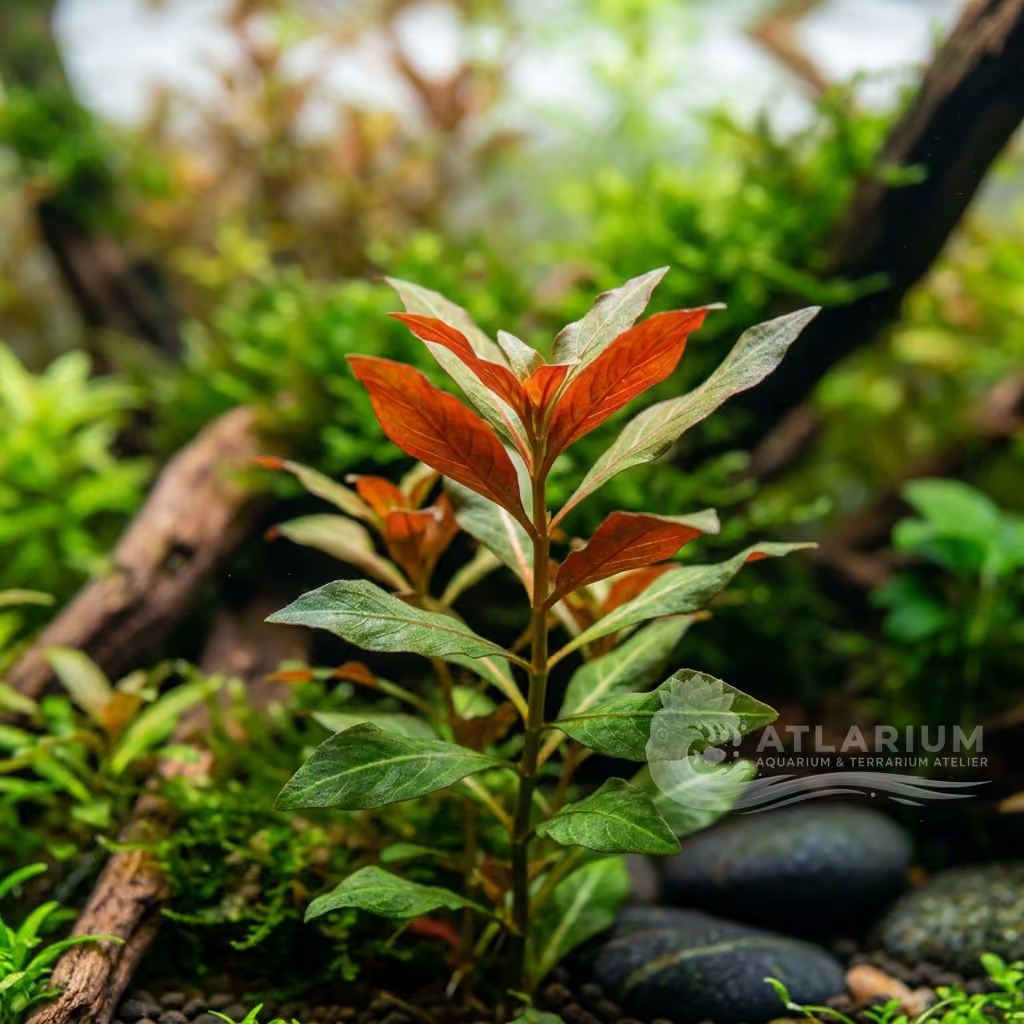
Physical Structure: It features erect, slightly fleshy, and hollow stems with opposite lanceolate leaves that have smooth or finely serrated margins. In the aquarium, it grows vertically, reaching a height of about 30-50 cm, tending to branch at the base if the tops are trimmed regularly.
Color & Texture: The color of the leaves is a bright, luminous light green, sometimes with golden hues under intense light. The leaf texture is smooth and slightly succulent, giving the plant a solid, robust appearance that differs from more delicate stem plants.

Care, breeding and tankmates
Lighting & CO2: Requires moderate to intense lighting. CO2 injection is recommended to stimulate healthy and compact growth, reducing the distance between internodes and improving stem thickness.
Nutrition & Substrate: Benefits significantly from a fertile substrate that provides nutrients to the roots, although it can also absorb nutrients from the
Water Chemistry: Prefers cool to temperate water, with temperatures between 15 and 26 °C. Tolerant of pH (6.0-7.5) and hardness, as long as conditions remain stable over time and sudden chemical swings are avoided.
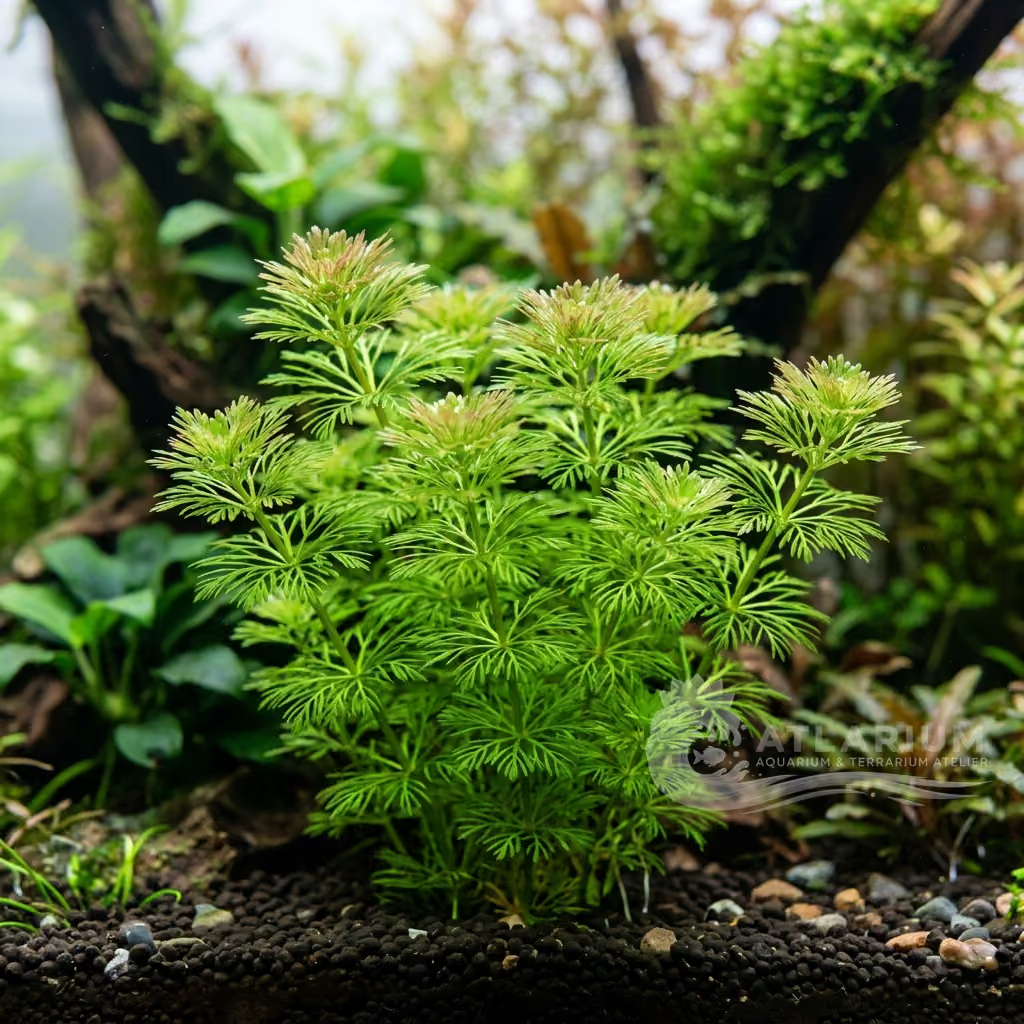
Space Management & Placement: Ideal for the midground of the aquarium, where it can be used to create dense transition bushes. It should be planted in small groups, spacing the stems to allow light penetration.
Pruning: Prune by cutting the tops of the main stems at the desired height. The removed tops can be replanted directly to propagate the plant, while the base will produce new lateral branches, increasing clump density.
Risks & Diseases: Under insufficient light, the plant tends to stretch excessively, becoming leggy and losing its lower leaves. Fleshy leaves can suffer from rot if subjected to abrupt changes in water chemical parameters.

Geographic origin and distribution
Gratiola virginiana is native to North America, where it is widely distributed in temperate wetlands. It inhabits the muddy banks of rivers and ponds, marshes, flood plains, and wet meadows. It is a marsh plant adapted to both emersed and submerged life based on seasonal rainfall variations.
Origin
North America

Plant profile
- Placement
- Midground
- Works well in the midground where its distinct, somewhat rounded leaves can be appreciated. Plant individual stems a few centimeters apart so light reaches the lower leaves. It can form a beautiful, thick bush when grouped properly.
- Botanical form
- Stem
- Features upright stems with opposite leaves that are slightly broader and more rounded than its relatives. The leaves are soft and bright green, giving the plant a delicate appearance. Emersed growth may produce small, solitary flowers at the leaf axils.
- Growth
- Fast
- Demonstrates a moderate growth rate, making it easier to maintain than extremely fast-growing stems. The addition of CO2 will noticeably speed up its development. It grows steadily towards the surface, producing lateral shoots along the way.
- Substrate
- Medium
- Gratiola virginiana can adapt to a variety of substrates, performing well in both moderately enriched aquasoils and inert sands supplemented with root tabs. Its fine root system requires a lightly packed, porous substrate of about 4 to 6 centimeters in depth to properly anchor its stems and runners. While it is not excessively demanding, consistent access to subsurface macronutrients will yield a denser canopy and more robust shoot development.
- Column fertilization
- Recommended
- A comprehensive liquid fertilizer containing micro and macronutrients is highly beneficial. It relies on the water column for a significant portion of its intake. Regular dosing ensures the leaves remain healthy and free of deficiencies.
- Root fertilization
- None
- While it can grow in inert substrates, a nutrient-rich soil significantly boosts its vitality. Adding root tabs near its base provides an extra reserve of nutrients. Strong roots help anchor the plant securely and support robust stem growth.
- Trimming
- Occasional
- Can be trimmed easily by cutting the upper portion of the stems. To maintain a bushy look, trim at different heights within the group. Replanting the tops allows you to quickly expand the stand while the original stems branch out.
- Propagation
- Cuttings
- Propagated simply through stem cuttings. Snip a healthy stem and bury the lower portion in the substrate. Ensure the cutting has at least a couple of nodes to establish a strong root system.
- Sensitivity
- Moderate
- Prefers stable conditions and may melt if exposed to dramatic shifts in water chemistry. Needs good lighting; otherwise, the lower leaves will deteriorate and fall off. It is relatively fragile, so handle with care during planting and maintenance.
- Layout role
- Midground, group
- Serves as an excellent transitional plant between the foreground and the taller background stems. Its light green color and unique leaf shape soften the look of the aquascape. It is a versatile addition that adds depth and texture.

Related species
Recommendations grouped by close relatives, companion choices, and similar care.