Bacopa sp. "Colorata"
Bacopa sp. "Colorata"
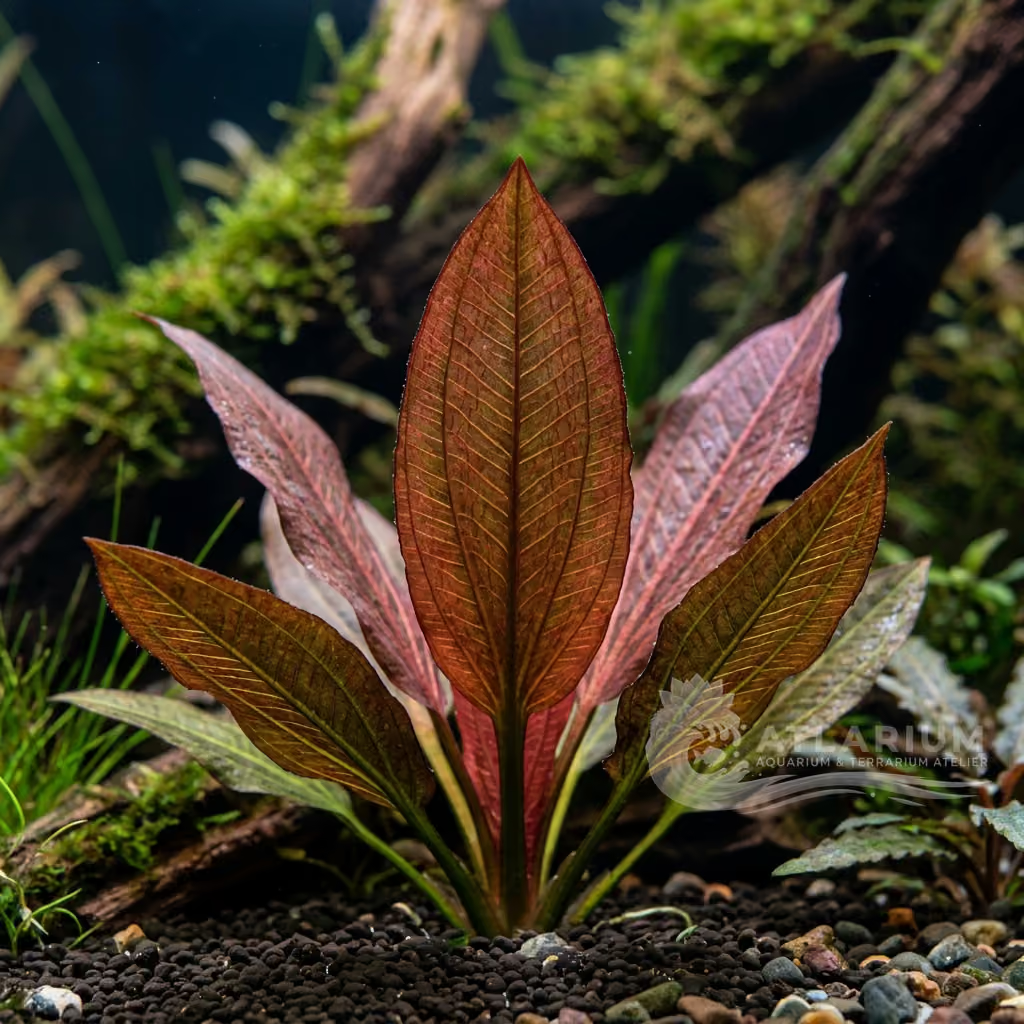
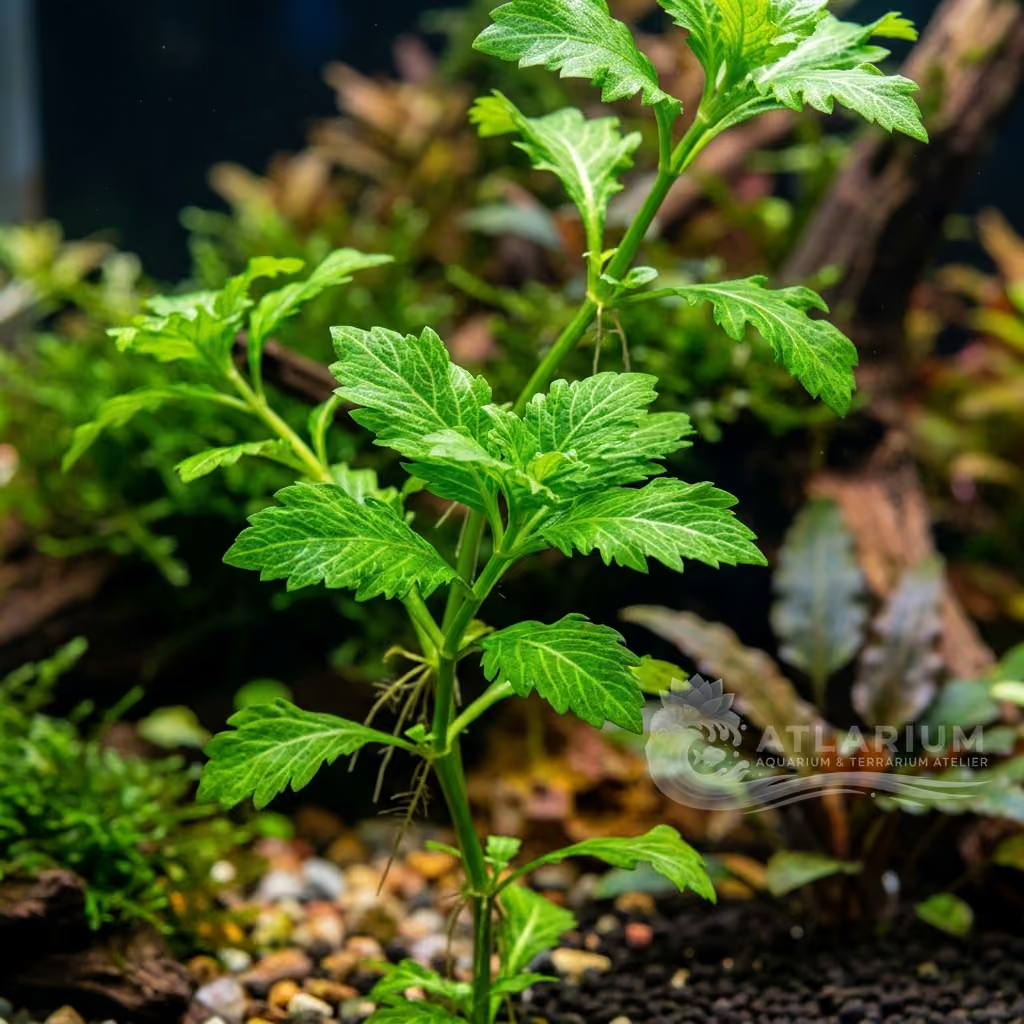
Bacopa sp. 'Colorata': a spectacular and vibrant stem plant of the Plantaginaceae family, famous for its intense pink and red coloration under strong lighting.
Water Temperature
4 - 29 °C
pH Value
5 - 7.5
Water type
Freshwater
Light
Medium - High
CO2
Low - High
Expected height
30 cm
Expected width
10 cm
KH
2 - 18 dKH

Species description
Geographical Origin and Habitat: This variety is a
Color & Texture: form or geographic selection native to the warm regions of North or South America. It populates sunny marshes, wet ditches, and slow-moving waters, growing both submerged and emersed. In nature, it develops in areas with very high direct solar exposure, a key ecological factor that has driven the evolution of its intense pinkish colorations as a cellular protective mechanism against excessive ultraviolet radiation.
Taxonomy & Genetics: It belongs to the Plantaginaceae family and the genus Bacopa. It is likely a color variant or stabilized selection of Bacopa caroliniana. Genetically, it possesses the ability to synthesize high concentrations of anthocyanins and carotenoids in response to strong light and iron availability, which partially inhibits the green color of chlorophyll in the apical shoots, giving the plant its unique coloration.
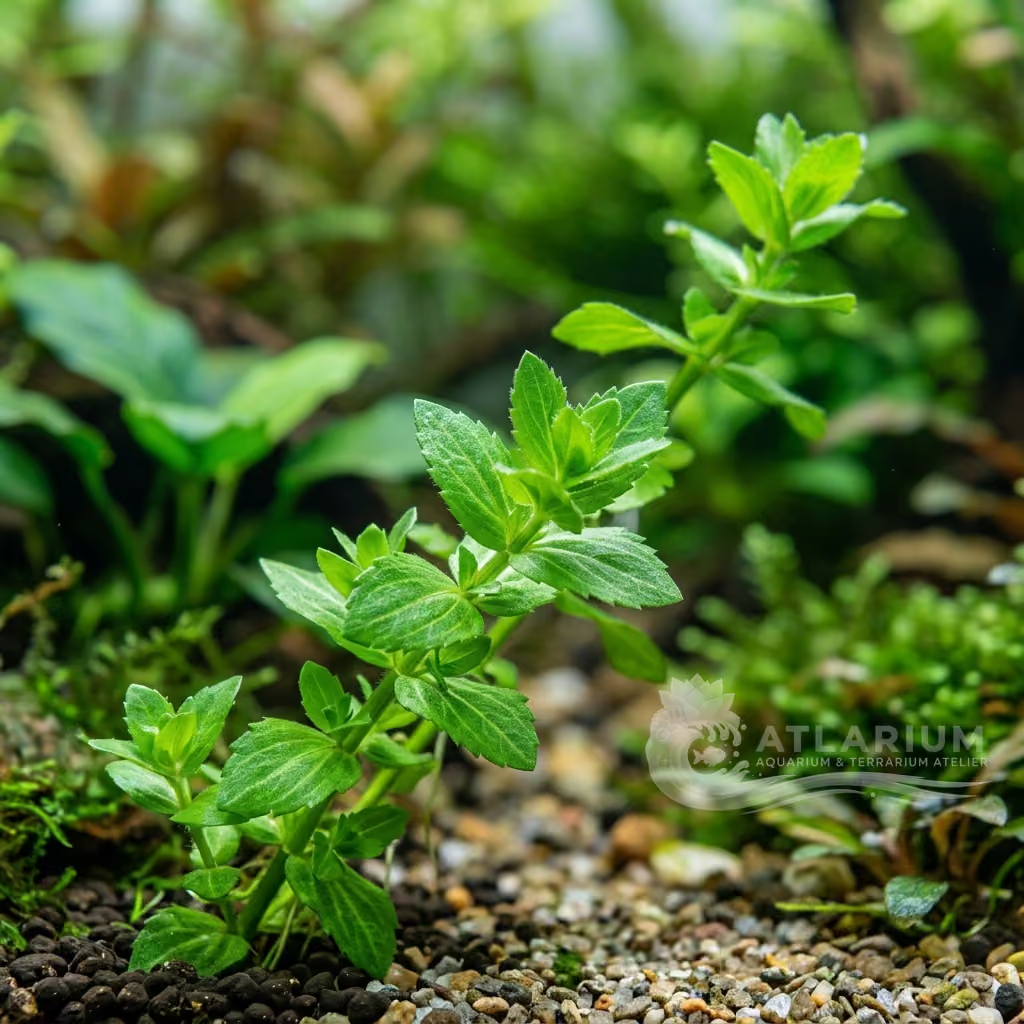
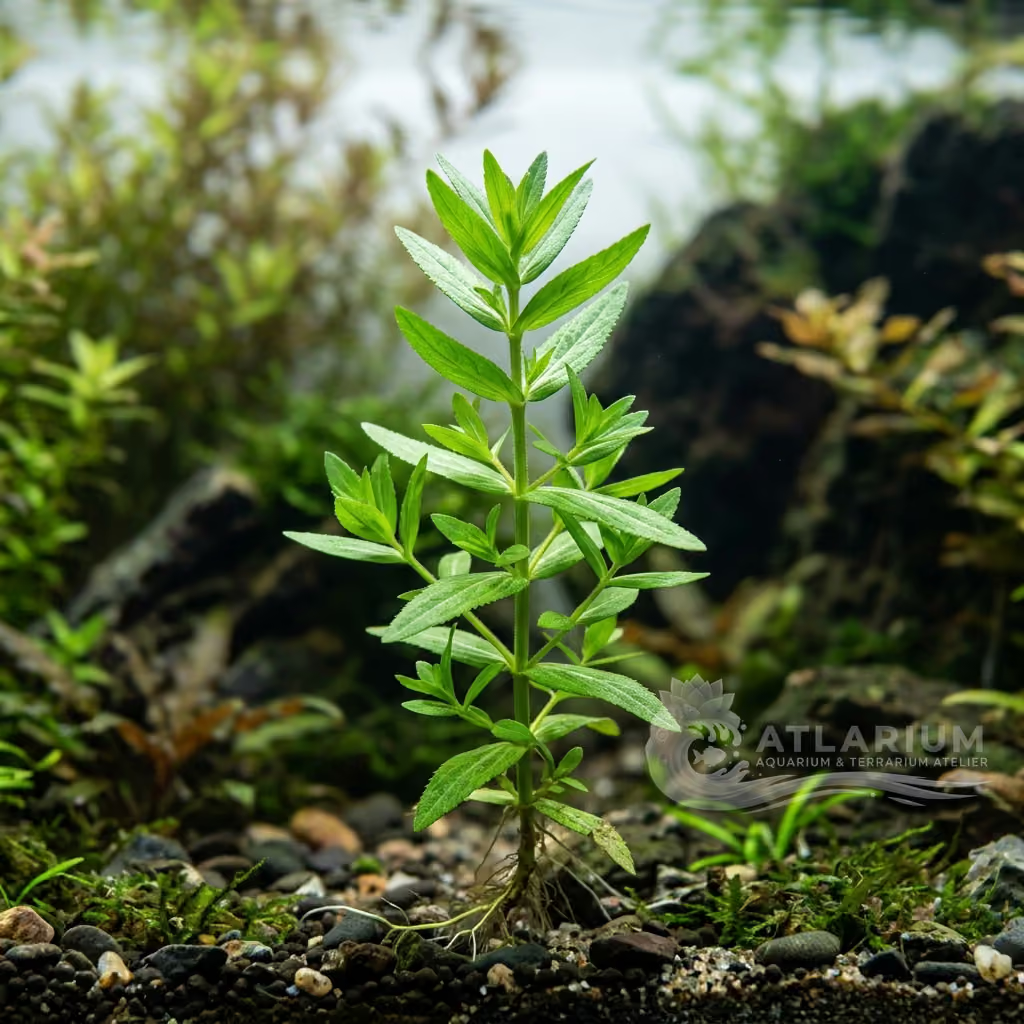
Physical Structure: It features erect, robust, and fleshy stems that grow vertically toward the surface. The leaves are sessile, opposite, oval or lanceolate in shape, arranged in pairs along the stem. Compared to Bacopa australis, it has significantly thicker stems and larger leaves. The root system is strong and fibrous, capable of expanding into the substrate to firmly anchor the erect stem.
Color & Texture: In low light conditions, the leaves are light green. Under intense lighting and proper iron balance, however, the entire plant (especially the upper part) assumes an extraordinary baby pink, salmon pink, or very vibrant purple-red color. The leaf texture is thick, slightly fleshy, and smooth, with an aromatic citrus scent when crushed.

Care, breeding and tankmates
Lighting & CO2: Requires very intense lighting (high intensity LED). If light is insufficient, it quickly loses its pink coloration, turning green and showing long internodes and weak stems. Constant CO2 supply is highly recommended to support its high metabolism and stimulate dense stems.
Nutrition & Substrate: Needs a rich and fertilized substrate. As a medium-fast growing stem plant, it benefits significantly from fertilizer tablets rich in iron and potassium in the bottom. Iron deficiency manifests immediately with fading of the pink colors and leaf yellowing.
Water Chemistry: Tolerates a wide range of values, with pH between 5.0 and 7.5, KH hardness between 2 and 18 dKH, and temperatures from 4°C to 29°C. However, to promote the best colorations, it is preferable to grow it in soft or medium water and maintain stable temperatures between 20°C and 26°C.
Space Management & Placement: Ideally placed in the background or as a splash of color in the midground of the aquarium. Its bright pink coloration creates an exceptional visual contrast when placed in dense groups near dark green or fine-leaved plants (such as mosses).
Pruning: Growth is medium-fast. Requires periodic pruning to keep the bush compact and prevent the stems from shading the lower part of the plant. Pruning is carried out by topping the stems at the desired height; the cut tips can be replanted directly into the bottom to propagate it.
Risks & Diseases: The main risk is the loss of pink coloration due to insufficient light or deficiency of iron and trace elements. Another problem is rot at the base of the stem if planted too close to other stems; leaving at least 1-2 cm of space between individual stems is recommended.

Geographic origin and distribution
This variety is a
Origin
North AmericaExtra-Amazon South AmericaCentral America and CaribbeanSelective breeding and cultivars

Plant profile
- Placement
- Midground
- This vibrant plant serves perfectly as a striking focal point or background plant in the aquarium. Grouping several stems together maximizes its visual impact against green backgrounds. It is best placed where it will receive unobstructed light.
- Botanical form
- Stem
- It features thick, fleshy stems with oppositely arranged, slightly rounded leaves that turn striking shades of pink and red. The lower portions often remain green or slightly reddish, depending on light penetration. Its robust appearance makes it a classic stem plant.
- Growth
- Medium
- Growth is typically moderate under high light and CO2 injection. It tends to grow straight upwards, producing lateral shoots mainly when the apex is pruned. Its steady pace makes it relatively easy to manage.
- Substrate
- High
- Bacopa sp. "Colorata" requires a nutrient-rich, iron-loaded substrate to fully express its intense reddish-pink hues and support rapid growth. Planting in a deep layer of high-quality aqua soil allows its extensive root system to securely anchor and efficiently absorb essential macronutrients. Without a highly fertile bed, the lower stems are prone to deteriorating and the vibrant coloration will quickly fade.
- Column fertilization
- Recommended
- A comprehensive liquid dosing regimen is essential, particularly focusing on iron and trace elements. Maintaining slight nitrate limitation can sometimes enhance the reddish coloration. Steady macro-nutrient supply prevents lower leaf deterioration.
- Root fertilization
- Recommended
- A nutrient-rich substrate supports healthy root development and overall plant strength. While not strictly a root feeder, it benefits from an active soil or root tabs. This helps stabilize its nutrient uptake over time.
- Trimming
- Regular
- Regular trimming of the uppermost portions encourages bushier, more compact growth. By replanting the brightly colored tops, you can quickly create a dense thicket. The rooted bases will produce new side shoots.
- Propagation
- Cuttings
- Propagation is easily achieved by taking stem cuttings and replanting them directly into the substrate. Ensure the cuttings have access to good light and water flow. Roots establish quickly in favorable conditions.
- Sensitivity
- Moderate
- It is particularly sensitive to shading, and its lower leaves will quickly drop if light is insufficient. Algae growth on older leaves can occur if nutrients and light are imbalanced. It is generally hardy if basic requirements are met.
- Layout role
- accent, Midground, Background
- Its primary role is to add intense color to the aquascape, contrasting beautifully with bright green plants. It is frequently used in Dutch-style aquariums to create distinct streets of color. It also draws the eye towards specific areas.

Related species
Recommendations grouped by close relatives, companion choices, and similar care.