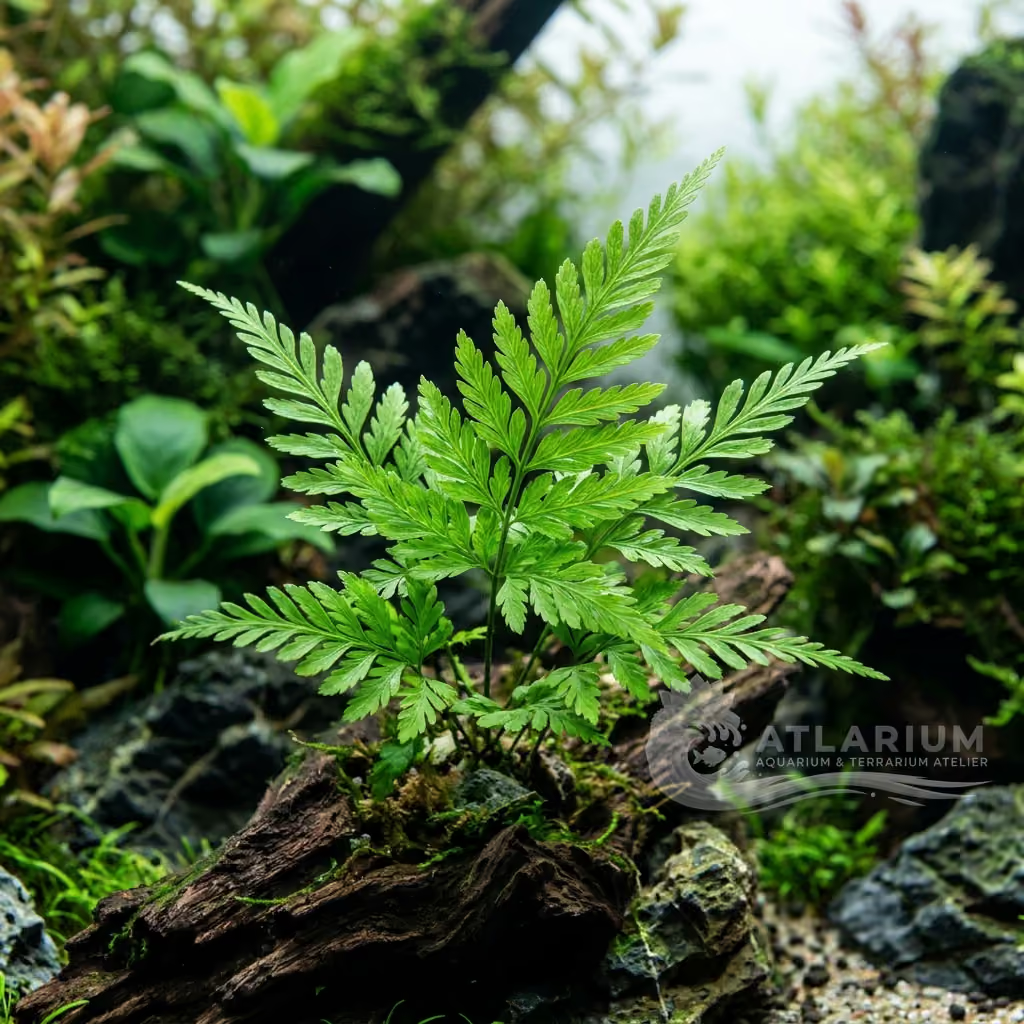
Bacopa serpyllifolia
Bacopa serpyllifolia
A fast-growing foreground plant ideal for creating bright green, dense groupings. It thrives under high lighting and regular liquid fertilization to achieve its full potential.
Water Temperature
20 - 28 °C
pH Value
5 - 7
Water type
Freshwater
Light
High
CO2
Medium - High
Expected height
20 cm
Expected width
5 cm
GH
4 - 15 dGH
KH
0 - 7 dKH

Species description
Geographical Origin and Habitat: Bacopa serpyllifolia is native to the tropical and subtropical regions of Latin America, where it typically inhabits the damp margins of rivers, marshes, and seasonal floodplains. In its natural environment, this species adapts fluidly to both emersed and submersed conditions, anchoring in organic-rich mud or sandy substrates during wet seasons. It is commonly found in shallow, clear, and well-lit waters with slow to moderate currents, allowing it to capture maximum sunlight.
Taxonomy & Genetics: Taxonomically, this plant belongs to the family Plantaginaceae (formerly grouped under Scrophulariaceae) and shares classic morphological traits with other members of the Bacopa genus. Genetically, it displays strong phenotypic plasticity, modifying its leaf arrangement and internodal spacing based on light intensity and carbon dioxide availability. No major commercial cultivars or genetic variants exist, meaning the wild-type form remains the primary specimen used in the aquascaping hobby.
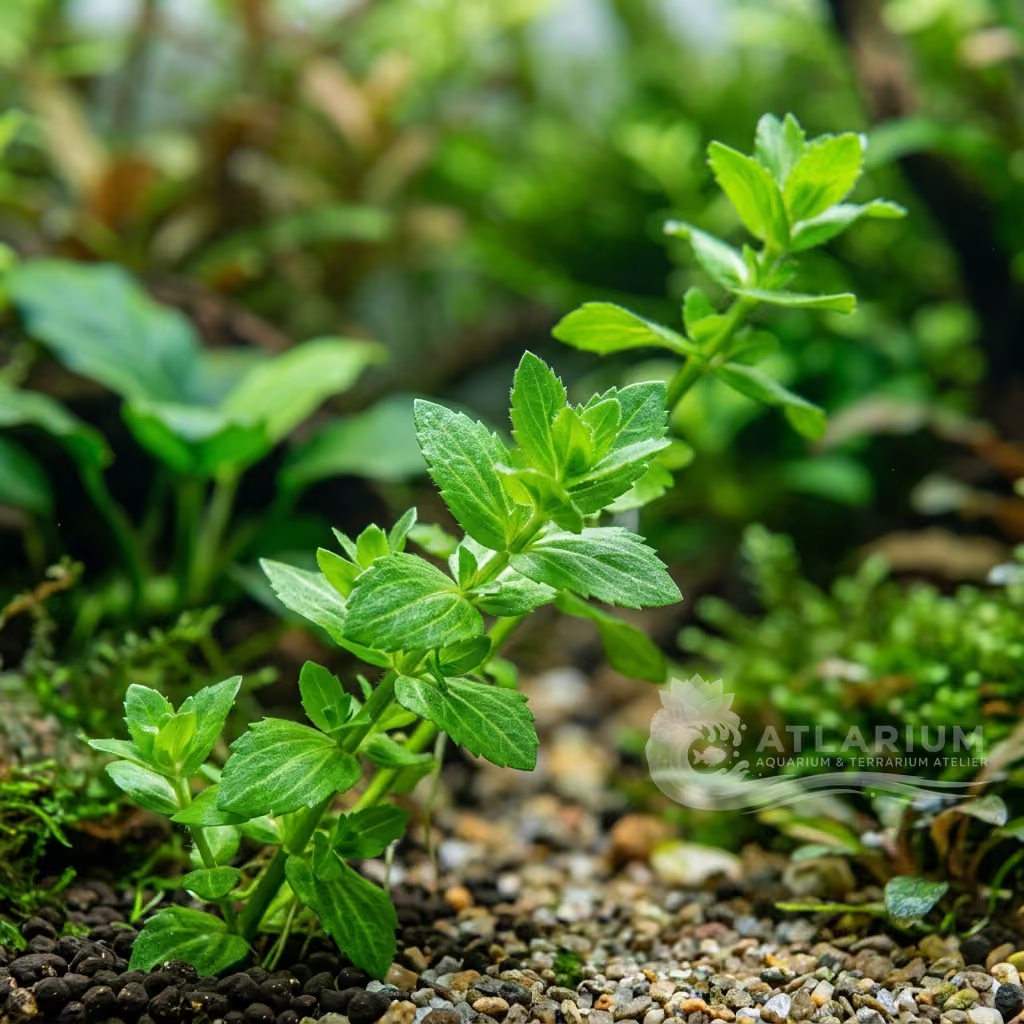
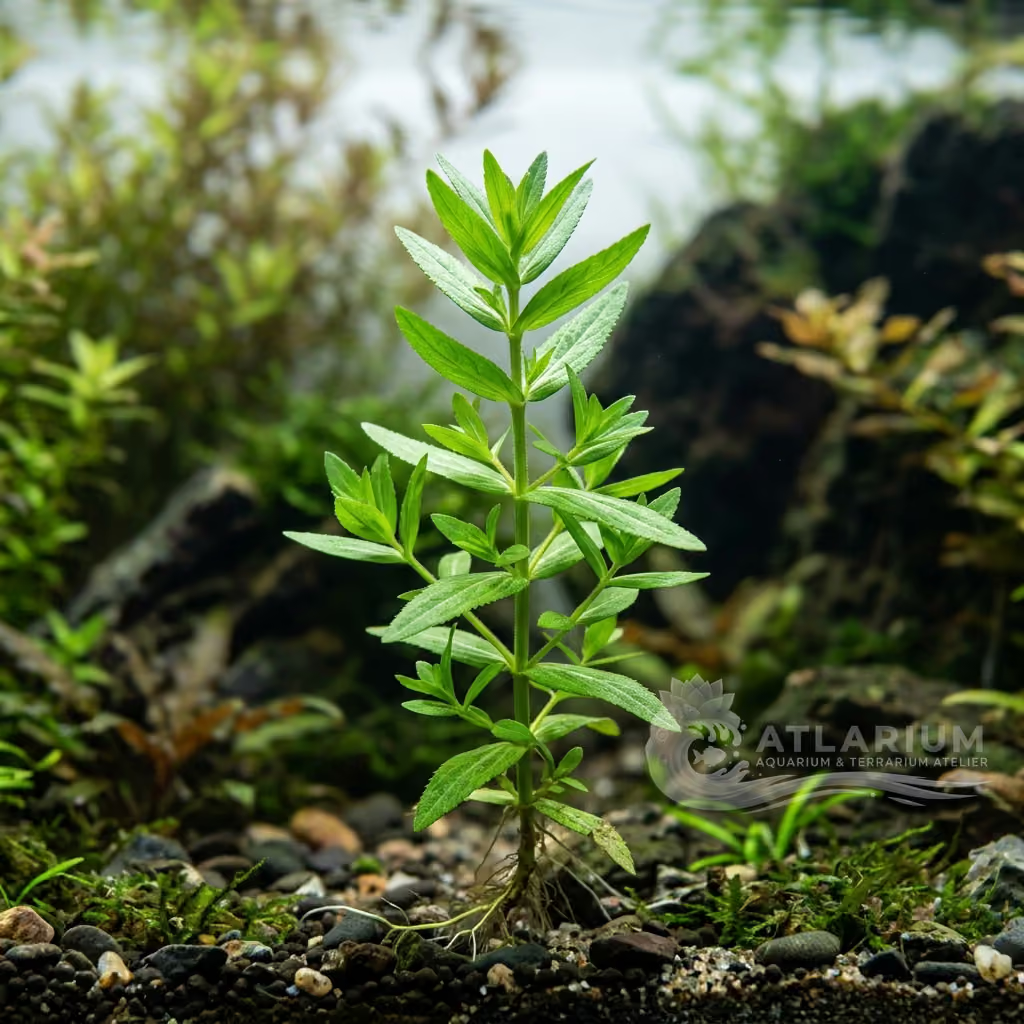
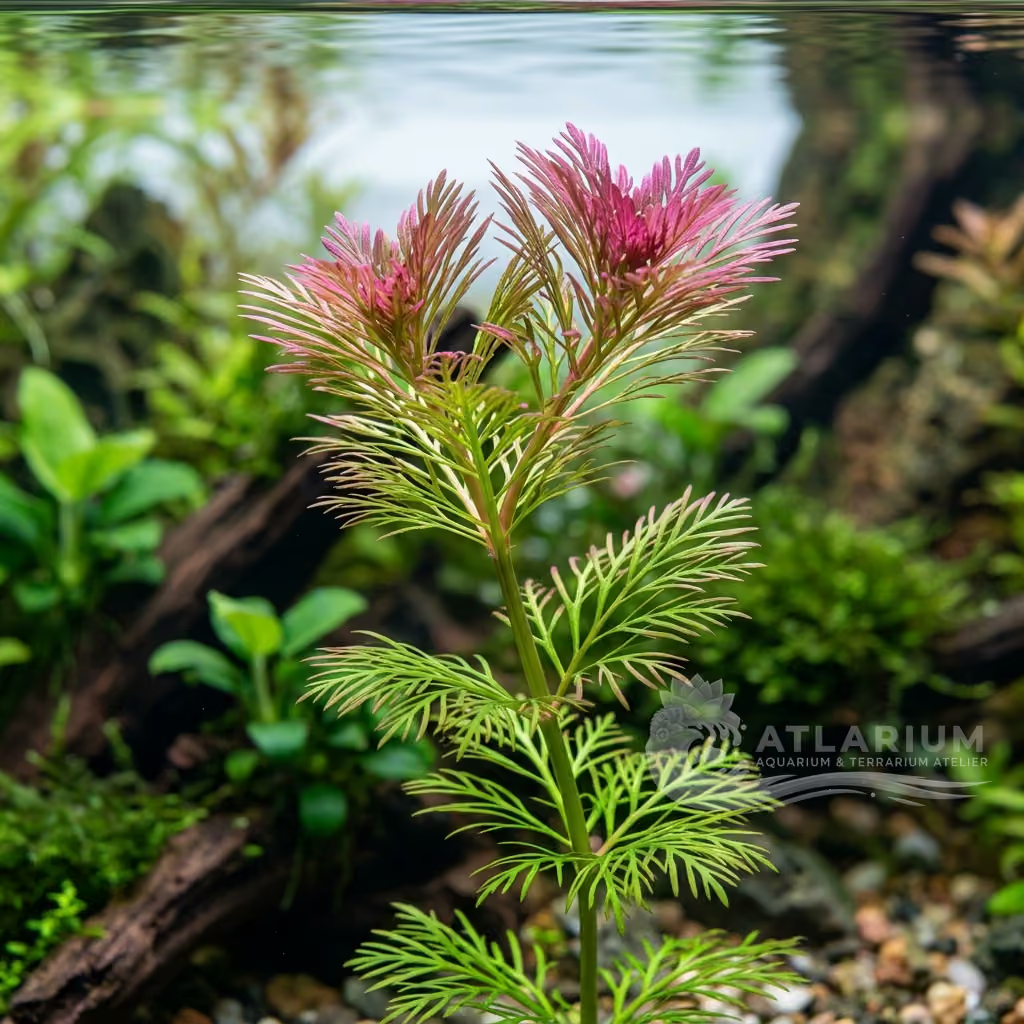
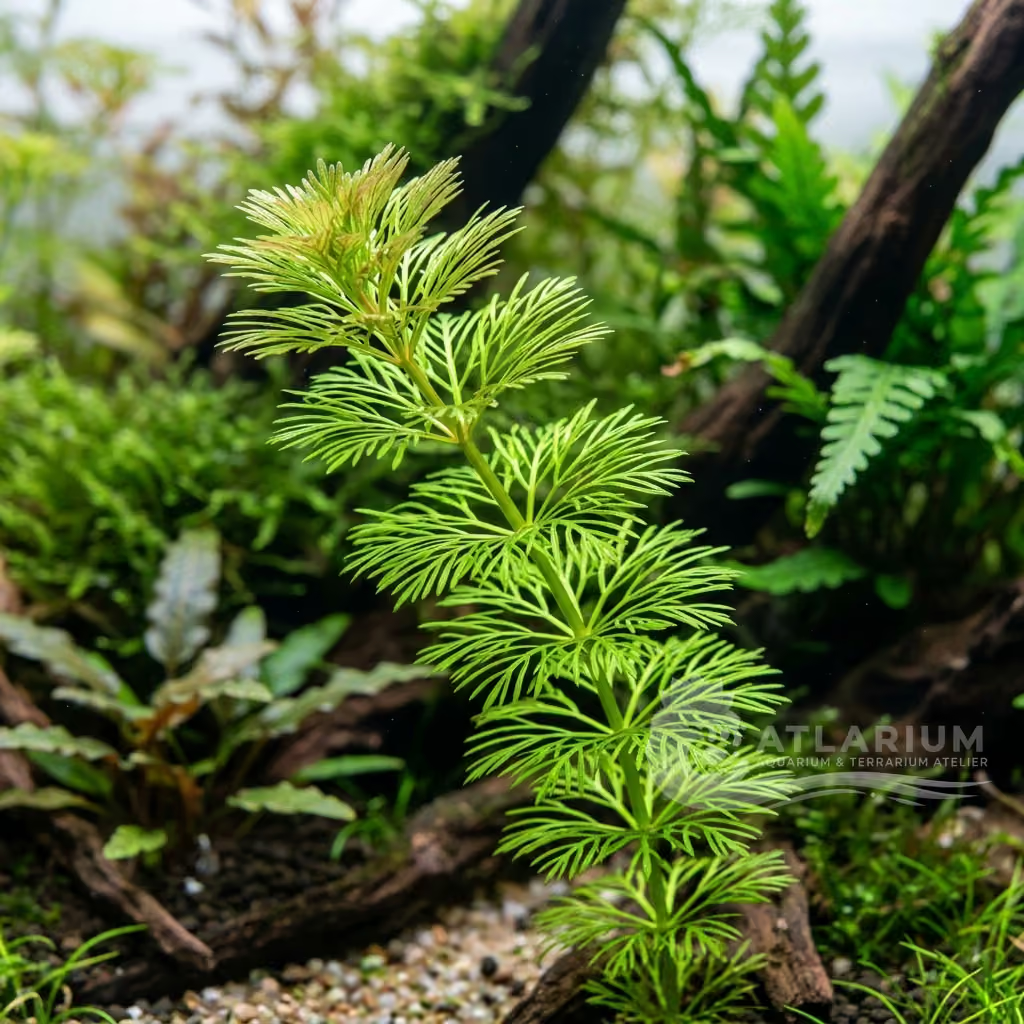
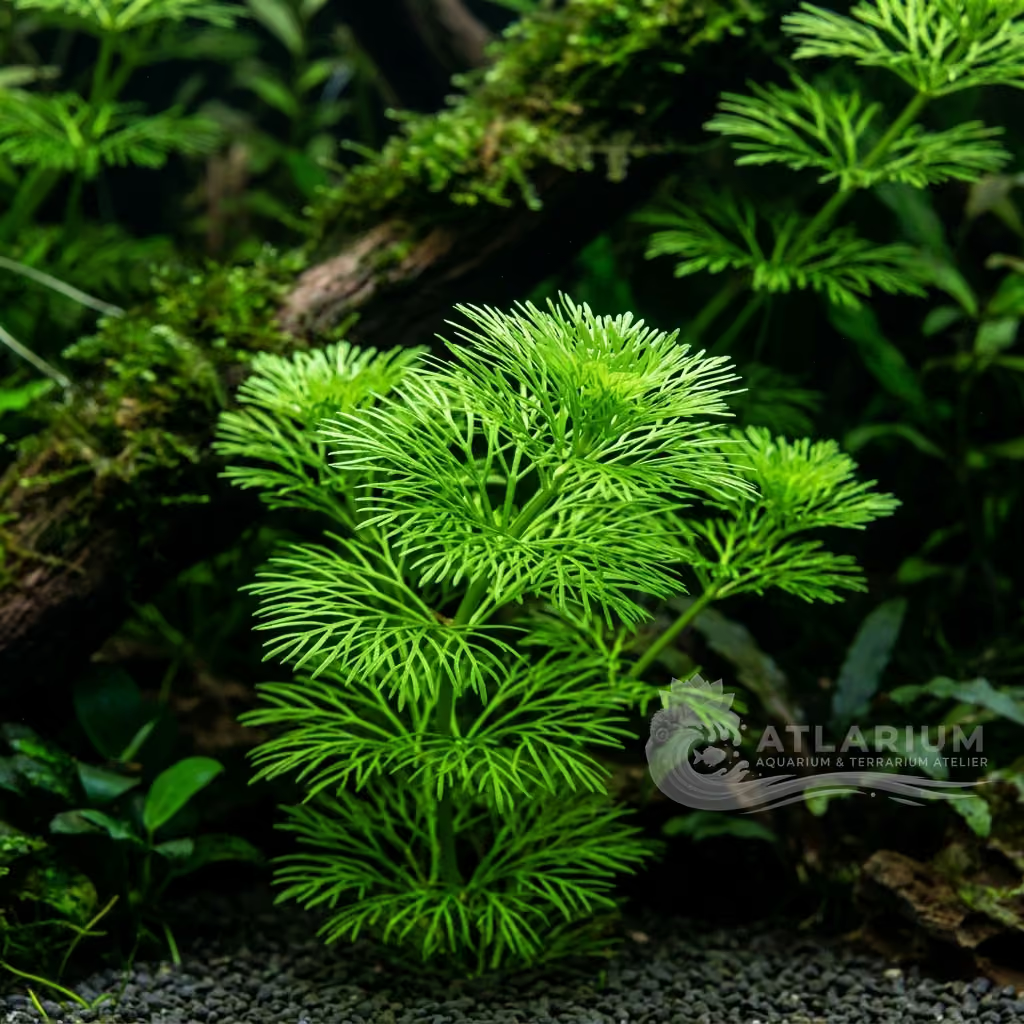
Physical Structure: The plant features an upright, branching stem structure with opposite, sessile leaves that are oval-round in shape, closely resembling wild thyme (*Thymus serpyllum*, hence the species name *serpyllifolia*). Under intense lighting, the internodes remain short, producing a compact, bushy appearance. Healthy stems typically grow up to 20 centimeters in height, with each stem expanding to a width of approximately 5 centimeters.
Color & Texture: The foliage of Bacopa serpyllifolia is a vibrant, bright green with a smooth, slightly fleshy texture. This provides an excellent visual contrast against fine-leaved or reddish aquatic plants. Under high light intensity and proper micro-nutrient dosing, the growth tips can exhibit a soft golden or light green hue. The dense leaf arrangement creates a solid, reflective surface that enhances the overall brightness and depth of the aquascape.

Care, breeding and tankmates
Lighting & CO2: Bacopa serpyllifolia demands high light levels to sustain its compact growth and prevent leggy, elongated stems that shed their lower leaves. While it can survive without supplemental carbon dioxide, CO2 injection (aiming for 15-25 mg/L) significantly accelerates growth and improves the plant's structural strength. A consistent photoperiod of 8 to 10 hours daily is highly recommended to support healthy photosynthesis.
Nutrition & Substrate: Nutrition should be balanced and comprehensive, prioritizing
Water Chemistry: This plant prefers soft, slightly acidic water, with an optimal pH range of 5.0 to 7.0 and KH levels below 7. The ideal temperature range is 20°C to 28°C; sudden temperature swings should be avoided to prevent growth stalls. Regular water changes and efficient filtration are crucial to keep organic waste low, as the plant has a moderate sensitivity to poor water quality.
Space Management & Placement: Due to its compact height, it is best placed in the foreground or midground of the layout. Stems should be planted in small groups, leaving a gap of 1-2 centimeters between them to ensure light reaches the lower leaves. Over time, these stems merge into a thick, lush green carpet that acts as a transition zone in the aquascape.
Pruning: Occasional trimming is required to maintain the desired shape and prevent the lower sections from being shaded out. Trim the top of the stems with sharp aquascaping shears just above a leaf node; this encourages lateral branching and denser growth. The severed tops can be replanted into the substrate, where they will quickly develop roots.
Risks & Diseases: The main threat to Bacopa serpyllifolia is insufficient lighting, which causes the bottom stems to rot and drop leaves. In systems with low water flow or unbalanced nutrients, the leaves are susceptible to green dust or hair algae. Dead or rotting stems should be pruned out immediately to prevent local bacterial decay from spreading to healthy stems.

Geographic origin and distribution
Bacopa serpyllifolia is native to the tropical and subtropical regions of Latin America, where it typically inhabits the damp margins of rivers, marshes, and seasonal floodplains. In its natural environment, this species adapts fluidly to both emersed and submersed conditions, anchoring in organic-rich mud or sandy substrates during wet seasons. It is commonly found in shallow, clear, and well-lit waters with slow to moderate currents, allowing it to capture maximum sunlight.
Origin
Central America and CaribbeanExtra-Amazon South America

Plant profile
- Placement
- Foreground
- This species is ideal as a midground accent or background bush in smaller aquariums due to its small leaf size. Its creeping and bushy growth habit allows it to be shaped beautifully among hardscape materials. It looks especially stunning when planted in dense groups.
- Botanical form
- Stem
- Bacopa serpyllifolia is characterized by its tiny, opposite, round to slightly elongated leaves. The stems tend to grow vertically but can branch out profusely when trimmed. The overall appearance is highly textured, resembling miniature thyme plants underwater.
- Growth
- Fast
- Under optimal conditions with high light and CO2, its growth rate is moderate to relatively fast. In lower tech setups, it grows more slowly and compactly. Trimming can further stimulate lateral branching, creating a denser bush.
- Substrate
- Medium
- Bacopa serpyllifolia thrives best in a nutrient-rich, moderately deep substrate to support its creeping growth and root development. A quality aqua soil is highly beneficial, as it provides a steady source of essential minerals and encourages robust root anchoring. While it can survive in inert substrates, supplementing the bed with root tabs will ensure denser, healthier foliage.
- Column fertilization
- Recommended
- Regular dosing of a complete liquid fertilizer is highly recommended for this plant to thrive. It absorbs the majority of its needed nutrients directly from the water column through its stem and leaves. Nitrate and phosphate should be maintained at steady levels to prevent stunting.
- Root fertilization
- Recommended
- While it primarily feeds from the water column, a nutrient-rich substrate or root tabs can provide secondary benefits. A fertile soil substrate supports overall plant vigor and faster establishment after replanting. It is not strictly dependent on heavy root feeding.
- Trimming
- Occasional
- To maintain a compact shape and encourage denser growth, trim the stems regularly just above the nodes. The trimmed tops can be easily replanted to multiply the group. Over time, the lower portions may need replacing if they become shaded and leafless.
- Propagation
- Cuttings
- Propagation is very straightforward via stem cuttings. Simply snip the healthy top portions and plant them gently into the substrate. They will quickly develop new root systems and continue growing.
- Sensitivity
- Moderate
- This delicate plant is sensitive to sudden drops in water quality or severe nutrient deficiencies, which can cause leaf drop or melting. It does not tolerate heavy shading from larger, overhanging plants well. Sudden changes in CO2 concentration can also negatively impact its health.
- Layout role
- Midground, Foreground, group
- It functions excellently as a structural element in the midground, softening transitions between hardscape and background. Its very fine texture provides excellent contrast against plants with larger or differently shaped leaves. It's often used in nano and nature aquarium styles for detailed planting.

Related species
Recommendations grouped by close relatives, companion choices, and similar care.