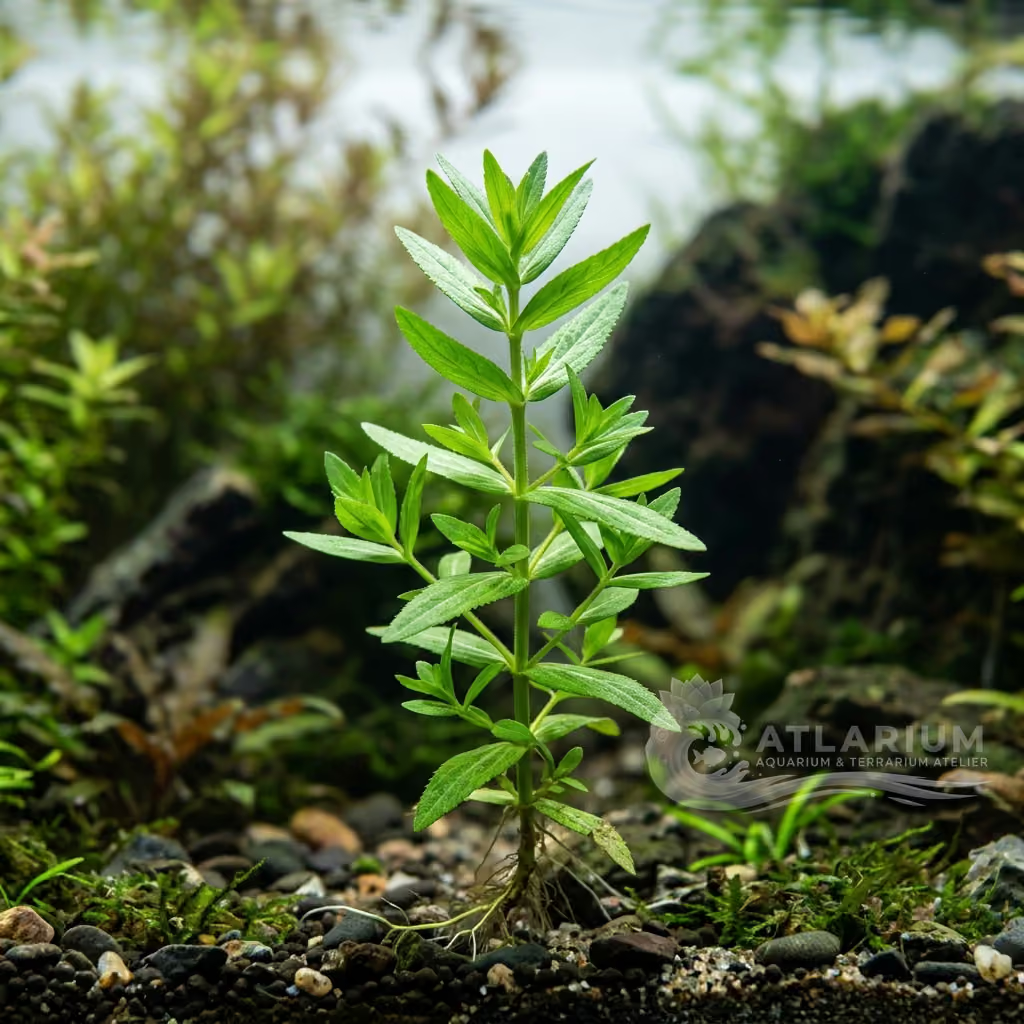
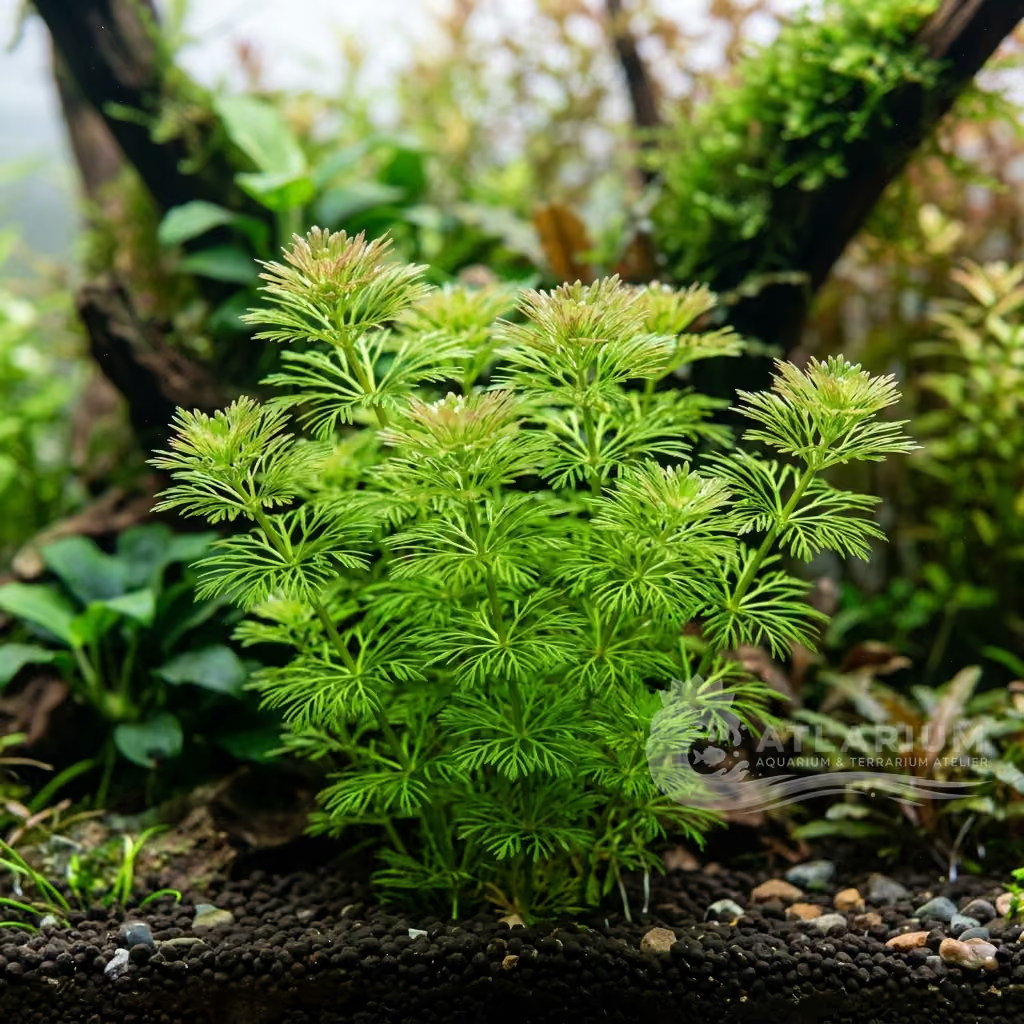
Water Milfoil Bacopa
Bacopa myriophylloides
A highly demanding Brazilian marsh plant featuring delicate, whorled needle-like leaves. Requires intense lighting, soft water, and CO2 injection.
Water Temperature
20 - 30 °C
pH Value
6 - 7.5
Water type
Freshwater
Light
High
CO2
High
Expected height
30 cm
Expected width
10 cm
GH
2 - 8 dGH
KH
1 - 4 dKH

Species description
Geographical Origin and Habitat: Bacopa myriophylloides is a delicate marsh plant native to South America, specifically endemic to the central and eastern regions of Brazil. It grows in highly specialized aquatic habitats, such as the sandy shores of slow-moving rivers, clear-water oligotrophic streams, acidic wetlands, and seasonal pools on nutrient-poor soils. It is an amphibious plant that adapts to seasonal water level variations, growing submersed or emersed on wet mud.
Taxonomy & Genetics: Belonging to the family Plantaginaceae (historically placed under Scrophulariaceae), genus Bacopa. The specific epithet 'myriophylloides' highlights its morphological resemblance to plants of the genus Myriophyllum, due to its finely divided, needle-like leaf structure, although evolutionary and genetic markers place it firmly within the genus Bacopa.
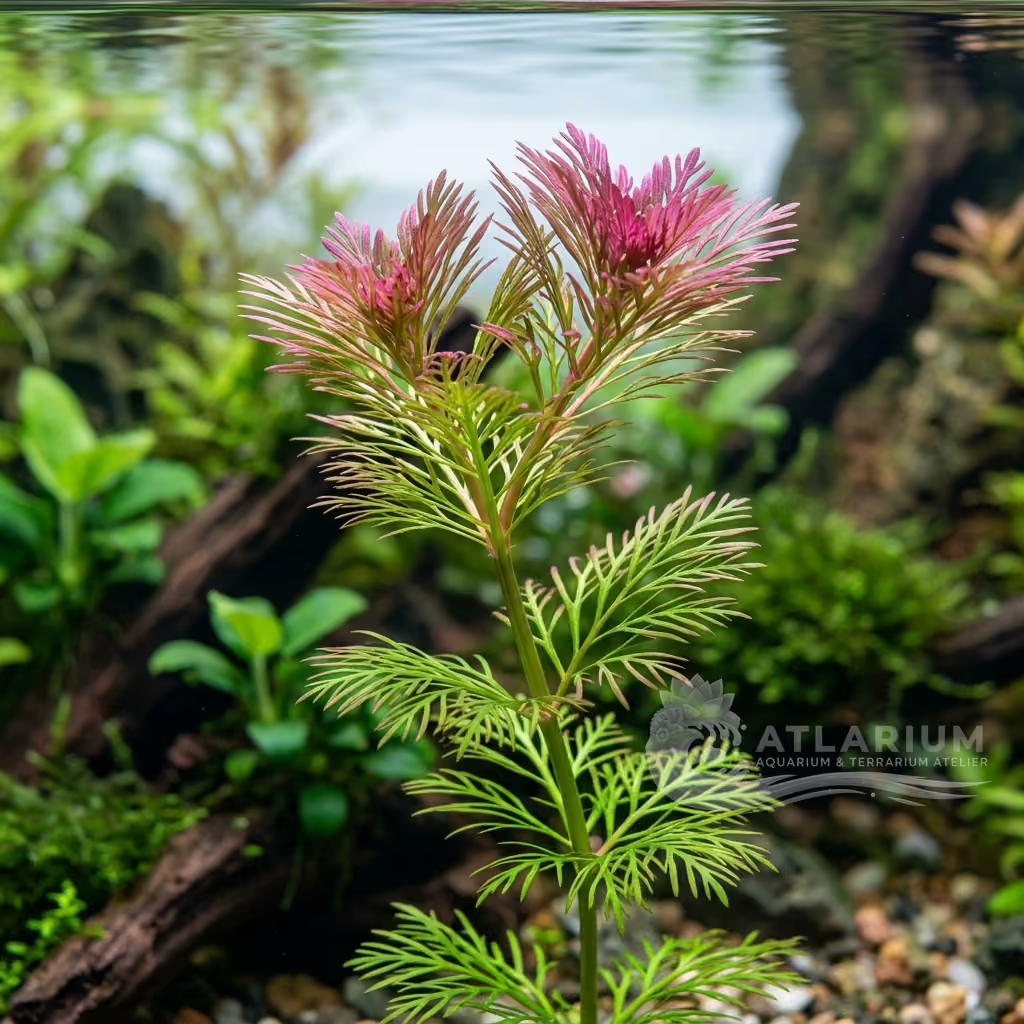
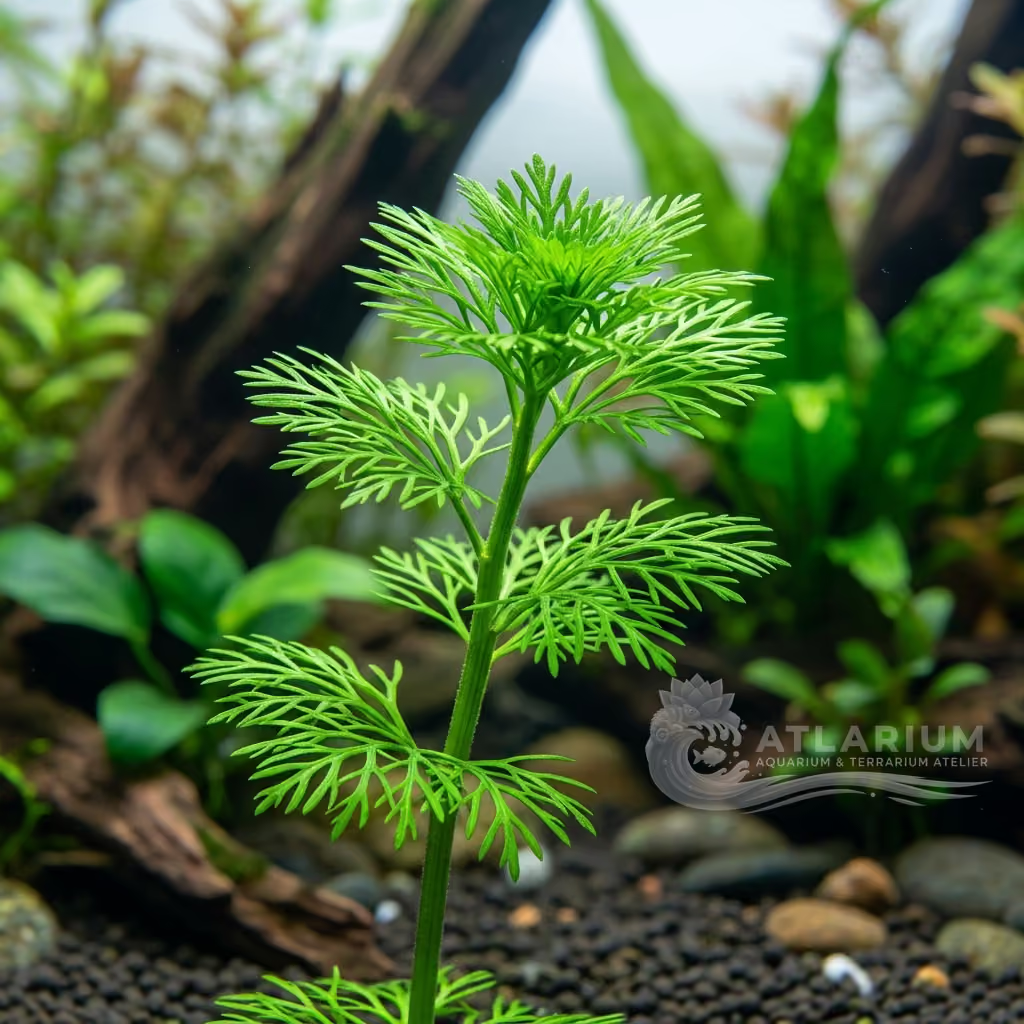
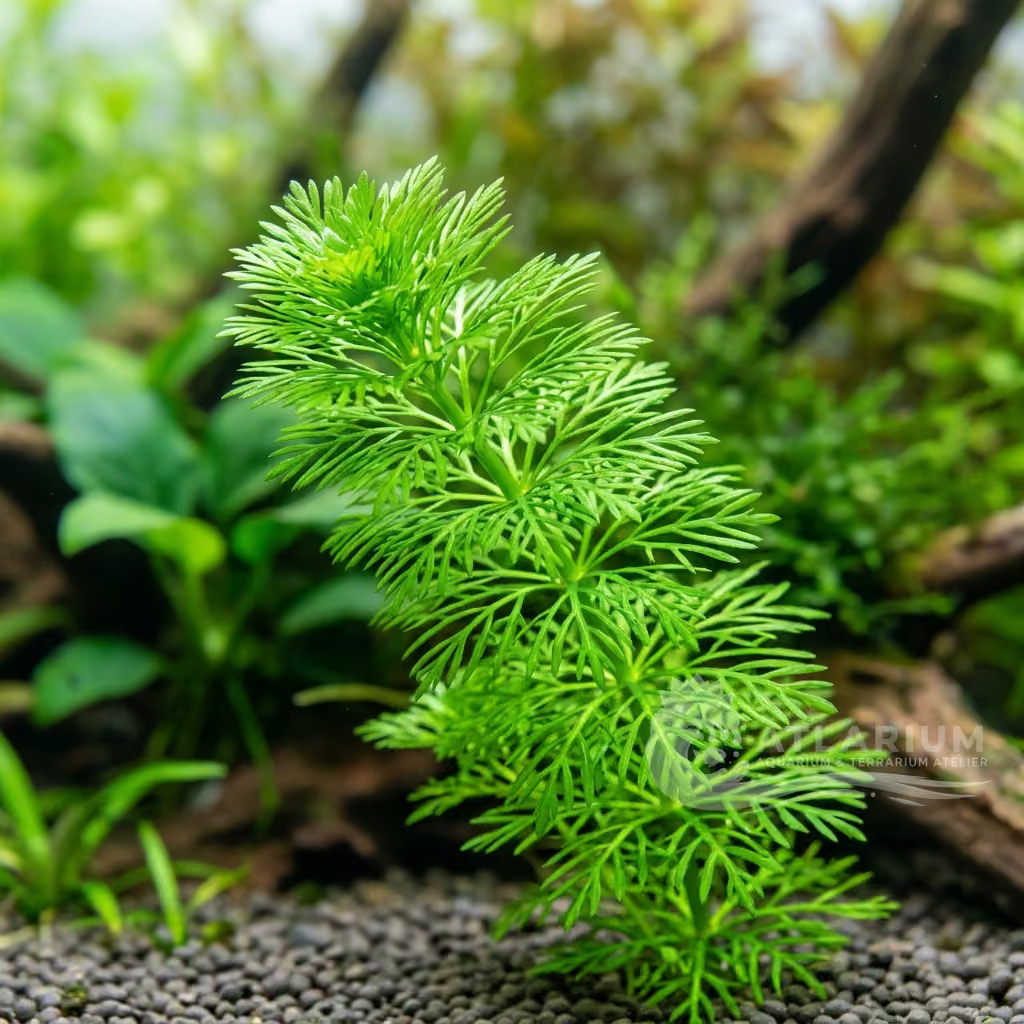
Physical Structure: It features thin, flexible stems growing erect in dense vertical clusters. Unlike other broad-leafed Bacopa species, this plant develops extremely thin, needle-like leaves arranged in regular whorls around the stem. Under submersed conditions, it grows to heights of 20-30 cm, producing delicate, feather-like foliage with a very light appearance.
Color & Texture: The plant exhibits a uniform, bright light green coloration along its entire stem. The needle-like leaves are translucent under water and are very soft to the touch. When growing emersed, it develops small axillary flowers of a pale purple-blue color with darker veins, characteristic of the genus Bacopa.

Care, breeding and tankmates
Lighting & CO2: It demands extremely intense lighting to survive. Under insufficient light, the stems become weak and leggy, internodes elongate, and the plant quickly rots from the bottom up. Continuous CO2 injection (20-30 mg/l) is absolutely mandatory to support the growth of this demanding species and prevent vegetative arrest.
Nutrition & Substrate: Requires a fine sandy substrate combined with rich root fertilization. It benefits greatly from acidic active soil substrates. Regular water column dosing of chelated iron, potassium, and micronutrients is required. Nutrient deficiencies lead to rapid yellowing of the leaves and necrosis of the growing tips.
Water Chemistry: A highly sensitive species requiring soft, acidic water (GH 2-8 dGH, KH 1-4 dKH) and a pH range between 5.5 and 6.8. It does not tolerate hard or alkaline waters, in which the stems will melt away within a few days. The temperature should be kept stable between 22°C and 26°C. Using mineralized RO water is essential.
Space Management & Placement: Its optimal placement is in the midground or foreground of the aquascape (in larger tanks), where it can form feather-like bushes contrasting with broad-leafed plants. Stems must be planted individually, spaced at least 1.5-2 cm apart, to prevent shadowing the lower portions which leads to decay.
Pruning: Pruning must be done regularly by cutting the upper portion of the stems with sharp aquascaping scissors. The cut tops can be replanted directly into the sandy substrate to propagate the plant, while the remaining base will develop new shoots from the nodes below the cut, making the bush denser.
Risks & Diseases: The main risk is colonization by hair algae or diatoms, which easily smother its fine, needle-like leaves. It is highly vulnerable to organic detritus accumulation on the foliage. It does not tolerate digging fish or herbivorous species that can easily uproot or damage the fragile stems.

Geographic origin and distribution
Bacopa myriophylloides is a delicate marsh plant native to South America, specifically endemic to the central and eastern regions of Brazil. It grows in highly specialized aquatic habitats, such as the sandy shores of slow-moving rivers, clear-water oligotrophic streams, acidic wetlands, and seasonal pools on nutrient-poor soils. It is an amphibious plant that adapts to seasonal water level variations, growing submersed or emersed on wet mud.
Origin
Extra-Amazon South America

Plant profile
- Placement
- Midground
- It is best placed in the midground or background of the aquarium, where its fine texture can be appreciated. It should not be shaded by other plants, as it requires intense, direct lighting. Grouping a few stems together creates a stunning, feathery focal point.
- Botanical form
- Stem
- Unlike other Bacopas, it features extremely fine, needle-like leaves arranged in whorls, resembling Myriophyllum species. The stems are fragile and delicate, requiring careful handling during planting. It retains its ethereal, soft green appearance when grown fully submerged.
- Growth
- Medium
- This plant has a notoriously slow and sometimes unpredictable growth rate. Even under perfect conditions, it takes time to establish and grow upward. Its slow growth makes it vulnerable to algae, so pristine water conditions are required.
- Substrate
- Medium
- Bacopa myriophylloides requires a fine-grained, moderately fertile substrate to protect and nourish its delicate, needle-like foliage and fragile stem structure. Its fine root system anchors gently into the top layer of the substrate, drawing essential minerals to support its unique, feathery appearance. A substrate depth of 3 to 5 centimeters is ideal, allowing the roots to spread without being smothered or crushed by heavy, coarse gravel. Supplementing the substrate with root fertilizers helps prevent nutrient deficiencies that often cause its thin leaves to pale or deteriorate.
- Column fertilization
- Required
- It relies heavily on liquid column fertilization for its nutrient uptake. A balanced, high-quality liquid fertilizer with adequate iron is necessary to keep the fine leaves vibrant. Any nutrient deficiency will quickly lead to melting or the shedding of lower leaves.
- Root fertilization
- Optional
- A soft, nutrient-rich substrate is highly recommended to support its delicate root system. While it draws heavily from the column, root tabs can provide an essential safety net of nutrients. A fine-grained soil helps the fragile stems anchor properly.
- Trimming
- Occasional
- Trimming must be done carefully with sharp scissors to avoid crushing the delicate stems. Replant the healthy tops to propagate, and leave the bottoms to slowly sprout new shoots. Avoid severe pruning, as it can take a long time to recover.
- Propagation
- Cuttings
- Propagation is done through careful stem cuttings. The cuttings should be gently planted into fine substrate to avoid breaking the stems. Given optimal conditions, the cuttings will slowly root and begin new growth.
- Sensitivity
- Sensitive
- It is extremely sensitive to fluctuations in water parameters, particularly preferring soft, slightly acidic water. It melts easily if shaded, if CO2 drops, or if there is an algae outbreak. It is generally not recommended for beginners due to its fragile nature.
- Layout role
- Foreground
- It provides an exceptionally fine, feathery texture that contrasts sharply with broader-leaved plants. It brings a soft, delicate look to the aquascape, often used as a rare collector's accent. It works best in high-tech, meticulously maintained layouts.

Related species
Recommendations grouped by close relatives, companion choices, and similar care.