Limnophila aquatica
Limnophila aquatica
Known as Giant Ambulia, this striking Indian stem plant forms dense, fluffy whorls of fine green leaves. It is an iron-demanding, fast grower that requires medium-high light and CO2 injection.
Water Temperature
15 - 30 °C
pH Value
6.5 - 7.5
Water type
Freshwater
Light
Medium - High
CO2
Medium - High
Expected height
50 cm
GH
4 - 20 dGH
KH
2 - 18 dKH

Species description
Geographical Origin and Habitat: Limnophila aquatica, commonly known as Giant Ambulia, is native to India and Sri Lanka. It populates stagnant or slowly flowing water bodies such as swamps, floodplains, and canals. It grows in dense submerged bushes and tends to produce emersed shoots with different foliage during seasonal dry periods.
Taxonomy & Genetics: It belongs to the family Plantaginaceae. It is characterized by a genetic profile oriented towards rapid photosynthesis under strong light and accelerated mineral absorption. Submerged leaves are finely divided to increase the gas exchange surface in low-carbon dioxide environments.
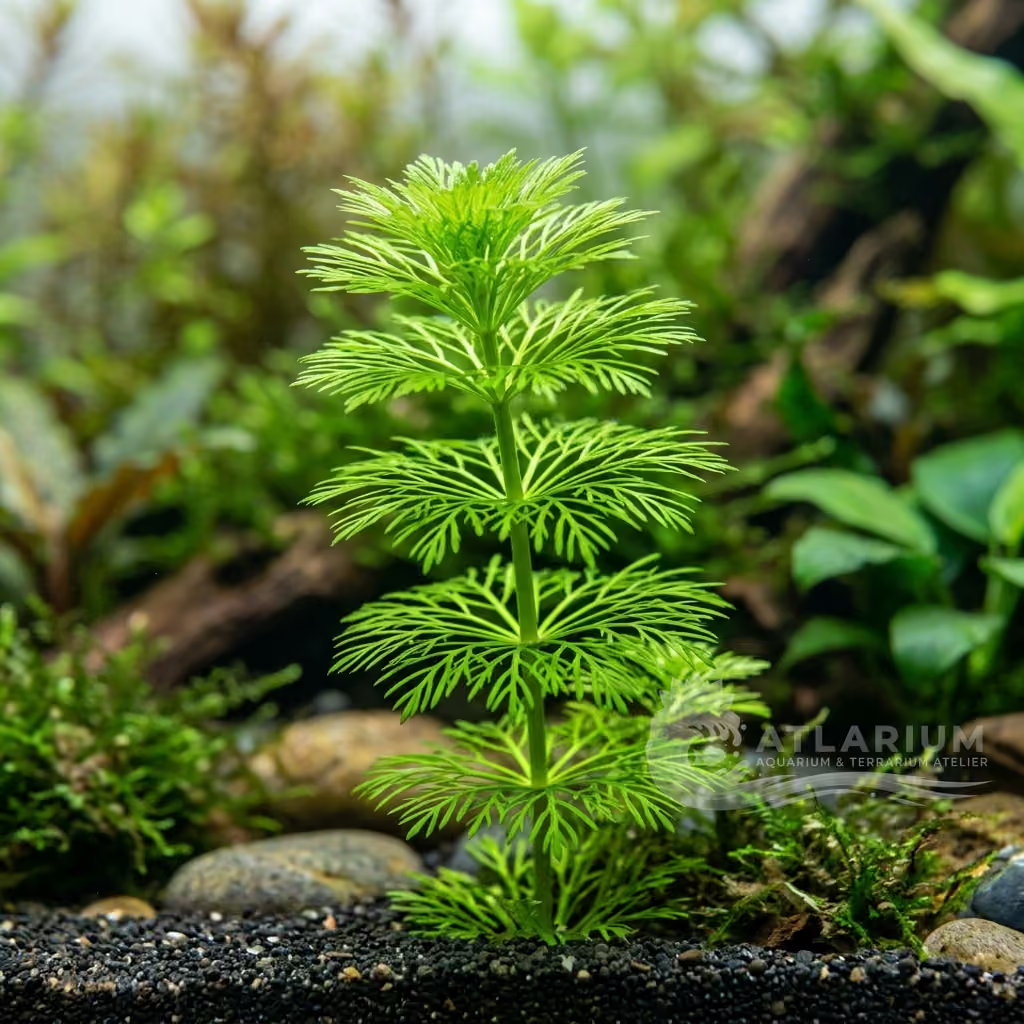
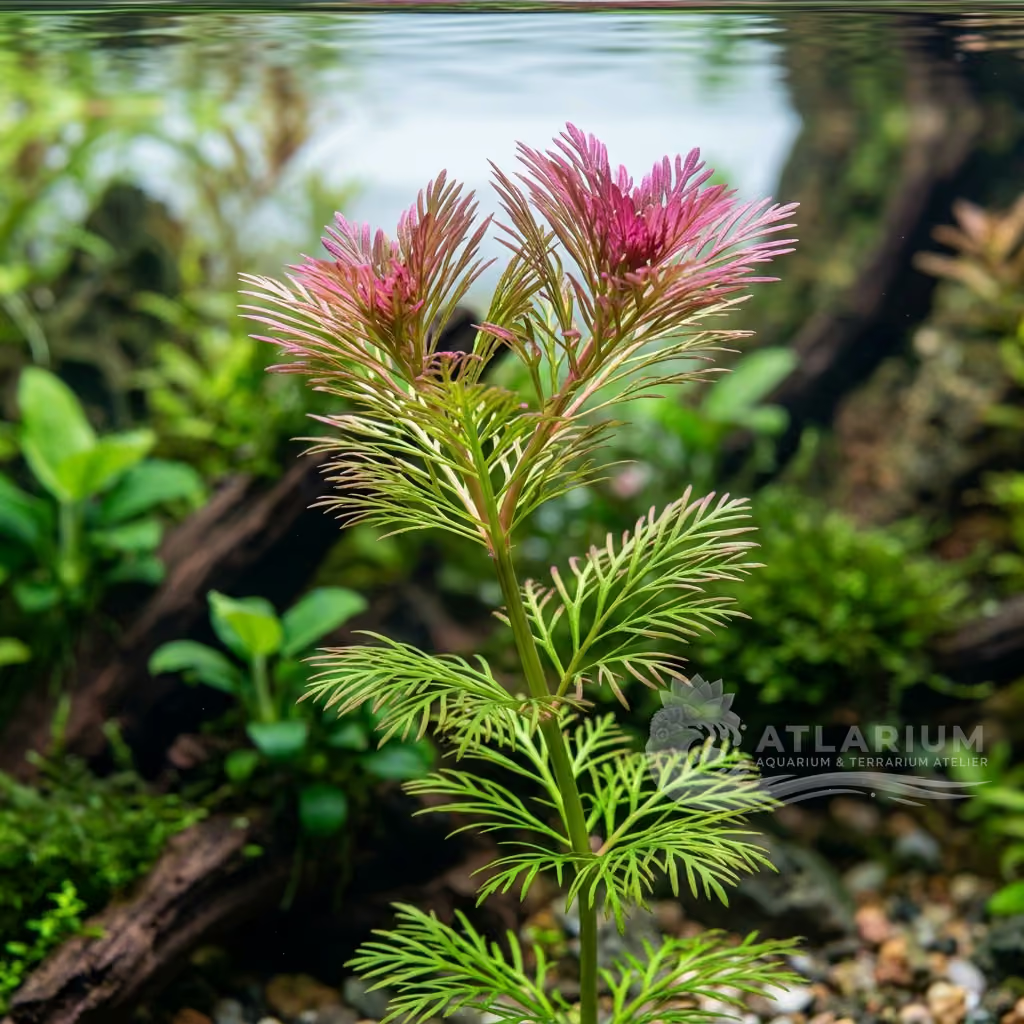
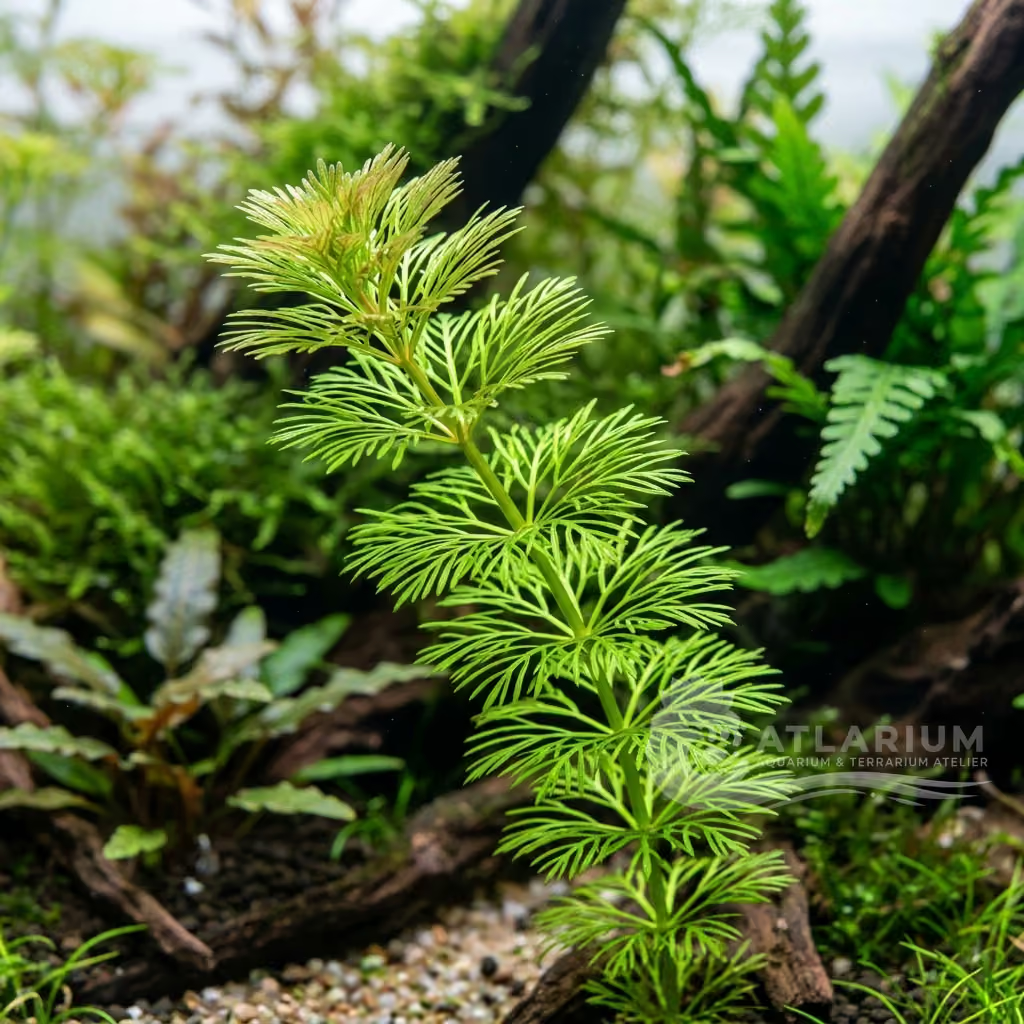
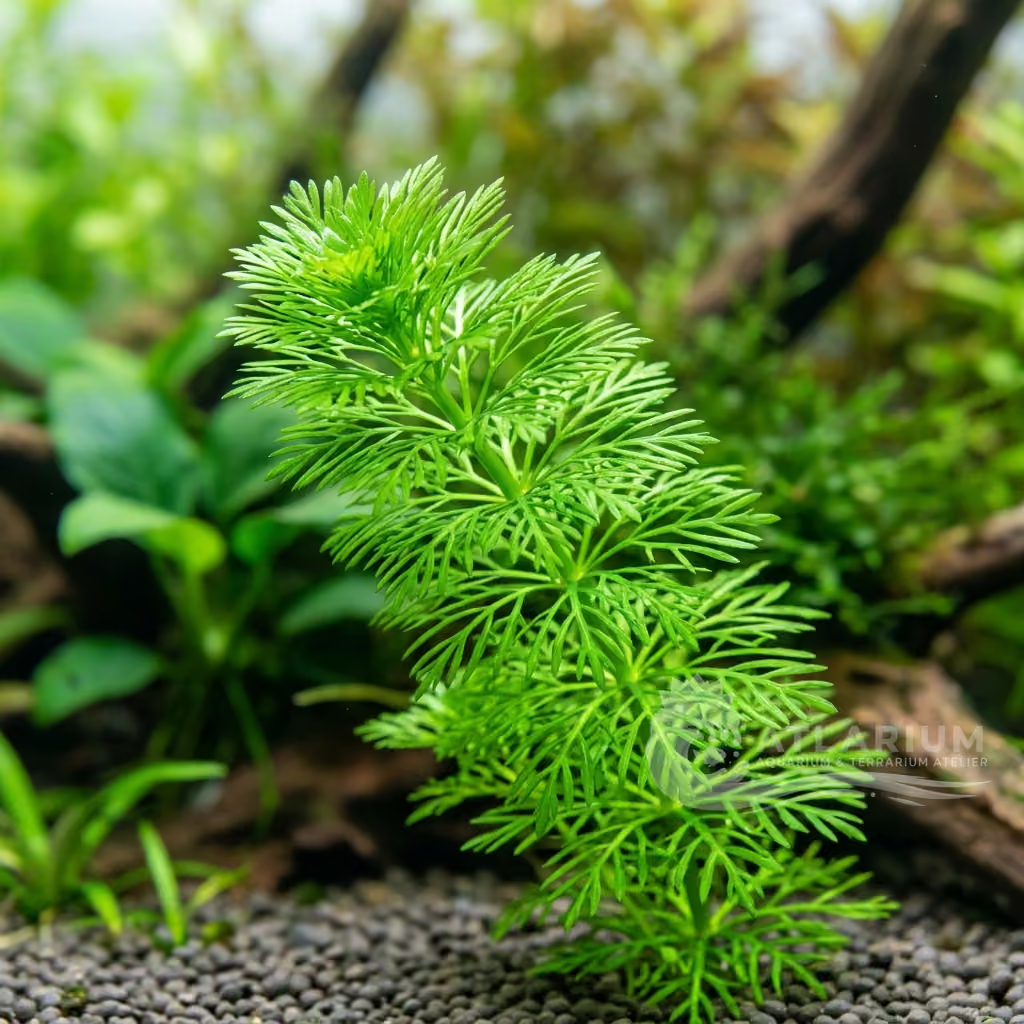
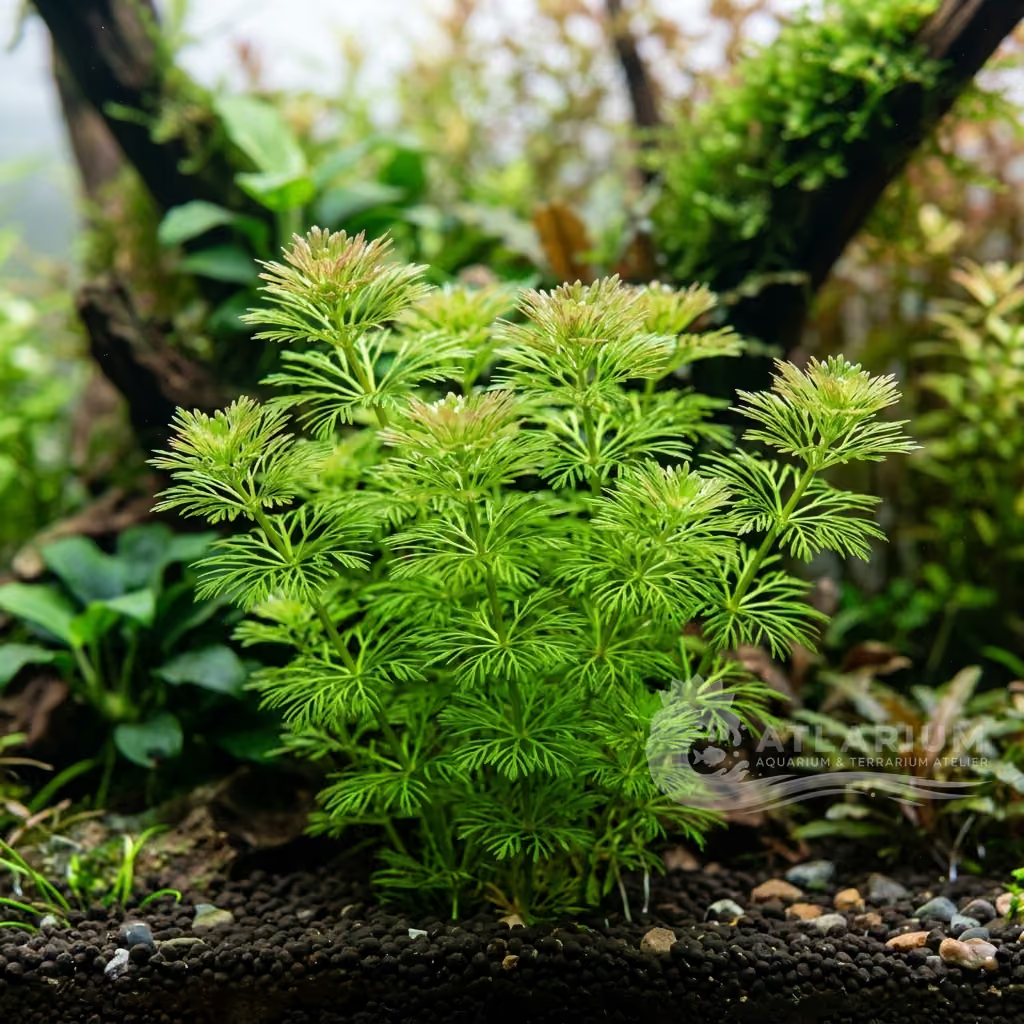
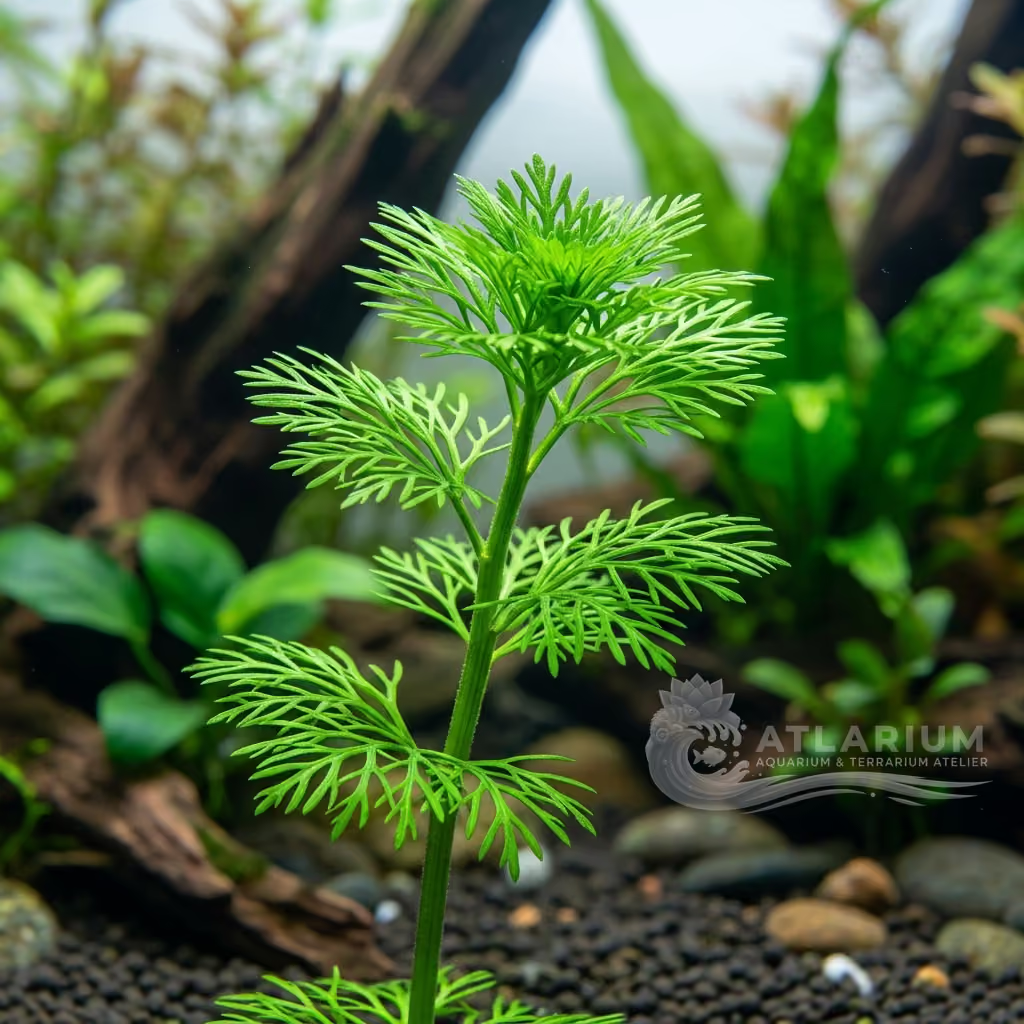
Physical Structure: It features robust vertical stems that can reach remarkable heights (even exceeding 50 cm). Along the stems develop dense circular whorls composed of extremely feathery and finely divided leaves. This soft structure creates a broad bush with a feathery and expanded appearance.
Color & Texture: The color is a bright lime green or fresh light green. Under very strong illumination, the apical tops can assume delicate golden or copper hues. The texture is soft and feathery to the touch, giving lightness and visual depth to the aquarium setup.

Care, breeding and tankmates
Lighting & CO2: Requires medium-high lighting. If light is weak, the internodes elongate excessively, stripping the lower part of the plant. CO2 injection is recommended to keep the shape of the whorls dense, lush, and fluffy.
Nutrition & Substrate: Although it absorbs nutrients directly from the leaves, it benefits from a fertile substrate. It is a plant extremely demanding in iron; deficiencies of this element manifest almost immediately with the whitening of the tops of the plant.
Water Chemistry: Tolerates water temperatures between 15°C and 30°C, pH from 6.5 to 7.5, and carbon hardness (KH) between 2 and 18 dKH. It prefers well-filtered water free of suspended particles, which could settle on the fine leaves, suffocating them.
Space Management & Placement: Its ideal placement is in the background of the aquarium (background). Due to its large size and rapid growth, it should be placed in groups at the back of the tank, leaving sufficient space from neighboring plants.
Pruning: Pruning is done by cutting the stems with sharp scissors. The removed tops can be replanted directly into the substrate as cuttings, while the remaining stems will develop new lateral shoots, thickening the group.
Risks & Diseases: The finely divided leaves easily accumulate organic debris in tanks with poor mechanical filtration, favoring the development of algae. Nutrient deficiencies, especially iron and potassium, stop growth and cause leaf decomposition.

Geographic origin and distribution
Limnophila aquatica, commonly known as Giant Ambulia, is native to India and Sri Lanka. It populates stagnant or slowly flowing water bodies such as swamps, floodplains, and canals. It grows in dense submerged bushes and tends to produce emersed shoots with different foliage during seasonal dry periods.
Origin
South and Southeast Asia

Plant profile
- Placement
- Background
- Due to its immense size and rapid vertical growth, Limnophila aquatica is exclusively suited for the background of large aquariums. It should be planted in groups of three to five stems, allowing enough space between them for light to penetrate down to the lower sections. Placing it behind shorter, contrasting plants creates a striking visual depth while hiding equipment like heaters and filter intakes. Its broad canopy can cast significant shadows, so care must be taken not to plant light-demanding species directly beneath it.
- Botanical form
- Stem
- Limnophila aquatica boasts a magnificent botanical form, featuring thick, sturdy stems adorned with whorls of extremely fine, feathery leaves. The leaves form dense, umbrella-like tiers that can reach up to 12 centimeters in diameter, making it one of the largest stem plants in the hobby. Its bright green, highly divided foliage sways gracefully in the current, adding a dynamic, soft texture to the aquascape. As it approaches the water surface, the internodes may shorten, creating an even denser crown.
- Growth
- Fast
- Under optimal conditions with high light and CO2 injection, the growth rate of Limnophila aquatica is extraordinarily fast. It can grow several inches per week, rapidly reaching the surface of even tall aquariums. In lower-tech setups, its growth slows down slightly, but it still remains a vigorous grower that quickly establishes itself. This fast growth makes it an excellent candidate for absorbing excess nutrients and outcompeting algae.
- Substrate
- Medium
- Limnophila aquatica flourishes in a moderately deep substrate of 5-7 cm, preferring nutrient-rich aqua soil to support its robust and tall vertical growth. Its root system is extensive and strong, designed to anchor the large stems firmly in place against water flow while absorbing essential minerals. Supplementing an inert gravel base with nutrient tabs can also be effective, provided the roots have enough depth to establish a firm hold.
- Column fertilization
- Recommended
- Liquid column fertilization is essential for this heavy feeder, as its extensive leaf surface area actively absorbs nutrients directly from the water. A comprehensive daily or weekly dosing regimen of liquid fertilizers ensures the foliage remains thick and brightly colored all the way down the stem. Without sufficient nutrients in the water column, the plant will quickly cannibalize its older, lower leaves to support new growth at the tip. Monitoring water parameters helps adjust the dosage to match its vigorous nutrient uptake.
- Root fertilization
- None
- While Limnophila aquatica absorbs many nutrients through its leaves, it also develops a strong, extensive root system that benefits immensely from a nutrient-rich substrate. Using a high-quality aquasoil or supplementing with root tabs provides a long-term source of sustenance that promotes thicker stems and larger leaf whorls. Deep substrate fertilization is especially helpful in preventing the lower stem from rotting or becoming bare over time. A combination of both root and column feeding yields the most impressive, robust specimens.
- Trimming
- Occasional
- Frequent trimming is mandatory to prevent Limnophila aquatica from overgrowing the tank and blocking light from the surface. When the stems reach the top, they should be cut down to a lower node, usually leaving about half the plant's height intact. The cut stem will quickly branch out with two or more new shoots, resulting in an even bushier background over time. Removing any decaying or shaded lower leaves during trimming helps maintain good water circulation and overall plant health.
- Propagation
- Cuttings
- Propagating Limnophila aquatica is incredibly simple and is done primarily through stem cuttings. During regular maintenance, simply snip the top portion of a healthy stem and replant it directly into the substrate. The cutting will develop new roots within a few days and continue growing upwards. The remaining bottom portion left in the substrate will produce lateral shoots, allowing aquarisrs to quickly multiply their stock and create a dense background forest.
- Sensitivity
- Moderate
- This plant is somewhat sensitive to sudden changes in water chemistry and temperature, which can trigger a temporary halt in growth or leaf melting. It also demands pristine water conditions; high organic waste or floating debris can easily become trapped in its fine leaves, leading to algae growth, particularly hair algae. It requires very strong lighting to maintain its lower leaves; insufficient light will cause the bottom half of the stem to become completely bare and unsightly.
- Layout role
- Background
- In aquascaping, Limnophila aquatica serves as a dominant, eye-catching background feature that provides incredible volume and texture. Its massive, feathery crowns offer a stark contrast to broad-leaved plants like Echinodorus or solid hardscape materials. It is a staple in Dutch-style aquariums, where its uniform, bright green clusters create a soft, lush backdrop. Additionally, its dense foliage provides an excellent hiding place for shy fish species and a breeding ground for egg-scatterers.

Related species
Recommendations grouped by close relatives, companion choices, and similar care.