Cylinder Cichlid
Neolamprologus cylindricus
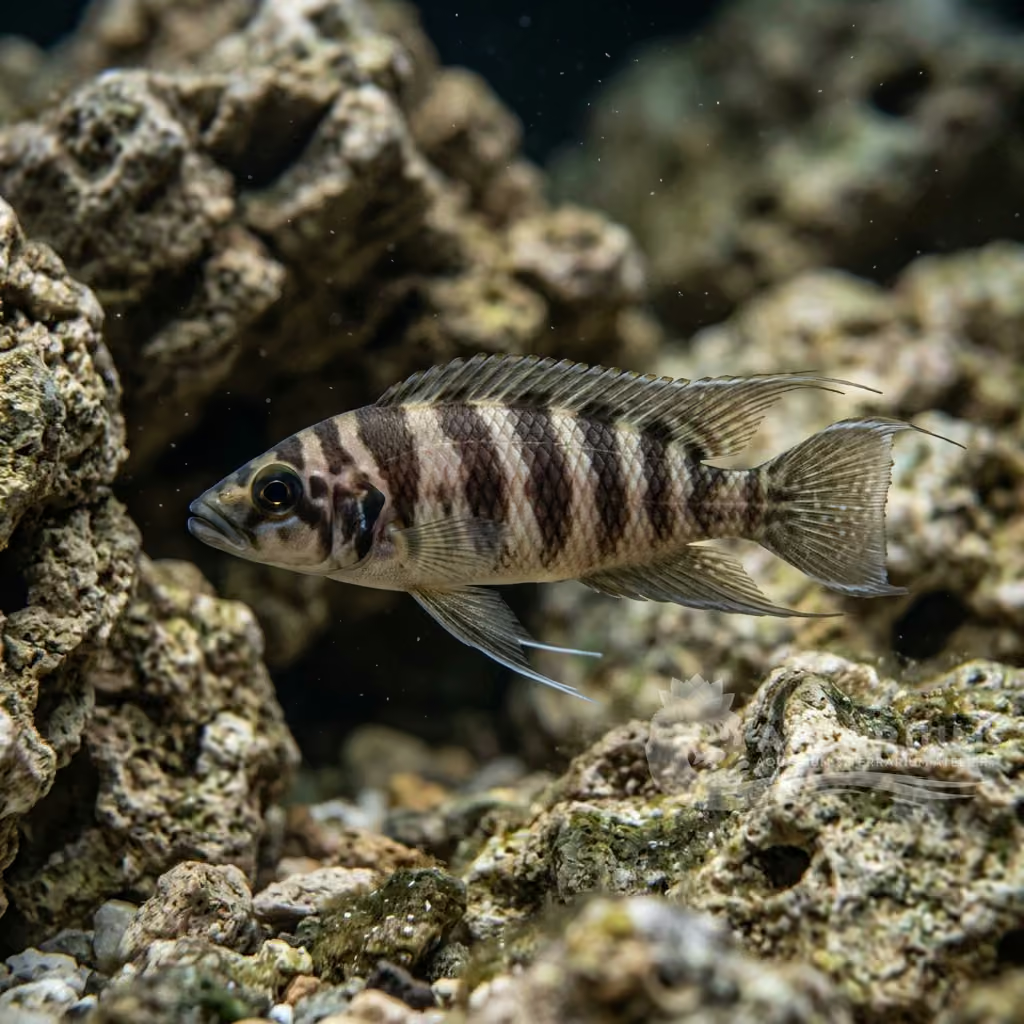
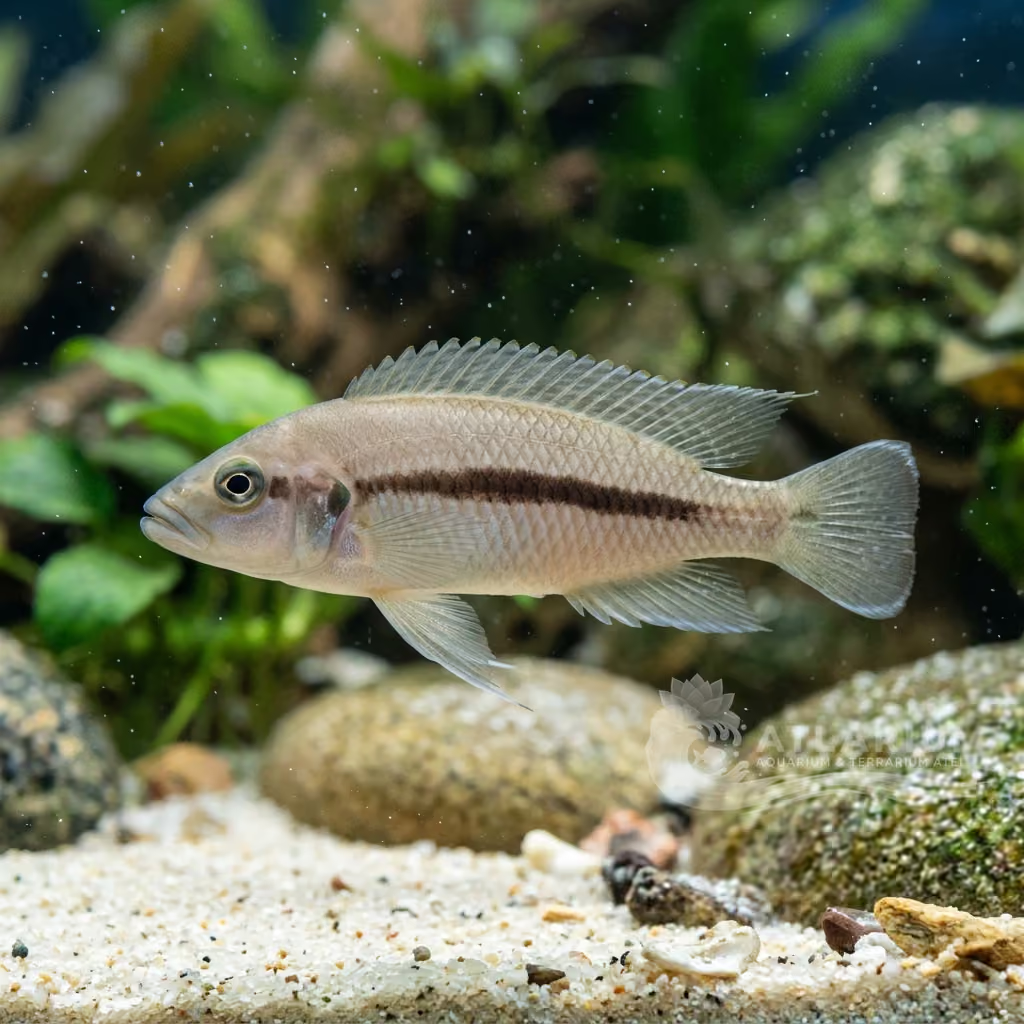
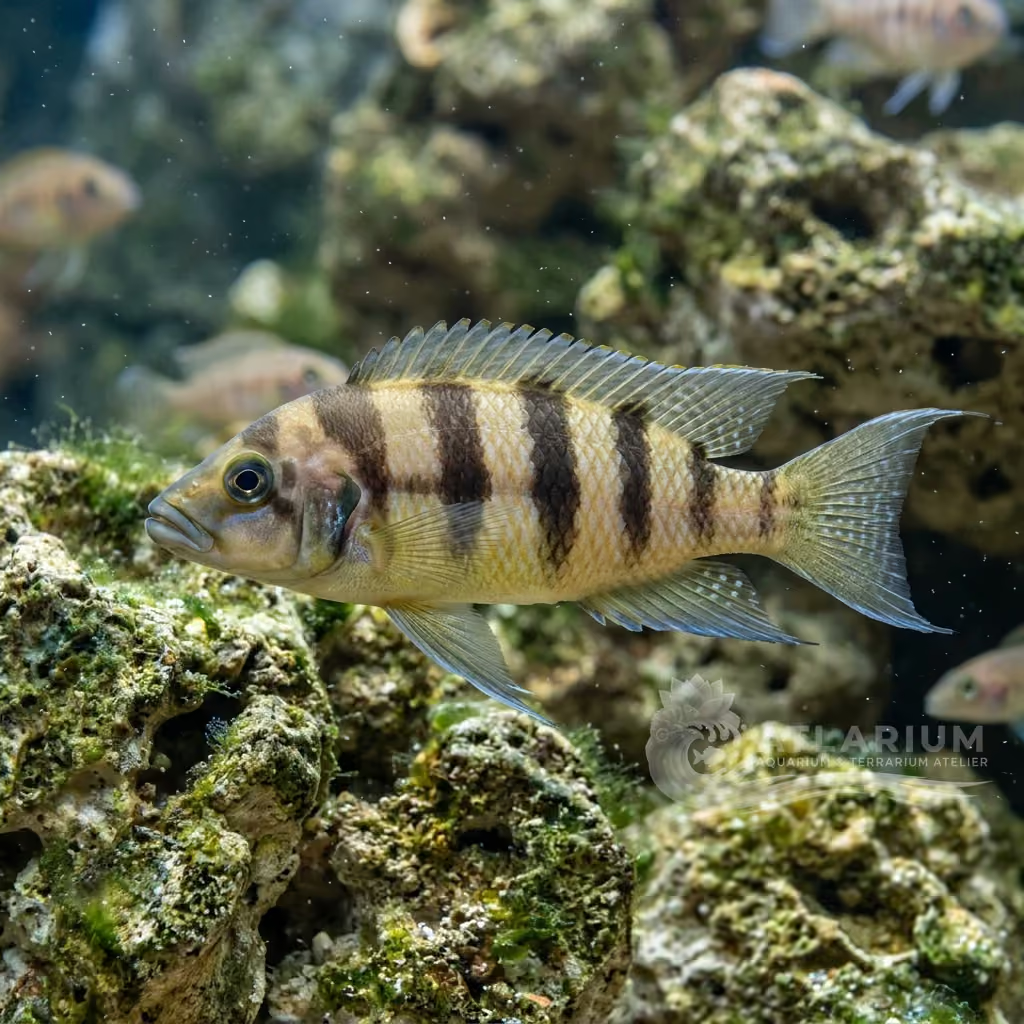
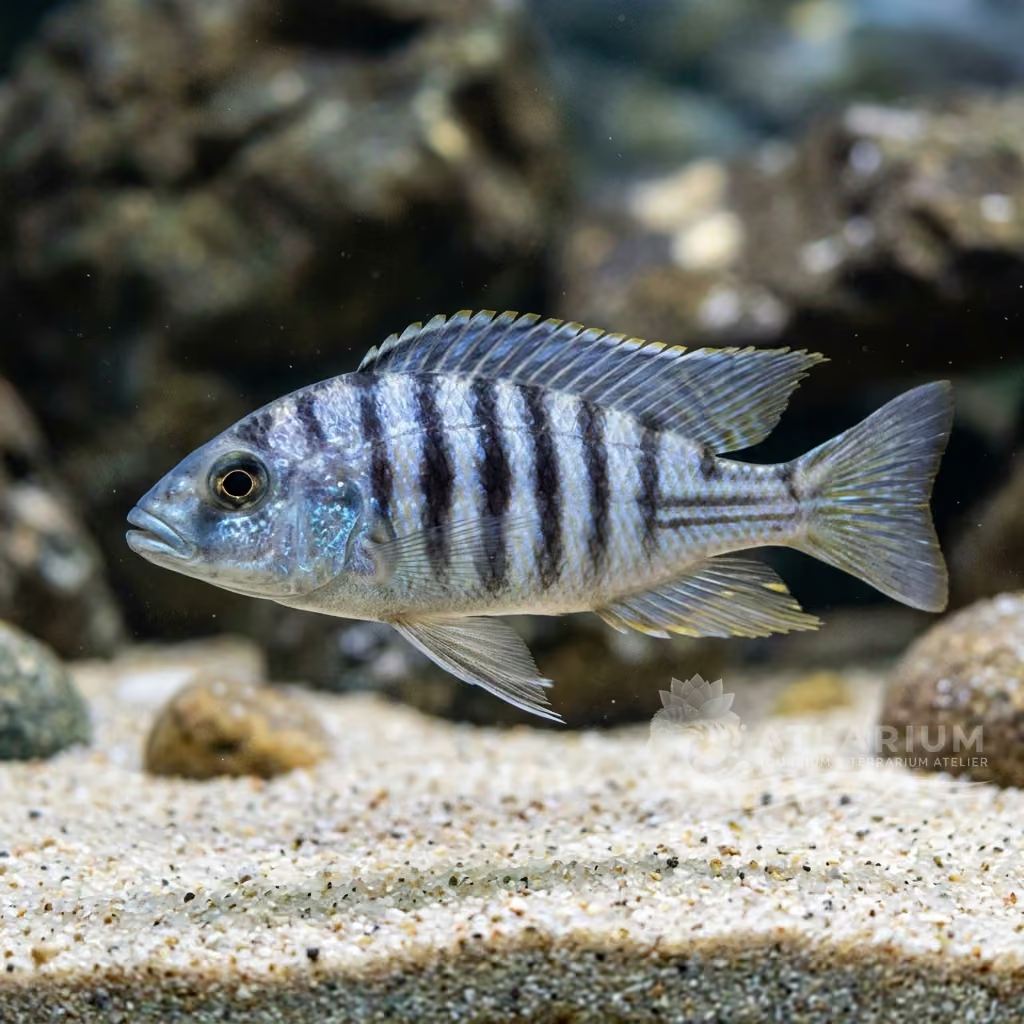
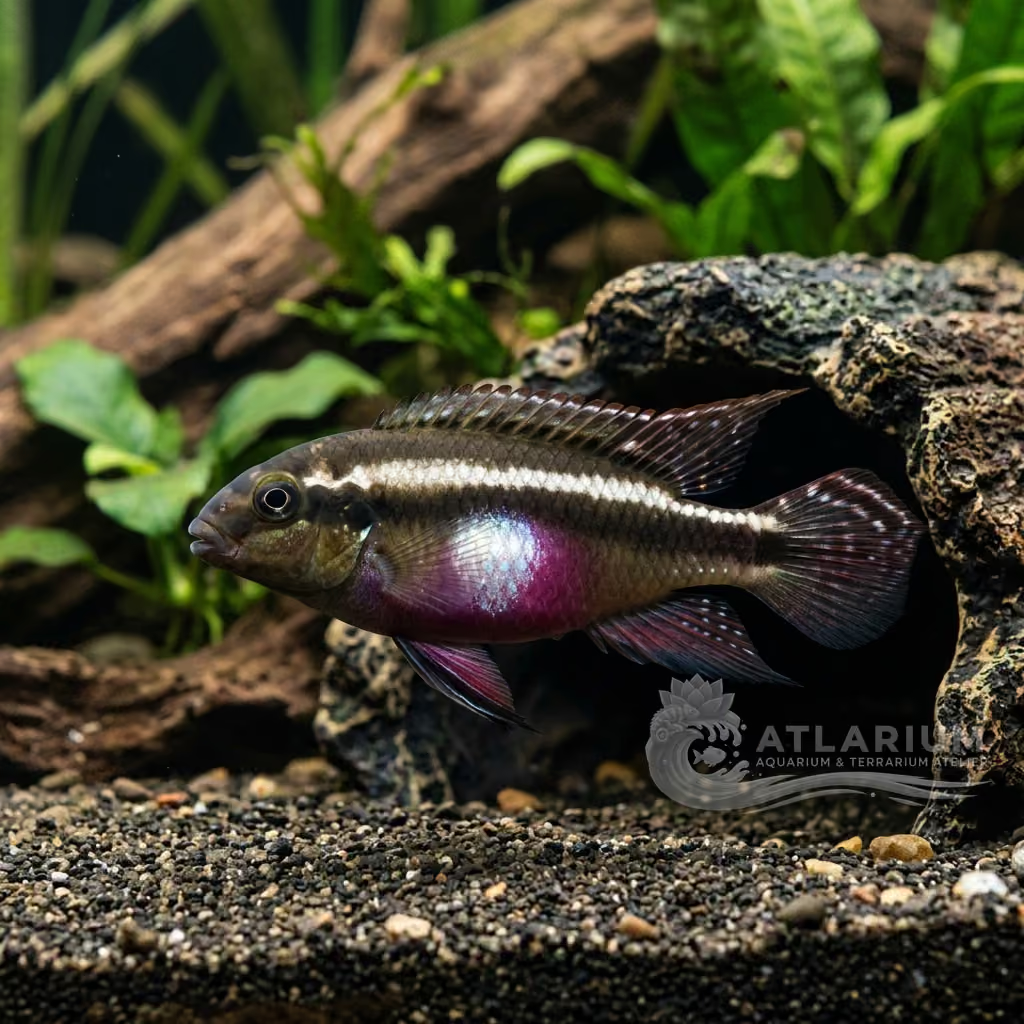
Tapered rock-dweller (10 cm). Striking for the marked dark bands on a light background and blue iridescences on the edges. Solitary predatory cichlid, extremely tied to the rocky bottom and territorial.
Water Temperature
24 - 27 °C
pH Value
7.8 - 9
Water type
Freshwater
Tank level
Bottom and middle
Adult size
10 cm
Minimum tank volume
>= 100 L
Minimum group
>= 1
GH
12 - 20 dGH
KH
6 - 10 dKH
TDS
240 - 400 ppm
Conductivity
375 - 625 uS/cm

Species description
Geographical Origin and Habitat: South-eastern Lake Tanganyika (Zambia, Tanzania). Lives in the steep rocky and detrital substrate (Rubble zone), at medium depths.
Taxonomy and Morphology: Cylinder Cichlid (Neolamprologus cylindricus). Cichlid with a robust cigar-shaped body, laterally compressed to dart into natural limestone rock tubes.
Social Behavior: Den warrior. Extremely tied to the rocks, it never wanders far from its crevice. Becomes ruthlessly aggressive and murderous towards fish that look like it or that dare to invade its stone.
Coloration and Sexual Dimorphism: Zebra of the lake. Very marked vertical black and white stripes along the entire body (unlike tretocephalus it has 10 clear bands). Bright blue-green eyes, fin margins light blue or yellow depending on location (e.g. "Gold Fin").

Care, breeding and tankmates
Aquarium Setup: A scree (Rock-dweller). Needs huge holed rocks stably stacked up to the surface. Gravel or sand should be laid thin, because he and the female will dig furiously to expand the caves.
Diet and Feeding: Carnivore of small prey (Benthivore). Will snub floating foods. Offer fast-sinking protein pellets, krill and chopped earthworms. Vegetables inflame its intestines.
Water Quality: Rigid lacustrine requirements. The pH must NEVER drop below 7.8. The calcareous (Sansibar) or coralline rocks in the tank act as a fundamental natural buffering system for hardness.
Compatibility and Cohabitation: Excellent in Tanganyika community tanks (Cyprichromis leptosoma on the surface, Neolamprologus multifasciatus in an isolated sand-only area). Will instead kill other barred rock-dwellers on sight.
Aquarium Breeding: Extremely faithful and collaborative couples. They lay hundreds of eggs in secret crevices. The parents dig tunnels to protect the larvae, forming a cloud of voracious fry.
Risks and Diseases: Deadly landslides. The cylindricus systematically dig under the foundations of the rocks to create dens. If the setup is not glued (silicone or resin) or resting on the glass, the rocks will collapse crushing them to death and breaking the tank.

Geographic origin and distribution
South-eastern Lake Tanganyika (Zambia, Tanzania). Lives in the steep rocky and detrital substrate (Rubble zone), at medium depths.
Origin
Africa and Madagascar

Fish profile
- Temperament
- Semi-aggressive
- They possess an incredibly aggressive and domineering temperament, common among solitary Tanganyikan predators. They will not hesitate to attack fish much larger than themselves if their territory is breached. Despite their harsh nature, they are highly intelligent and exhibit fascinating, complex behaviors.
- Diet
- Omnivore
- They are formidable micro-predators that feed on small fish, crustaceans, and aquatic insects in the wild. In captivity, they require a diet rich in meaty foods such as high-quality cichlid pellets, krill, mysis shrimp, and chopped prawns. Vegetable matter is not required and should be avoided in favor of protein-rich options.
- Life expectancy
- 10-12 years
- Adult size
- 10 cm
- Sex ratio
- Pair
- They are highly intolerant of other males and even females outside of a bonded pair. It is best to start with a group of juveniles and allow a single pair to form naturally. Once a pair is established, all other individuals of the same species must be removed immediately to prevent fatal injuries.
- Feeding frequency
- Twice daily
- They should be fed one or two times a day with portions they can consume entirely in a few minutes. Due to their predatory nature, they gorge themselves quickly when food is available. Care must be taken not to overfeed, which can lead to poor water quality and serious digestive disorders.
- Bioload
- Low to Medium
- This heavily built cichlid produces a moderately high bioload due to its size and carnivorous diet. They require a powerful filtration system capable of processing significant amounts of waste. Consistent, large water changes are mandatory to keep the water parameters completely stable and pristine.
- Flow
- Stagnant
- They appreciate a moderate water flow that mimics the rocky shorelines they inhabit naturally. Adequate water movement ensures high oxygen levels, which are critical for their health. The current should be strong enough to sweep away debris without throwing the fish around.
- Jump risk
- No
- Reproduction
- Oviparous
- They are secretive cave spawners that require tightly enclosed rocky crevices to feel secure enough to breed. The female lays her eggs on the roof or walls of a cave, and both parents aggressively guard the territory. They are known to be excellent parents, fiercely protecting their fry from any perceived threats.
- Compatibility & tankmates
- With caution
- They are highly aggressive and fiercely territorial, particularly towards conspecifics and similarly shaped fish. They can be housed with larger, robust Tanganyikan cichlids that occupy different levels of the tank. Do not keep them with small or timid fish, as they will be mercilessly bullied or eaten.
- Tank level
- Middle/Bottom
- They are heavily oriented to the bottom of the aquarium, rarely leaving the safety of the rockwork. They spend their days patrolling their chosen caves and crevices near the substrate. They require an extensive, complex rocky layout to thrive and establish their territories.

Scientific Parameters & Models
FishBase
Window to the official scientific data of the species
FishBase v25.04Data synced on: 06/15/2026
- Trophic level
- 3.5 ± 0.41 se
- Resilience
- High (less than 15 months)
- Phylogenetic uniqueness (PD50)
- 0.5
- Bayesian Length-Weight
- a = 0.00389, b = 3.12
- VulnerabilityLow vulnerability (10 / 100)

Related species
Recommendations grouped by close relatives, companion choices, and similar care.